Cycling Bikes
Three Bikes for Long Mixed-Terrain Rides: Steel Hardtail, Cross-Country Full Suspension and Gravel
A steel cross-country hardtail, a lightweight cross-country full suspension bike and a fast carbon gravel bike compared for long mixed-terrain days out.
Introduction
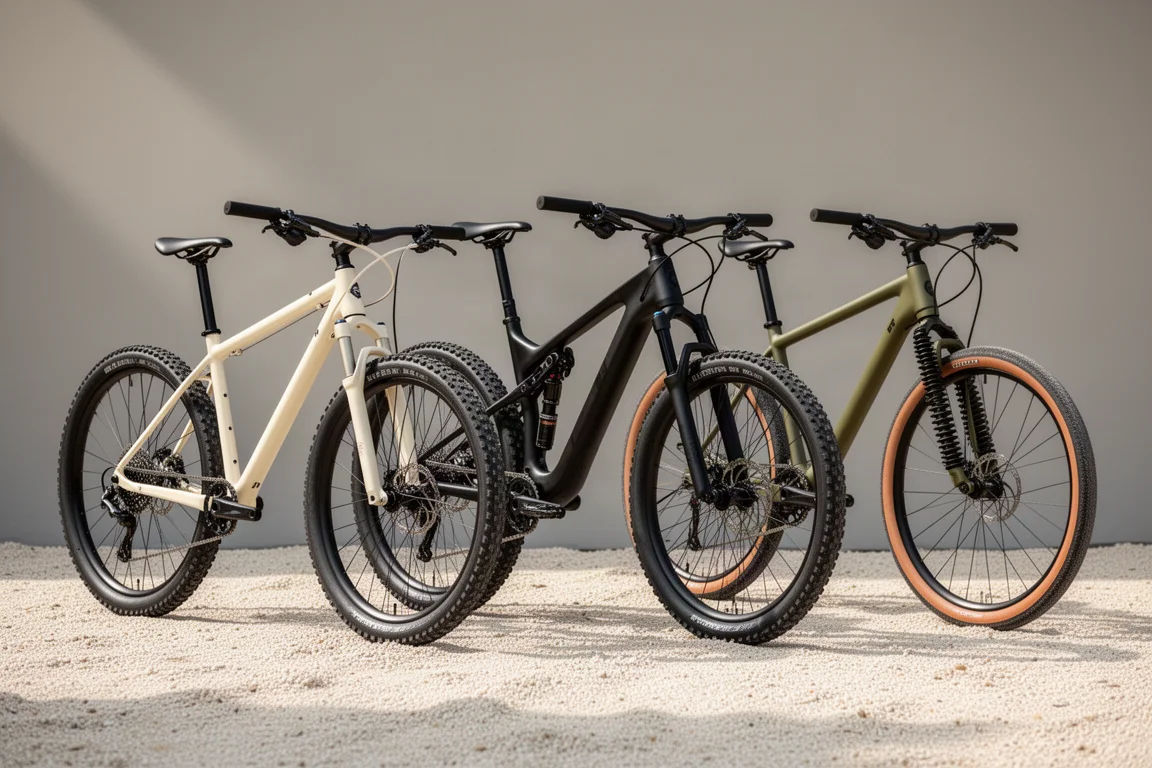
Three bikes, one long off-road objective: covering big distances over mixed surfaces without giving up speed or comfort. A steel cross-country hardtail, a lightweight cross-country full suspension bike and a fast carbon gravel bike each solve that problem in a different way, and the differences become obvious as soon as a route mixes bumpy grass climbs, rocky tracks, open hillsides and long flat road stretches.
This roundup looks at what each of the three does well, where each one gives something up, and which type of rider each is likely to suit.
What Matters on a Mixed-Terrain Endurance Route
A route that changes surface constantly puts unusual demands on a bike. Long, loose grass climbs reward low gearing and an efficient seated position. Rocky, technical ground rewards tyre volume, suspension or frame compliance. Flat tarmac and gravel link sections reward low weight and low rolling resistance. Fast descents reward control, which comes from wide tyres, stable geometry and, on the roughest ground, real suspension.
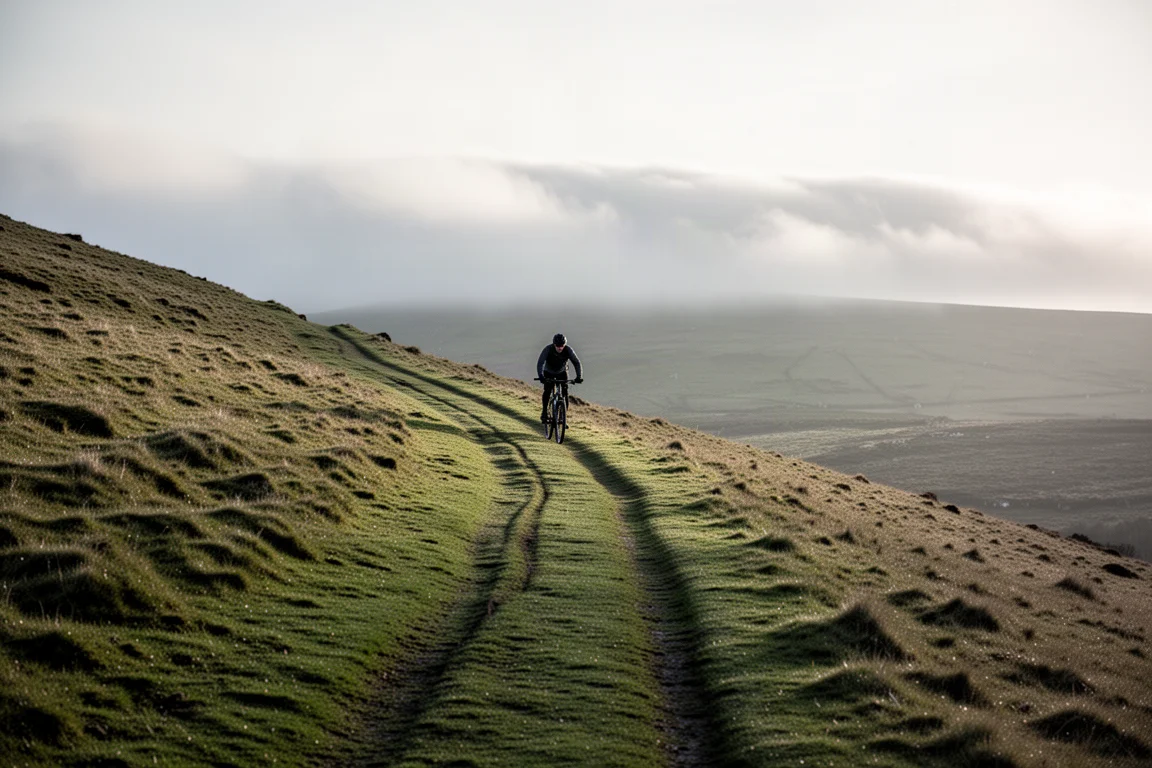
No single bike wins on every one of those counts at the same time. The useful question is not which bike is fastest in absolute terms, but which set of compromises matches the way you actually ride. Gearing range, comfort over several hours, tyre clearance and descending confidence are the four areas where these three bikes differ most.
Fairlight Halt: A Steel Cross-Country Hardtail
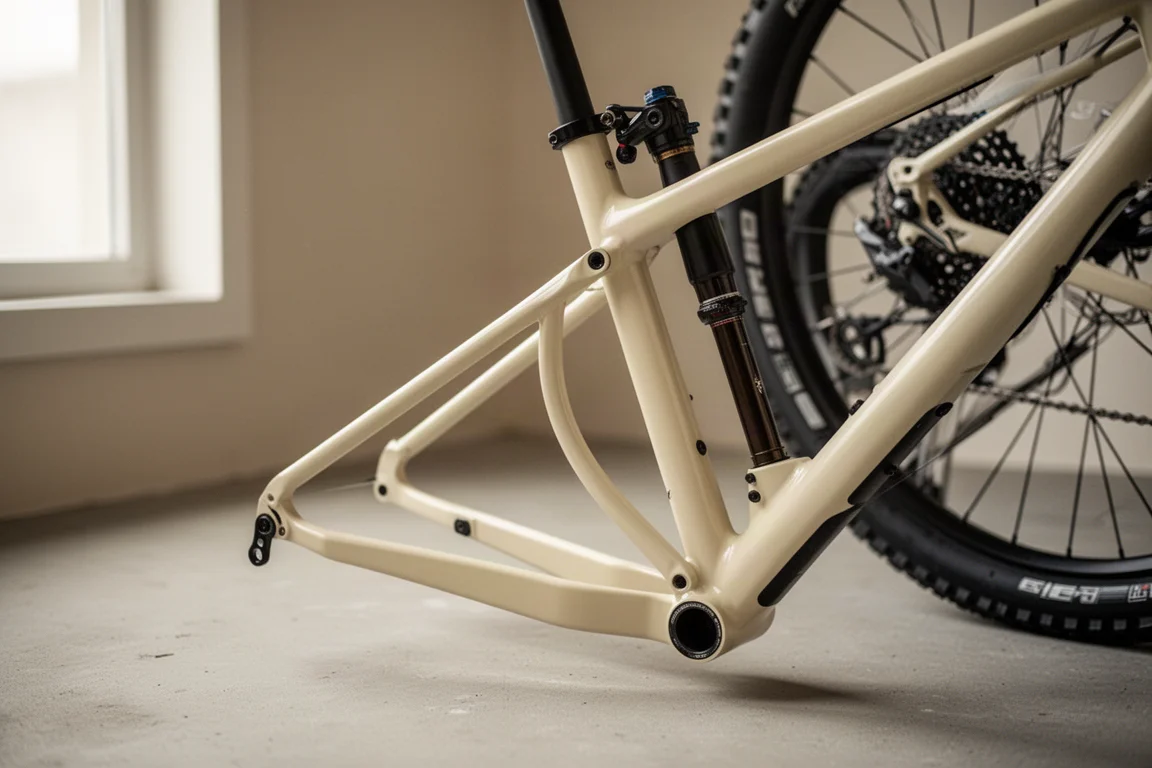
The Fairlight Halt is a cross-country hardtail with a steel frame, and steel is the material the brand uses across its range. Steel is valued for a springy, vibration-absorbing ride quality, and on a rough day out that translates into a degree of passive suspension that takes the edge off chattery ground. The finish is a warm desert tone that reads closer to cream than to the usual matte black.
For riders who like the idea of a hardtail but want something calmer than an aluminium race frame, the Halt’s appeal is straightforward. It is designed to stay comfortable over a long day while still being happy to be pushed hard on the descents.
Frame Design and Passive Comfort
The frame is heavily shaped for a steel hardtail, with complex tube profiles and pronounced S-bends in the rear end. Combined with a fairly exposed seatpost, that shaping produces noticeable flex at the saddle, which adds comfort on seated climbs over rough ground. The bike runs a dropper post, and the post itself contributes a little extra give.
Tyre choice follows the same cross-country logic. The Halt was ridden with a Vittoria Barzo up front and a Mezcal at the rear, both shallow-tread cross-country designs rather than mud tyres. Their fairly light casings, fast rolling tread and tubeless setup suit dry, fast conditions, which is exactly what they were chosen for.
On the descents, the combination of wide tyres and a hardtail that stays composed makes the Halt genuinely fun, and it remains comfortable over a long day out. For most riders taking on a mixed-terrain route at their own pace, that balance of descending control and all-day comfort is more sensible, and arguably safer, than chasing outright speed on narrower tyres. Riders specifically targeting a fast time on this kind of route may still prefer a gravel bike.
Specialized Epic EVO Expert: Cross-Country Full Suspension
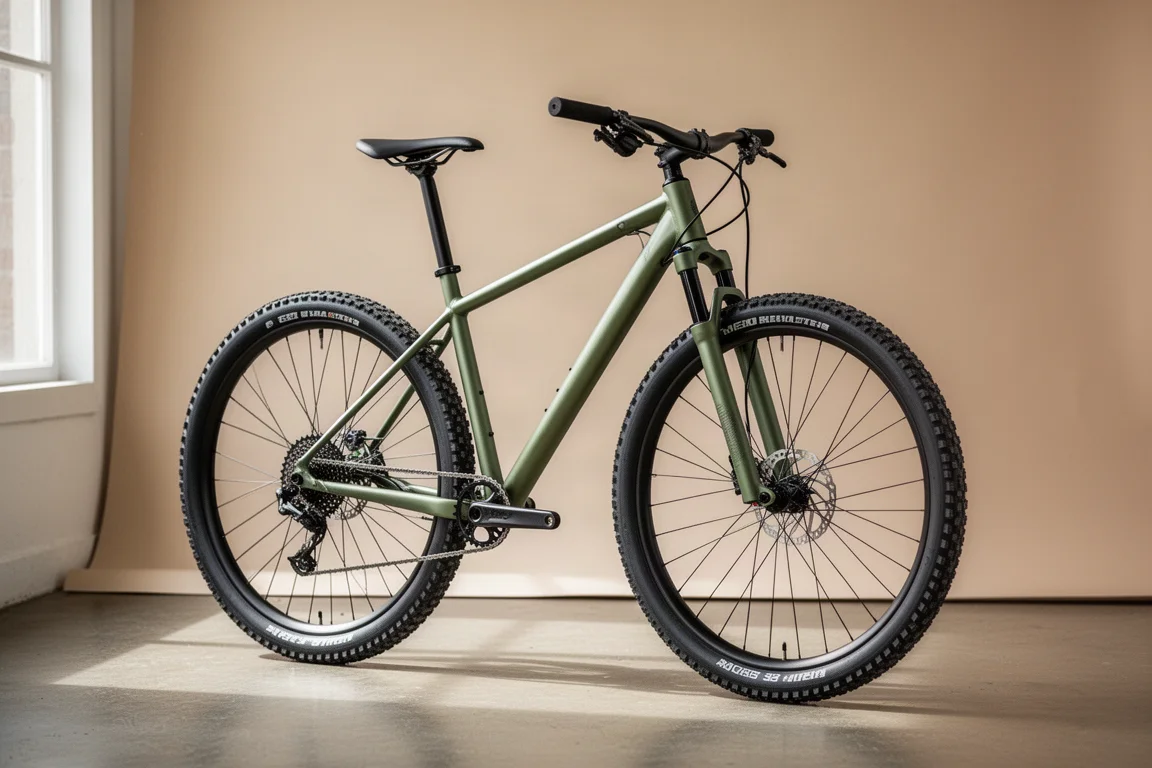
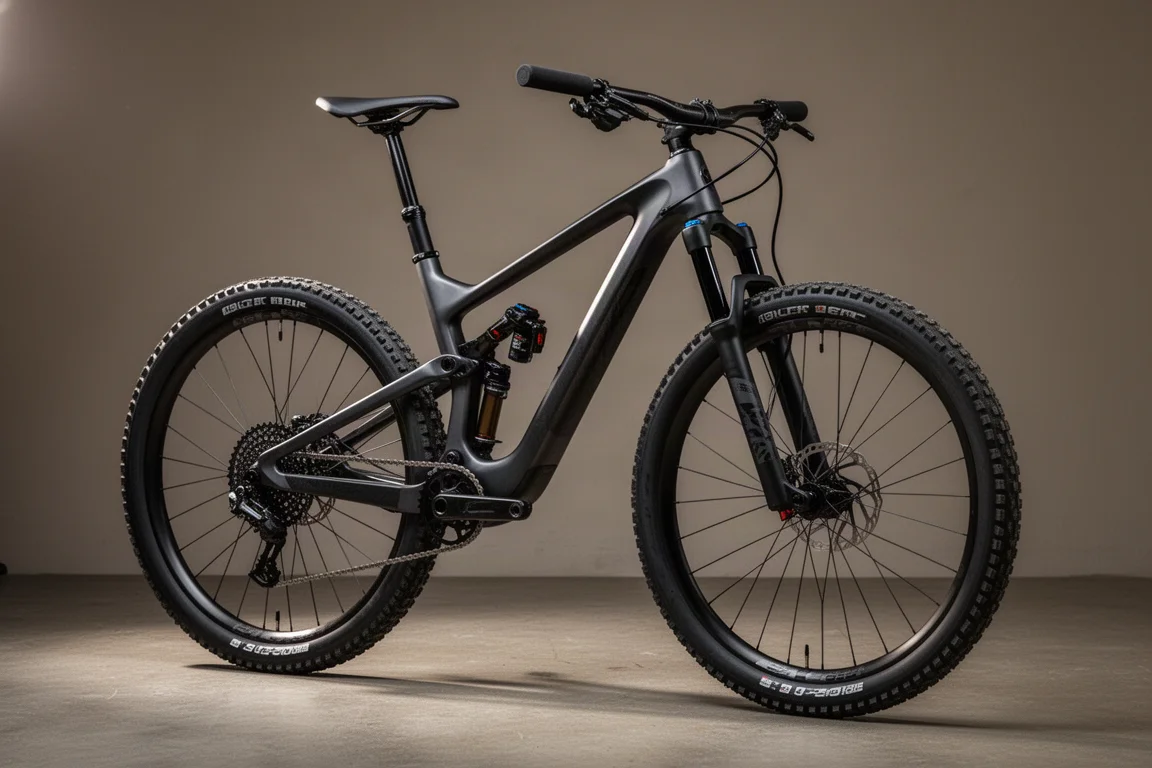
The Specialized Epic EVO Expert is a cross-country full suspension bike with a FACT 11m carbon frame. At around 11 kilograms it is light for a bike with suspension at both ends, and its cross-country origins give it a racy, responsive feel that never comes across as sluggish.
The suspension and the big 29-inch wheels make the rougher parts of a mixed route far more enjoyable than they would be on a rigid bike, while the stiff frame stays good at generating speed over bumps.
Suspension, Wheels and Gearing
Up front there is a RockShox SID Select fork with 120mm of travel, paired with a RockShox SID Luxe Select rear shock offering 110mm. That is not a lot of travel by trail or enduro standards, but it suits mixed terrain well, and the bike feels more capable than the numbers suggest. Lockouts firm up the suspension for climbing and flat sections, so the bike does not wallow when you push on the pedals, and it stays supported when you stand up on steep gradients.
The bike rolls on 29-inch Roval Control Carbon wheels with 2.3-inch tyres, a Specialized Ground Control at the front and a Fast Track at the rear. They are fast rolling and grip well on rocky, bumpy ground, but the width makes them feel draggy on road sections, which is the clearest compromise in the package.
Gearing comes from a 12-speed SRAM drivetrain with a 10-50 tooth cassette. The range is wide and the lowest gear is short enough for most steep climbs, with shifting that is quick, quiet and responsive. The top end is the weaker point: on a long flat road sprint there is not quite enough gear. A power meter is included, though it is easy to leave unused if you do not normally train with one.
Lauf Seigla: Gravel Speed with Mountain Bike Manners
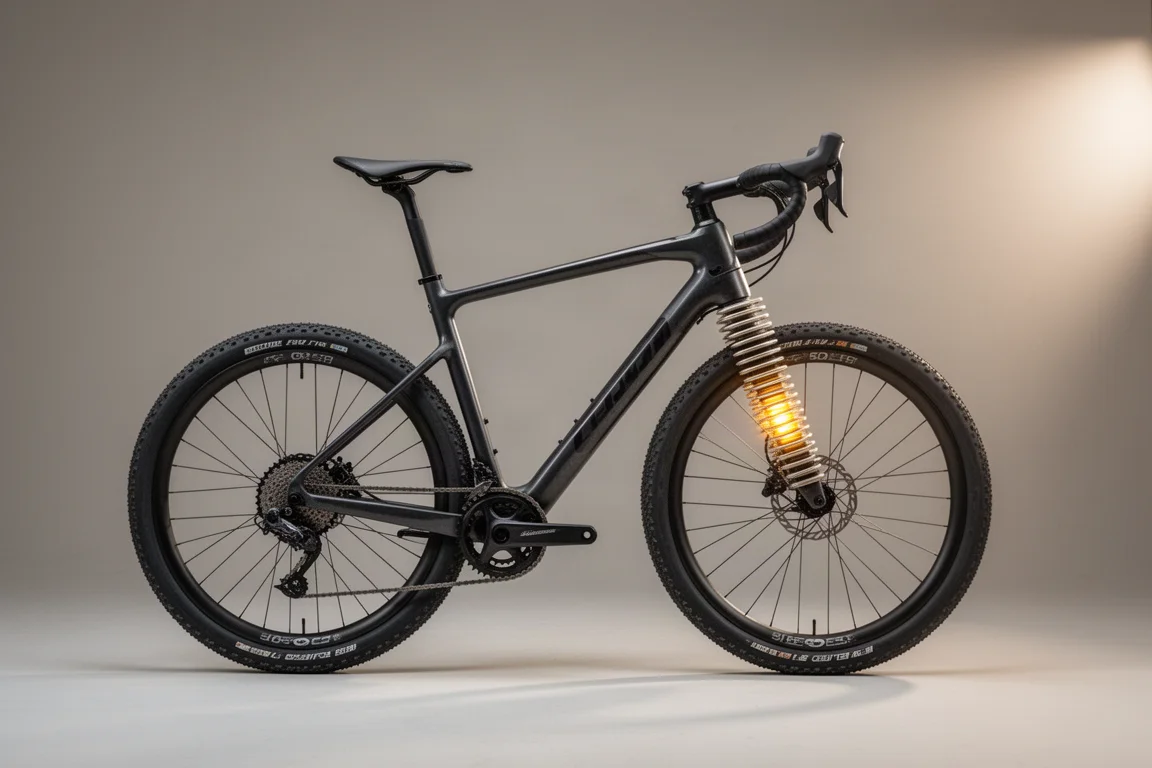
The Lauf Seigla is a carbon gravel bike that sits well towards the mountain bike end of the spectrum. The frame is built with compliance in mind and has generous tyre clearance, yet the bottom bracket area stays stiff, and the complete bike weighs only a little over nine kilograms. Riders who normally swear by a hardtail for gravel riding may find it worth a second look.
Drop handlebars are the obvious difference from the other two bikes here, but the Seigla is far from a road bike with wider tyres. On a route with chunky boulders and deep river beds it was the natural choice, and it still had enough pace for punchy road climbs.
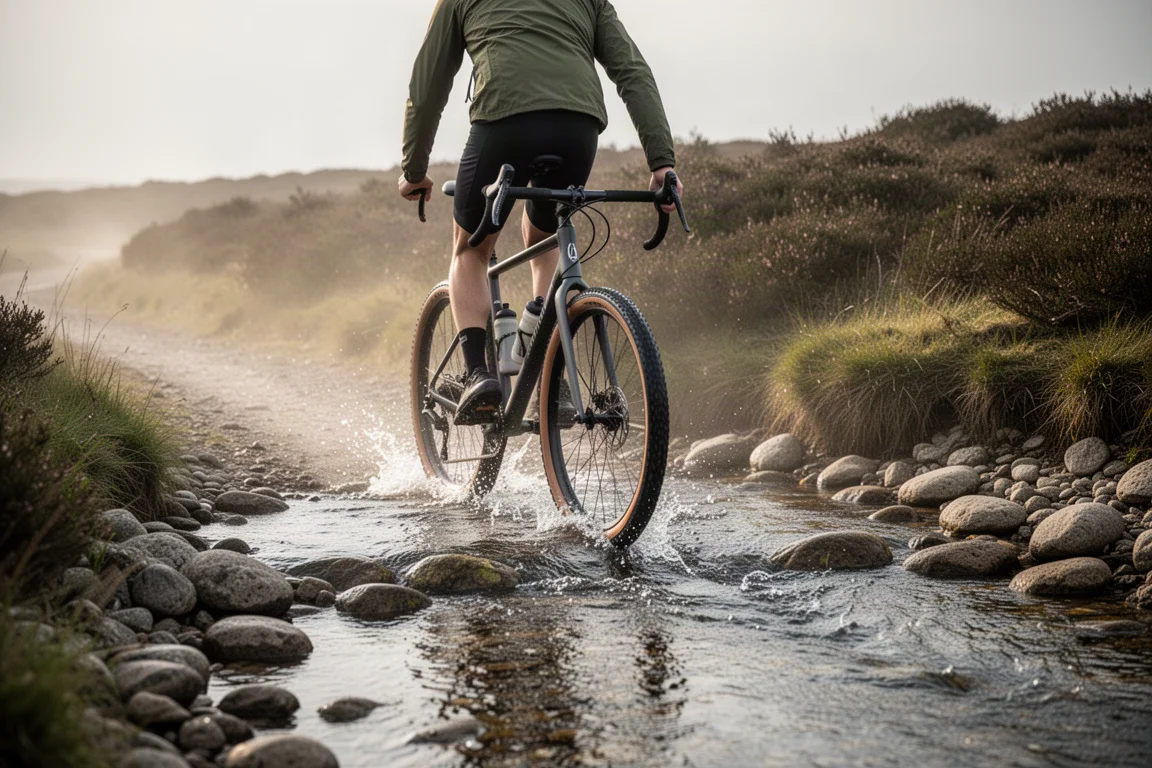
Clearance allows tyres up to 29 x 2.5 inches, which is unusually generous for a gravel bike. The Seigla was ridden on 700 x 50c Maxxis Ramblers in the 120 TPI version with EXO casing, set up tubeless. They came through without punctures or sidewall cuts, and their relatively low rolling resistance made them less sluggish on tarmac than the width suggests. Wider tyres would be more fun still, though not necessarily faster against the clock.
Grit SL Fork and Wireless Shifting
The fork is Lauf’s Grit SL, a leaf sprung design that uses 12 glass fibre leaf springs to provide 30mm of travel. It is very light and surprisingly effective at floating over rocks and lumps in the trail, and unlike a conventional suspension fork it needs no tuning. Thirty millimetres is not much in rough terrain, and it bobs slightly on steep climbs, but the bike’s climbing position keeps that from becoming a real problem. On routes that are mostly flat-out gravel rather than mountain bike trails, it is a sensible choice.
Drivetrain duties fall to a SRAM Rival AXS Explorer wireless electronic groupset, with a 10-44 tooth cassette and a 42 tooth chainring. The spread covers long fast road descents and steep technical climbs, and the electronic shifting was consistently reliable, never missing a shift while mashing up and down the cassette. There is a slight delay between pressing the shifter and the derailleur moving, which is noticeable when riding against the clock, but reliability matters more than shift speed. The Rival brakes were strong enough for late, hard braking into the many gates along the route, and this build includes a single-sided power meter.
Which Bike Suits Which Rider
If descending is the part you look forward to and you want to stay comfortable over a long day, the steel hardtail is the most straightforward answer. It gives up some outright speed but asks very little in return, and the passive comfort built into the frame is welcome on long, rough climbs.
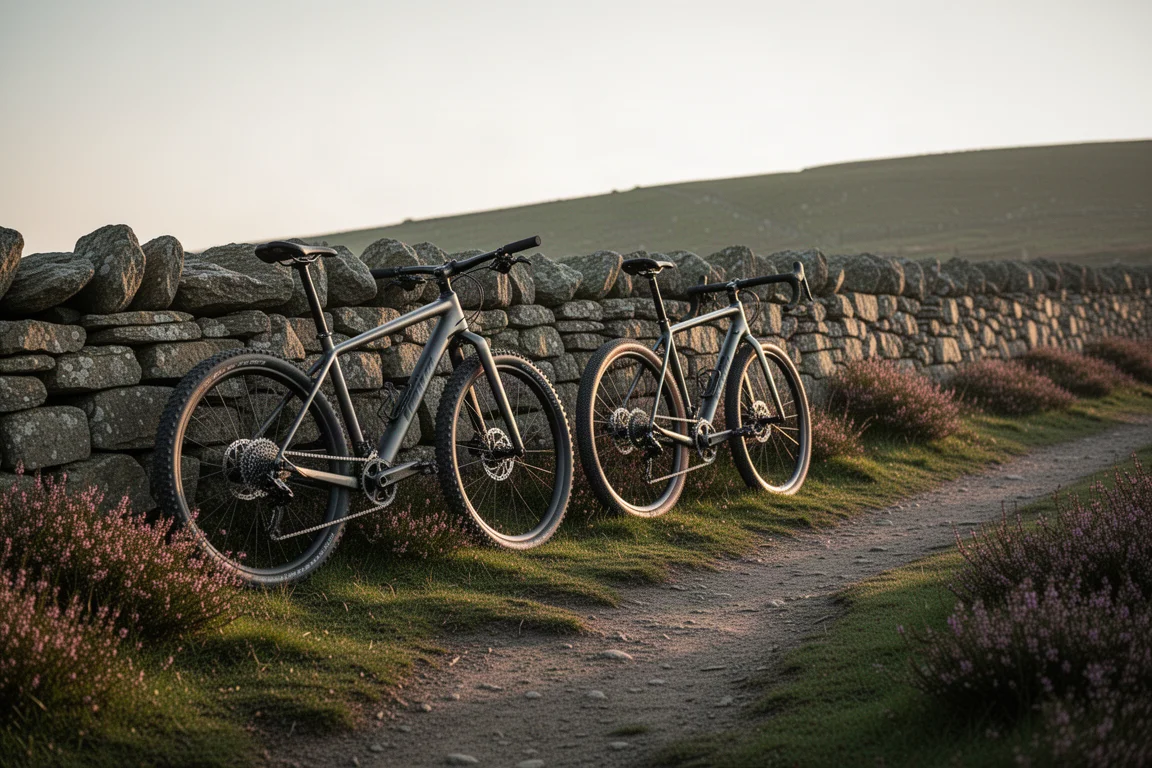
If you want one bike that covers rough ground quickly and still holds speed on the flat, the cross-country full suspension bike is the more versatile machine, as long as you accept slower road sections. And if your priority is pace over mixed surfaces from a drop bar position, the gravel bike with a suspension fork is the quickest of the three on paper and the most fun to throw downhill. There is no perfect answer for a route this varied, which is why the decision comes down to the compromises you would rather live with.
Conclusion
All three bikes are capable of long mixed-terrain days, and each is built around a different idea of what matters most. The Fairlight Halt trades outright speed for comfort and control. The Specialized Epic EVO Expert adds suspension and low weight to the same equation. The Lauf Seigla keeps drop bars and road pace while borrowing mountain bike manners for the rough stuff. Match the bike to the way you ride, and any of the three will do the job well.
Further reading
Related Reviews
Cycling Bikes
Best Bikes by Budget 2026: What £1,000, £3,000 and £5,000 Buys
A practical guide to the bikes worth considering at three price points, from aluminum gravel bikes to carbon road machines, with the trade-offs explained.
Cycling Bikes
Best Bikes for Mixed Off-Road Terrain: Three Approaches Tested
A steel cross-country hardtail, a lightweight full suspension cross-country bike, and a mountain-bike-leaning gravel bike compared for long mixed off-road days.
Cycling Bikes
10 Road and Gravel Bikes Worth Knowing: Workshop Favorites
Ten road, gravel and all-road frames that hold up in daily workshop use, from Italian stainless steel to titanium, steel and hand-woven carbon.