Running Shoes
This or That: Nine Running Shoes Compared for Racing, Training and Recovery Days
Nine running shoes, one set of practical comparisons: which plate shoe, lightweight racer or daily trainer makes sense for your next race or training block.
Introduction
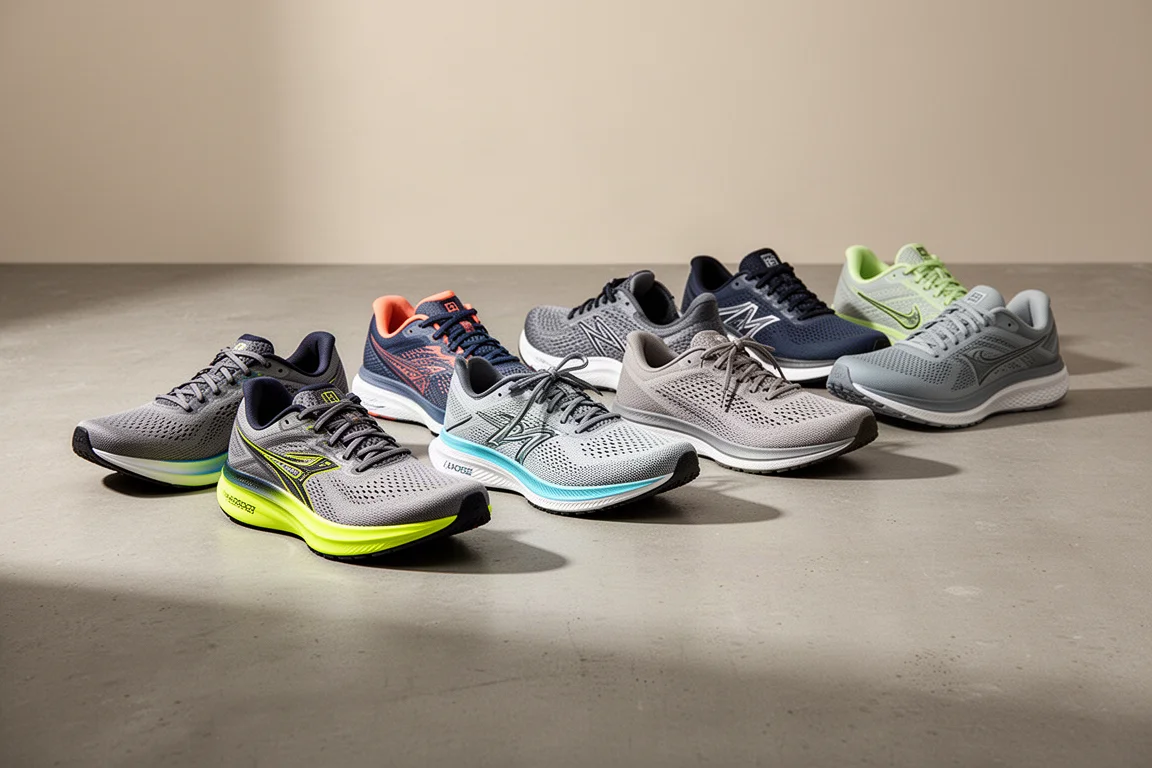
Comparing shoes head to head is one of the most useful ways to figure out what actually belongs on your feet. In this edition of our “this or that” format, we answer a batch of runner-submitted comparisons covering racing super shoes, plated and unplated trainers, cross country options, and the daily cushioned ride. The answers below reflect hands-on wear testing and a physical therapist’s view of how each shoe fits a specific job.
Racing Shoes for Faster Days
Saucony Endorphin Pro 2
For longer race efforts and tris where transition speed matters, the Endorphin Pro 2 earns its spot. It uses a less aggressive plate than some rivals and, importantly for triathletes, a gusseted tongue that slides on easily with elastic laces. Its traction also holds up better than some plated rivals on loose or uneven surfaces, which made it the pick for a triathlon run leg that turned out to be a soft sand trail. If your race day involves conditions beyond clean tarmac, this is a shoe worth a close look.
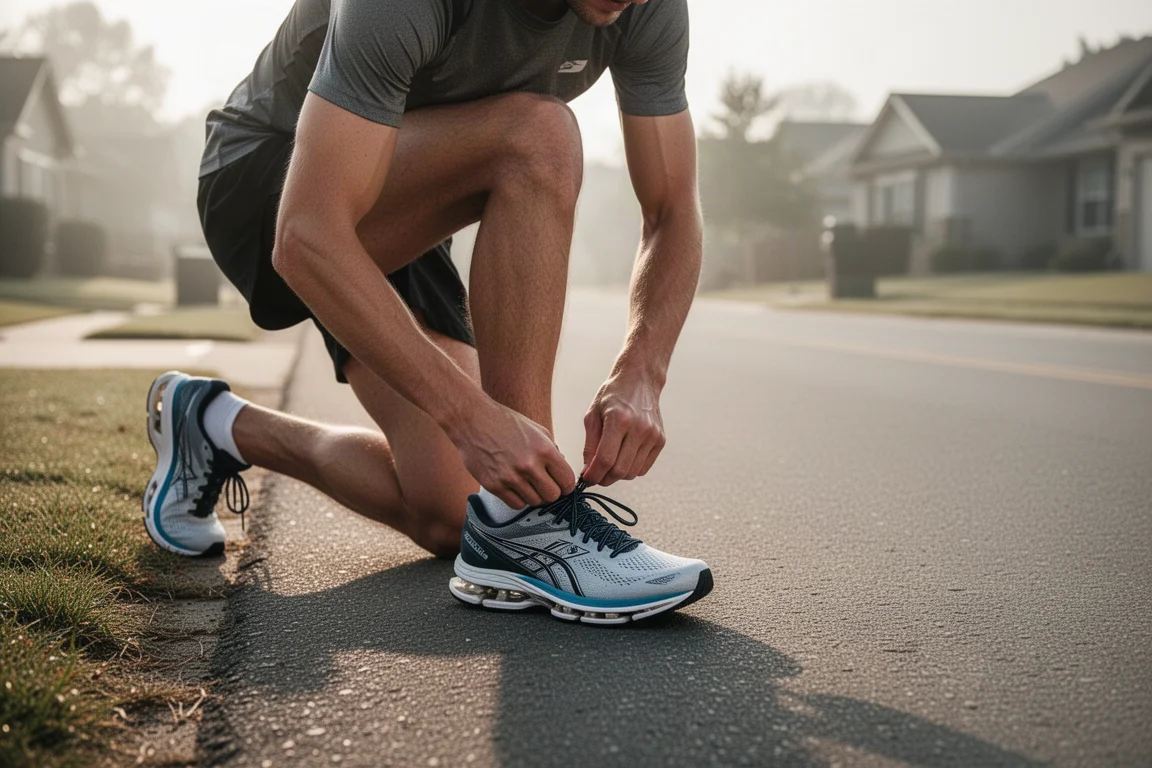
Compared with other race shoes, the Pro 2 trades a bit of top-end snap for versatility and grip. Runners who usually default to Nike’s racing line often find it the better choice when footing is uncertain.
Nike Vaporfly 3
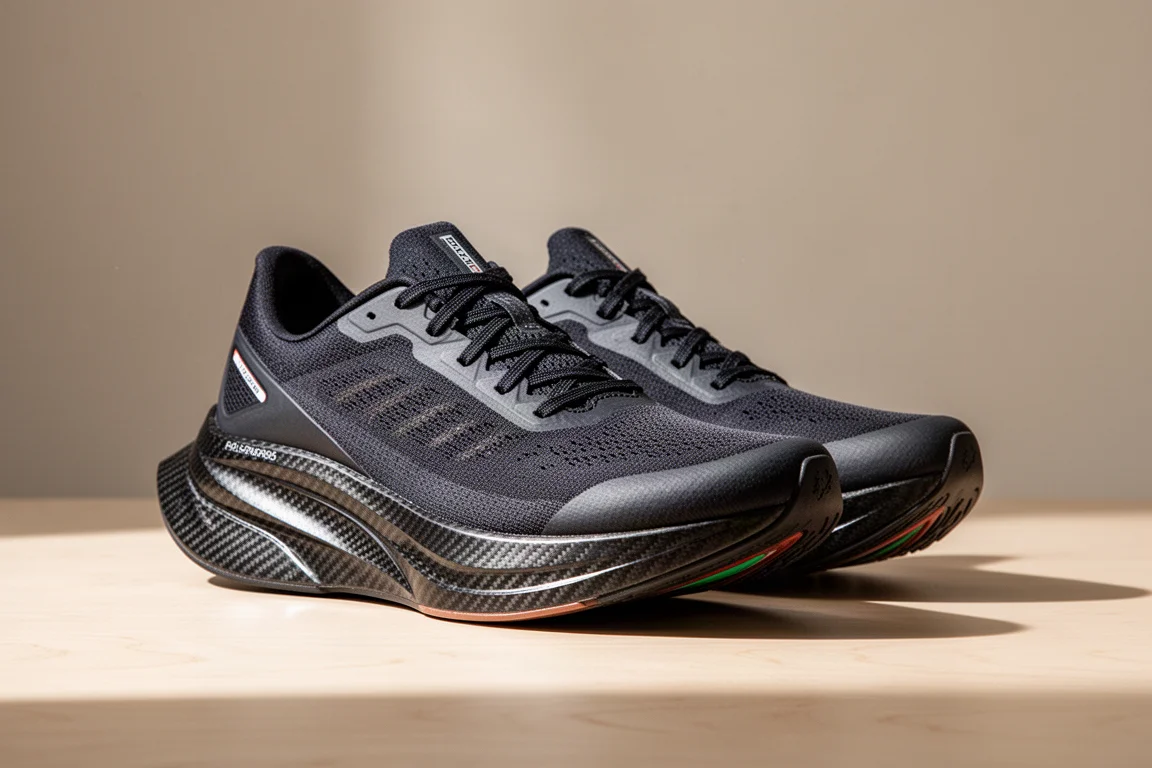
For a 10K, the answer was simple: the Vaporfly. It is the rare plated racer that works for a mile and for a marathon, with a snapping, energetic ride that holds up over big mileage. Owners report the outsole lasting well past 100 miles with the pop largely intact, which matters at this price point where competing super shoes can cost considerably more. If you want one race shoe that does everything, this remains the do-it-all benchmark.
Training Shoes Compared: New Balance’s Trio
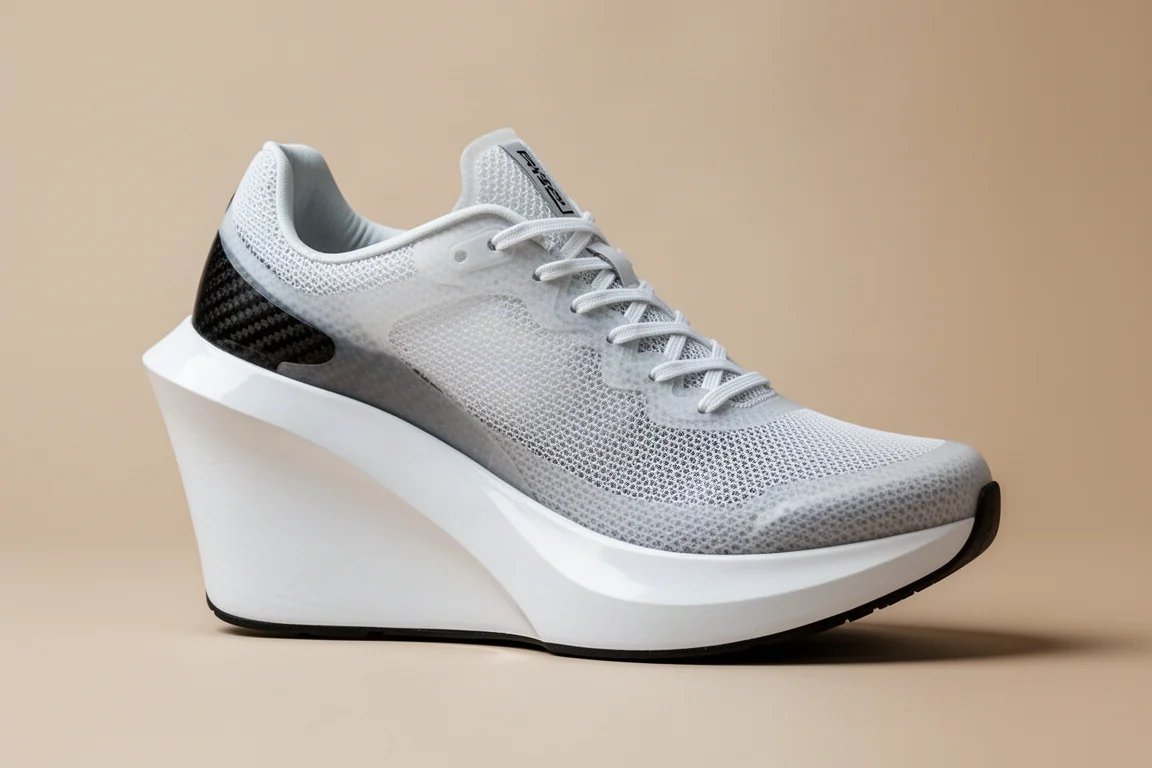
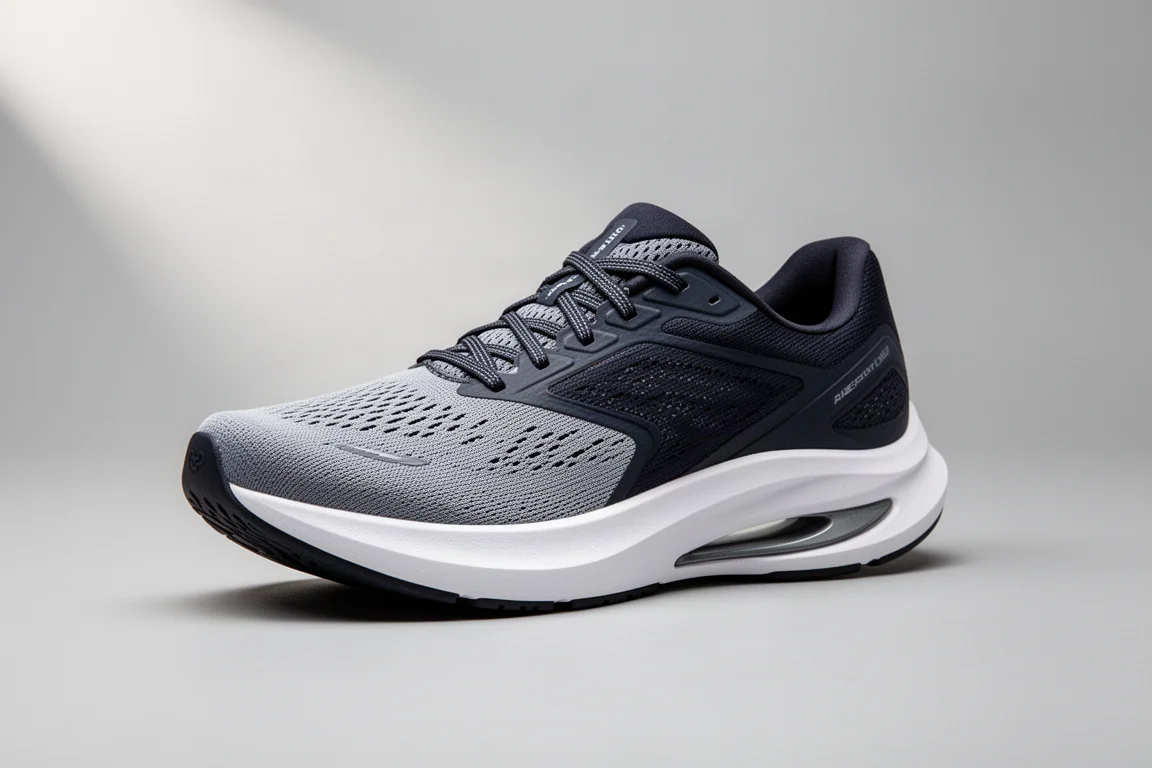
New Balance Propel v4
For general training with a mild, less aggressive plate, the Propel v4 was the pick of this trio. Its character is often compared to the Endorphin Speed: a plated trainer that is protective enough for easy miles but willing when the pace drops. If you want one shoe that can cover workouts and most of your weekly mileage, start here.
New Balance SC Trainer v2
The SC Trainer v2 brings a genuinely thick midsole, roughly 40mm at the heel, with a plated, max-cushion ride suited to long runs and faster days rather than short strides. Version two trims some weight and stack versus version one, making it more suited to quicker running, but it is still too much shoe to sprint in. Think of it as a long-run and workout weapon, not a track tool.
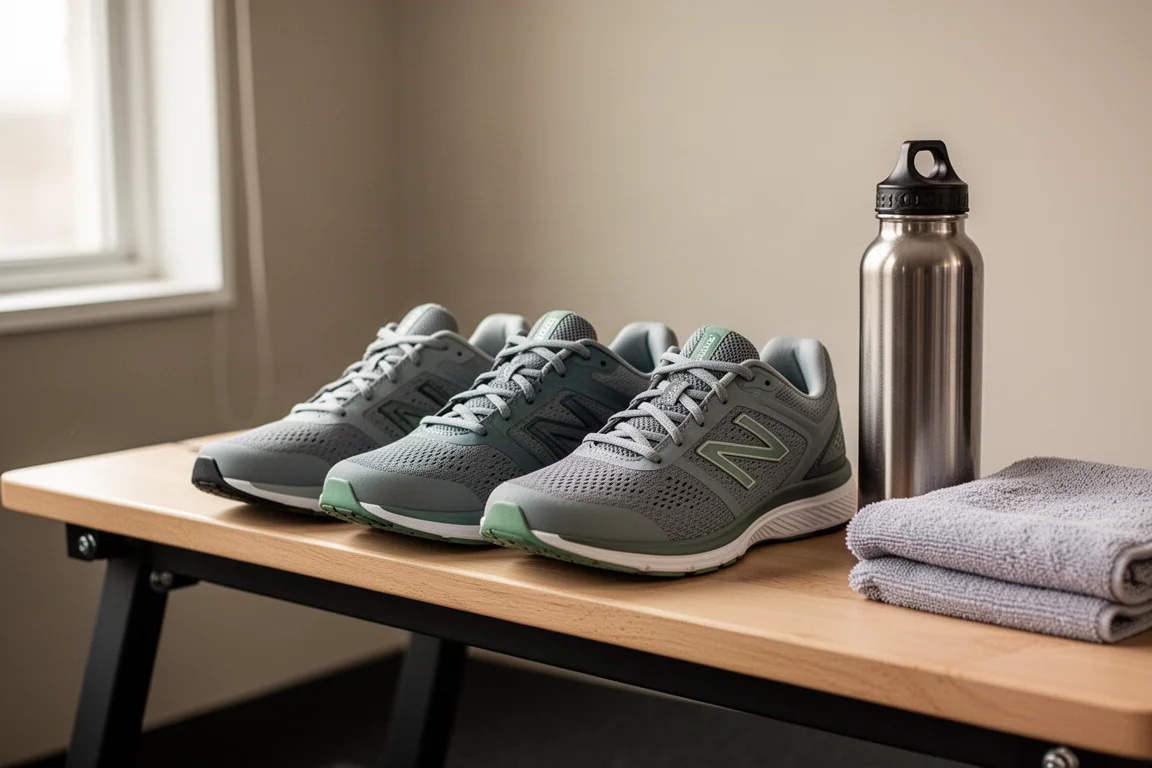
For marathon build-ups where big Sunday miles dominate, this is the shoe of the three most likely to earn its keep.
View more details for New Balance SC Trainer V2
New Balance Rebel v3
Of the three New Balances, the Rebel v3 is the one that can actually handle fast, short efforts. Its stack sits in the 30s but it feels lower to the ground than the numbers suggest, with good ground feel and a flexible forefoot. One tester noted the toe spring position did not suit their foot, so trying it on matters, but as a quick-turning option for shorter intervals it beats both plated siblings here.
Lightweight Racing and Cross Country Picks
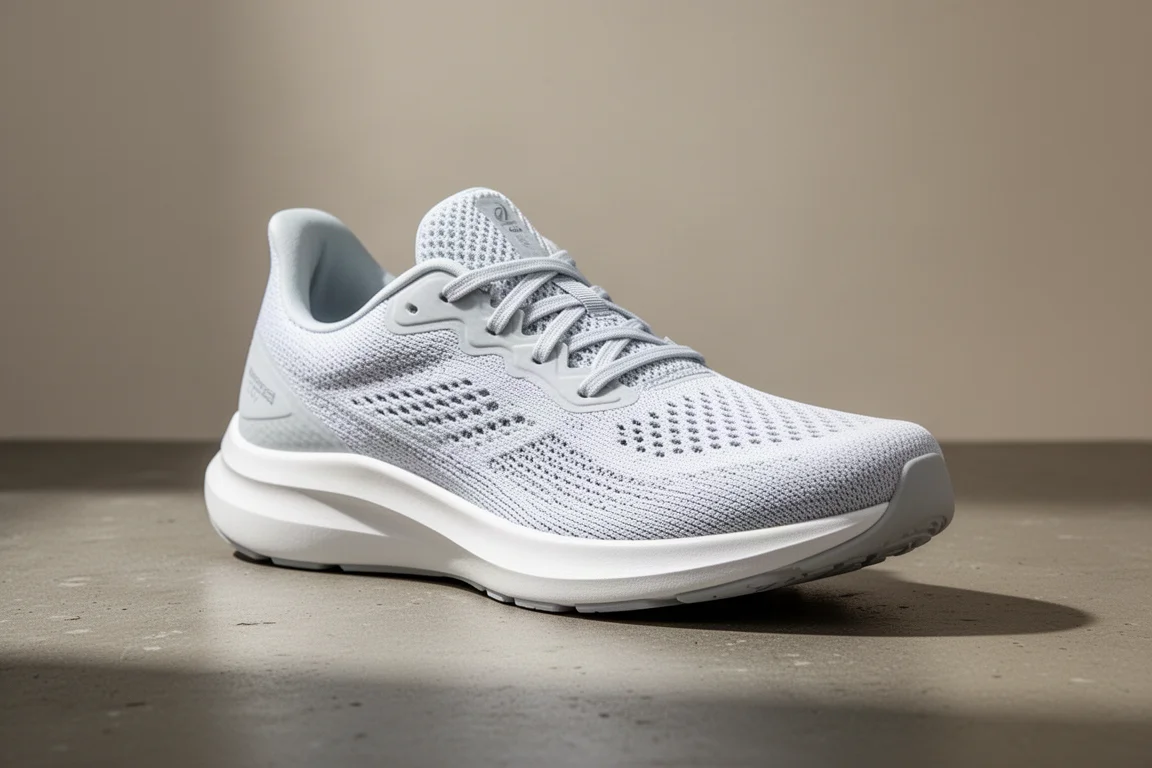
Nike Streakfly
For a 5K cross country race, the Streakfly takes it. It has no carbon plate, which is exactly what you want when the surface is uneven: the midsole and a PebaX shank adapt to the ground instead of fighting it. It feels like a slipper, offers excellent ground feel, weighs almost nothing, and the upper causes no irritation even without socks adjustments. Between the two, this is the easier shoe to race in on grass and dirt.

It also doubles as a short-interval track tool, which makes it easier to justify than a single-use cross country shoe.
Saucony Sinister
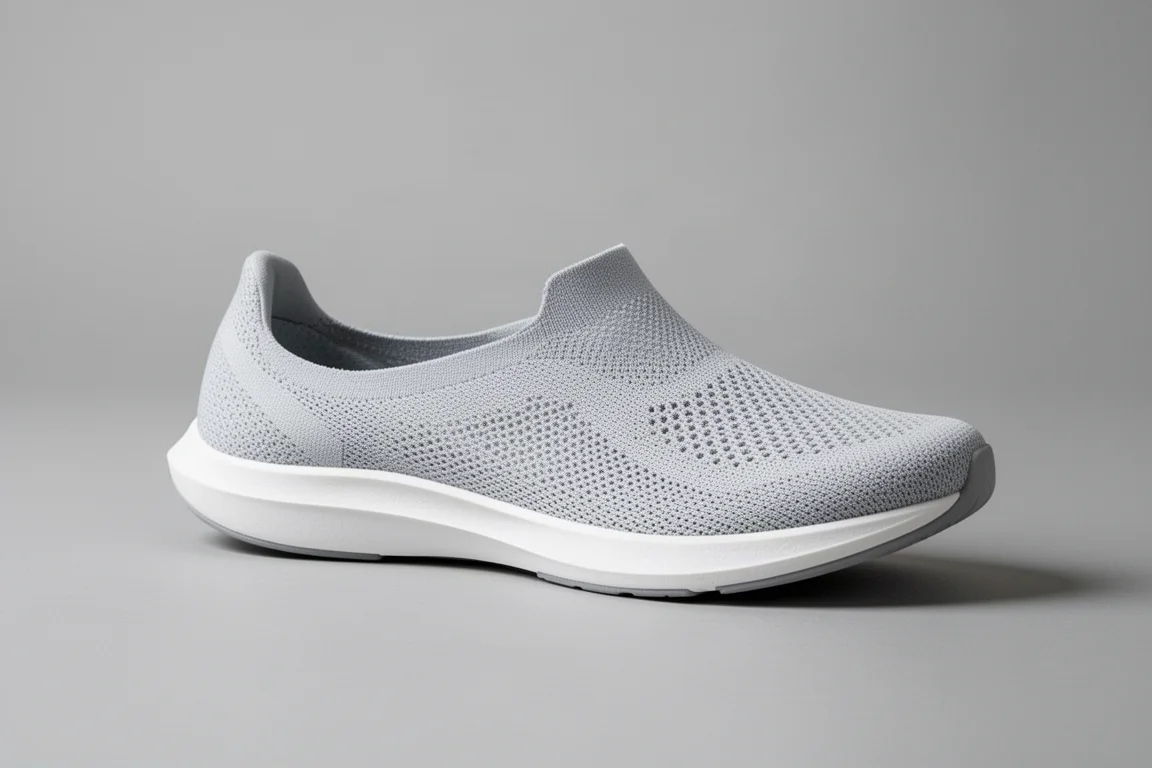
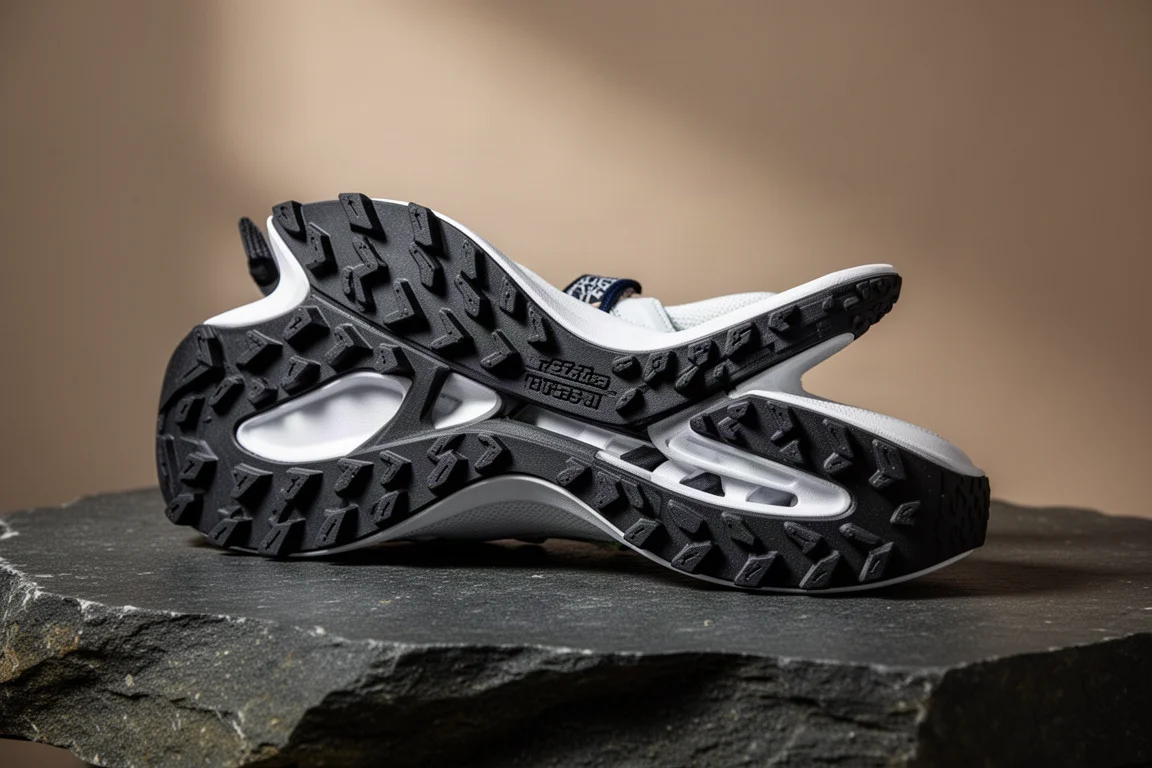
The Sinister is a niche pick with a clear warning: the toe box is extremely narrow and low volume. If you genuinely have a narrow foot and want a stiffer cross country shoe, its grippy outsole, reminiscent of a light trail tread, could work well for XC. Runners with normal or wide feet will struggle to walk in it, let alone race. If it fits you, watch for sales, since it is frequently discounted.
Comfort Trainer Showdown: Brooks Hyperion Max vs New Balance Beacon v3
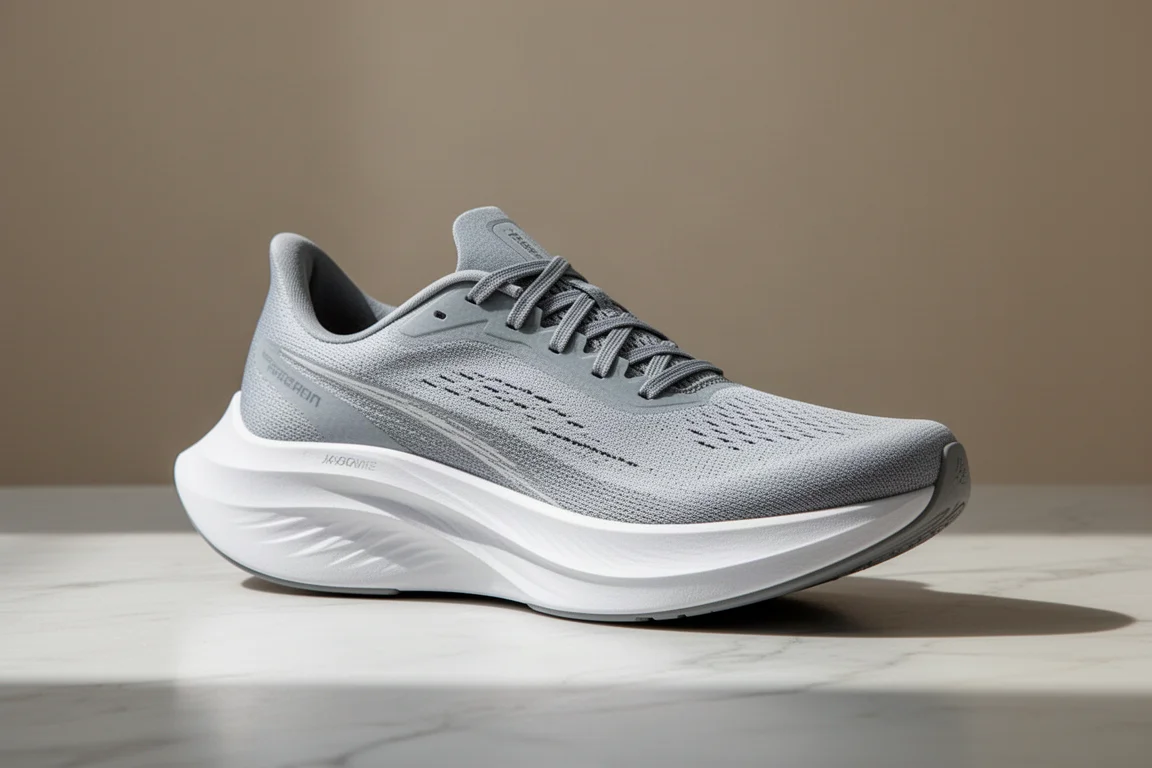
The Brooks Hyperion Max gets the nod here, mostly on durability. It offers a pleasant, slightly cushioned neutral ride that works for easy days and recovery miles alike. The bigger story is longevity: while the beloved New Balance Beacon v3 was famously hard to stretch past around 200 miles because of its exposed midsole, the Hyperion Max has held up to 300 miles per pair and keeps going.
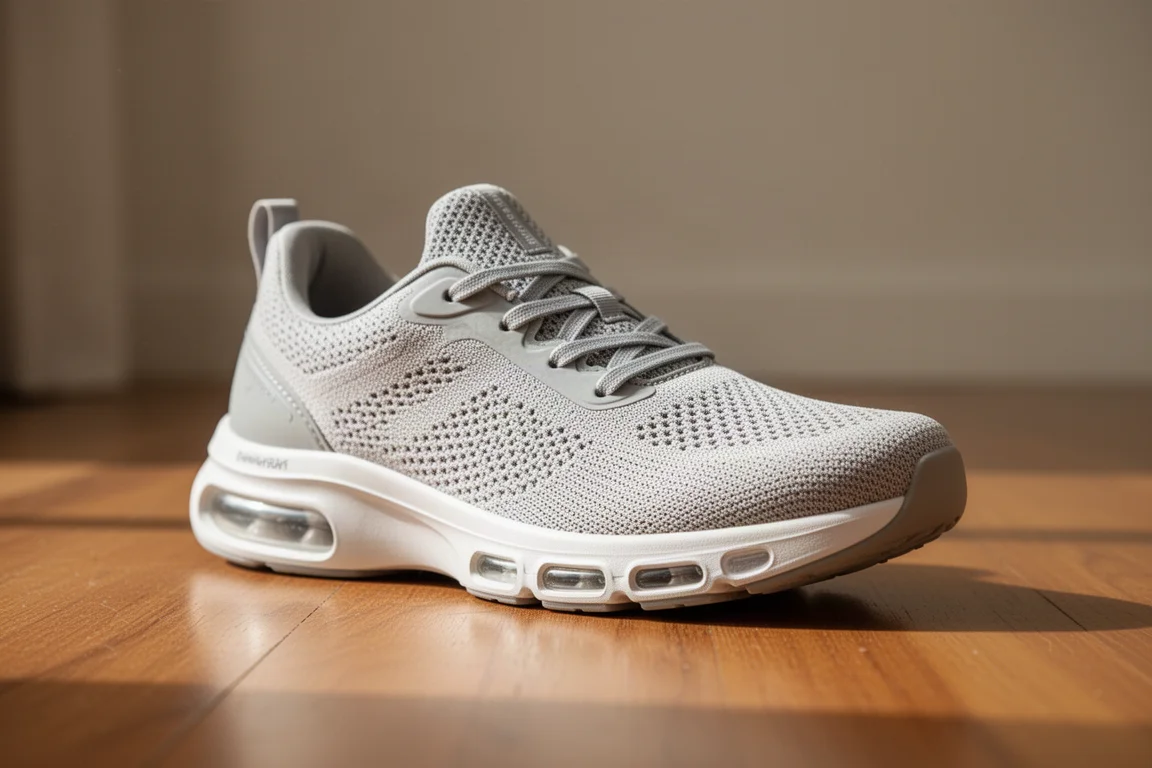
That said, the Beacon v3 remains a favorite for its soft, comfortable ride, and fans still hope New Balance revives it with more outsole rubber. If you find a Beacon v3 in your size and value plush comfort over lifespan, it is still a lovely shoe, but the Hyperion Max is the more practical buy today.
Buying Advice
Across all of these comparisons, a few themes kept coming up. Price is not a reliable predictor of whether a shoe will work for you: plenty of trainers in the 90 to 100 dollar range perform as well as shoes costing half again as much, and expensive plated shoes go on sale quickly, sometimes 30 percent off within months. Durability changes the math too. Two shoes at the same price can deliver very different cost per mile, so longer-term wear matters when judging value.
Fit and comfort beat everything else. A shoe that feels comfortable is the shoe most likely to work for you, whether or not it is the consensus favorite. If you are a neutral runner, lean toward neutral shoes rather than stability models, which can push your mechanics somewhere they do not need to go, unless a stability shoe is already comfortable and working for you. And whatever race day choice you make, practice your fueling and your shoes in training long before the start line.
Conclusion
There is no single best shoe, only the best shoe for the job. For all-out racing, the Vaporfly 3 and Endorphin Pro 2 cover clean roads and tricky footing respectively. For training, the Propel v4, SC Trainer v2 and Rebel v3 split the workload sensibly. The Streakfly and Sinister handle short, fast off-road efforts for the right feet, and the Hyperion Max offers durable everyday comfort where the Beacon v3 offers beloved plushness. Match the shoe to the run, try before you buy, and you will rarely go wrong.
Further reading
Related Reviews

Running Shoes
Best Road-to-Trail Running Shoes: Three Versatile Options for Mixed Terrain
A practical guide to three road-to-trail running shoes that handle both pavement and mild trails, with clear strengths and trade-offs for different runner types.

Running Shoes
Best Running Shoes for Achilles Tendonitis: Three Options Explained
Three running shoes with different heel drops and support features designed to help reduce Achilles tendon pain during walking and running.

Running Shoes
Best Running Shoes for Women: Five Top Choices Ranked
A ranked guide to five women's running shoes, from versatile daily trainers to high-performance racing options, with real strengths and trade-offs for each.