Snowboard Bindings
32 XLT Carbon Phase Binding Review: Carbon Response Without Going Overboard
A composite carbon snowboard binding that delivers firm heel-to-toe response and surprisingly good dampening, without feeling like a metal binding.
Introduction
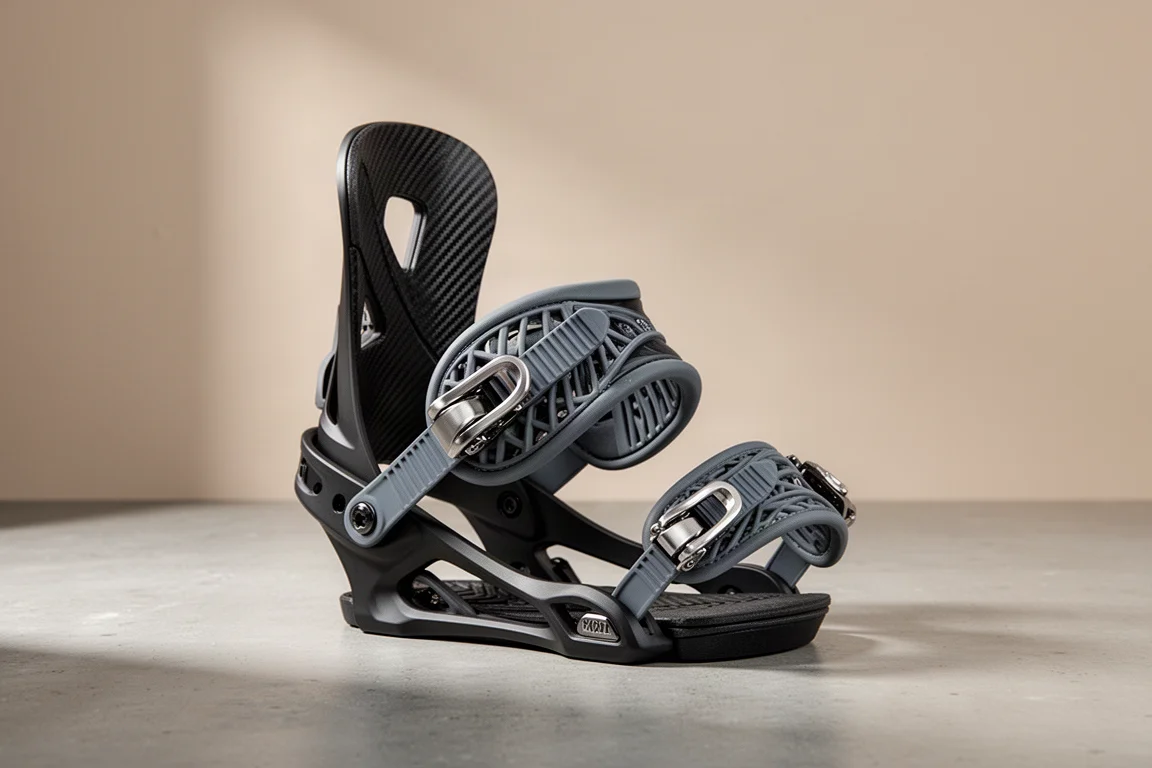
The 32 XLT Carbon Phase sits in an interesting spot in the Phase binding family. It packs a carbon chassis and highback into a composite construction, aiming for that firm heel-to-toe response people chase in carbon bindings, while avoiding the harshness that metal bindings often send straight through to your boots.
We put it through a full day of riding at Copper Mountain on a classic Colorado variable day: firm and dreary in the morning, a brief attempt at sunshine midday, then back to grey. The upper mountain stayed firm all day regardless of sun, while lower slopes softened slightly. That mix of shaded firm patches and softer lower runs turned out to be a good stress test for this binding.
How It Rode on the Mountain
The setup was a K2 Commonwealth board paired with Ride Fuse boots, which gave a clear read on how the binding transmits feel between boot and board.
The headline surprise was dampening. With this much carbon in the chassis and highback, the expectation was vibration buzzing through on firm snow. Instead, foam placement underneath the chassis and a different ring design on the bottom do a good job of soaking up chatter. It rides on the damper end, closer to a classic composite binding than a metal one that sends vibrations up your legs. It is not a total shock absorber, you still feel some terrain, but it is noticeably more forgiving than expected.

In terms of overall flex, this is one of the softer carbon bindings out there rather than the stiffest. Foam under the chassis keeps it from being brutally reactive, and it still lets the board flex somewhat freely instead of snapping the board onto hard 90-degree edges. But when you need response, the carbon is there. If you have ridden other Phase bindings, the overall feel will be familiar.
Straps and Adjustability
Setup is genuinely easy. The flip tab system handles ankle and toe strap positioning, with markings on the toe strap so you can match both sides without guesswork. The toe cap uses a push-pull system: press down, slide it up or down to reposition. The toe ramp is adjustable too, via a small screw and plastic insert that shifts the footbed.
One expectation to temper: the ankle strap is believed to be the same one used on the Basin and Team versions, and it is softer than you might expect from a carbon binding. It is still comfortable despite having no padding, dispersing pressure well, and a small exoskeleton adds rigidity for heel-to-toe response. The toe strap matches the one on the Jones Mercury Phase bindings, and while a softer material would grip the boot better, it held position well on a square toe box with no issues.
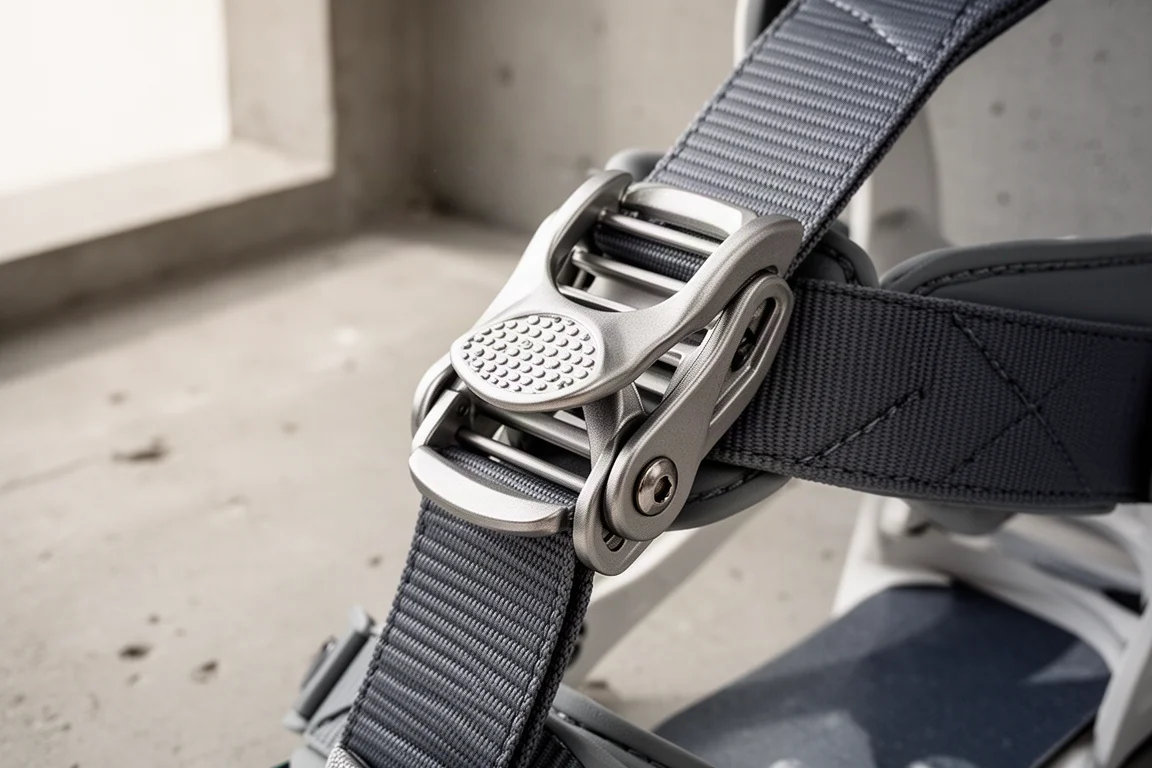
The ratchets are solid across the board. The ankle ratchet has zero play, an easy-release lever, and good grip. The toe ratchet deserves one practical warning: do not set it as tight as possible. Keep the middle piece just touching the boot, with the outside pieces not touching, and it will hold securely without making entry and exit a fight. Also make sure the release tab is pushed fully down before riding, and check the toe ratchet position before stepping in, since lift-line traffic has a way of knocking it loose.
The Highback: Stiff Where It Counts
Flex the highback in your hand and it is immediately stiff. It sits a little flatter against the boot rather than cupping tightly around it, so there is some lateral play. On hard heel-side turns, though, it delivers. You feel it working along the spine of the boot, holding firm without creating pressure points, like a firm, supportive hug exactly when you are driving power into the edge.
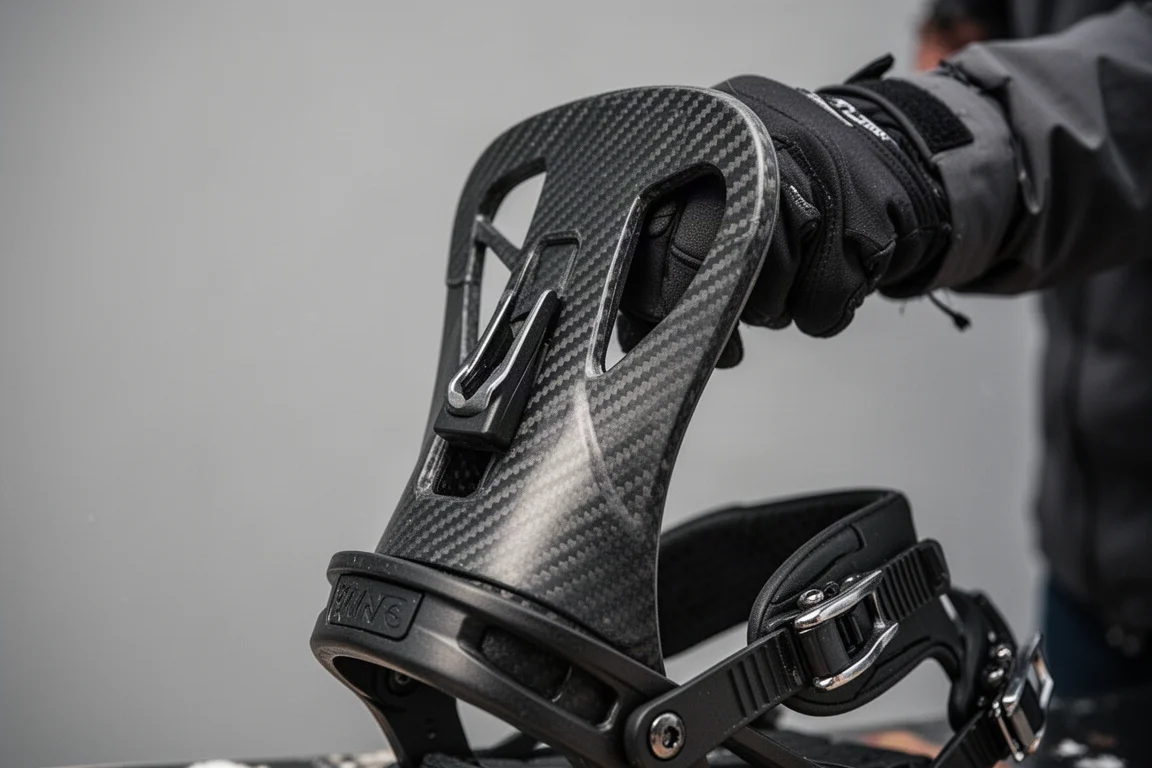
Forward lean is adjusted with a flip tab at the back, and the highback can be loosened, slid, and retightened for more lean. One caution worth repeating: do not over-twist that tab. It can snap, and replacement parts can be hard to find at times. Adjust it at home rather than fumbling with it at the top of the lift.
Who This Binding Is For
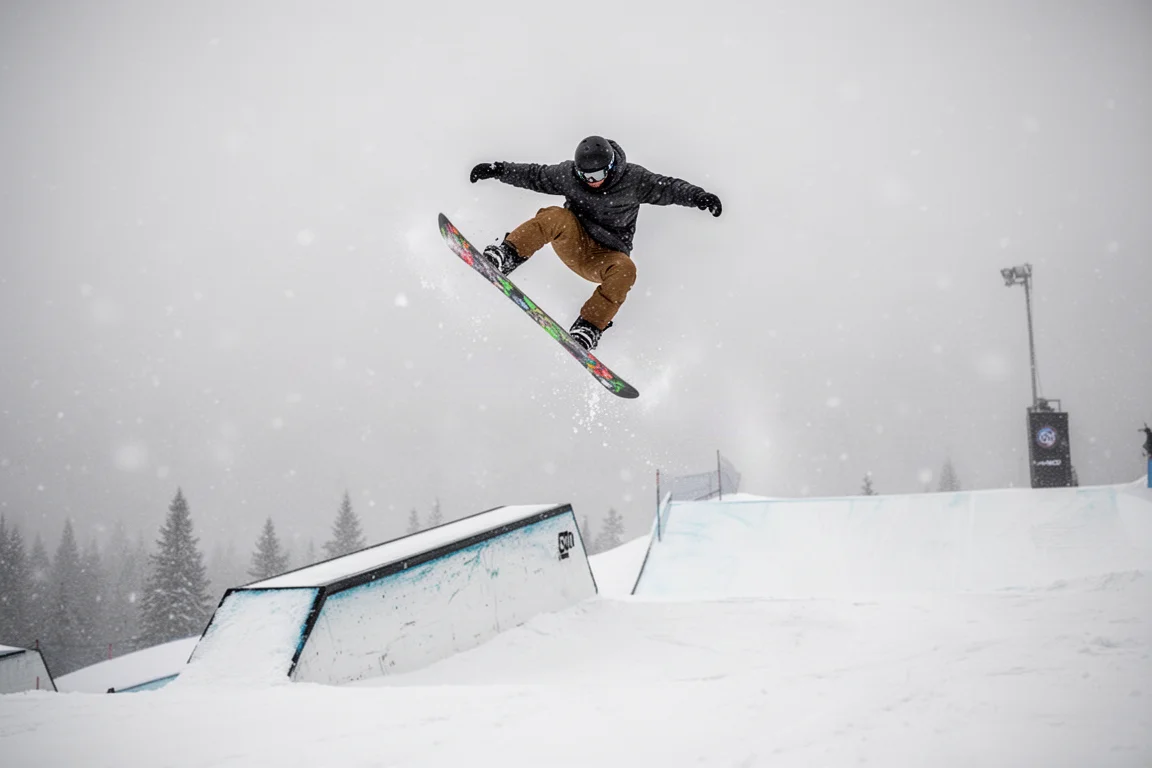
The target rider is someone who likes to charge and take the mountain with speed, but still wants to tweak grabs and shift weight around without feeling locked in. They need carbon-level heel-to-toe response when it counts, but not a binding that completely takes over the feel of the board.
Compared to the Jones Zenith Phase ridden just before it, this binding leans more toward all-mountain freestyle than pure carving. It does not overlap with the rest of the Phase line, and slots neatly between options: not as stiff as the Zenith, not as soft as the Team or Mercury. For most riders, a composite construction like this is honestly a better fit than metal, which can be overkill.
Comparable bindings worth cross-shopping: the Jones Zenith Phase, the Rome Katana Stale Phase, and the Bataleon Blaster Pro Phase.
Conclusion
The 32 XLT Carbon Phase is a well-executed binding that earns its carbon label through heel-to-toe response and a genuinely impressive dampened ride, without pretending to be the stiffest binding on the market. It fits cleanly into the Phase lineup as a middle ground for aggressive all-mountain freestyle riders. If your riding sits between the Zenith and the softer Team or Mercury, this one deserves a close look.
Product link
View more details for 32 XLT Carbon Phase
This product is mentioned in the review. Check the specifications, options, and compatibility before buying.
View more details for 32 XLT Carbon PhaseFurther reading
Related Reviews

Snowboard Bindings
2024 Union Ultra Snowboard Bindings Review: A Cushy, Freestyle-Focused Favorite
Two seasons on the 2024 Union Ultra: a lightweight, tweakable freestyle binding with standout comfort, a damp molecular bushing, and thoughtful hardware fixes.

Snowboard Bindings
32 Team Phase Binding Review: A Fast Entry Binding Built for Freestyle Laps
The first binding from 32 uses the Phase chassis for quick step-in entry with a softer, freestyle-leaning flex. Here's how it performed on the snow.

Snowboard Bindings
Arbor Cypress Snowboard Binding Review: A Laid-Back Cruiser That Can Charge
A closer look at the Arbor Cypress binding's adjustability, strap feel, and that oddly tall highback before you decide to buy.