Trail Running Shoes
The North Face Ultima 500 V2 Review: A Lighter Take on a Door-to-Trail Favorite
The second version of The North Face's door-to-trail shoe trims serious weight while keeping the cushioned, comfort-first feel that made the original popular.
Introduction
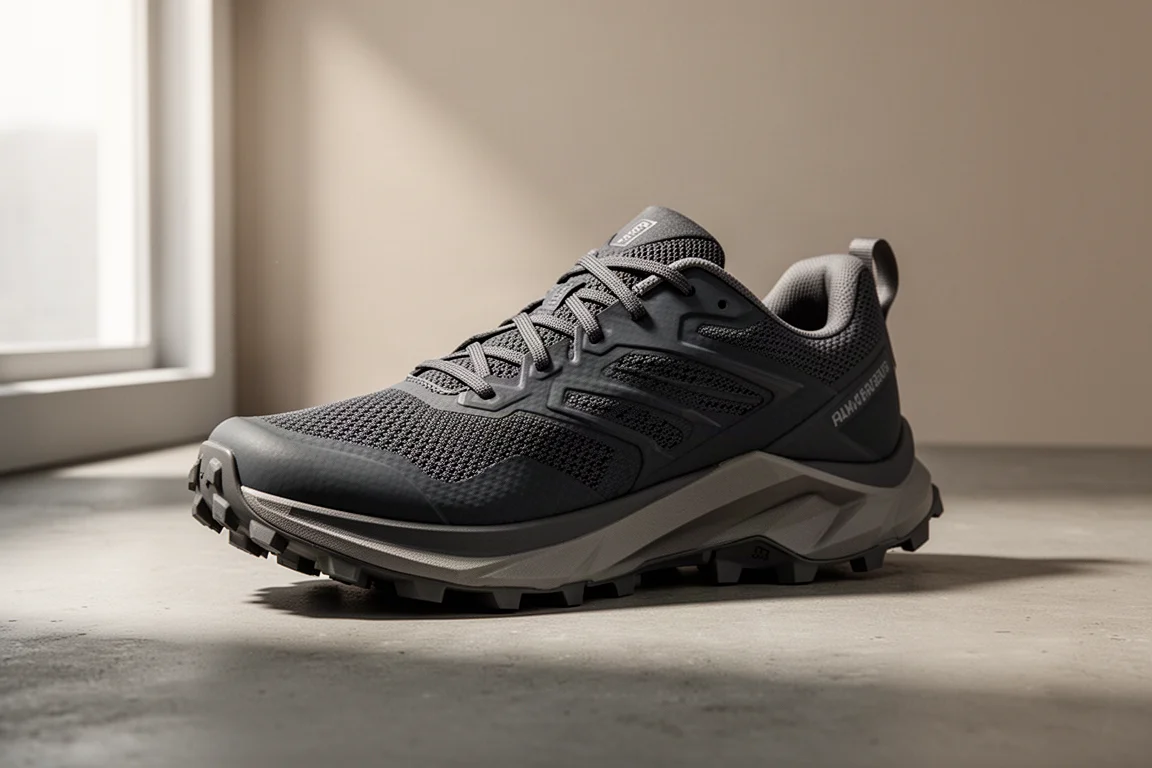
The original Ultima 500 was one of the first intentional door-to-trail offerings from any running brand, built around a request from athletes for a shoe that could simply eat up the miles. With the Ultima 500 V2, The North Face has overhauled nearly every material in the shoe while keeping the same silhouette. The headline change is weight loss, and it changes the character of the shoe in a very good way. After putting real miles into it across pavement, gravel, and light trail, it earned a 12 out of 15 average across four reviewers, a strong result for a max-stack door-to-trail shoe.
Who This Shoe Is For
This is a comfort-oriented door-to-trail shoe. It is aimed at runners who start on the sidewalk, bridge pavement to the trailhead, and finish on gravel roads or light to moderate singletrack. If most of your miles happen on mixed surfaces rather than technical mountain terrain, this shoe fits that role well.

It is also a genuinely good pick for runners with wider, higher-volume feet. The Ultima line fits noticeably more generous than most other shoes in The North Face lineup, with a broader platform and plenty of interior volume. If your feet are average width and you plan to push onto more demanding trails where you need to cinch the shoe down hard, that generous fit is worth thinking about before buying.
Weight and Stack: The Big Story
Weight is the biggest update here. In a US men’s 10.5, the original came in at 11.9 oz, already a little heavy even for a max-stack shoe. The V2 drops a full 1.5 oz to 10.4 oz. Sample sizes follow the same trend: a US men’s 9 weighs 9.8 oz (277 g) and a US women’s 7 weighs 8.6 oz (244 g). That is lightweight across the board for this category, and you feel it on the run.
The stack sits at roughly 40 mm in the heel with a 6 mm drop, putting it firmly in max-stack territory. The North Face quotes outsole and midsole stack rather than total stack, so the outsole-plus-midsole figure comes to about 36 mm in the heel and 30 mm in the forefoot, with additional layers above that. Compared with other door-to-trail runners, it lands right in line with the category, with only a few outliers coming in lighter.
Midsole Feel: Dream Foam, Lighter and Airier
The midsole uses The North Face’s DREAM foam, the same compound family used across last year’s Vectiv line, but updated here to a much lighter, airier feel. The original was dense, cushioned, and stable with a wider footprint. The V2 keeps that structured, medium-soft density, which is exactly what you want in a high-stack shoe: it never caved in on either side, even after significant mileage.
There is no plate in the shoe, so nothing obstructs how the foam behaves underfoot. A subtle four-foot rocker, less aggressive than in the Vectiv line, helps each stride roll through easily. The overall sensation is floaty and comfortable, and if the weight loss were the only change, it would count as a real performance gain on its own.
Upper and Fit
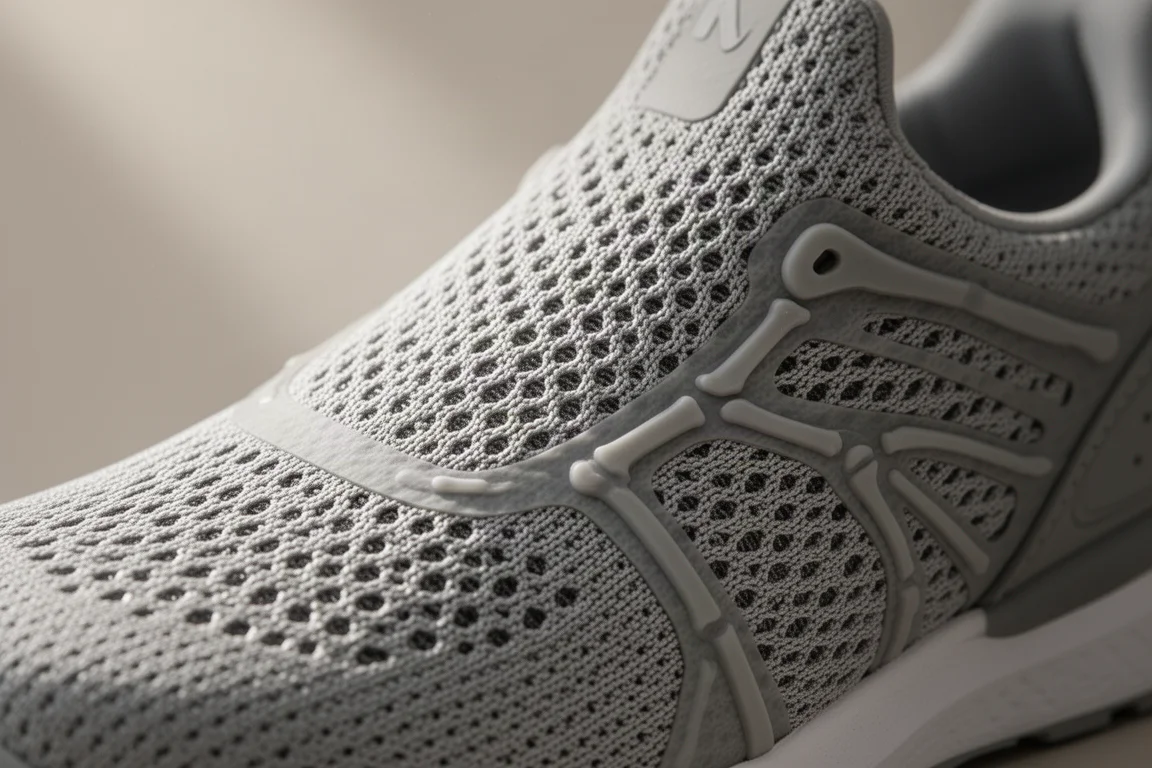
The upper is where much of the weight was saved. The original had a heftier, sweater-like upper that was durable and plush on every angle, though warmer than you want in summer. The V2 swaps in a lighter engineered mesh that is see-through in places and very breathable. Structure is maintained through multiple inner layers forming a skeleton around the midfoot, plus solid heel structure and a slightly more minimal tongue.
The trade-off comes when you lace down hard. Because the fit is so voluminous, cinching the shoe tight for moderate trails made the reviewer’s foot slide around a bit more than in the original, and tight lacing across the midfoot caused some bite and irritation at the front of the ankle. It subsided after break-in, but runners who want a locked-in trail fit should weigh this carefully. On the flip side, if you have a wider or higher-volume foot, this generous fit may make the Ultima 500 V2 your trail shoe of choice across a wide range of terrain.
Outsole and Grip
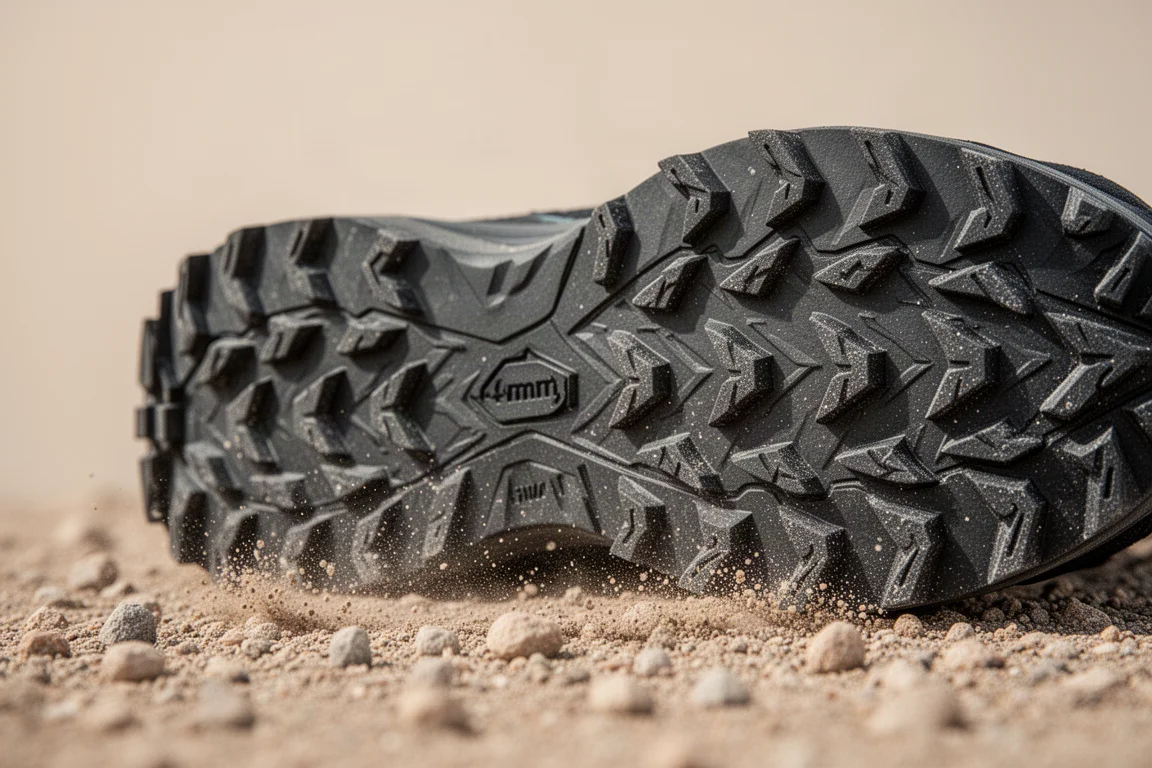
The outsole gets a completely new lug pattern with sharper lugs than before, cut at 4 mm, and a new version of The North Face’s Surface Control rubber, SC 2.0. The compound is claimed to be more durable, with around 20 percent more durability than before, and noticeably tackier in wet conditions.
In real-world use across gravel roads, singletrack, and pavement crossings, the grip impressed, clearly outperforming the first version. Traction held up well on nearly every surface tested, only starting to lose its performance edge on moderate trail terrain where the door-to-trail category naturally runs out of range.

Buying Advice
If you loved the original Ultima 500, this update should feel like coming home. The silhouette is nearly identical to the first version, but the lighter midsole, breathable upper, and improved outsole make it feel modern without losing the character that made the original easy to wear in so many scenarios. Four reviewers averaged near-identical scores: 4 out of 5 for form, 4 for fit, and 4 for function, for a total of 12 out of 15. The door-to-trail category is opening up quickly in 2025 and 2026, and scoring a 4 in function there is genuinely impressive.
If your feet are on the wider side or you value comfort and volume over a locked-down racing fit, this is an easy recommendation. If you need a shoe that cinches down tight for technical trails, look elsewhere or plan around the generous fit.
Conclusion
The North Face Ultima 500 V2 does what a great update should do: it keeps the soul of the original while making it meaningfully lighter, more breathable, and better-gripping. For door-to-trail runners who want one comfortable, cushioned shoe to handle pavement, gravel, and light trail, it is one of the strongest options in the category right now.
Product link
View more details for The North Face Ultima 500 V2
This product is mentioned in the review. Check the specifications, options, and compatibility before buying.
View more details for The North Face Ultima 500 V2Further reading
Related Reviews
Trail Running Shoes
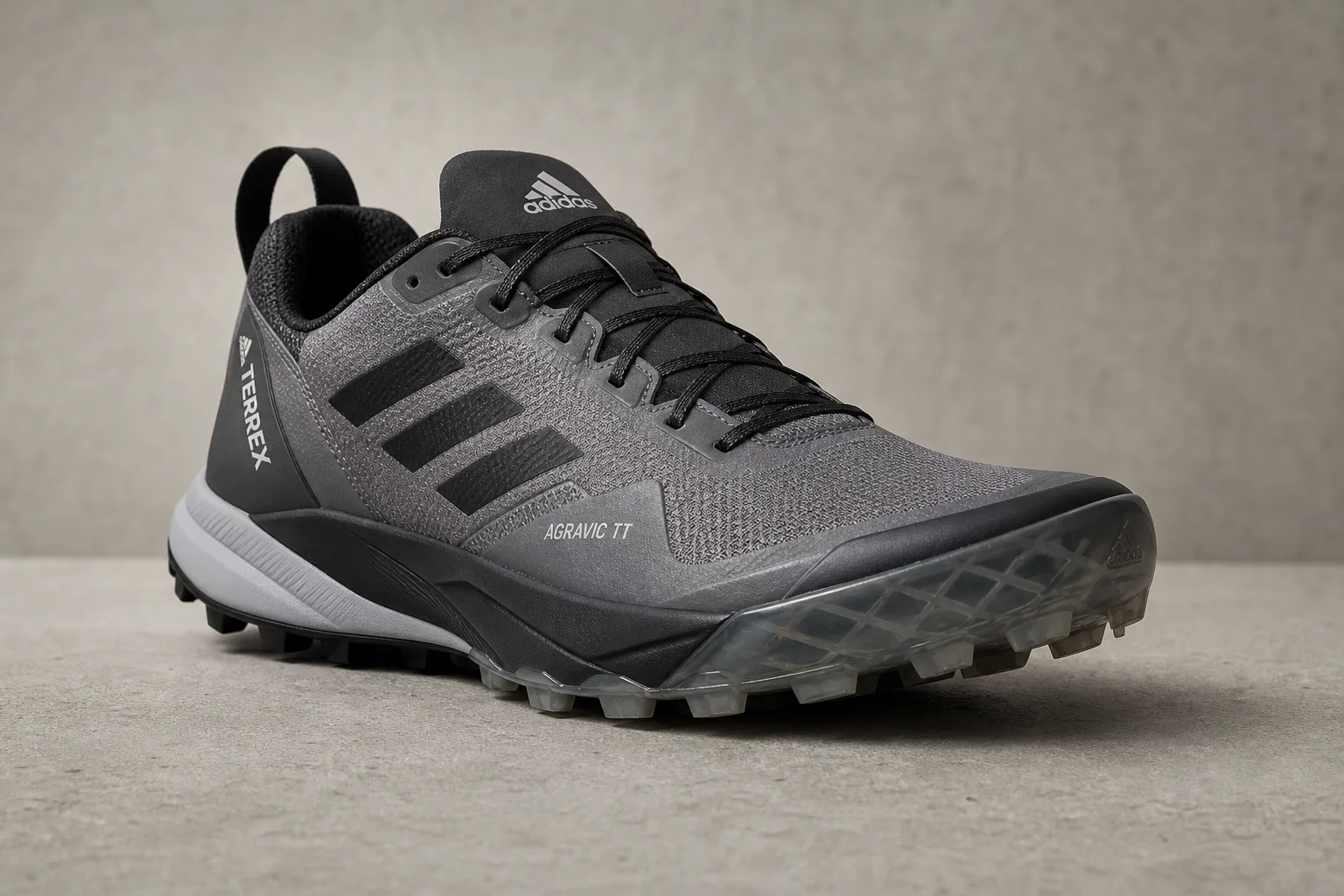
Adidas Terrex Agravic TT Review: A Technical Trail Shoe Built for Rocky Terrain
The Adidas Terrex Agravic TT combines a full-coverage rock plate with a firmer midsole to deliver protection and stability on technical, rocky trails. A capable choice for runners who prioritize underfoot defense over lightweight cushioning.
Trail Running Shoes
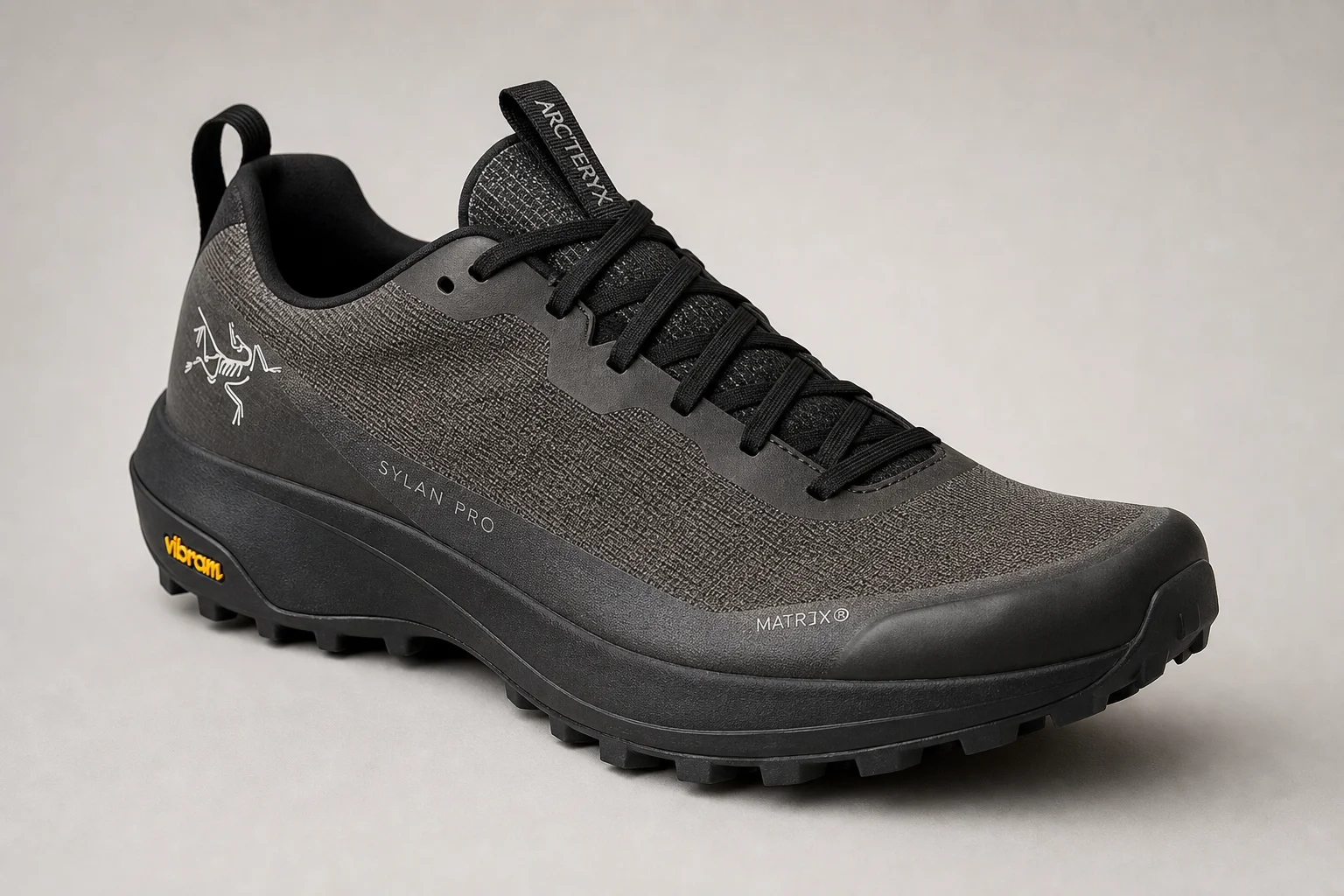
Arc'teryx Sylan Pro Review: A Rocker-Focused Mountain Running Shoe Tested on 20 Miles
The Arc'teryx Sylan Pro brings a pronounced rocker geometry and secure fit to mountain terrain. We tested it on a 20-mile Sawtooth loop to evaluate its climbing efficiency, protection, and handling of technical descents.
Trail Running Shoes
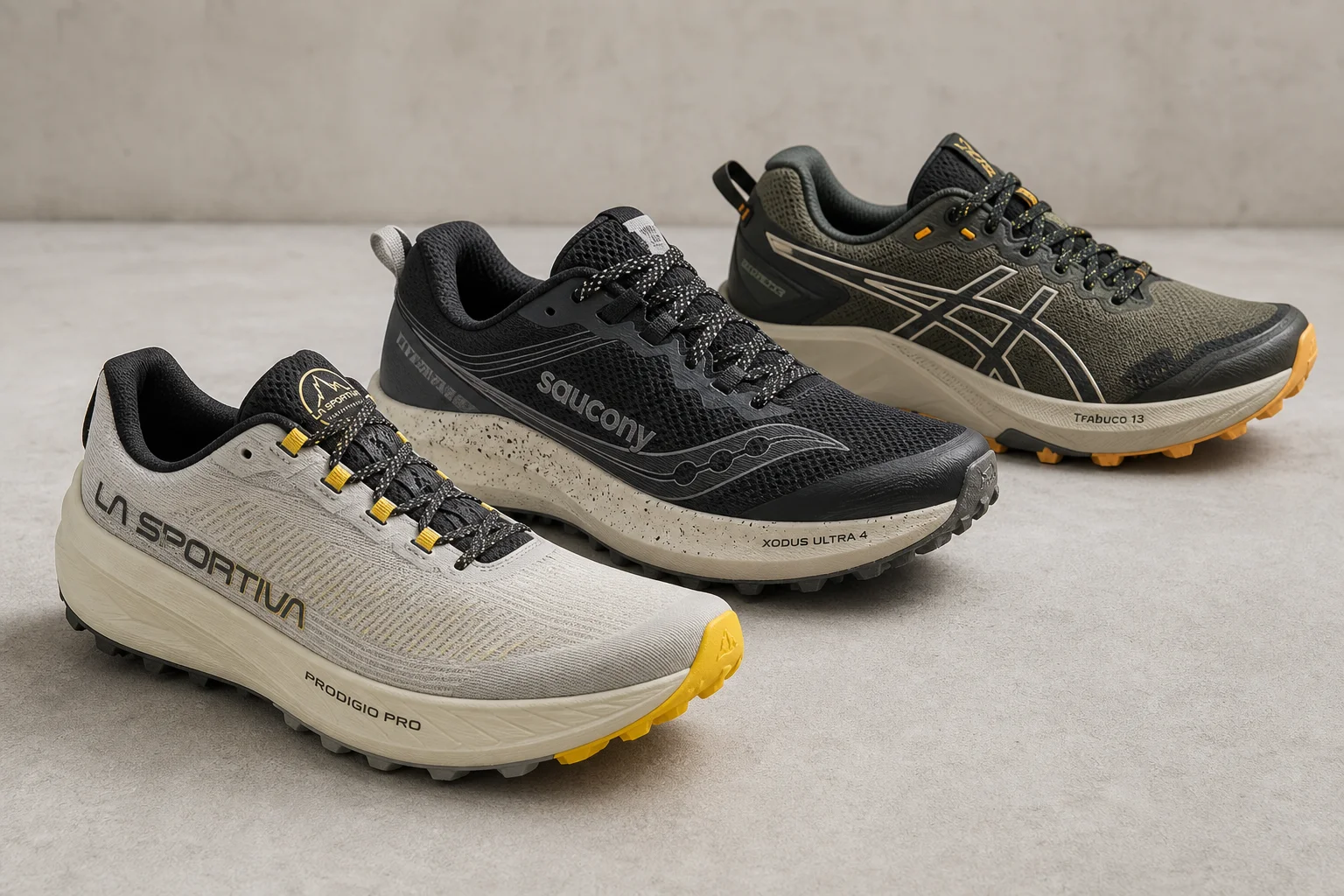
Best All-Mountain Trail Running Shoes: Three Versatile Options for Any Trail
A focused roundup of three all-mountain trail running shoes that handle technical terrain, long distances, and variable conditions with real strengths and practical trade-offs.