Backpacking Tents
TFS Tents Stars 2 Pro Review: A Three-Plus Season Two-Person Backpacking Tent
A close look at the TFS Tents Stars 2 Pro, a two-person backpacking tent with DAC poles, a solid inner that converts to mesh, and four vents you can adjust from inside.
Introduction
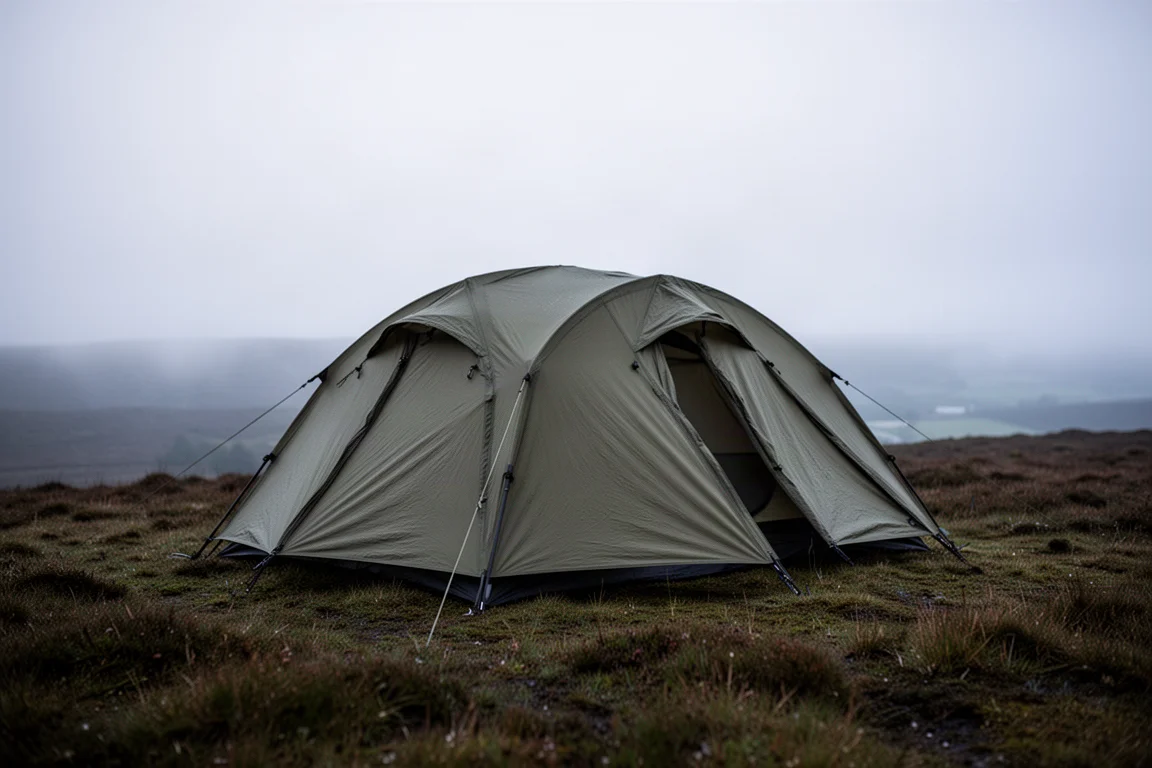
The TFS Tents Stars 2 Pro is a two-person backpacking tent that pitches inner and outer together, uses DAC poles and DAC pegs, and sells in the UK for £289. It is a relatively new arrival on the UK market, so long-term field data is still limited, but the specification and the design background behind it make it worth a close look.
The designer behind the brand has spent years creating backpacking tents for established outdoor companies, and that experience shows in the small things: reinforced pole sleeves, a fly that sits low to the ground, a solid inner that can be opened up to mesh, and vents that can be adjusted without leaving the tent.
Who This Tent Is For
This is a tent aimed at backpackers and wild campers who spend most of their nights out in changeable, damp, and windy conditions rather than in extreme alpine environments. The combination of a solid inner fabric, a fly that sits reasonably close to the ground, and a properly engineered pole set is exactly the mix that suits UK-style weather for a large part of the year.
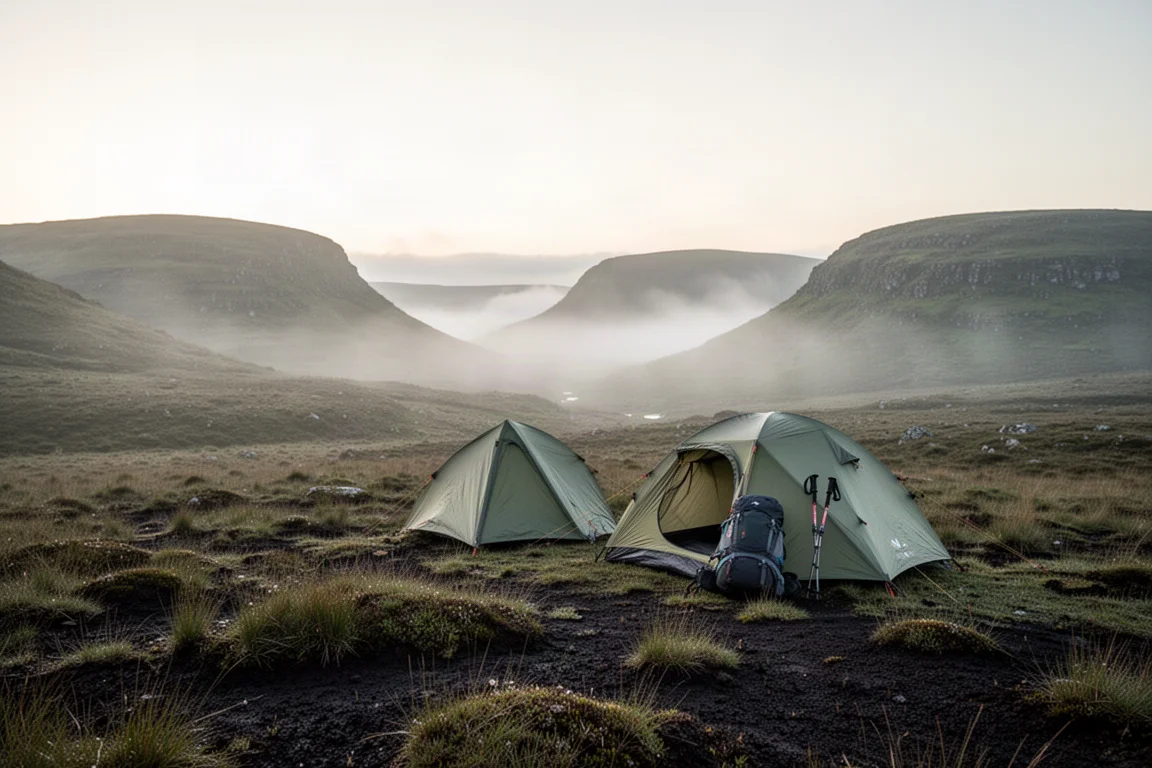
It is also a genuine two-person tent rather than a generous one-person shelter. The 135 cm internal width takes two long and wide sleeping pads side by side without a struggle, so two adults can share it without negotiating over space.
Design and Materials
The fly is 15D ripstop nylon with a 2,000 mm hydrostatic head, siliconised on the outside and PU treated on the inside. The bathtub floor steps up to 20D ripstop nylon with a 5,000 mm hydrostatic head, which is a useful margin for pitching on damp ground.
The inner mixes 10D solid fabric with 15D mesh, and the pole sleeves are made from a material that feels substantial rather than paper-thin, with reinforcement through the centre. Pole fixings and guy line anchor points are reinforced at the load-bearing spots, including the top of the tent and the ends of the crossing pole.
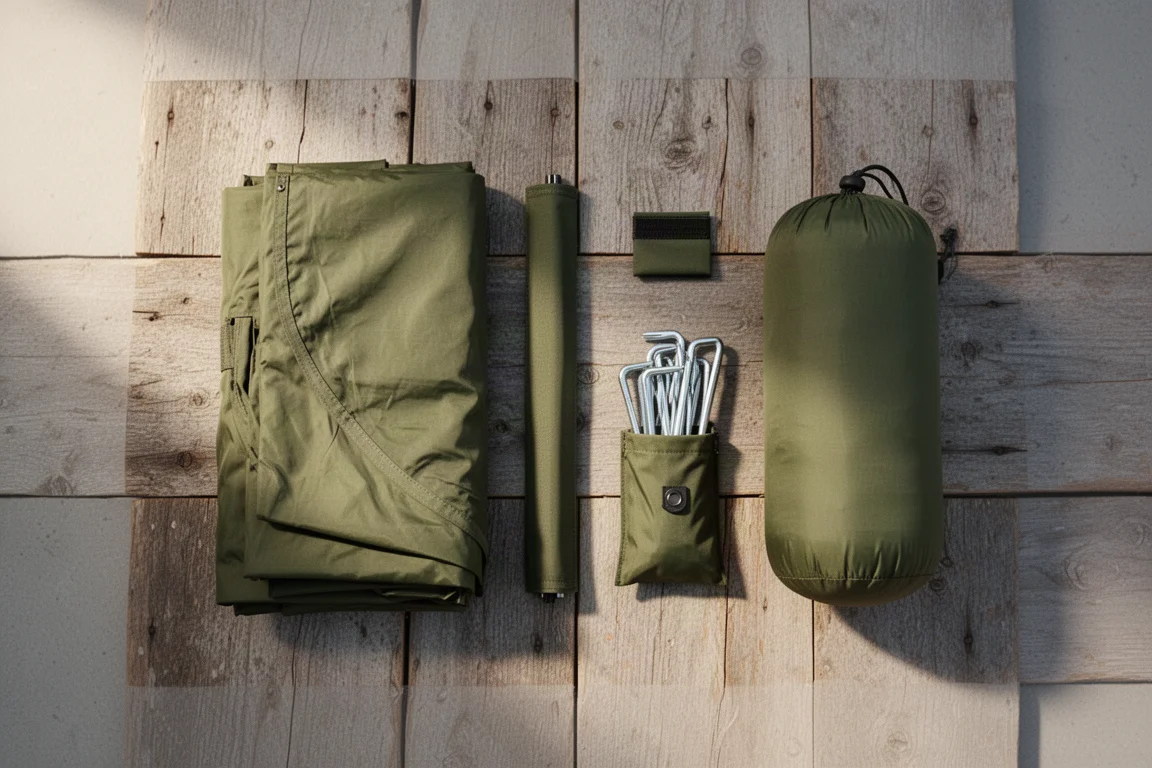
The hardware is the headline here. The tent uses DAC poles, including the 8.5 mm Featherlite NSL range, plus a thicker crossing pole, along with 160 mm DAC pegs and DAC guy lines. DAC is selective about which tent brands it supplies, and that selectivity is a reasonable signal about the overall build quality. The tent also ships in a well-organised bag with compression straps.
Main Strengths
Ventilation is handled unusually well for a tent in this class. There is a vent beside each door and a large vent on each side, giving four in total, and every one of them can be opened or closed from inside the inner via a zip. On a wet or windy evening, that means no need to unzip the door and step outside just to manage condensation.
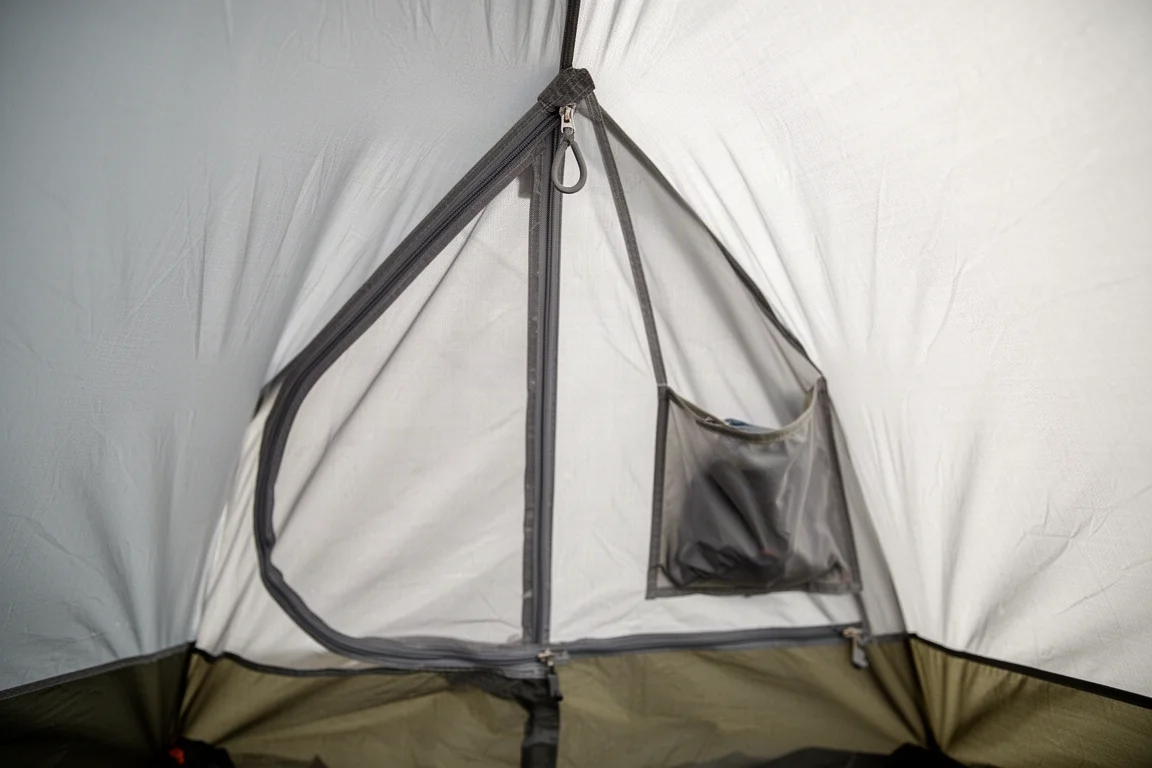
The doors are a close second. The solid inner doors unzip quickly to reveal full mesh and can be toggled back out of the way, so the same tent can run as a warmer, more enclosed shelter or a well-ventilated summer option. There are two doors and two vestibules, both reasonably sized, and the hoods above the doors help keep rain away from the inner.
Inside, four corner pockets and a lantern hook cover the practical basics. The fly also sits low enough to block driving rain and spindrift while still leaving a gap for air movement, which is the balance most three-season-plus campers are looking for.
Setup, Weather Protection, and Ventilation
The tent pitches inner and outer together, which keeps the inner dry during setup in rain. The process is straightforward: peg out the corners, thread the poles through the sleeves, fix the higher pole on one side, then raise the shelter using the lower pole and install the crossing pole over the top. From there it is a case of pegging the tent out fully with the 160 mm pegs.
The fixings on one side allow the fly to be ratcheted down tight, which matters on exposed pitches. Additional pegging points on the sides add further stability, and the fly stays reasonably close to the ground without sealing off airflow entirely.
One practical addition worth making is a set of guy lines on the ends of the crossing pole. In the kind of wind that genuinely changes a tent’s shape, that extra support is cheap insurance.
Things to Consider Before Buying
It is worth being realistic about the season rating. The tent is presented as a four-season shelter, but a fairer description for most buyers is three-plus season. It will handle a very large part of the year in mixed weather, but it is not aimed at the most extreme conditions, and most backpackers never camp in those anyway.
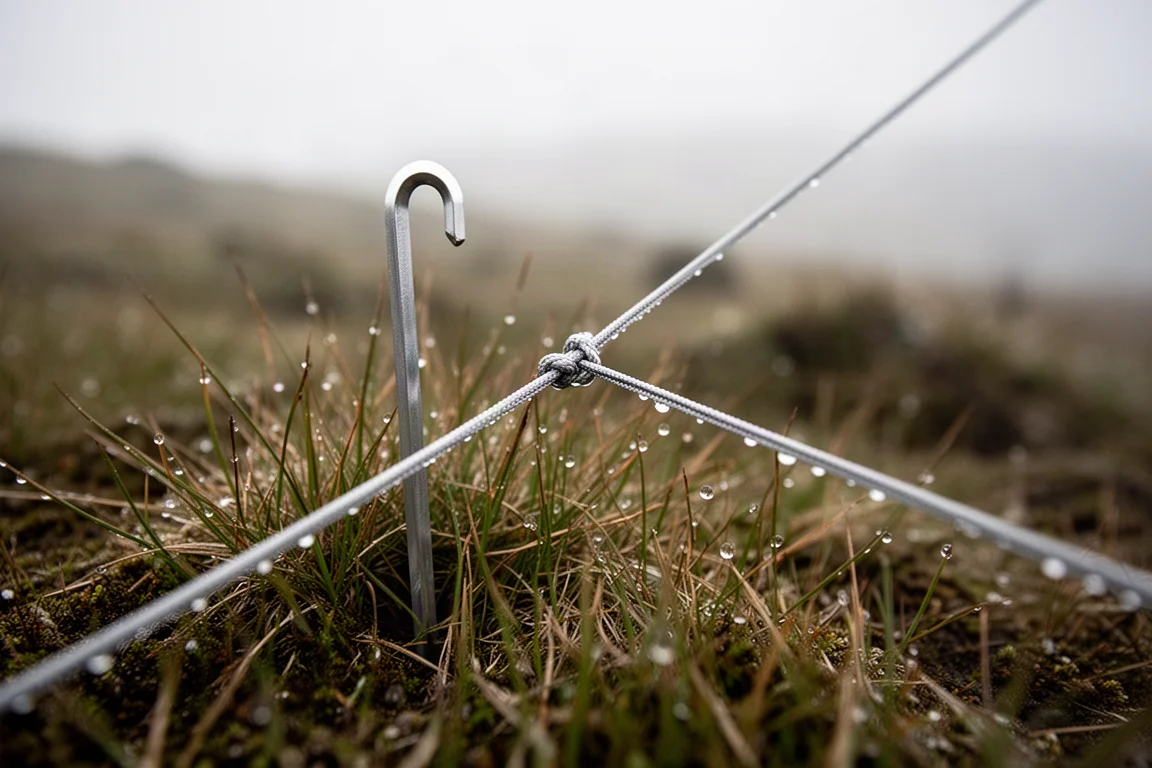
There is also a cheaper version at £249 that uses the brand’s own poles and pegs instead of DAC hardware. That version is still a sensible tent, but the DAC-equipped model is where the specification justifies the extra outlay.
Finally, this is a new arrival in the UK, so there is not yet a large body of long-term feedback to draw on. The first impressions are strong, but anyone buying early is effectively trusting the design pedigree and the material choices.
Packed Size, Weight, and Real-World Use
The tent packs down to roughly 40 cm by 14 cm and weighs around 2 kg, which is a workable combination for backpacking rather than a stripped-down race weight. The compact pack size matters more than the number on the scale for anyone carrying a 50 to 60 litre pack.
The interior measures 220 cm long, 135 cm wide, and 105 cm high. That height gives a genuinely comfortable sitting position for an average adult, and the space feels open rather than cramped, particularly with the solid doors toggled back to reveal mesh.
Buying Advice
At £289 for a two-person backpacking tent with DAC poles, DAC pegs, a 5,000 mm floor, and four internally adjustable vents, the value proposition is strong. It is not the cheapest option in the category, and the £249 variant exists for buyers who want the same shape with less expensive hardware, but the DAC specification is the version that makes the most sense for regular use in exposed conditions.
Buyers who camp through spring, summer, and autumn in wet and windy places, and who occasionally push into colder shoulder-season trips, will get the most from it. Those who need a true four-season shelter for genuine winter mountaineering should look at something more specialised.
Conclusion
The TFS Tents Stars 2 Pro is a thoughtfully designed two-person backpacking tent that gets the practical details right: a solid inner that converts to mesh, a low fly, a properly reinforced pole structure, and vents you can reach from your sleeping bag. It is best understood as a three-plus season tent rather than a true four-season one, but for the majority of backpackers that is exactly the right brief. At £289 with DAC hardware throughout, it is a compelling package.
Product link
View more details for TFS Tents Stars 2 Pro
This product is mentioned in the review. Check the specifications, options, and compatibility before buying.
View more details for TFS Tents Stars 2 ProFurther reading
Related Reviews
Backpacking Tents
3F UL Lanchan Pro 1 Review: A 1 lb 8 oz Single-Wall Trekking Pole Tent
A practical look at the 3F UL Lanchan Pro 1, a single-wall trekking pole shelter with a 1 lb 8 oz weight, 20D silnylon fabrics, and a roomy 90 x 31 x 49 inch interior.
Backpacking Tents
3F UL Taiji 2-Person Tent: A Convertible Backpacking Shelter Worth a Closer Look
A practical look at the 3F UL Taiji two-person tent, covering its materials, true two-person interior, fly-first pitching, and the seasonal inner swap that lets one shelter cover more of the year.
Backpacking Tents
3FUL Lanshan Twoerson Pro Review: A Light Trekking Pole Shelter That Struggled in Rain
A two-person trekking pole shelter with a 2026 redesign, pitched with sticks and put through a night of steady rain. Here is what worked, what did not, and what to check before buying.