Backpacking Tents
TFS Tents Enran 1 Review: A Sub-1 kg Trekking Pole Backpacking Tent
A 952 g one-person backpacking tent with a 95 cm wide inner, strong end ventilation, and a trekking pole design that keeps it taut in real conditions.
Introduction
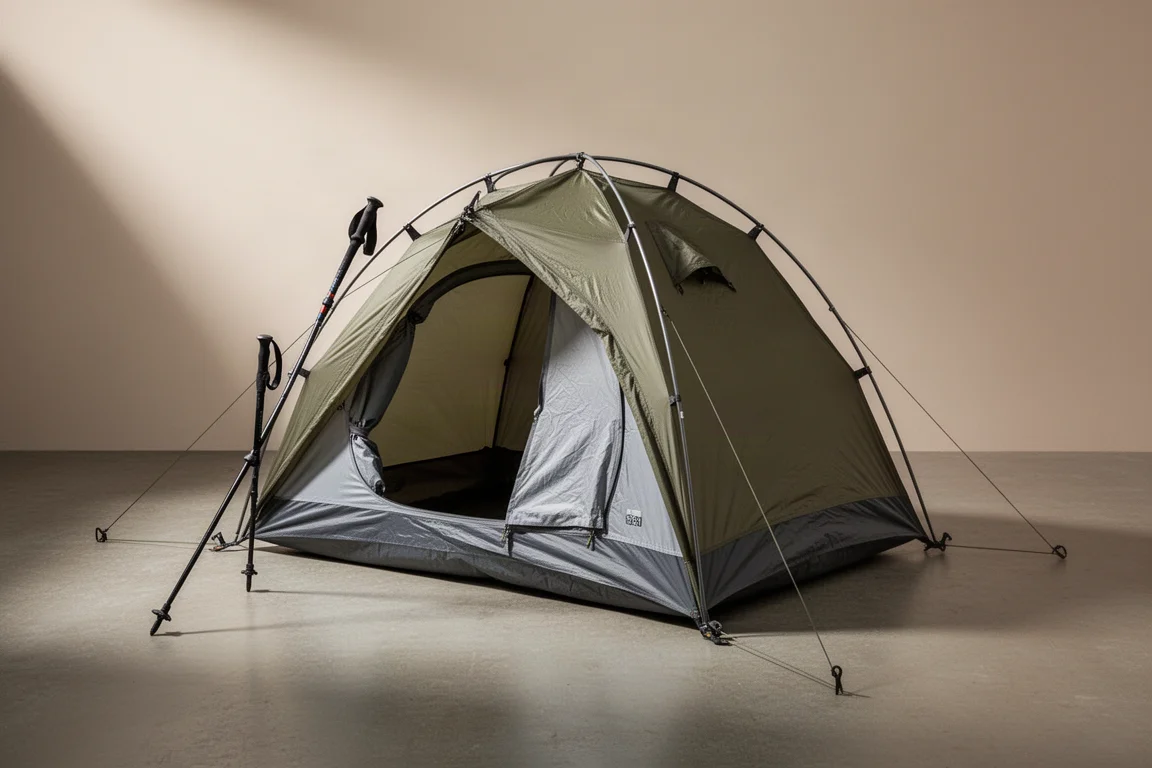
The TFS Tents Enran 1 is a one-person backpacking tent that weighs 952 g complete, including its pole, pegs and repair sleeve, and packs down to roughly 42 cm by 16 cm. It is priced at £325 with a footprint included.
It is built around a single pole, but it does not depend on that pole alone. Metal fixings at each end accept trekking poles, which are extended to tension the guy lines and stiffen the whole structure. For anyone who already walks with poles, that turns an otherwise flexible single-pole shape into something noticeably more rigid.
The inner and outer pitch together as a single unit, so there is no separate fly to wrestle with in wind or rain. Corner points are reinforced, and the tent is designed to pitch taut the same way each time rather than needing constant readjustment.
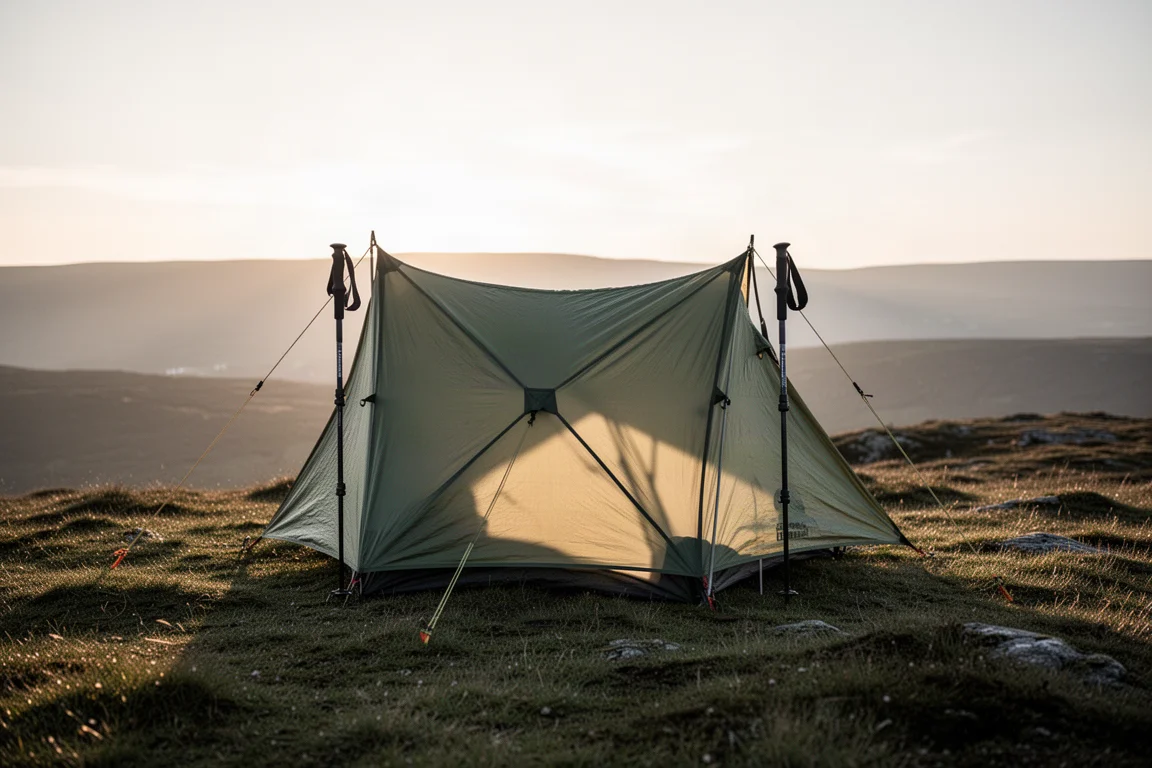
Once the pole is threaded and the corners are pegged, the trekking poles push the ends out and the tent settles into a shape that holds its tension even when the ground underneath is not level.
Who This Tent Is For
This tent is aimed at solo backpackers and wild campers who want to stay under a kilogram without giving up interior space. The inner measures 220 cm long and 95 cm wide, which is wider than many direct competitors, so a long and wide sleeping pad still leaves room at the foot end and beside you for a pack and other belongings.
It also suits anyone who already hikes with trekking poles. Because the poles are structural rather than decorative, they add real rigidity at both ends and make the tent feel more planted than a single-pole design normally would.
It is less obviously suited to walkers who do not use trekking poles, since carrying poles purely for the tent adds weight back into the system. Taller users may also want to look at the two-person version of the same tent, which offers 100 cm of internal head height for roughly 100 g more weight.
Design and Pitching
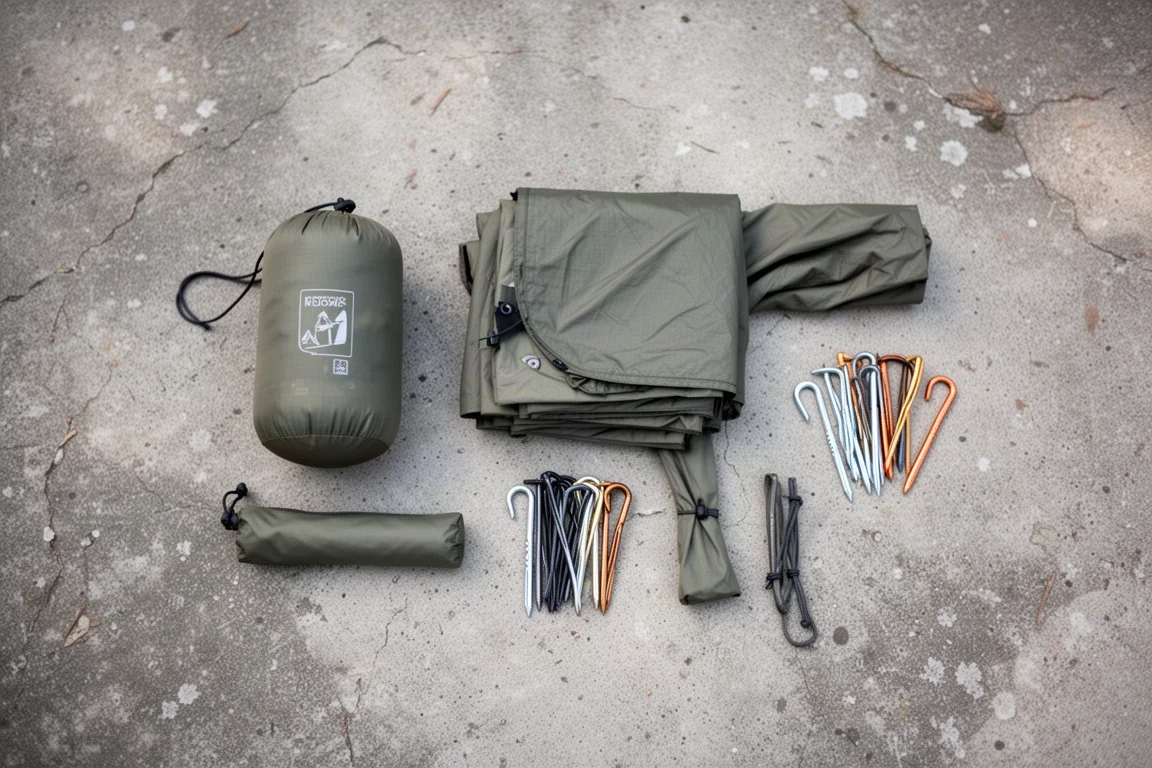
The pole is an 8.7 mm DAC Featherlite NF, fed through a protected sleeve so there is no risk of it punching through the fabric, then secured with two clips. A DAC repair sleeve is included in the packed weight, and the tent comes with a mix of two DAC pegs and four TFS carbon pegs along with additional guy lines.
Pitching follows a simple sequence: run the pole through the sleeve, peg out the corners, then insert the bottom of each trekking pole through the metal fixing and loop the guy line around the grip. Extending the trekking pole tensions the line and pulls the end of the tent out. Final adjustments to the corners and guy lines bring the whole shelter up tight.
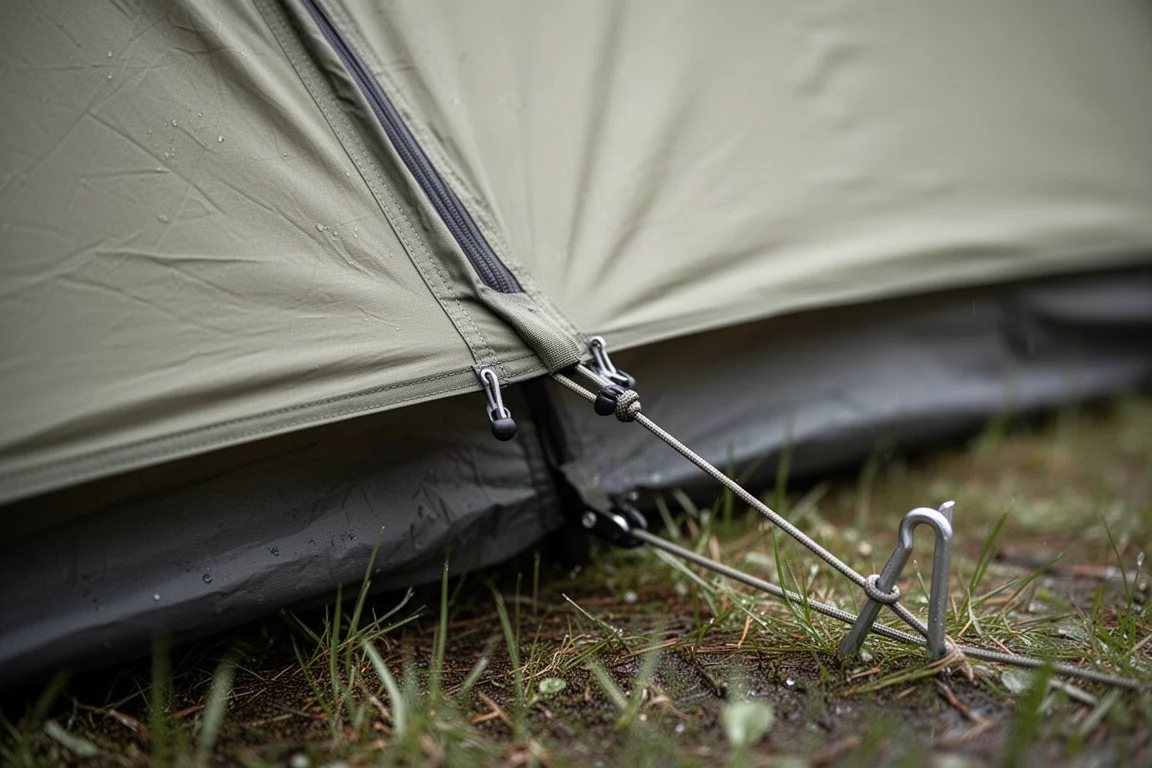
One practical note on the peg set: six pegs is on the lean side for this design, and at least two more would make the tent easier to pitch properly in exposed spots. Extra guy lines are supplied, so the anchor points are there when you need them.
Ventilation and Interior Space
Ventilation is handled at both short ends. The end zips can be opened from inside or outside and tied back like a door, and the inner panels behind them can also be unzipped to expose see-through mesh. Because the side panel is attached at both corners and at the top and supports nothing structurally, it can be pulled back as well, opening the full end of the tent to airflow on a hot day.
Inside, the tent gives 220 cm of length, 95 cm of width and 93 cm of head height, which is fairly typical for this class. The width is the standout figure. There is a pocket on one side, a reasonable vestibule at the door, and mesh at the top of the inner that helps move condensation away from the sleeping area.
Just as important, the tent stays taut with the doors and both ends open. That is where many lightweight shelters start to sag and flap, and it is a good indication of how well thought out the structure is.
Materials and Weather Protection
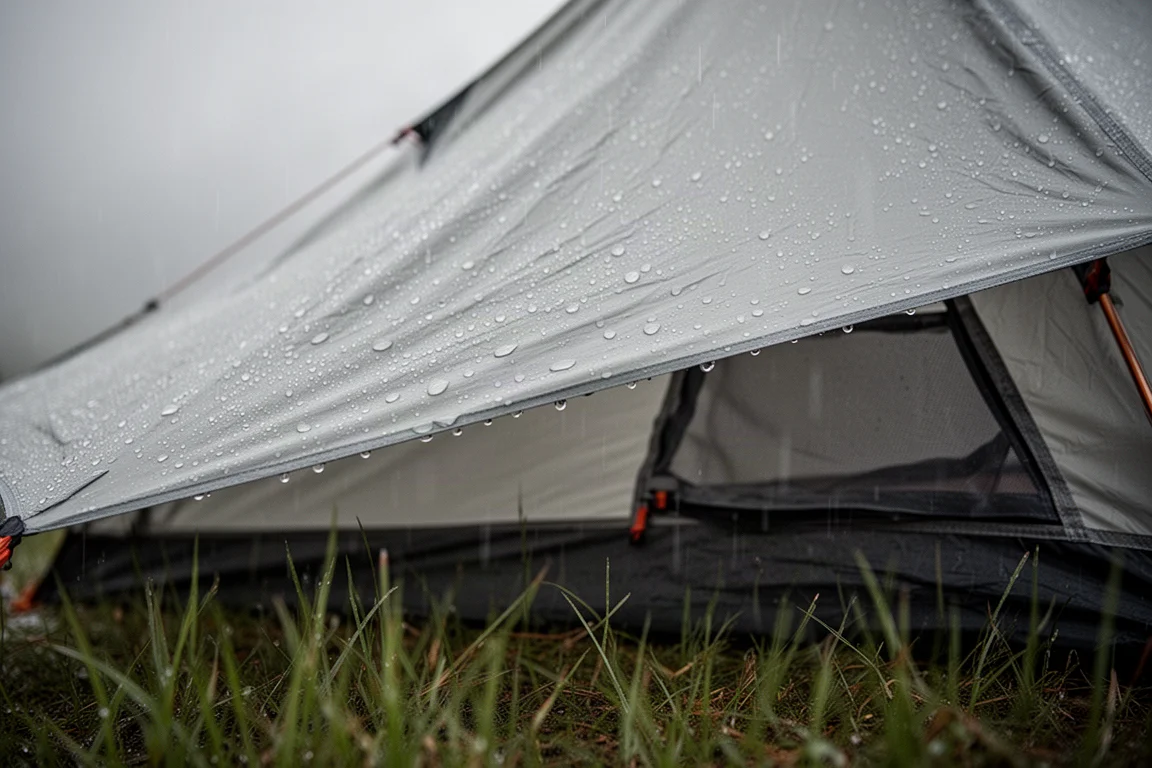
The fly uses a very thin 7D ripstop nylon with a 2,000 mm hydrostatic head rating, paired with a 10D floor and a 10D inner that combines solid fabric with mesh panels. The main door zip is fully waterproof and closes to the top with a toggle, and the inner door uses a two-way zip with proper pullers. The small details, the clips, the reinforced corners, the way the pole seats into the sleeve, are where the build quality shows.
On seasons, the solid inner is the main thing that pushes this tent toward cold-weather use, and with guy points in the right places at both ends it reads as a solid three-plus season shelter rather than a true four-season one. The pole runs the full length of a protective sleeve, which reinforces it, and the trekking pole supports add meaningful strength to a single-pole frame. The limiting factor is the fabric weight rather than the architecture.
Things to Consider Before Buying
The materials are genuinely thin, and that is the trade-off for the weight. Pitch selection matters more than usual: think about the ground surface, clear sharp stones where you can, and take care when packing away. Do not force poles or pegs into the stuff sack. Look after the tent and it will hold up well over time.
Head height is 93 cm, which is workable but not generous. For context, at 172 cm tall, it feels close to the inner at the highest point, and a little more room would be welcome. The two-person version solves this with 100 cm of head height for about 100 g more, which is a reasonable upgrade for taller users or anyone who wants more sitting room.
Finally, the trekking pole requirement is worth being honest about. If you use poles, they are a genuine advantage. If you do not, you are adding weight to the tent that you would otherwise not carry.
Buying Advice
A sub-1 kg one-person backpacking tent with a 95 cm wide inner, effective end ventilation and this level of finish for £325 including a footprint is strong value. The design earns its price through the small engineering decisions rather than a headline number: the protected pole sleeve, the reinforced corners, the fully openable ends, and the way the trekking poles turn a single-pole tent into something considerably stiffer.
If you hike with poles and want maximum living space for the weight, this is an easy tent to recommend. If you are taller, or you prefer a little more headroom, the two-person version is the more comfortable choice for a small weight penalty.
Either way, the sensible approach is to match the tent to how you actually walk. Trekking pole users get the full benefit of the design, and anyone who wants a wide, well-ventilated solo shelter under a kilogram will find very little to complain about here.
Conclusion
The TFS Tents Enran 1 is a well-resolved ultralight shelter. It pitches taut and stays taut with the vents and doors open, it fits a wide pad without feeling cramped, and it handles airflow at both ends properly. The thin 7D and 10D fabrics demand a bit of care, the 93 cm head height is modest, and the peg count is worth topping up, but none of those points undermine what the tent does well. For trekking pole backpackers who want a light solo tent with real interior space, it is a confident buy.
Product link
View more details for TFS Tents Enran 1
This product is mentioned in the review. Check the specifications, options, and compatibility before buying.
View more details for TFS Tents Enran 1Further reading
Related Reviews
Backpacking Tents
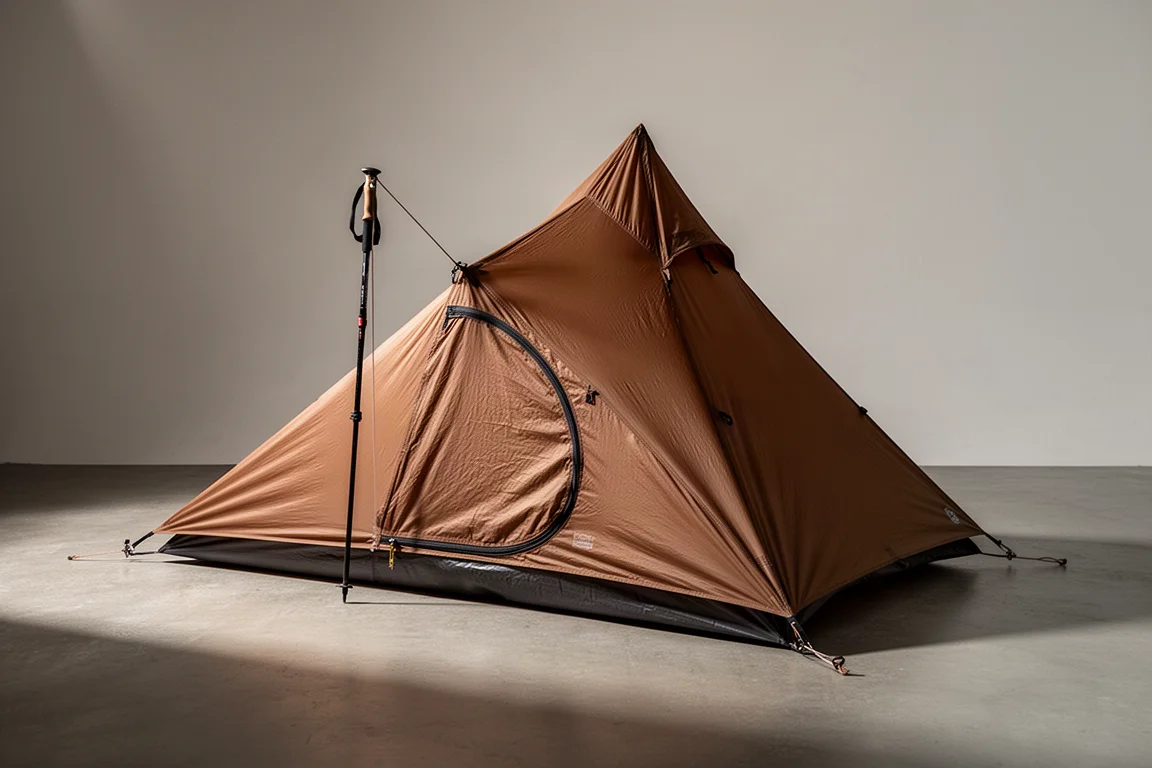
3F UL Lanchan Pro 1 Review: A 1 lb 8 oz Single-Wall Trekking Pole Tent
A practical look at the 3F UL Lanchan Pro 1, a single-wall trekking pole shelter with a 1 lb 8 oz weight, 20D silnylon fabrics, and a roomy 90 x 31 x 49 inch interior.
Backpacking Tents
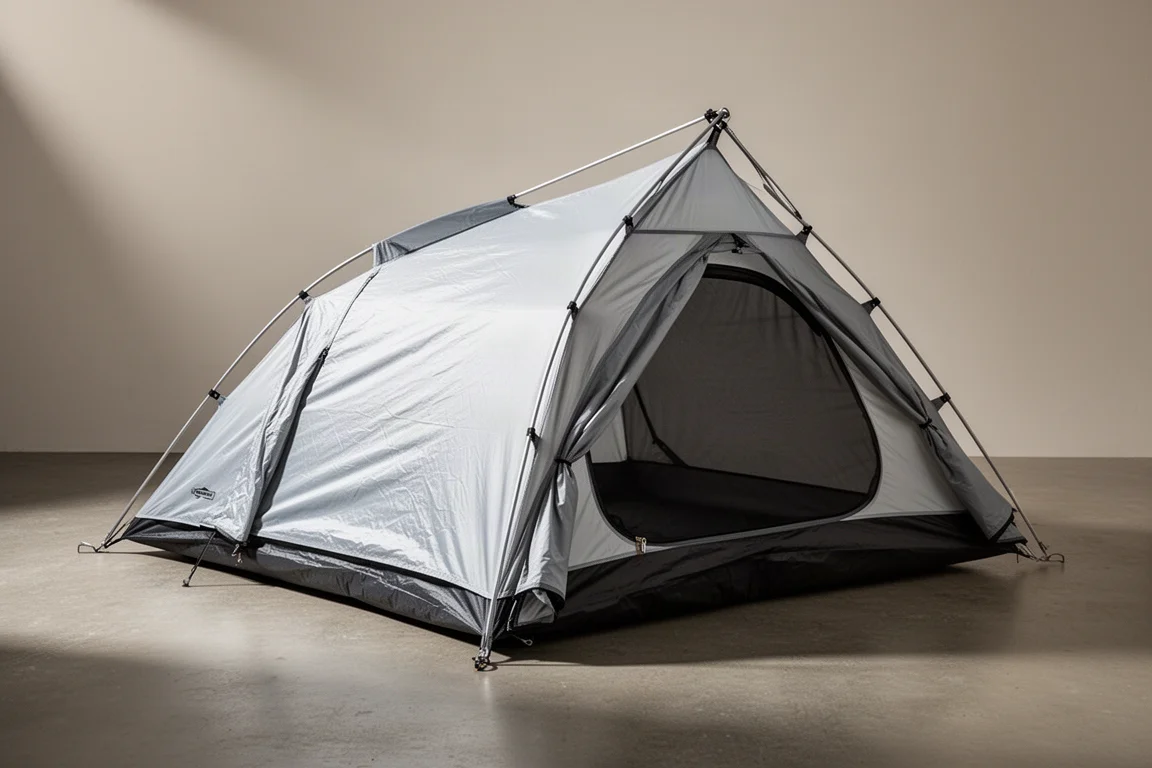
3F UL Taiji 2-Person Tent: A Convertible Backpacking Shelter Worth a Closer Look
A practical look at the 3F UL Taiji two-person tent, covering its materials, true two-person interior, fly-first pitching, and the seasonal inner swap that lets one shelter cover more of the year.
Backpacking Tents
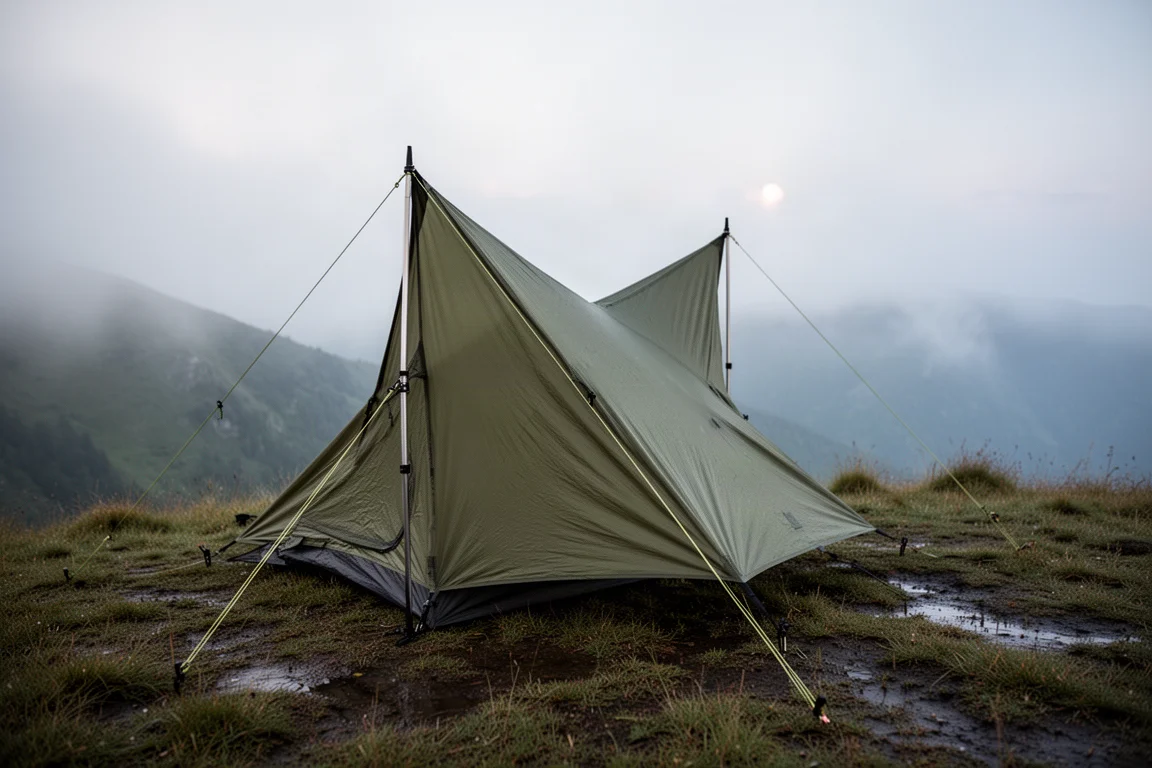
3FUL Lanshan Twoerson Pro Review: A Light Trekking Pole Shelter That Struggled in Rain
A two-person trekking pole shelter with a 2026 redesign, pitched with sticks and put through a night of steady rain. Here is what worked, what did not, and what to check before buying.