Backpacking Tents
TFS Gemini Review: A Freestanding Two-Person Tent for Three-Season Trips
A close look at the TFS Gemini, a double-wall freestanding two-person tent with monolite body fabric, symmetrical vestibules, and a premium price tag.
Introduction
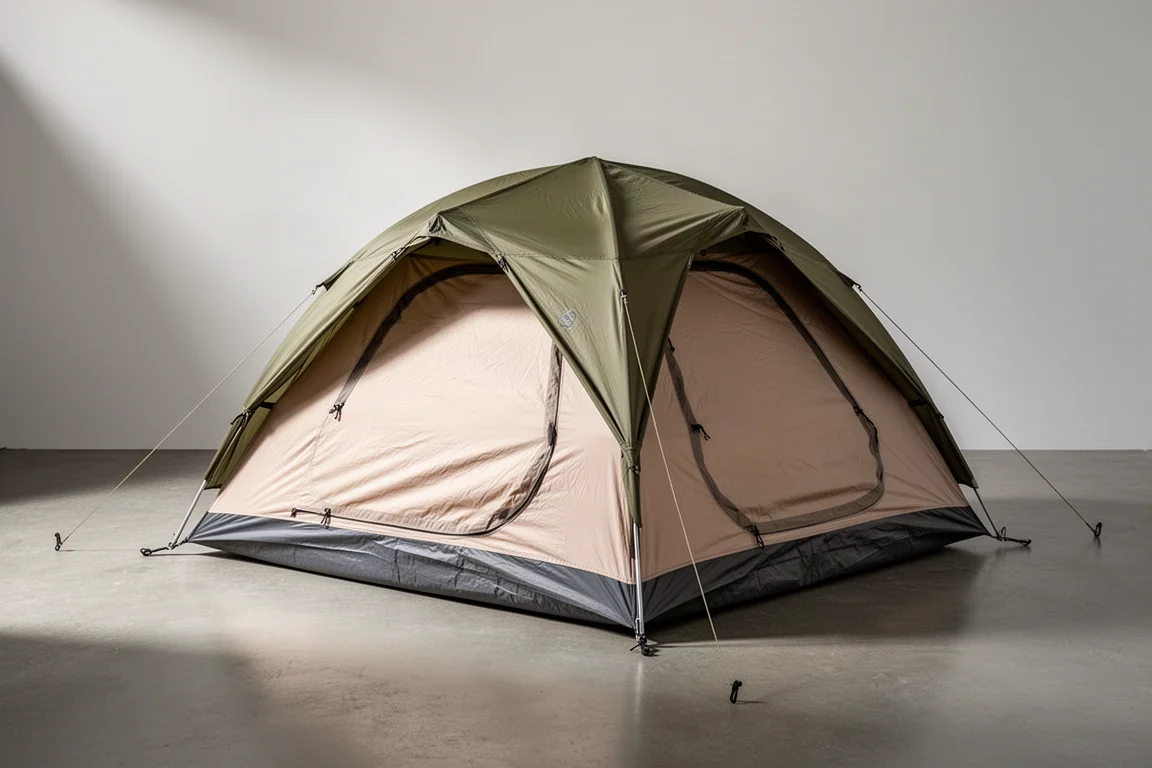
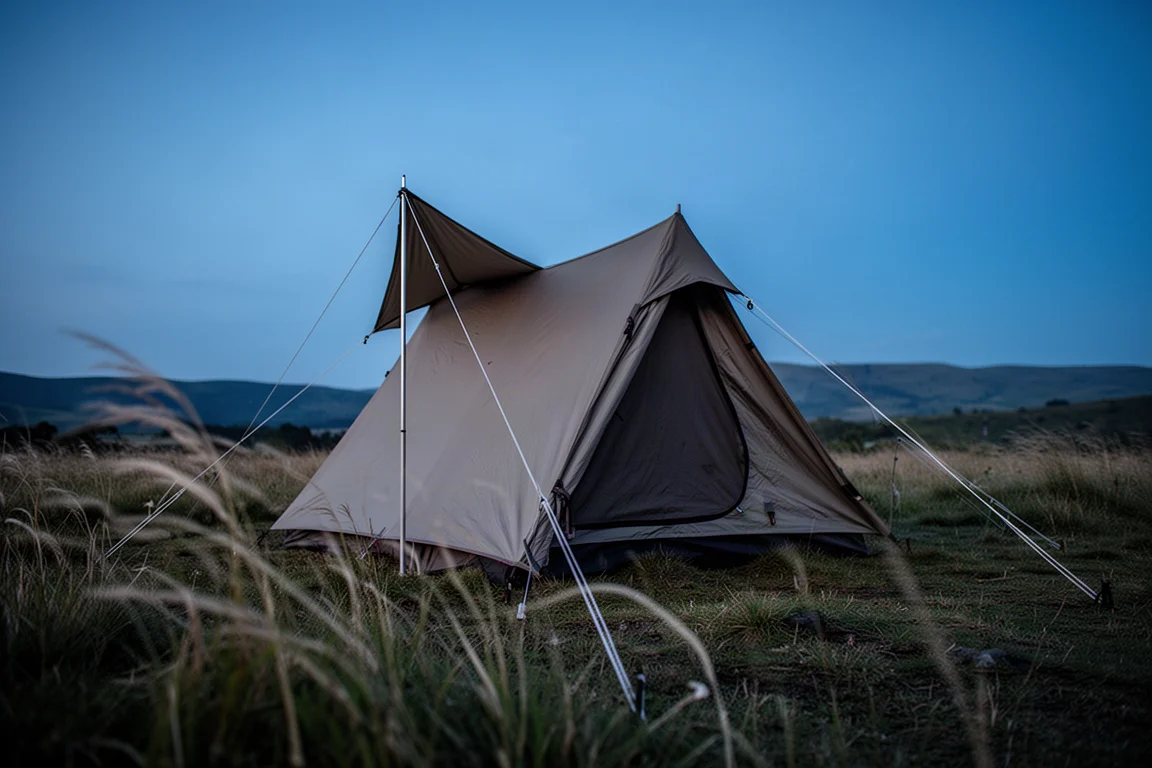
The TFS Gemini is a two-person, double-wall freestanding tent built for backpacking and camping across three seasons. It uses a traditional dome-style pole structure, a monolite body fabric in place of no-see-um mesh, and identical vestibules on both sides. Setup is quick, the interior is genuinely roomy for two, and most of what makes it interesting sits in the details rather than the headline numbers.
At $535 through the brand’s official United States retailer, it lands in the same territory as premium two-person lightweight tents from established names. That makes the decision less about specs on paper and more about whether the materials, construction, and living space match the way you camp.
Who the TFS Gemini Is For
This tent makes the most sense for two people who want a freestanding double-wall shelter they can pitch almost anywhere and split between two packs. The floor is 86 inches long and 51 inches wide, which is enough for two 25-inch wide sleeping pads without either person feeling wedged against a wall. Because the layout is symmetrical and fully rectangular, there is no dedicated head end or foot end, so two campers can sleep end to end and each get their own door and vestibule.
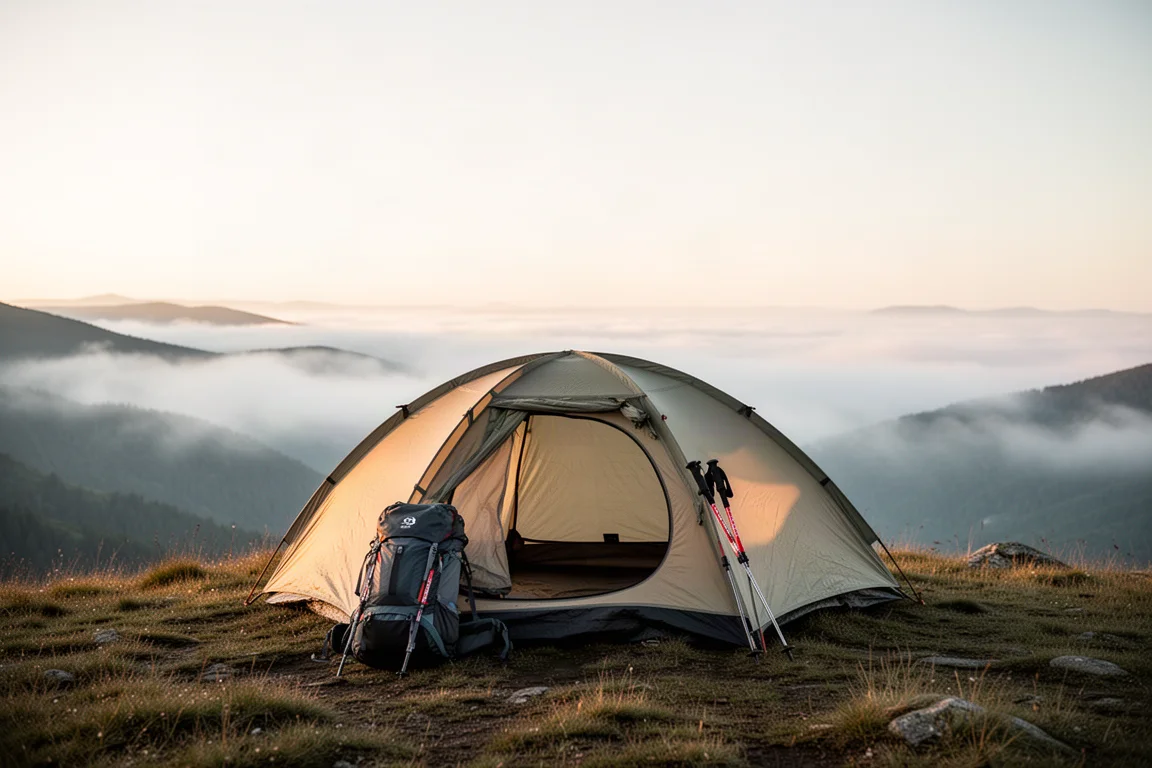
It also works for solo hikers who want extra room and do not mind carrying roughly 4 lb. It is a less natural fit for anyone chasing the lowest possible base weight, or for campers who insist on pitching a fly first in heavy rain, since the Gemini requires the inner body to go up before the rainfly.
Main Strengths: Space, Structure, and Setup
The pole structure uses DAC featherlight poles in a classic dome layout, with ball-socket connections at all four corners that make assembly simple and forgiving. A long brow pole runs over the top, which tensions the whole shelter and adds meaningful vestibule space on both sides. Six stakes are enough to hold it down, one at each corner and one at each vestibule, and it handles gusty conditions well in that configuration.
Peak height is 41 inches, so there is enough room to sit up comfortably at the center of the tent. The bathtub floor is notably tall, and the interior stays uncluttered: four pockets, one at each corner, sit high off the ground, and a single loop at the top holds a headlamp or a small lantern. There are no large mesh storage panels on the upper walls.
Materials, Weather Protection, and Ventilation
The rainfly is a 15-denier ripstop nylon coated on both sides with a 2,000 mm hydrostatic head. The floor is a 20-denier ripstop nylon with a PU coating and the same 2,000 mm rating. For three-season use, that combination covers the conditions most campers actually meet.
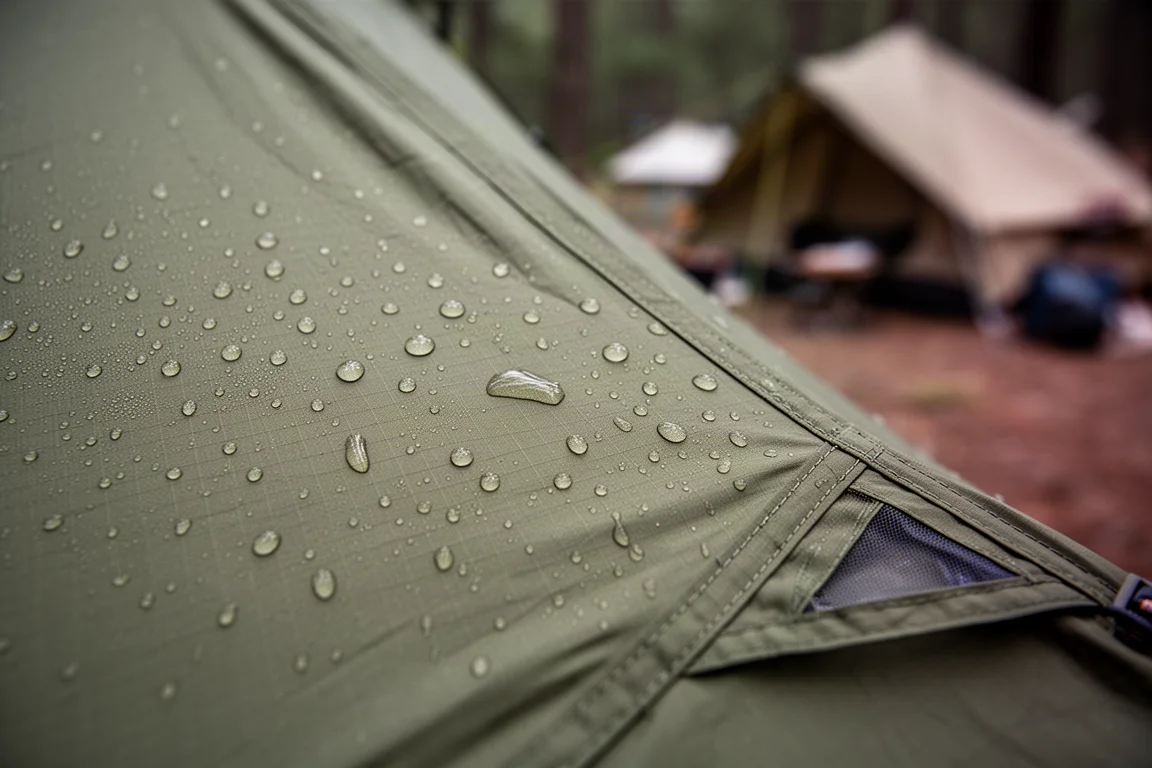
The body fabric is where the Gemini separates itself. Instead of mesh, it uses a monolite fabric that is breathable but dense enough to keep insects out. That same density limits how much dust and sand can drift in under the vestibules on windy, dusty days, and it should help the body hold up over time. The trade-off is a slightly hazier view out and less airflow than mesh, though the material does seem to hold a little body heat, which is welcome on cold nights. Vents at the peaks of the rainfly and the option to stake out the ends both help move air when you need it, and attached guy lines on all four sides add lateral stability when wind hits the tent broadside. An optional footprint attaches directly to the feet at each corner, sits slightly smaller than the floor to keep water from collecting between the layers, and can be left at home entirely.
Things to Consider Before Buying
Weight is the first thing to weigh up. With the footprint and all stakes, the Gemini comes in at about 4 lb. Leaving the footprint behind saves a few ounces, and carrying fewer stakes trims more, but this is not an ultralight shelter and it is not trying to be.
Pitching order is the second. The Gemini is not a fly-first tent: the inner body goes up first and the rainfly attaches over it, because the poles sit between the fly and the body. In dry or moderately wet conditions that is a non-issue, but campers who regularly pitch in sustained rain may prefer a different design.
The dome shape is worth understanding too. End walls rise fairly steeply, so headroom tapers toward the ends rather than staying vertical, which slightly reduces usable living space compared with tents that use hub structures. The double-wall design keeps condensation away from sleepers, so the closer walls are less of a practical concern. Nylon fly and floor fabrics also draw opinions, but on a freestanding double-wall tent with a full pole structure and easy tensioning from inside, nylon is a reasonable and durable choice.
Field Notes from Months of Use
Across months of use in rain, wind, and light snow, the Gemini has behaved like a shelter that simply works. It goes up quickly, feels stable once tensioned, and stays comfortable inside. The symmetrical vestibules matter more than they sound: with identical doors on both sides, both occupants get the same access and the same storage, and the tent can be oriented so that its walls take the wind instead of one person absorbing all of it.
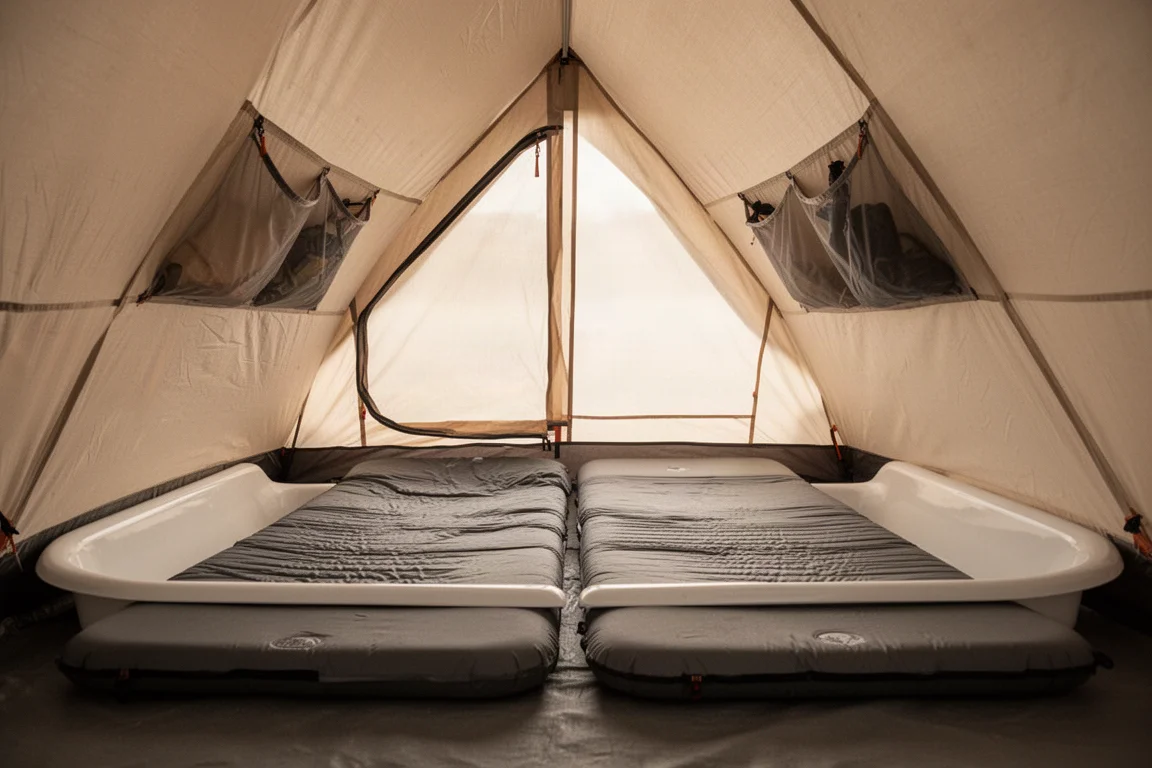
The interior is easy to spend time in. Two adults can sit side by side with the doors rolled back, and the large door openings make getting in and out simple. The corner pockets are positioned high enough that small items stay clear of the floor, and the tall bathtub floor keeps gear dry and free of grit that blows in.
Price, Value, and Warranty
The Gemini is priced at $535 through the brand’s official United States retailer, which puts it alongside premium two-person lightweight tents from well-known manufacturers. What the money goes toward is construction and materials rather than a weight record. TFS designs and builds its tents in its own factory, and the Gemini carries a three-year warranty against manufacturing defects. For a shelter with premium fabrics, tidy detailing, and a structure that should hold up over many seasons, that pricing is defensible.
Buying Advice
Buy the TFS Gemini if you want a freestanding, double-wall two-person tent with real interior space, symmetrical vestibules, and a body fabric that keeps dust and insects out. It suits three-season backpacking and camping trips alike, and it splits well between two people.
Look elsewhere if the lightest possible pack weight is your priority, or if you need a fly-first pitch. Otherwise, decide whether the optional footprint is worth adding: it attaches cleanly to the corners and sits slightly smaller than the floor, but the tent works fine without it.
Conclusion
The TFS Gemini is a well-made freestanding two-person tent that trades a little weight for space, weather protection, and thoughtful details. The monolite body, tall bathtub floor, and symmetrical doors give it a character of its own among dome tents, and the construction and three-year warranty support the premium price. For campers who value a comfortable, dependable three-season shelter over the lowest number on a scale, it is a strong option to consider.
Product link
View more details for TFS Gemini
This product is mentioned in the review. Check the specifications, options, and compatibility before buying.
View more details for TFS GeminiFurther reading
Related Reviews
Backpacking Tents
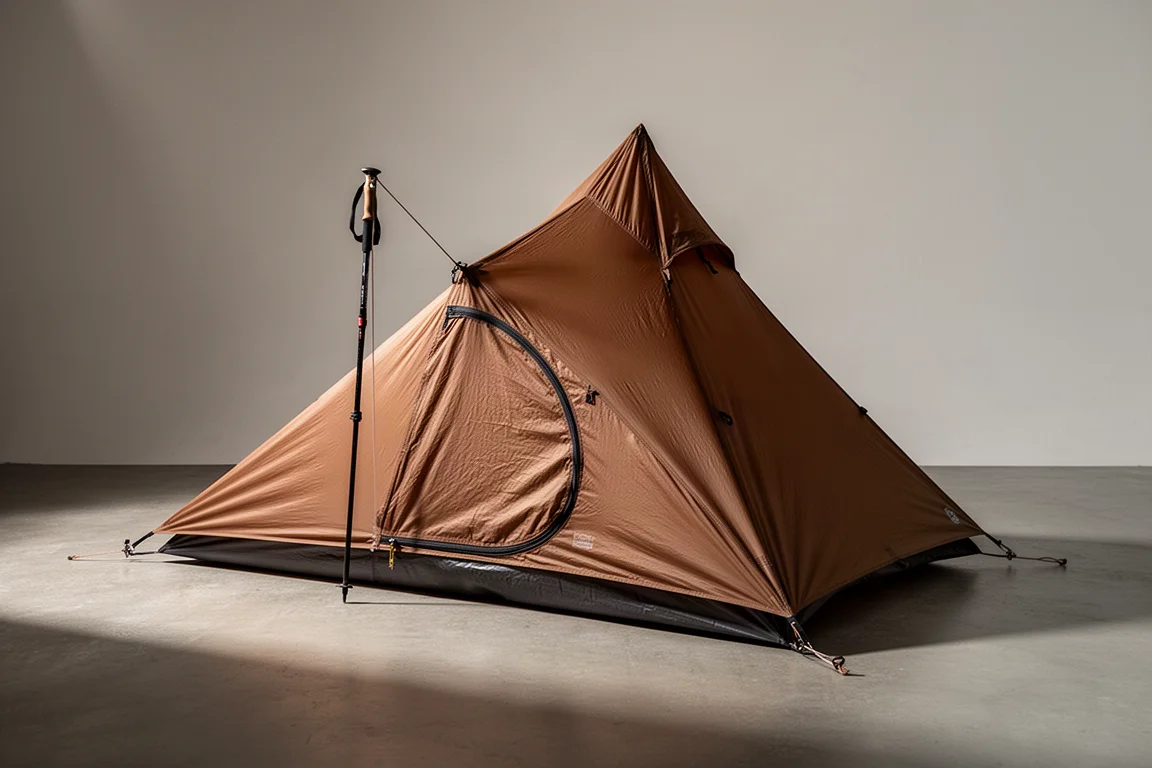
3F UL Lanchan Pro 1 Review: A 1 lb 8 oz Single-Wall Trekking Pole Tent
A practical look at the 3F UL Lanchan Pro 1, a single-wall trekking pole shelter with a 1 lb 8 oz weight, 20D silnylon fabrics, and a roomy 90 x 31 x 49 inch interior.
Backpacking Tents
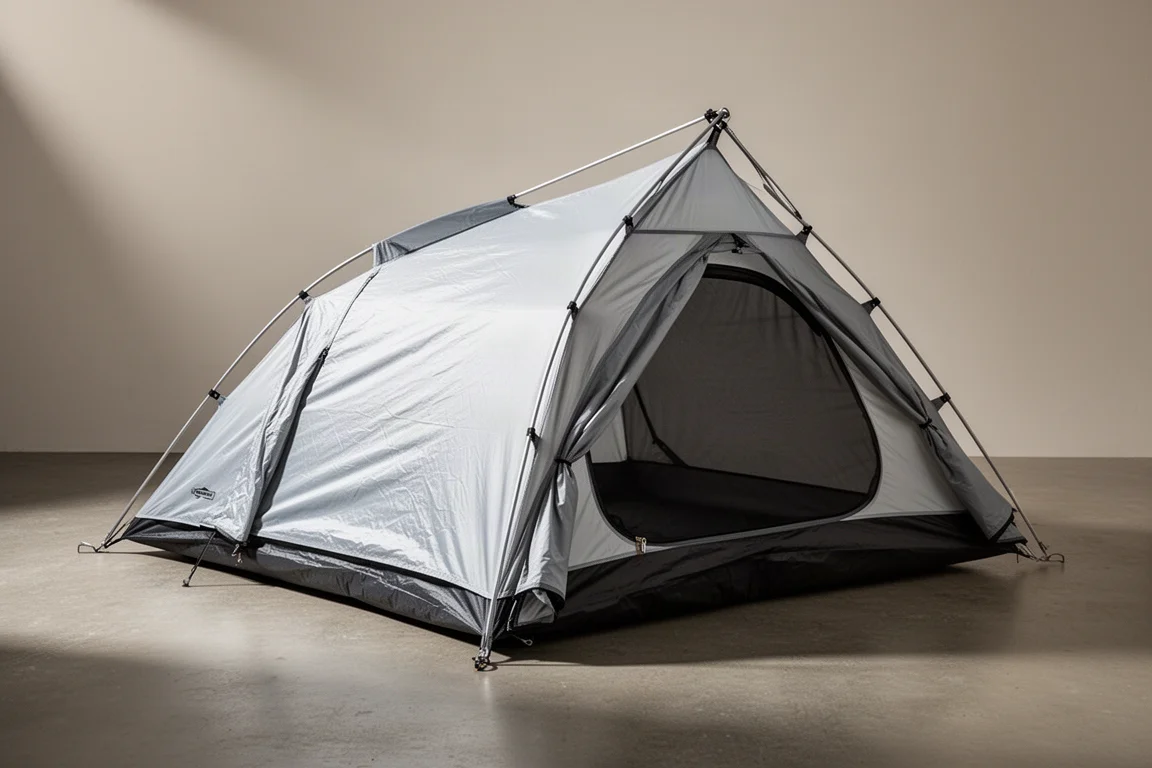
3F UL Taiji 2-Person Tent: A Convertible Backpacking Shelter Worth a Closer Look
A practical look at the 3F UL Taiji two-person tent, covering its materials, true two-person interior, fly-first pitching, and the seasonal inner swap that lets one shelter cover more of the year.
Backpacking Tents
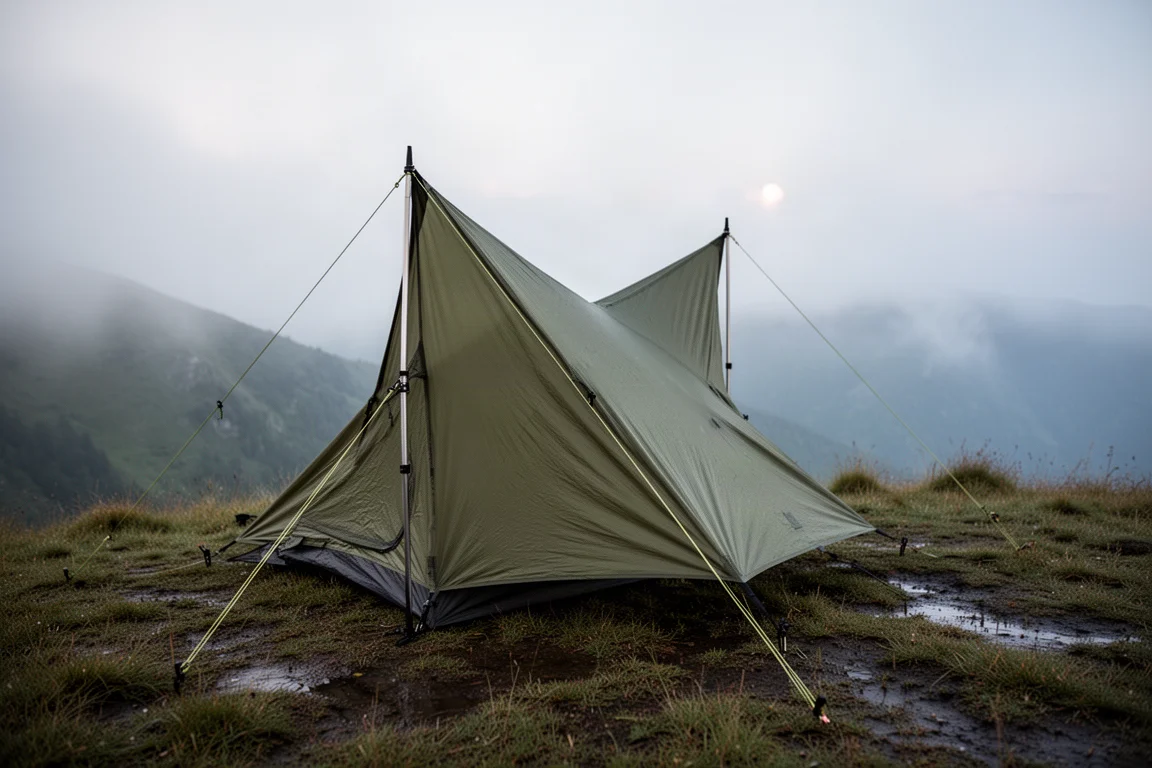
3FUL Lanshan Twoerson Pro Review: A Light Trekking Pole Shelter That Struggled in Rain
A two-person trekking pole shelter with a 2026 redesign, pitched with sticks and put through a night of steady rain. Here is what worked, what did not, and what to check before buying.