Backpacking Tents
TFS Gemini Review: A Freestanding Two-Person Tent Built for Three-Season Comfort
The TFS Gemini pairs a simple dome pole structure with a monolite body fabric, twin vestibules, and a genuinely livable two-person interior. Here is what to know before buying.
Introduction
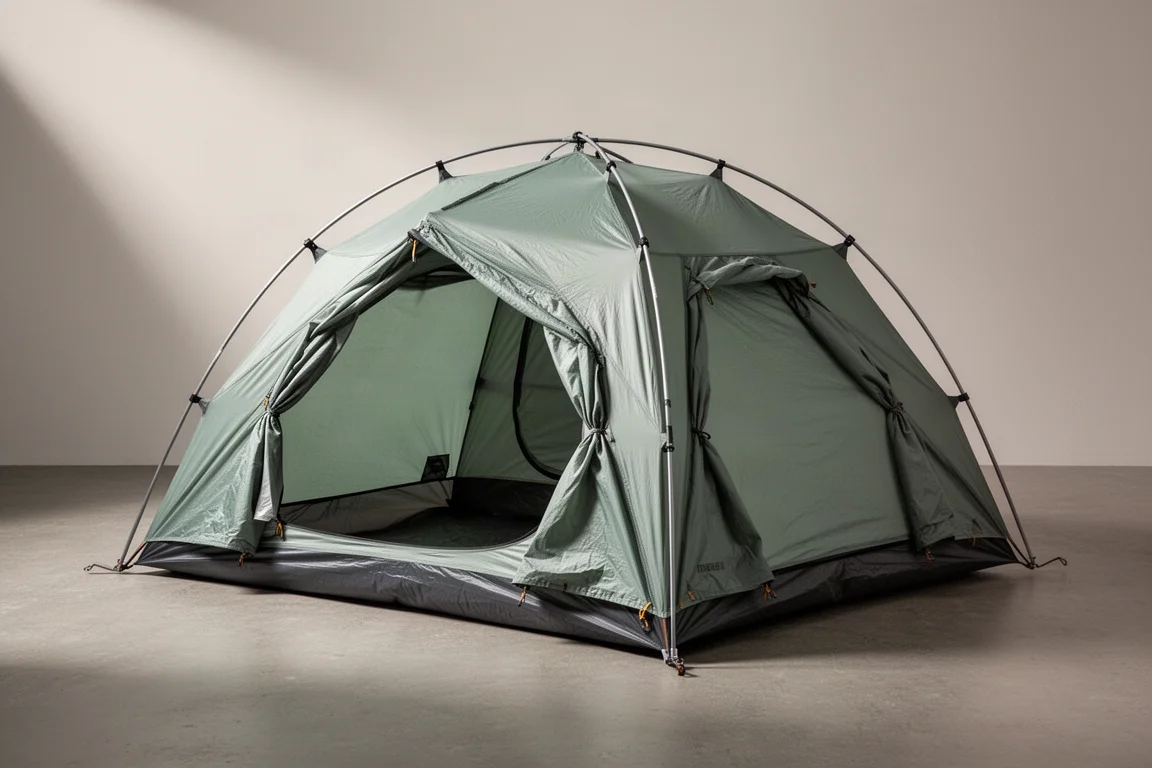
The TFS Gemini is a two-person, double-wall, freestanding tent designed for backpacking and camping in three-season conditions. It is built around a traditional dome pole structure using a DAC Featherlite NFL pole set, with a long brow pole across the top that tensions the shelter and adds usable vestibule space.
Rather than chasing the lowest possible packed weight, the Gemini leans into straightforward pitching, a stable frame, and a genuinely comfortable interior. The body uses a breathable monolite fabric instead of the open no-see-um mesh common on lightweight backpacking tents, and the rainfly and floor both carry a 2,000 mm hydrostatic head coating. The result is a tent that feels purposeful rather than stripped down.
Who This Tent Is For
This tent suits backpackers and campers who want a freestanding shelter they can pitch quickly and trust in mixed three-season weather. Because it goes up without needing to be staked out first, it works well on platforms, hard-packed ground, and sites where guy points are limited. Two people sharing the load can split the roughly 4 lb packed weight, which makes the carry reasonable for a double-wall tent with this much interior volume.
It is also a sensible choice for solo hikers who value living space over gram counting. The symmetrical layout means there is no dedicated head end or foot end, so a single occupant can sleep diagonally or use one half of the floor for gear. The trade-off is straightforward: anyone focused on the absolute lightest possible setup, or anyone who insists on a fly-first pitch, will want to look elsewhere.
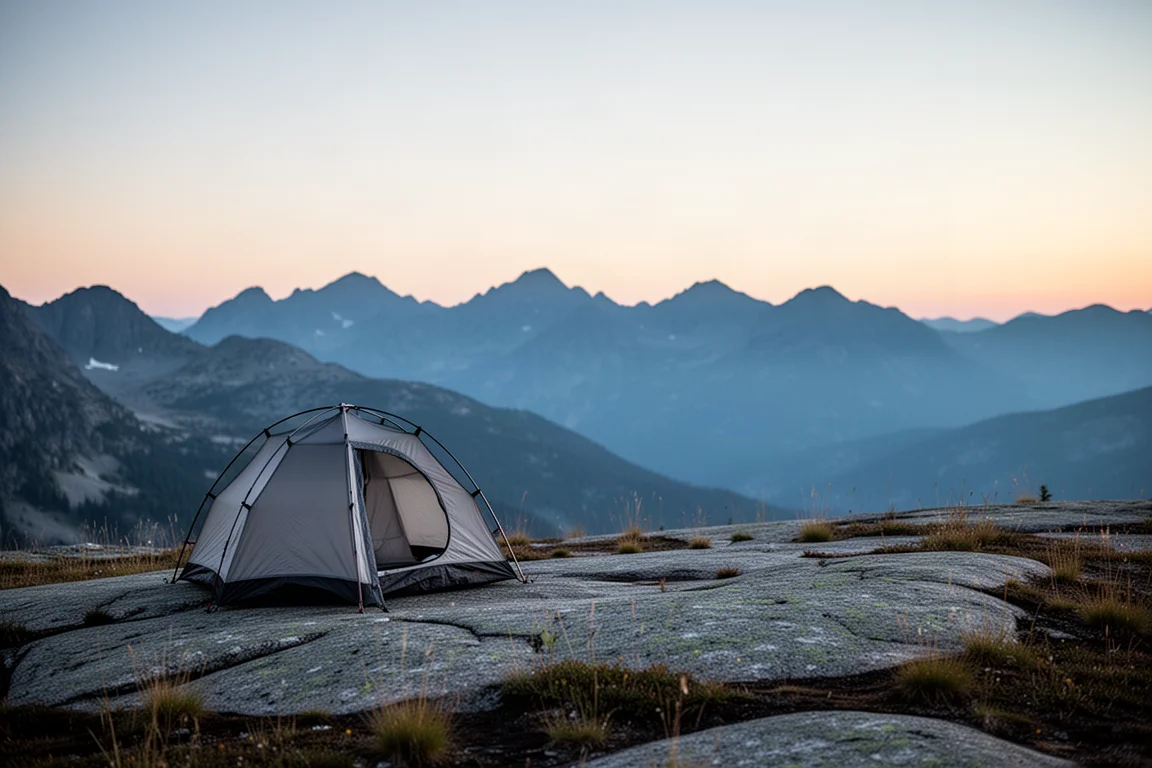
Riders of the shoulder seasons will appreciate the balance here. The tent is not a mountaineering shelter and it is not an ultralight racing tent. It is a comfortable, dependable three-season home for one or two people who would rather spend their evening relaxing than fiddling with a fiddly pitch.
Main Strengths
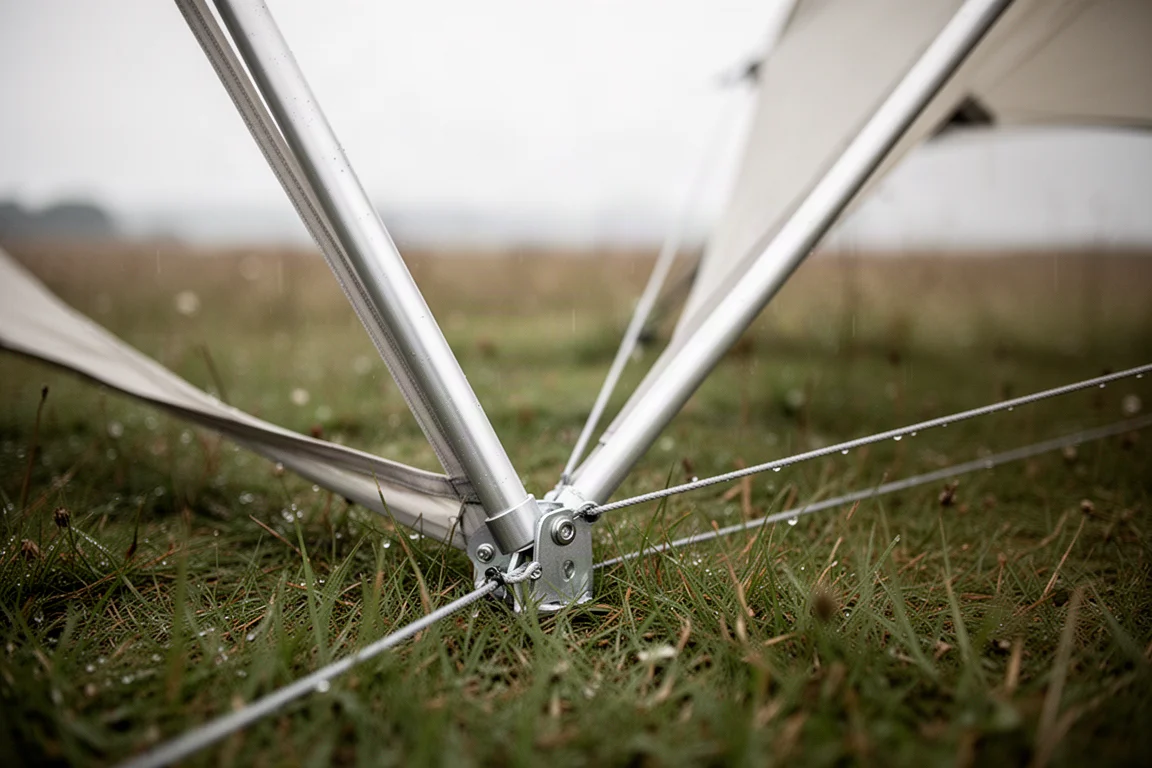
The strongest argument for the Gemini is how quickly and confidently it goes up. The pole structure runs to all four corners with ball socket connections, which makes assembly intuitive even in poor light or with cold hands. The long brow pole over the top does real work: it tensions the whole canopy, firms up the structure, and creates noticeably more vestibule space than a short brow pole would allow.
Stability is good from the top down, and the four attached guy lines on the sides add meaningful rigidity in the direction where the frame is naturally softer. In gusty conditions the difference is easy to feel. The tent has been used through rain and snow across several months, and it handled both without drama.
Fabric, Floor, and Weather Protection
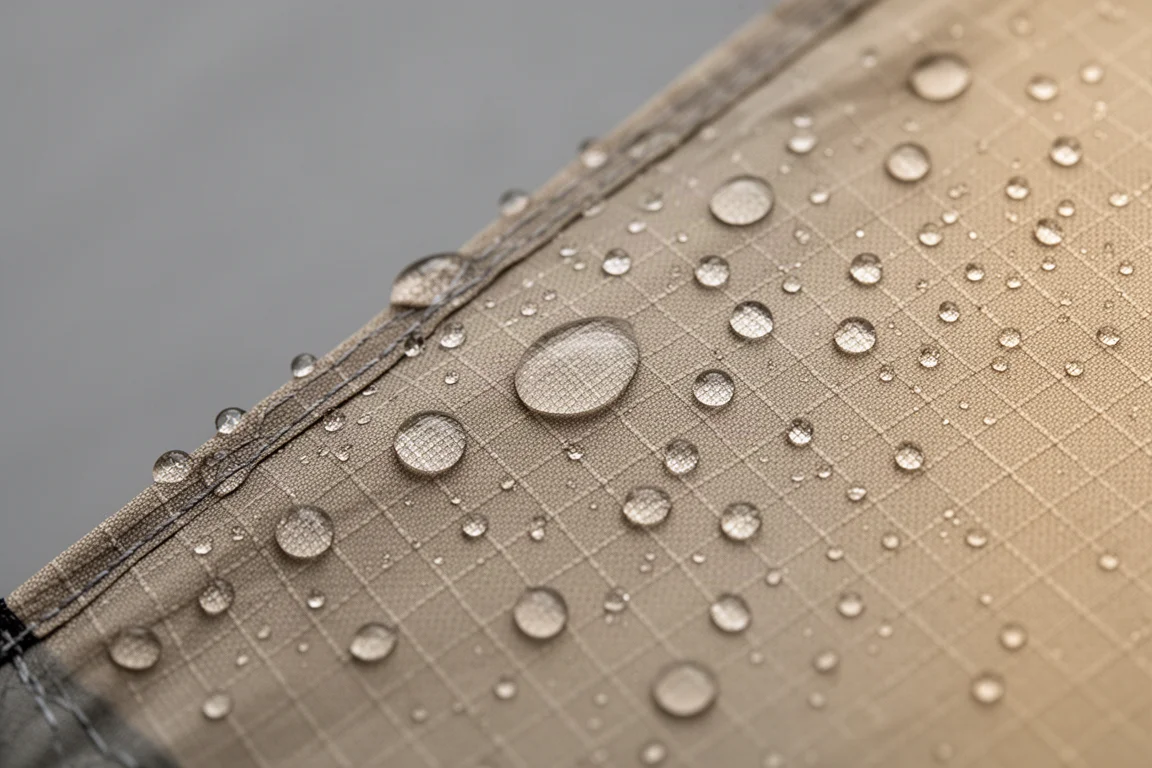
The rainfly is a 15 denier ripstop nylon coated on both sides to a 2,000 mm hydrostatic head. The floor is a 20 denier ripstop nylon with a PU coating and the same 2,000 mm rating. For the three-season settings most people actually camp in, that is a sound specification: light, strong, and well matched to the design.
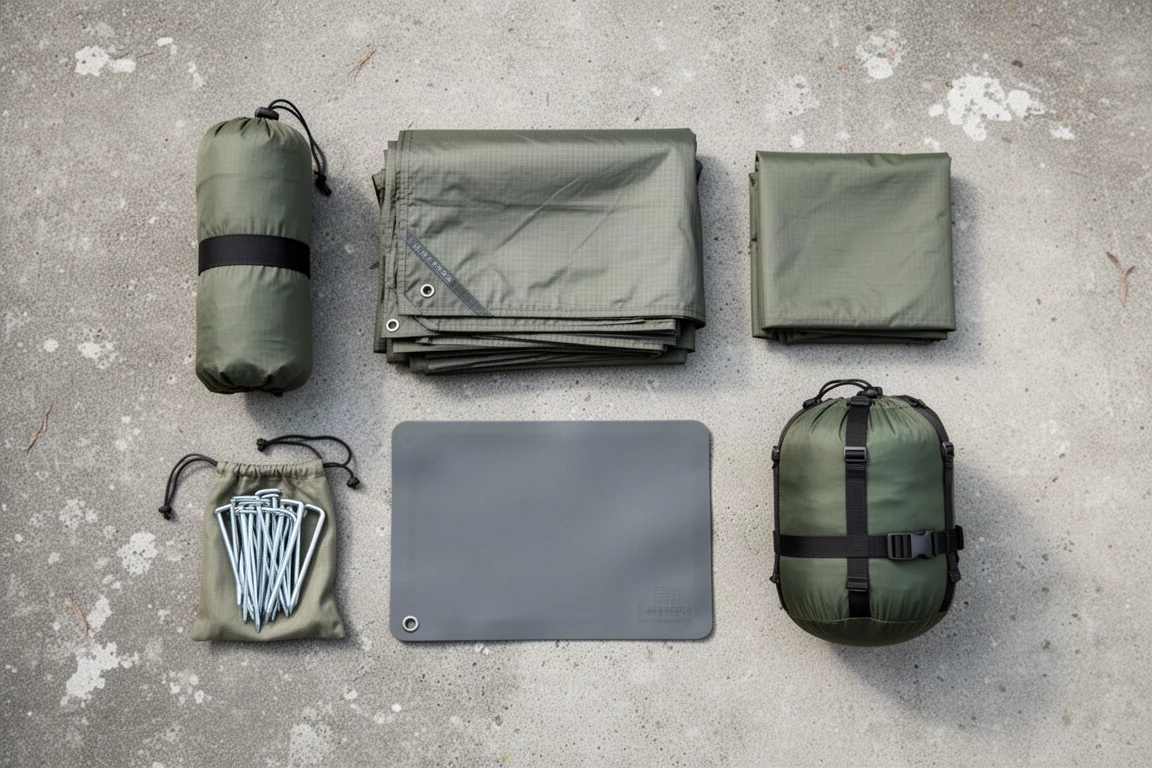
The optional footprint attaches directly to the feet at each corner, so it stays put instead of shifting around underneath. It is deliberately cut slightly smaller than the main floor, which prevents water from wicking into the gap between the two layers. It is fully removable if you would rather save the ounces.
The tent body itself uses a monolite fabric. It is breathable, but it will not let insects through, and it noticeably reduces the amount of dust and sand that blows in under the vestibules during windy conditions. It also adds a measure of durability to the body and helps hold a little body heat, which makes the interior feel warmer and cozier on cold nights. The trade-off is a slightly less open view out than a full mesh canopy would give.
Interior Space and Livability
Floor dimensions are 86 in long by 51 in wide, with a 41 in peak height at the centre. Two 25 in wide sleeping pads fit side by side without feeling crammed. Because the space is fully rectangular and symmetrical, two people can sleep in opposite orientations and each get the wider section of the floor instead of being squeezed shoulder to shoulder.
The doors are genuinely large, and both sides of the rainfly can be rolled back. That matters more than it sounds. In dry, mild weather you can open the tent right up, sit two people side by side, and enjoy the view without feeling confined. The two vestibules are symmetrical and open the same way, so you can orient the tent with both walls into the wind rather than having one occupant fight the weather while the other sits comfortably.
Interior storage is minimal but well judged. There are four pockets, one at each corner, positioned high off the ground. A loop at the apex holds a headlamp or a small lantern. The bathtub floor is notably tall, which is one of the more practical details here for anyone who camps in dusty or sandy terrain.
Setup and Pitching
Pitching follows the classic freestanding sequence. The pole set goes up first, the body clips on, and the fly attaches over the top, since the pole structure sits between the fly and the inner body. Six stakes are enough for a basic pitch, one at each corner and one at each vestibule. It is a simple, trustworthy design that most campers will have standing in a couple of minutes.
Ventilation is handled by vents at the peaks of the rainfly, and you can stake out the ends of the tent to increase airflow further. The attached guy lines on all four sides let you add stability quickly when the wind picks up. Tensioning is easy from inside the tent, so you do not have to get out to make adjustments when the weather changes overnight.
One point worth noting for wet climates: the Gemini is not a fly-first pitch design. The inner body has to go up before the fly goes on. If you frequently pitch in heavy rain and consider fly-first pitching essential, that is a real limitation rather than a minor detail.
Things to Consider Before Buying
The most obvious consideration is weight. With the footprint, all the stakes, and everything else, the tent comes in at about 4 lb. That is a reasonable figure for a freestanding double-wall shelter with room for two, and it splits well between two people. Removing the footprint saves a few ounces, and carrying fewer stakes trims more. It has been carried fully loaded by a solo hiker without feeling cumbersome, but it is not the lightest tent on the market and it is not trying to be.
The second consideration is the price. At $535 through the official US retailer, the Gemini sits in premium two-person tent territory, comparable to what you would pay for a lightweight premium tent from other well-known brands. What you get in return is careful attention to detail and construction quality. TFS designs and produces everything in house at its own factory, using premium fabrics and materials, and the tent carries a three-year warranty against manufacturing defects.
The third consideration is the nylon construction. Nylon gets criticised in some circles, but the concerns mostly apply to single-wall trekking pole shelters where stretch can let a canopy sag inward. In a freestanding design like this one, the pole structure holds the shape, and the fabric can be tensioned easily from inside. Nylon is strong, and in this application it is a sensible choice.
Buying Advice
If your priorities are a fast freestanding pitch, a stable frame, generous vestibules, and an interior two people can actually share comfortably, the Gemini makes a strong case. It handles rain and wind, it is pleasant to spend an evening in, and the small details, from the tall bathtub floor to the four high corner pockets and the roll-back fly, add up to a tent that feels considered rather than assembled from a parts list.
If your priorities are minimum weight or a fly-first pitch, this is not the tent for you, and that is fine. Those are specific needs with specific answers. For everyone else, the question is whether the craftsmanship justifies the premium. The materials, the in-house production, and the three-year warranty against manufacturing defects suggest this is a shelter built to last many seasons, which changes the maths on the upfront cost considerably.
For two people splitting the load, the packed weight stops being a concern almost immediately, and the interior space becomes the thing you notice every single night. That is the case the Gemini makes for itself, and it is a persuasive one.
Conclusion
The TFS Gemini is a well-executed freestanding two-person tent with a clear personality. The monolite body fabric, the long brow pole, the symmetrical twin vestibules, and the tall bathtub floor all point to a design that was thought through in the field rather than on a spec sheet.
It is not the lightest option and it is not the cheapest, and it will not suit anyone who needs a fly-first pitch. What it offers instead is a simple, trustworthy shelter that pitches fast, stands up to three-season weather, and gives two people a genuinely comfortable place to sleep. For backpackers and campers who value livability and build quality over the last few ounces, it is a very easy tent to recommend.
Product link
View more details for TFS Gemini
This product is mentioned in the review. Check the specifications, options, and compatibility before buying.
View more details for TFS GeminiFurther reading
Related Reviews
Backpacking Tents
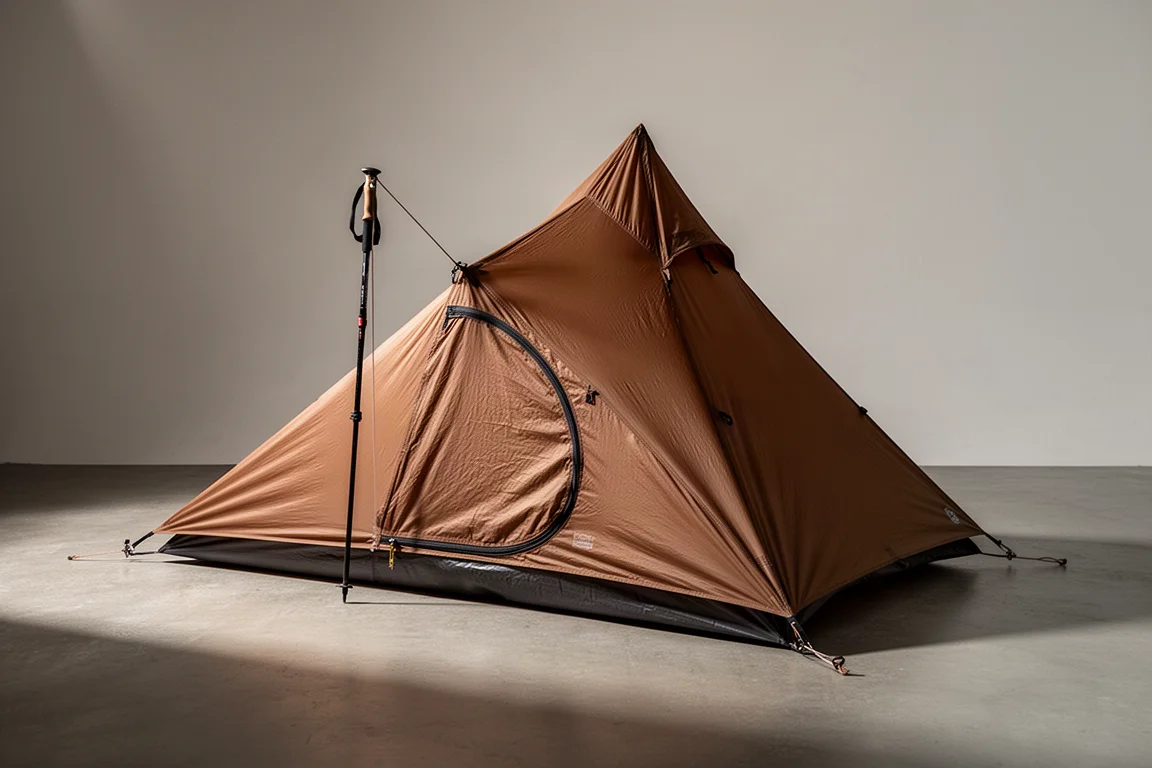
3F UL Lanchan Pro 1 Review: A 1 lb 8 oz Single-Wall Trekking Pole Tent
A practical look at the 3F UL Lanchan Pro 1, a single-wall trekking pole shelter with a 1 lb 8 oz weight, 20D silnylon fabrics, and a roomy 90 x 31 x 49 inch interior.
Backpacking Tents
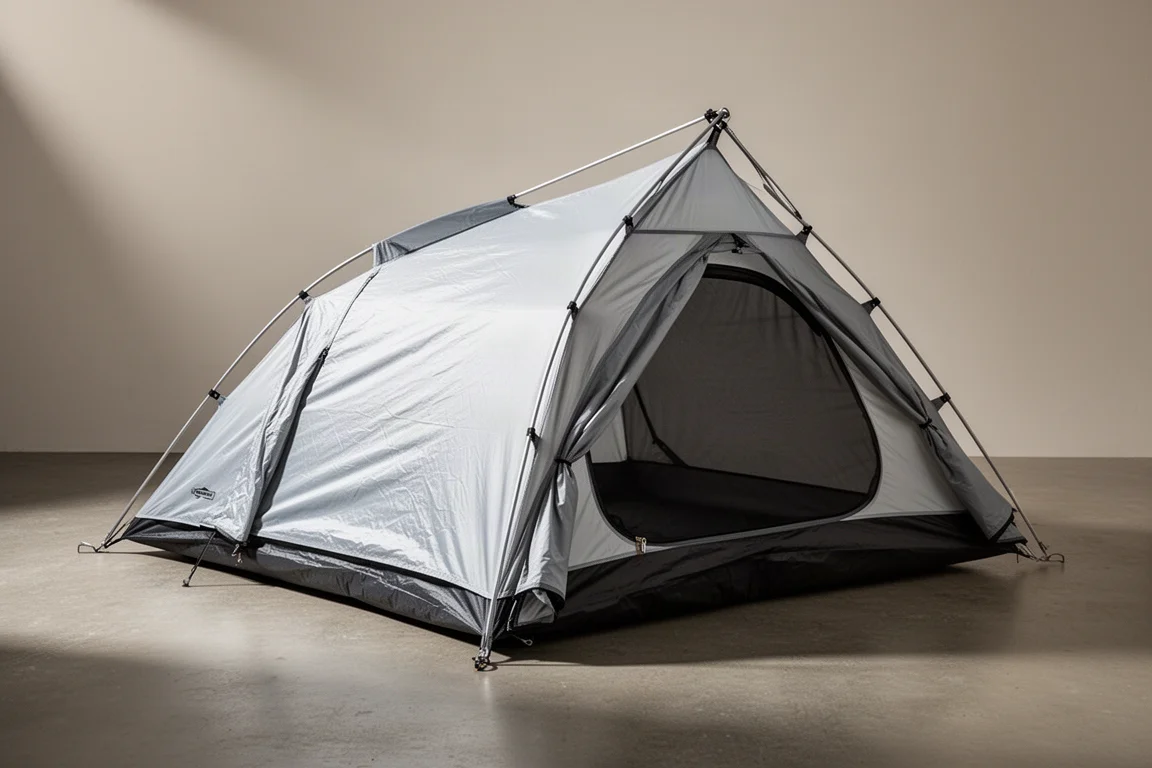
3F UL Taiji 2-Person Tent: A Convertible Backpacking Shelter Worth a Closer Look
A practical look at the 3F UL Taiji two-person tent, covering its materials, true two-person interior, fly-first pitching, and the seasonal inner swap that lets one shelter cover more of the year.
Backpacking Tents
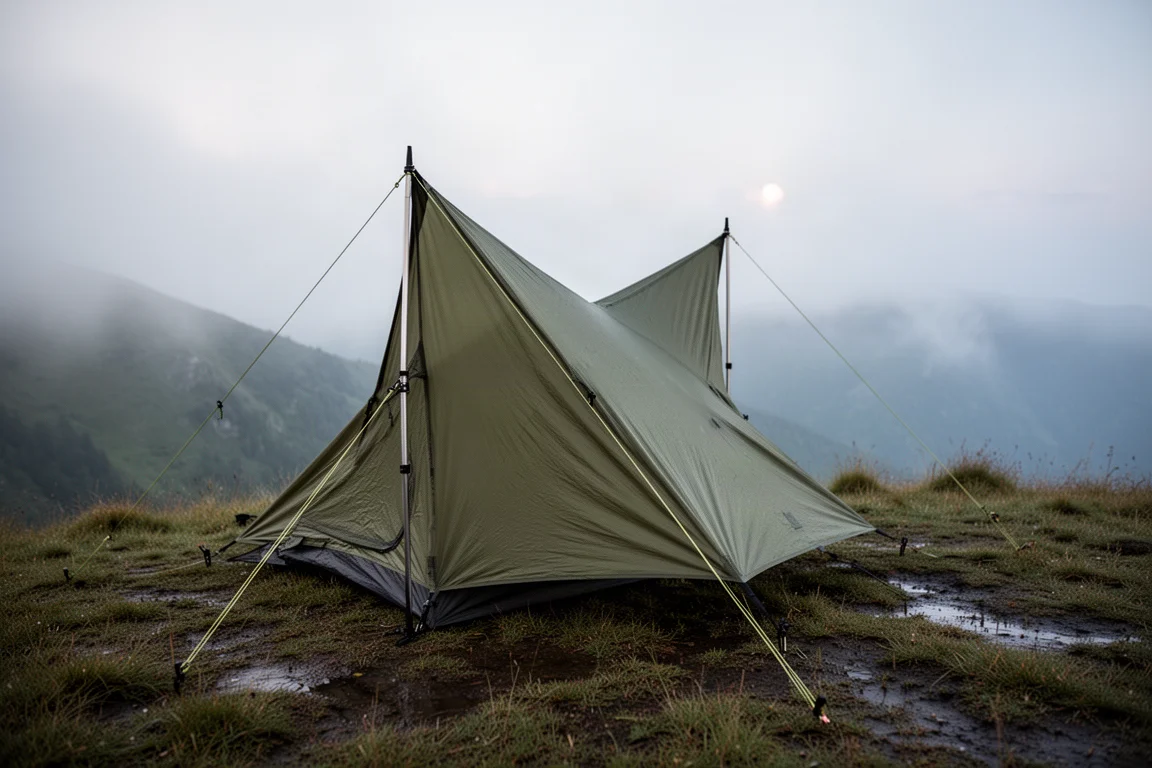
3FUL Lanshan Twoerson Pro Review: A Light Trekking Pole Shelter That Struggled in Rain
A two-person trekking pole shelter with a 2026 redesign, pitched with sticks and put through a night of steady rain. Here is what worked, what did not, and what to check before buying.