Backpacking Tents
TFS Enrun 2 Review: A Two-Person Tunnel Tent With Real Living Space
A double-wall tunnel tent with a 94-inch interior, modular inner and fly options, and confident wind performance, plus the trade-offs worth knowing before you buy.
Introduction
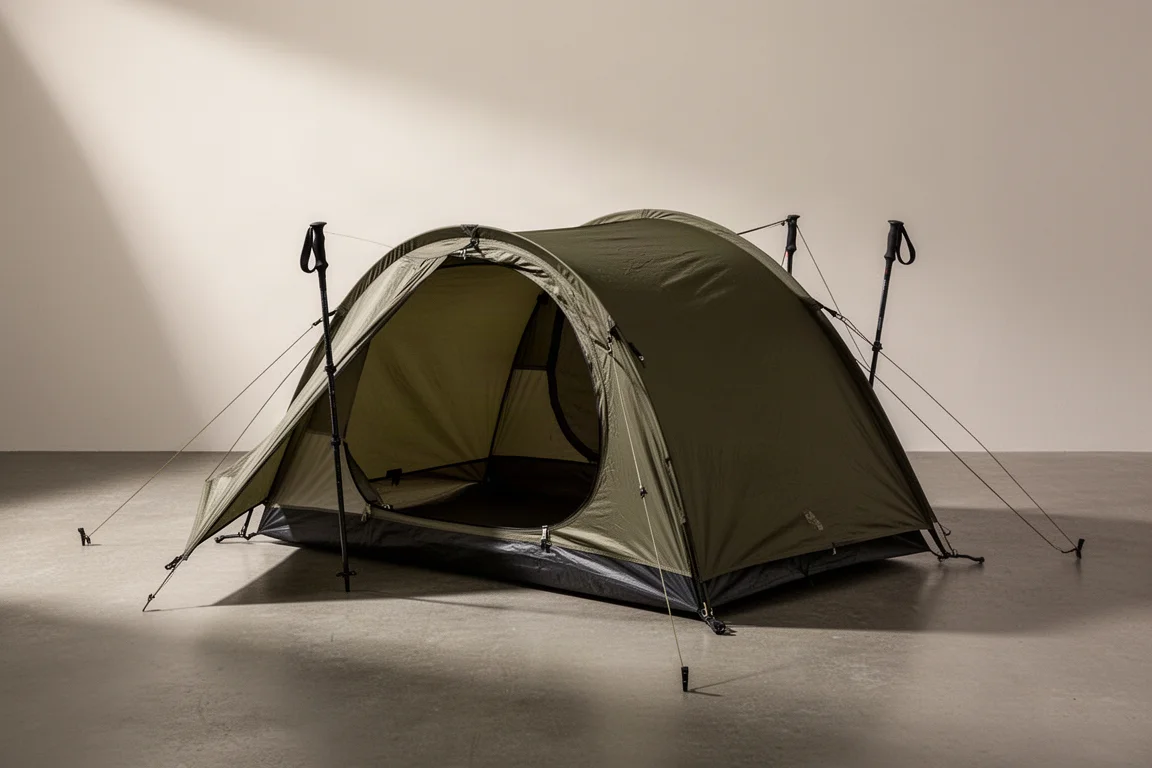
Tunnel tents earn their reputation the hard way. They are admired for shedding wind and rain with a low, elongated profile, and criticised for feeling like a narrow tube once you are inside one. The TFS Enrun 2 is a direct attempt at solving the second half of that equation without giving up the first.
It is a two-person, double-wall shelter built around a single center arc pole, with trekking poles supporting each end. That structure creates a long, hoop-shaped interior rather than the tapering, sharply angled walls typical of this category. TFS, a Chinese brand that designs and manufactures its shelters in-house rather than rebranding existing designs, offers the Enrun 2 with a choice of inner tents and outer fly fabrics, so the tent can be configured around the conditions you actually camp in.
Who This Tent Is For
The Enrun 2 is best understood as a shelter for backpackers who value interior space and weather resistance over a freestanding pitch. Two people sleeping on 25-inch wide pads fit comfortably, and the length means neither sleeper has fabric pressing against their head or feet. Solo backpackers get something closer to a small expedition tent: genuinely roomy, and light enough to carry.
The modular side of the design matters just as much. Buyers choose between a full mesh inner and a solid inner, and between a 7D nylon fly and a 10D polyester fly. Both fly fabrics are coated on both sides and rated to a 2,000 mm hydrostatic head. Because those choices change the overall weight, the tent can be tuned toward warmer, more ventilated summer trips or toward cooler, dustier, more exposed camps.
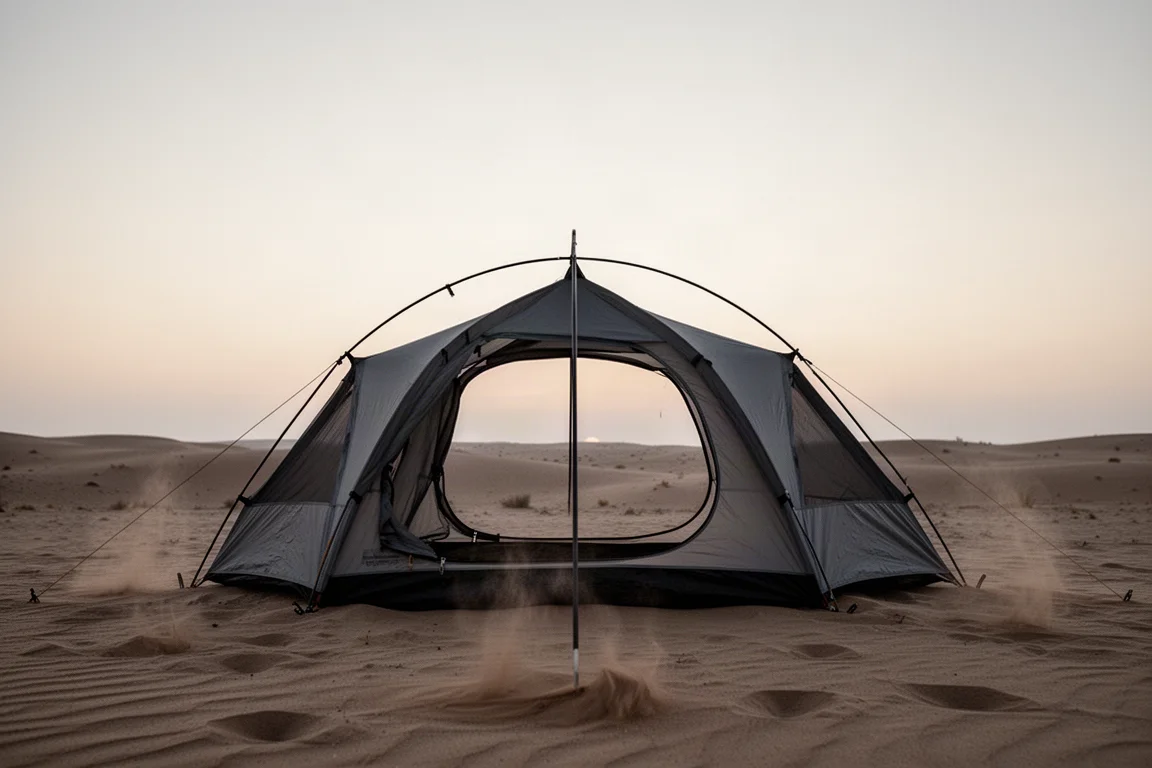
That flexibility also means the final weight depends on the configuration you order, so it is worth deciding early whether you want maximum breathability or maximum protection.
Main Strengths
Interior Space and Layout
The numbers here are the headline. The floor measures 94 inches long and 51 inches wide, with a peak height just over three feet. Two 25-inch pads fit side by side, and the fully rectangular floor leaves a substantial stretch of usable room at one end for packs, boots, and cooking gear.
For a solo camper, the effect is generous to the point of being more space than one person needs, which is a rare complaint in this category. Two interior pockets keep small items off the floor, and the Monolite mesh panels along the top and at the end of the inner add breathability without opening the shelter up to drafts.
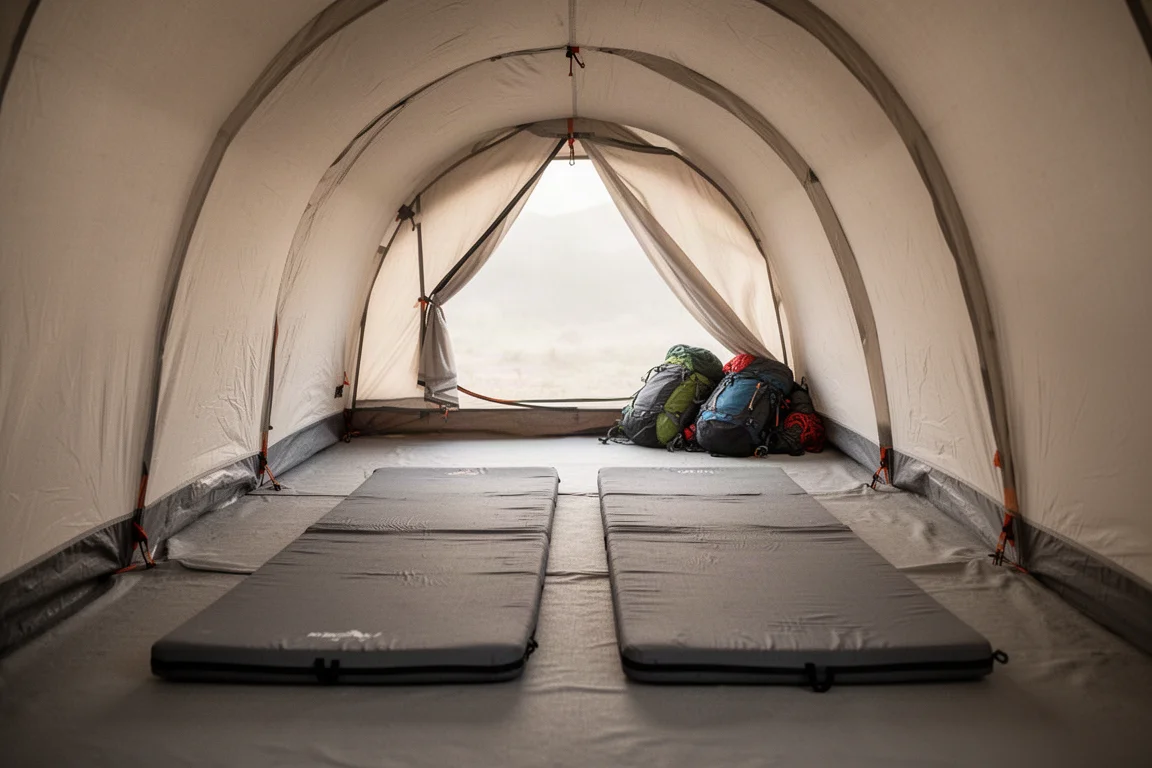
The tunnel geometry keeps the walls from collapsing inward at the head and foot ends, which is the detail that separates this design from narrower one-person tunnel shelters.
Ventilation and Modularity
Both ends of the tent have zippered flaps that roll back and secure with toggles, turning the shelter into a well-vented space on warm, still nights. Critically, these flaps can be opened and closed from inside the tent, so you can adjust airflow without getting out of your sleeping bag. A solid fabric panel beside the opening helps limit dust and grit blowing in when the doors are shut.
The inner tent is fully removable, which opens up a second mode of use. Pitch the outer fly alone for maximum airflow with overhead protection, and take advantage of a door opening that keeps rain from reaching the sleeping area.
Weather Performance
The low tunnel profile is the reason this tent behaves well when conditions turn. Across several trips, including a stretch of gusty wind and rain, the Enrun 2 held its shape and stayed stable. The fly is a lightweight 7D nylon, so it will flex and stretch under load rather than feel rigid, but it recovers and keeps its form instead of collapsing.
Sand and dust cling to the double-sided coating, which is a fair trade for the waterproofing. With two doors and two vestibules, and both doors opening on the same side, entry and exit stay simple even when the weather is poor.
Things to Consider Before Buying
The Enrun 2 is not without quirks, and the most discussed one concerns how the door fly is managed. There is no toggle or attachment point on the outside of the door. Instead, the fly rolls back and secures on the inside of the tent.
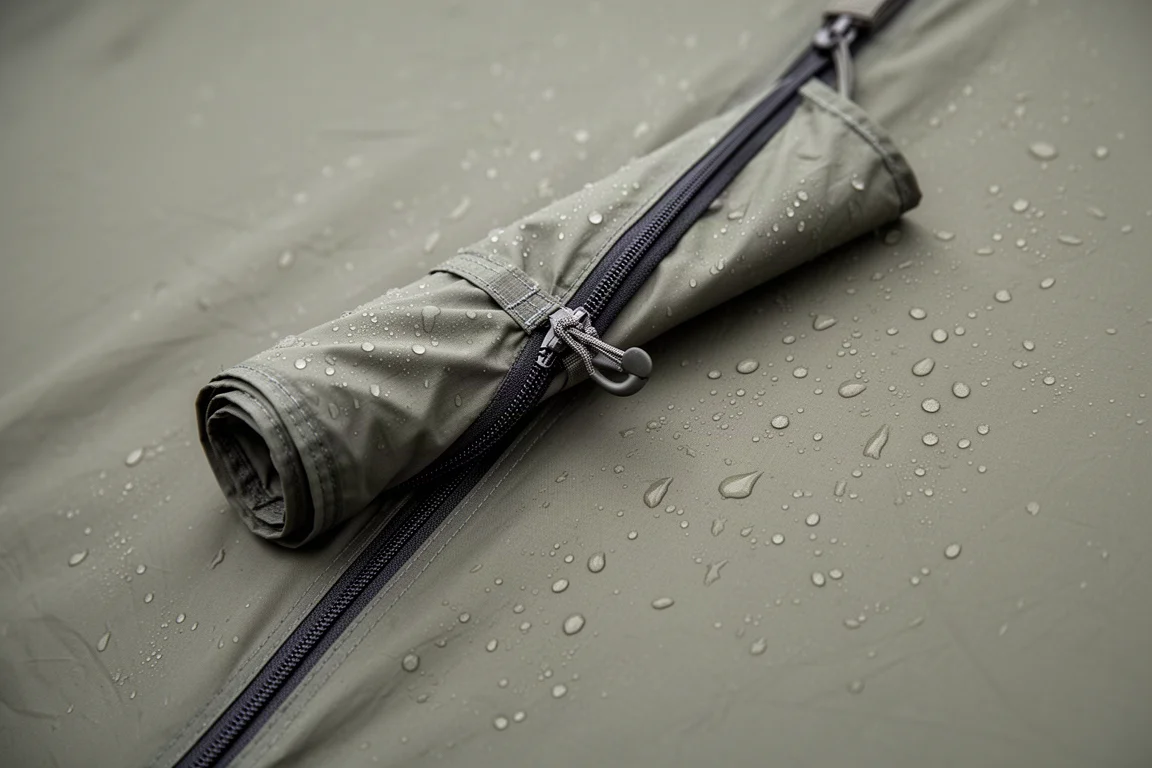
In practice this is a convenient way to get the door out of the way, and it holds the panel securely. The complication appears in sustained rain: with the door toggled open from inside, water running off the edge of the fly can drip into the interior. There is enough toggle room to manage both doors at once, and the inner tent can be pushed back slightly to reduce exposure, particularly when the shelter is used by one person. For most camping this is a minor annoyance rather than a dealbreaker, but if you routinely camp in heavy rain, plan on adapting your routine or making a small modification.
Vestibule Space
Vestibule volume is modest, largely because keeping the tent low and compact means keeping the ends short. Campers who cook in their vestibule will notice the constraint.
The solid inner now ships with a small hook that attaches to a loop on the center cord running end to end. Clipping it in pulls the inner back a touch and opens up noticeably more vestibule room on either side, enough to sit up and boil water or to store gear you would rather keep outside the sleeping area. Unclip it and the full floor width returns. It is a simple fix, and it can be applied on both sides.
Interior Height Away From the Center
Peak height is just over three feet, measured at the center of the hoop. Sit off to one side on a pad and your head will touch the ceiling, with shoulders close to the wall. That is the nature of the shape rather than a flaw in execution, and it is the compromise that buys the wind performance and the low profile.
Buying Advice
Choose the Enrun 2 if you want a light two-person shelter with an unusually long floor, real storm resistance, and the freedom to swap inners and fly fabrics as your trips change. The solid inner makes sense for desert and dusty environments where keeping sand out matters, while the mesh inner suits humid summer trips where airflow is the priority.
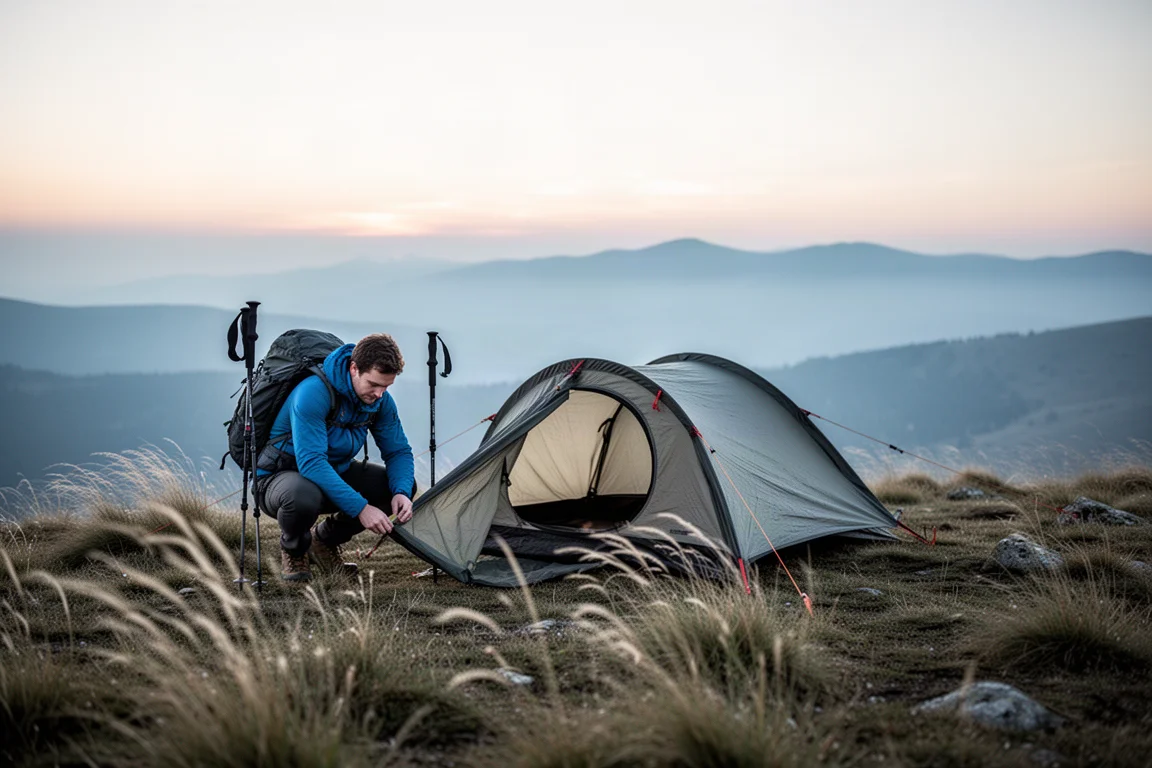
The nylon and polyester fly options differ mainly in how each fabric behaves in the field, and because weight shifts with every configuration, it is worth confirming the total weight of the exact combination you intend to buy rather than comparing headline figures. Budget for trekking poles if you do not already carry them, since they are structural here.
Plan around two things before you commit: the inside-mounted door toggle and the modest vestibule. Neither is difficult to live with, and the vestibule hook on the solid inner addresses the second directly. If those compromises sound acceptable, this is a shelter that rewards the trade-off with space you can actually stretch out in.
Conclusion
The TFS Enrun 2 takes the tunnel tent formula and fixes the part most people dislike. A 94-inch rectangular floor, a peak just over three feet, two doors, and modular inners and fly fabrics make it a genuinely comfortable place to spend a night, while the low profile keeps it composed when wind and rain arrive. The inside-mounted door fly and the limited vestibule are real considerations rather than minor footnotes, but they are manageable. For backpackers who prioritise living space and weather confidence in a lightweight package, this is a compelling option worth a close look.
Product link
View more details for TFS Enrun 2
This product is mentioned in the review. Check the specifications, options, and compatibility before buying.
View more details for TFS Enrun 2Further reading
Related Reviews
Backpacking Tents
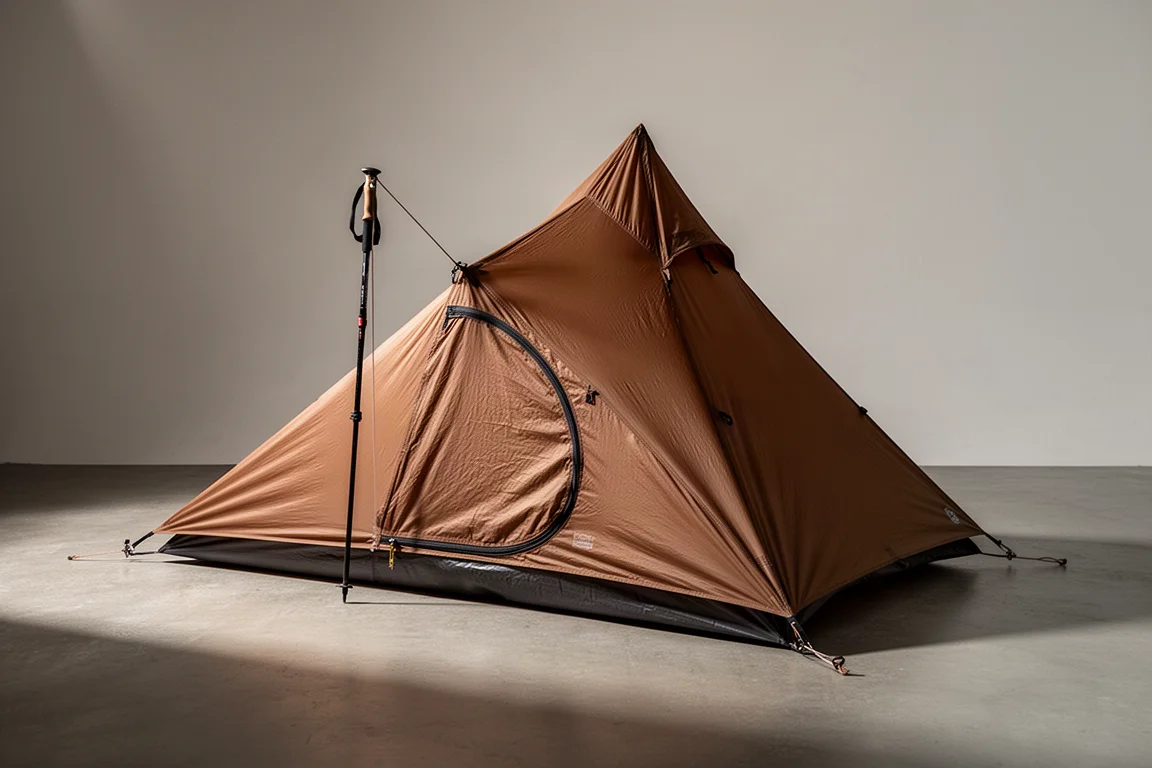
3F UL Lanchan Pro 1 Review: A 1 lb 8 oz Single-Wall Trekking Pole Tent
A practical look at the 3F UL Lanchan Pro 1, a single-wall trekking pole shelter with a 1 lb 8 oz weight, 20D silnylon fabrics, and a roomy 90 x 31 x 49 inch interior.
Backpacking Tents
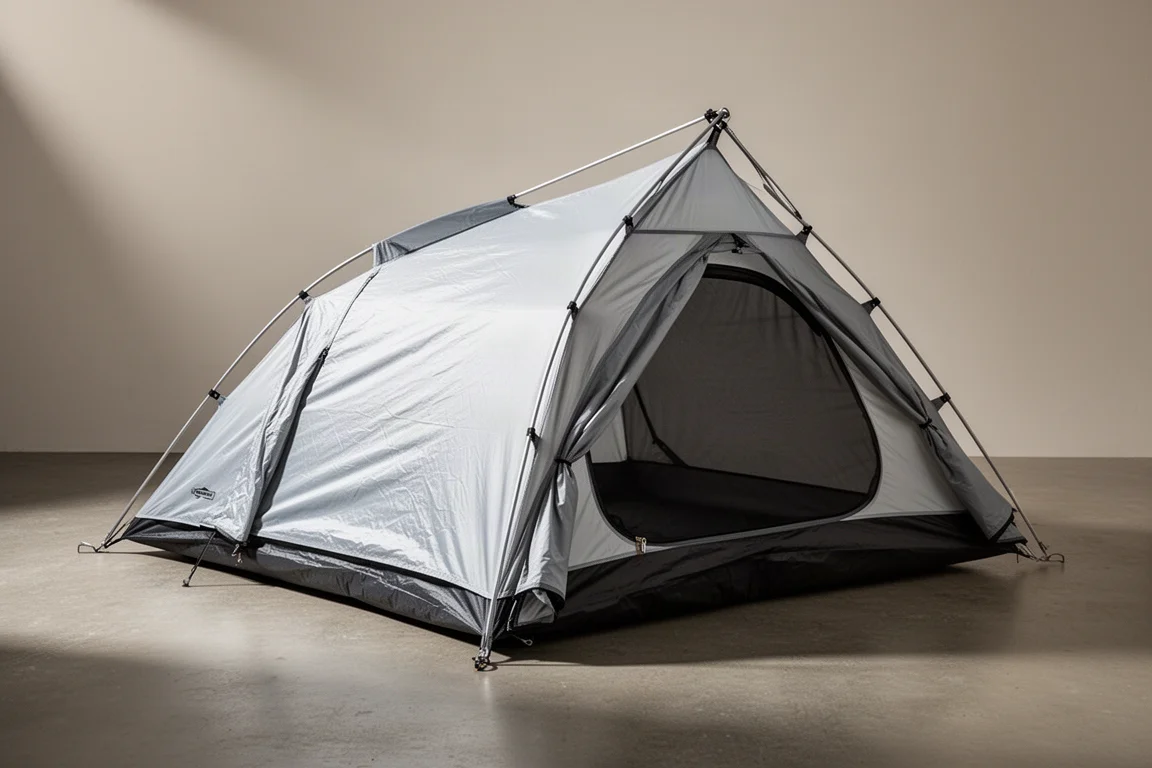
3F UL Taiji 2-Person Tent: A Convertible Backpacking Shelter Worth a Closer Look
A practical look at the 3F UL Taiji two-person tent, covering its materials, true two-person interior, fly-first pitching, and the seasonal inner swap that lets one shelter cover more of the year.
Backpacking Tents
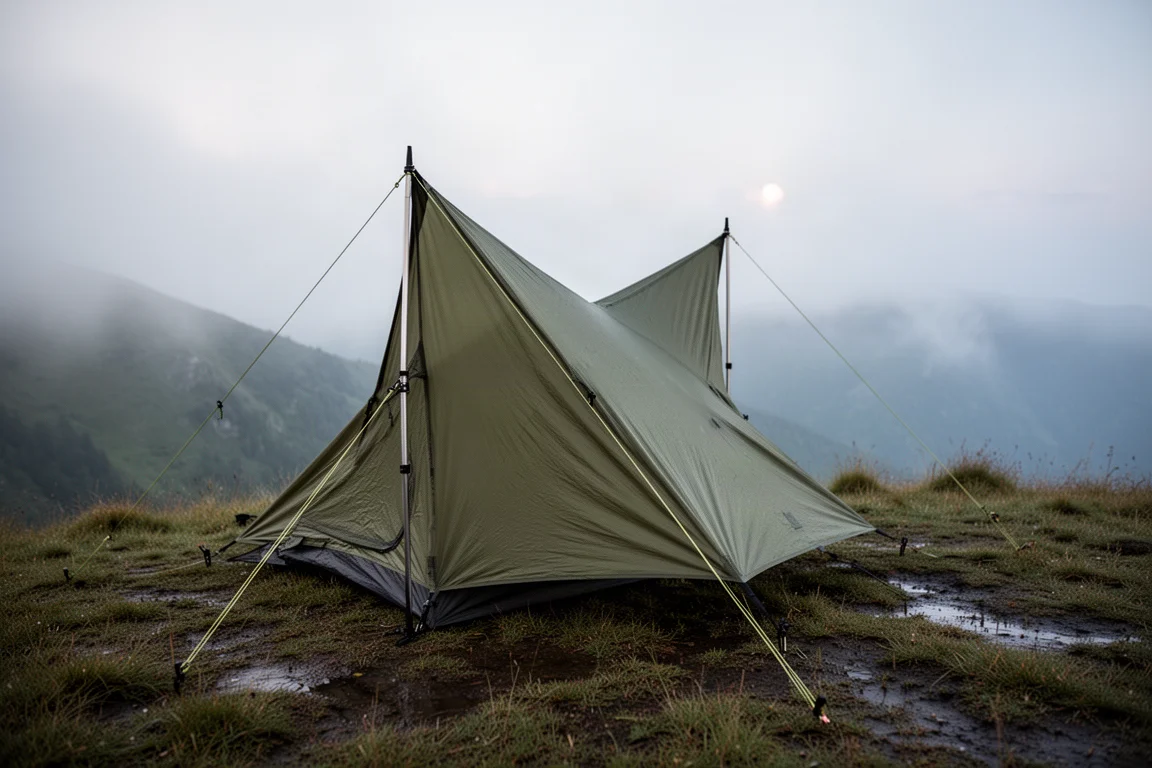
3FUL Lanshan Twoerson Pro Review: A Light Trekking Pole Shelter That Struggled in Rain
A two-person trekking pole shelter with a 2026 redesign, pitched with sticks and put through a night of steady rain. Here is what worked, what did not, and what to check before buying.