Backpacking Tents
TFS Enron 2 Review: A Two-Person Tunnel Tent With Real Interior Length
A double-wall tunnel shelter with a 94-inch rectangular floor, modular inner and fly options, and composed wind behaviour. Here is what to weigh before buying.
Introduction
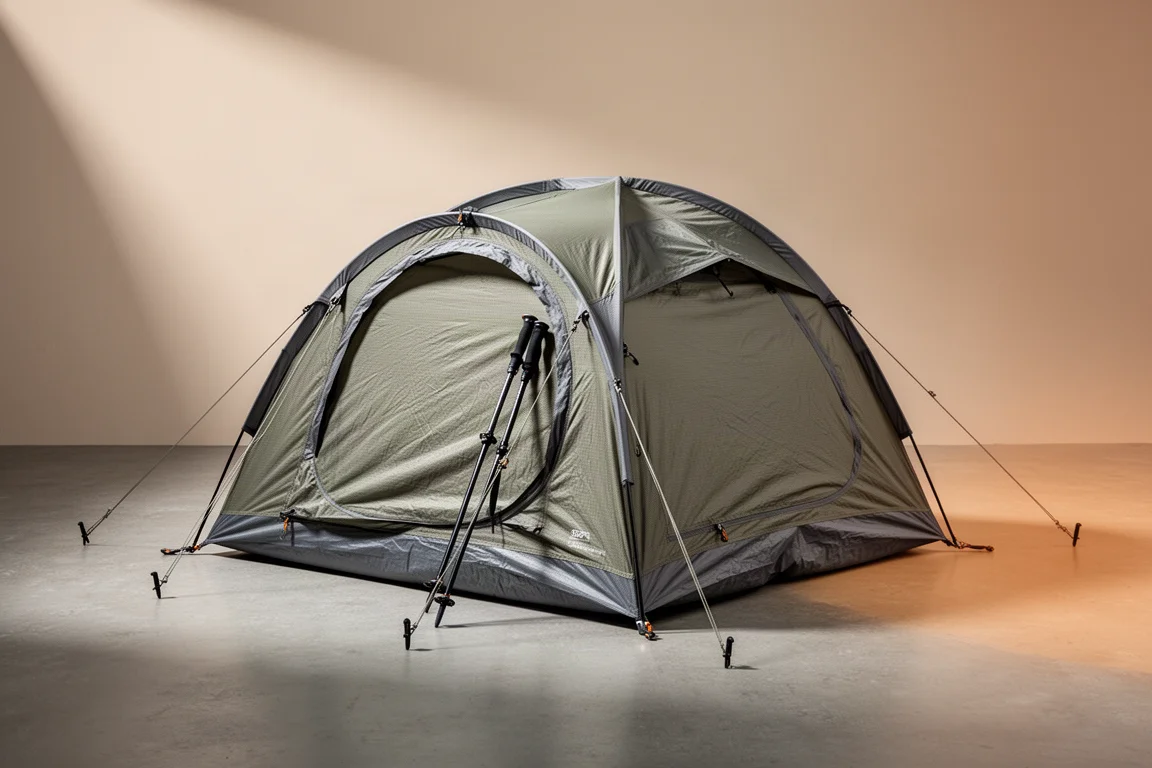
Tents are one of the most satisfying pieces of backpacking gear to think about, because the geometry has to do two jobs at once: create a comfortable space to sleep in, and stand up to wind, rain and snow. The TFS Enron 2 solves that with a tunnel approach. A single arched centre pole forms the spine of the shelter, with trekking poles supporting both ends, which gives the tent a long, low profile.
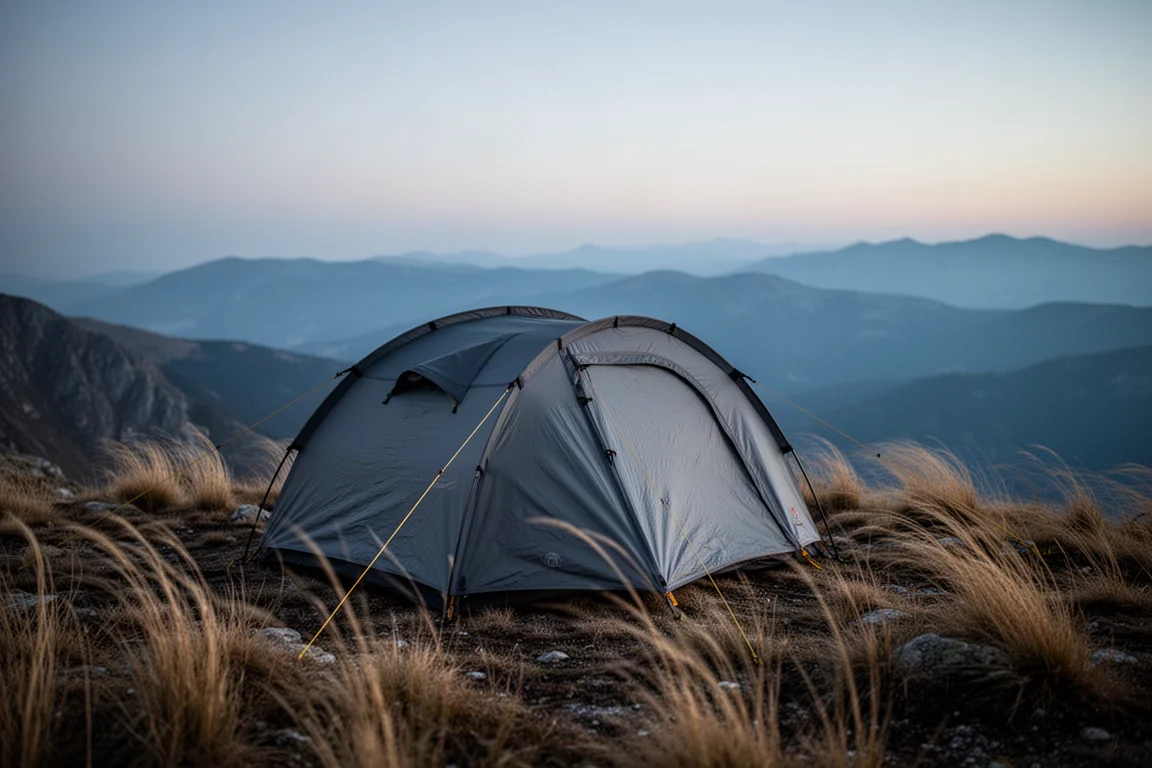
TFS, short for The Free Spirits, designs and produces its shelters in house rather than rebranding existing designs, which keeps production and quality control under the brand’s own roof. The Enron 2 is a two-person, double-wall shelter with a fully rectangular floor, and it can be configured in several ways depending on which inner and fly fabrics you choose.
Who the TFS Enron 2 Is For
The Enron 2 is sized as a genuine two-person shelter. It measures 51 inches across the floor, enough for two 25-inch wide sleeping pads side by side, and just over 3 feet of peak height at the centre. Because the interior runs 94 inches from end to end, the walls do not slope steeply down onto sleeping bags or faces at the head and foot ends the way they do in shorter tunnel designs.
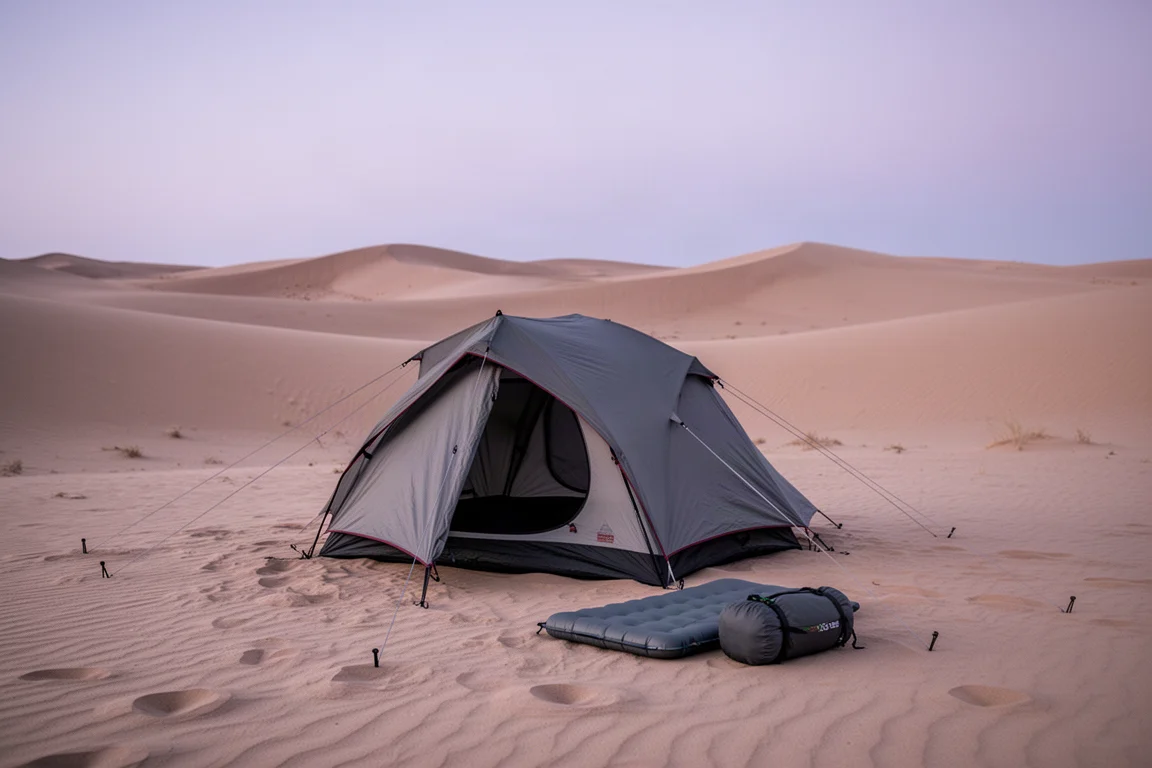
That length also makes it unusually generous for a solo camper. Pitched for one person, the tent feels almost too big, and there is enough floor left at the end for a backpack and a pile of gear. Campers who want a low-profile shelter for exposed, windy campsites without giving up living space are the clearest fit, and anyone sleeping in sand or dust will get the most out of the solid inner option.
Main Strengths
Interior Space and Comfort
The floor is fully rectangular, so no tapered corners eat into usable space. Inside, two mesh pockets keep small items off the ground, and the solid inner uses monolite mesh across the top and at the end to add breathability while the solid fabric retains a little more warmth. Sitting slightly off centre in the solid inner, your head will meet the ceiling and your shoulders will touch the wall, which is simply the nature of a low tunnel shape.
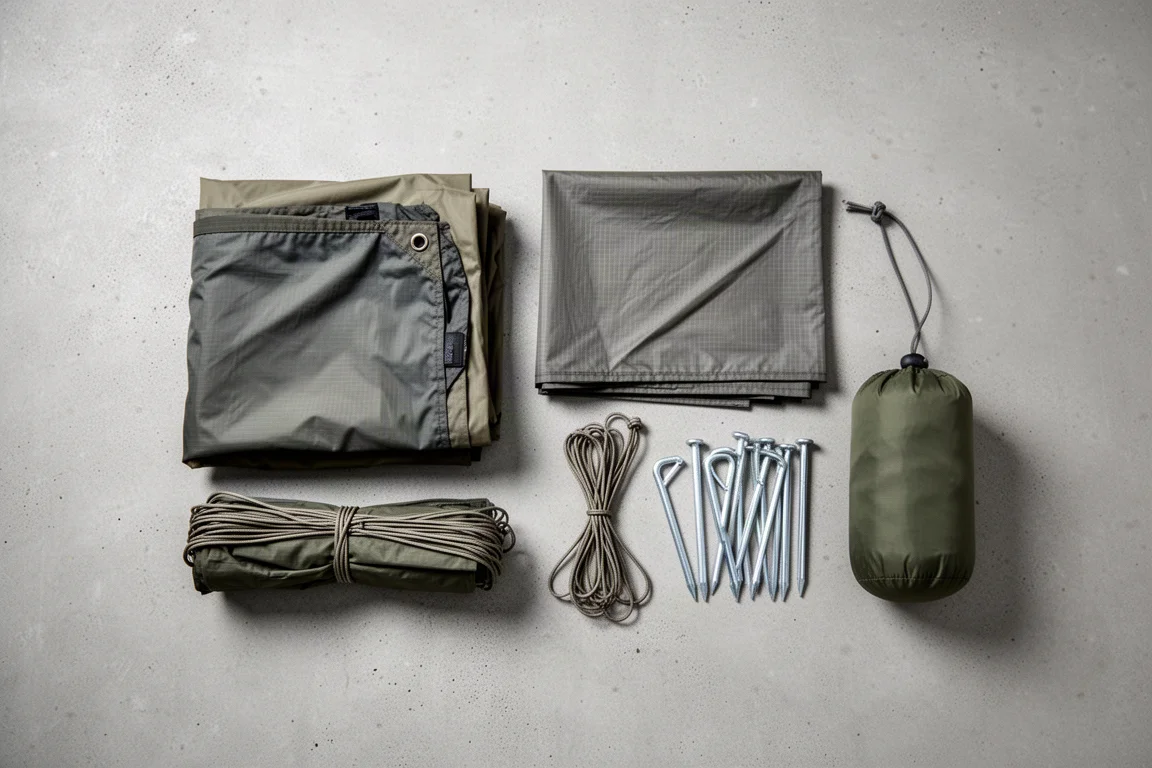
Move toward the centre of the peak and there is room to shift around and get changed. The extra length also means gear can live at the far end of the floor instead of under your feet, which is rare in a shelter this light.
Ventilation and Door Access
Ventilation is handled well. Zippered flaps at both ends of the tent can be rolled back and held with toggles, and the whole process can be done from inside the shelter, so you can open up the airflow on a warm, still night or close things down without stepping outside. A panel of solid fabric above the doors helps limit the amount of dust and dirt that drifts in when the vents are open.
The inner tent is fully removable, so the fly can be pitched on its own when you want maximum airflow with rain protection overhead. Two doors and two vestibules open on the same side of the tent rather than opposite each other, which makes getting in and out noticeably easier when two people are sharing the space.
Weather Performance and Modular Options
The fly is available in 7 denier nylon or 10 denier polyester, both coated on both sides and both rated to a 2,000 mm hydrostatic head. In gusty, rainy conditions the tent has held its shape and stayed composed, taking the wind without the side panels collapsing. A fabric this light will flex and stretch a little under pressure, but it recovers and keeps its form.
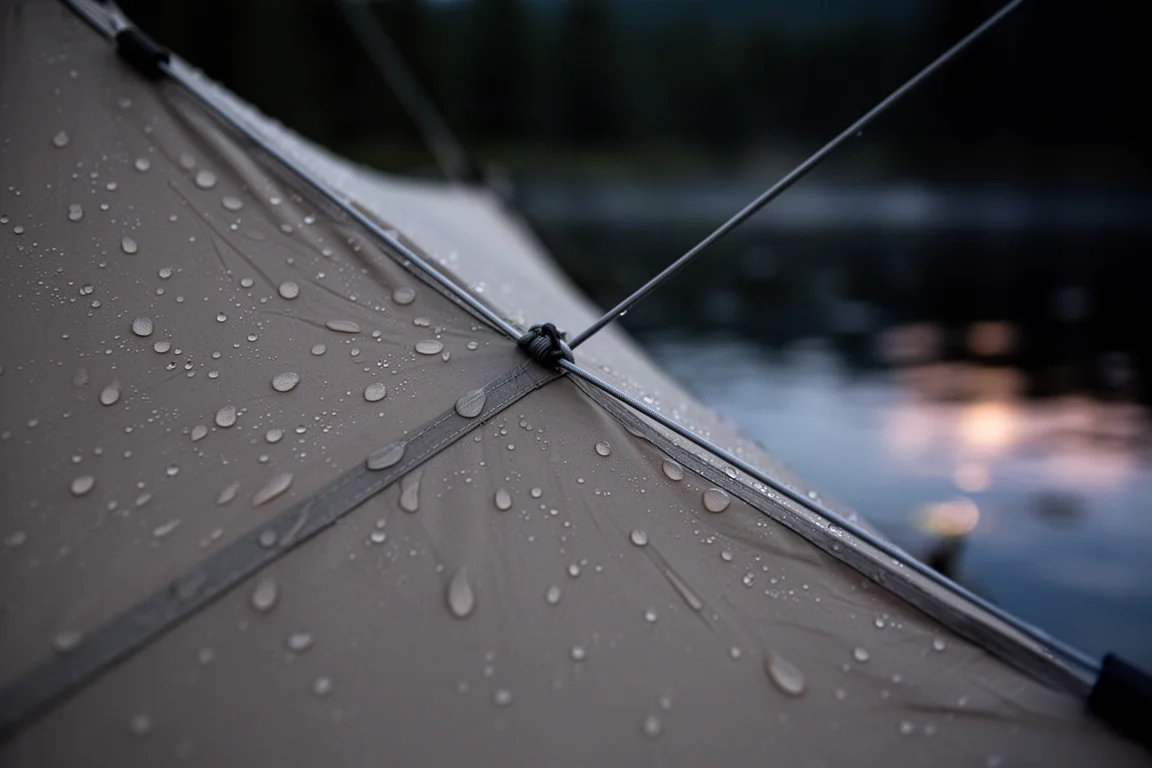
That modularity is one of the tent’s best features. You choose the inner, either a full mesh version or a solid version, and you choose the fly fabric, which means the total weight shifts depending on the combination you settle on. It is a genuinely flexible platform rather than a single fixed specification.
Things to Consider Before Buying
One design detail is worth understanding before you commit. The door fly toggles back to the inside of the tent rather than rolling up on the outside, and the attachment point is a little awkward to reach. When the door is rolled back in heavy rain, water running off the fly edge can drip into the interior. Owners have shared straightforward modifications that address this, and it is far from a dealbreaker, but if you camp in persistent rain it is something to plan around.
Vestibule space is modest, which appears to be a deliberate trade for a smaller overall footprint. The solid inner includes a small hook that attaches to a loop on the centre cord, pulling the inner fabric back and opening up more vestibule room on both sides, at a slight cost to interior width. It is a useful option rather than a default. Also worth noting: the double-sided coated fly fabric picks up sand readily, which is simply how this type of coating behaves.
Finally, this is not a freestanding tent. It relies on trekking poles and well-set stakes, so pitch selection matters, and stakes can pull in loose sand. In practice the tent has shrugged off gusty wind and rain without losing its shape, but it rewards a careful pitch.
Buying Advice
Start with the inner. A full mesh inner makes sense for humid, buggy trips where airflow matters most, while the solid inner is the better pick for desert and dusty conditions, where it also traps a little more heat. Then choose the fly fabric based on whether you prefer nylon or polyester and how the numbers work out for your target weight, since the total changes with the configuration.
If you mostly hike alone, the brand also offers a one-person version with a similar design and one less door, which may be the smarter choice for a solo through-hike. If you regularly camp with a partner and want a low-profile shelter with room to spread out, the Enron 2 is the version that makes sense.
Conclusion
The TFS Enron 2 is a well-executed take on a shape that is not common on the tent market. It combines a 94-inch rectangular floor, a peak height just over 3 feet, modular inner and fly options, and composure in wind and rain. The inward-rolling door fly and limited vestibule space are the honest trade-offs, and both have workarounds. For backpackers who want generous living space in a lightweight tunnel design, this is a tent worth a close look.
Product link
View more details for TFS Enron 2
This product is mentioned in the review. Check the specifications, options, and compatibility before buying.
View more details for TFS Enron 2Further reading
Related Reviews
Backpacking Tents
3F UL Lanchan Pro 1 Review: A 1 lb 8 oz Single-Wall Trekking Pole Tent
A practical look at the 3F UL Lanchan Pro 1, a single-wall trekking pole shelter with a 1 lb 8 oz weight, 20D silnylon fabrics, and a roomy 90 x 31 x 49 inch interior.
Backpacking Tents
3F UL Taiji 2-Person Tent: A Convertible Backpacking Shelter Worth a Closer Look
A practical look at the 3F UL Taiji two-person tent, covering its materials, true two-person interior, fly-first pitching, and the seasonal inner swap that lets one shelter cover more of the year.
Backpacking Tents
3FUL Lanshan Twoerson Pro Review: A Light Trekking Pole Shelter That Struggled in Rain
A two-person trekking pole shelter with a 2026 redesign, pitched with sticks and put through a night of steady rain. Here is what worked, what did not, and what to check before buying.