Backpacks
Teton Sports Signal 65: A 65 L Pack Worth Inspecting Carefully
A close look at the Teton Sports Signal 65, including its PVC-coated shell, adjustable carry system, and the construction details to check before you buy.
Introduction
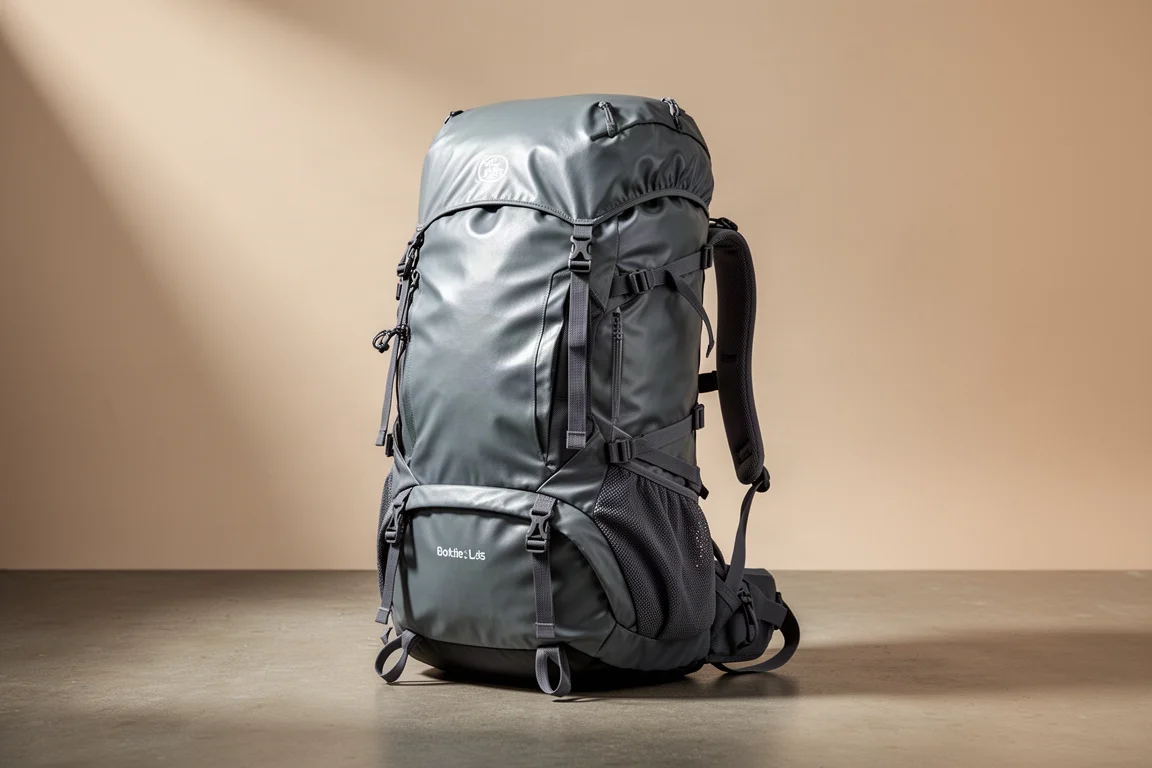
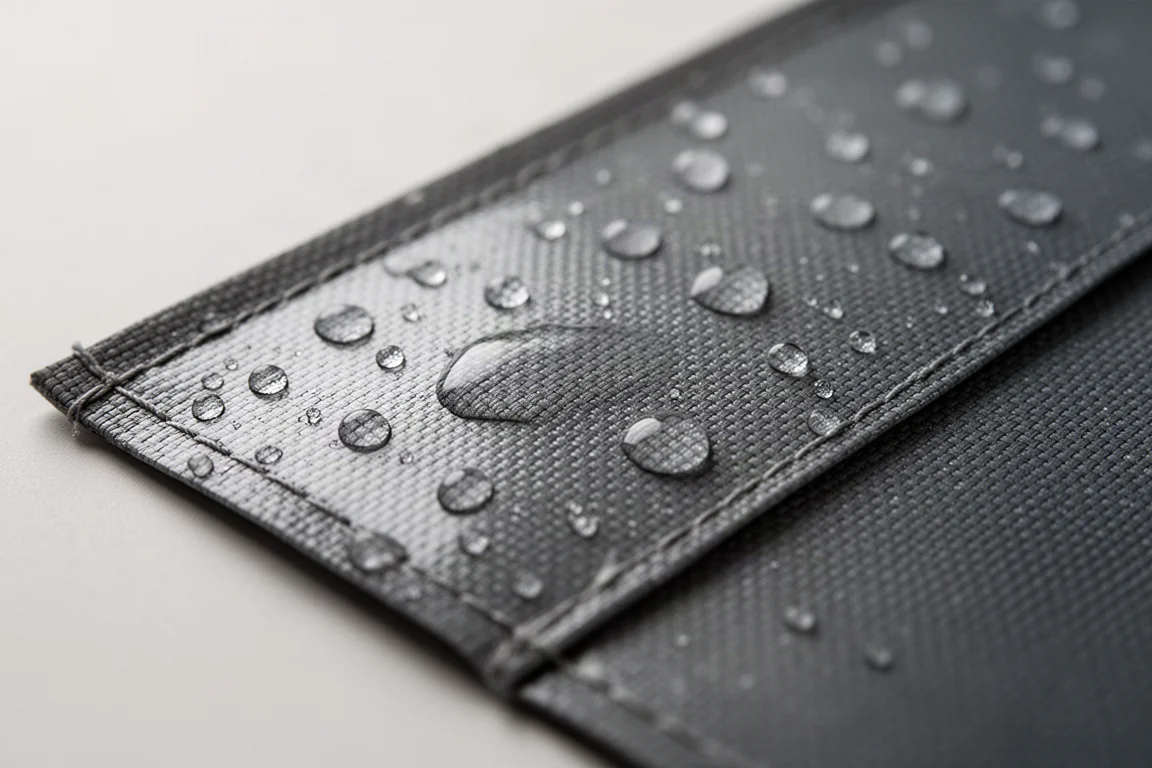
Teton Sports has spent years building a reputation for accessible, good-value camping gear, and the Signal 65 is the brand’s new 65-litre backpacking system. The headline feature is the shell: the main body uses a 600D polyester fabric coated with PVC, a treatment that is relatively uncommon on packs at this price. The coating makes the material robust, strong, and highly water resistant, though not fully waterproof, and it gives the fabric a distinctive leathery sheen.
That combination of toughness and weather resistance is genuinely appealing for multi-day trips, and it is the main reason the Signal 65 deserves a close look rather than a quick dismissal. A 65-litre pack with a coated shell, an adjustable torso, a free-floating lid, and a long list of pockets sounds like a strong package on paper.
This guide walks through what the pack offers, where the sample examined fell short, and how to decide whether it belongs on your shortlist.
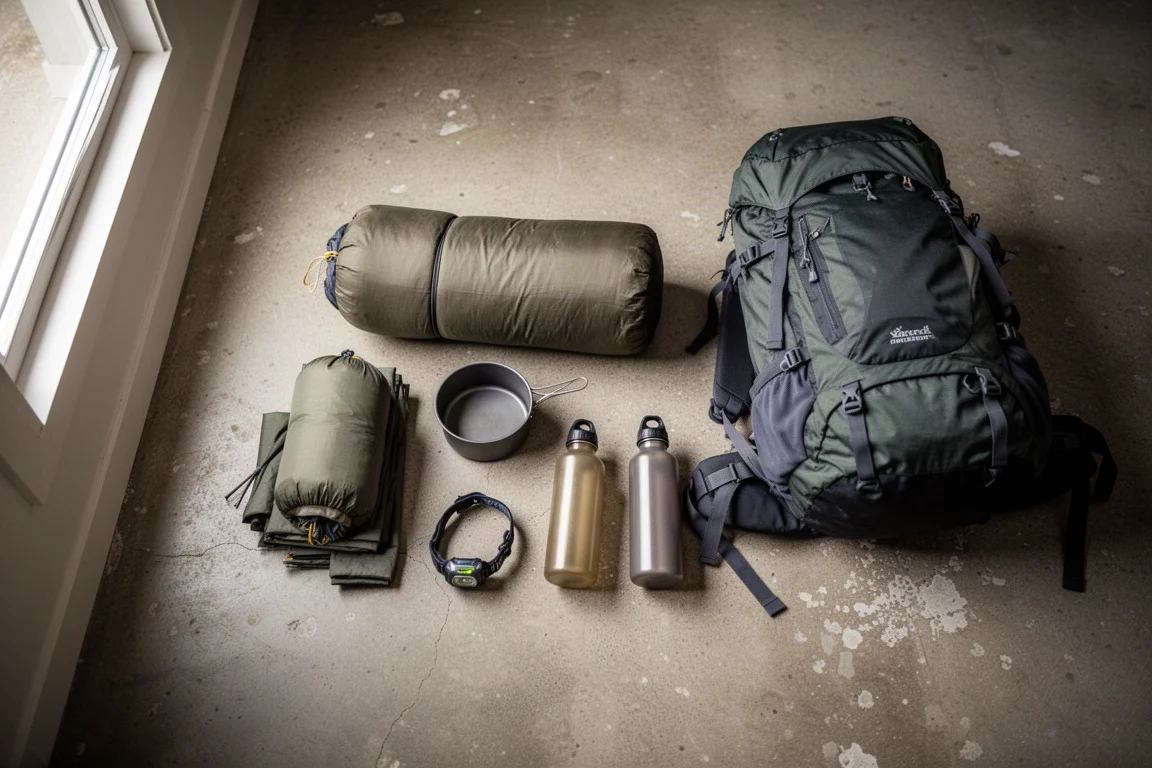
The pack is available in black, gray, teal blue, and terra orange, and the gray version is the one described here. What matters most is whether the construction holds up in person, so the sections below focus on the details you can check for yourself.
Who This Backpack Is For
The Signal 65 is a unisex 65-litre system aimed at hikers, campers, and travelers who need to carry a full multi-day load. The torso is adjustable from roughly 18 inches to 24 inches, and the waist belt is listed at 35 to 70 inches, though the belt on the sample measured closer to 30 to 70 inches.
That range covers a lot of body types, but the unisex design is a compromise: it can work for a wide range of wearers without being specifically shaped for any of them. At 4.7 pounds on a scale, this is a load hauler rather than a lightweight option, which suits gear-heavy trips more than fast-and-light hiking.
If you are shopping for a first multi-day pack and want a coated shell that shrugs off damp conditions, the Signal 65 fits that brief. If you prioritize low weight, a body-specific fit, or waist belt pockets, this is not the pack for you.
Main Strengths
The PVC-coated 600D polyester main body is the pack’s strongest argument. It feels dense and abrasion resistant, and the coating makes it highly water resistant, so brief rain and wet ground contact are less of a worry. The same coating produces the pack’s slightly glossy, leathery appearance.
The carry system has real thought behind it. The frame sheet is a stiff foam panel with cutouts covered by mesh to assist with ventilation, and the lumbar padding is large and notably soft. The torso length adjusts across a wide range, the sternum strap is fully adjustable, and the harness includes gear straps and plastic D-rings for attaching items.
Storage is generous as well: a free-floating lid that raises and lowers with your load, zippered lid pockets, side compression straps, stretchy mesh hydration pockets on both sides, a zippered side access point, a hydration sleeve with a strap for a 3-litre bladder, a hose port at the top, and a pack cover stored in a Velcro pocket at the base.
Those features give the pack a flexible layout for different trips, and the included pack cover plus hydration compatibility are practical touches that many buyers end up paying extra for elsewhere.
Design and Feature Notes
Some design decisions are worth understanding before you buy. The secondary access zipper near the top is horizontal rather than a full U-shaped opening, so only small items packed close to that opening come out easily. There is also no compression strap running over the top of the lid.
The sleeping bag compartment at the base uses two-way zippers under a storm flap. On the sample, that flap made the zippers stiff to open and even harder to close while wearing the pack. The waist belt has no pockets, and it is angled upward, which is unusual and may or may not suit your stride.
The lid itself uses a different fabric from the main body, a light nylon or polyester that feels noticeably thinner than the coated shell. Buckles and zippers are unbranded, and the interior includes a sleeping bag divider with a drawstring closure.
Things to Consider Before Buying
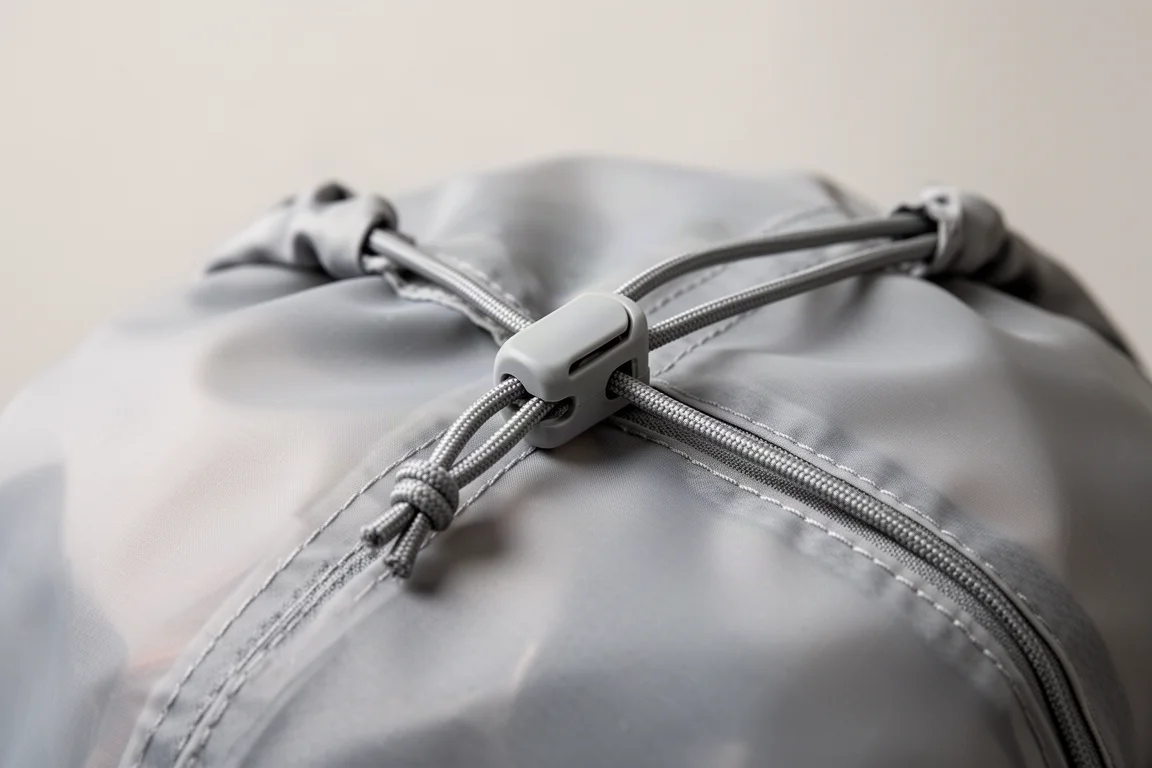
The sample examined had two drawstring pull failures. The first happened while opening the main compartment: the draw pull separated, released the drawstring, and the cord retracted inside the fabric where it could not be retrieved, leaving the top of the pack impossible to cinch shut. A second draw pull, roughly five inches below, separated in the same way.
Beyond those failures, the sample showed loose threads across the pack and stitching that did not match the price. The lid fabric is thin enough to let a noticeable amount of light through, which is a concern at the top of a pack where gear presses against the material. The waist belt was also asymmetric, with one side sitting a couple of inches higher than the other.
None of these observations prove that every Signal 65 is built this way, but they are the kind of details that are easy to check within minutes of unboxing. If you order this pack, open it fully, test both drawstrings, run the sleeping bag zippers, and compare the two sides of the waist belt before your first trip.
Buying Advice
Pricing matters here. The full retail price is $192, and the pack has been listed at about $128 on the Teton Sports website and around $119 on Amazon. At the lower end of that range the coated shell and feature set look more reasonable, while at full retail the value case is harder to make.
If you decide to try it, treat the first hour as an inspection rather than a packing session. Cinch and release the main drawstring several times, check the second drawstring below it, work the sleeping bag compartment zippers, look along the seams for loose threads, and hold the waist belt up to compare both sides. Keep the packaging until you are satisfied.
It is also worth comparing alternatives in the same capacity. A 70-litre option from Decathlon is a budget-friendly alternative with robust materials, a comfortable carry, and a torso adjustment that can be changed on the fly, and it costs less, particularly at full retail.

Whatever you choose, match the pack to your actual trips. A 65-litre coated shell is a sensible choice for damp, gear-heavy weekends, but only if the construction on the unit you receive meets the standard you expect.
Conclusion
The Teton Sports Signal 65 gets the concept right. A 65-litre pack with a PVC-coated 600D polyester body, a stiff ventilated frame sheet, wide torso adjustment, and a long feature list is an appealing proposition, and the coated fabric is genuinely tough and highly water resistant.
The execution on the sample examined is the problem. Two drawstring failures, thin lid fabric, loose threads, stiff sleeping bag compartment zippers, and an off-center waist belt add up to a pack that needs careful inspection before you trust it on a trail. If the construction on the unit you receive checks out, the feature set and coated shell have real merit. If it does not, use the return window and look at the alternatives.
Product link
View more details for Teton Sports Signal 65
This product is mentioned in the review. Check the specifications, options, and compatibility before buying.
View more details for Teton Sports Signal 65Further reading
Related Reviews

Backpacks
Best Backpacks 2026: Laptop Protection, Durability, and Comfort Compared
We tested 12 backpacks from $18 to $350 for laptop protection, durability, back padding, comfort, zipper smoothness, and water resistance.
Backpacks
Best Backpacks Under ₹500 in India: Five Practical Options Compared
Five backpacks tested side by side, from budget-friendly to premium Indian brands. Real strengths, trade-offs, and honest buying advice for daily use.
Backpacks
Decathlon Trek 100 70L Backpack Review: Serious Value for Backpacking
A 70-litre backpacking pack with a torso system you can adjust while wearing it, a rigid frame, and a 10-year warranty for $120.