Backpacking Gear
Teton Sports Scout 55L Review: What a Fresh Quality Check Revealed
A sealed Scout pack was opened for a close look at stitching, reinforcement, and durability. Here is what held up, what did not, and who should still consider it.
Introduction
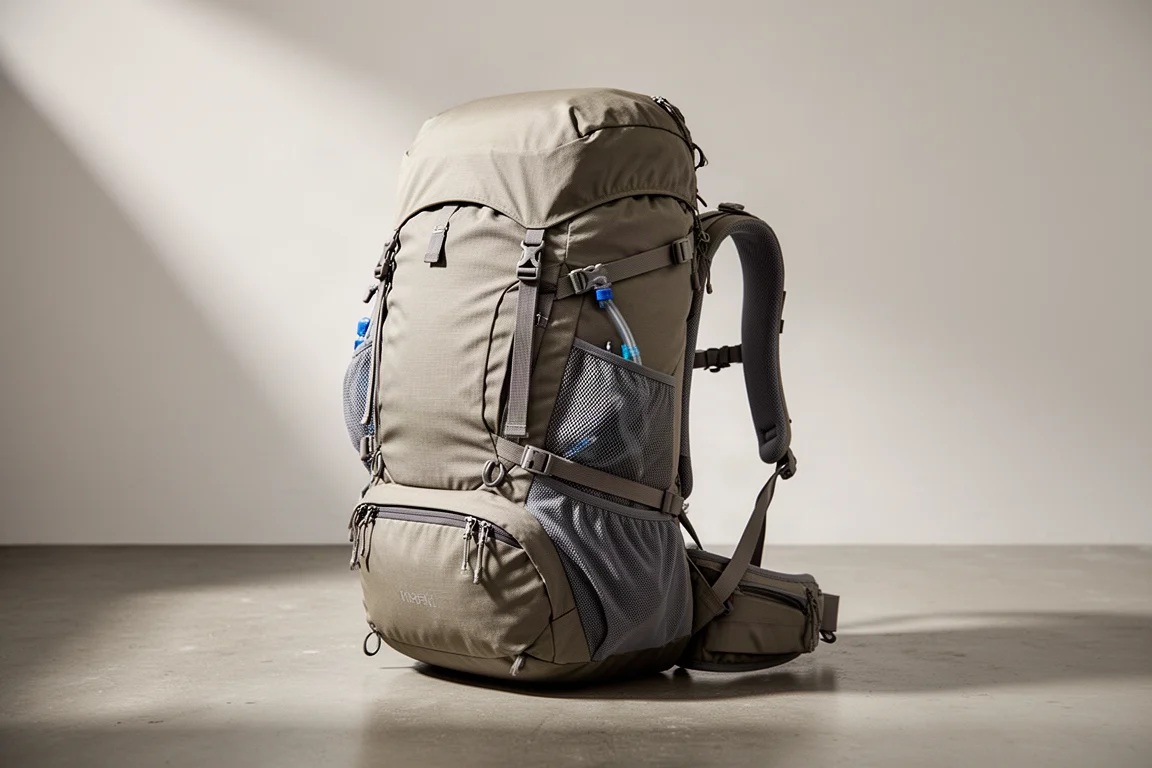
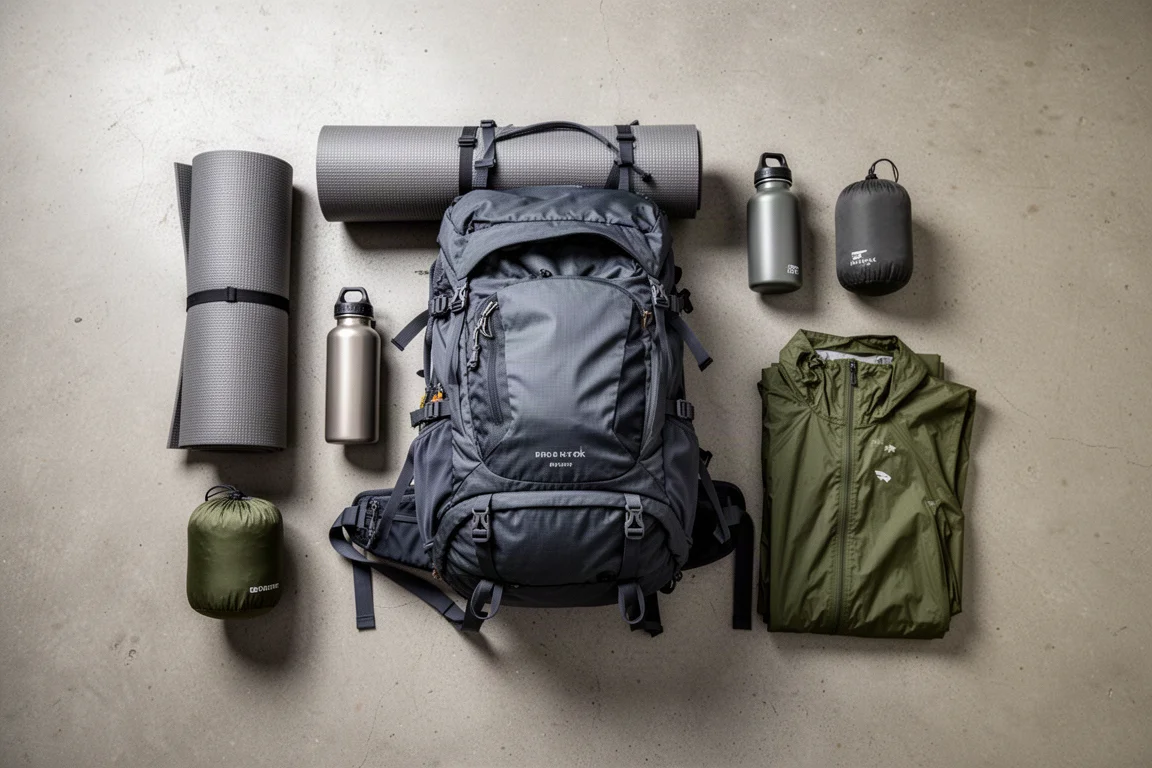
The Teton Sports Scout 55L has spent years as one of the default answers to a simple question: what is the least expensive way to get a real backpacking pack on your back? Sold for a long time as the Scout 3400 and now listed by volume, it sits in a catalogue that also covers tents, sleeping bags, and sleeping pads, all aimed at people easing into the outdoors without spending much.
That is a sensible thing for a company to offer. Entry-level gear exists so that a first trip does not demand a serious financial commitment, and the Scout series has long been the pack people point to when the budget comes first.
The question worth asking now is whether the construction still holds up. The unit opened for this check arrived as a Scout 65L rather than the 55L that was ordered, a shipping error on the retailer’s side rather than a manufacturer mistake, and it is the larger pack in the same Scout line. It came out of the box still sealed, and the inspection below covers the lid, the buckles, the side panels, the hydration pockets, the sleeping bag compartment, and the back panel.

Who the Scout 55L Is For
The Scout 55L is aimed at hikers who want a full-size backpacking pack at the lowest possible cost. That includes first-time backpackers testing whether they enjoy overnight trips, casual campers who need something for occasional weekends, and anyone assembling a kit on a tight budget.
It is not built or marketed as a premium or expedition pack. Riders of heavier loads, longer distances, and rougher terrain are the buyers most exposed when construction standards slip, because those are the conditions that put the most stress on seams.
Main Strengths: What Still Works
Not everything in this inspection was negative, and it is worth being precise about what held up.
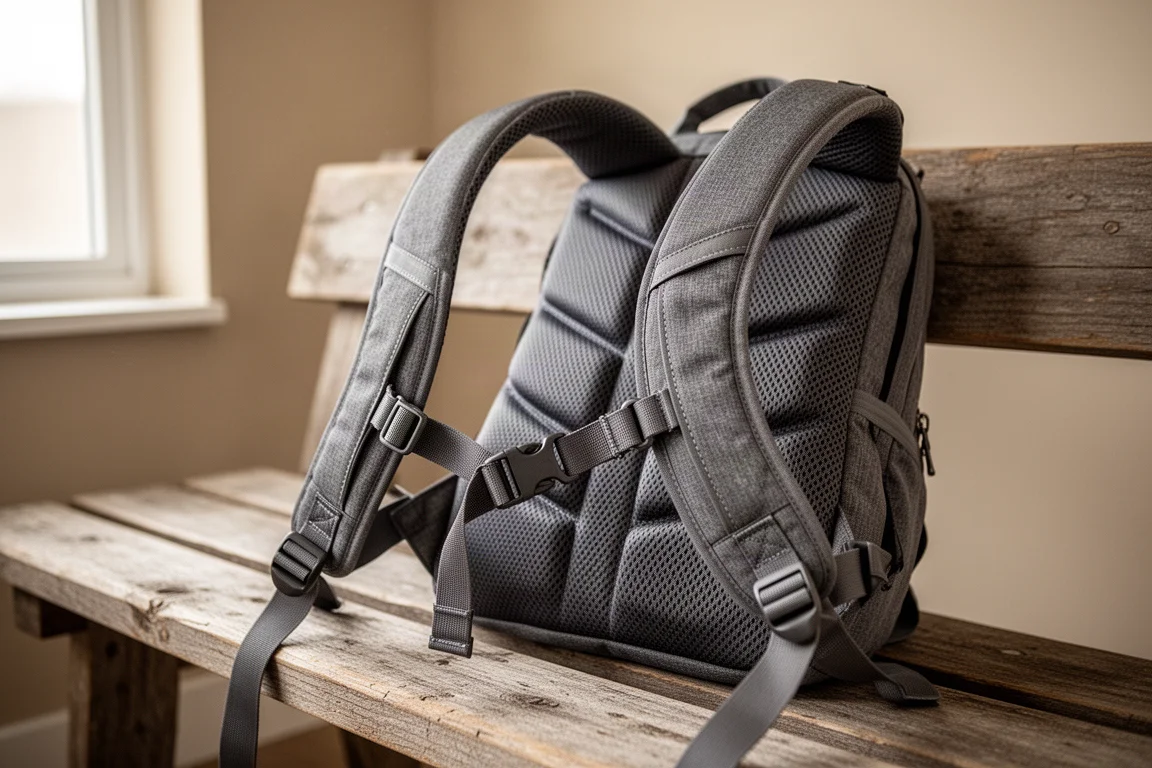
The back panel and the reverse side of the pack showed no problems at all. The top of the pack looked clean on one side, and the interior stitching on the main body was broadly sound, with only minor loose threads whose behaviour could not be judged either way.
The draw cords at the top of the pack survived handling without breaking, which is worth noting given how often that specific part is the first to fail.
Warranty support is another point in the pack’s favour. There are no reported bad experiences with the company’s handling of claims, and issues that do come up are reportedly taken care of. For a budget purchase, that coverage carries real value.
Build Quality Findings: Stitching and Reinforcement
The problems cluster in one place, and it is a place that gets used constantly.
Loose threads turned up along the bottom of the pack, above the buckles, and along the side stitching. On their own, loose threads are not automatically a defect. The issue here is that the stitch lines were not tied off. A thread end could be pulled and the line kept lengthening, which means the seam can be worked apart rather than simply trimmed.
That matters most around the lid. The lid is opened and closed at every stop, the fabric flexes, and the buckles take load. With untied stitching sitting in exactly that area, the failure risk is higher than a cosmetic loose thread.
The hydration pockets carry a separate problem. Where the mesh meets the fabric, the reinforcement runs only halfway along the seam before stopping, leaving the remainder of the pocket unbacked. Loading a large water bottle into that section puts stress on a seam that has not been reinforced.
Opening the pockets and looking inside did not change the picture. The stitching that wraps around the top of the pocket was also left untied, and it came loose under light handling in the same way as the lid.
Things to Consider Before Buying
Durability is the practical concern. Loose, untied stitching in high-flex areas tends to get worse with use rather than settle down, and the pack’s own design puts those seams under repeated strain.
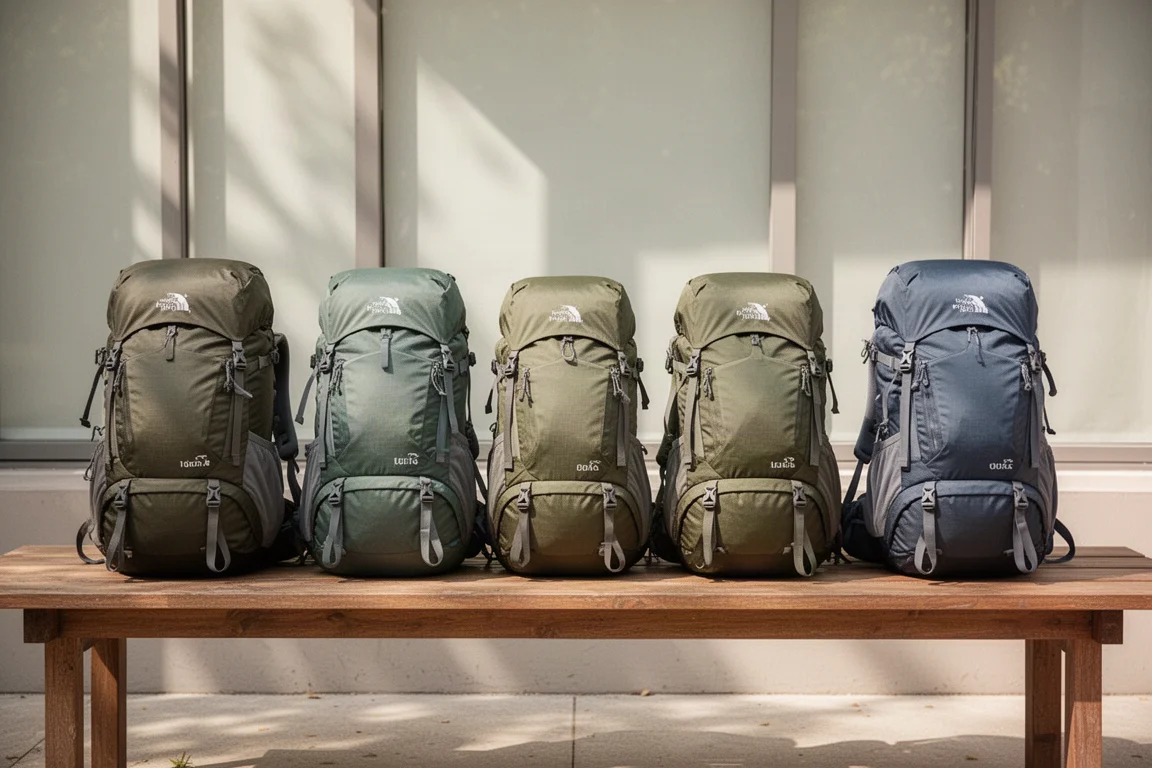
Value is the second concern. The budget backpack market has changed a great deal, and the Scout series no longer stands out the way it once did. Comparable entry-level packs now offer more for similar money. One example worth comparing is the Decathlon Trek 100, sold through Decathlon’s own retail channels, which is described as stronger across materials, design, features, and overall quality.
Brand consistency is the third. This Scout check follows other recent examples that raised questions about quality control, including a pack that failed twice within minutes of being unboxed and a tent that arrived in a colour the company does not list. That does not make every product from the brand a bad buy, but it does mean the odds deserve a closer look than they used to.
Buying Advice
If the budget is the deciding factor and the pack will see light, occasional use, the Scout 55L can still work, provided the stitching is checked the moment it arrives. Pull gently on any thread ends. If a stitch line starts to run, that is a return, not a trim.
For anyone planning regular trips, heavier loads, or long distances, the money is better spent elsewhere. The issues found here sit in the parts of the pack that take the most abuse, and there are better-built packs available at this price point.
It is also worth weighing the warranty. Teton Sports has a good reputation for taking care of problems, and for a budget pack that coverage matters. It does not, however, change the fact that the seams start out unfinished.
Conclusion
The Scout 55L remains an inexpensive way into backpacking, but it is no longer the straightforward recommendation it once was. This check found untied stitching in the lid, buckle, and pocket seams, a hydration pocket that is only half reinforced, and a construction standard that has fallen behind what similar money buys today. The back panel, the interior body stitching, and the draw cords held up, and the warranty support is a genuine plus. Weighed together, the trade-offs are hard to justify when better-built options exist at the same price.
Product link
View more details for Teton Sports Scout 55L
This product is mentioned in the review. Check the specifications, options, and compatibility before buying.
View more details for Teton Sports Scout 55LFurther reading
Related Reviews

Backpacking Gear
Building a 10 lb Base Weight: An Ultralight Backpacking Gear List
A practical walkthrough of the ultralight pieces behind a 10 lb base weight, from a 765 g pack and a roomy one-person tent to a full camp chair and a dependable water filter.
Backpacking Gear
A 15-Pound Lightweight Backpacking Gear List for Solo Trips
A beginner-friendly 15-pound backpacking setup built from easy-to-find gear, with notes on what each piece does, how it packs, and where to spend your attention.
Backpacking Gear
8 Ultralight Backpacking Gear Upgrades Worth Carrying
Eight small, affordable backpacking upgrades that solve real trail annoyances, from a pillow that stays put to a fuel valve that rescues leftover canister gas.