Backpacks
Teton Sports Scout 55L and 65L Review: What Budget Buyers Should Check First
A close look at the Teton Sports Scout 55L and 65L backpacks, including the stitching and durability details worth inspecting before you buy.
Introduction
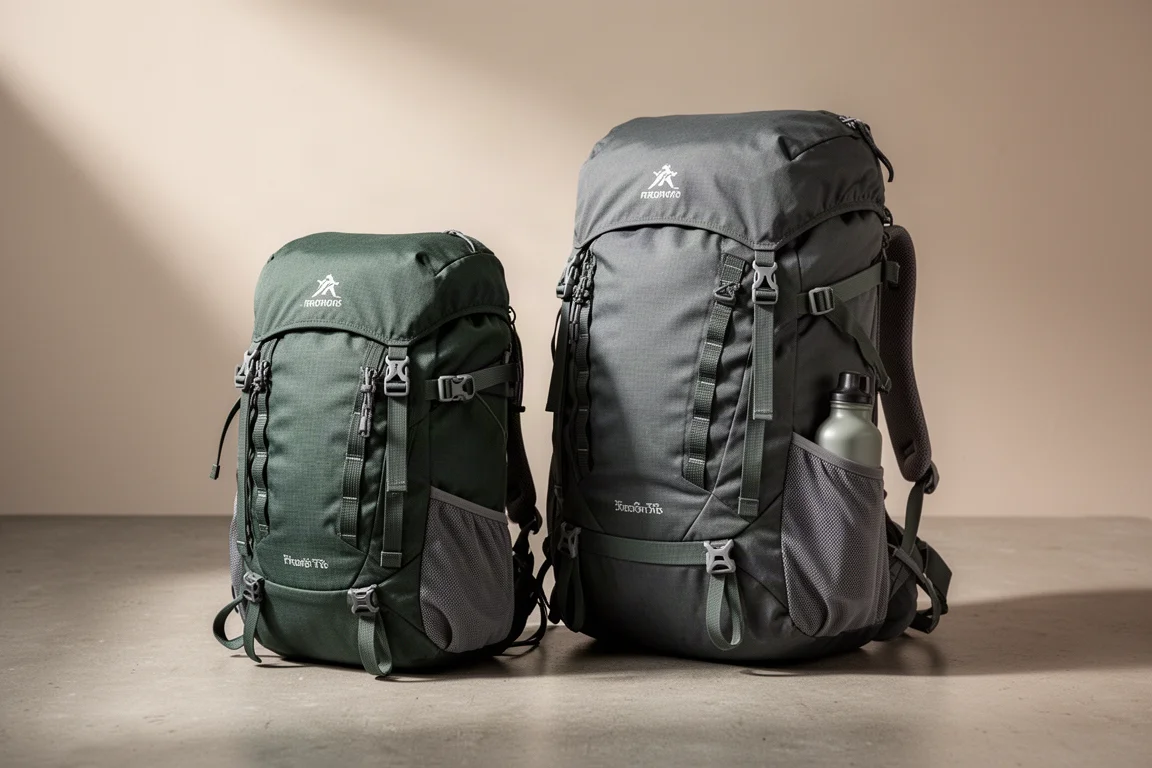
Teton Sports has spent years building a following on affordable outdoor gear: backpacks, tents, sleeping bags, and sleeping pads priced for people who want to try the outdoors without spending a great deal to find out whether they enjoy it. The Scout series has been one of the most visible entry points into that lineup, sold for years as the Scout 3400 and now offered in 55L and 65L versions.
Value and reliability are not the same thing, though. Recent units from the brand have raised questions about consistency, and the Scout series sits in the middle of that conversation. This guide looks at what the 55L and 65L offer, what a close inspection of a fresh unit turned up, and how to decide whether either pack deserves a place in your kit.
What the Teton Sports Scout Series Offers
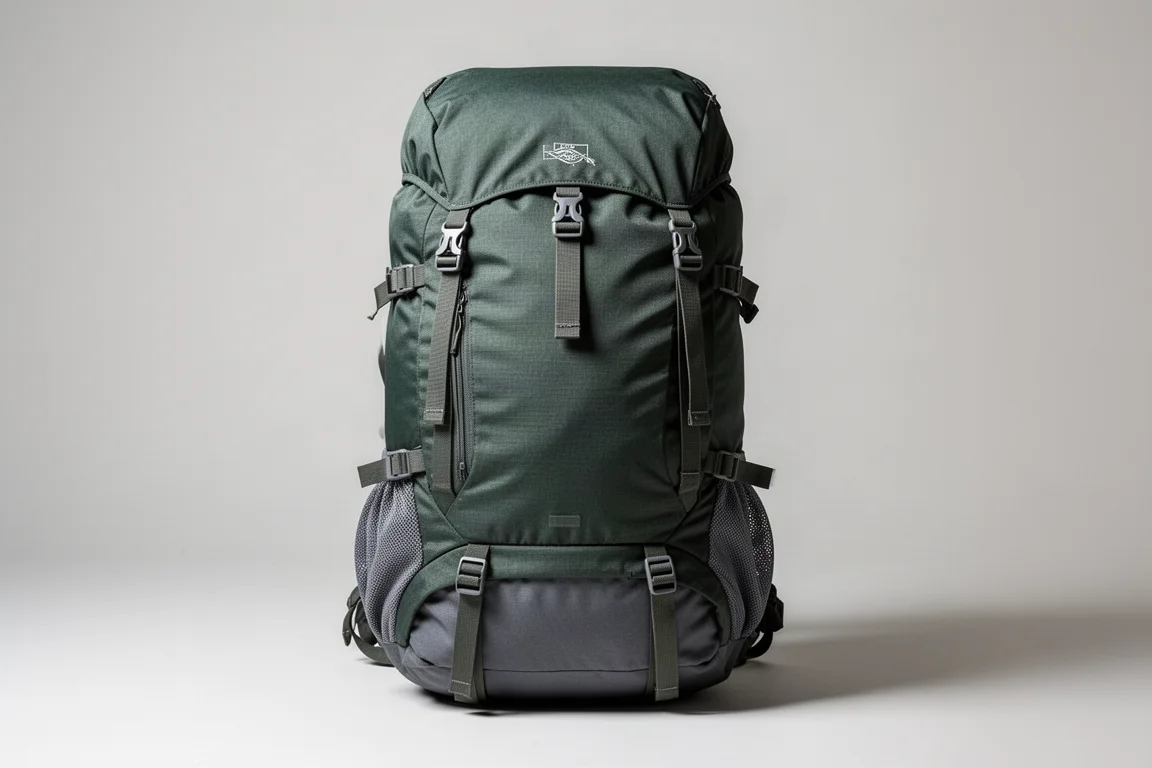
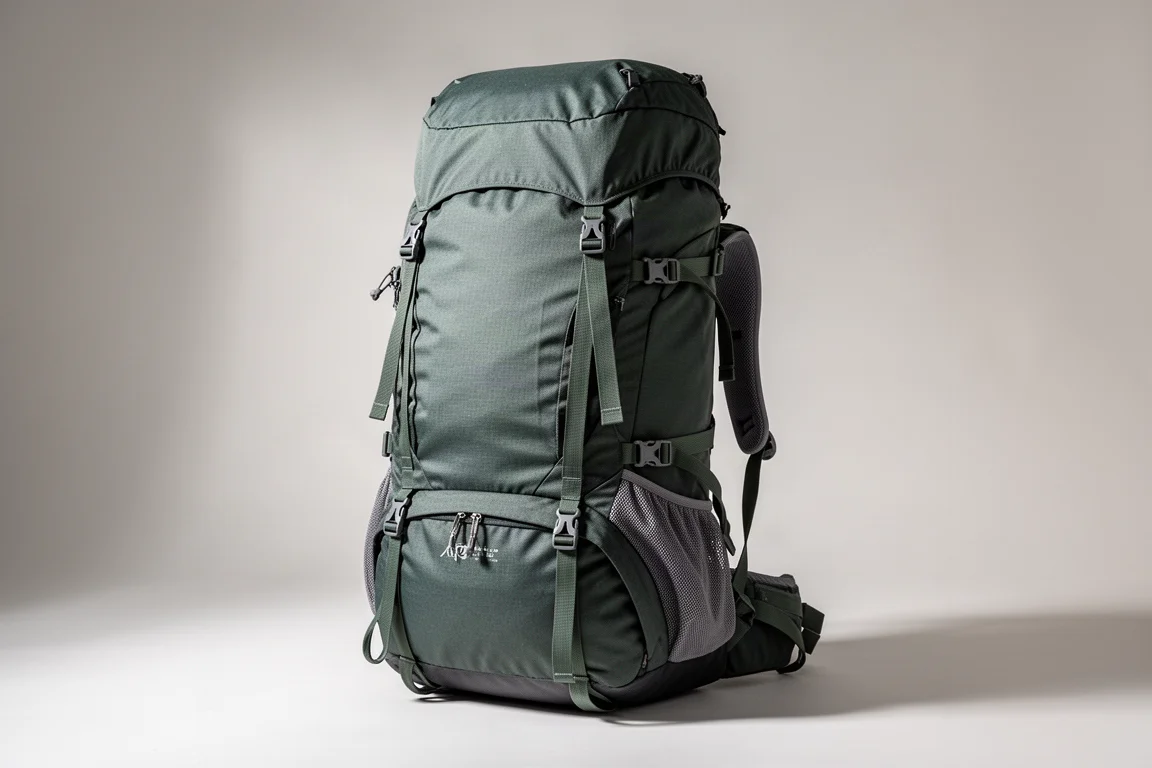
The Scout line is aimed at beginners and casual users rather than weight-conscious long-distance hikers. Both versions use a traditional top-loading layout with a floating lid, side compression straps and buckles, a sleeping bag compartment at the base, and mesh side pockets that can hold large water bottles.
The pitch is straightforward: a large-capacity pack with the features people expect, at a price that keeps entry-level hiking accessible. The two models differ mainly in how much gear they hold.
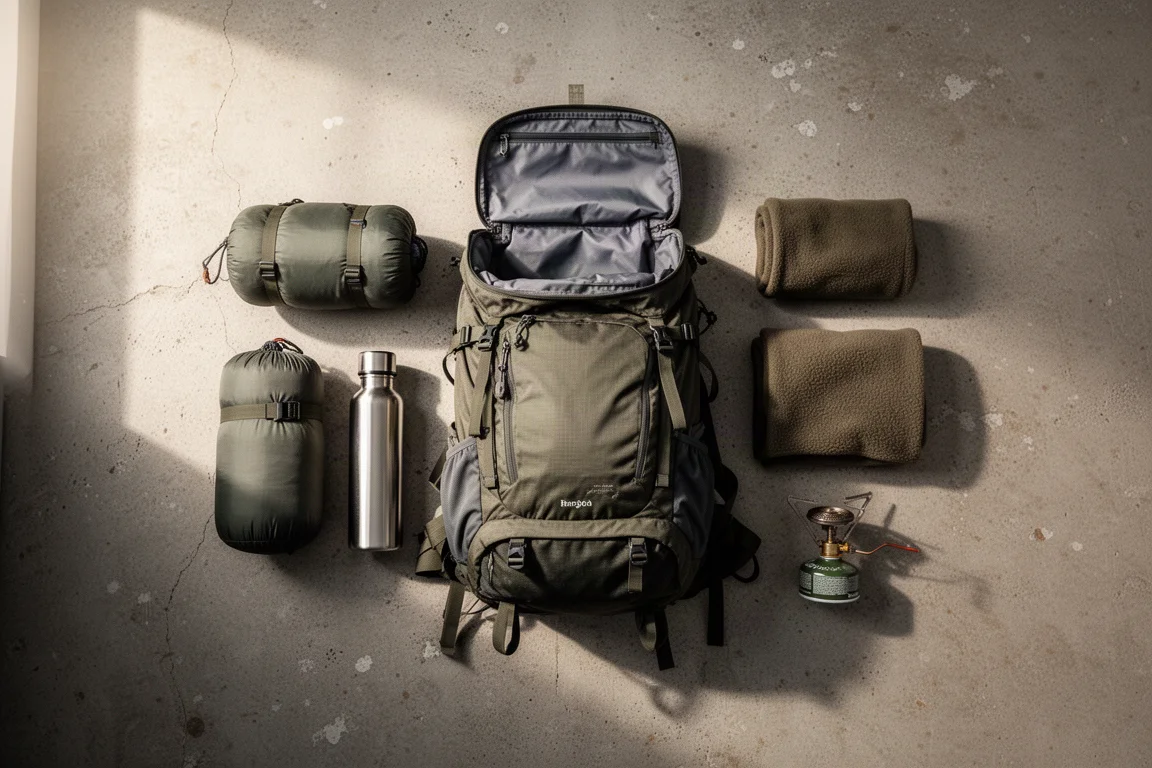
For anyone moving from day hikes to a first overnight trip, that combination of volume and price is exactly why the series has been easy to suggest in the past.
Teton Sports Scout 55L: What to Know
The 55L is the smaller of the two and the direct descendant of the Scout 3400. It is sized for one person on a short overnight or a weekend trip, with enough room for the essentials of a single-person kit if the load stays reasonably compact.
For years this was an easy suggestion for newcomers who wanted to test backpacking without a large outlay. The 55L sits in the same design family as the larger model, so the construction questions raised by recent units apply to it as well.
Teton Sports Scout 65L: What to Know
The 65L adds volume for longer trips, bulkier sleeping systems, or carrying a share of group gear. The unit examined for this article was a 65L, and it arrived sealed in its packaging, which makes it a fair look at what a buyer can expect from current production.
On the positive side, the back panel and the interior of the side pockets were cleanly finished, and the drawstring pulls at the top of the pack held up under handling. Nothing about the fabric or the overall layout looks unusual for the price.
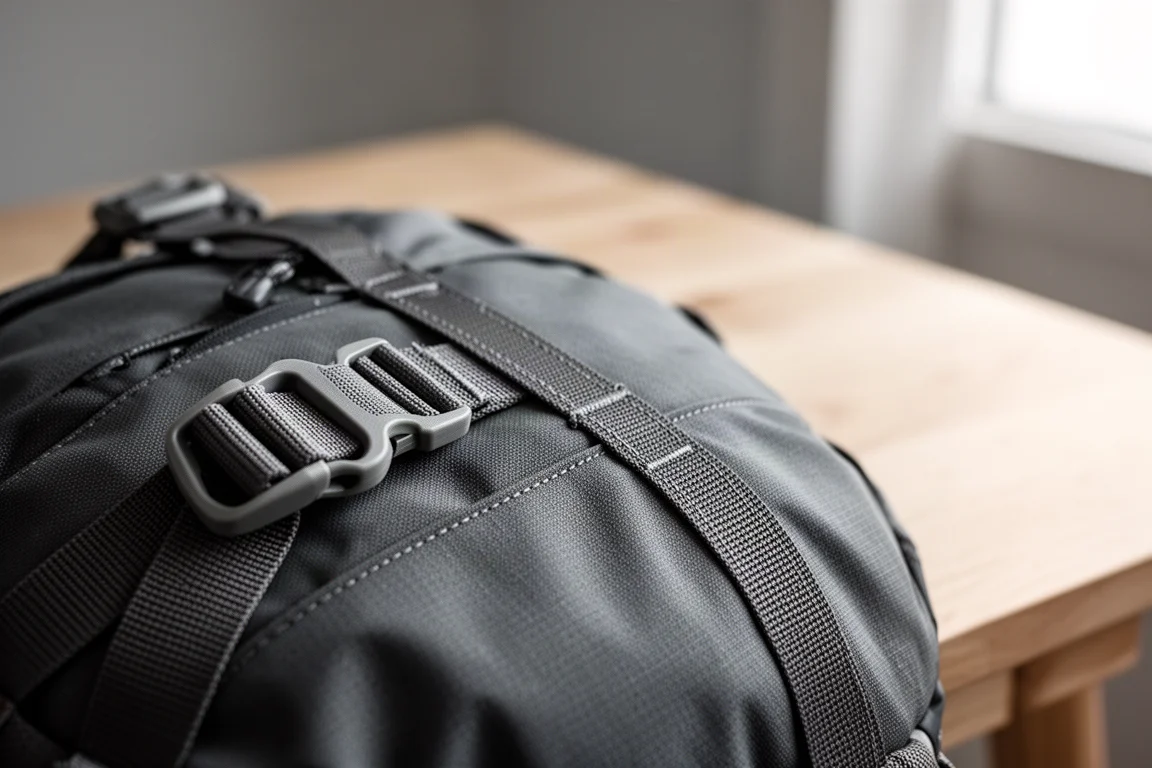
The problems showed up in the stitching. Loose threads appeared at the base of the pack, above a buckle on the side, along the side panel, and near the sleeping bag compartment, and several of those seams were not tied off, which means they can keep unraveling with use rather than stopping at a knot.
Stitching and Durability Concerns to Check
Loose threads on their own are common and often harmless. The issue here is different. Several lines of stitching were not tied off, so the thread can be pulled by hand and the seam continues to lengthen instead of holding. On the unit examined, a thread along the side could be drawn out and extended, and the same was true of the stitching around the interior pocket.
That matters most at the lid. The lid is opened, closed, and flexed every time the pack is used, and the material around it is constantly stretched. Stitching that is already coming loose in that area will keep loosening with normal use, which is the kind of failure that shortens a pack’s working life rather than being a cosmetic flaw.
The hydration pocket is the other weak point. Where the mesh meets the fabric, only half of the join was reinforced. The stitching stops partway and the remaining section is left without reinforcement. That section takes the load when a large water bottle goes in, so it is the part most likely to tear.
The back panel and the interior of the side pockets looked fine on the same unit, and the drawstring pulls at the top survived handling. That is worth noting, because those pulls are among the parts that failed immediately on a newer model in the brand’s lineup.
55L or 65L: Choosing the Right Capacity
Between the two, the choice comes down to volume and trip length. The 55L keeps a single-person kit tight and is easier to carry when the load is light. The 65L gives more room for longer trips, colder-weather sleeping bags, or gear you would rather not compress.

Because both models come from the same design family, the capacity decision does not change the quality questions. A larger pack does not fix untied stitching, and a smaller one does not avoid it. If you are weighing the two, pick the volume that matches your trips, then apply the same inspection checklist when the pack arrives.
Who Should Consider These Packs
These are packs for buyers whose priority is a low entry price: someone taking a first overnight trip, a casual camper who wants a large pack without a large spend, or a household that needs a spare pack for occasional use.
Warranty support is a genuine point in the brand’s favour. Issues that come up are handled when they are raised, and there is little sign of buyers being left stranded with a defective product, which softens the risk of a defect appearing after purchase.
What these packs are not for is anyone who needs dependable stitching on multi-day trips, where a seam failure in the field is more than an inconvenience. Buyers in that group should weigh alternatives before committing.
Buying Advice and Alternatives
The budget pack market has moved on. Options at a similar price now offer better materials, design, features, and construction, and the Scout series no longer stands out the way it once did. Decathlon’s Simond packs sit in a similar price bracket with noticeably stronger materials and construction, which makes them a sensible comparison before you buy.
If the Scout still appeals because of price or warranty coverage, inspect it the day it arrives. Check the stitching at the lid, around the buckles, at the base, and along the sleeping bag compartment, and give the threads a gentle tug to see whether they are tied off. Press on the hydration pocket where the mesh meets the fabric to see whether the reinforcement runs the full length. A defect found early is a warranty conversation rather than a problem discovered on the trail.
Consistency across the brand is worth watching, too. Recent units have varied in ways that go beyond the Scout series, including a tent that arrived in a colour the company does not list. That pattern, rather than a single flaw, is the main reason to slow down before buying.
Conclusion
The Teton Sports Scout 55L and 65L remain inexpensive ways to get into backpacking, and the warranty support behind them counts for something. But a fresh 65L unit showed untied stitching in high-wear areas and a half-reinforced hydration pocket, and those are durability concerns rather than cosmetic ones. If price is the deciding factor and you are prepared to inspect the pack on arrival, the Scout line can still serve a first trip or occasional use. If you need a pack you can rely on trip after trip, the same money buys stronger options today.
Further reading
Related Reviews

Backpacks
Best Backpacks 2026: Laptop Protection, Durability, and Comfort Compared
We tested 12 backpacks from $18 to $350 for laptop protection, durability, back padding, comfort, zipper smoothness, and water resistance.
Backpacks
Best Backpacks Under ₹500 in India: Five Practical Options Compared
Five backpacks tested side by side, from budget-friendly to premium Indian brands. Real strengths, trade-offs, and honest buying advice for daily use.
Backpacks
Decathlon Trek 100 70L Backpack Review: Serious Value for Backpacking
A 70-litre backpacking pack with a torso system you can adjust while wearing it, a rigid frame, and a 10-year warranty for $120.