Camping Gear
Teton Sports Review: Budget Camping Gear Worth Knowing About
A practical look at Teton Sports tents, backpacks, and sleeping bags, plus where the value is real and what to check before you buy.
Introduction
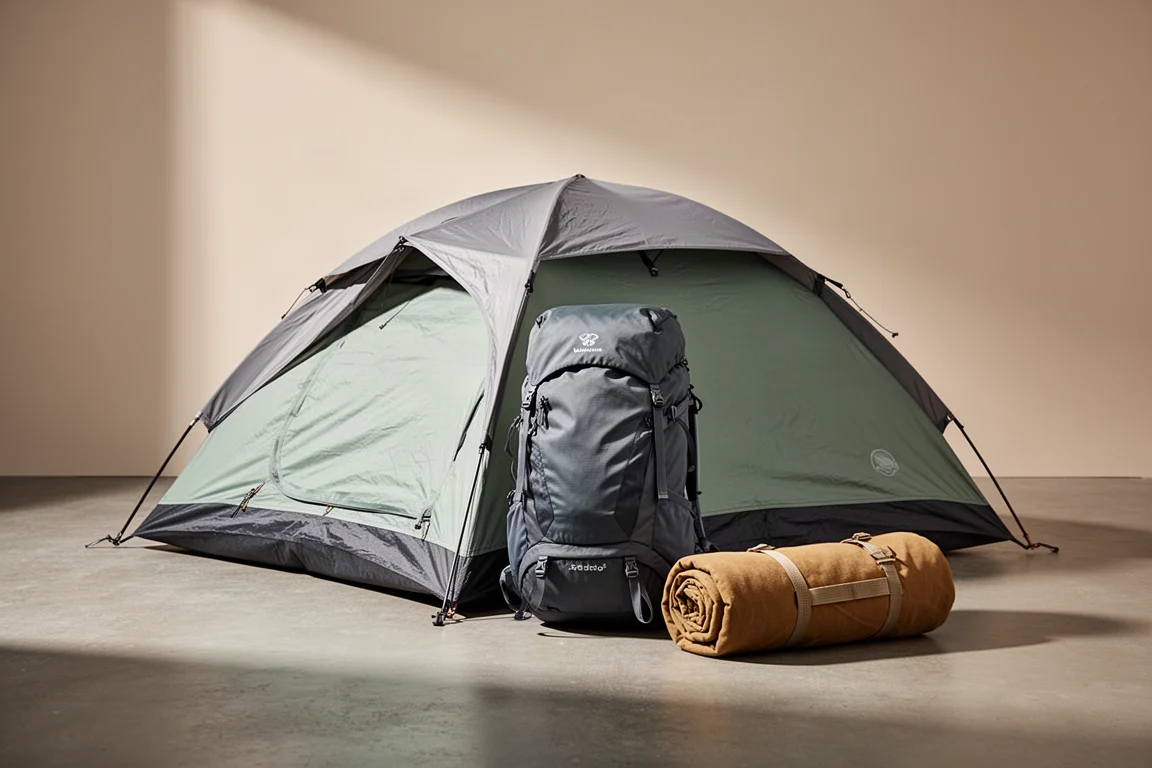
Teton Sports is a privately held outdoor company founded in 2005 and headquartered in Cedar Hills, Utah. Its catalogue covers a wide spread of camping gear: tents, backpacks, sleeping bags, sleeping pads, cots, pillows, and more. The company has built a solid reputation over the past few years, and the reason is fairly simple. Most of what it sells sits well below the price of the big-name competition while still being built to a standard that holds up on real trips.
For anyone assembling a first camping kit, or replacing worn-out gear on a tight budget, that combination matters more than any single specification. The three products below represent the range well: a tent, a backpack, and a sleeping bag.
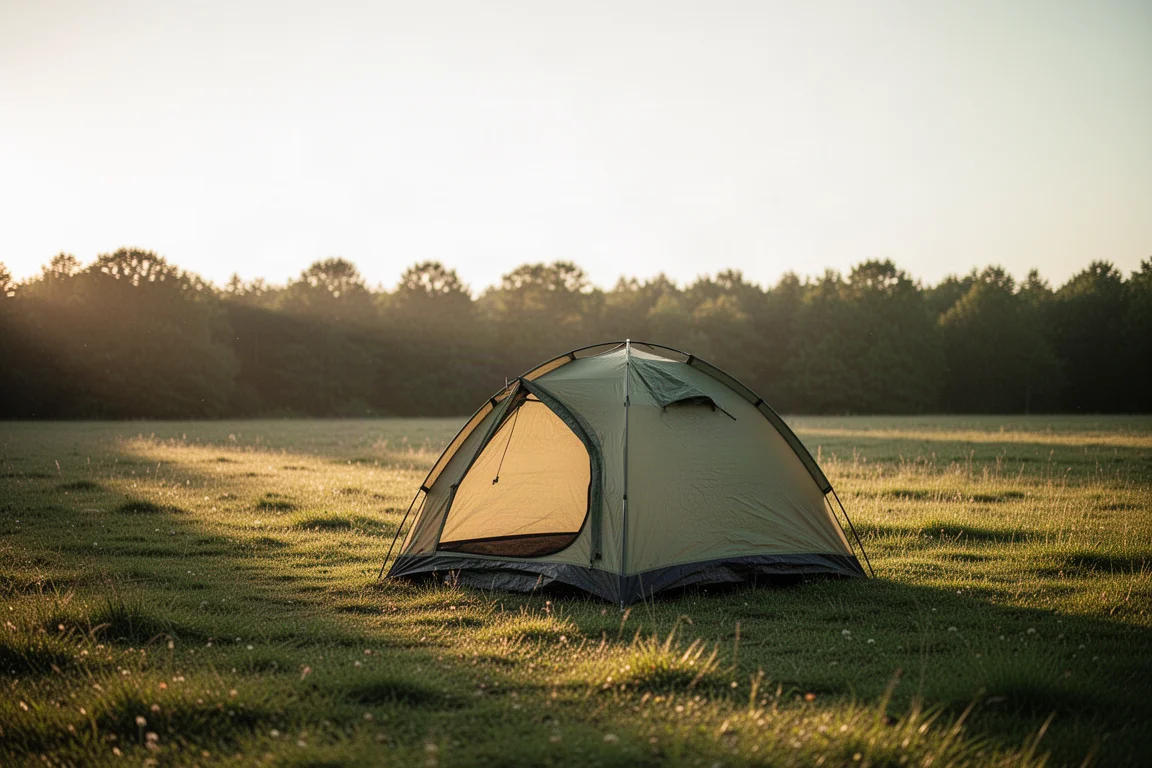
This guide covers what each product does well, where the known weak points are, and how the company responds when something goes wrong. It is written for three-season campers who want dependable gear without paying premium prices.
How Teton Sports Earns Its Reputation
The strongest argument for Teton Sports is not a single product. It is the pattern that shows up in owner reports when something fails.
One documented case involved a tent floor that began to crack and shed its coating after a second camping trip. The retail return window had already closed, but the company shipped a replacement tent without any back-and-forth. In another case, a backpack arrived with a side pocket sewn on upside down, leaving the zipper at the bottom of the pocket. A replacement went out immediately.
That kind of follow-through is uncommon at this price point, and it changes the risk calculation. Budget gear usually means accepting that a defect becomes your problem. Here, it generally does not.
It is worth being precise about quality. Teton Sports makes good quality budget gear, not flawless gear. There is no guarantee that any individual unit will arrive perfect. The reliable part, based on the track record, is that the company will make it right if it does not.
Teton Sports Mountain Ultra Tent
The Mountain Ultra is the clearest example of what this brand does well. The one-person version runs about $110, and the two-person version about $140.
It is not the lightest tent on the market, and Teton Sports does not position it that way. What it offers instead is build quality that is genuinely surprising at the price. The stitching is clean and consistent, with no loose threads, and the fabric is reliably waterproof. The tent also pitches quickly, which matters on a trip when the weather turns before camp is set.
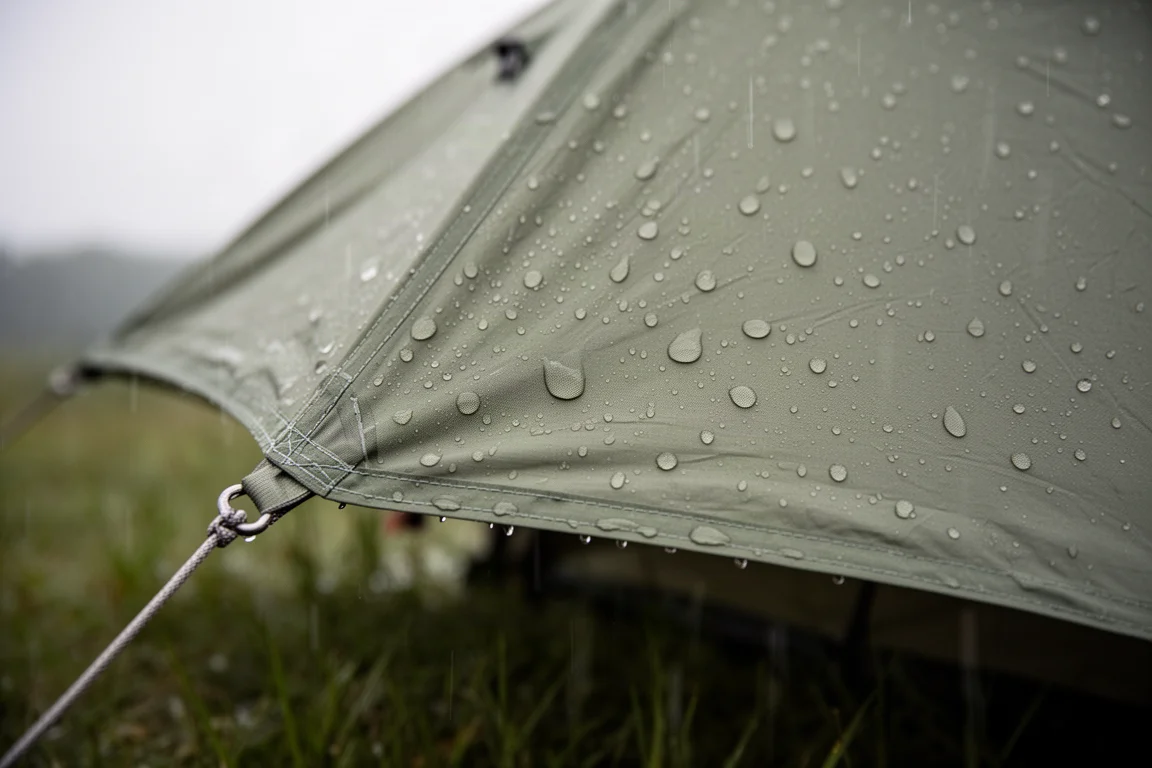
The value comparison is the interesting part. The Mountain Ultra’s construction quality holds up against tents that cost three or four times as much, which is unusual in any category and rare in tents. For a three-season camper who drives to camp or hikes short distances, and who does not want to spend several hundred dollars on a shelter, it is an easy recommendation.
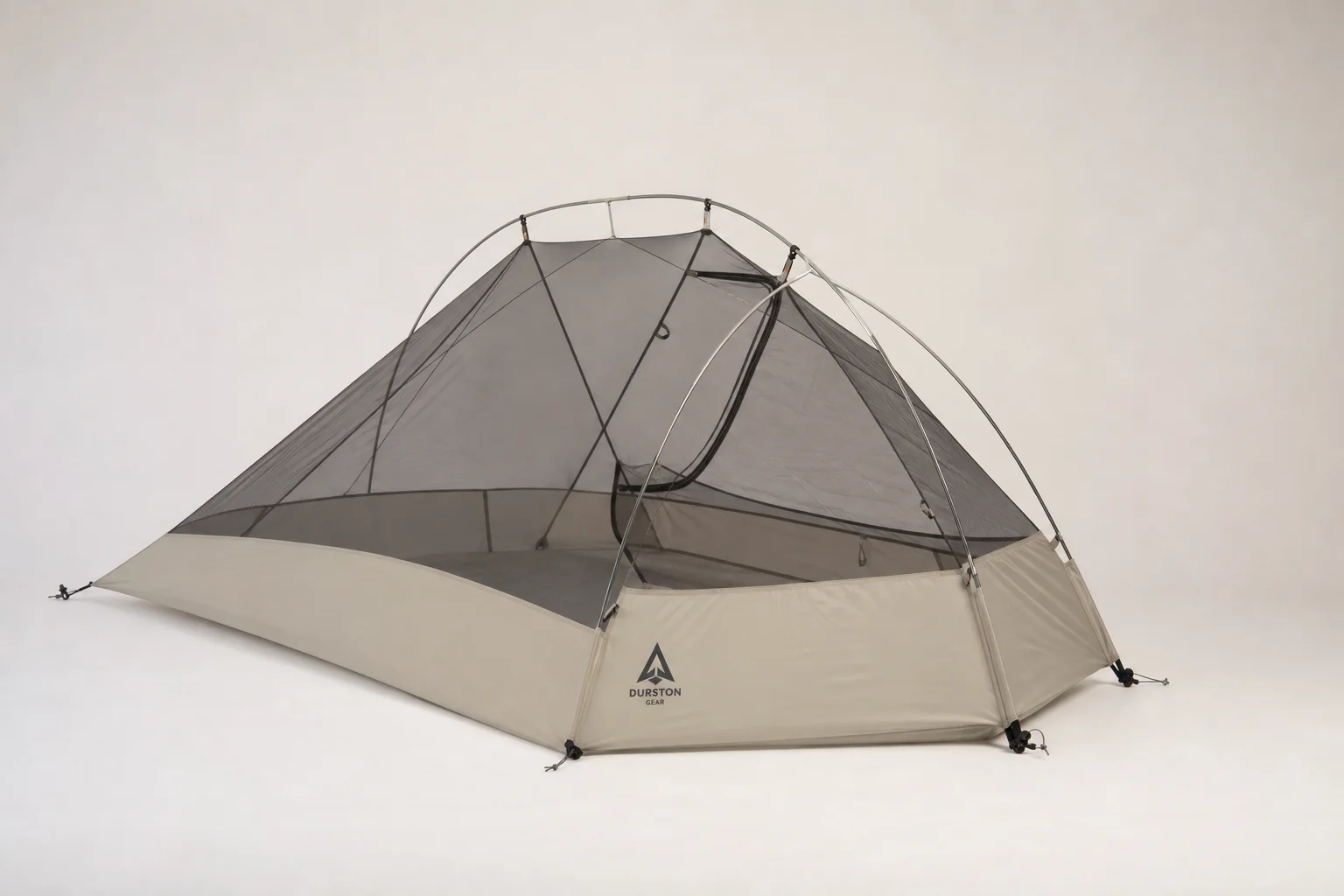
One detail to check is the interior size. Sizing across the range has trended smaller over the years, so confirm the floor area fits your sleeping pad and your height before ordering.
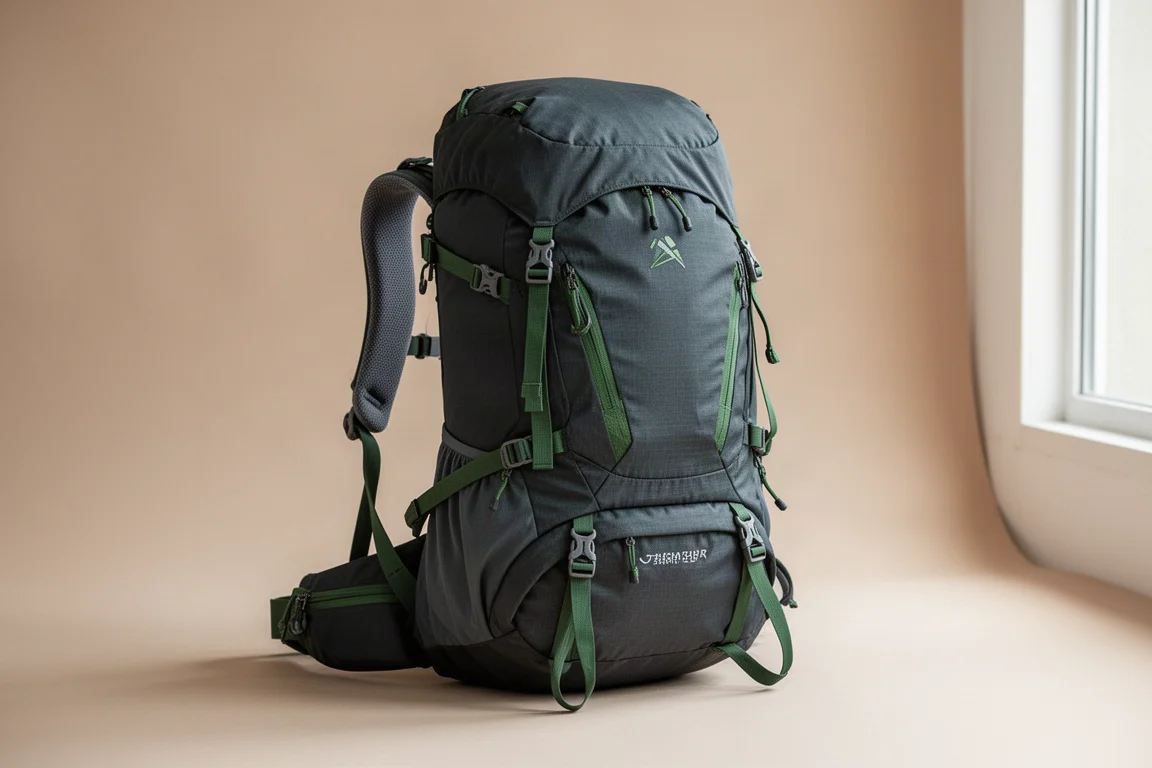
Teton Sports Scout 3400 Backpack
The Scout 3400 is the budget pick of the lineup. It lists for under $100 and is frequently available around $80.
It is a highly adjustable pack with a generous amount of space, and the harness can be tuned to fit a wide range of body types. The materials are not premium, but the construction has proven durable enough to handle a variety of trips without failure. For a first overnight pack, or a spare for guests, it covers the basics competently.
The one caveat is unit-to-unit quality control. A mis-sewn side pocket has been reported, with the zipper ending up at the bottom of the pocket. That is the sort of defect the company’s replacement policy exists to absorb, but it is still worth inspecting a new pack carefully on arrival.
Teton Sports Deer Hunter 0 Degree Sleeping Bag
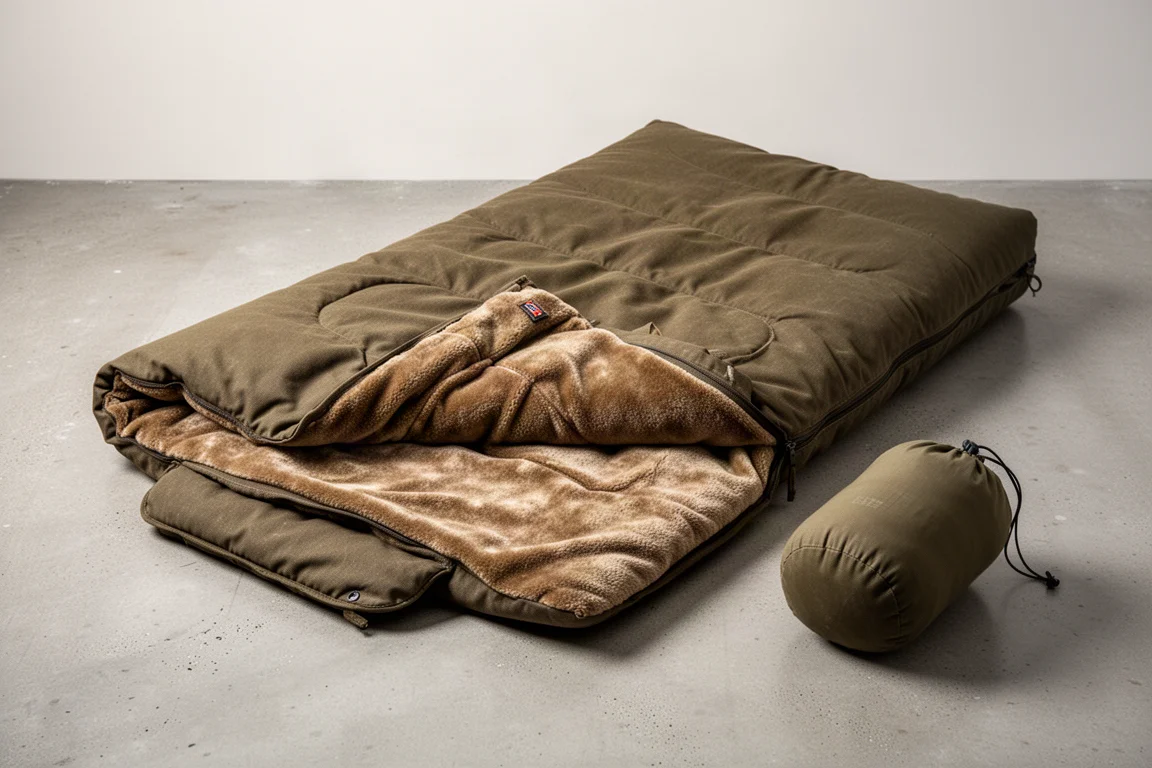
The Deer Hunter pairs a canvas outer shell with a polyester flannel lining, a combination aimed at durability and a softer feel against the skin. It is also the product that best illustrates why temperature ratings deserve scrutiny.
Three issues have been reported with this bag. The red dye from the flannel lining transferred onto clothing and skin. The stitching was inconsistent, with loose threads and seams that came apart. And the temperature rating proved optimistic: a bag rated for zero degrees kept users warm only to roughly 30 degrees.
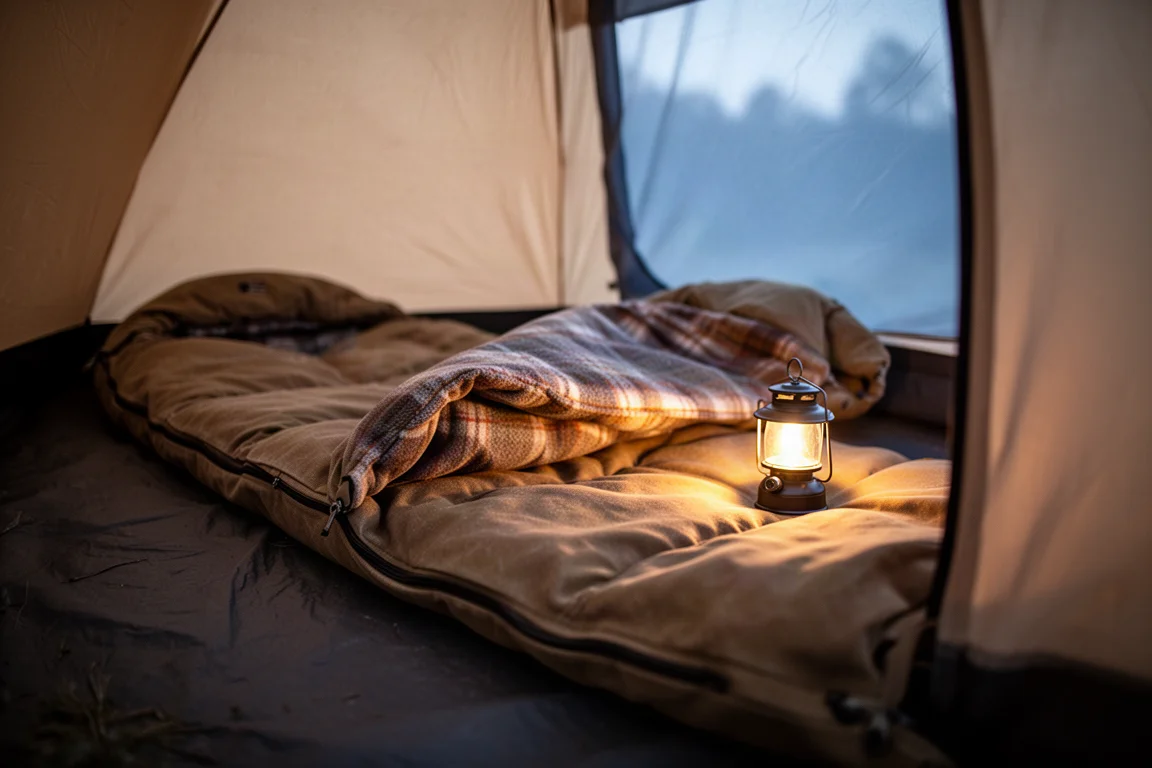
The bag is still sold today, and the company has had ample time to address the problems, but there is no confirmation that the current production run has changed. Treat the temperature rating as a marketing figure rather than a comfort guarantee, and plan around a bag that performs closer to a 30-degree bag. Layer accordingly on colder nights.
If the canvas-and-flannel feel appeals and you camp in mild three-season conditions, the bag can still make sense, particularly given how the company handles defects. If you need dependable warmth well below freezing, this is not the bag to build a cold-weather kit around.
Where Teton Sports Falls Short
Two consistent criticisms apply across the range, and both are worth knowing before you buy.
The first is temperature ratings on sleeping bags. They tend to be generous, which means the number on the label is better treated as an upper bound than a promise. Budget-conscious buyers get better results by choosing a bag rated for colder conditions than they expect to encounter.
The second is sizing. Over the years, the company’s tents and sleeping pads have trended smaller and shorter. The reason is not clear, and it may simply be a way to hold prices down, but the practical consequence is the same. Measurements matter more here than with brands that size generously. Check the floor dimensions on a tent and the length and width on a pad before committing.
It is also worth being clear about seasons. Teton Sports gear works well across spring, summer, and fall. It is not built for the fourth season. These products can be used in cold weather, but they are not designed for strong winds and heavy snow loading. For that kind of camping, look at a stronger shelter and a warmer bag.
Buying Advice Before You Choose
Teton Sports makes the most sense for three-season campers who want dependable gear at a low price and who value a company that stands behind what it sells.
Start with the category you actually need, then verify two numbers. Check the dimensions, because sizing has trended smaller, and check the temperature rating on any sleeping bag, because it is optimistic. Those two checks prevent most of the disappointment associated with budget gear.
Beyond that, the decision is fairly straightforward. If a defect does appear, the company’s record suggests it will be resolved with a replacement rather than a debate. That lowers the risk of buying at this price point considerably, and it is the main reason the brand is worth considering alongside similarly priced alternatives.
Conclusion
Teton Sports is hard to beat for good quality budget gear. The Mountain Ultra tent in particular demonstrates build quality that competes far above its price, the Scout 3400 covers the basics of backpacking for around $80, and the Deer Hunter sleeping bag is a reminder to read temperature ratings carefully.
The word that best describes the company is budget. The gear is good, not always great, and there is no guarantee that any given unit will arrive without a flaw. What is consistent is the response when something goes wrong. For three-season campers who want capable gear without premium pricing, that combination is a reasonable place to start.
Further reading
Related Reviews
Camping Gear
3FUL Ultralight Ground Sheet Review: A Two-Person Footprint Worth Packing
A 6.7 oz two-person ground sheet in ripstop silnylon, priced around $30. Here is what it protects, what it does not do, and who should pack it.
Camping Gear
Backcountry Light Dual-Function Tarp and Floor Review: A Footprint First
A dual-purpose tent floor and tarp that keeps falling rain off you, but cannot block wind. Here is where it works and where it does not.
Camping Gear
Best 2-Person Camping Mattresses for Couples: 10 Options Compared
A practical comparison of ten two-person camping mattresses, covering self-inflating pads, air pads and air mattresses for couples.