Tools & Gadgets
Tesmet Smart Digital Multimeter Review: The Easiest Multimeter for Occasional Use
A budget-friendly auto-sensing multimeter that measures AC and DC voltage and resistance without fiddling with dial settings, plus a built-in non-contact voltage tester.
Introduction
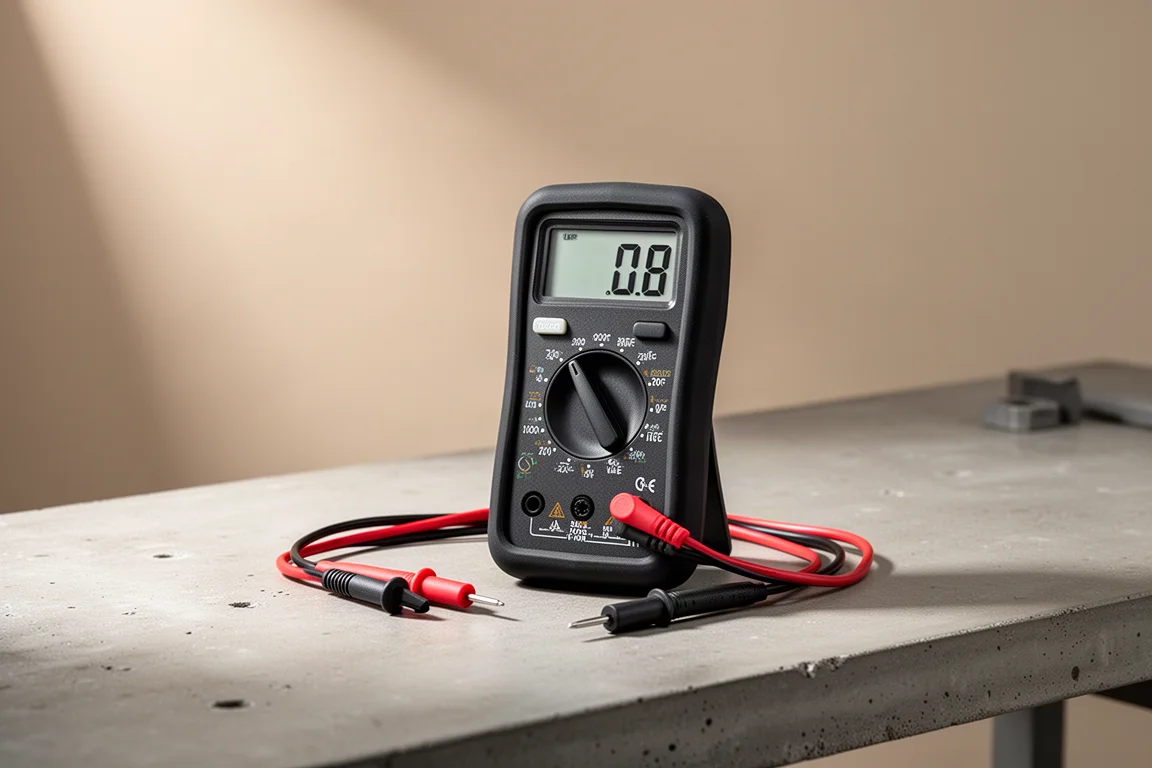
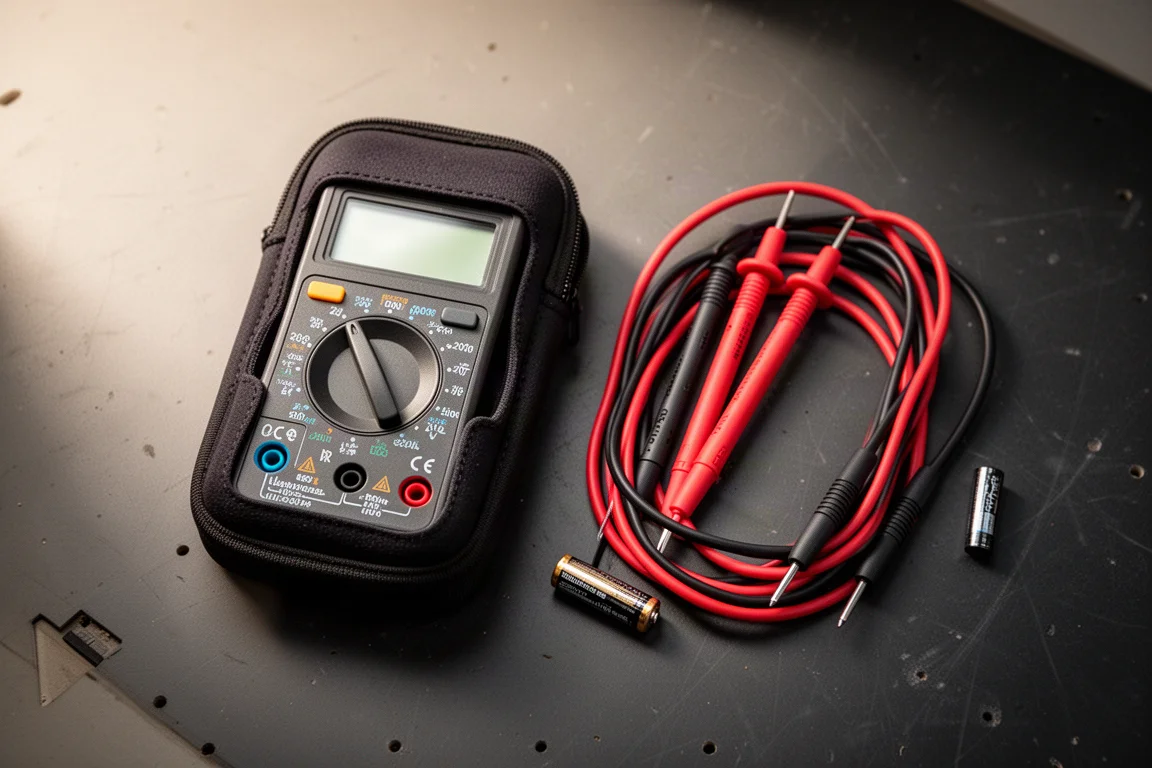
Most multimeters ask more of you than you want to give. If you only check a battery or trace a wire a few times a year, the familiar routine of picking the right dial setting and double-checking that your red lead is in the correct port can feel like more friction than the job deserves. The Tesmet Smart Digital Multimeter is built precisely for that situation: a simple, affordable meter that turns on, senses what you are measuring, and gets out of the way.
What Makes It Different
The core idea is automatic mode selection. Instead of rotating a dial between voltage and resistance settings, the Tesmet senses what it is connected to. You turn it on and measure. It handles both AC and DC voltage as well as resistance, which covers the overwhelming majority of basic electrical checks around the home and workshop.
It is deliberately not a feature-rich meter, and that is the point. There are no advanced functions to look up in the manual and no wrong-port mistakes to worry about. In practical testing, connecting the leads to a 24-volt tool battery produced a clean 24.63-volt reading immediately, and even touching the leads in reverse simply showed the same value as a negative number, which is a genuinely handy behavior when you are working quickly.
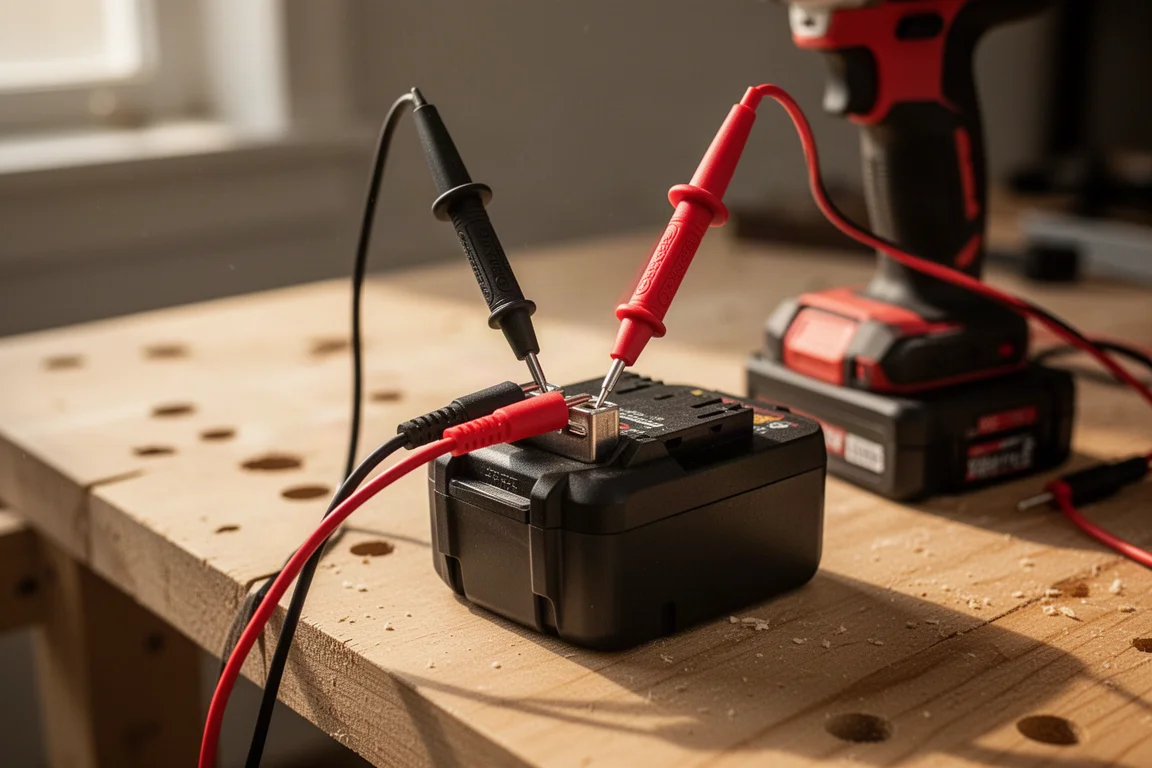
Resistance testing works the same way. Touching the probes to a battery charger circuit returned a stable reading in the mid-40 ohm range with no mode switching at all. An 18-volt-class tool battery read close to 20 volts right away. If your typical tasks are checking batteries, fuses, wires, and circuits, this covers them without ceremony.
Everyday Performance
This is where the meter earns its place. It reads a 24-volt battery correctly in one shot, handles reversed leads gracefully, and moves between voltage and resistance without any input from you. For anyone who owns a more capable meter but rarely uses it, the honest question is whether you remember how to use those features correctly. The Tesmet removes that problem entirely.
It is not going to replace a professional bench meter for electronics work, and it does not try to. But as a grab-and-go tool for voltage and resistance checks, it is hard to beat at this level.
Built-In Non-Contact Voltage Testing
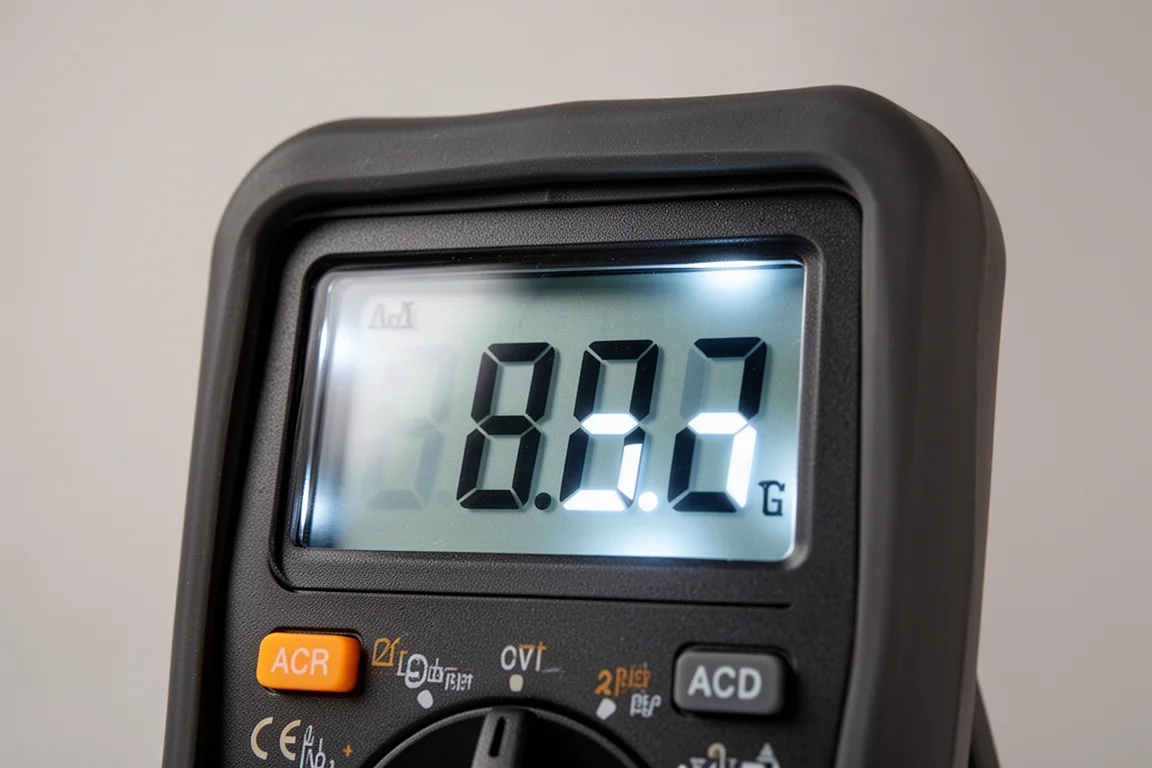
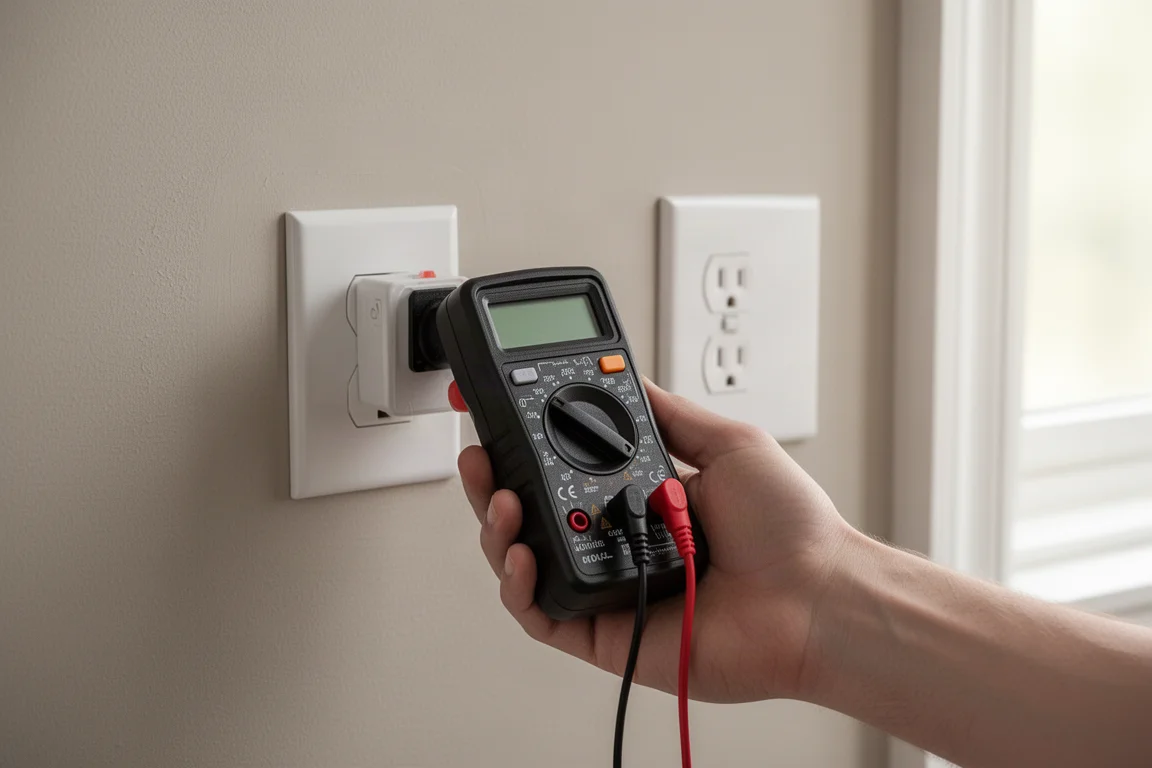
One feature that elevates it beyond basic: a non-contact voltage tester built into the body. With the leads unplugged, you hold a button and wave the sensor on the back of the meter near an outlet or wire. If there is live voltage present, the meter tells you without touching anything.
That is a feature you usually associate with a dedicated pen-style tester, and having it integrated into an already-affordable multimeter makes this a two-in-one tool. It is genuinely useful for quickly confirming whether an outlet is live before you start poking around.
Things to Consider Before Buying
The trade-offs are clear and honest. If you need advanced functions such as capacitance, frequency, or precision low-current measurements, this is not the meter for that. It is also a no-frills device: it ships with a soft plastic protective cover that improves grip and bump resistance, but do not expect ruggedized professional build quality.
Battery placement is in the back, and like any meter, you should still read the manual to understand how it behaves. But compared with conventional meters where an incorrect lead placement or setting can cause real problems, the auto-sensing design is far more forgiving for occasional users.
Buying Advice
If you already own and regularly use a full-featured multimeter, this may be redundant. But if you are someone who needs an occasional voltage or resistance check and wants something that just works every time, the Tesmet is an easy recommendation. It typically sells for around 10 dollars on Amazon and goes on sale regularly, which makes it one of the least risky tool purchases you can make. A spare battery is worth keeping in the drawer so the meter is ready when you need it.
Conclusion
The Tesmet Smart Digital Multimeter proves that sometimes the best upgrade is subtraction. By removing dial settings and port confusion, adding automatic AC/DC voltage and resistance sensing, and including a built-in non-contact voltage tester at a very low price, it delivers exactly what occasional users need. For basic electrical checks around the house, it is a standout value and an easy go-to meter.
Product link
View more details for Tesmet Smart Digital Multimeter
This product is mentioned in the review. Check the specifications, options, and compatibility before buying.
View more details for Tesmet Smart Digital MultimeterFurther reading
Related Reviews
Tools & Gadgets
Topdon TC View Thermal Camera Review: A Budget-Friendly Way to See Heat
A compact smartphone thermal camera for iOS and Android that makes heat visible, from engine checks to cooking and home insulation leaks.
Tools & Gadgets
TopTes TS-710 Digital Light Meter Review: Simple, Affordable Illumination Measurement
A budget-friendly digital light meter that reads Lux and foot candles, with hold, min/max, backlight, and a rotating sensor. Here is what it does well and who actually needs one.

Tools
Best Stud Finders 2026: Five Popular Models Put to the Test
We tested five popular stud finders on drywall, firewall, and lath and plaster surfaces to see which ones really find studs and avoid false readings.