Backpacking Tents
Terra Nova Southern Cross 2 Review: A True Four-Season Two-Person Tent
A fast-pitching four-season two-person backpacking tent with two doors, two vestibules and tunable ventilation, plus the weight, width and price points to weigh up first.
Introduction
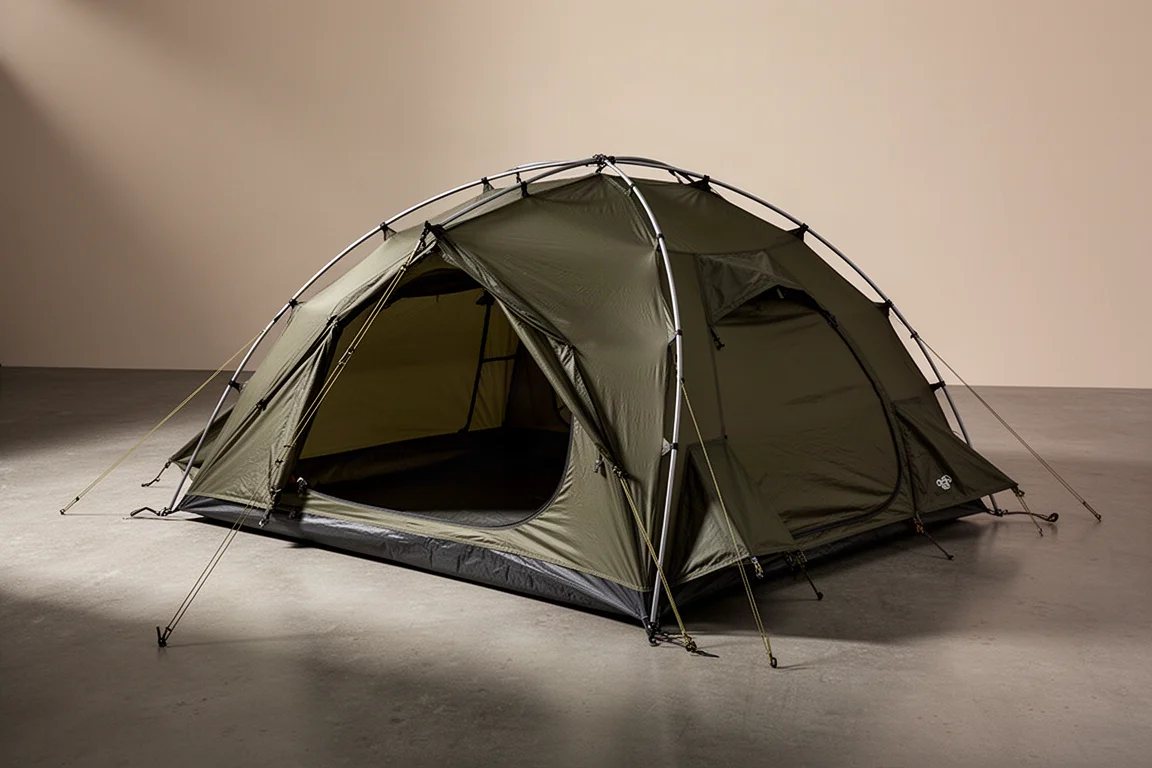
Terra Nova’s Southern Cross 2 is built for backpackers who want a single tent that works across all four seasons. It pitches outer and inner together, so the sleeping compartment stays protected while the fly goes up in rain or wind, and it is genuinely freestanding, which means it can be lifted and repositioned once it is standing.
Two doors and two vestibules give each occupant their own entrance and their own storage space, and the shelter is roomy for its class. That combination of fast pitching, real weather protection and a spacious interior is what makes it worth a close look.
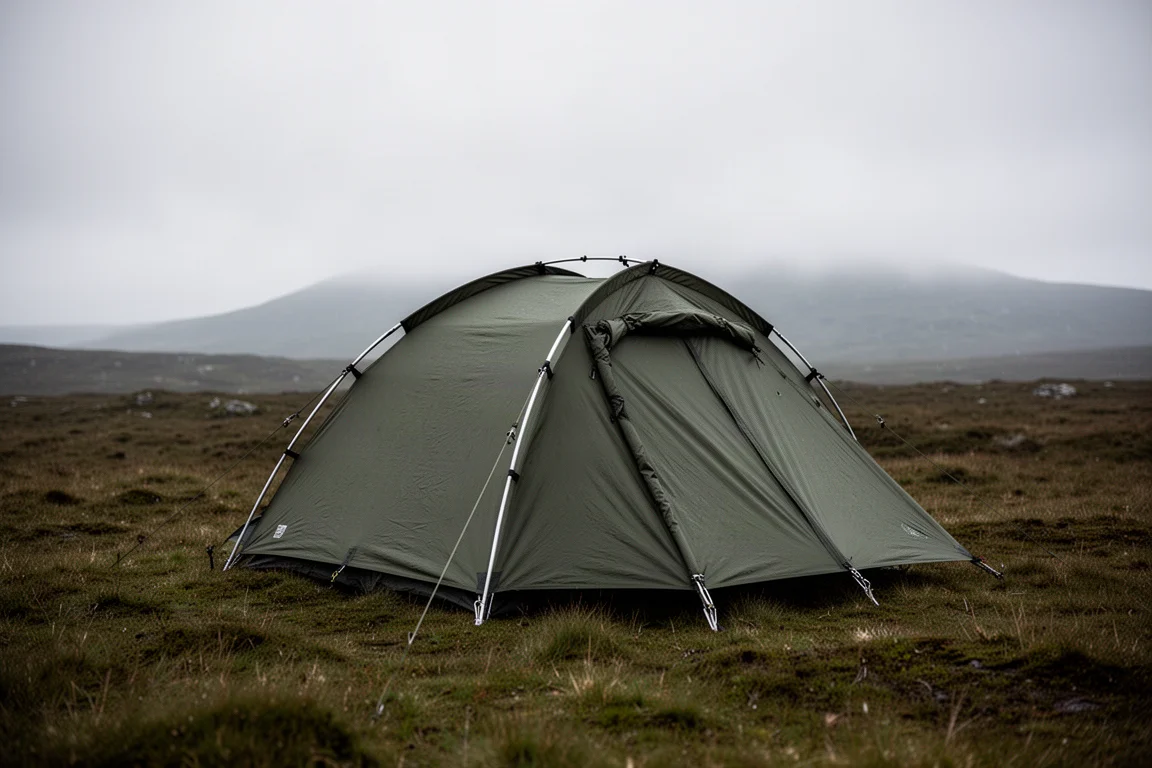
The specification backs it up. The fly is 30D nylon with a 5,000 mm hydrostatic head, the bathtub floor is 70D nylon rated to 10,000 mm, and the inner is a 20D fabric that is PFC free in the current version. For year-round backpacking, that is a serious set of numbers.
Who This Tent Is For
This is a tent for backpackers and wild campers who head out in every season and want a two-person shelter that goes up quickly when the weather turns. It suits people who value a simple pitch, two separate vestibules for packs and cooking, and ventilation that can be tuned rather than sealed shut.
It is less suited to anyone who wants the stiffest, most wind-shedding structure on the market, or to two occupants who both sleep on wide pads. Both points are covered in more detail below.
Main Strengths: Pitching, Weather Protection, and Ventilation
Two alloy poles do all the work. The red pole runs end to end, the blue pole crosses the middle, and both measure 8.64 mm in diameter, a thickness chosen for four-season strength. Pitching is quick and forgiving: feed the poles through their sleeves, clip them to the fly, and the tent takes shape almost straight away, even in wind or heavy rain.
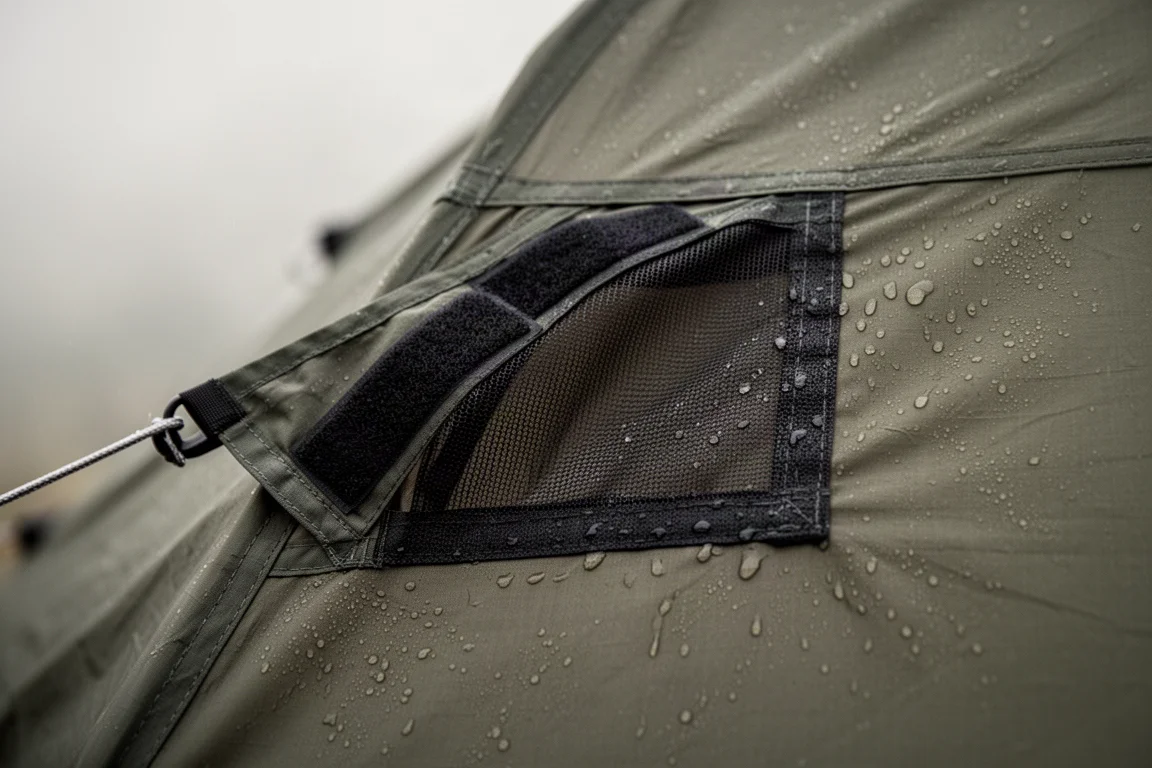
Ventilation is the standout feature. Adjustable vents sit on each side of the fly to reduce condensation and can be closed with velcro when conditions demand it. The inner door uses a large U-shaped zip, with solid fabric to mid height and C3 mesh above it. That arrangement keeps cold draughts off a sleeping occupant while still letting air move, which matters because a fully solid inner would trap considerably more condensation.
The finishing details are just as considered. Guy points sit in useful positions and the guy lines are simple to use. The door carries a large storm flap with a clip that holds it neatly out of the way, so it does not flap loose or work itself undone.
Living Space and Interior Details
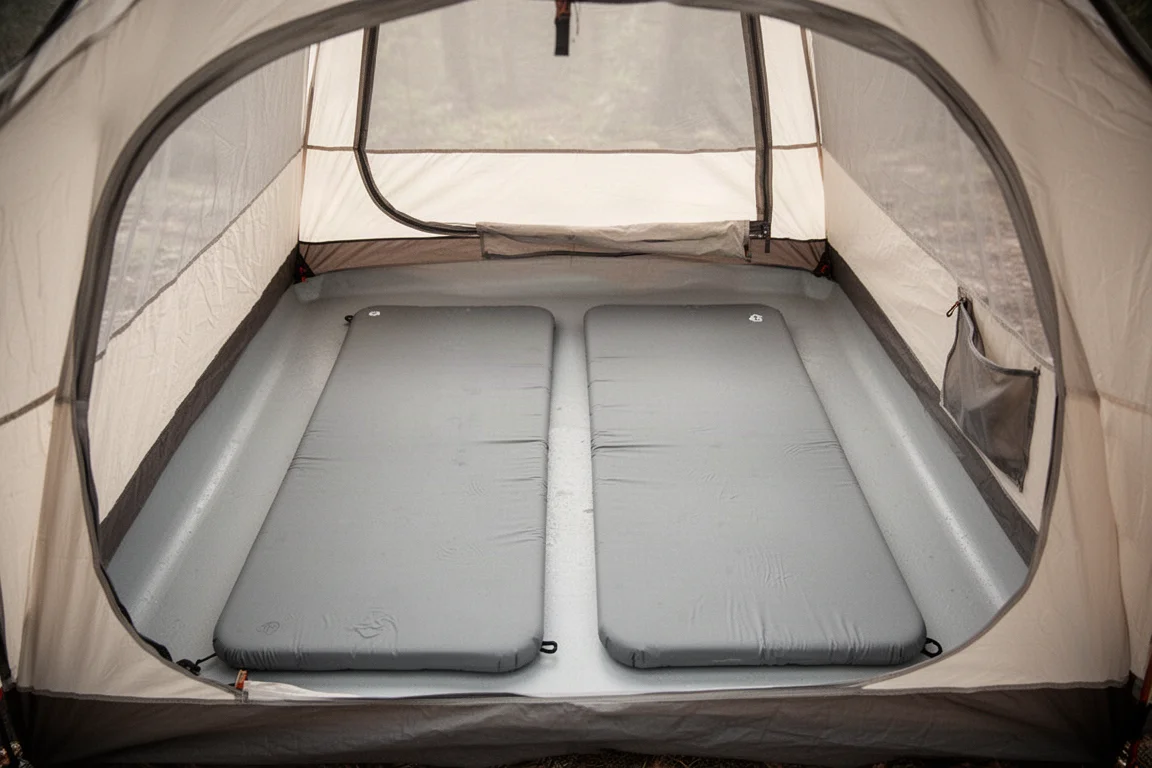
Inside, the tent measures 225 cm long, 120 cm wide and 120 cm high, with 60 cm vestibules on both sides. Vent panels at each end can be opened fully for airflow or masked with solid mesh to block it.
There are pockets on both sides, the doors and vestibules mirror each other, and small hoops at the top of the inner let you run a line or hang a lantern. The vestibule space on each side is enough for a backpack, and there is a comfortable cooking area under cover.
Things to Consider Before Buying
Width is the first thing to think about. At 120 cm, this is the practical minimum for two people: regular sleeping pads run roughly 55 to 60 cm wide, so occupants sleep close together, and wider pads can press the bathtub floor outward. Two-person use works well, but it is worth checking your pad sizes first.
The fabric moves a little in wind. Both the inner and the fly can shift in gusty conditions, and the tent is not as rigid as some other backpacking tents. It is not an issue in normal use, but in strong wind it is worth adding extra guy lines to the well-placed attachment points.
Weight and price have both moved upward. The current version weighs 2.43 kg, up from 2.29 kg, and costs around £130 more than before. The optional footprint adds further weight and cost, although it does cover the vestibule areas as well, and a tent plus footprint comes to roughly £1,000.
The current version also brings genuinely useful updates: an adjustable upper vent, a new inner door tie back, an outer door peg point, and a set of proper backpacking pegs in place of the shepherd’s hook style pegs supplied previously. Those small changes make the tent easier to live with in bad weather.
Buying Advice
If you backpack in every season and want one tent that pitches fast, keeps the inner dry while it goes up, and gives two people separate doors and storage, the Southern Cross 2 makes a strong case for itself. It is easy enough to pitch when you are tired, cold or wet, which is exactly when a simple design earns its place.
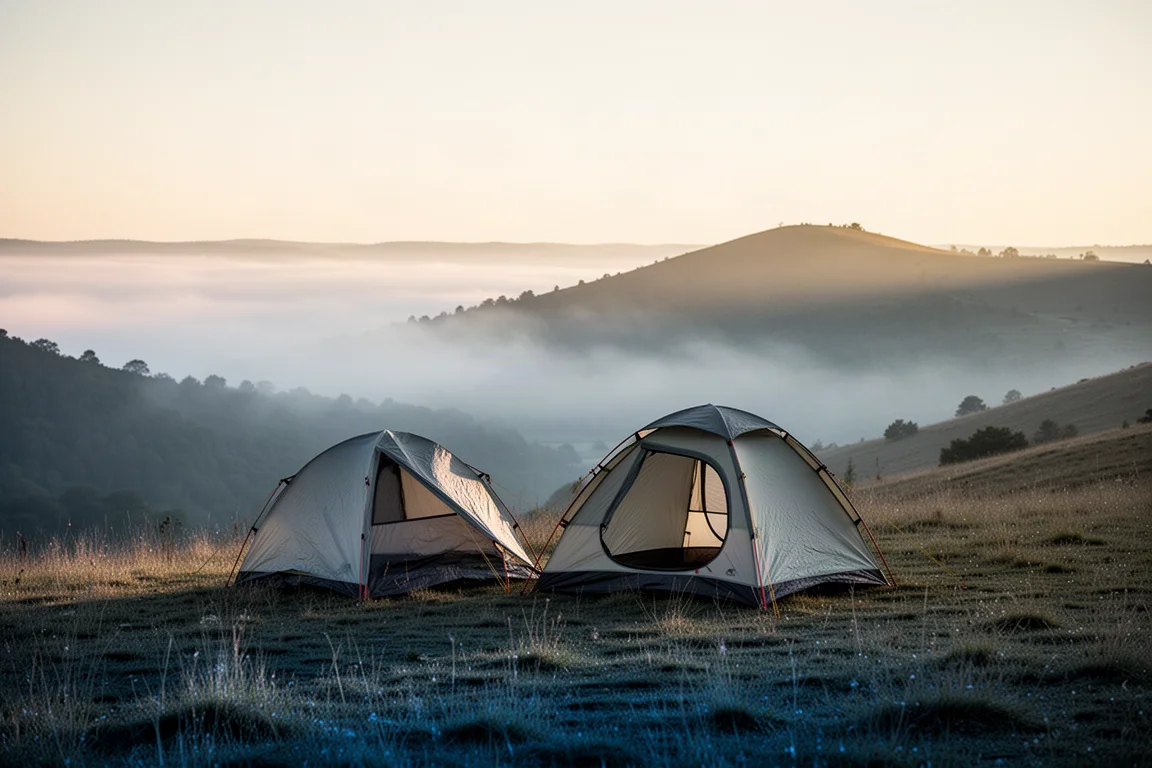
Go in with the right expectations and it is a satisfying purchase. Plan around the 120 cm width if two people will share it, budget for a footprint only if you want the extra ground coverage across the vestibules, and pack a couple of extra guy lines if you regularly camp in exposed, windy places.
Conclusion
The Terra Nova Southern Cross 2 is a well-made four-season two-person tent with a genuinely simple pitch, two doors and two vestibules, and ventilation that can be adjusted to suit the conditions. Its compromises are honest ones: a little movement in wind, a tight fit for two wide sleeping pads, and a price and weight that have crept up. For backpackers who want one dependable tent for year-round use, it takes a lot of boxes.
Product link
View more details for Terra Nova Southern Cross 2
This product is mentioned in the review. Check the specifications, options, and compatibility before buying.
View more details for Terra Nova Southern Cross 2Further reading
Related Reviews
Backpacking Tents
3F UL Lanchan Pro 1 Review: A 1 lb 8 oz Single-Wall Trekking Pole Tent
A practical look at the 3F UL Lanchan Pro 1, a single-wall trekking pole shelter with a 1 lb 8 oz weight, 20D silnylon fabrics, and a roomy 90 x 31 x 49 inch interior.
Backpacking Tents
3F UL Taiji 2-Person Tent: A Convertible Backpacking Shelter Worth a Closer Look
A practical look at the 3F UL Taiji two-person tent, covering its materials, true two-person interior, fly-first pitching, and the seasonal inner swap that lets one shelter cover more of the year.
Backpacking Tents
3FUL Lanshan Twoerson Pro Review: A Light Trekking Pole Shelter That Struggled in Rain
A two-person trekking pole shelter with a 2026 redesign, pitched with sticks and put through a night of steady rain. Here is what worked, what did not, and what to check before buying.