Cargo E-Bikes
Tern GSD S10 Long-Term Review: Three Years, 1,800 Miles, and the Real Cost of Ownership
A long-term look at the Tern GSD S10, covering durability, servicing costs, and whether a compact cargo bike can genuinely stand in for a second car.
Introduction
Cargo bikes are not cheap. Entry-level models start at around £1,500, and the most expensive climb past £8,000. For many riders that makes a cargo bike by far the most expensive bike they will ever buy, so the honest question is not whether one is pleasant to own, but whether it earns its keep.
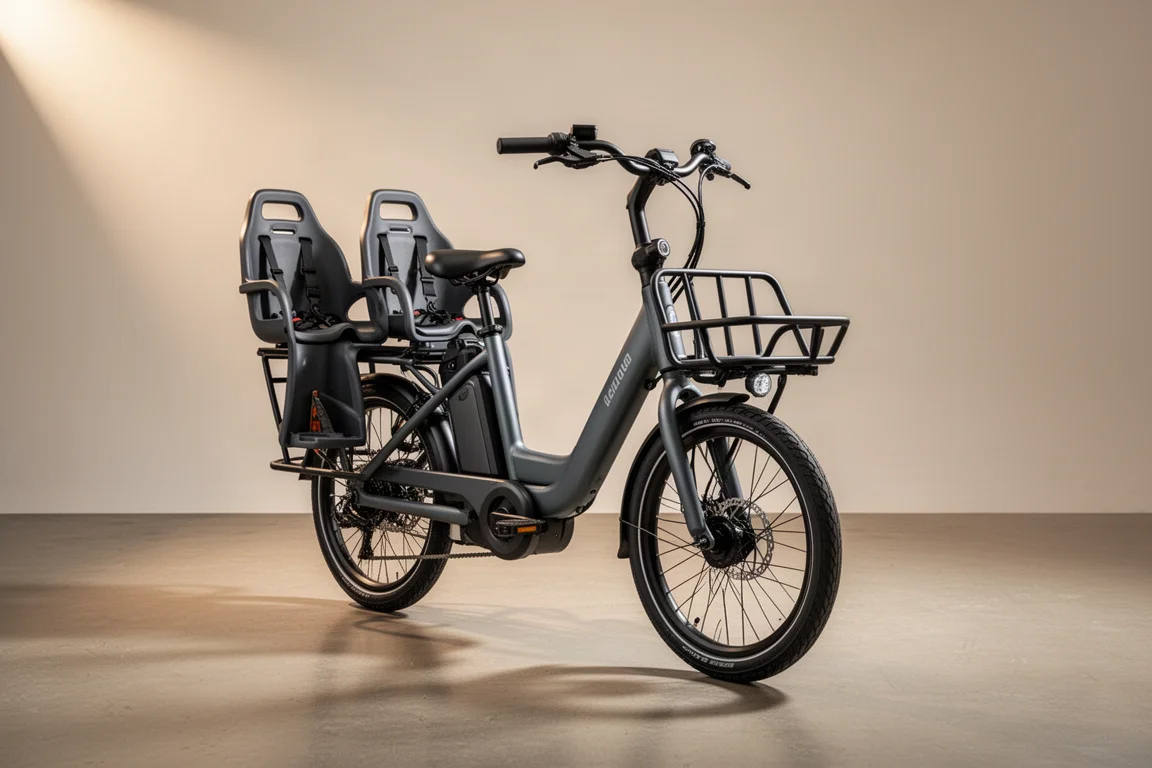
This long-term assessment of the Tern GSD S10 answers that question with numbers rather than enthusiasm. The GSD S10 is the most basic model in the GSD range and retails for £4,700 or $4,499. This particular bike was bought in January 2022 and then fitted with a front rack, a wider footrest, and seats on the back for passengers. At the time, the household needed an extra vehicle several times a week, and a compact cargo bike turned out to be the more appealing answer.
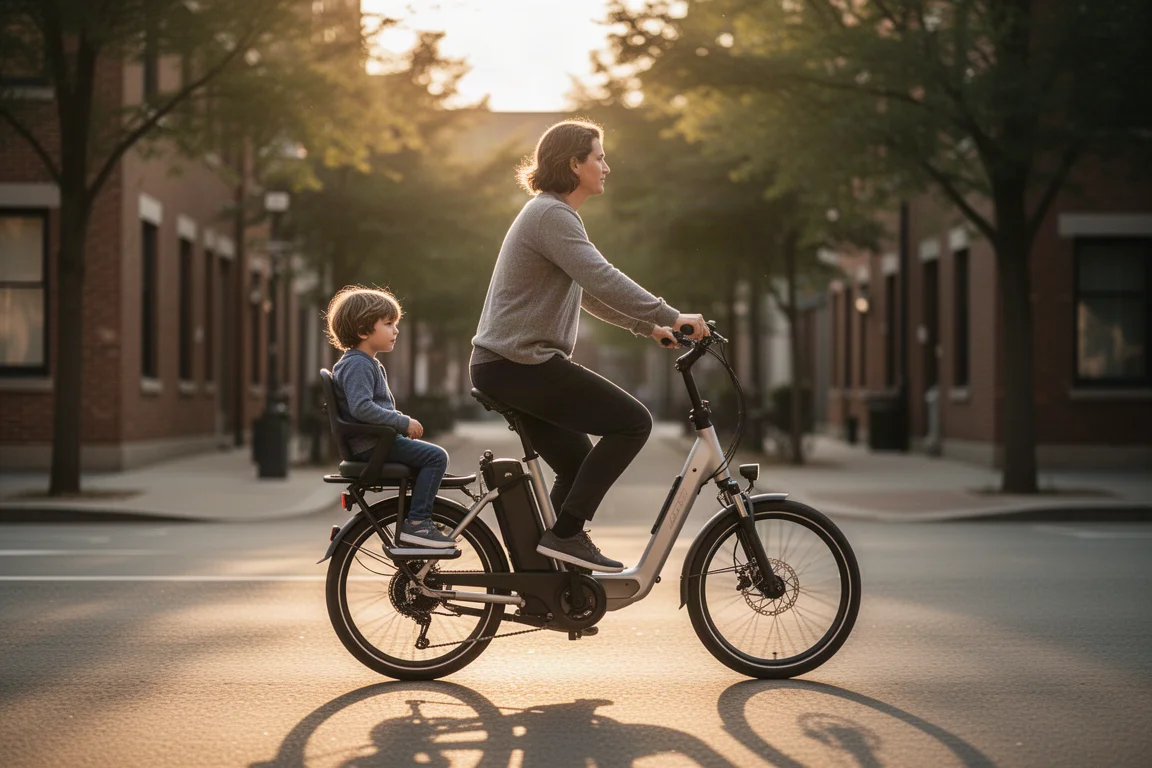
Three years and 1,800 miles later, the bike is still in regular service and the cost picture is far clearer than it was on day one. What follows covers durability, servicing, running costs, and the practical trade-offs worth weighing before buying one.
Who the Tern GSD S10 Is For
The GSD S10 suits riders who need to move people or cargo without the footprint of a full-size cargo bike. It is a compact design, not much bigger than a normal bike, and it can be stored on its end, which matters in flats, narrow hallways, and shared bike stores.
It is a natural fit for city households replacing a second car, and for parents who want to carry children and shopping on the same trip. It can also work well for some riders in rural locations, although storage space and access to a dealer for servicing are worth checking before committing.
Anyone buying it purely as a leisure bike is likely to find the case harder to justify. The value comes from frequency of use, not from occasional weekend rides.
Main Strengths: Durability and Everyday Practicality
The most striking thing about this bike after three years is how little attention it has needed. It has never been serviced and, by the owner’s own admission, never cleaned. Over that period the only work carried out has been replacing one inner tube, repairing another, adjusting the brakes, and replacing a chain tensioner that failed roughly a month before the first professional service. The chain was lubricated a couple of times along the way.
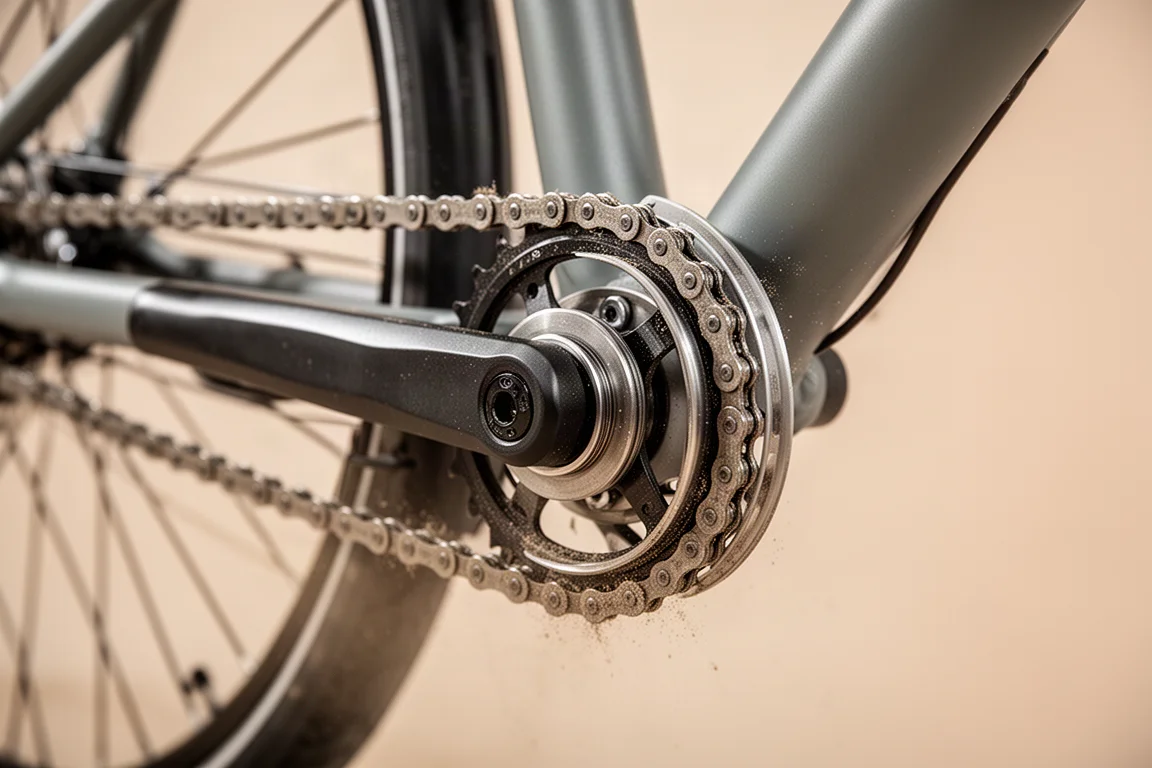
That record says a great deal about the platform. The GSD S10 behaves like a machine built to absorb neglect rather than punish it, which is exactly what a household vehicle needs to do. A bike that quietly keeps working through wet winters and loaded school runs is worth more than one that demands constant fettling.
The compact format is the second strength. A cargo bike that stores on its end and rides close to the size of an ordinary bike removes most of the reasons people talk themselves out of buying one.
What It Costs to Run Over Three Years
Depreciation is the largest line item. On a bike that cost roughly £5,000 once accessories are included, the realistic resale value after three years leaves about £500 a year in depreciation. Insurance adds around £150 a year. Charging costs about £10 a year even when the bike is always heavily loaded and ridden in its highest assistance mode. Consumables such as inner tubes and puncture repairs add roughly £5 a year.
The first professional service came to £297, which works out at approximately £100 a year across three years of ownership. Excluding depreciation, running costs land at about £265 a year once servicing is included.
A small used hatchback makes the comparison stark. Even a modest four-year-old car can cost around £2,000 a year to keep on the road once depreciation, servicing, MOT, insurance, fuel, wear and tear, and a resident parking permit are counted. Strip out depreciation and the car still comes to roughly £1,000 a year, against £265 for the cargo bike.
Things to Consider Before Buying
The purchase price is the obvious hurdle, and it is worth being honest about it. Beyond that, storage is the practical constraint: some riders will still struggle to find space, even for a compact cargo bike that can stand on its end.
Servicing is the other cost to plan for. Electric cargo bikes wear chains and brakes faster than ordinary bicycles because they are heavier, ridden more often, and used in worse weather. A grubby drivetrain turns into grinding paste and shortens chain life considerably. Checking chain wear earlier would very likely have reduced that £297 service bill.
Motors and batteries are less of a worry than many buyers expect. Quality systems from established manufacturers have an excellent reliability record, and major brands typically provide at least two-year guarantees on motors, batteries, and cabling.
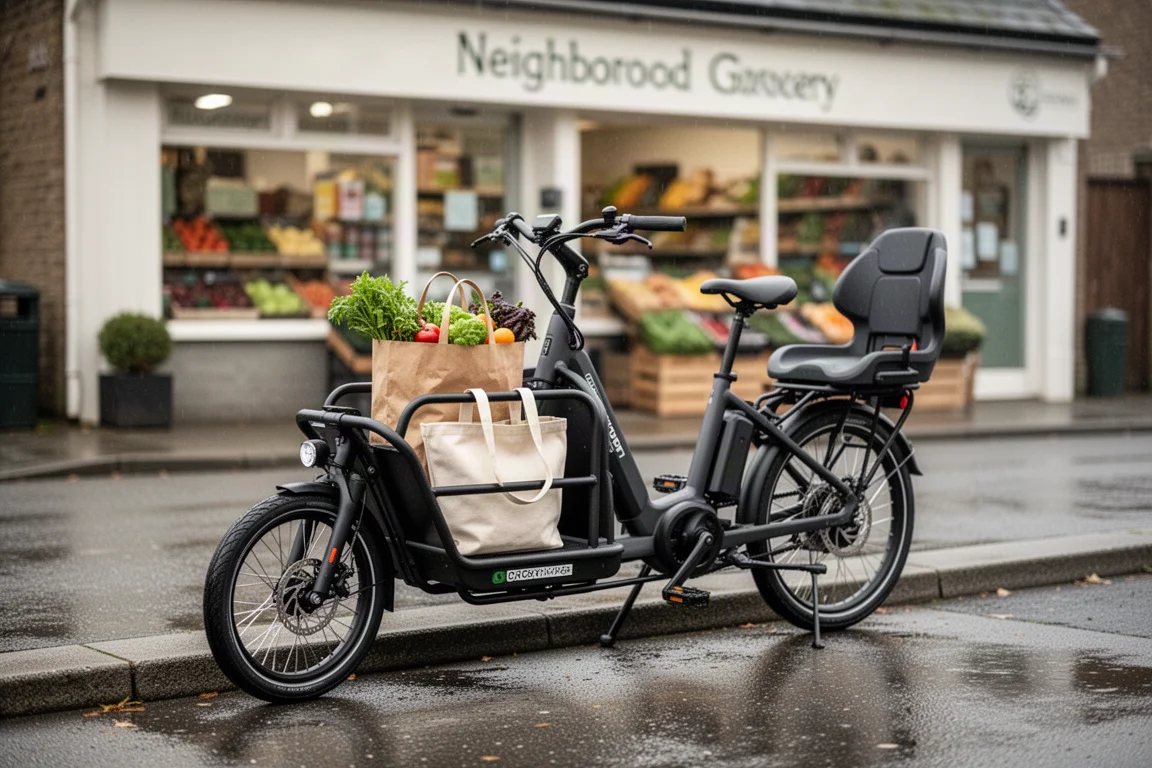
One further consideration is the riding environment. A compact cargo bike tends to make most sense in a city, though plenty of riders in rural areas find them work brilliantly too. What matters more is whether the routes you ride most often are short, repeatable trips that would otherwise be done by car.
Care and Maintenance You Can Handle Yourself
Most of the items on that service invoice are within reach of a rider with moderate mechanical skill. Chain wear checks, chain replacement, brake adjustment, and tube repairs are all routine jobs, and handling them at home keeps the annual cost down.
The lesson from three years of hard use is simple: a little preventive attention goes a long way. Regular cleaning and an occasional chain wear check are inexpensive habits that protect the most heavily loaded parts of the drivetrain.
Buying Advice
Decide first what the bike replaces. If it takes the place of a second car, the arithmetic is comfortable: roughly £265 a year against about £1,000 for even a modest car, before depreciation is counted at all. If it is an additional purchase alongside two cars that stay on the road, the financial case is much weaker.
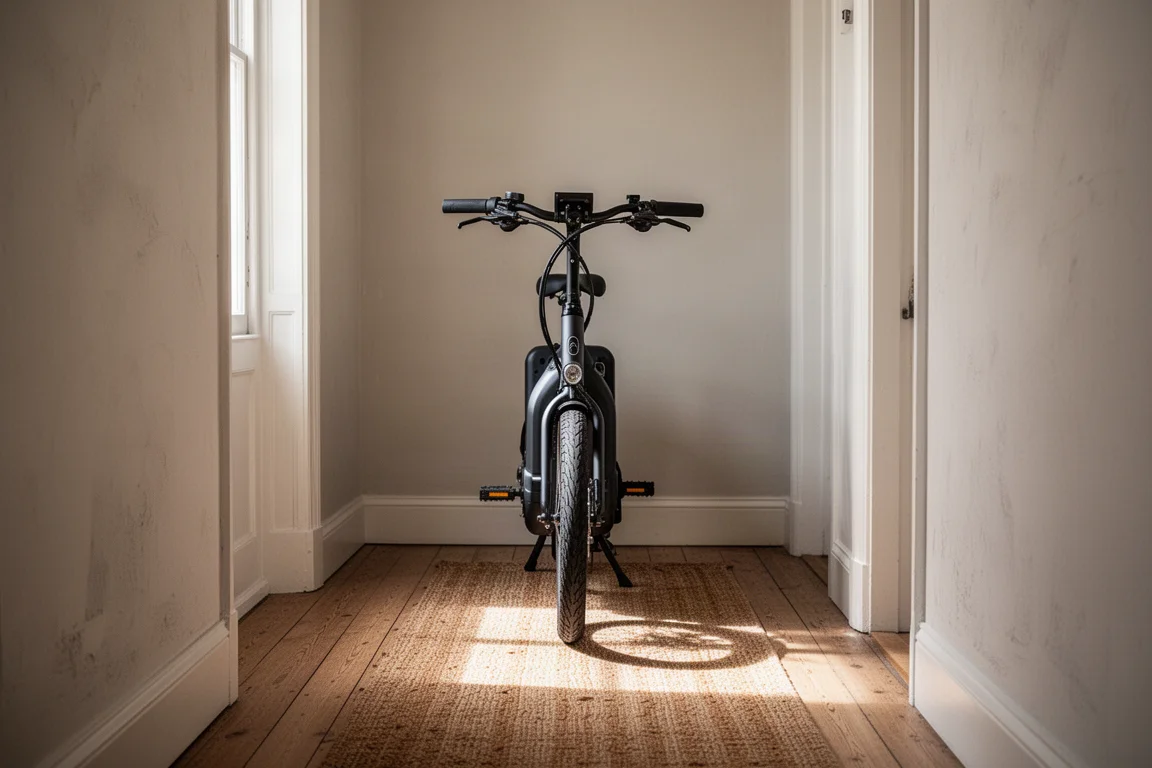
Then match the bike to the job. The GSD S10 is the entry point in the GSD range, and the accessories matter as much as the base model. A front rack, a wider footrest, and rear passenger seats turned this one into a genuine people carrier rather than a simple load hauler.
Finally, budget for servicing from the outset. Setting aside roughly £100 a year is realistic, and a modest amount of home maintenance can bring that figure down further.
Conclusion
Three years and 1,800 miles of near-total neglect have not stopped this cargo bike, and the running costs have come in at a fraction of what a second car would have demanded. The GSD S10 is not inexpensive to buy, and the first proper service served as a reminder that heavy electric bikes consume chains and brakes faster than standard bicycles.
Even so, the ownership picture is convincing. Roughly £265 a year excluding depreciation, a compact footprint that fits real homes, and the ability to carry passengers and shopping on the same trip make it a practical replacement for short car journeys. For households already making several car trips a week, the case for a compact cargo bike like this one is straightforward.
Product link
View more details for Tern GSD S10
This product is mentioned in the review. Check the specifications, options, and compatibility before buying.
View more details for Tern GSD S10Further reading
Related Reviews
Cargo E-Bikes
Tern Orox Review: A Cargo E-Bike Built to Leave the Tarmac Behind
The Tern Orox pairs a Bosch Performance CX Line motor with two 800 Wh batteries and a 210 kg payload. Here is what it does well and what to weigh up before buying.
Cycling Components
AliExpress Race Bike Build Review: What 20,000 Miles Revealed
A long-term look at a budget race bike build, covering an Elves Falath Pro frame, a Sensah Empire Pro groupset, Elite Wheels carbon rims, and Continental GP5000 tires.
Bike Accessories
Best Bike Pannier Bags: Five Practical Options for Commuting and Adventure
Five bike pannier bags tested for storage capacity, durability, and real-world usability. Find the right bag for your riding style.