Snowboards
Telos Lumerian Review: A Stiff Freeride Charger Built for Speed and Deep Snow
The Telos Lumerian pairs a setback camber profile with tip and tail rocker, delivering a damp, stable freeride ride that rewards speed and wide open powder, with a few handling trade-offs to weigh first.
Introduction
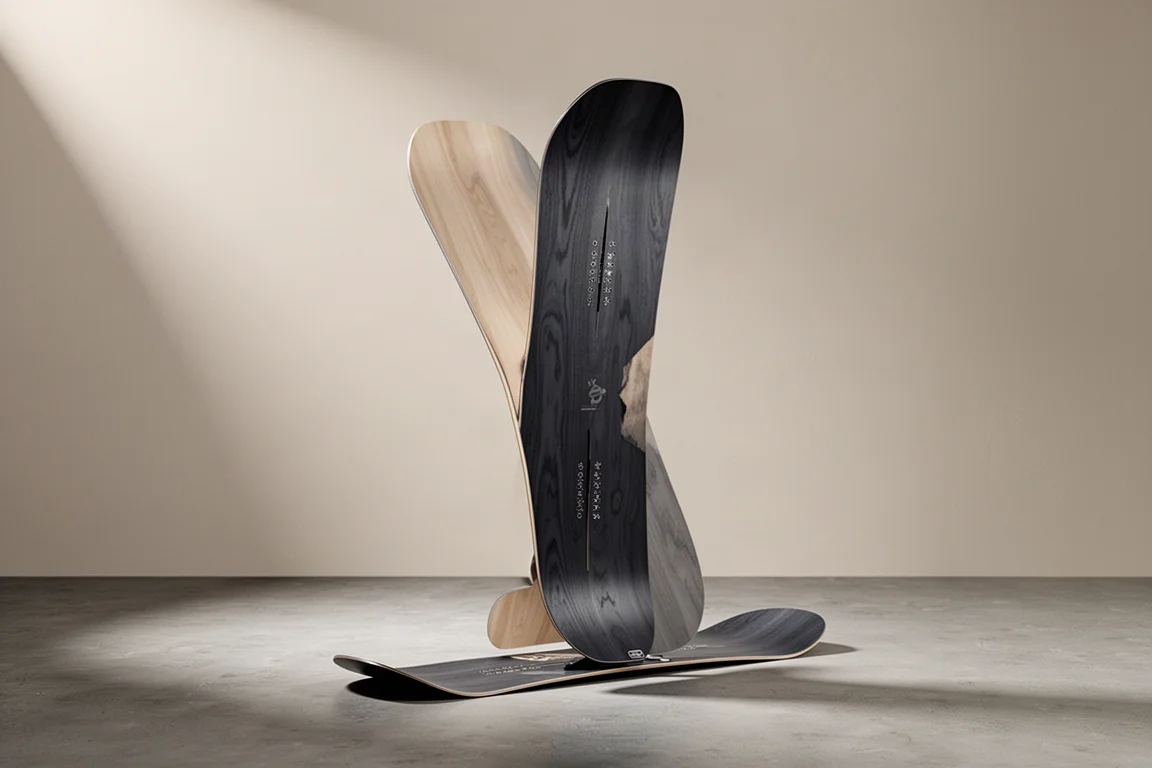
The Telos Lumerian returns this season with a full reshape, and the changes are all about how the board loads and releases energy. The headline feature is a setback camber profile with tip and tail rocker: the camber sits slightly back in the board, which leaves more rocker in the nose than in the tail. In practice that shape is meant to deliver the load, pop, snap and drive of traditional camber while keeping the easier entry and exit into turns that rocker provides, along with more optimal float in powder. The board is offered in 154, 158, 162 and 166.
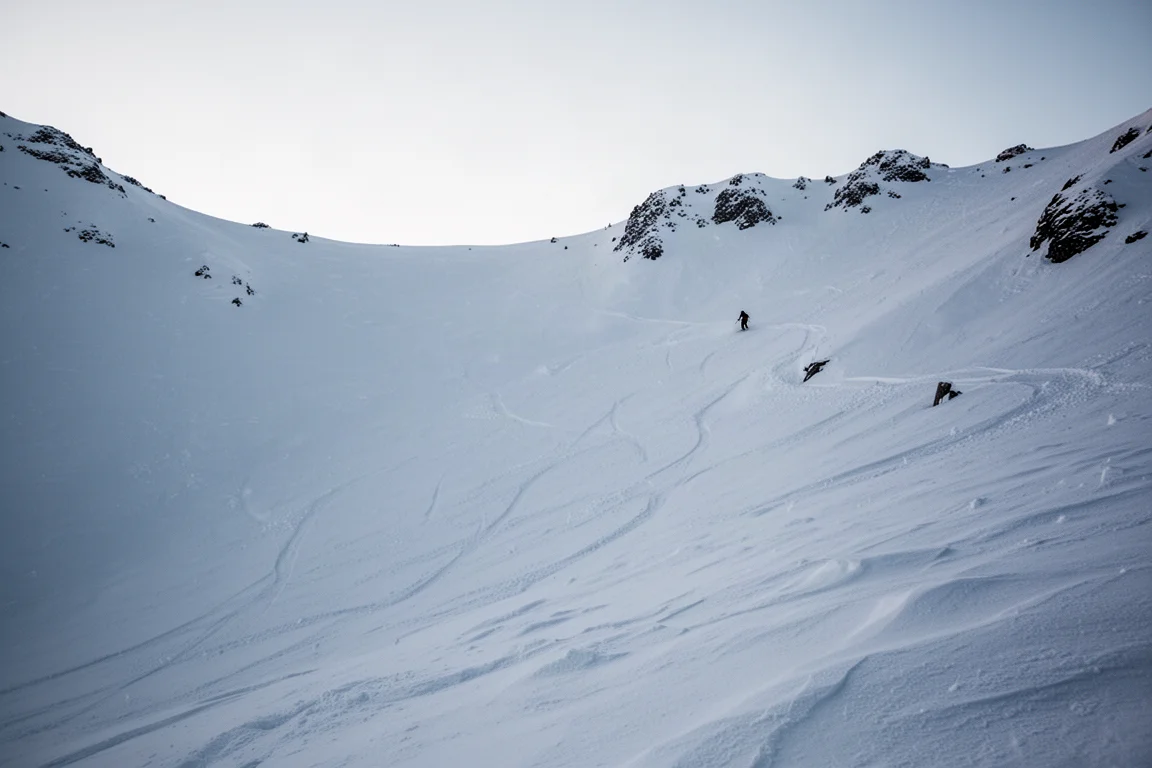
It was ridden at Copper Mountain on a grey day with wind and falling snow, over snow on top of crust and chop, fresh powder, firm fast groomers and crusty groomers, essentially a mix of end of season spring powder day conditions. The setup used Black Label bindings and K2 Thraxis boots.
Who This Board Is For
The Lumerian sits firmly in the freeride category, and that classification comes straight from its flex. It is stiff. There is a little more flex in the nose, accentuated by the rocker, and from the point where that rocker meets the camber back through the tail the board stiffens up considerably. Torsional flex is almost non-existent, so this is a very rigid ride.
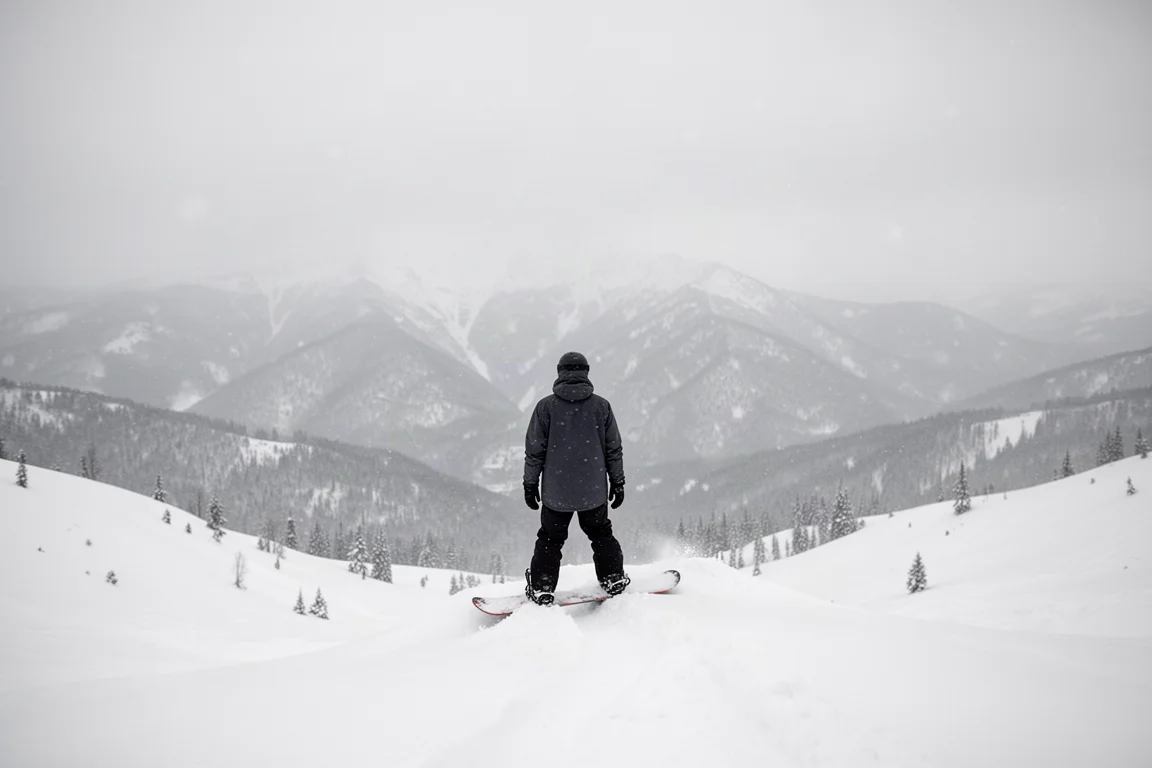
That stiffness defines the audience. This is a board for the hard charging freeride rider, the kind of snowboarder looking for a backcountry freeride charger and a pow chaser. It shines in wide open powder and works well when the terrain is steep and open enough to really manhandle it. Riders who spend most of their days on lower angle, more mellow terrain will likely find it is not what they are looking for.
Main Strengths
Stability is where this board makes its strongest case. The combination of width, camber profile and core construction produces a smooth, planted ride that holds its composure when conditions get messy.
Stability and Dampness on Rough Terrain
The Lumerian is damp yet lively. The only spot that might get a little chatter is the nose, largely because of the rocker out there, but you will not feel any of those vibrations underfoot. The board plows through chop with ease, which is a genuine advantage on a day when the snowpack is layered and inconsistent.
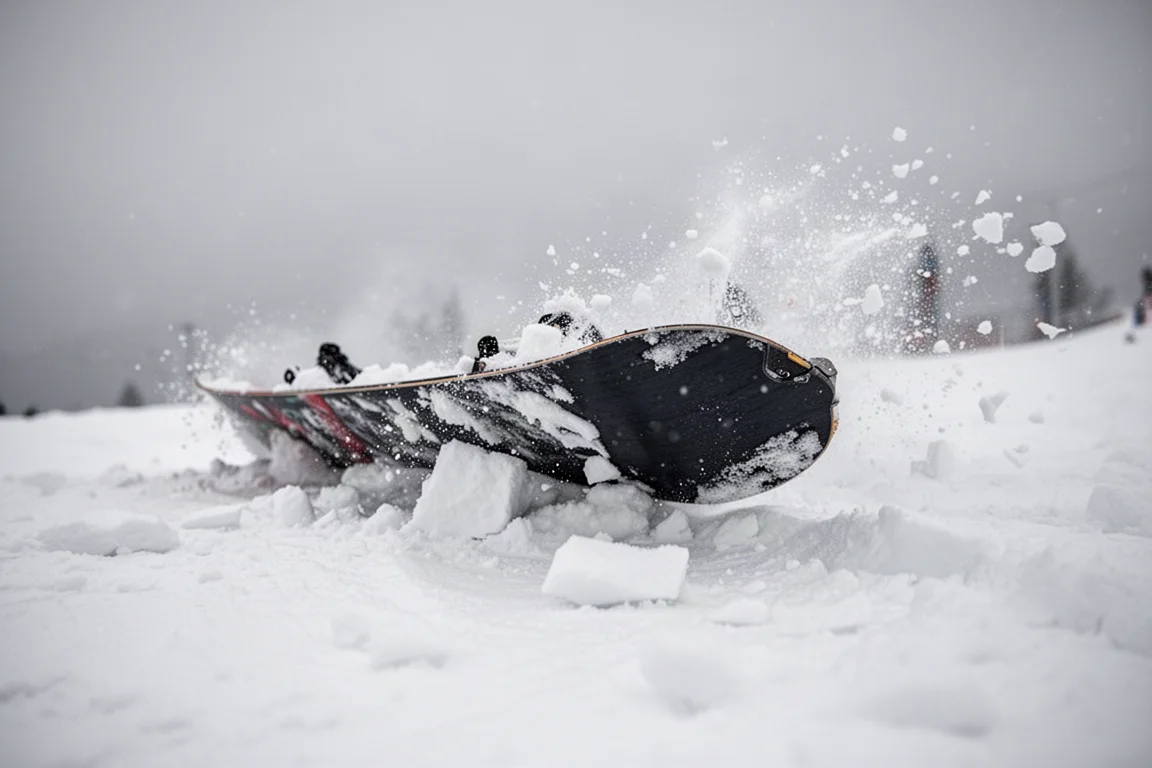
That composure is backed by the flex pattern. With torsional flex almost absent and a tail that stiffens up from the camber back, the board stays rigid and predictable when you are pushing it hard across rough ground.
Pop That Rewards Speed
The pop in this board is conditional, and understanding that condition matters. At low speed there is not a lot of snap in it. Crank the speed up, load the camber and roll back on the tail, and the board comes alive and wants to boost. It is a deck built for hauling and popping off everything in its path. Ride it slowly and you end up fighting the load of the camber without getting much pop in return.
Things to Consider Before Buying
Buttering is the first thing to accept. For a wide board with rocker in the tips, this one is genuinely hard to butter. You have to leverage your weight well outside the insert packs and really press into that rocker to get it to engage, and even then it is not the best. Spending that much energy for a modest return makes it hard to justify, even at speed.
Turn Initiation and Carving Character
There is a delay in turn initiation off the front foot, and you will notice it. Once the board has engaged, is gripping inside the front foot and has come up to speed, the whole dynamic changes and it rips, letting you carve properly.
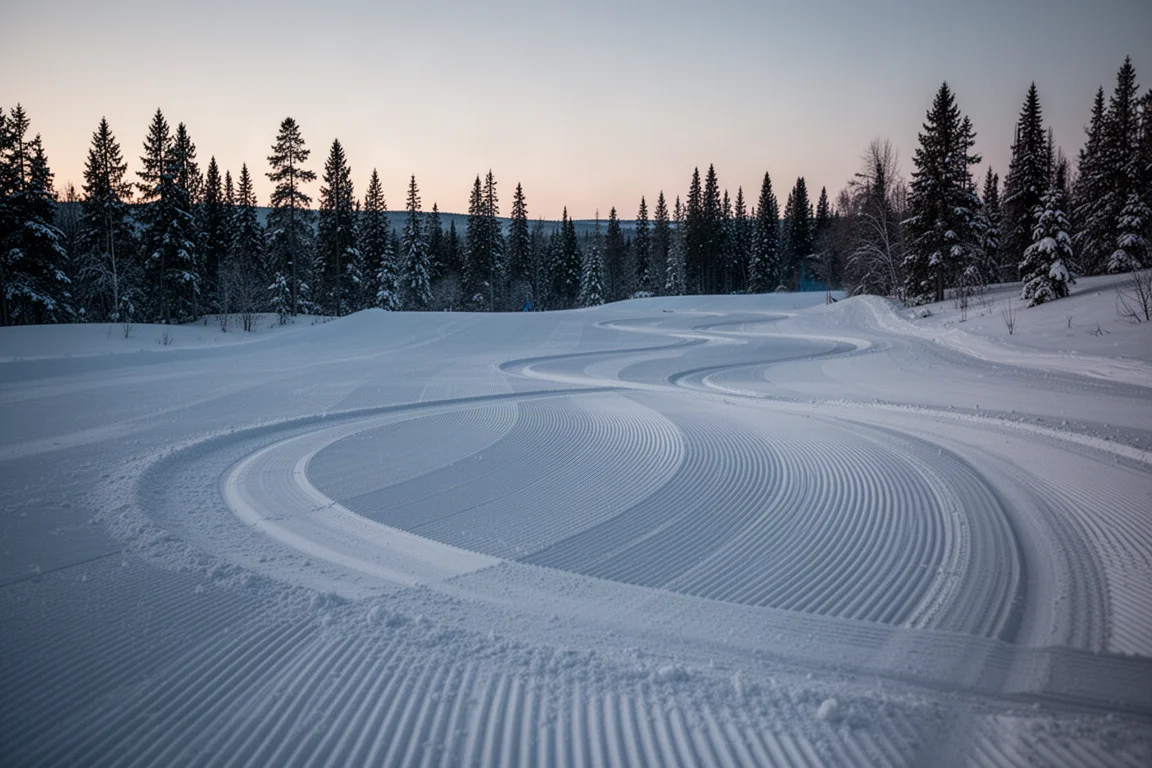
What it is not good at is deep, hard, aggressive carves. Where it stands out is medium, mellow swooping carves from one side of the run back to the other, along with short, tight, quick carves. There is power from the centre of the board back through the tail, but the sidecut does not let you engage it as aggressively as some other boards out there.
Maneuverability in Tight Trees
In tight trees the only real advantage is that the board will plow through any chop you encounter. Otherwise it is a bear to manhandle, and you end up working twice as hard to get it to maneuver. If your typical day involves steep, wide open terrain and powder, that trade-off is easy to accept. If it involves tighter lines, it is worth thinking about carefully.
Buying Advice
The Lumerian comes in 154, 158, 162 and 166, so there is a size range to work with. The decision really comes down to the terrain you ride most. If you are chasing wide open powder and steep, open lines, this board is aimed squarely at you. If your days are spent on mellow, lower angle trails, it is probably not the right fit.
If you are cross shopping, the Capita Black Snowboard of Death, the Ride Berserker and the Amplid Pentaquark occupy similar ground. For bindings, the Rome Cleaver, the Ride A10 and the Union Atlas Pro are pairings that suit the stiff, aggressive character of this deck.
Conclusion
The Telos Lumerian is a specialist, and it is honest about that. The setback camber and tip and tail rocker give it float, the stiff flex and near-absent torsional twist give it stability, and the pop arrives the moment you commit to speed. Buy it as a freeride and powder charger for wide open terrain and it makes a strong case for itself. Buy it expecting an easygoing all mountain companion, and the delayed turn initiation, the difficult buttering and the effort required in tight trees will be the things you remember.
Product link
View more details for Telos Lumerian
This product is mentioned in the review. Check the specifications, options, and compatibility before buying.
View more details for Telos LumerianFurther reading
Related Reviews

Snowboards
32 Middle Earth Scott Stevens Pro Model Snowboard Review: A Park Board With a Reversed Flex
A medium traditional camber park board with carbon V reinforcement that is stiffer in the tips and more playful between the feet. Here is how it rides and who it suits.

Snowboards
32 Snafu Review: A Directional All-Mountain Freestyle Board with Serious Pop
The 32 Snafu pairs a directional camber-rocker profile with a stiffening tail for powerful carves, big ollies, and a surprisingly damp ride.

Snowboards
32 XXX Pat Fava Pro Snowboard Review: A Stiff Camber Beast for Hard-Charging Riders
A full-width traditional camber deck that rewards aggression with stability and edge power, but demands effort everywhere else.