Snowboards
Telos DST Carbon Ultralight Review: A Stiff, Smooth All-Mountain Freeride Snowboard
A closer look at the Telos DST Carbon Ultralight, its hybrid pow camber profile, how it handles chop and carving, and who should buy it.
Introduction
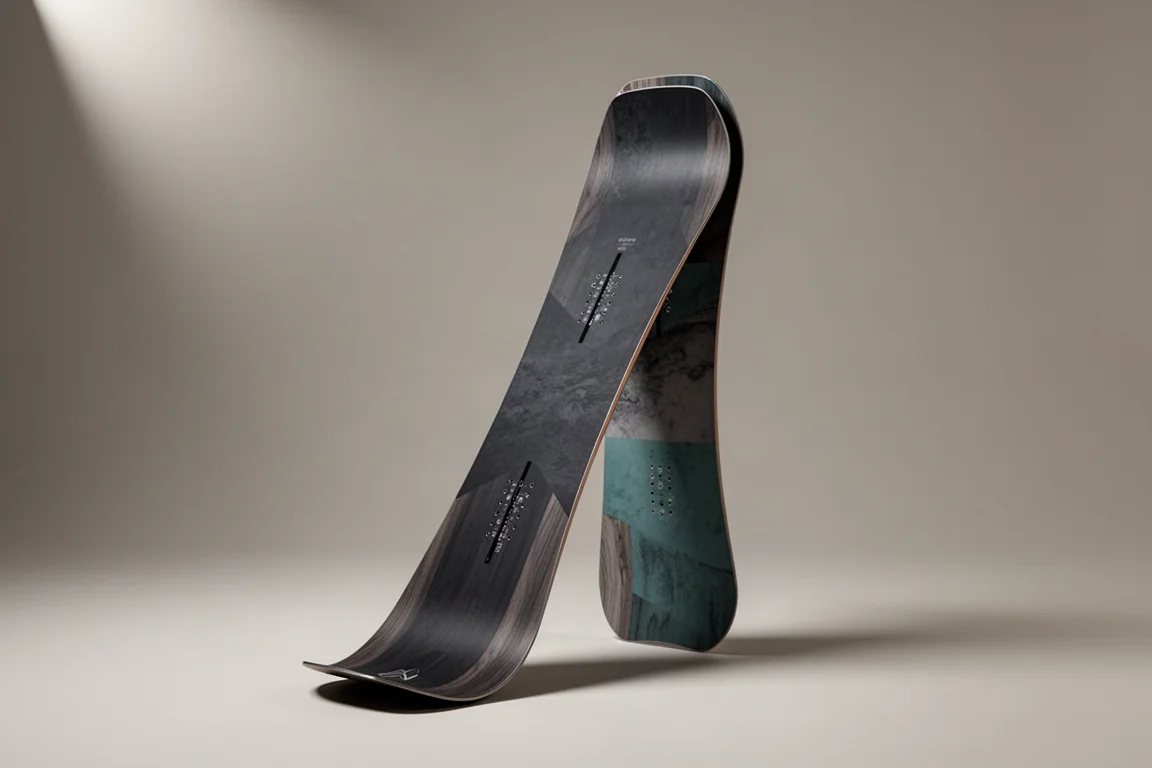
The Telos DST Carbon Ultralight is the carbon-built version of the DST snowboard, and it sits at the stiffer, more powerful end of the all-mountain freeride range. It comes in four lengths: 150, 154, 158, and 162.
The profile is a hybrid pow camber design: a mild camber section through the inserts paired with an elongated rocker in the nose and the tail. The rocker zones make turns easy to enter and exit and give the board its float in powder, while the camber between your feet preserves the snap that a fully rockered shape gives up. The result is a stiff board that still feels consistent and smooth rather than punishing.
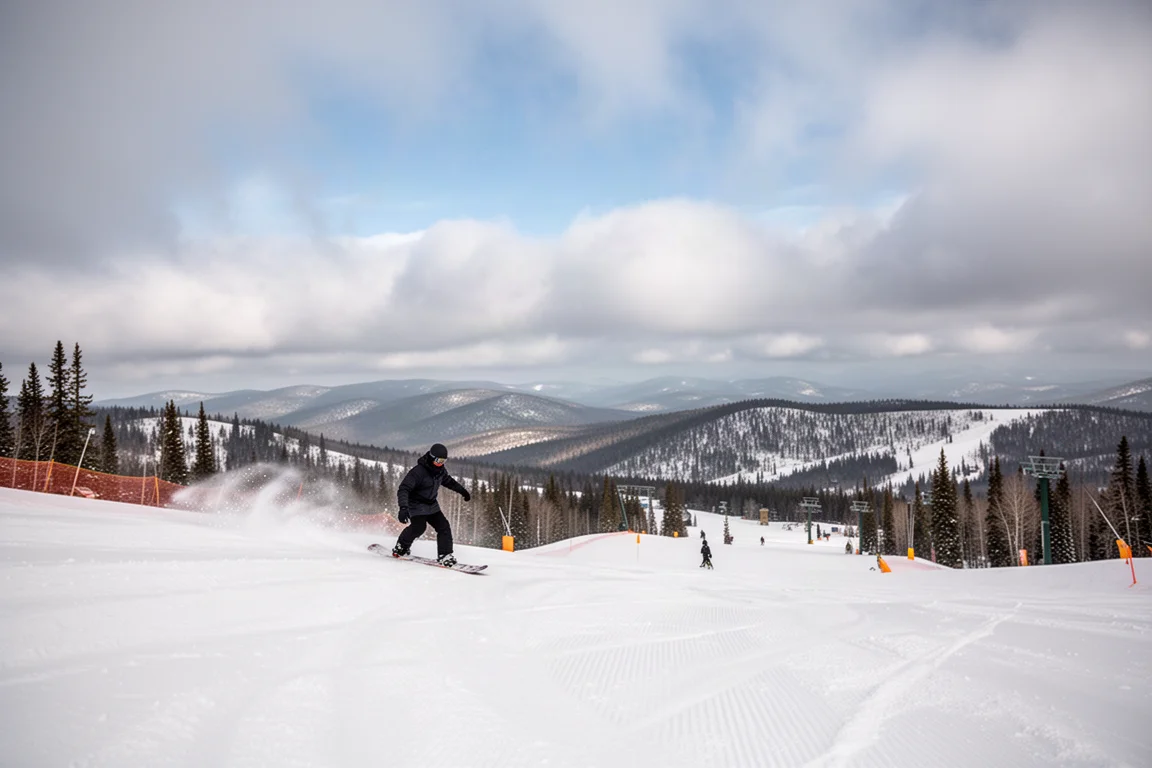
Ride it on groomed corduroy with a light dusting on top, or in pockets of deeper powder, and it holds the same predictable character. That consistency is the thread running through everything else this board does well.
Who This Board Is For
This is a board for hard-charging freeride riders. Where the standard DST leans toward all-mountain freestyle, the carbon version clearly occupies the all-mountain freeride side of that spectrum. It is stiffer, it engages more, it carries more power, and it is more reactive.
It also suits riders who specifically want to cut weight without giving up response. The carbon construction and the reduced overall weight are central to what this board is, and the extra reactivity that comes with them is the payoff.
Main Strengths
Charging Through Chop and Chunder
Rough snow is where this board makes its case most clearly. It plows through chop, chunder, and heavy snow without the tip flapping or being pushed back. Whatever disturbance the nose encounters has dissipated by the time it reaches the front foot, so the ride stays settled even when the surface is not.
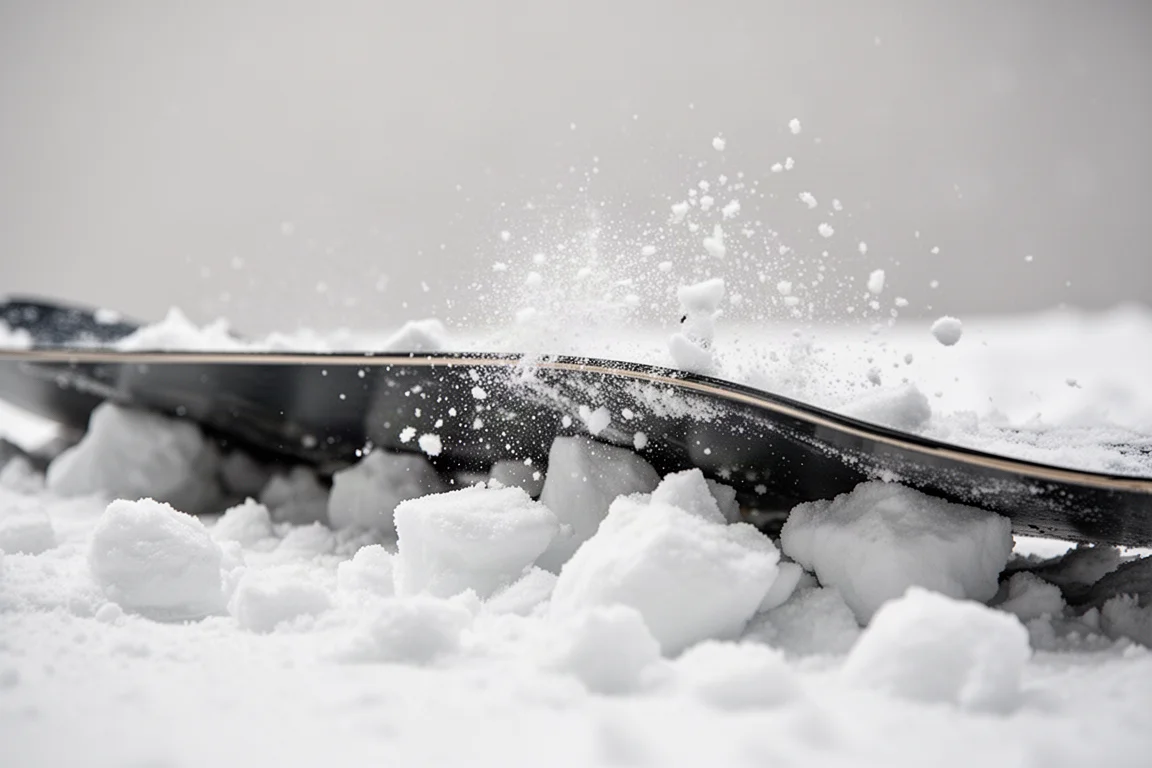
The board wants to charge through whatever is in front of it and deliver the smooth, consistent ride it is known for.
Pop, Snap, and Playful Buttering
The camber section is mellow and easy to engage, and its main job is to accentuate the rocker zones, which gives the board a skate-like pop. Load it up and it springs and snaps. It boosts with minimal effort, it is highly reactive, and it rebounds quickly.
Buttering is possible, and the shape and camber profile do lend themselves to it, but it is not free. Getting your weight out over the nose or the tail takes real effort, and the board will fight you the whole time. The longer rocker zones help you get sideways and spin around, but the camber zone, the core, and the overall profile resist while your weight is out there. Put the work in and the reward is worth it.
Carving Performance
Carving is the standout. It is quick and nimble, with a smooth, consistent edge-to-edge transition. Compared with the regular DST, the carbon version changes where you drive the board through a turn, shifting the pressure to the inside of the front foot and the outside of the back foot. That makes the steering feel a little more reactive.
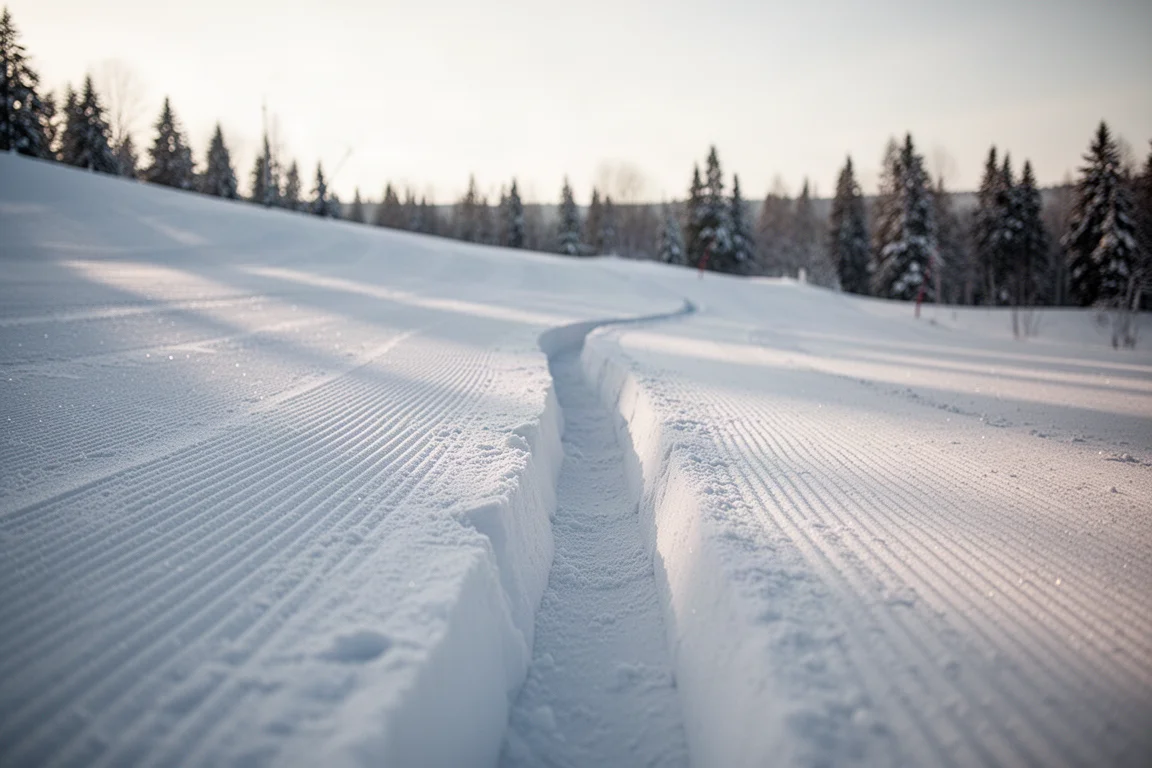
Short tight quick turns, medium mellow carves, long hard carves, deep euro curves: it handles all of them. It is equally happy to just cruise, and it does not demand that you stay on top of it at all times.
Things to Consider Before Buying
The stiffness is the first thing to weigh. This is a demanding board on the playful side of riding, and buttering in particular takes muscle rather than finesse.
Price is the second. At around $1,000, this is a serious investment, and it is not a board you would reasonably take into the park.
Third, the construction itself requires some care. The carbon build is light, and the topsheet can be dented if bindings are overtightened, which is why the board ships with a gasket to sit under your bindings. Use it.
Buying Advice
If you are shopping this board, the closest alternatives to compare it against are the Jones Aviator 2.0, the Ride Berserker, and the Nitro Pantera. For bindings, pairings that suit this level of board include the Rome Cleaver, the Ride A10, and the Now Drives.
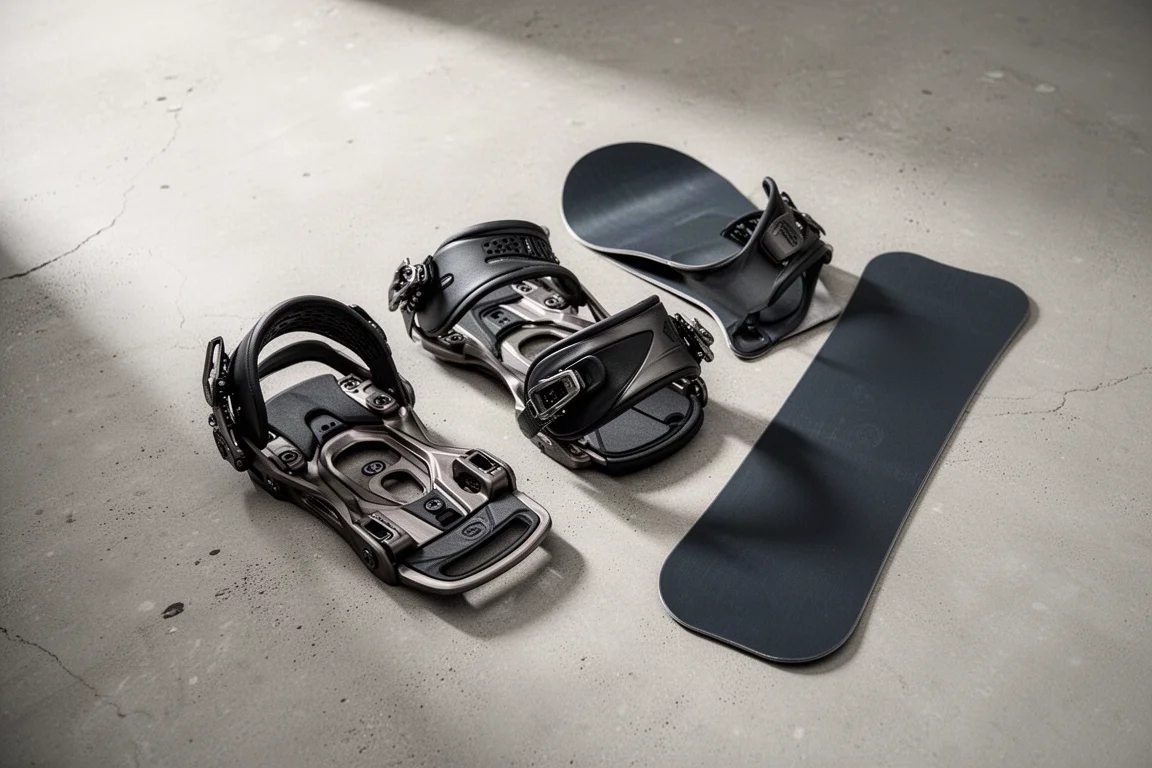
Buy the Telos DST Carbon Ultralight if you want a light, responsive freeride board that stays composed in rough snow and rewards a rider willing to work for the playful side of it. Look elsewhere if you want something soft, forgiving, or park-focused.
Conclusion
The Telos DST Carbon Ultralight is a stiff, smooth, predictable all-mountain freeride board. Its hybrid pow camber profile blends easy turn entry and powder float from the rocker with the snap of camber underfoot, and the carbon construction makes it lighter and more responsive than the standard DST. It charges through chop, it pops with minimal effort, and it carves exceptionally well. The trade-offs are stiffness, price, and a buttering feel that requires real input. For the right rider, that is a fair exchange.
Product link
View more details for Telos DST Carbon Ultralight
This product is mentioned in the review. Check the specifications, options, and compatibility before buying.
View more details for Telos DST Carbon UltralightFurther reading
Related Reviews

Snowboards
32 Middle Earth Scott Stevens Pro Model Snowboard Review: A Park Board With a Reversed Flex
A medium traditional camber park board with carbon V reinforcement that is stiffer in the tips and more playful between the feet. Here is how it rides and who it suits.

Snowboards
32 Snafu Review: A Directional All-Mountain Freestyle Board with Serious Pop
The 32 Snafu pairs a directional camber-rocker profile with a stiffening tail for powerful carves, big ollies, and a surprisingly damp ride.

Snowboards
32 XXX Pat Fava Pro Snowboard Review: A Stiff Camber Beast for Hard-Charging Riders
A full-width traditional camber deck that rewards aggression with stability and edge power, but demands effort everywhere else.