Snowboards
Telos Chillum Review: A Playful Park Snowboard With Real Snap
A close look at the Telos Chillum, a park snowboard with a steeper camber profile, softer tips, and a playful flex that rewards a subtle, nuanced touch.
Introduction
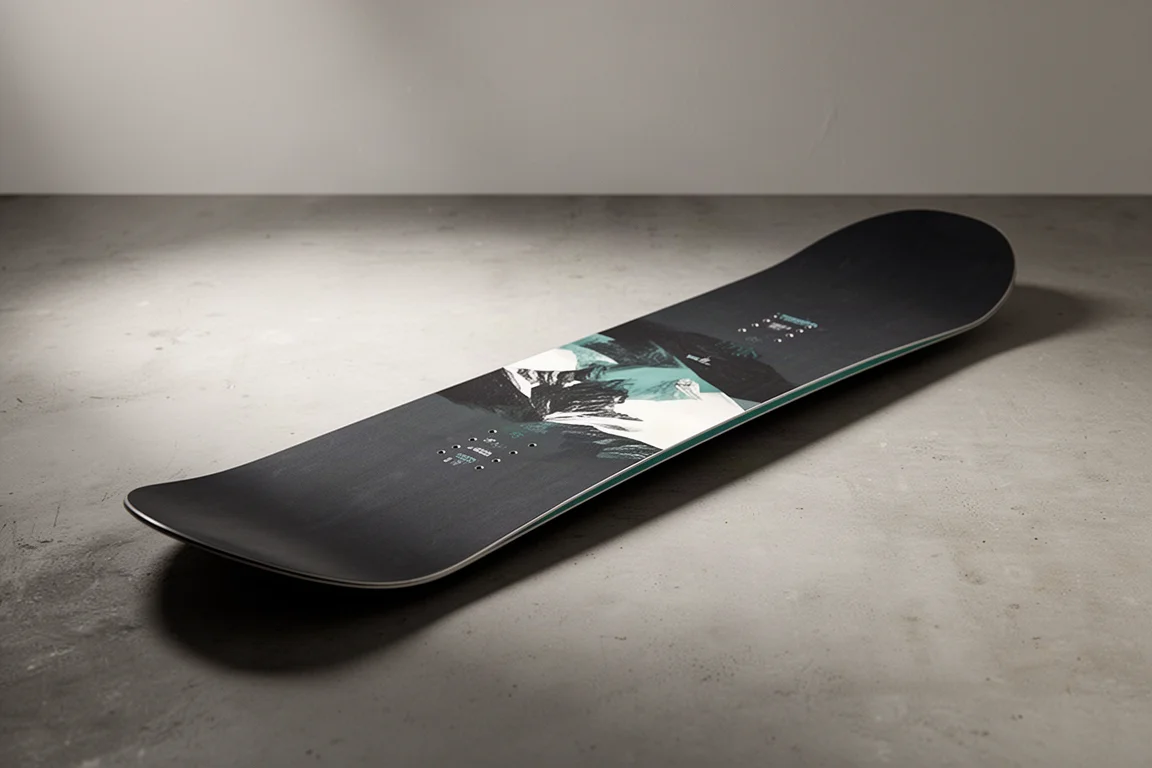
The Telos Chillum is a park snowboard built around a steeper camber section underfoot, a slightly mellow dip through the middle, and a more mellow shape out toward the tip and tail. The idea is straightforward: keep the load, pop, and drive of traditional camber while making the board a little less hooky at the extremities. It is offered in 146, 149, 152, 155, and 158 centimetres.
That combination puts the Chillum in a specific lane. It is a playful freestyle deck that snaps hard when you load it, yet stays forgiving enough that you do not need to be perfectly precise to get it to respond.
Who the Telos Chillum Is For
This board is aimed at the park rider who wants a slightly softer flexing snowboard that still has snap. It suits riders whose days revolve around lapping the park, loading up for side hits and cat track gaps, launching rollers, and playing with butters and presses. The profile engages easily and almost feels skate-like, so it does not demand that you be on top of your game every time you want it to pop.
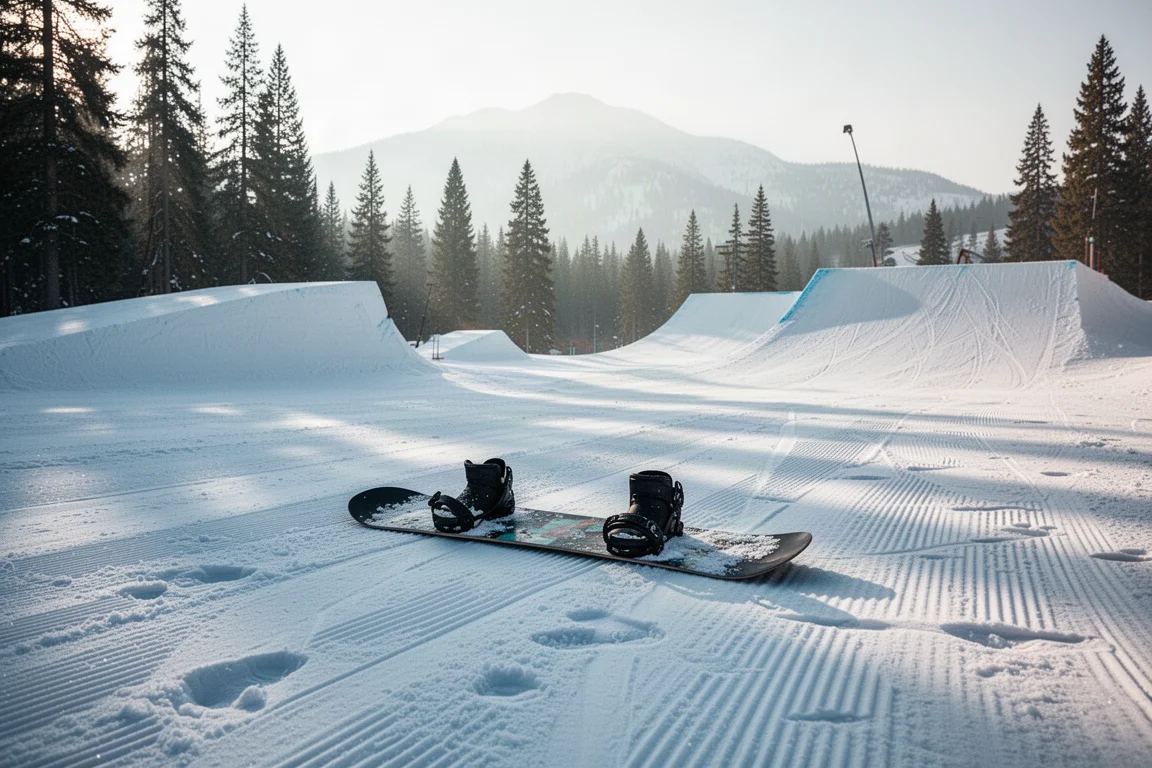
It is a less obvious fit for riders who want to rail turns at speed or land large airs at full commit. The softer tip and tail define the character of the board, and they set the ceiling on how hard it can be pushed. Anyone shopping in that direction should weigh the limits carefully before choosing a size.
Camber Profile and Pop
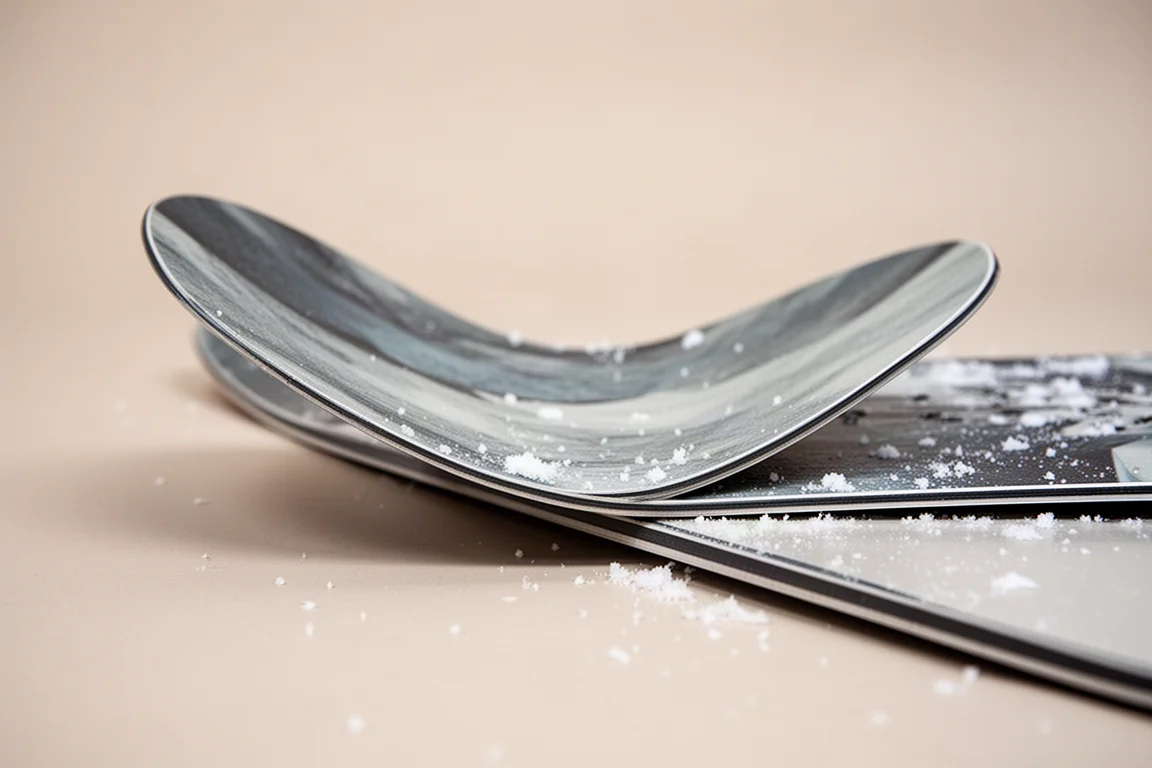
The profile is what Telos describes as park camber: a steeper camber section underfoot, a slightly mellow dip in the middle, and a more mellow shape at the tip and tail. In use, it behaves like a refined version of classic camber. The dominant camber section engages right away and wants to pop out from underfoot, and that is where the board’s snap and drive come from.
Loading it up is refreshingly simple. Ride along at speed, compress the board, and it rebounds with solid snap, whether you are popping off a side hit, clearing a cat track gap, or boosting a roller. The engagement is mellow enough that you can load it up casually rather than needing a precise, perfectly timed input.
Flex, Stability, and Terrain Feedback
Overall flex sits just below a middle-of-the-road park flex. The tip starts soft, stiffens up just outside the insert pack through to the middle, then softens again right at the dead centre of the board, where there is also a lot of torsional flex. The result is a board that feels stable underfoot while staying loose out at the tip and tail.
That trade-off becomes visible in rough conditions. On firm, fast corduroy with pockets of heavy powder off the run, the board held its stable character and transitioned cleanly. In really rutted-out terrain, however, chatter and flap from the extremities can resonate back through the board, so keep those knees bent. Coming down hard into a divot is something you will feel, though the board does not want to wash out.
Park Performance: Jumps, Butters, and Jibs
Jumping is where the softer tips impose their limits. The smaller stuff is not a problem at all: the board launches off the lip, pops where you need it, and feels fully at home boosting off natural features. It simply wants to get in the air. On bigger jumps, landings that are not fully bolted will likely result in a wheelie out, and anything around 30 to 35 feet or larger may cause issues.
Buttering asks for a more subtle, nuanced approach. Keep your weight just outside the insert pack and slowly leverage the nose or tail out. Push weight far out and the board will fold, which comes down to the camber profile and the flex pattern. Done with a little patience, it locks in and holds, and you still get pop from underfoot to exit the trick. Jibbing follows the same principle: keep weight just outside the front or back insert pack, and it holds all the way to the end of the feature.
When the board goes sideways, it locks in fully, hugs the feature, and slides with ease. You do not have to think much about it, because it will not clap out unexpectedly in normal use. It is soft and playful inside the insert packs, so a very aggressive, hard landing can clap it out, but for most riders that is unlikely to become an issue.
Edge-to-Edge Handling and Carving
The Chillum transitions smoothly from edge to edge. It is quick and nimble, but it steers more underfoot than from the extremities, which works well because a little ankle movement is enough to drive it in the direction you want. Short, quick setup turns made right before a feature and mellow, laid-back carves are its natural territory.
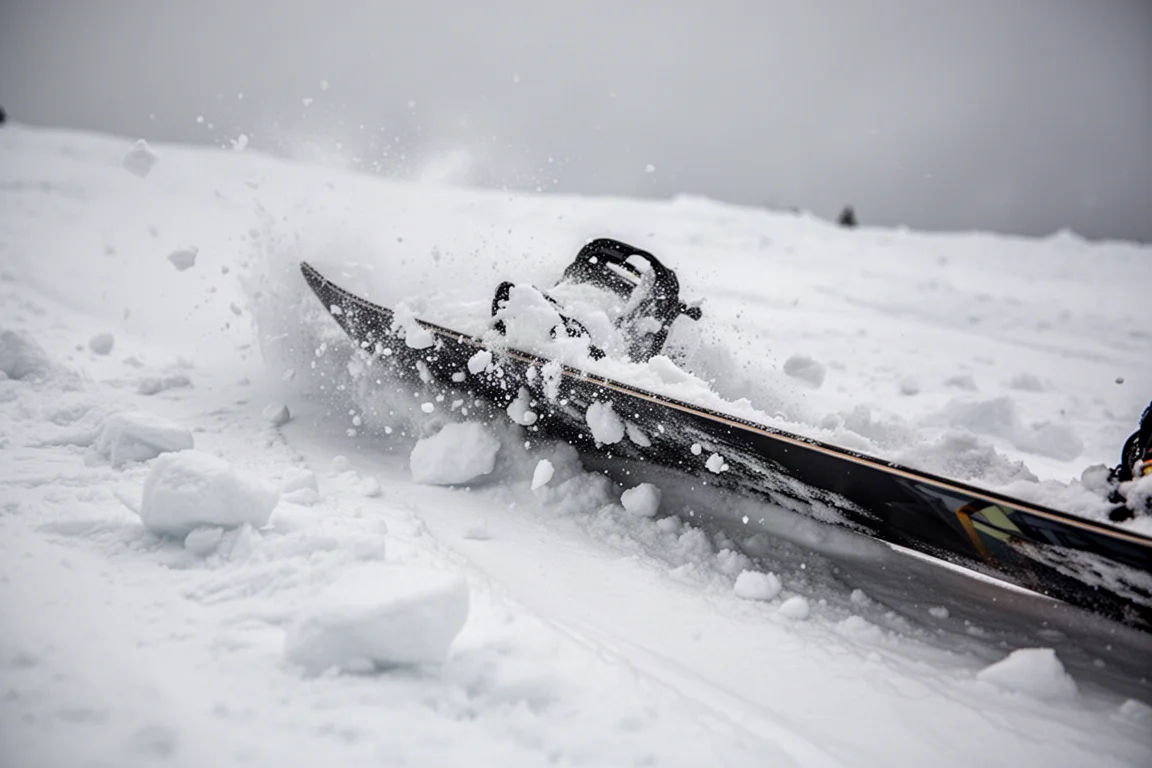
Push harder and the limitations appear. Driving it off the back foot through a turn causes a noticeable loss of power out of the tail, and the board may kick out. Staying centred, flexing through the middle of the board, and steering from inside the front or back foot keeps everything composed. The sidecut is dialled, and the flex pattern is predictable enough to figure out within a few laps.
Things to Consider Before Buying
- The softer tips are the headline limitation. Hard landings and aggressive turns can overwhelm the board, and it will fold if weight is placed too far out on the nose or tail.
- Rutted terrain transmits chatter through the board, so an active, bent-knee riding style pays off.
- Sizing deserves real thought. Riders who normally ride a mid-range park length may find a longer option gives them more margin, especially if they land hard or spend time on bigger jumps.
- This is a park board with park limits rather than an all-mountain freestyle deck. Expect it to be soft and playful, not a do-everything weapon.
Buying Advice
The Chillum makes the most sense for riders who already know they want a playful park board and who enjoy a finesse-driven approach. Its camber profile delivers genuine snap without demanding precision, and its predictability means most riders will feel at home within a few laps. Comparable boards worth cross-shopping include the Nitro T1, the Capita Indoor Survival, and the Bataleon Evil Twin. On the binding side, the Nitro Team, Union Contact Pro, and Rome Vice are natural pairings, and a setup along the lines of Rome Black Label bindings with a freestyle boot proved a workable match on snow.
If your riding leans toward hard-charging turns, large jump lines, and landing everything at full commit, look for something stiffer through the tips, or consider sizing up for extra stability. If your days are built around park laps, side hits, and playful presses, the Chillum’s blend of camber drive and soft-tip forgiveness is precisely the point.
Conclusion
The Telos Chillum is a predictable, playful park snowboard with a camber profile that engages easily and snaps well, wrapped in a flex that stays stable underfoot while remaining loose and forgiving at the tip and tail. Riders who respect its limits and ride with a little nuance will get a lot out of it. Those chasing maximum aggression should look at a stiffer option or step up a size.
Product link
View more details for Telos Chillum
This product is mentioned in the review. Check the specifications, options, and compatibility before buying.
View more details for Telos ChillumFurther reading
Related Reviews

Snowboards
32 Middle Earth Scott Stevens Pro Model Snowboard Review: A Park Board With a Reversed Flex
A medium traditional camber park board with carbon V reinforcement that is stiffer in the tips and more playful between the feet. Here is how it rides and who it suits.

Snowboards
32 Snafu Review: A Directional All-Mountain Freestyle Board with Serious Pop
The 32 Snafu pairs a directional camber-rocker profile with a stiffening tail for powerful carves, big ollies, and a surprisingly damp ride.

Snowboards
32 XXX Pat Fava Pro Snowboard Review: A Stiff Camber Beast for Hard-Charging Riders
A full-width traditional camber deck that rewards aggression with stability and edge power, but demands effort everywhere else.