Snowboards
Telos Attic Review: A Playful Entry-Level Park Snowboard
A close look at the Telos Attic, an entry-level park snowboard with hybrid camber, soft predictable flex, and clear limits on jumps and rough terrain.
Introduction
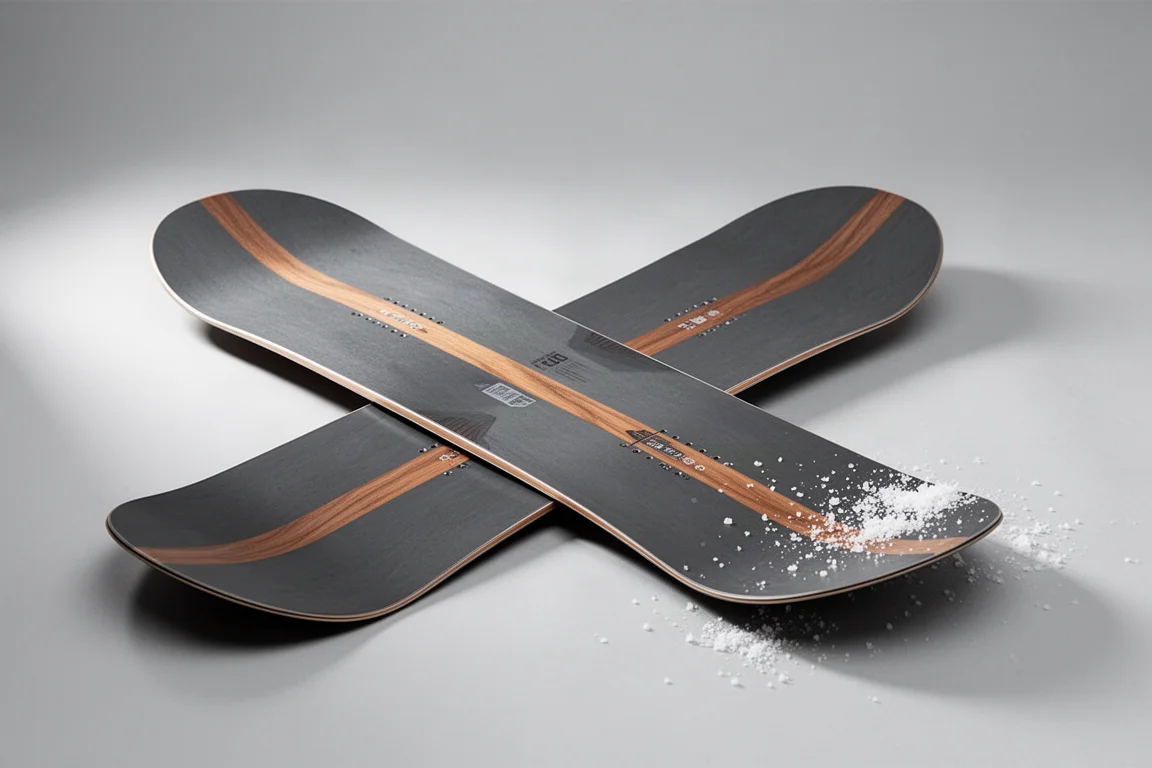
The Telos Attic is an entry-level park snowboard that replaces the Telos Blunt in the brand’s line. Its defining feature is Telos’s hybrid camber: a mellow reverse camber underfoot, camber zones under each foot, and rocker in the tip and tail. That combination keeps a measure of pop in each camber zone while leaving the board loose overall.
The Attic comes in 140, 143, 146, 149 narrow, 149, 152, 155, 158, 161, and 164. Testing at Copper Mountain ran through an overcast day with cooler temperatures, gusty winds, and periods of falling snow that made visibility vary. Snow conditions ranged from firm, fast corduroy to icy and chundery corduroy. The board was paired with Rome Black Label bindings and K2 Thraxis boots.
Who the Telos Attic Is For
The Attic is aimed at the more jib-focused park rider who spends time on smaller features or laps a rope tow, and who wants a smooth, consistent flexing board that butters easily. The flex is the clearest expression of that intent: softer in the tips, slightly stiffer through the inserts, softer again between the feet, with a lot of torsional flex. Overall, it lands above a jib noodle but below a middle-of-the-road park flex.
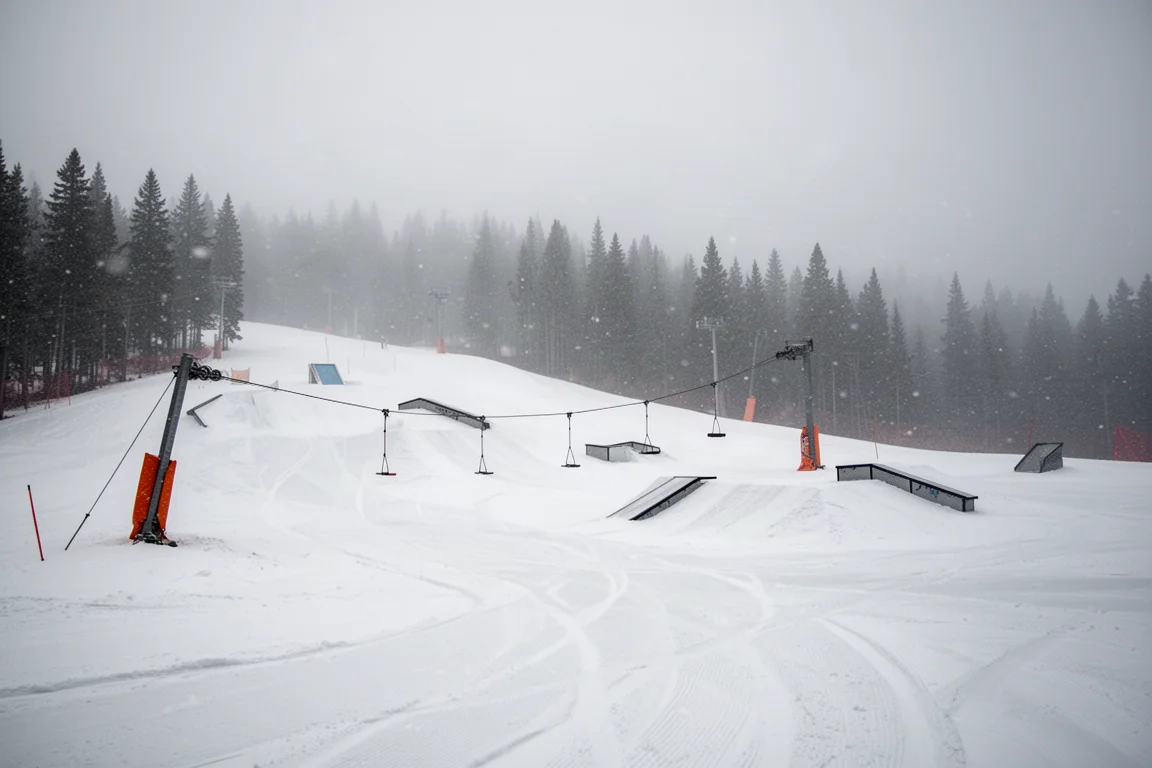
That flex profile is highly predictable, and predictability is the main reason to choose this board. It does not fight input, it does not demand much force to load, and it stays consistent whether the rider is pressing, sliding a feature, or rolling into a small jump.
Main Strengths
The strongest argument for the Attic is how well its flex, camber layout, and intended terrain line up. Independent camber zones let the nose and tail behave almost like separate working areas, so weight shifted outside the bindings engages a press with little effort while still returning a slight camber snap.
Flex and Feel
This is a lively board rather than a damp one. At high speed the tips develop chatter that resonates back underfoot, and in rutted out terrain everything comes through the deck. The construction is not built to absorb that, and the trade-off is a board that feels connected and playful rather than planted. The softer tips will also buckle if they are overloaded heavily.

Pop is present, though it is not the snappiest on the market. The softer tips give way under a heavy load, so the reward comes from loading late and releasing quickly. Engagement is easy, the board does not resist input, and the sensation is closer to a skate feel than to a stiff park deck.
Buttering and Jibbing
The independent camber zones make the Attic an easy board to press. Weight shifted into the nose or tail flexes that zone without much effort, and the press holds rather than washing out, with a slight camber snap retained at the exit. Jibbing follows the same pattern: the board locks onto presses, cradles around features when it is sideways, and slides through without demanding precise input.
Jumps and Park Riding
Small to medium jumps are the natural home for this board. It pops off the lip well enough to get into the air and completes the job, but it is not designed for anything bigger, and there is little reason to take it there. Riders who mostly lap small park features will find the Attic predictable off the lip and forgiving on landing.
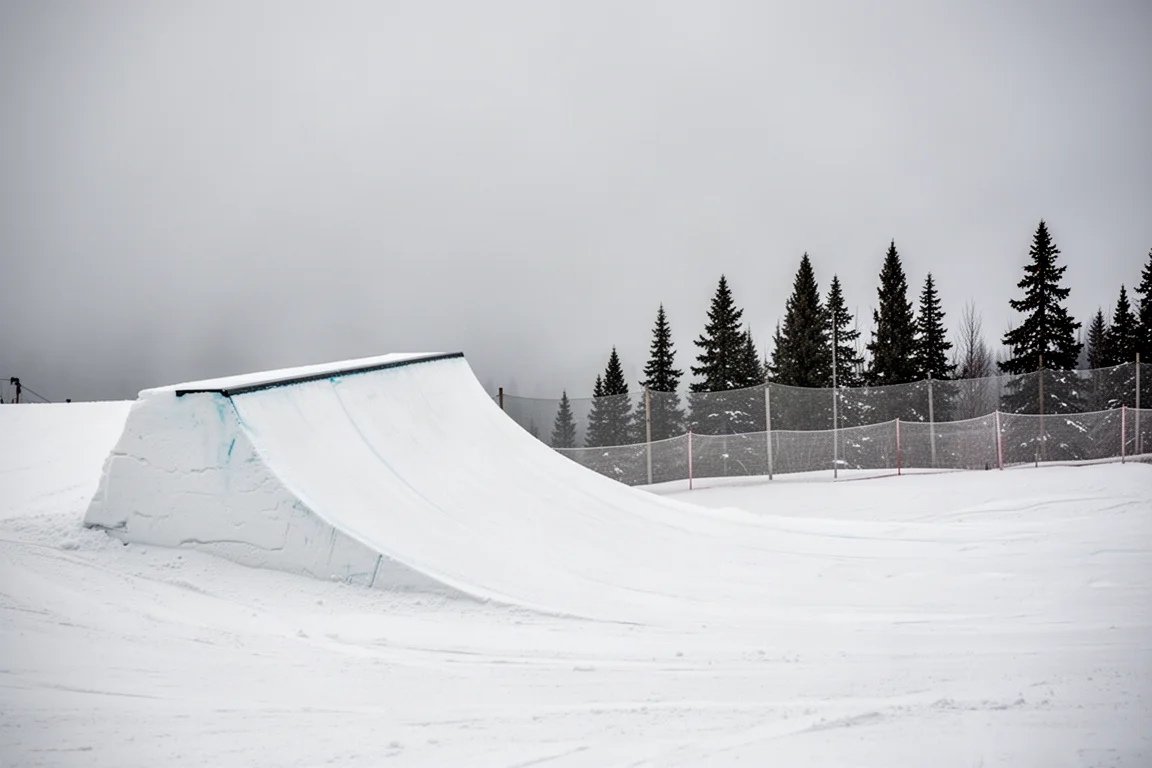
Because the Attic is a soft board, it is also forgiving when a trick does not go as planned. That softness is what makes it approachable on low-stakes features, and it is the same softness that caps how much speed and size it can handle.
Carving and Edge-to-Edge
Edge-to-edge transmission is fluid and smooth, but it is not quick or nimble, and it feels slightly delayed. Mellow and medium carves are where the board performs best. It can be reeled into a harder carve when the rider commits, and it can be steered directly underfoot thanks to the independent camber zones. Short, tight turns for setting up on a feature or carving around traffic in the park are manageable without drama.
Things to Consider Before Buying
The Attic is not a damp board and does not pretend to be one. Chatter in the tips at speed travels back underfoot, and rutted, chundery snow transmits straight through. Riders who want a quiet, composed ride at speed should look at a stiffer park or all-mountain deck instead. The soft tips can also buckle under heavy load, which limits aggressive presses and high-impact landings. And while the board handles small and medium jumps well, it is not built for large jumps or high-speed freestyle.
Buying Advice
The Attic makes the most sense for riders whose park time centers on jibs, presses, and smaller features, or who want a loose, playful board for rope tow laps. Bindings that match its soft, press-friendly character include the Rome Vice and the Union Contact Pro. Riders comparing options in this category can also look at the DC Ply, the Rome Gangplank, and the Nitro Cinema, which sit in the same general space. Sizing should follow terrain and rider weight rather than a preference for length alone, and the wide size range from 140 up to 164 leaves plenty of room to find a match.
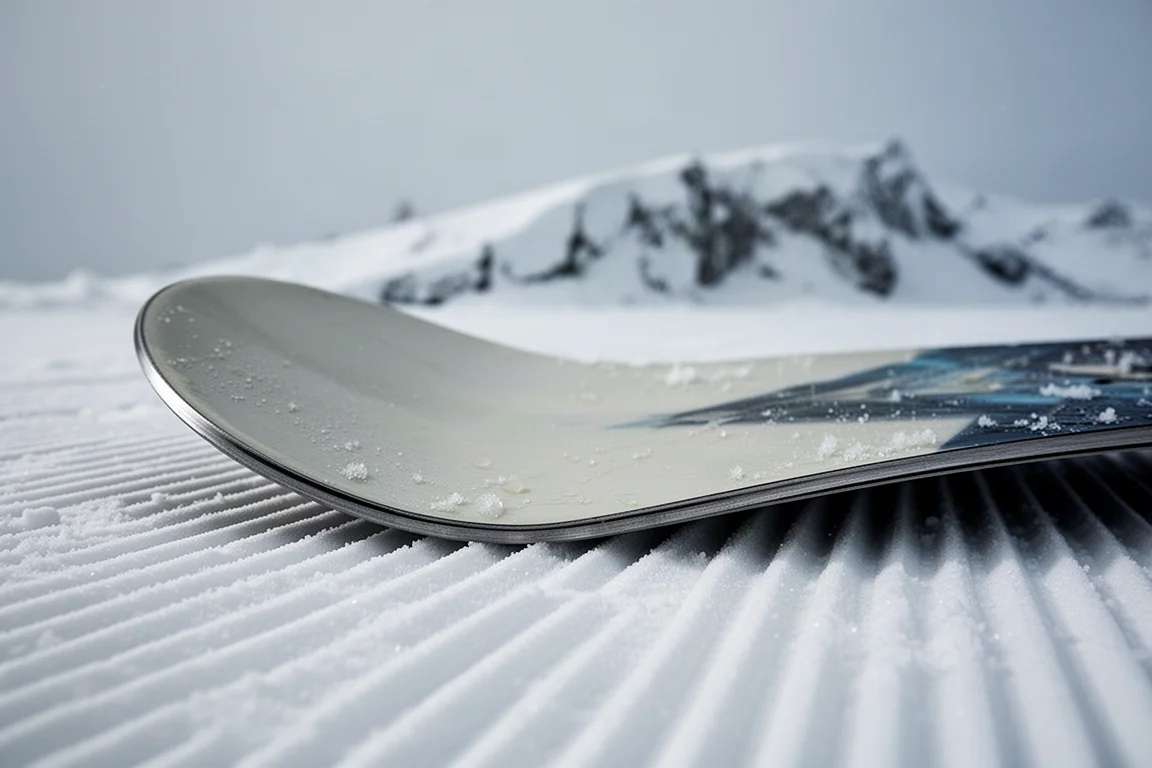
Because the flex is so consistent, the Attic is an easy board to trust on the features it was designed for. It is not the most mind-blowing deck available, and it does not try to be. What it delivers is a predictable, playful ride at the entry level of park riding.
Conclusion
The Telos Attic does exactly what an entry-level park board should do: it flexes smoothly, presses and jibs without a fight, and stays predictable on small and medium features. It is lively rather than damp, and its limits in chatter, rough snow, and bigger jumps are the direct result of that design. For jib-focused park riders who want a buttery, consistent board, the Attic is a straightforward and sensible choice.
Product link
View more details for Telos Attic
This product is mentioned in the review. Check the specifications, options, and compatibility before buying.
View more details for Telos AtticFurther reading
Related Reviews

Snowboards
32 Middle Earth Scott Stevens Pro Model Snowboard Review: A Park Board With a Reversed Flex
A medium traditional camber park board with carbon V reinforcement that is stiffer in the tips and more playful between the feet. Here is how it rides and who it suits.

Snowboards
32 Snafu Review: A Directional All-Mountain Freestyle Board with Serious Pop
The 32 Snafu pairs a directional camber-rocker profile with a stiffening tail for powerful carves, big ollies, and a surprisingly damp ride.

Snowboards
32 XXX Pat Fava Pro Snowboard Review: A Stiff Camber Beast for Hard-Charging Riders
A full-width traditional camber deck that rewards aggression with stability and edge power, but demands effort everywhere else.