Snowboards
Telos Ait Snowboard Review: A Super Soft Deck Built for Jibs and Butters
The Telos Ait pairs a dual camber micro rocker profile with a very soft flex, delivering playful pressability in the park and almost no stability at speed.
Introduction
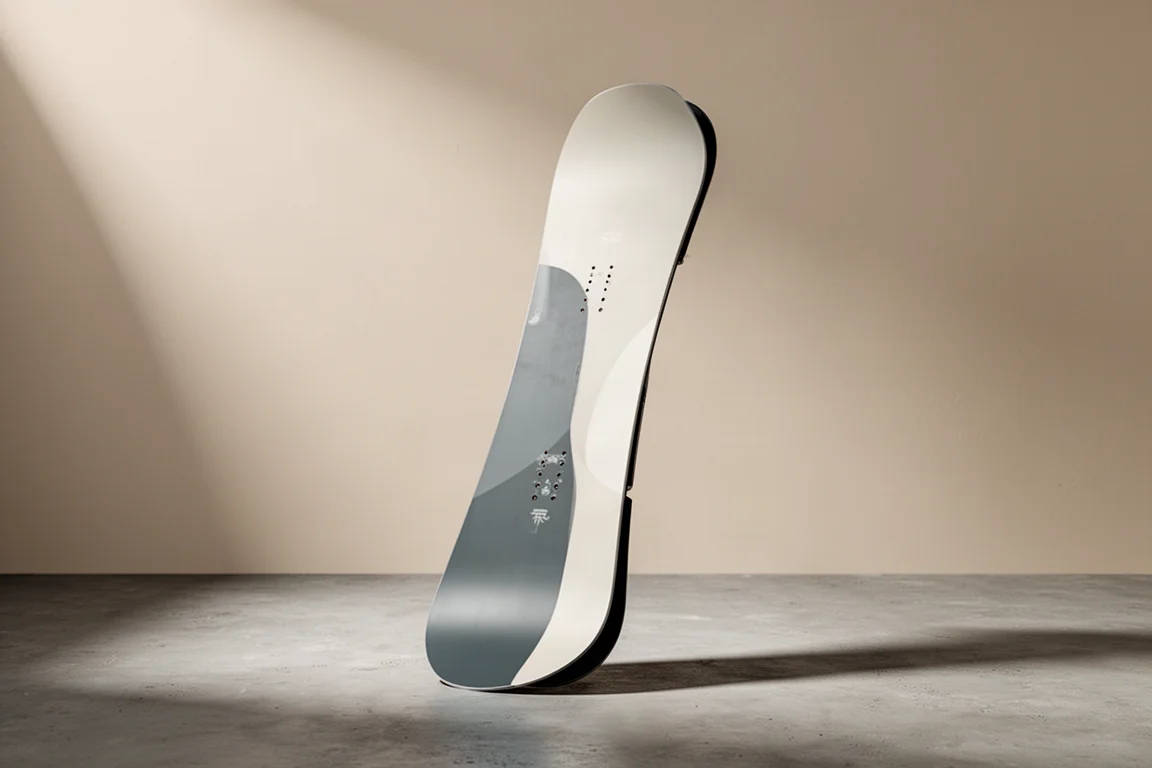
The Telos Ait is a soft-flex freestyle snowboard built around Telos’s dual camber micro rocker profile. That construction places rocker in the tip and tail, camber zones underfoot, and a pronounced dip through the middle of the board. The result is a deck that keeps the load and pop of camber beneath your feet while the rockered ends make entry and exit from turns easier and open up more pressable areas.
It is offered in nine lengths: 140, 143, 146, 149, 152, 155, 158, 161, and 164.
Time on the Ait covered mixed sun and clouds, lumpy terrain, corduroy, ice, leftover piles, and chop and chunder, with the board paired to Rome Black Label bindings and K2 Thraxis boots.
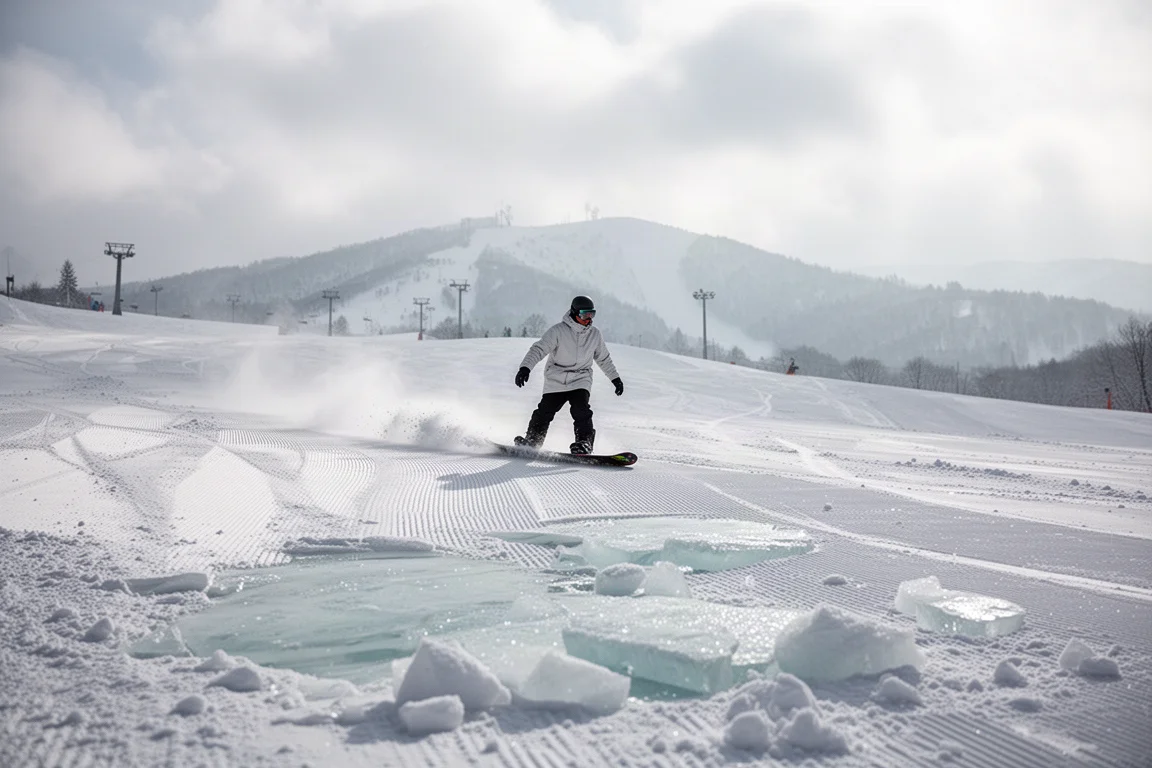
That spread of conditions is where the Ait’s personality becomes obvious. Riders who want a board that stays composed when the surface turns rough will notice how much feedback comes back through the feet, while riders chasing a loose, pressable, low-consequence feel will recognise the appeal straight away.
Who the Telos Ait Is For
This is a board aimed squarely at riders who like jibbing and want something extremely soft underfoot. The flex is the headline: soft in the tips, slightly stiffer through the camber zones underfoot, and soft again through the middle. Riders who build their laps around butters, presses, and low-speed park features will find a deck that asks very little of them physically.
It is not aimed at the rider who wants a single board for fast groomer laps, aggressive carving, or bigger jump lines. The Ait is honest about what it is, and what it is happens to be a very specific kind of park toy.
Main Strengths
The dual camber micro rocker profile is the source of most of the Ait’s strengths. Camber underfoot supplies load and pop when you need it, the rocker in the tip and tail keeps turn initiation and release easy, and the dip in the middle of the board creates a larger sweet spot for pressing. It is a shape that rewards a relaxed, playful approach rather than a powerful one.
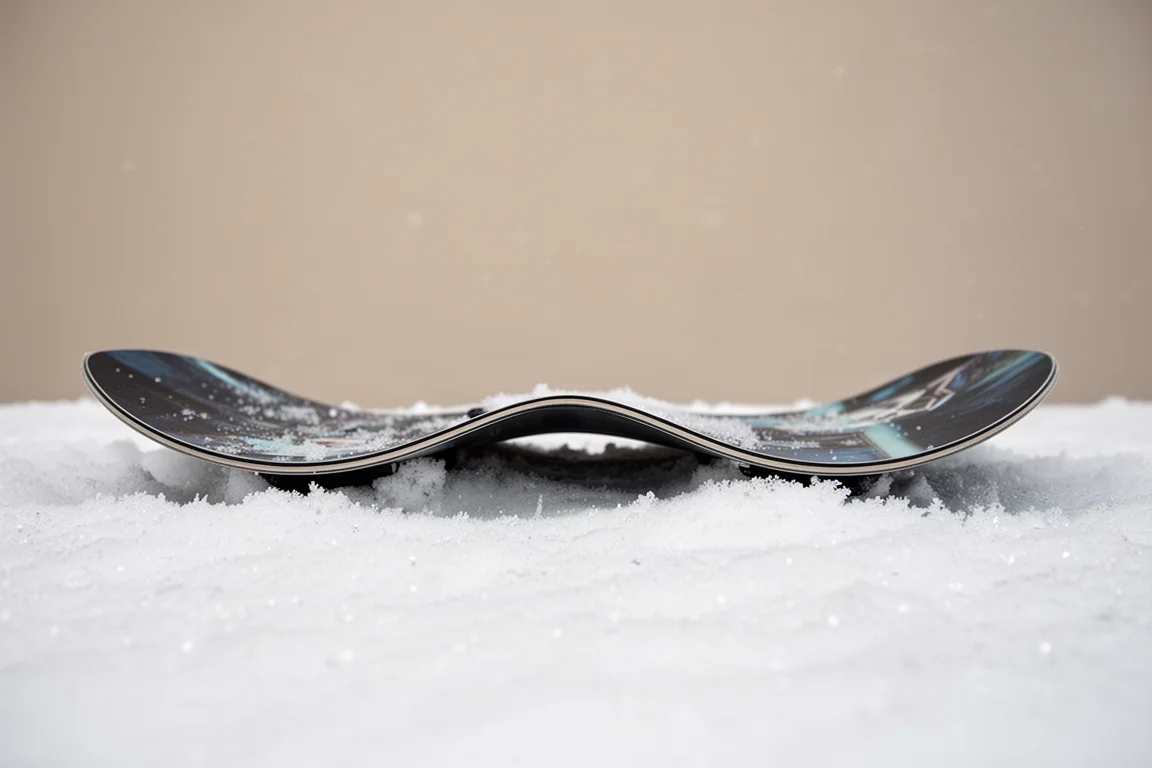
On snow, the Ait is super buttery. The big sweet spots let you press into it aggressively, and it stays loose and forgiving through the middle of the board. Push too hard and it will bump and kick out from under you, so the trick is to work with the softness rather than fight it.
Playful Pressability and Jib Feel
Jibbing on the Ait is close to effortless. Lean back, lean forward, and you are in a nose or tail press. Because of the dip in the camber profile, the board kicks up under the front or back foot and hugs right around the feature you are sliding, which makes it feel planted on boxes and rails even with a very soft flex.
There is one clear caveat. If you are stepping up to a disaster on a feature, expect the board to clap out on you. That soft, folding character that makes simple jibs so easy is the same thing that limits it when a trick demands a firm, locked platform.
Flex and Torsional Twist
The flex pattern is soft in the tips, slightly stiffer underfoot, and soft again through the centre. There is a lot of torsional flex in this board, which means you can twist it substantially between the feet. For jibbing, that is a genuine advantage: when you are travelling sideways on the nose and need to dig in a little on the toe edge while looking over your shoulder, the board comes around without much resistance.
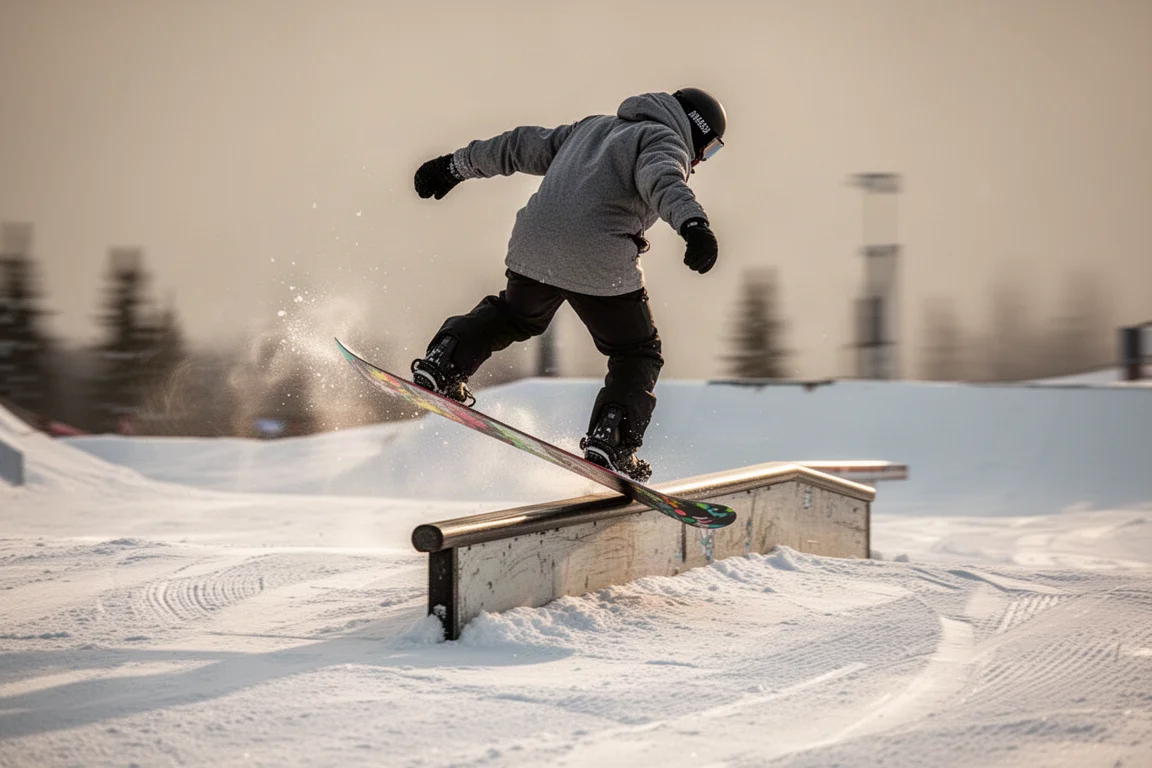
That same twist is what makes the Ait easy to manoeuvre on and off features. The trade-off is that the softness is ever present, so the board never feels like a locked-in platform when you want one.
Things to Consider Before Buying
Stability is the biggest consideration. There is next to no stability in the Ait. You feel everything underfoot, and once speed builds the board starts to flap, with no meaningful dampening to settle it down. It rides very lively and very communicative, which some riders love and others find exhausting.
Pop is also modest. What you put in is roughly what you get out, and there is a slight delay when you load a roller or a side hit, so you need to be calculated about timing. Small jumps are the comfortable zone. A medium jump is only realistic if you are confident you will land bolts, because the board does not snap aggressively off a lip and tends to let the jump throw you instead.
Carving follows the same pattern. Expect skitty turns and mellow carves rather than aggressive, high-edge-angle arcs. The Ait is sluggish edge to edge, and any real power through the turn causes it to kick out into a skid. Set-up turns are where it feels most at home.
Riders familiar with the previous season’s version may notice a shift. The camber profile reads as more exaggerated now, with more dip between the feet and a softer overall feel. That softness means it no longer locks into a jib or a butter the way it once did; it folds instead, and it does not pop back out with the same rebound. For anyone specifically hunting a soft jib stick, that may be exactly right. For anyone who likes a little snap in their press, it will feel soggy by comparison.
Buying Advice
If your riding is built around jibs, butters, and mellow park laps, the Ait matches that brief closely: a super soft deck, generous press zones, and a forgiving torsional twist that makes sliding features feel easy. If you want a board that holds together at speed or drives hard out of a turn, this is not the deck that will do it, and no amount of tuning will change that.
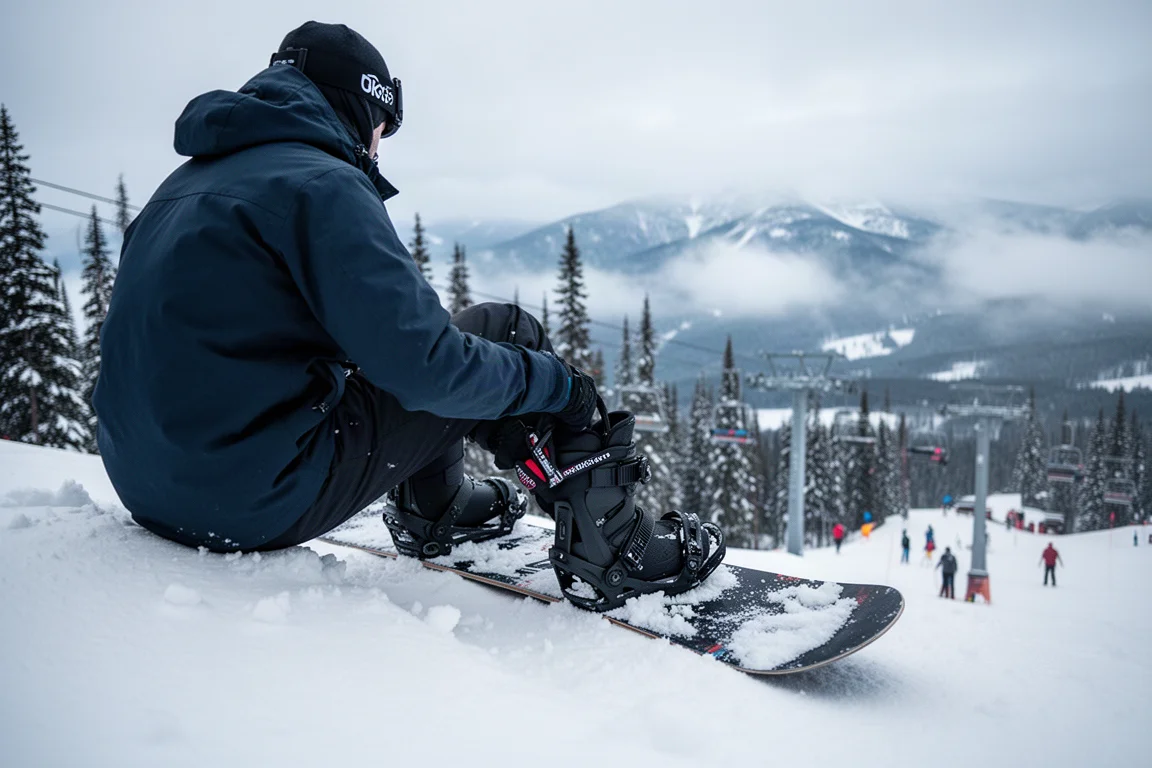
Riders cross-shopping soft park boards may also want to look at the GNU Money, the Battalion Wally, or the K2 Geometric. Binding options discussed alongside this board include the Bent Metal Joint and the Union Ultra. With nine lengths from 140 to 164, sizing can follow a straightforward park-first approach rather than a freeride one.
Conclusion
The Telos Ait is a specialist. Its dual camber micro rocker profile creates a large, buttery sweet spot, and its very soft flex makes jibbing and pressing almost automatic. The cost of that personality is minimal stability, modest pop, and a carving feel that never gets aggressive. Riders who know they want the softest, most playful option in the park will feel at home immediately. Riders who want versatility should keep looking.
Product link
View more details for Telos Ait
This product is mentioned in the review. Check the specifications, options, and compatibility before buying.
View more details for Telos AitFurther reading
Related Reviews

Snowboards
32 Middle Earth Scott Stevens Pro Model Snowboard Review: A Park Board With a Reversed Flex
A medium traditional camber park board with carbon V reinforcement that is stiffer in the tips and more playful between the feet. Here is how it rides and who it suits.

Snowboards
32 Snafu Review: A Directional All-Mountain Freestyle Board with Serious Pop
The 32 Snafu pairs a directional camber-rocker profile with a stiffening tail for powerful carves, big ollies, and a surprisingly damp ride.

Snowboards
32 XXX Pat Fava Pro Snowboard Review: A Stiff Camber Beast for Hard-Charging Riders
A full-width traditional camber deck that rewards aggression with stability and edge power, but demands effort everywhere else.