Tools & Workshop
Tekton Toolbox: A Three-Year Owner's Review of a Pro-Grade Rolling Cabinet
After nearly three years of daily shop use, a detailed look at how the Tekton rolling tool cabinet has held up, what it holds, and where it falls short.
Introduction
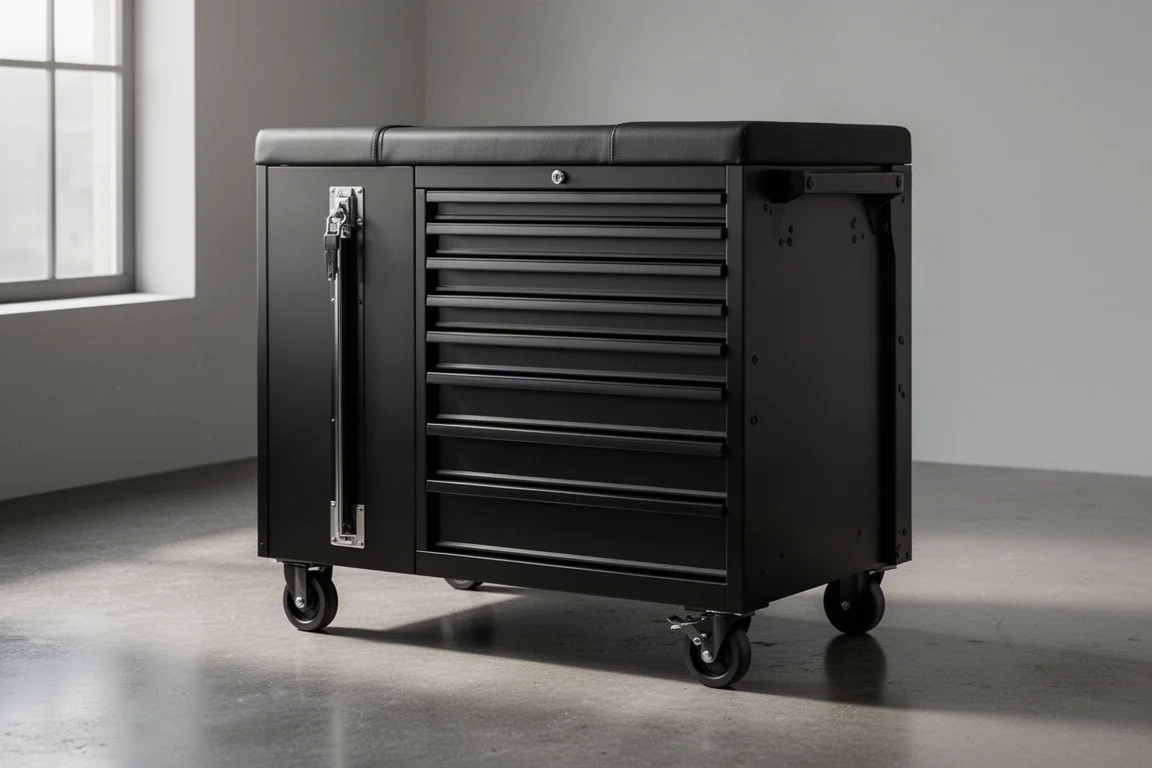
Tool storage is one of those purchases where the differences only show up after years of real use. That is exactly why this cabinet is worth revisiting. After nearly three years of daily duty in a working shop, set on a property just off a dirt road in Montana where dust is a constant companion, the Tekton rolling tool cabinet has had every chance to show its strengths and its weaknesses.
The headline point up front: these boxes are not inexpensive, and the Tekton name should not fool anyone. They are actually made by an established company that has been building top-of-the-line industrial toolboxes for decades, and the quality sits on par with any of the big-name toolboxes on the market.
Build Quality After Three Years
Three years in a dusty shop leaves marks, and this box has them. There are scuffs, some transferred paint, and a layer of grime that comes with the territory. None of that has translated into structural problems. The drawers still slide properly, the latching still works, and the cabinet remains in genuinely good shape for its age and environment.
One design detail that was initially doubted but has since won the owner over is the full-length latch. Instead of individual per-drawer latches, a single full-height latch secures the entire toolbox at once. It is a simple mechanism that turns out to be very satisfying in daily use.
Build Quality and Storage Layout
The cabinet is not the biggest toolbox out there, and that shows in the organization. With a large tool collection loaded in, spacing gets tight, and there is a constant shuffle of miscellaneous items living on the cushioned top surface while they wait to find a permanent home.
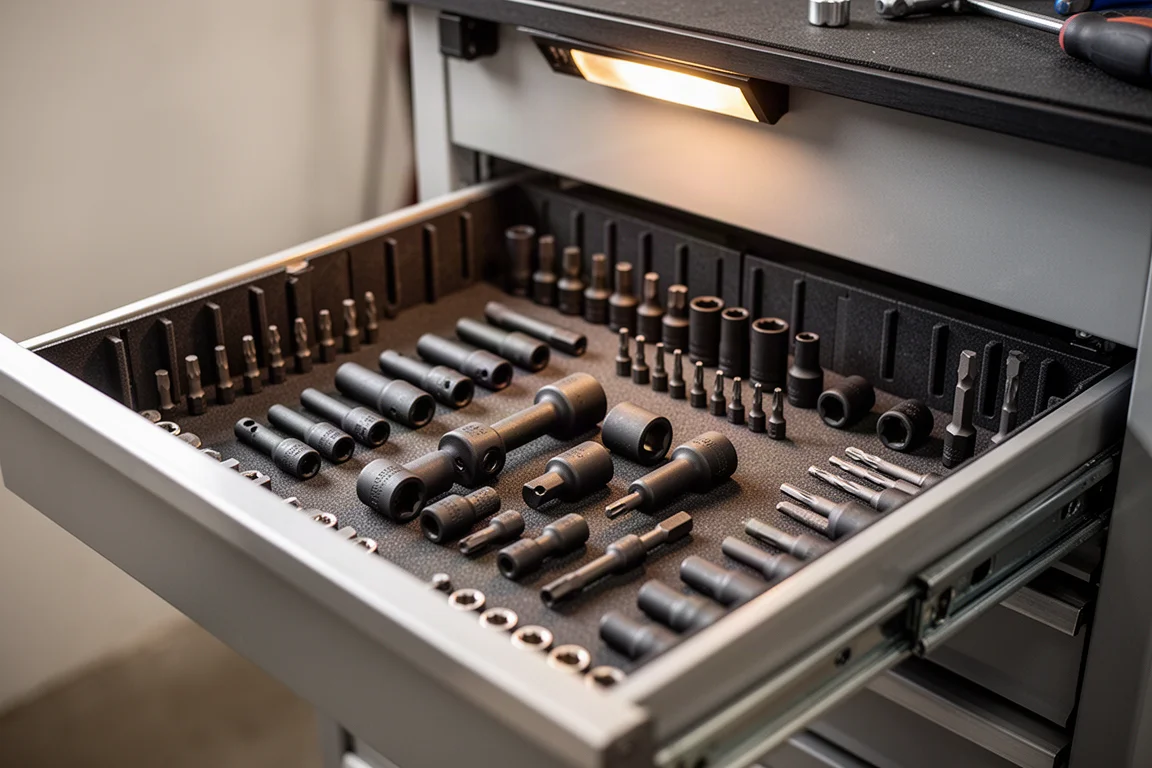
Inside the top drawer you will find impact sockets in two sets, a range of adapters, crow’s foot attachments, hex bits, and extensions. There is enough vertical clearance for stand-up socket organization, though that arrangement has not been adopted yet. Removable dividers are available as accessories that slot into the drawer edges, letting you compartmentalize the space however you like, and the drawers come with quality liners included.
The Unique Carriage System
Here is where this box genuinely differs from most competitors. The drawers do not simply slide on standard rails. Instead, the drawer sits in a carriage, the carriage rides in rails, and the rails mount into the cart. That layered design has a real practical payoff.
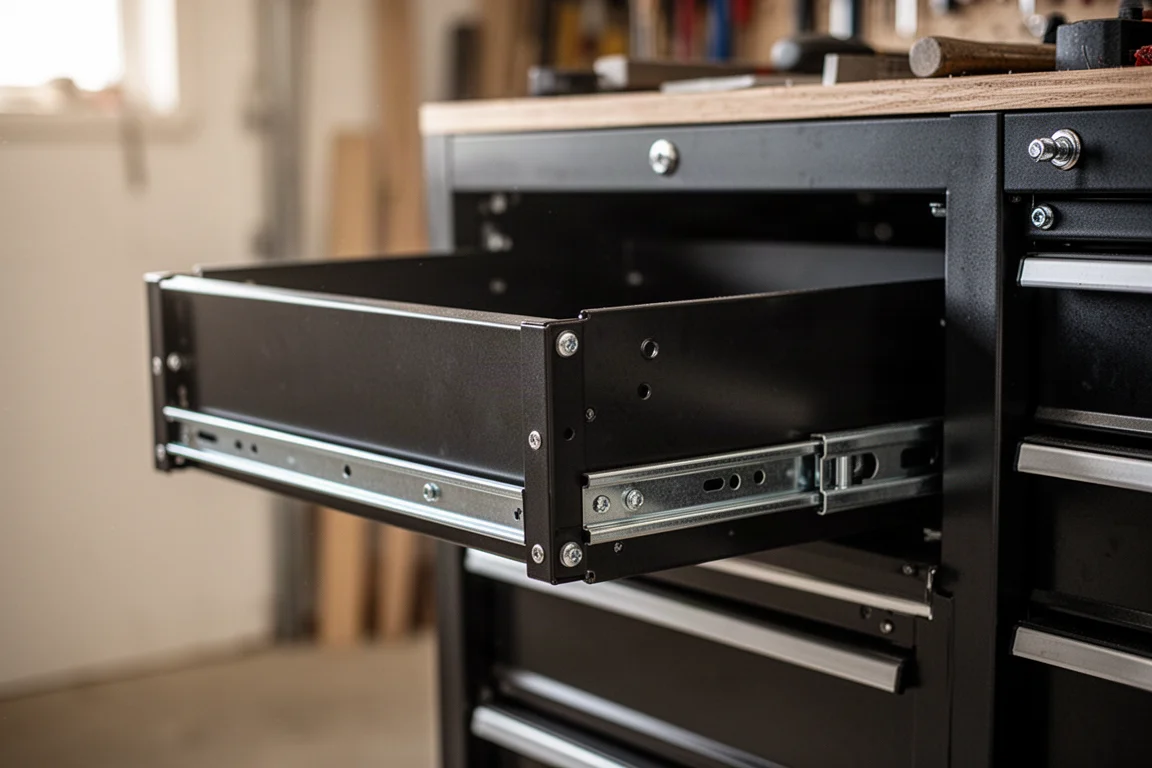
When the whole cabinet needs to be moved, each drawer comes out of its carriage, and the carriage itself pops out of the rails. Once emptied and broken down this way, the box becomes surprisingly light for something with this level of build quality. For anyone who has ever had to relocate a fully loaded professional cabinet, that alone is a meaningful feature.
What Lives in the Drawers
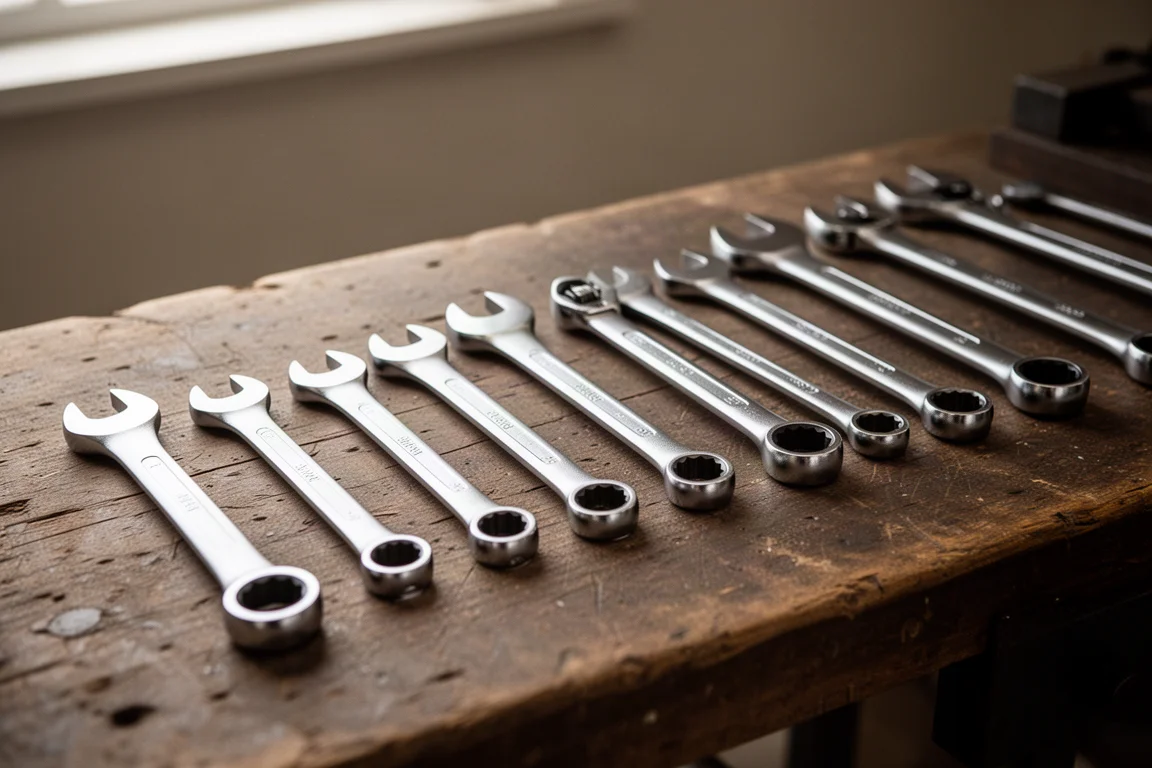
The second drawer is dedicated to wrenches, including a broad mix of ratcheting wrenches: flex-head gear wrenches, extending locking wrenches, half-inch and three-eighth drive variants, and a spread of metric standards. It is a mixed collection spanning several brands picked up over the years, which is typical of a working shop. Small organization quirks surface here too, like a missing 14mm ratcheting wrench while the 10mm is still exactly where it should be.
Drawer three is all pliers, and it is a full spread: lineman’s, needle nose, standard slip joint, side cutters, flush cutters, cable cutters, Cobra-style, tongue-and-groove, and plier wrenches. A detail worth knowing: most of these styles are slip-joint pliers under the hood, something many people do not realize. Locking pliers and wire-cutting accessories round out the drawer, with the older pieces due for a cleaning.
Drawer four holds the screwdriver and precision tool collection. Ingersoll Rand screwdrivers earn specific praise here as fantastic everyday drivers, alongside pick sets, ratcheting screwdrivers, and Gearwrench specialty sets including their bolt biter extraction kit. This drawer also houses a collection of mostly American-made combination wrenches from brands like Proto, Armstrong, and Craftsman, plus some Japanese-made pieces and a new 10mm ratcheting Snap-on, most acquired over the years at auctions and garage sales. A few of these older pieces came home with light heat damage after a trip through a hot truck in Las Vegas, a reminder that even quality tools need sensible transport.
The fifth drawer mixes measuring and cutting: miscellaneous affordable ratchets, small file sets, a caliper, digital torque wrenches and torque adapters, and a three-tier low, mid, and high power drill bit set. Below that, there is still breathing room for dead blows, hammers in several sizes, ball-peen and soft-faced hammers, and a pry bar set. Having spare space in a drawer after three years of accumulation says something about the usable capacity.
Bottom Drawer: Test Equipment
The bottom drawer is reserved for diagnostic and test gear. That includes an Xtool unit, a couple of calipers, assorted cables, an endoscope, a vibration meter, a clamp meter, circuit tracing equipment, and various instruments used for testing things like material hardness.
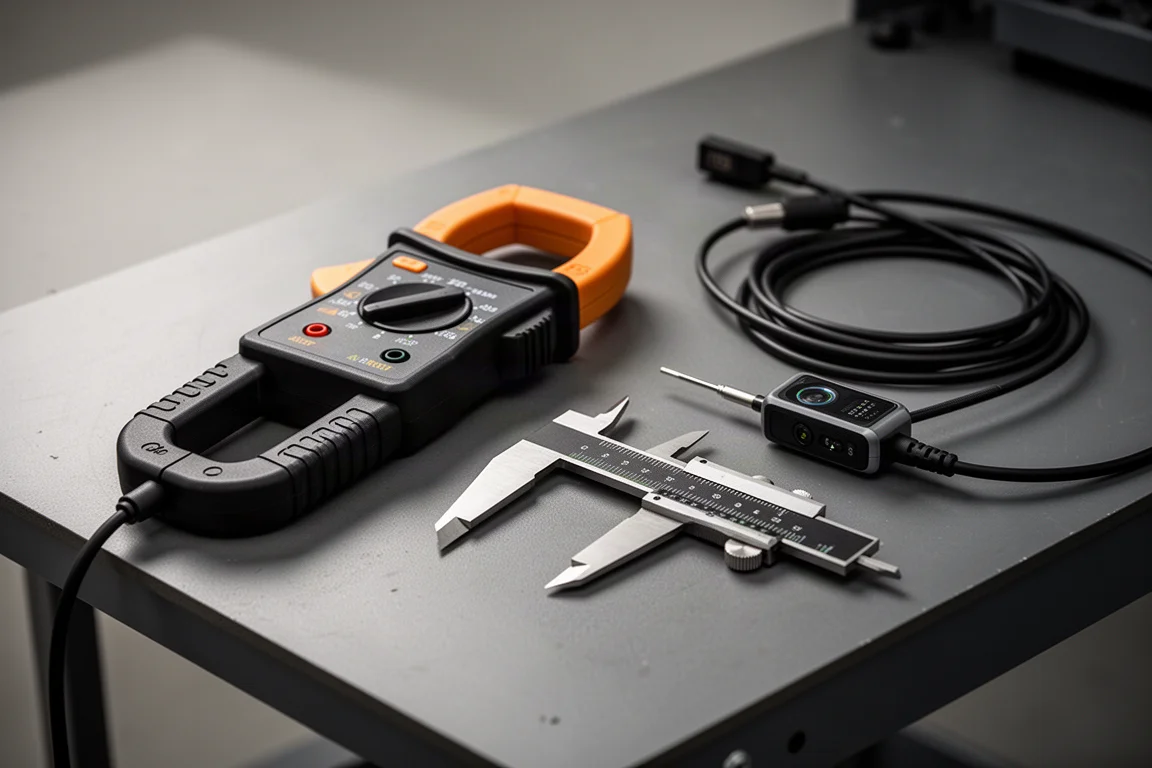
It is a good illustration of the drawer depths on offer: the cabinet accommodates bulkier diagnostic gear without it spilling into the everyday hand-tool drawers above.
Should You Buy It?
For a serious home shop or a professional workspace, this cabinet makes a strong case. The build quality competes with the big names, the full-length latch and included liners are genuinely useful, and the removable carriage system is a real differentiator when the box needs to be moved or reorganized. The main trade-offs are the price, which is firmly in premium tool-storage territory, and the footprint, which will feel tight if your collection rivals a working mechanic’s. Divider accessories are sold separately, so budget for those if compartmentalization matters to you.
Conclusion
After nearly three years, the verdict on this Tekton toolbox is positive. It has absorbed shop life, dirt road dust, and heavy loading without structural complaints, and its unique carriage system continues to pay off every time it needs to move. If you want big-name industrial build quality and can live with the premium price and mid-sized footprint, it is an easy cabinet to recommend.
Product link
View more details for Tekton Toolbox
This product is mentioned in the review. Check the specifications, options, and compatibility before buying.
View more details for Tekton ToolboxFurther reading
Related Reviews
Tools & Workshop
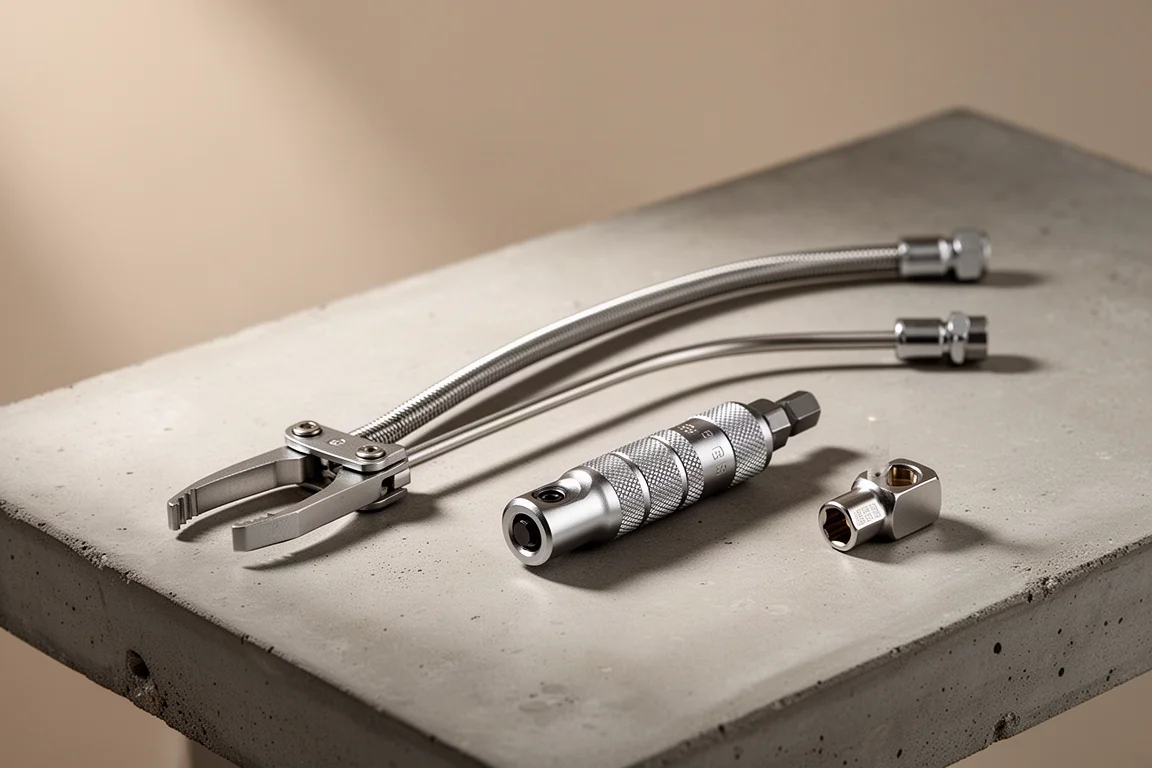
Three Tools That Saved a Tight Dishwasher Installation
A long-reach hose clamp tool, a locking ratcheting bit driver, and a flip socket that earned their spot during a cramped appliance install.
Tools & Workshop
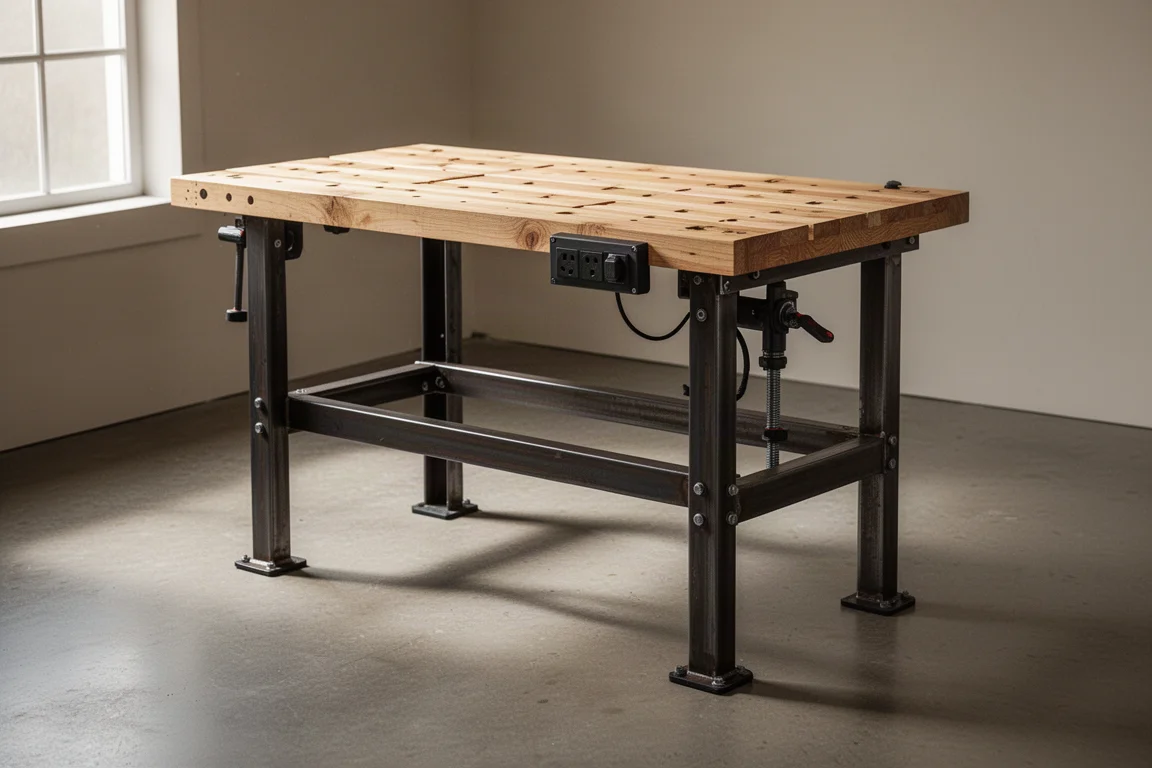
Banggood WB0102 Pro Workbench Review: A Stable, Height-Adjustable Bench for Small Workshops
A heavy, well-priced workbench with a pine top, built-in power strip, height adjustment, and a straightforward assembly that takes under 30 minutes.

Tools & Workshop
Best 50 ft Extension Cords: 15 Cords Put Through Real-World Testing
Fifteen 50 ft extension cords compared on blade strength, abrasion resistance, voltage drop, plug retention, and cold weather flexibility.