Cookware
Teflon vs Ceramic Non-Stick Pans: Which Coating Deserves a Spot in Your Kitchen?
A close look at how Teflon and ceramic non-stick coatings compare on safety, food release, and long-term durability, featuring Calphalon and Cuisinart pans.
Introduction
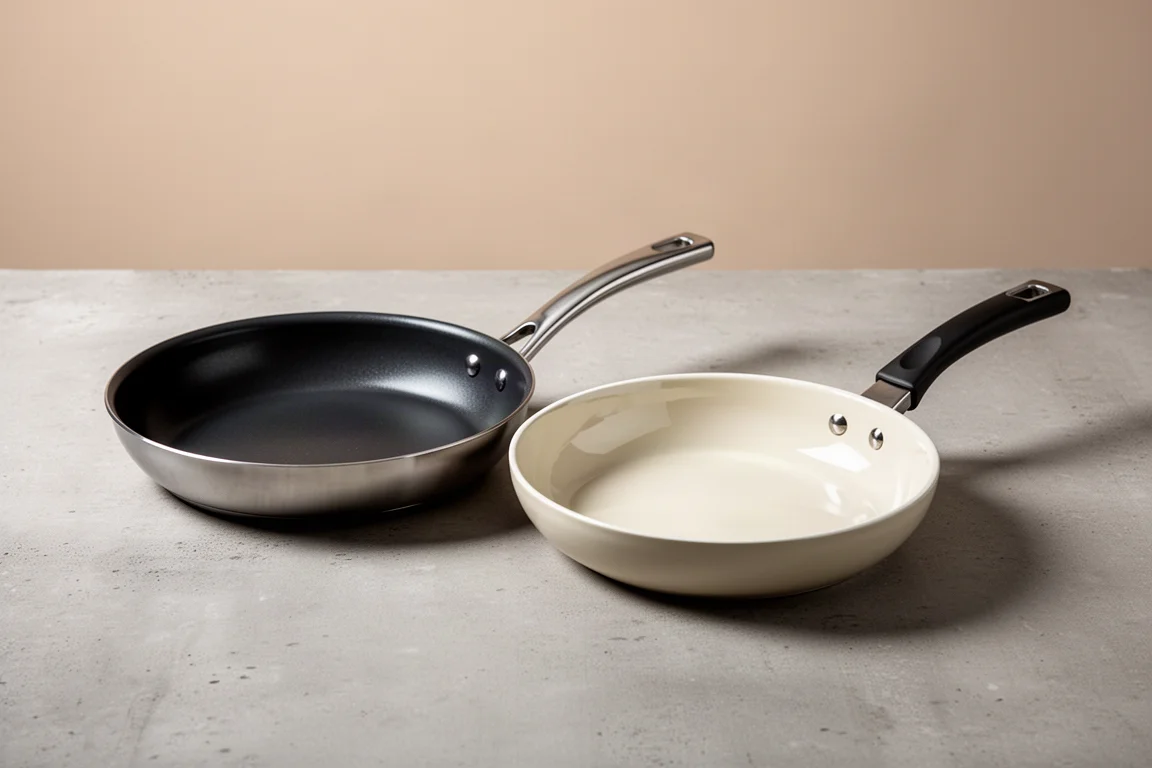
Few kitchen debates are as persistent as the one between Teflon and ceramic non-stick cookware. Teflon’s makers argue their coating performs better and lasts longer, while ceramic brands position their pans as the safer, healthier, and more eco-friendly option. The reality is more nuanced, and understanding the trade-offs will help you pick the right pan for how you actually cook.
What Teflon and Ceramic Coatings Actually Are
Teflon is a brand name for PTFE, a slippery and durable chemical coating. Some cookware brands use Teflon itself, while others source PTFE from different suppliers or produce their own. Since Teflon was the first and remains the most famous brand of the substance, most people use the name for any PTFE-coated pan.
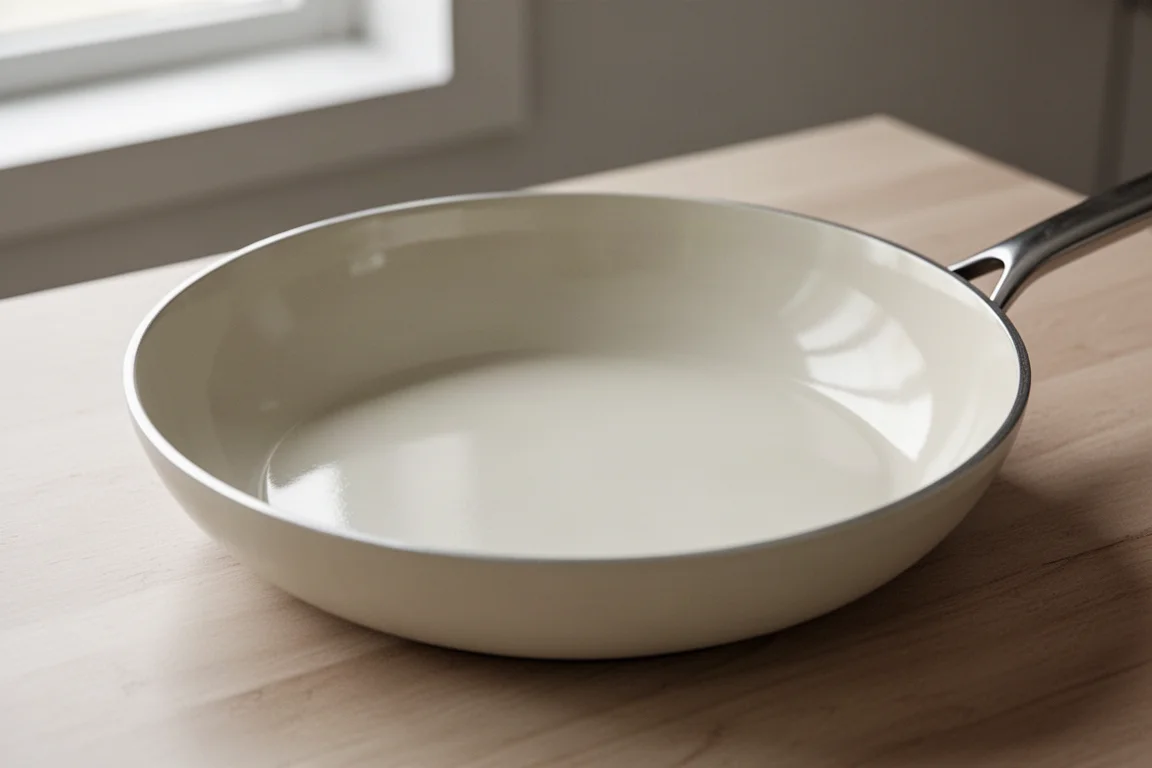
Ceramic non-stick coatings are not really ceramic at all. They are made from silicon dioxide, a byproduct of sand, which is transformed during manufacturing into a gel through a sol-gel process. That gel gives the coating its non-stick properties. The ceramic label comes from the smooth, glossy texture that mimics the look of ceramic.
Both coating types can be applied to a range of base materials, including aluminum, hard anodized aluminum, and stainless steel, so the coating itself is what sets them apart.
Safety: What the Current Evidence Says
Much of ceramic’s popularity stems from fears about toxic chemicals such as PFOA once used in Teflon manufacturing. Those fears were valid years ago, but they no longer apply. In 2006, the Environmental Protection Agency, DuPont, and other non-stick coating manufacturers formed a stewardship program to eliminate harmful chemicals from the material, and by 2013 they had achieved that goal.
There is one genuine risk with Teflon-coated pans: overheating. Exposing the coating to temperatures above 500 degrees Fahrenheit for several minutes can release fumes that cause temporary flu-like symptoms in people and are especially harmful to birds. That said, Teflon pans are FDA approved, and authorities including the American Cancer Society state clearly that there are no proven risks to humans from cookware coated with Teflon or other non-stick surfaces. In short, today’s Teflon and ceramic pans are equally safe.
Performance: Food Release and Everyday Cooking
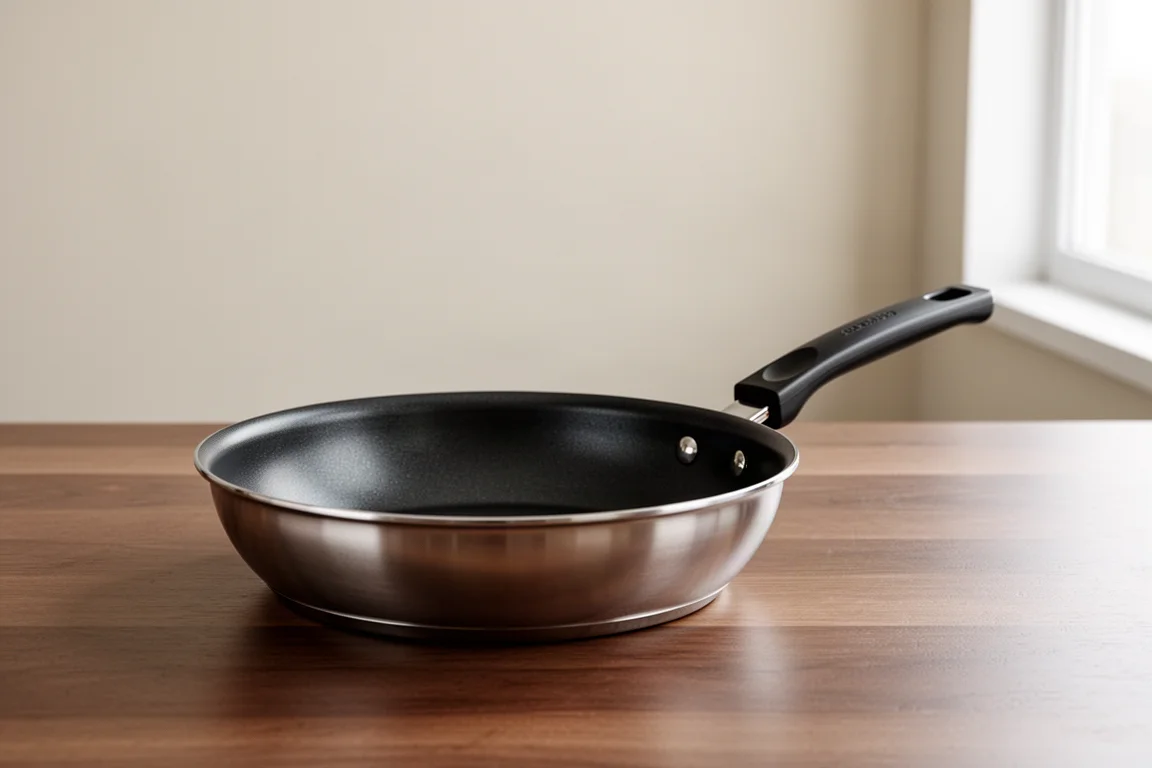
When it comes to releasing food, Teflon prevents sticking significantly better than ceramic. Across dozens of tested and reviewed cookware brands in both categories, food sticks more often to ceramic-coated pans than to Teflon, even when both start out performing well.
Customer feedback backs this up. In an analysis of hundreds of reviews of Calphalon and Cuisinart, both of which make Teflon and ceramic-coated pans, sticking complaints were far more common with ceramic. Roughly 3% of Calphalon customers who bought the Teflon-coated version complained about food sticking, compared to about 20% of those who bought the ceramic version. Cuisinart told a similar story: about 1% of Teflon-coated pan buyers mentioned sticking, versus around 6% of ceramic buyers.
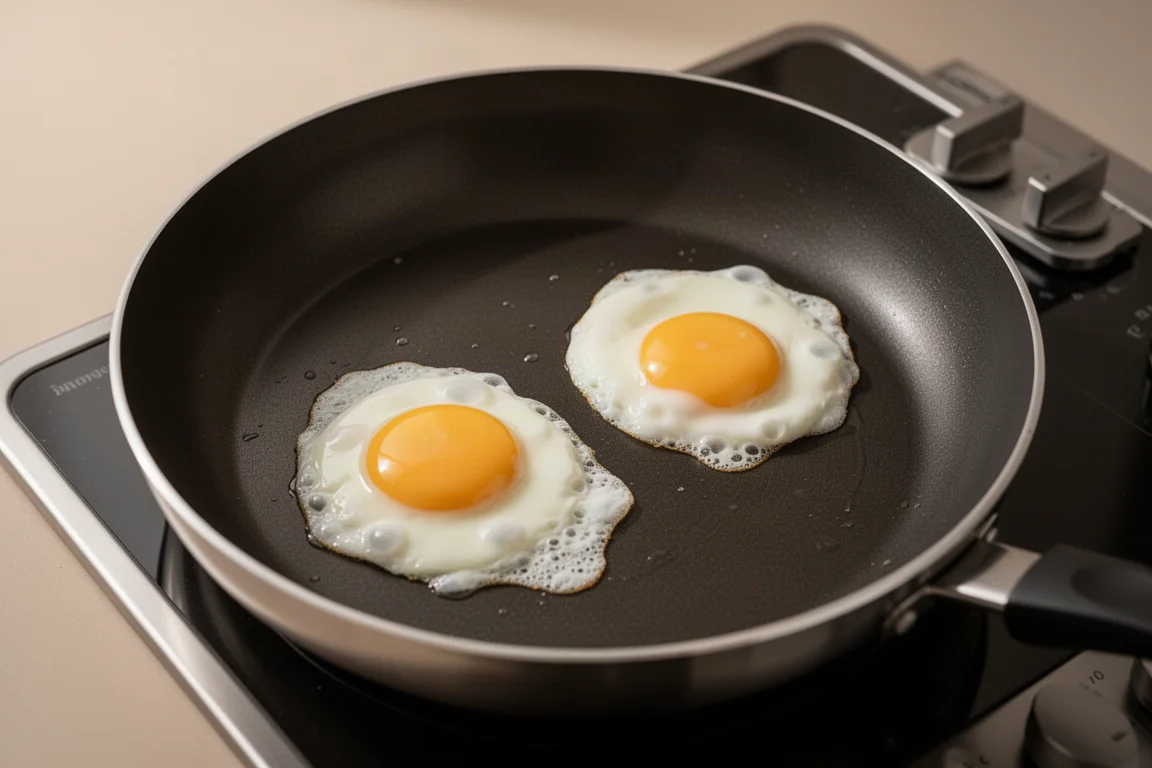
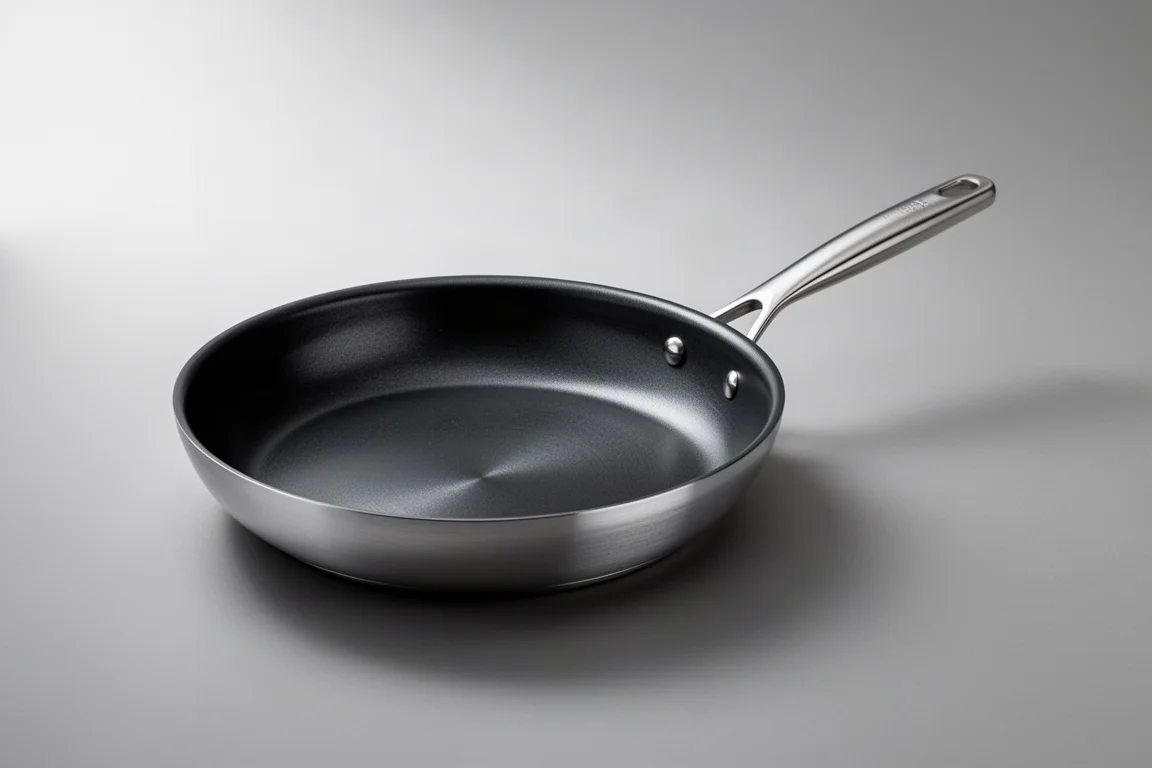
Cuisinart pans showed the same pattern, with the Teflon-coated versions earning noticeably fewer sticking complaints than their ceramic counterparts.
Durability: Why Ceramic Coatings Wear Out Faster
Teflon’s non-stick properties hold up for at least a couple of years, often longer, while ceramic coatings typically begin to stick after about six months to a year. Longevity depends on how often you cook and how well you treat your pans.
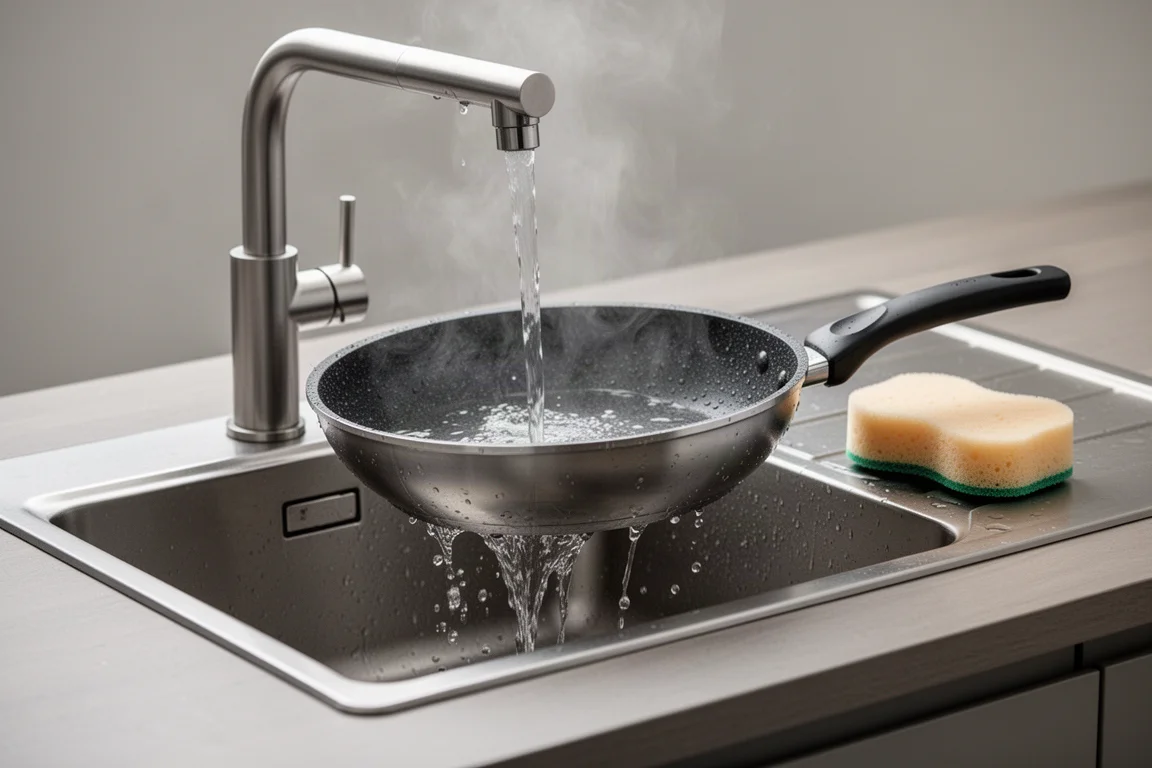
The reason lies in how each coating works. Ceramic coatings are self-sacrificial: they slowly release a finite amount of silicone oil when heated to keep food from sticking. Once that oil is depleted, food starts to stick. Teflon, on the other hand, is hydrophobic, meaning it repels liquids. Because it does not break down with each use, it keeps performing for longer.
Buying Advice: Which Coating Should You Choose?
Ceramic’s main selling point is that it is safer and better for the environment than Teflon. But since Teflon has been manufactured without PFOA since 2013, the safety differences are minimal and often overstated by ceramic cookware makers. The clearest, most significant difference is durability: ceramic cooking surfaces break down and lose their non-stick properties sooner.
If you cook frequently, be prepared to replace ceramic pans every couple of years, or possibly sooner. Replacement is not a huge expense since most ceramic pans are not overly costly, but it is worth considering when weighing the claim that ceramic is the eco-friendly alternative. Is producing two ceramic pans really better for the environment than producing one Teflon pan?
Conclusion
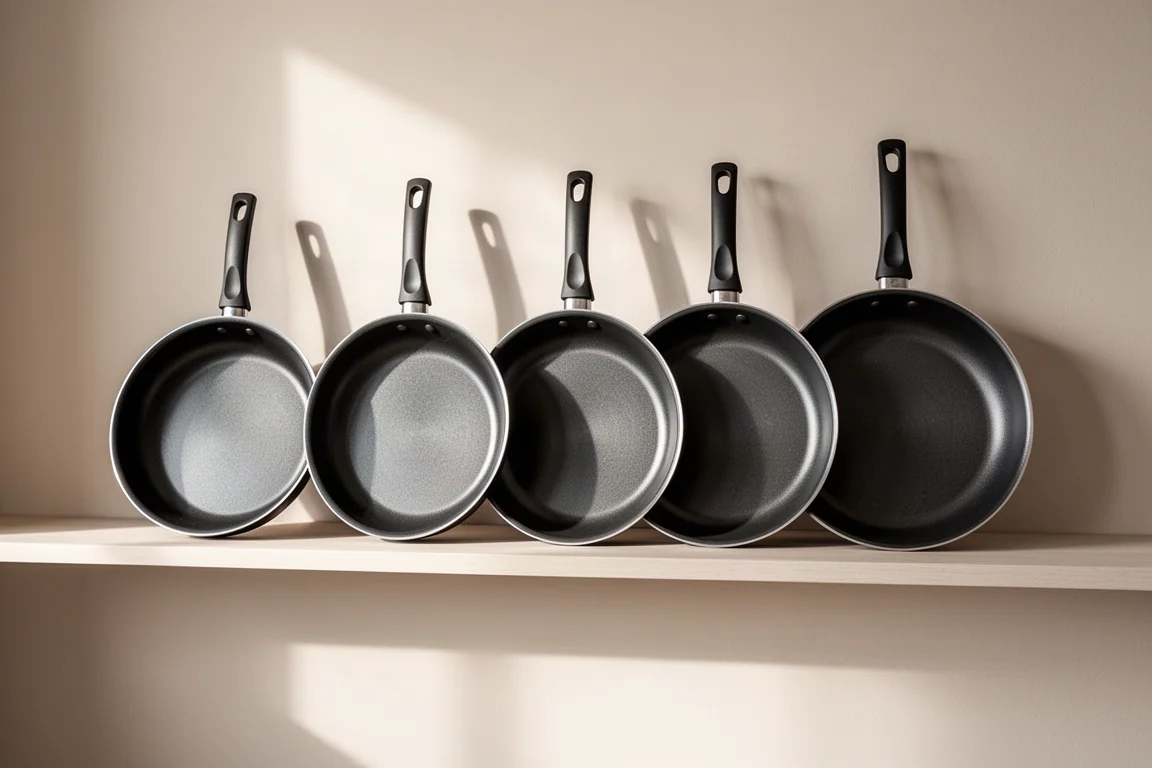
Today’s Teflon and ceramic non-stick pans are equally safe, but they are not equal in performance. Teflon releases food better and holds its non-stick properties for years, while ceramic coatings tend to degrade within a year of regular use. If you want a pan that simply works longer, Teflon-coated cookware is the more dependable choice; if you prefer ceramic despite the shorter lifespan, go in knowing you may be replacing it sooner.
Further reading
Related Reviews
Cookware
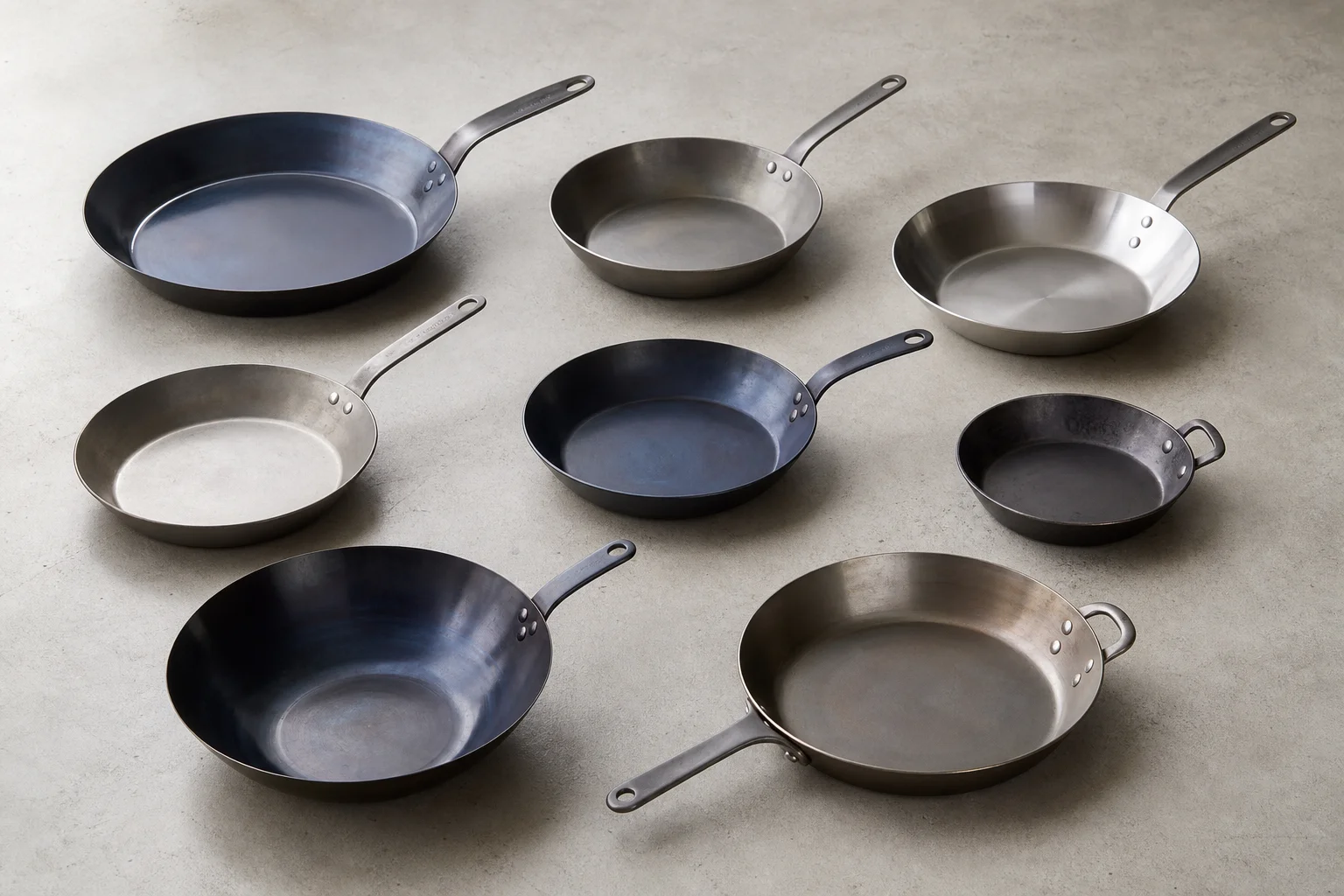
Best Carbon Steel Pans Tested: Which Brands Deliver Real Value
We tested eight popular carbon steel pans with controlled durability, heat, and cooking tests. Here's which ones perform best and which to avoid.
Cookware
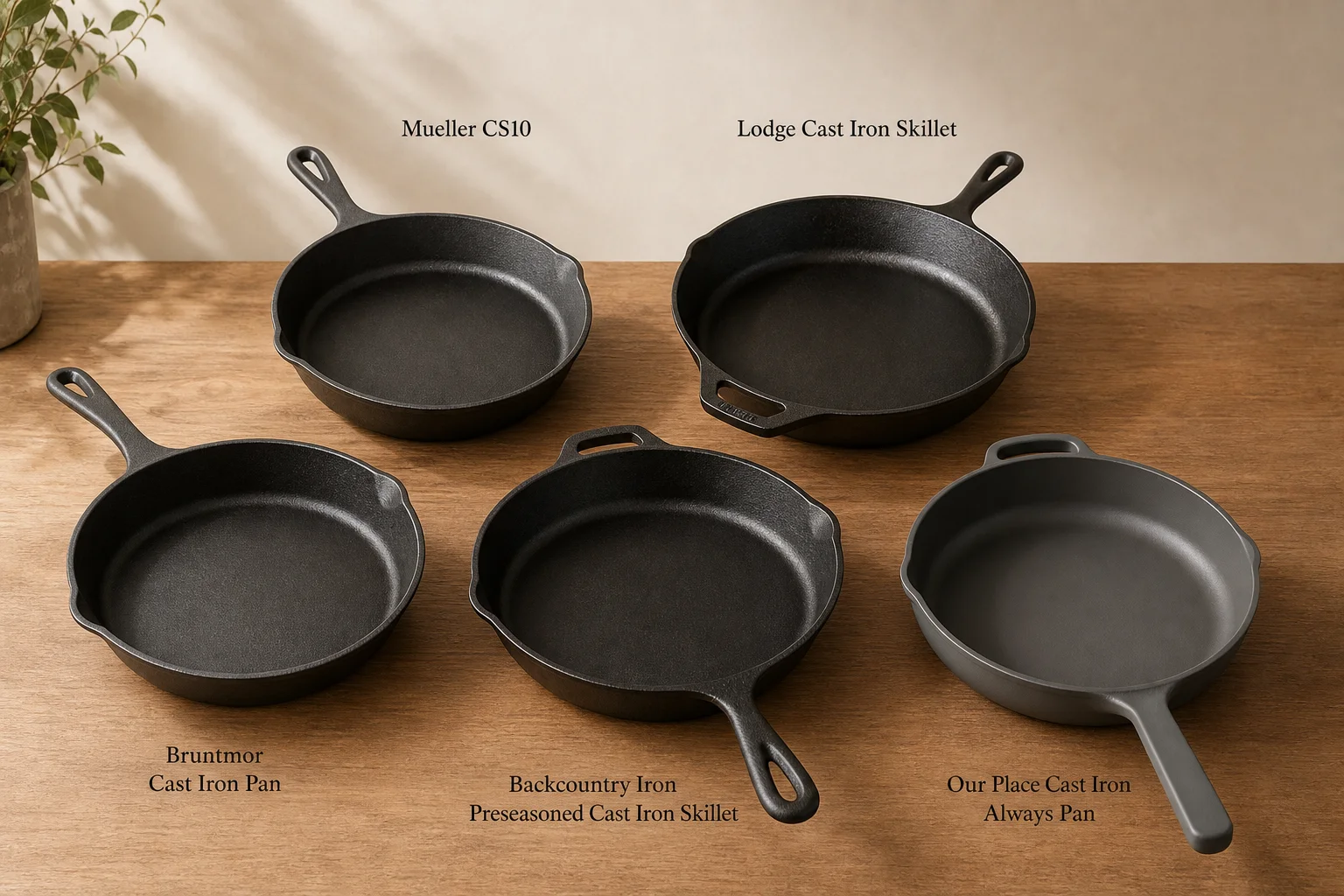
Best Cast Iron Pans 2026: Five Options from Budget to Premium
A practical breakdown of five cast iron skillets, from affordable Mueller to premium Our Place, with clear strengths and trade-offs for different cooking needs.
Cookware
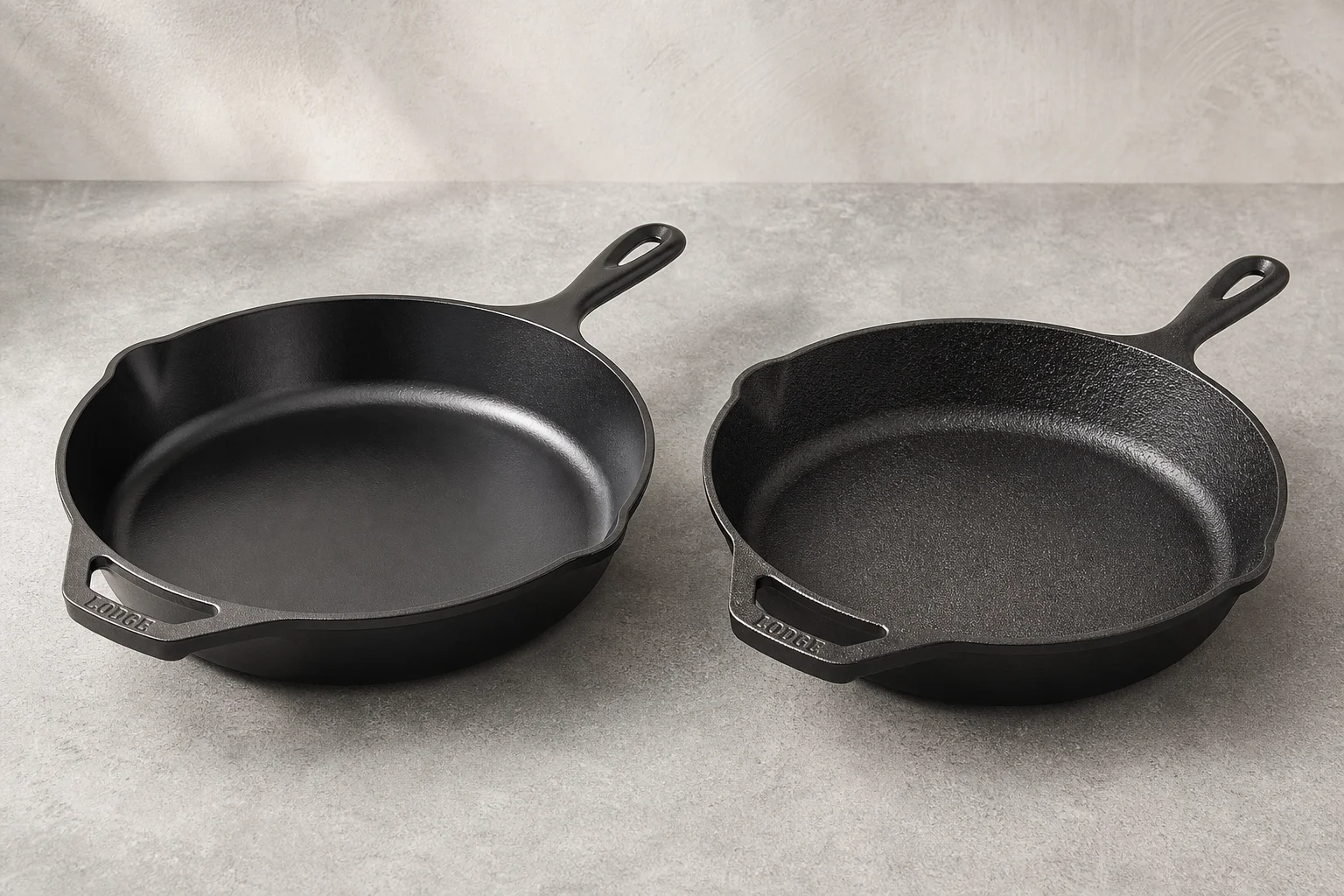
Best 12-Inch Cast Iron Skillets: Premium Craftsmanship vs. Reliable Budget Option
Two standout 12-inch cast iron skillets tested for heat retention, surface finish, and durability. One premium choice and one budget-friendly alternative that both deliver.