Wireless Earbuds
Technics EAH-AZ100 Review: The Best True Wireless Sound Below €400
A flagship true wireless in-ear monitor that puts sound quality first, with a comfort ceiling and modest noise cancellation to weigh up before buying.
Introduction
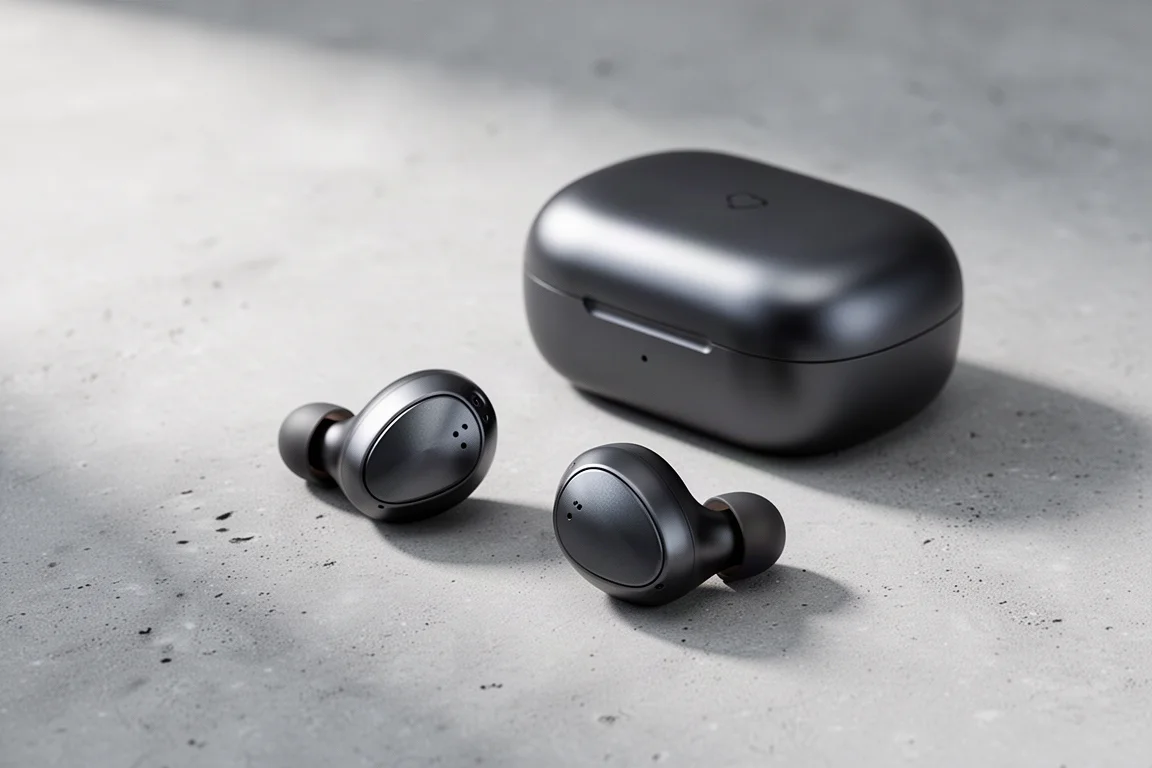
True wireless earbuds have improved to the point where the differences between the best models come down to priorities rather than outright quality. The Technics EAH-AZ100 is a clear example. It is a flagship true wireless in-ear monitor that sells below €400 and places sound quality ahead of almost everything else, including comfort and noise cancellation.
The headline hardware is a 10 mm driver built around what Technics describes as a magnetic fluid design, a construction said to allow the driver to move with almost zero mechanical friction. Whether or not the engineering explanation holds up under scrutiny, the audible result is a cleaner and more transparent presentation with dynamic energy on tap.
The short version: for listeners who care most about how music sounds, the EAH-AZ100 sets the benchmark below €400. For listeners who care most about all-day comfort or maximum noise suppression, it does not.
Who the Technics EAH-AZ100 Is For
This is an earphone for listeners who treat sound quality as the deciding factor. It suits anyone who has tried the mainstream options and found them dynamically flat, and it rewards listeners who move through a wide range of material, from acoustic singer-songwriter records to dense electronic productions.
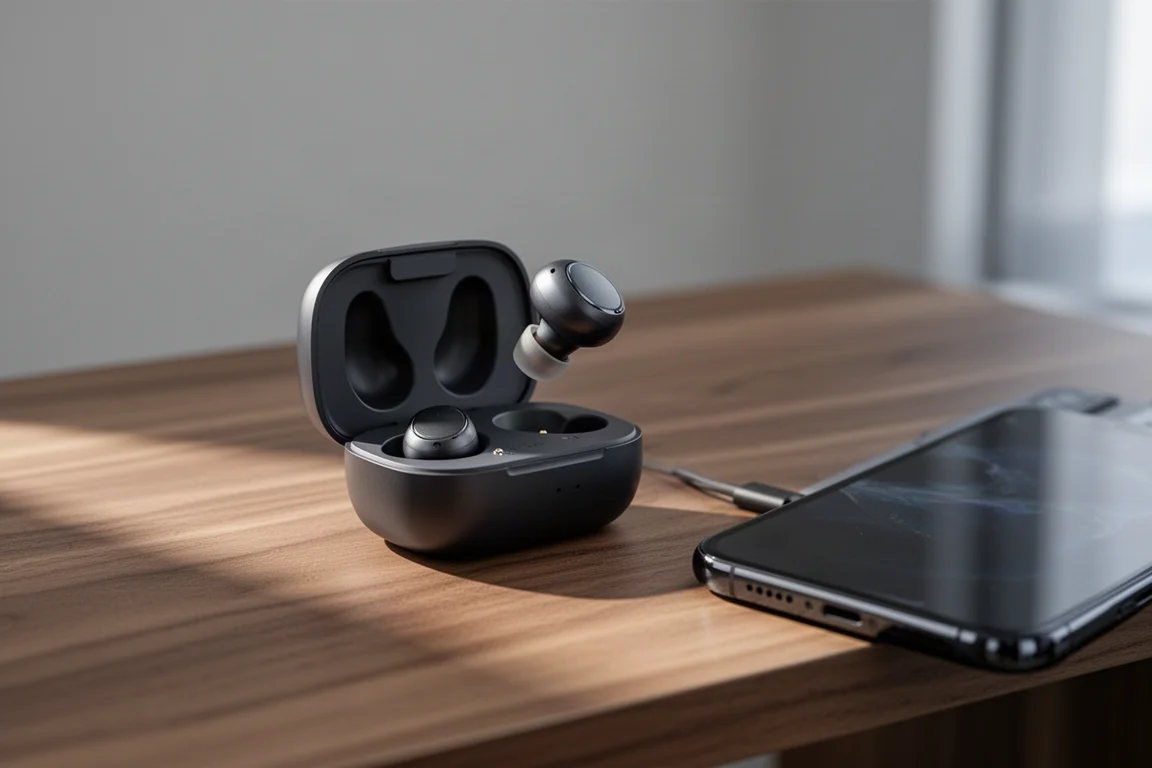
It also makes sense for Android users with an LDAC-capable phone, since LDAC is supported here and is now widely available across Android devices. iPhone owners are limited to AAC, yet even over AAC these earbuds sound crisper, cleaner, more detailed and more dynamic than the alternatives discussed in this article. Frequent flyers who value sonic satisfaction over maximum cabin silence will find a capable travel companion here, as long as the listening session stays within roughly three hours.
Main Strengths: Sound Quality and Dynamics
Macro dynamics are the first thing that stands out. Kick drums land with weight and authority rather than the polite, lightweight tap that lighter-tuned earbuds produce. Set against the AirPods Pro 3 and the Sennheiser Momentum True Wireless 4, the Technics sound more substantial and emphatic, and the gap is obvious in a side-by-side listen.
Micro dynamics are just as convincing. Electronic music depends on the small fluctuations and textural shifts that bring a track to life, and the EAH-AZ100 renders them with a filigreed flicker that the Bowers & Wilkins PI8 cannot match.
Sub-bass is clean, extremely well defined and nicely rounded. On dense techno, the low end arrives with shape and definition rather than as a single-note thump, which keeps the foundation of a track readable instead of muddy. Next to the Technics, the AirPods Pro 3 sound tonally diluted, as though too much water had been added to the mix.
The headstage is wider and taller than that of the AirPods Pro 3 and the Momentum True Wireless 4. Ambient, beatless material floats with more space and air, and the Sennheiser model comes closest in this respect, although the Technics still image with greater height and especially greater width.
Layer separation is where the EAH-AZ100 pulls clearly ahead of the PI8. Intricate percussion kicks hard and stays properly separated, so each element occupies its own space instead of congealing into a thicker paste. The Bowers & Wilkins model tends to emphasise the connective tissue of a recording while pushing its structural detail further into the background.
Driver size offers a partial explanation. The Technics driver measures 10 mm, larger than the 7 mm unit in the Sennheiser Momentum True Wireless 4, which may account for the punchier and more substantial presentation. It is smaller than the 12 mm driver in the Bowers & Wilkins PI8, a model that sounds thick and meaty through the lower mids but lacks the Technics way with layering. Taken together, the result is a remarkably clean and transparent sound with dynamic excitement on tap.
Comfort, Noise Cancellation, and Call Quality
Comfort is the EAH-AZ100’s weak point. After roughly three hours, pressure builds on the upper side of the inner ear and the earbuds need to come out. Every tip in the box was tried, and the largest option fitted best, yet the ceiling remained. Fit is deeply personal, so results will vary from one listener to another, and a three-hour window still covers most short-haul flights.

Passive isolation is good enough on its own in quiet environments. On a plane, with engines running and a cabin full of passengers, active noise cancellation becomes the deciding feature. The Technics sit on par with the Sennheiser Momentum True Wireless 4 and the Bowers & Wilkins PI8 here, and all three trail the AirPods Pro 3, which remain the clear leader for cabin noise suppression.
Call quality is competitive without being a strength. The EAH-AZ100 are on par with the PI8 and the Momentum True Wireless 4 when it comes to being understood by the person on the other end of the call, but the AirPods Pro 3 microphone array and processing do it better.
Codec Support, App, and Everyday Practicalities
LDAC support is on board, and most Android smartphones now offer LDAC, so Android users can access the full experience. iPhone owners are restricted to AAC. The codec contribution is small compared with the hardware choices inside the earbuds, and even over AAC the Technics sound crisper and cleaner than the rivals covered here.
The Technics Audio Connect app covers the essentials and then some. Touch-sensitive behaviour can be customised for each earpiece individually, adaptive noise cancellation can be switched on or off, and a long list of further options is available. The interface is functional rather than elegant and lacks the polish of some competing apps. On Android, the app may initially report AAC, in which case LDAC has to be enabled manually in the Bluetooth settings panel.
One practical quirk is worth flagging. In offline mode on Android, a streaming app used for downloaded playback crashed repeatedly with these earbuds during flights. The behaviour did not appear with other earphones, and it vanished as soon as a network connection was available. It is a niche issue, but frequent flyers who rely on stored music should know about it.
Things to Consider Before Buying
The case for the EAH-AZ100 rests on sound quality, so the trade-offs are worth listing plainly before committing.
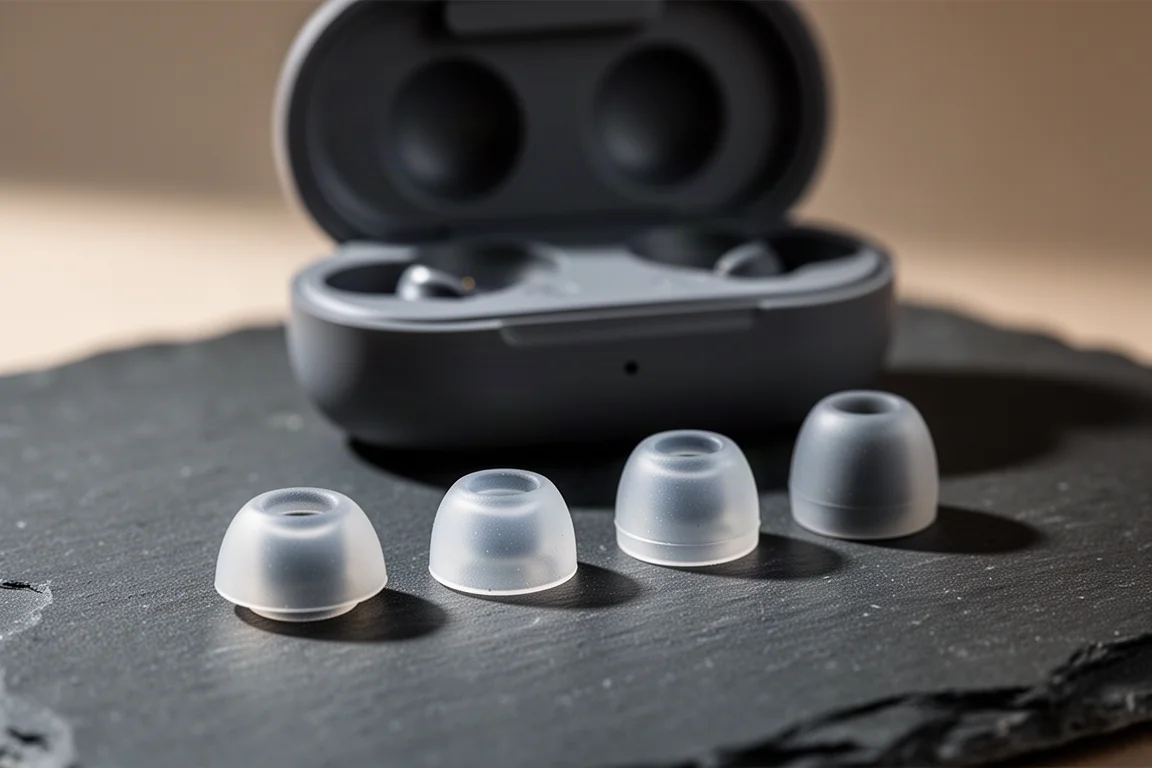
- Comfort can become an issue around the three-hour mark for some listeners, even with the best-fitting tip.
- Active noise cancellation is competent rather than class leading, and cabin noise suppression is noticeably stronger on the AirPods Pro 3.
- Call clarity is on par with the main rivals rather than ahead of them.
- Offline playback on Android introduced a software quirk with one streaming app during testing.
- Wired digital earphones still deliver superior tone and texture at this price. The Campfire Audio Axion, which uses a USB connection rather than a wireless link, remains the stronger pick for pure sound quality when a cable is acceptable.
Buying Advice
Buy the Technics EAH-AZ100 if sound quality is your priority and you can accept a comfort ceiling of around three hours together with noise cancellation that sits a step behind the best. Android users with an LDAC-capable phone get the full benefit, while iPhone owners lose the codec advantage but still gain the sound quality.

Look elsewhere if comfort or maximum noise suppression comes first. The AirPods Pro 3 remain the better choice for all-day wear, for commutes and flights where cabin silence matters most, and for the clearest phone calls. If a cable is acceptable, wired digital earphones deliver better tone and texture at the same price point.
Conclusion
The Technics EAH-AZ100 do not try to win on features. They win on sound. The 10 mm driver and its low-friction design translate into a clean, transparent and dynamically exciting presentation, with a headstage and layer separation that the mainstream alternatives cannot match below €400.
The compromises are real but specific. Comfort limits long sessions for some ears, noise cancellation trails the class leader, and call clarity is competitive rather than exceptional. Buyers who accept those terms will find the best true wireless sound available in this price bracket, and a pair of earbuds that makes the music itself the main event.
Product link
View more details for Technics EAH-AZ100
This product is mentioned in the review. Check the specifications, options, and compatibility before buying.
View more details for Technics EAH-AZ100Further reading
Related Reviews

Wireless Earbuds
AirPods Pro 2 vs AirPods Pro vs Sony WF-1000XM4: Which True Wireless Pair Should You Buy?
A practical comparison of the Apple AirPods Pro (2nd generation), the original AirPods Pro, and the Sony WF-1000XM4, covering noise cancellation, sound, comfort, and controls.

Wireless Earbuds
Apple AirPods Pro (2nd Generation) Review: Spatial Audio and Noise Cancelling in Focus
A practical look at the AirPods Pro (2nd generation): noise cancelling that silences voices, immersive Dolby Atmos spatial audio, hearing-test EQ, and the trade-offs worth weighing before you buy.
Wireless Earbuds
Bowers & Wilkins Pi5 S2 Review: Detailed Sound in a Bulky Case
The Bowers & Wilkins Pi5 S2 delivers rich, balanced sound and clear voice performance, but its charging case is bulkier than most and the fit needs attention while running.