Wireless Earbuds
AirPods Pro 2 vs AirPods Pro vs Sony WF-1000XM4: Which True Wireless Pair Should You Buy?
A practical comparison of the Apple AirPods Pro (2nd generation), the original AirPods Pro, and the Sony WF-1000XM4, covering noise cancellation, sound, comfort, and controls.
Introduction
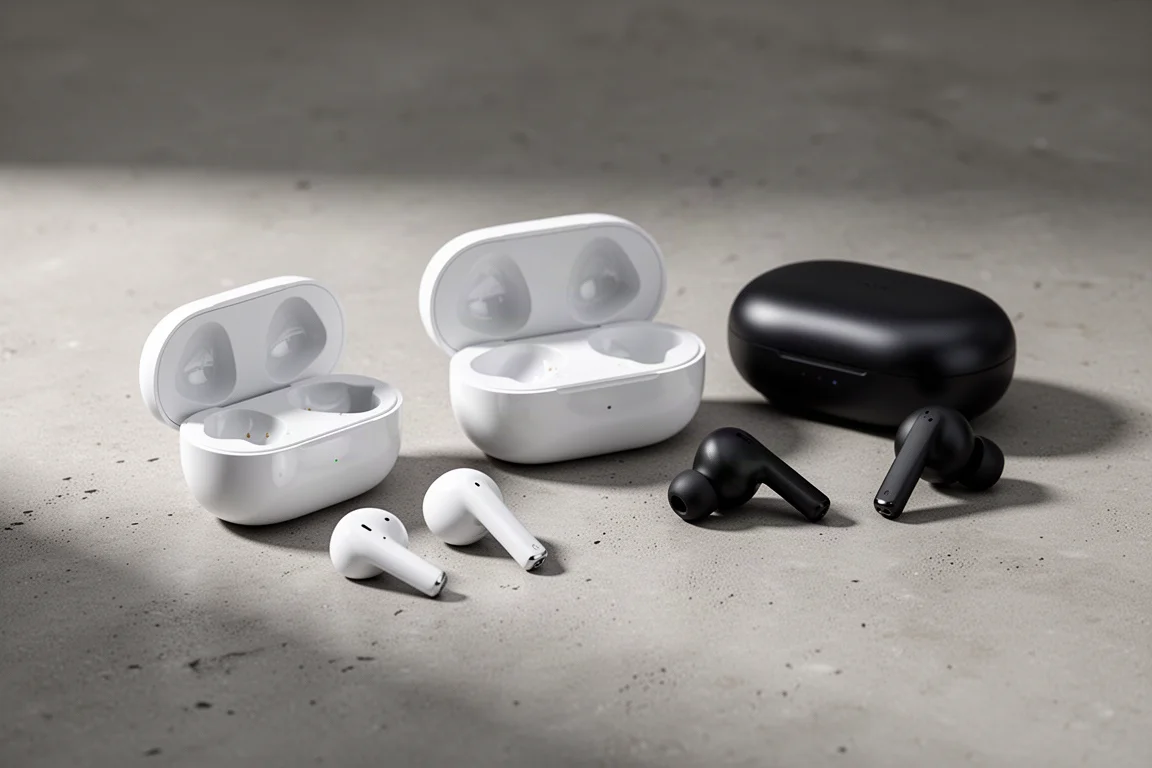
Active noise cancellation in true wireless earbuds is a relatively young feature, and the category has already split into clearly different personalities. Apple’s second generation AirPods Pro lean on computational audio and tight iPhone integration. The original AirPods Pro remain one of the most comfortable pairs ever made. The Sony WF-1000XM4 take the opposite route, with a deeper seal, a fuller sound, and app-based controls.
This comparison puts all three side by side so you can work out which one fits the way you actually listen.
What Matters in a True Wireless Pair
Before comparing models, it helps to know which variables genuinely change what you hear. The seal between the tip and your ear canal is the single biggest factor. A good seal improves passive isolation, gives active noise cancellation less work to do, and has a direct effect on bass response. Both Apple and Sony include an in-app fit test that checks how well the tips seal, which turns a guessing game into something measurable.
Codec support gets a lot of attention, but the hardware matters more. Apple earbuds connect over AAC only, which is what an iPhone offers. The drivers, amplifiers, and processing inside the earbuds have a far greater influence on the final sound than the codec alone.
Comfort and controls decide how often you actually reach for a pair. Weight, tip shape, and how the earbuds sit in the ear matter as much as any specification.

That last point is easy to underestimate. An earbud that stays comfortable for hours is one you keep in for podcasts, calls, and background listening, while an uncomfortable pair tends to live in its case.
Apple AirPods Pro (2nd Generation): The Best All-Rounder
The second generation AirPods Pro are the most complete pair of the three. Apple’s H2 chip handles the computational audio work, and the drivers and amplifiers behind it have been changed, with the vents relocated on the body, which is likely part of why the sound differs so much from the original.
The charging case now supports Find My, so a misplaced case can be located, and there is a speaker on the bottom that chirps when the case is placed on a wireless charging pad or plugged into a Lightning cable. The case also works with MagSafe chargers and with an Apple Watch charger. Apple claims six hours of listening from a full charge, compared with four hours on the previous generation.
In the ear, the earbuds are almost indistinguishable from the original, and the tips remain cross-compatible between generations, so third-party tips still fit. There is also a useful safeguard: an iPhone will tell you if the wrong generation earbud has been dropped into the case.
Controls have improved. A swipe up or down on the stem adjusts volume, and it works on either earbud, with a small audible confirmation tone when the swipe registers. Transparency mode is remarkably close to real life, and the difference between wearing an earbud in transparency mode and taking it out is small. Noise cancellation is now on par with the Sony, with the exception of wind noise, which remains a weak point on both Apple generations. Sony handles that with a dedicated wind noise mode in its app.
Sound quality is where the second generation makes its biggest jump. Bass and sub-bass are now separated rather than bunched together, the sharp sibilance of the original is largely gone, and the overall presentation is fuller, richer, and punchier. Vocals can sit slightly back in the mix at times, but it is not a deal breaker. Compared with the Sony, the AirPods Pro 2 sound more transparent, while the Sony sound bigger but comparatively muddier.
Comfort stays excellent, which keeps these at the top of the pile for podcasts and long phone calls, and call performance is strong apart from wind noise. On iPhone, the ear tip fit test in settings is a genuinely helpful feature. Spatial audio on Apple Music is the other draw: well-made Dolby Atmos mixes separate instruments in a way stereo does not, though the amount of music available in that format is still limited. Apple Watch integration and quick handoff between an iPhone and a Mac round out the package.
Apple AirPods Pro (1st Generation): Comfort Above All
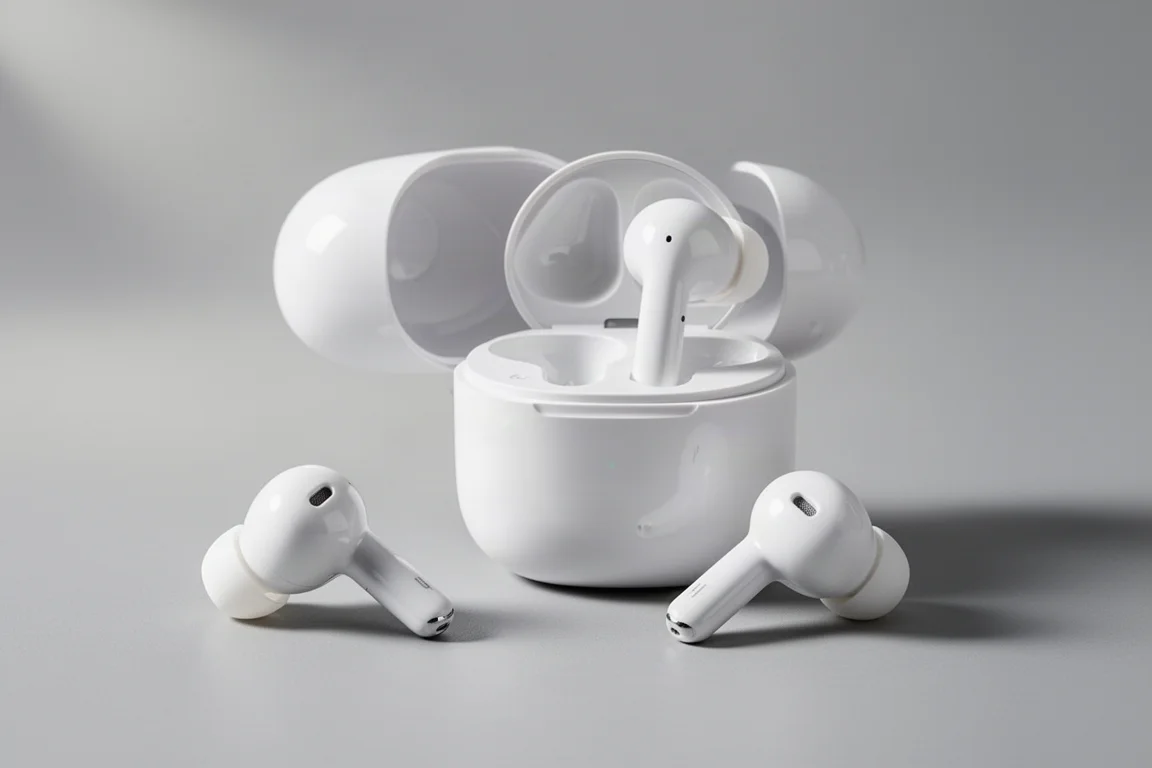
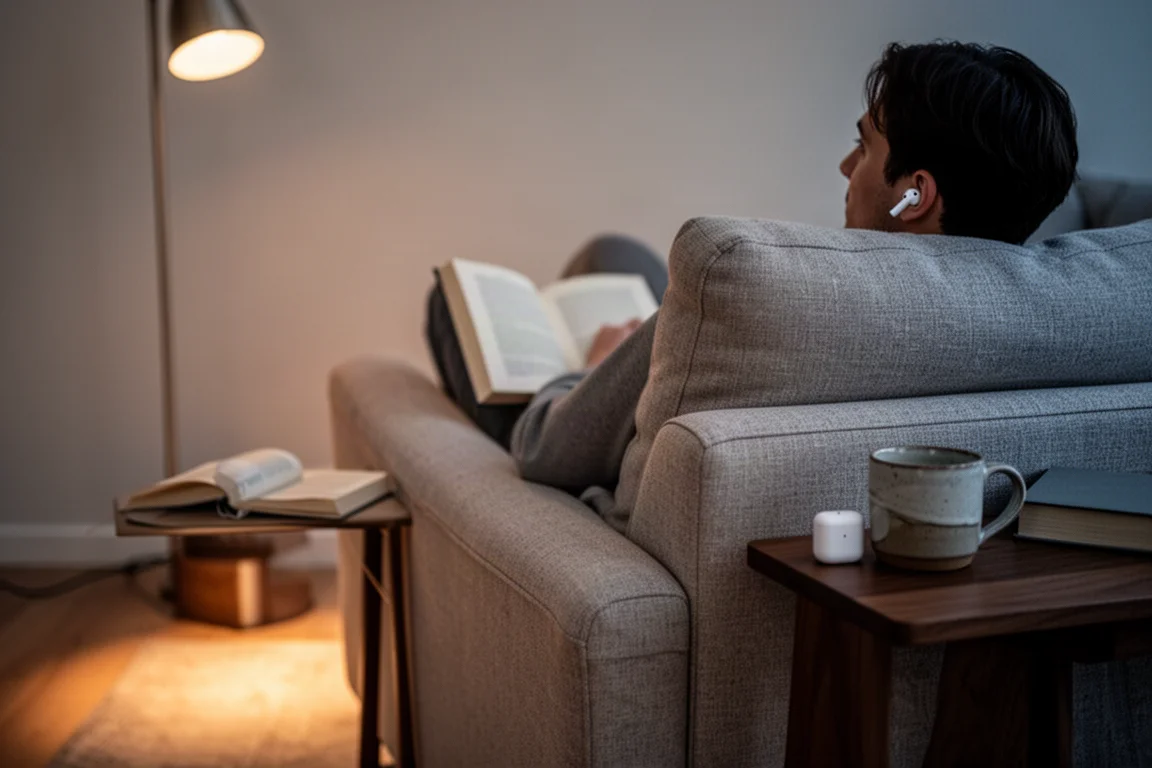
The original AirPods Pro still have one clear advantage: comfort. They are easier to wear for long stretches than the Sony WF-1000XM4, which makes them the better choice for extended podcasts and long phone calls. That comfort is the main reason they remain worth considering at all.
Music playback is the weak spot. The original AirPods Pro can sound dry and papery with music, occasionally sibilant, and congested in the low end where sub-bass and mid-bass are pushed into one zone. For anyone who listens to music seriously, they are hard to recommend on sound alone.
Noise cancellation is effective but a step behind the Sony, which seal more of the ear and therefore get better passive isolation before the electronics even engage. Wind noise was a problem on this generation too, and switching to third-party tips to reduce it also trimmed low frequency response.
The good news for anyone who already owns a pair, or finds one at a comfortable price, is that the tips share their shape with the second generation, so third-party tips and spares carry over. For calls and spoken word the picture is friendlier: clear enough for speech, comfortable enough to keep in for hours, and reliable for long conversations.
Sony WF-1000XM4: The Music-First Option
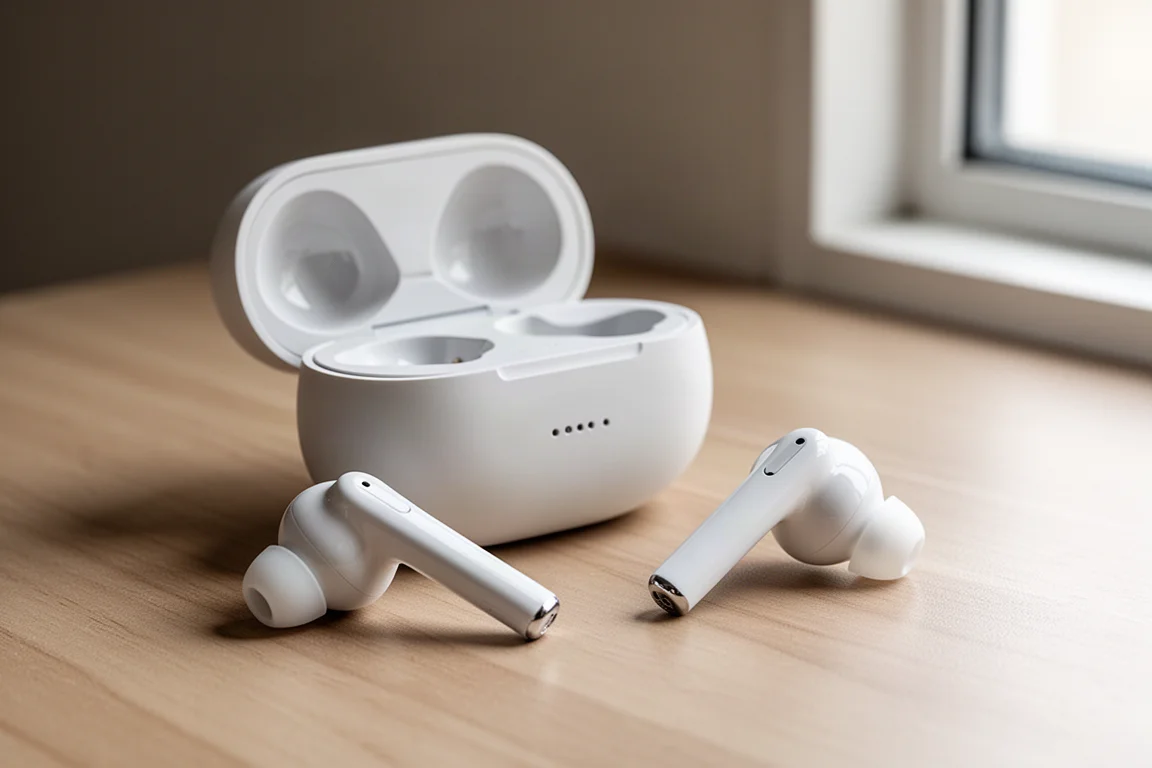
The Sony WF-1000XM4 are the pair that makes the strongest impression for music. They seal more of the ear than the AirPods Pro, which gives them stronger passive isolation and lets their active noise cancellation work with less effort. The result is better noise cancellation than the original AirPods Pro on both counts. They also sound fuller, richer, and more dynamic, with more punch on bass-heavy tracks.
They are not perfect. Transparency mode on the Sony sounds processed and echoey compared with the second generation AirPods Pro, and the difference between wearing an earbud and taking it out is far more obvious. Comfort is the bigger trade-off: they are not as easy to wear for long periods as either Apple pair.
Controls are tap-based, with a tap on the right earbud for pause and a tap on the left for transparency mode. Volume changes are possible but less elegant than swiping a stem. Sony’s app includes a wind noise mode that deals with wind far more effectively than anything on the Apple side, along with an ear tip seal test.
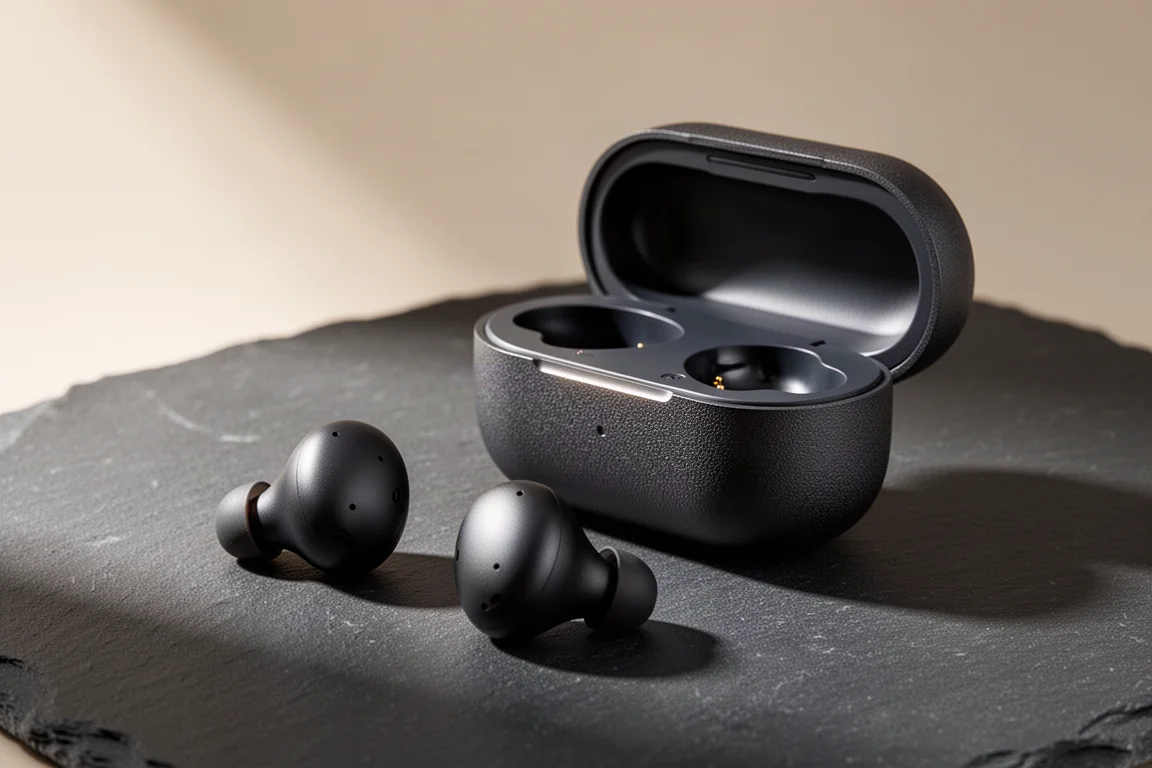
Comfort, Controls, and Everyday Handling
Across all three, comfort is the dividing line. The Apple pairs sit lighter in the ear and can stay there for hours, which is why they win for podcasts, long calls, and general background listening. The Sony ask more of your ears in exchange for a deeper seal and a fuller sound.
Controls favour the second generation AirPods Pro. Swiping a stem for volume, with audible confirmation, is the most elegant of the three solutions, and it works on either earbud. The Sony’s tap gestures cover playback and transparency mode well but make volume adjustments fiddlier.

Phone call quality follows the same pattern. The Apple pairs handle long conversations comfortably, and the second generation improves on the original, though wind remains a shared weakness on both. If you split your time between an iPhone, an Apple Watch, and a Mac, the second generation AirPods Pro are also the smoothest to move between devices.
Spatial Audio and What It Means for Listeners
On Apple Music, spatial audio mixes can transform the right albums. A good Dolby Atmos mix separates instruments in a way stereo cannot, revealing vocal details, synth textures, and bass lines that sit buried in the standard version. The catch is availability: the amount of music released in spatial audio is still small, so it is a bonus rather than a reason to buy on its own.
For anyone weighing the second generation AirPods Pro, spatial audio is best treated as an extra that occasionally delights rather than a core feature you will use every day.
Overall Buying Advice
The second generation AirPods Pro are the pair to choose if you want one set of earbuds that handles everything reasonably well. Noise cancellation is on par with the Sony, transparency mode is the most natural of the three, comfort is excellent, and controls are the easiest to live with. They are not the absolute best true wireless option for music, and there are alternatives that cost less and sound better with music, but as an all-rounder they are hard to beat.
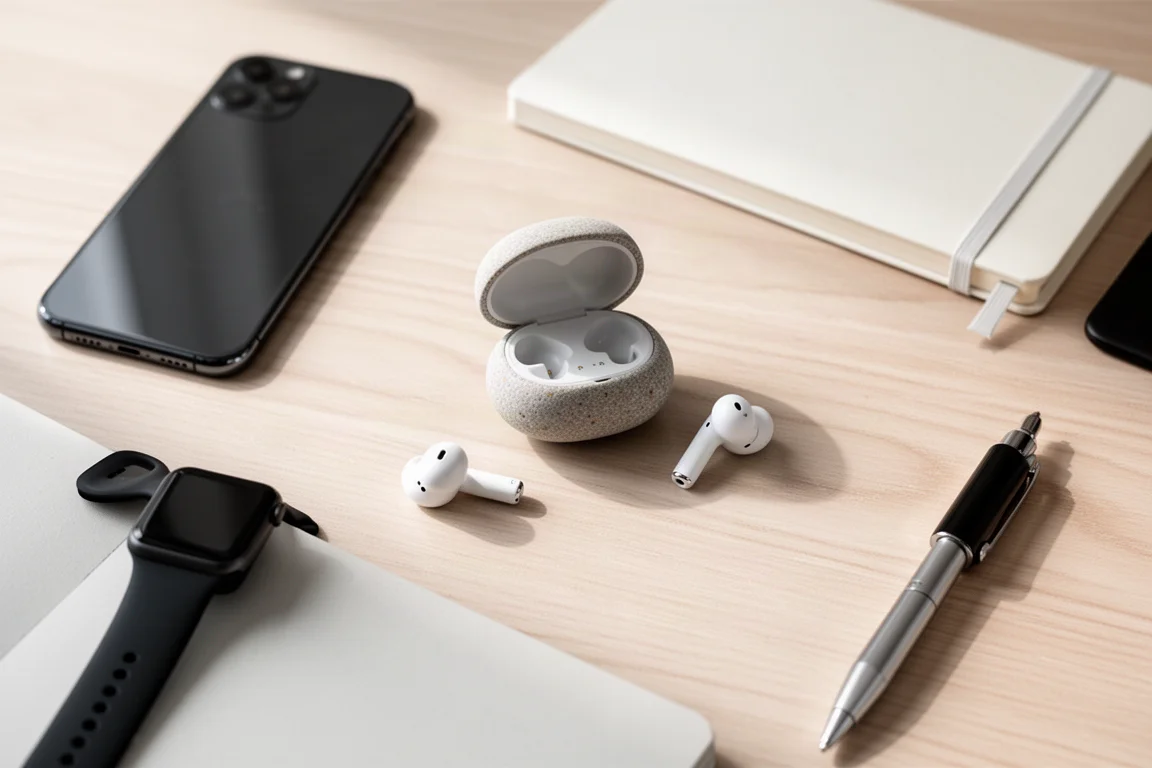
The original AirPods Pro make sense mainly on comfort and price. If your listening is dominated by podcasts and calls, and you find a pair at a comfortable price, they still do that job well. If music is the priority, the Sony WF-1000XM4 remain the stronger pick of the older two, with deeper isolation, a fuller sound, and a wind noise mode that the Apple pairs lack.
Conclusion
Three pairs, three different priorities. Choose the AirPods Pro (2nd generation) for the best balance of noise cancellation, transparency, comfort, and controls. Choose the original AirPods Pro only if comfort and spoken word matter more than music. Choose the Sony WF-1000XM4 if music quality and isolation come first and you can live with a firmer fit.
Further reading
Related Reviews
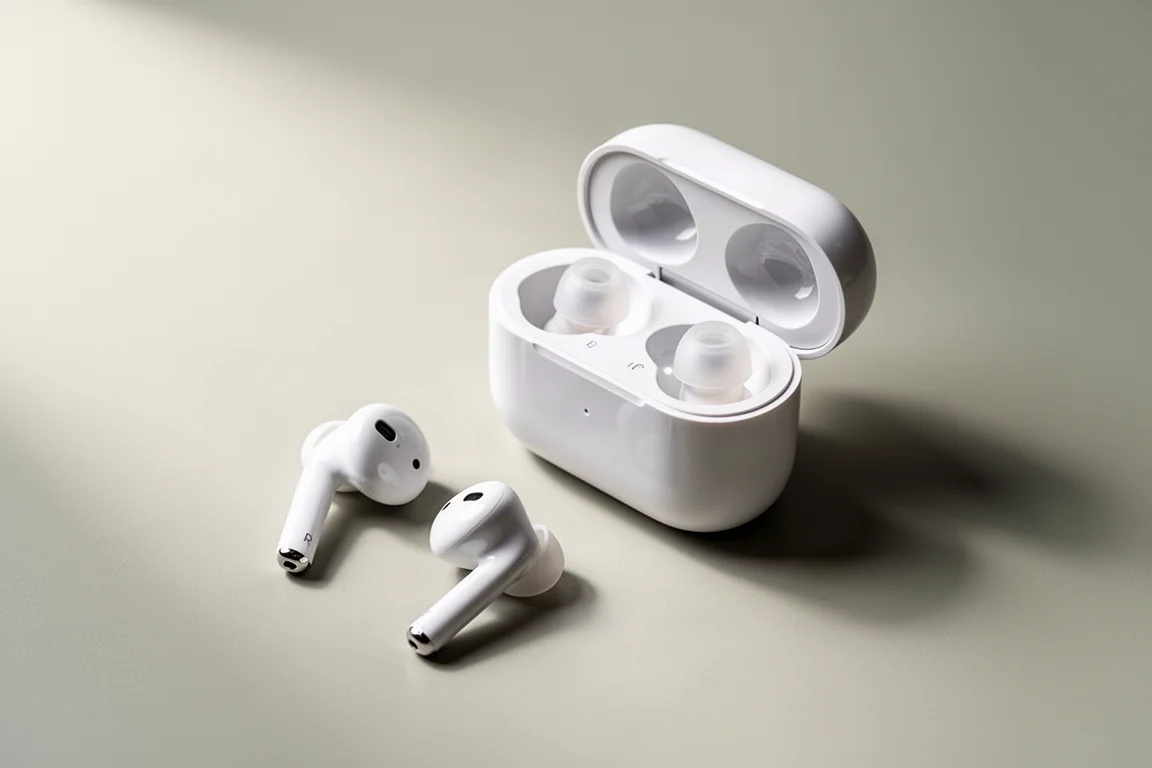
Wireless Earbuds
Apple AirPods Pro (2nd Generation) Review: Spatial Audio and Noise Cancelling in Focus
A practical look at the AirPods Pro (2nd generation): noise cancelling that silences voices, immersive Dolby Atmos spatial audio, hearing-test EQ, and the trade-offs worth weighing before you buy.
Wireless Earbuds
Bowers & Wilkins Pi5 S2 Review: Detailed Sound in a Bulky Case
The Bowers & Wilkins Pi5 S2 delivers rich, balanced sound and clear voice performance, but its charging case is bulkier than most and the fit needs attention while running.
Wireless Earbuds
Devialet Gemini 2 Review: Compact Earbuds With Serious Sound
A detailed look at the Devialet Gemini 2, covering sound quality, noise cancellation, the redesigned case, battery life, and whether the premium price makes sense.