Trail Running
Complete Trail Race Kit Guide: 15 Essentials for a 140K Mountain Ultra
From race-tested trail shoes and a trusted race vest to mandatory waterproofs, poles, lighting, and nutrition, here is a full kit setup for a demanding alpine ultra.
Introduction
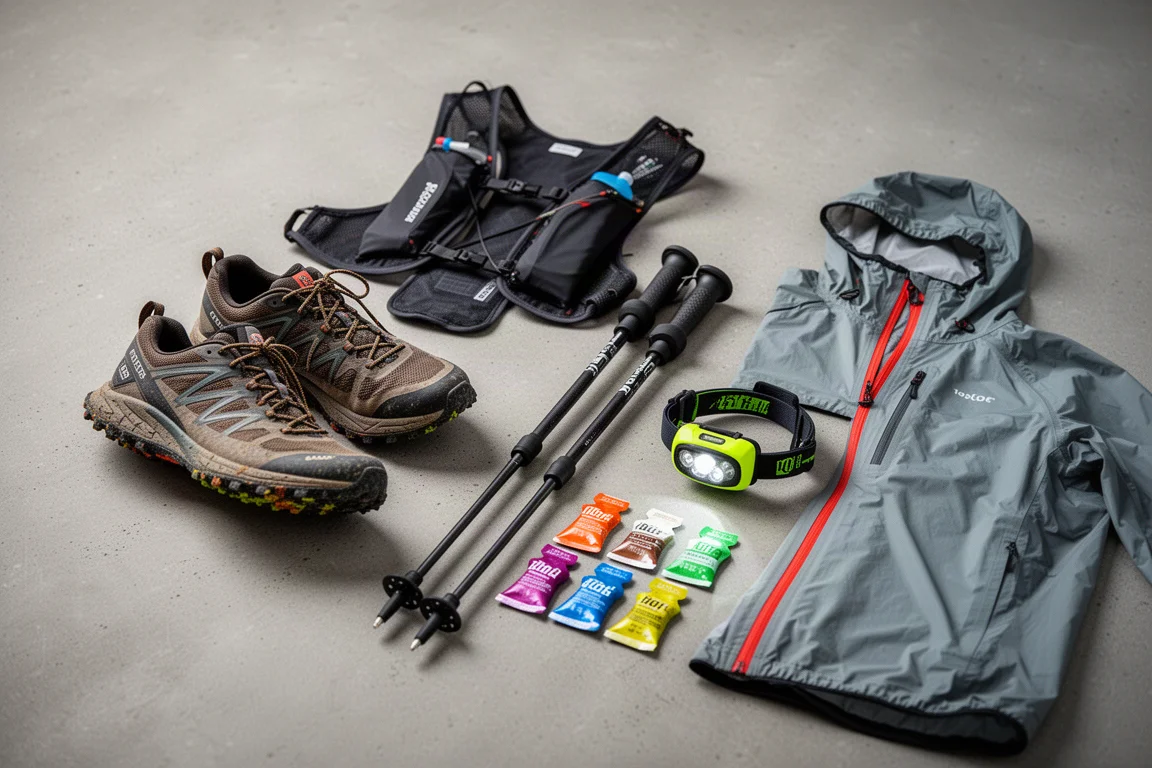
Racing 140 kilometers with roughly 9,100 meters of elevation, across two nights in the mountains, leaves no room for untested gear. Every item that goes into the race vest has to earn its place: light enough to carry, reliable enough to trust, and comfortable enough to run in for hours on end. This list covers the full setup, from apparel and mandatory safety kit through poles, lighting, and nutrition.

The Trail Shoe Shortlist
Several pairs made the trip to the Alps for a final test in genuine race conditions. Each one has real strengths, and each one was cut for a specific reason.
Saucony Exodus Ultra
The winner, and no great surprise. Straight out of the box it ran 80 miles with zero hot spots, blisters, or rubbing, and roughly 200 miles on a big mix of terrain since has not let it down. It fits the foot shape exceptionally well, offers a great level of comfort and protection, and delivers really good grip from its PwrTrac outsole. A faultless pick for long, technical mountain routes.
Hoka Speedgoat 5
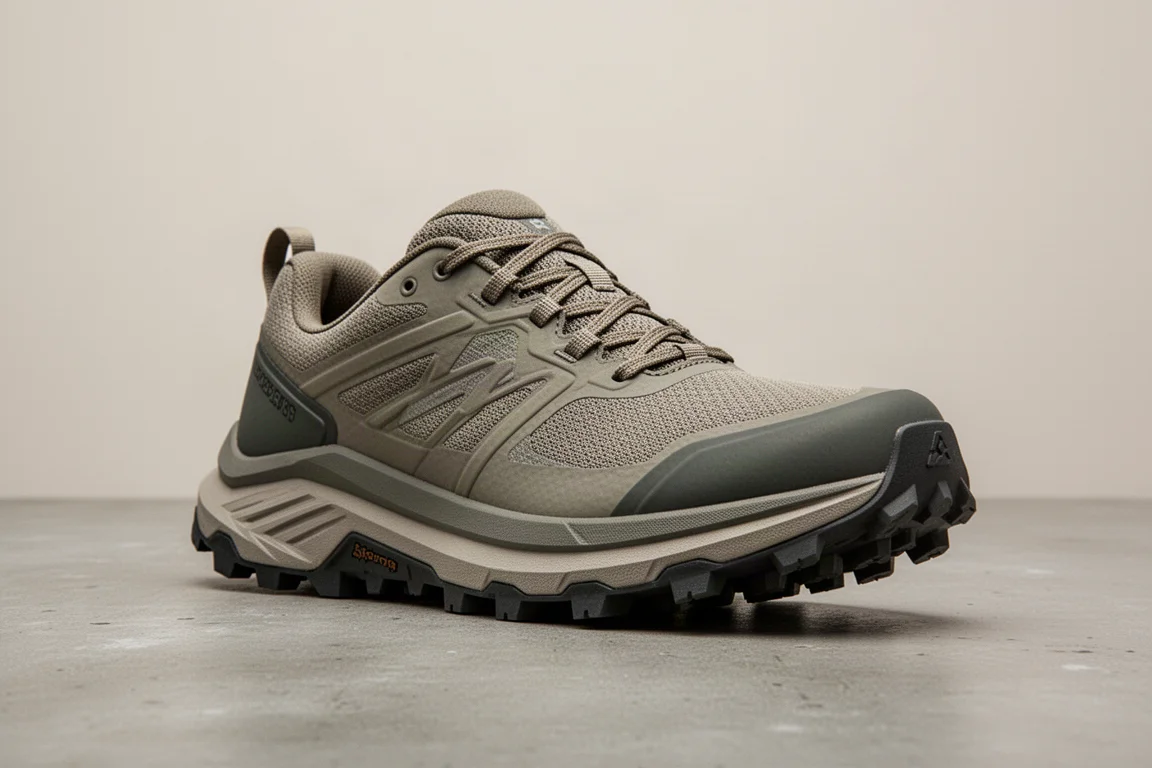
A shoe with history: a previous version carried a full 104-mile alpine ultra without ever coming off the feet. It performs well on both coastal trails and technical mountain ground, and remains a genuinely strong all-round choice. It simply lost out to an even better fit this time around.
Salomon Pulsar Trail Pro
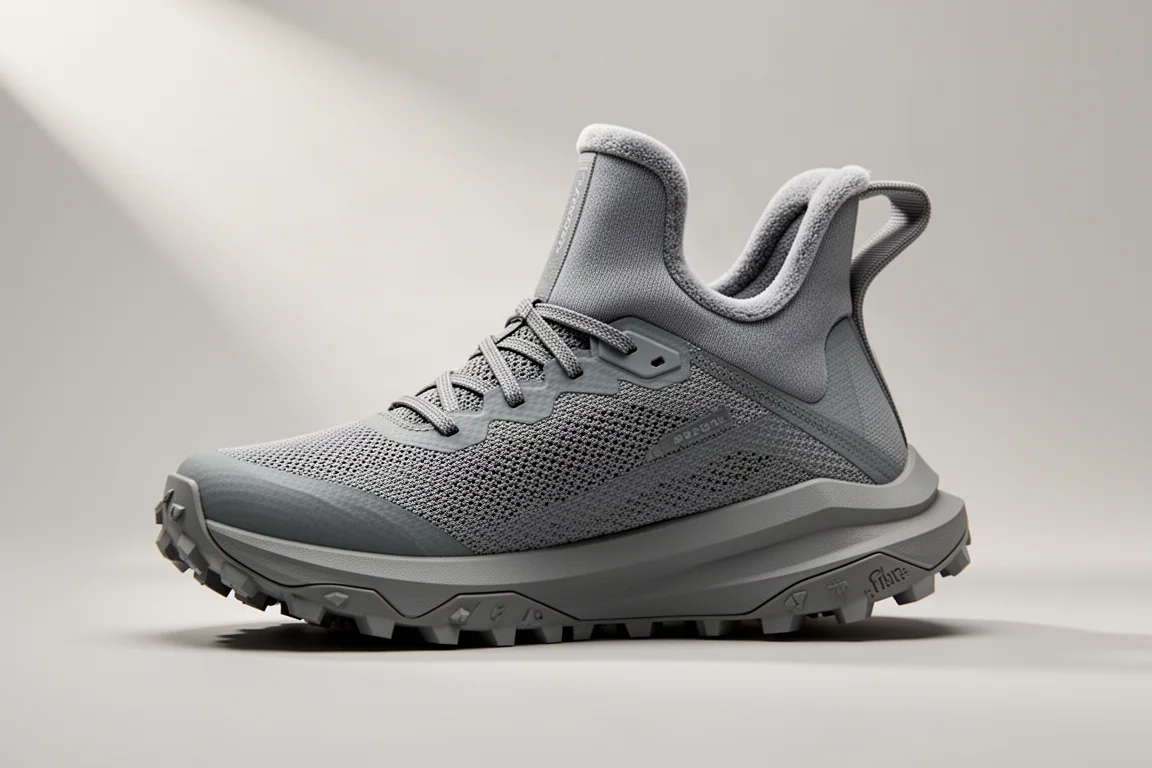
The midsole cushioning, rocker geometry, and plate all felt great, but the upper let it down. The lace eyelets dig into the top of the foot and getting a solid lockdown around the midfoot proved difficult, so comfort ruled it out.
Saucony Endorphin Edge
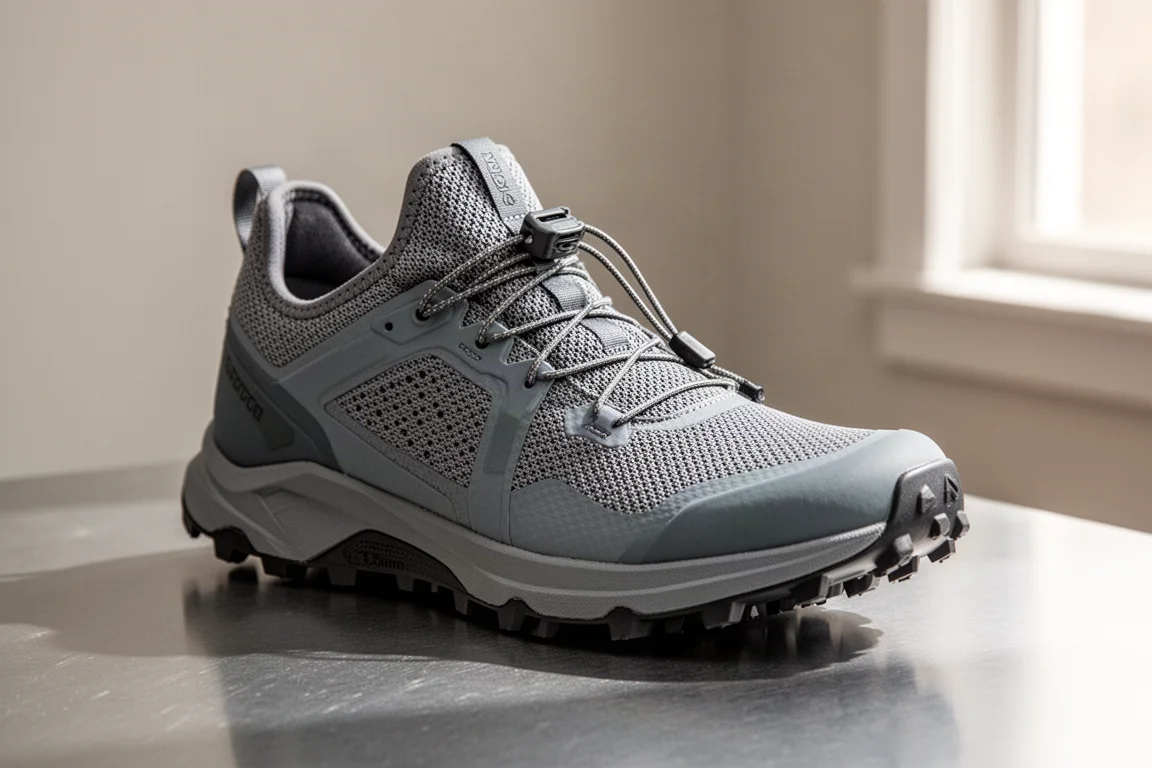
Easily the most adaptable carbon-plated trail shoe tested: the plate never feels too stiff or rigid at speed on technical ground, and it shines on flatter trails too. The issue appears late in long, tired runs, when extra weight through the heel makes it feel less stable on rocky descents. Too risky for a technical course.
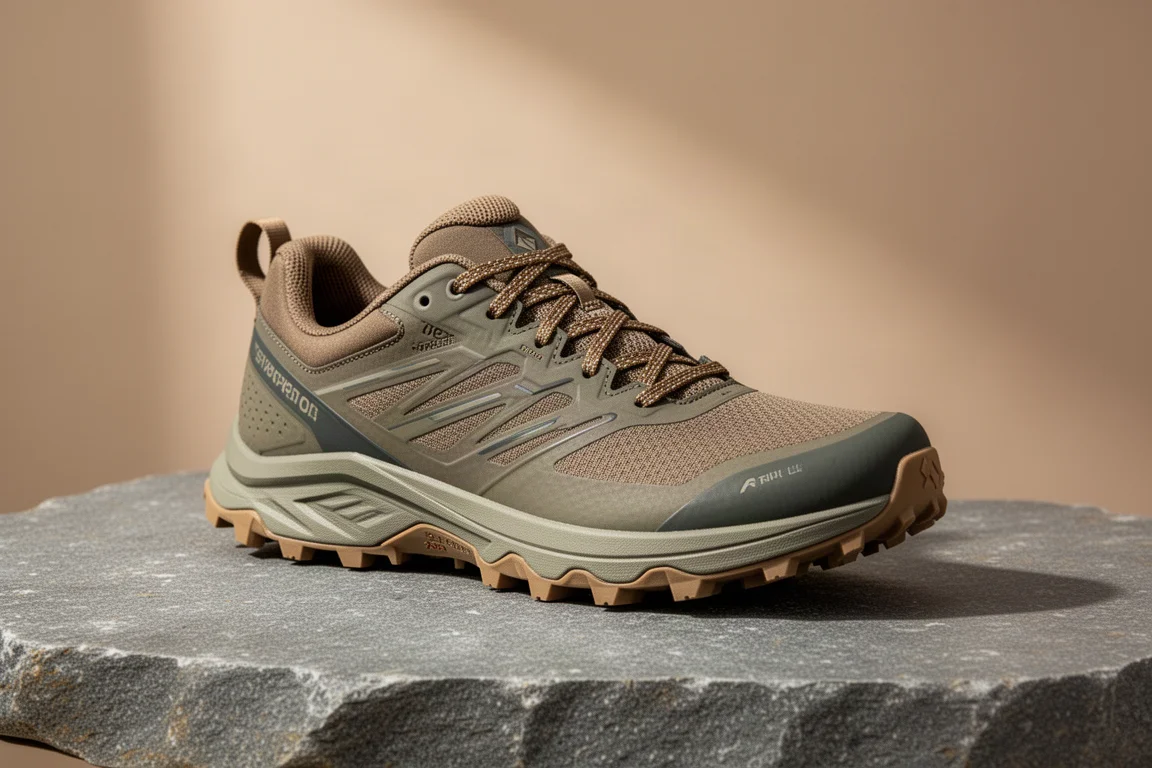
Nike Zegama
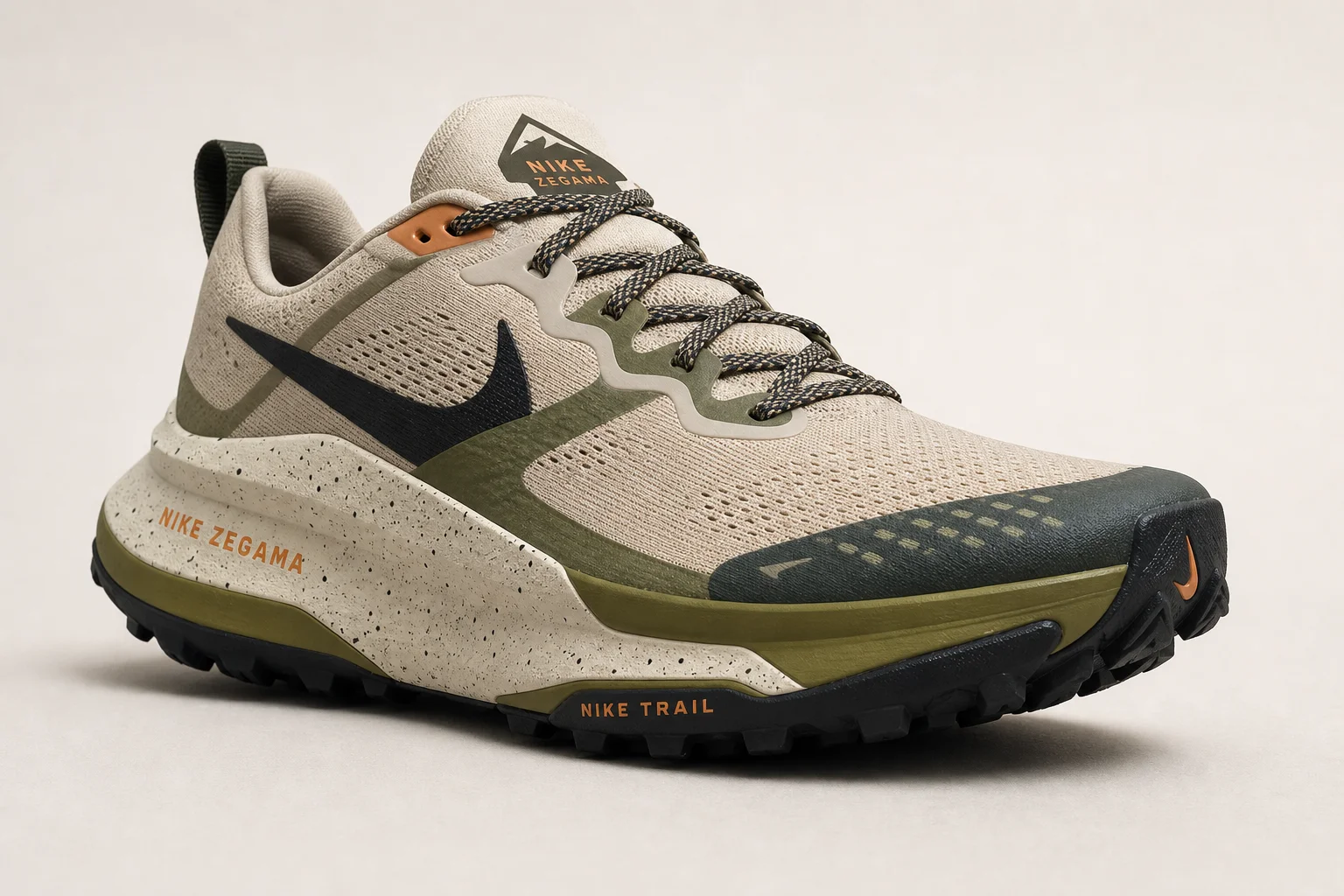
The fit works well, with a secure midfoot lockdown and good toe room, and it felt comfortable over several long mountain runs. But as the midsole accumulated miles it softened and the shoe lost underfoot stability, producing a few near-rolled ankles on technical sections. A promising shoe that did not make the final cut.
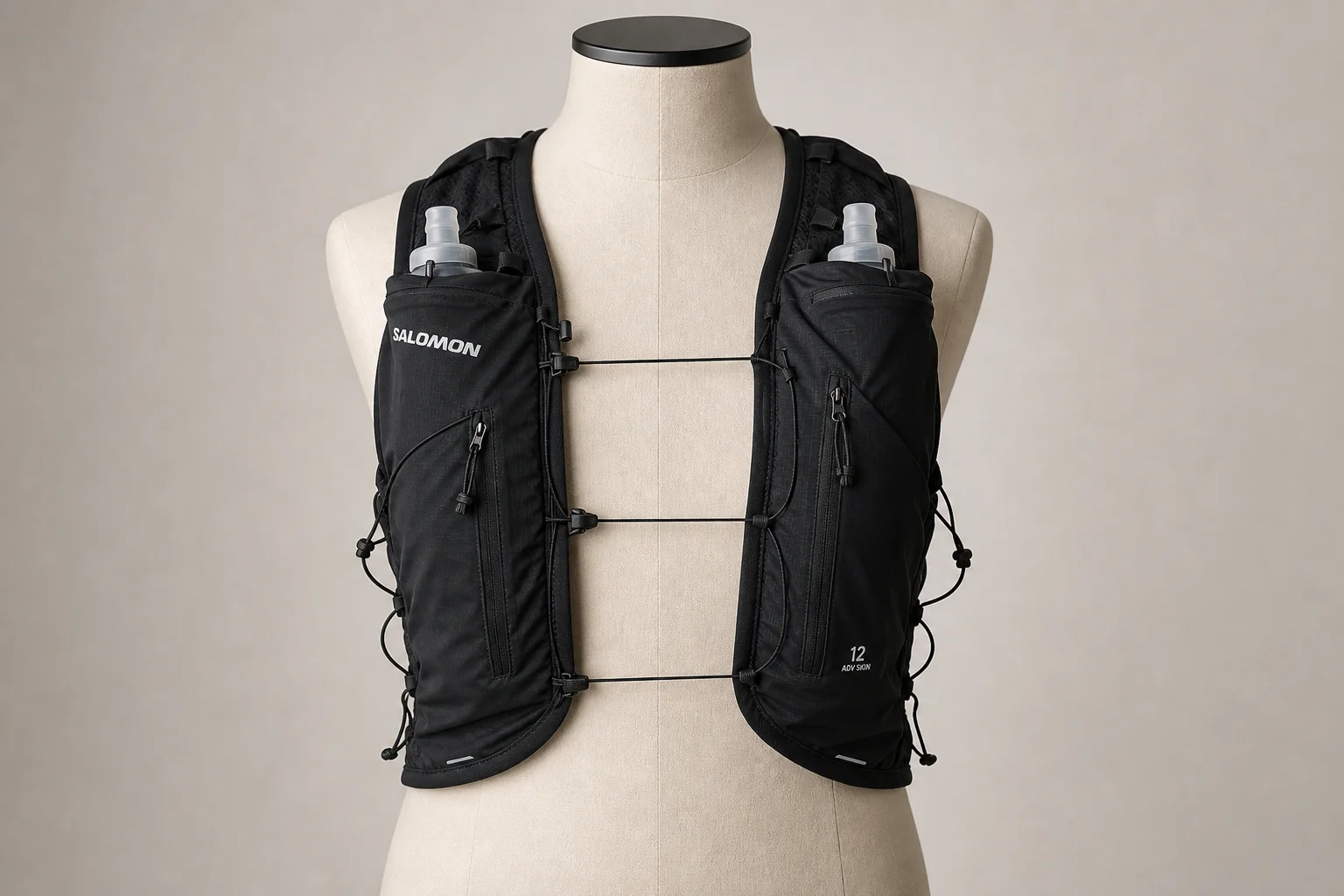
Race Vest: Salomon Advanced Skin 12
This pack has been a go-to for years across several versions, and the latest iteration keeps the streak going. A new top stuff pocket makes the waterproof jacket easy to grab, the front bungee system carries running poles exactly where they belong, and the accessible storage works brilliantly for eating and drinking on the move. All of the mandatory kit rides inside a 3-liter dry bag in the main compartment, cinched down and sealed. It has never let it down as a race vest.
Running Poles: Harrier Carbon Fixed Length Z Poles
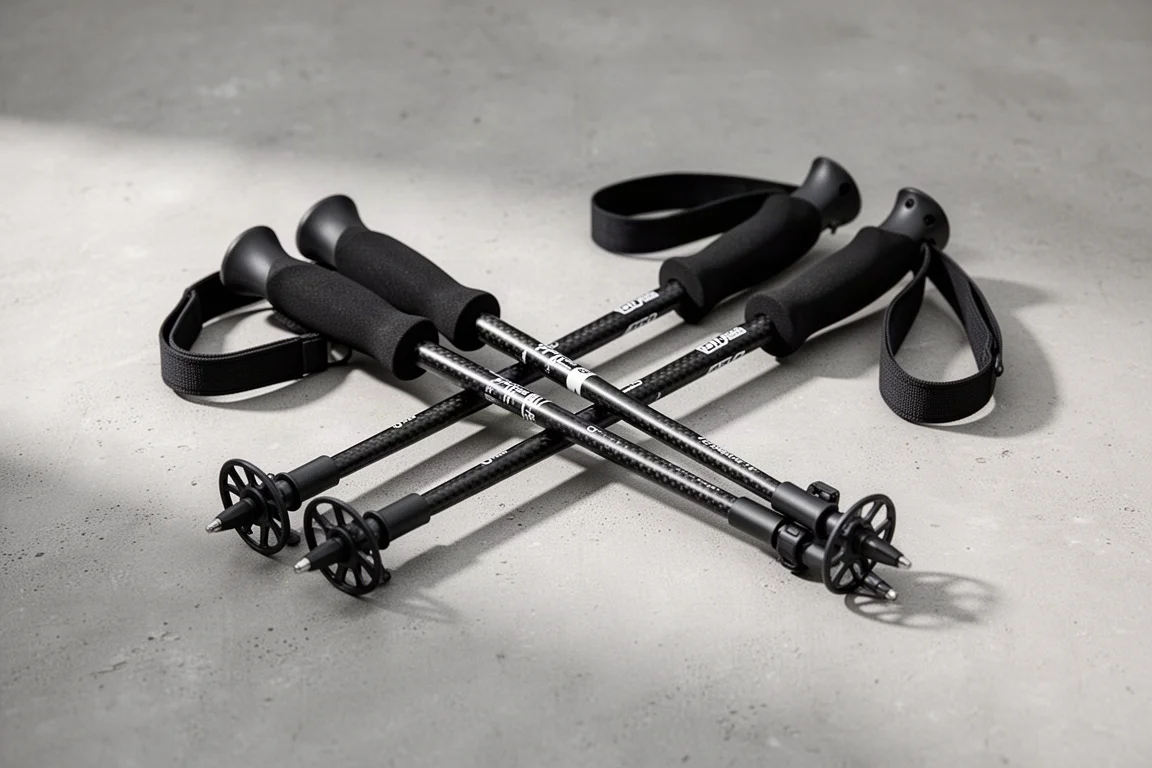
Poles are essential on a mountain race of this profile. After years on a pair of Salomon carbon poles, these new Harrier poles impressed immediately: they are lighter, the grips are more comfortable, and the wrist straps are softer. They also pack down more compactly, with the poles clipping into baskets at the ends to keep everything tidy on the vest. At a retail price of £89, roughly half the cost of other carbon running poles, they are genuinely excellent value.
Lighting for Two Nights on the Move
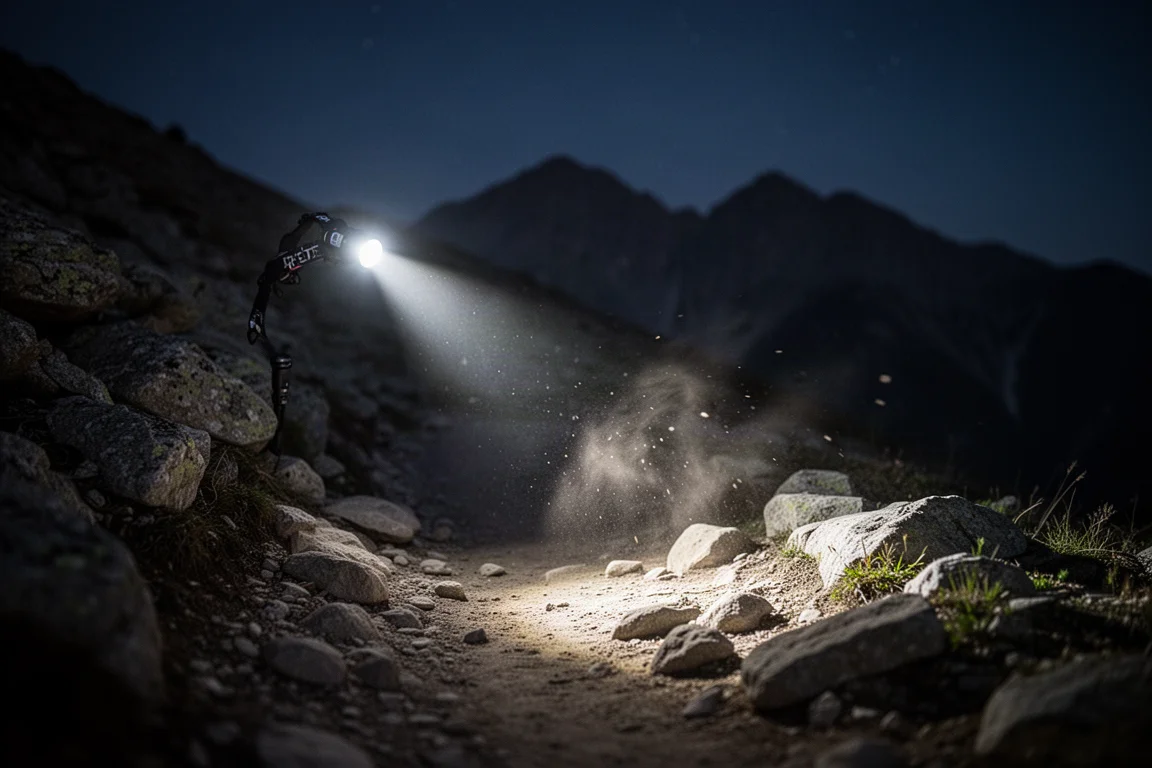
Racing through two nights means a main light, a backup, and spare batteries.
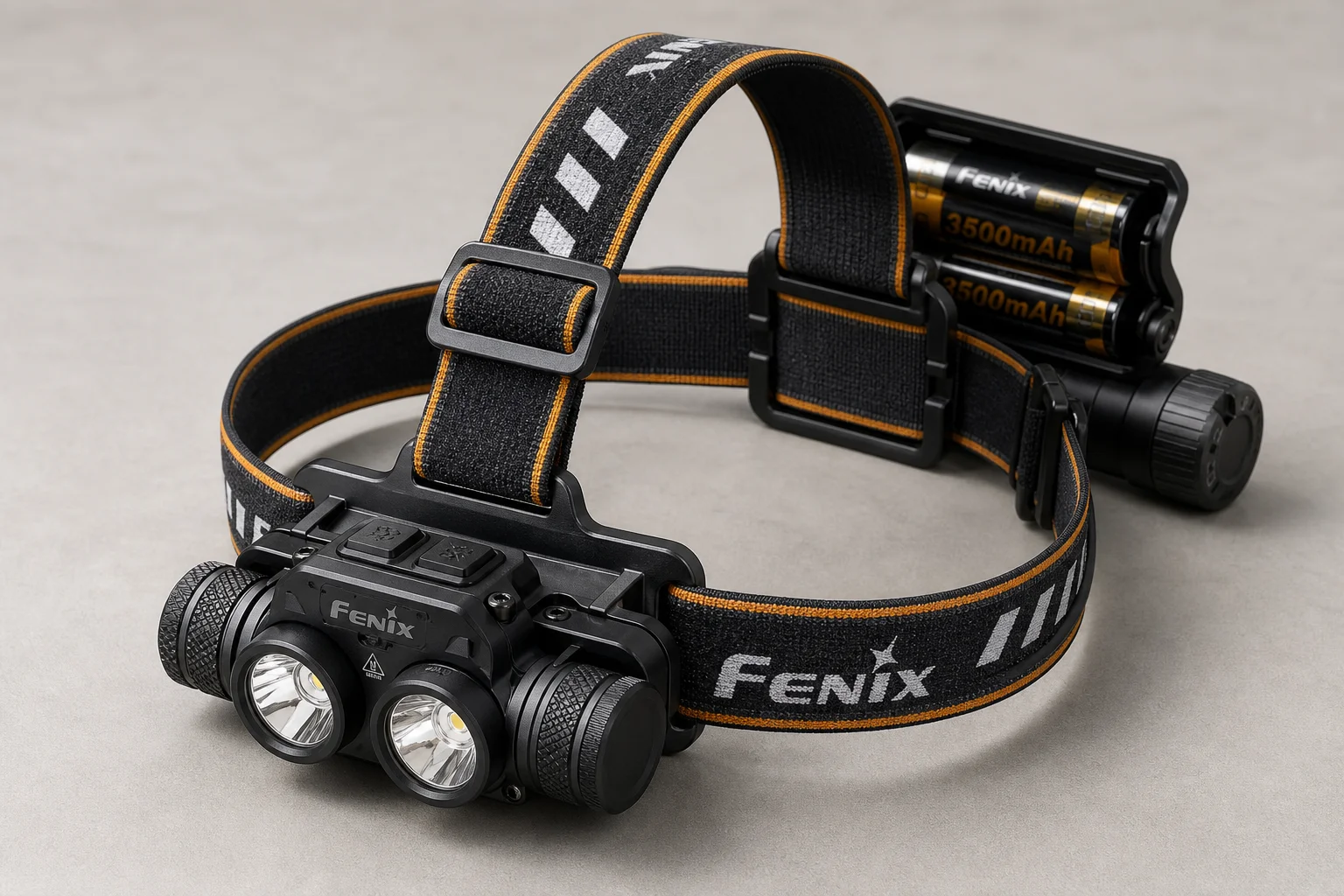
Fenix HM65R
The main light. On full power it outputs 1,400 lumens, more than enough for the most technical night sections, though most of the race will run on the 400-lumen mid setting for a much longer battery life. The wide, breathable headband uses a Boa-style adjustment system that is easy to tweak on the fly, and it stays comfortable without weighing much. Even when tired, the controls are simple to use.
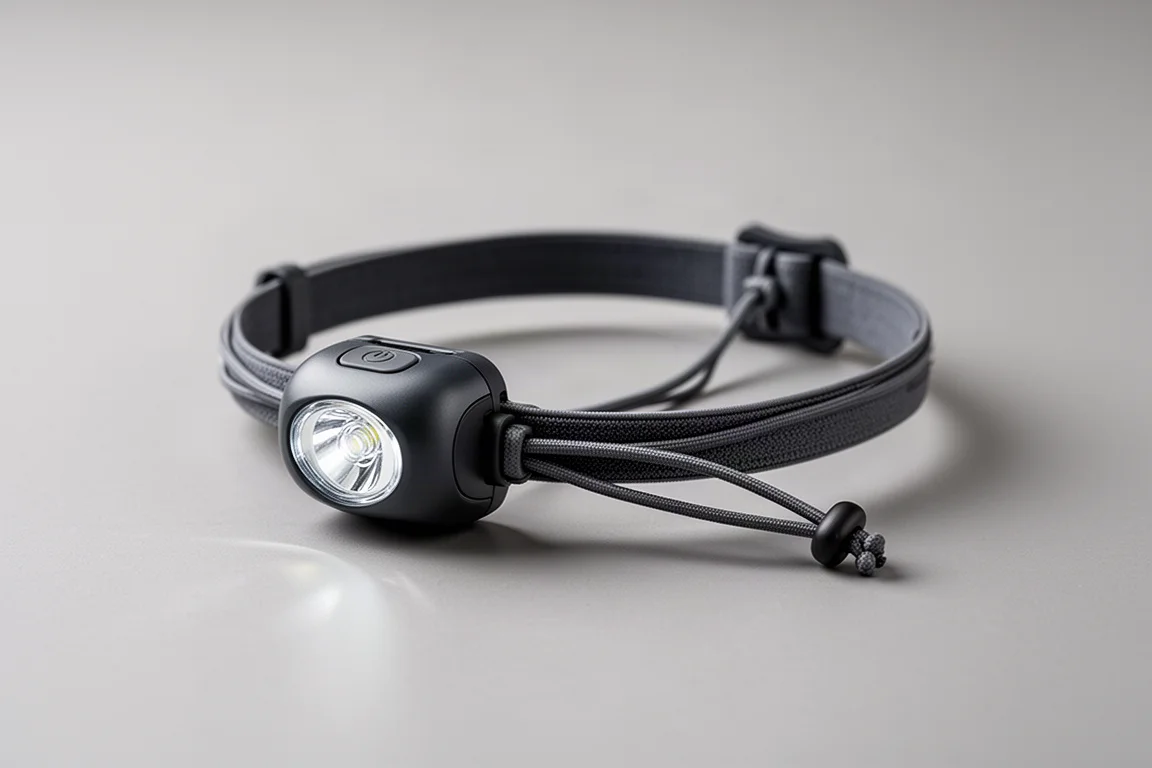
Fenix HL18R
The backup. It shares the same headband design and Boa system, but is lighter, more compact, and dimmer. Even so, it still packs a strong output for its size, making it a perfect spare to ride in the dry bag alongside extra batteries.
Waterproofs and Warm Layers
Mountain weather can change in minutes, so the mandatory layers were chosen for low weight and small packed size.
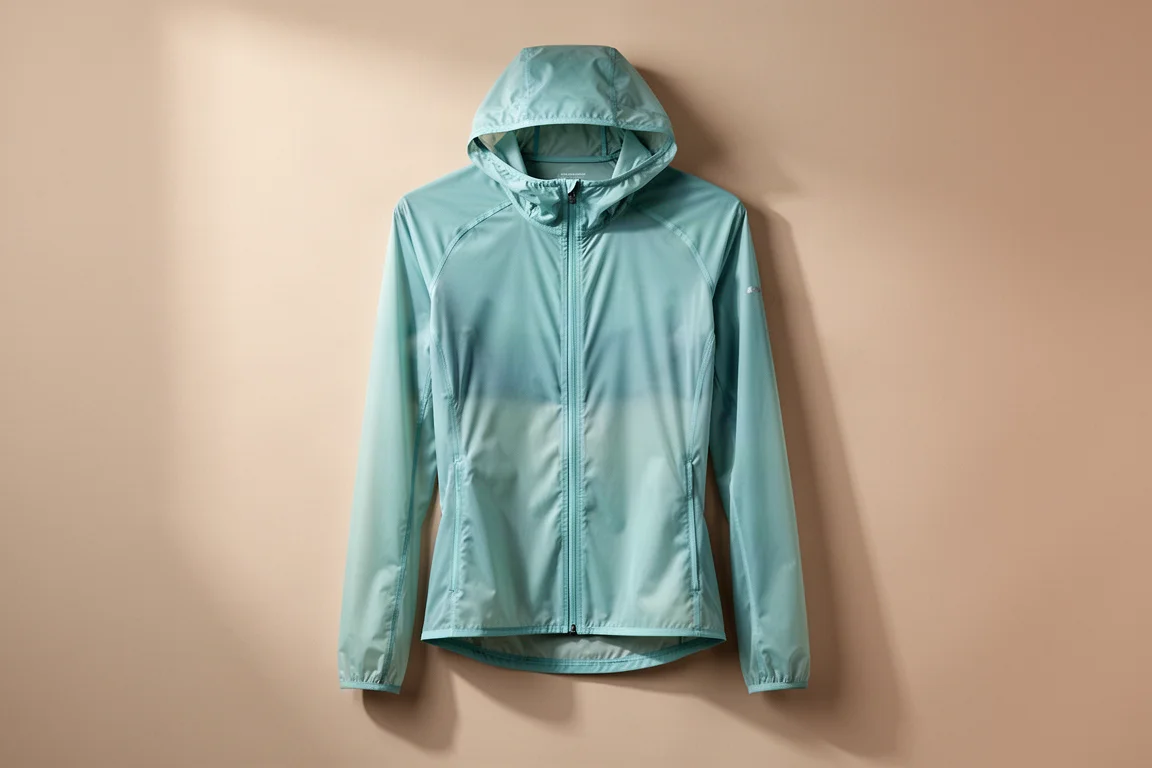
Ronhill Shakedry Jacket
A brilliant running waterproof: super lightweight, really breathable, and it packs down small enough to take up minimal volume in the race vest. It edged out another strong waterproof purely on packed size.
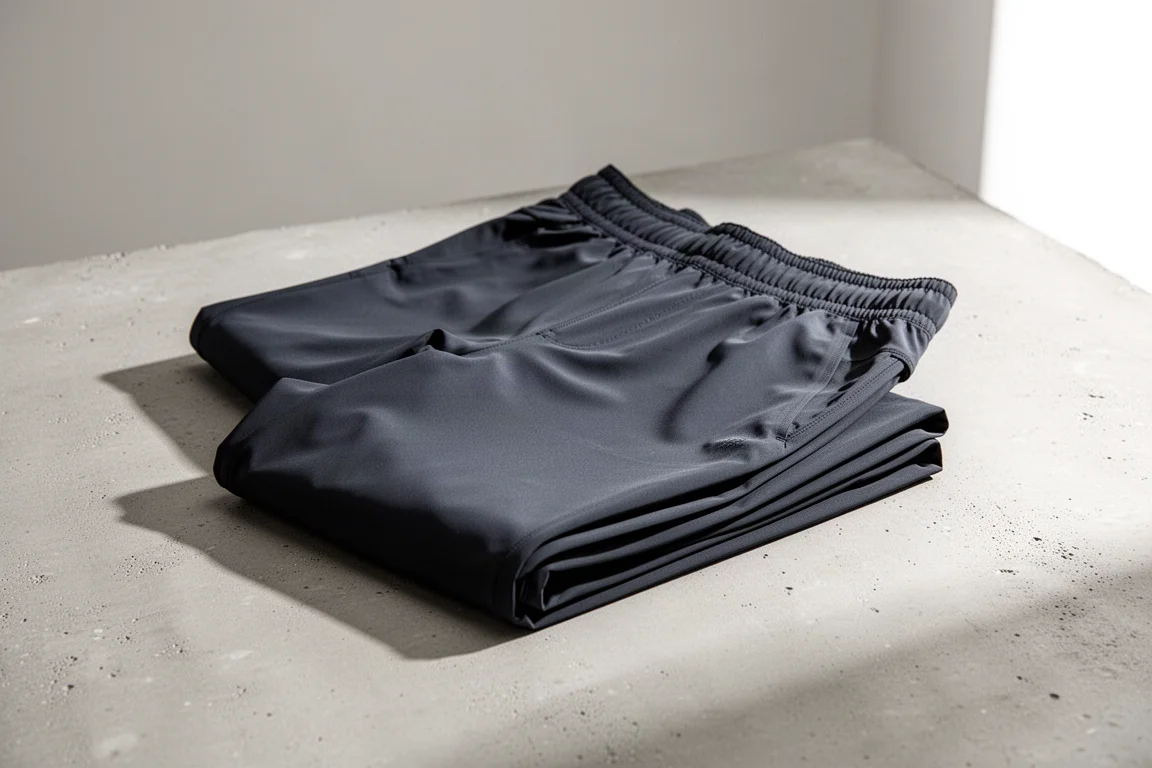
Salomon Bonatti Waterproof Trousers
Not the finest waterproof trousers ever made, but very light and they pack down small. They have been carried for years and worn rarely, which is exactly the point: they are there for genuinely bad conditions.
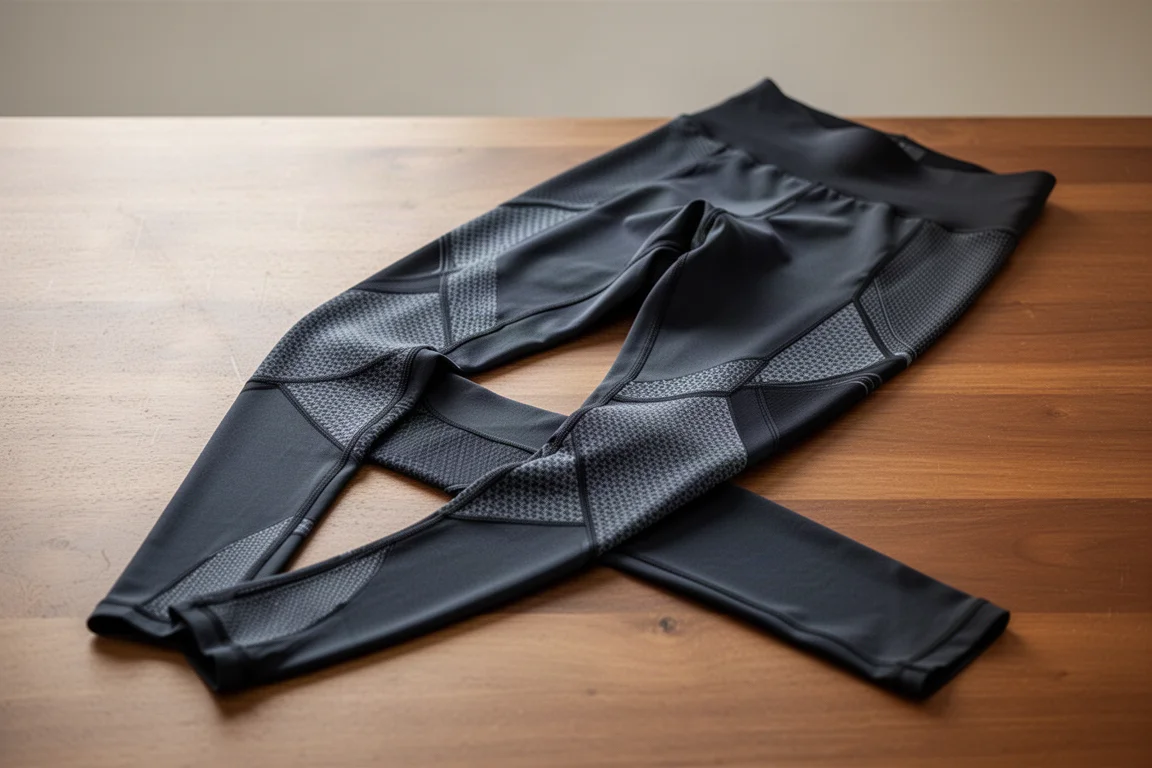
X-Bionic Tights
A warm full-leg option for if the weather turns. The fabric is excellent at regulating body temperature, and while running in tights is a rare occurrence, these are brilliant to run in when conditions demand them.
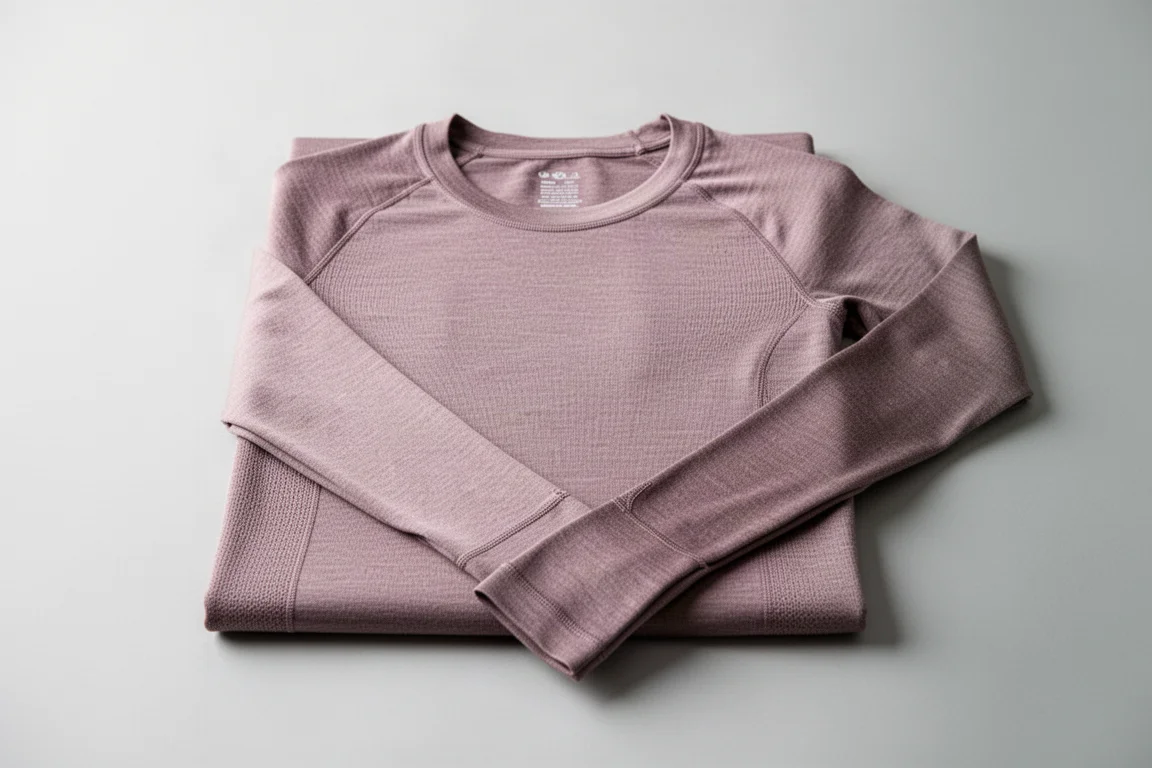
Say Sky Merino 150 Base Layer
Merino has historically felt itchy, but this long-sleeved base layer is super soft, wicks moisture away effectively, and layers perfectly under a waterproof jacket. It pairs with a matching 165 merino beanie and a lightweight pair of gloves, with a waterproof glove pair from SealSkinz as backup.
Safety and Mandatory Extras
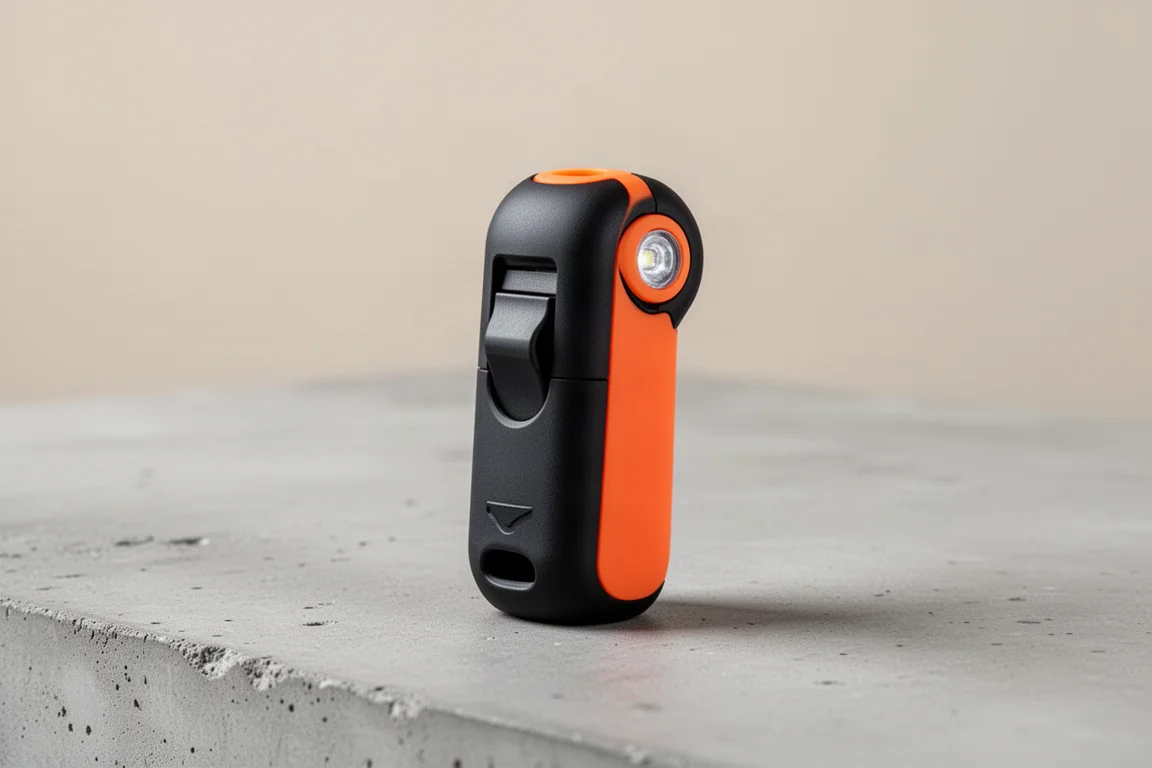
Nitecore NWE30
An electric whistle replaces the cheap plastic whistle on most race vests. A twist sets off a 120-decibel alarm plus a 2,000-lumen strobe light, which is far more reassuring if circumstances ever get serious. It sits alongside an emergency bivvy bag, a compact first aid kit, salt tablets, an elasticated bandage, and a collapsible bowl for hot food at aid stations.
Nutrition and Hydration
Nutrition is built around products that keep energy levels consistent without stomach trouble.
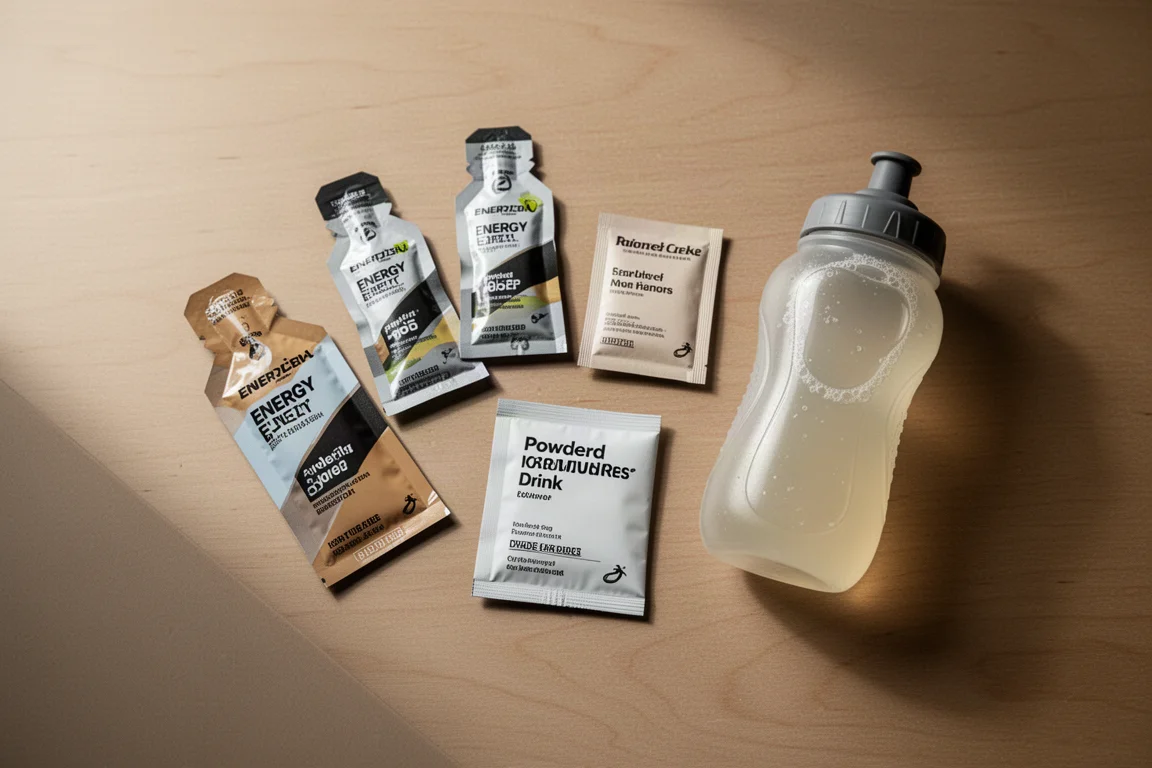
Maurten 160 Drink Mix
Each sachet delivers 40 grams of carbohydrates, mixed with 500 ml of water in one of three soft flasks. One flask carries drink mix, one carries electrolyte, and one carries plain water, giving about 1.5 liters of total capacity, which feels much safer in the mountains where checkpoints that look close on the map can take hours to reach. Gels, including a couple of caffeinated ones just in case, and solid bars at 225 calories per serving round out the carry, with a restock planned in a drop bag mid-race.

Buying Advice
If you are building a kit list for a long mountain ultra, the priorities are clear: pick a trail shoe proven over big mileage with no hot spots, choose a race vest you have actually run in, and never skimp on lighting or the mandatory safety layers. The Harrier poles stand out as exceptional value if you are shopping for your first pair, and a drink mix that your stomach tolerates over many hours matters more than any single gadget.
Conclusion
Every item here has been tested in training and in the mountains, and that is the real lesson: race day is not the place for surprises. Fit, comfort, packed size, and reliability decided this list, and the same criteria will serve any runner facing a long, technical alpine challenge.
Further reading
Related Reviews
Trail Running
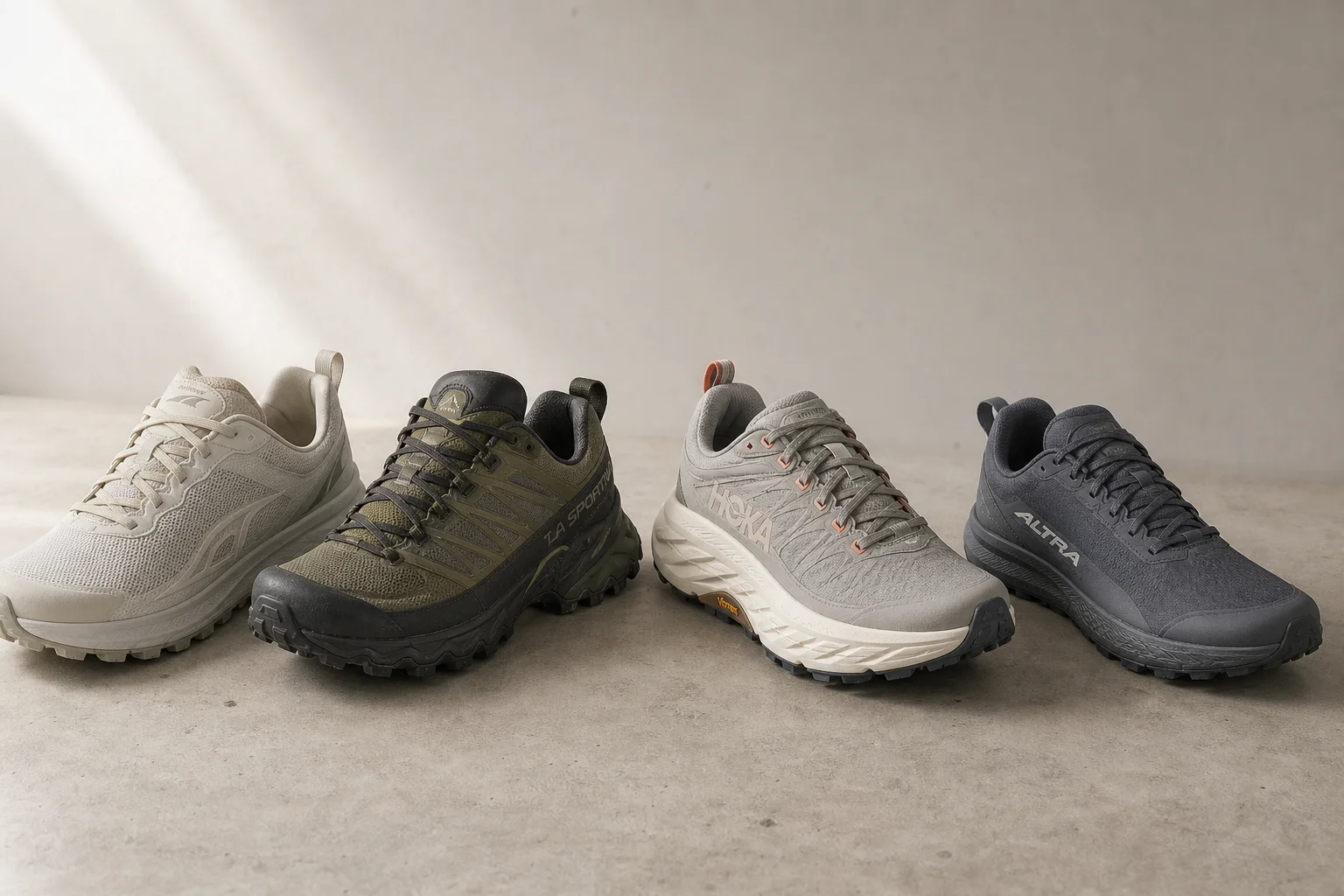
How to Choose Trail Running Shoes: A Guide to Shoe Type, Cushioning, and Drop
Learn the three most important factors when selecting trail running shoes: shoe type, cushioning level, and heel-to-toe drop.
Trail Running
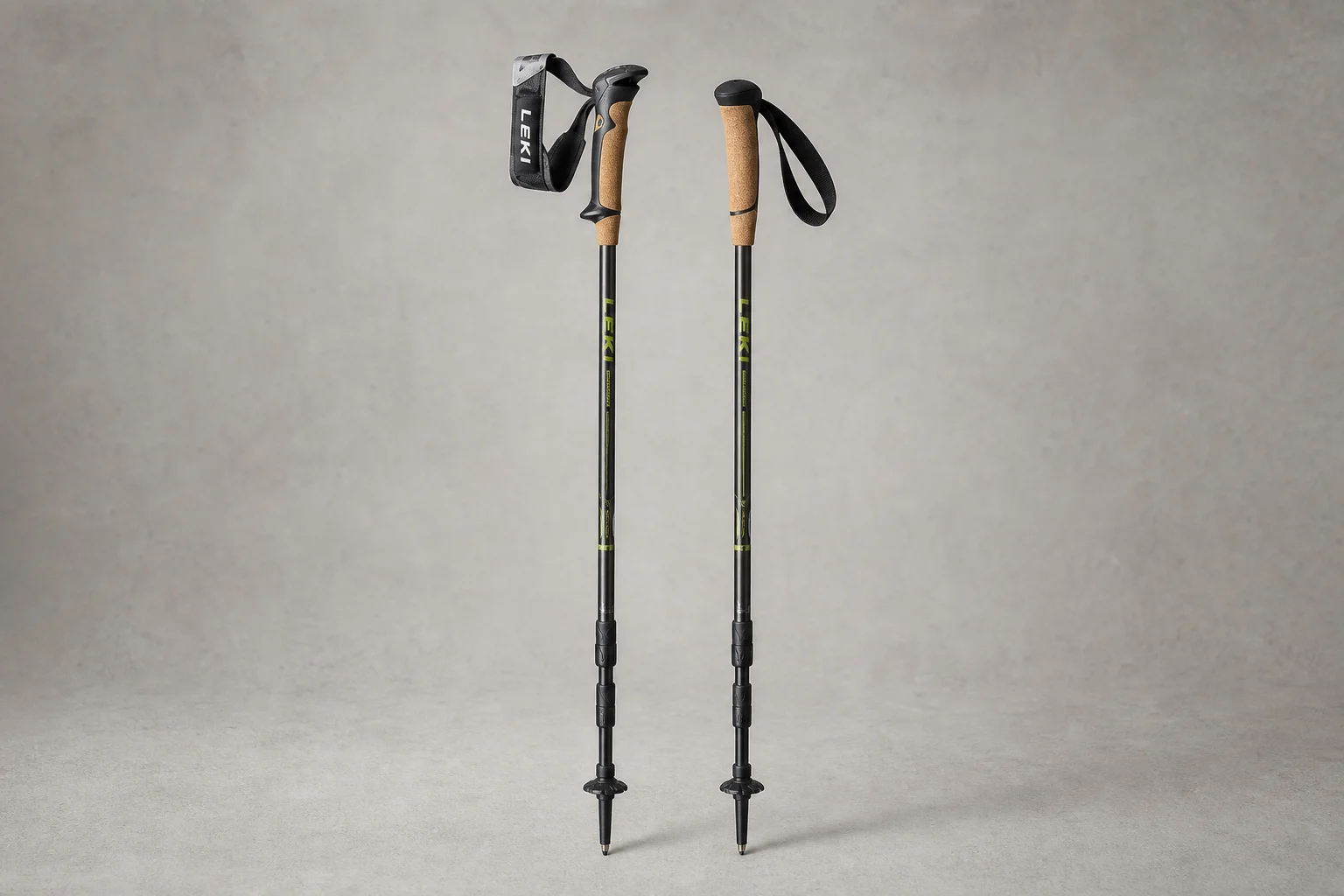
Trail Running Poles: A Complete Guide to Technique, Fit, and Use
Learn why trail running poles redistribute workload, how to choose the right length and strap system, and master three essential climbing techniques for longer races.
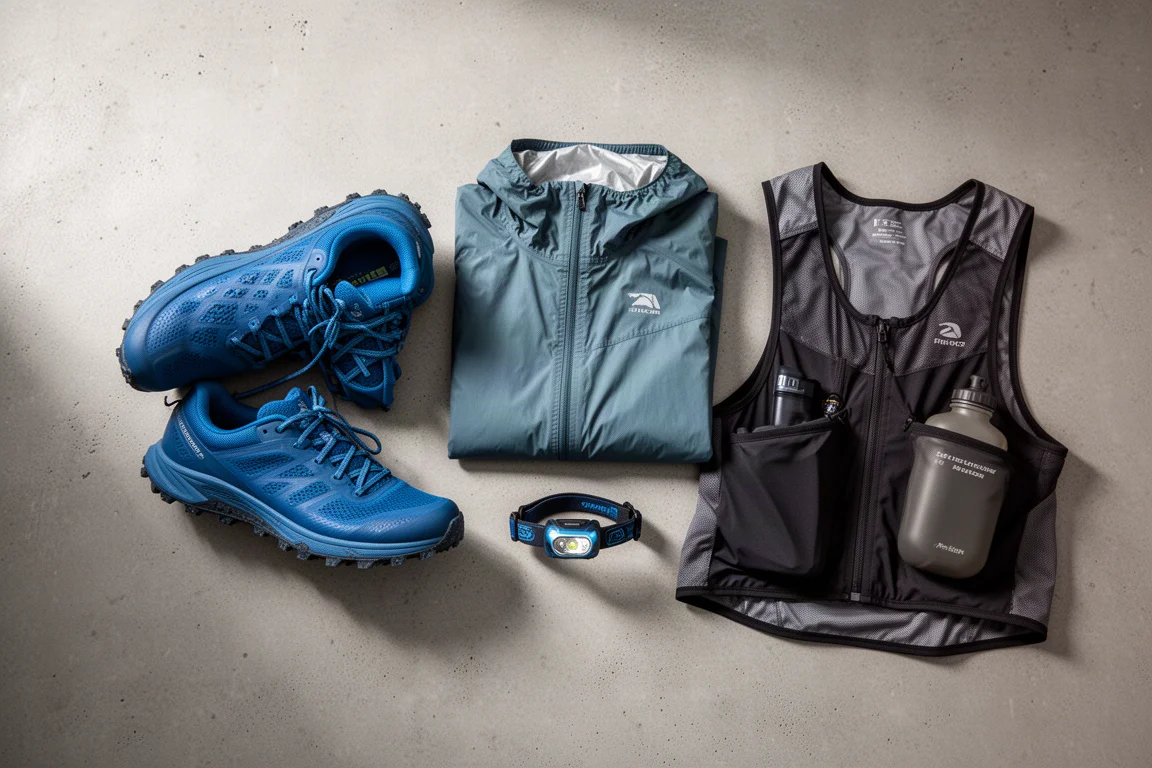
Trail Running
Arc of Attrition Kit List: The Gear Worth Packing for a Winter Ultra
A practical look at the shoes, waterproofs, lighting, race vest and poles lined up for a brutal 100-mile winter coastal ultra, and why each piece earned its place.