Fountain Pens
Tatcha Covenant Green Malachite Review: A Fountain Pen With a Cap Almost as Big as the Pen
A hand-turned acrylic fountain pen with an unusually large cap, Sailor steel nibs, and a design that divides opinion. Here is what works and what does not.
Introduction
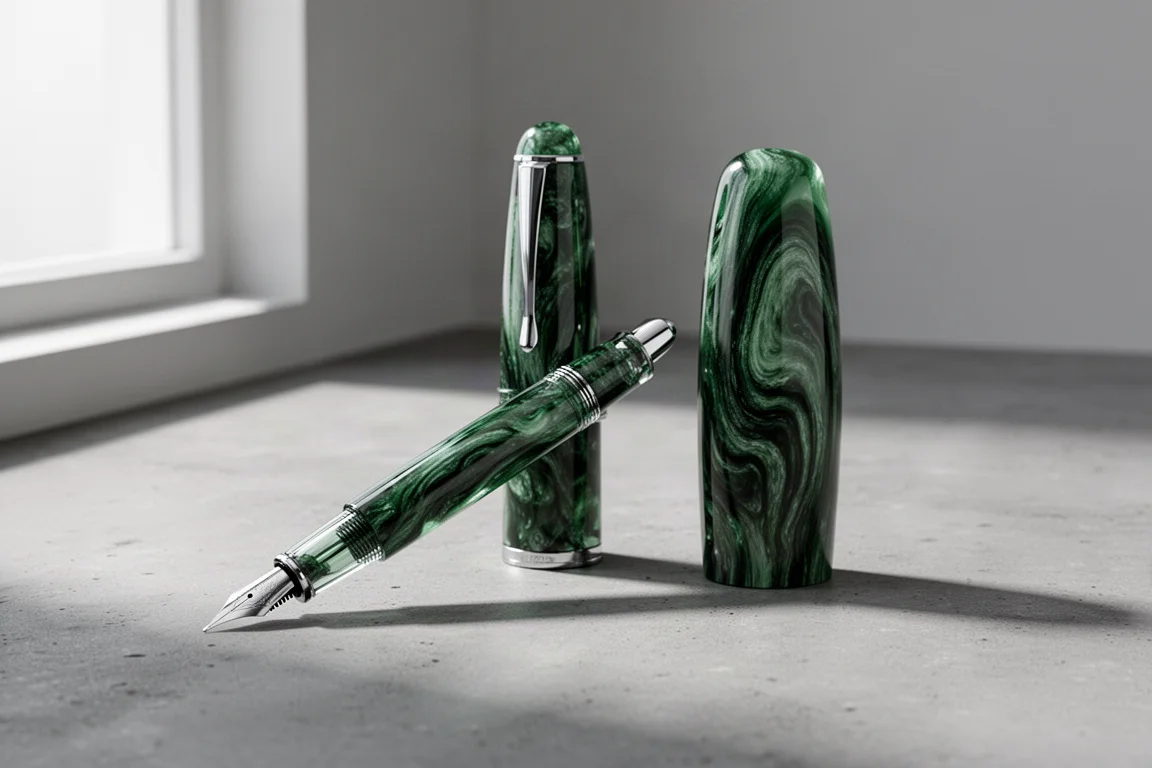
Most fountain pens follow the same recipe: a tube, a nib, maybe a cap. That makes genuinely original designs rare, which is why the Tatcha Covenant Green Malachite stands out immediately. Its cap is almost as large as the pen itself, to the point where the cap can even hold a slimmer pen inside it. The concept exists elsewhere, but it is not something you see every day, and it changes how the pen handles depending on whether you post the cap or leave it off.
After extended time with the Covenant, the picture is mixed in an interesting way: the materials, design originality, and writing experience are strong, while the enormous cap introduces some real compromises. Here is the full breakdown.
Design and Unboxing
The Covenant arrives in a cardboard outer sleeve and a two-part box with a small pen bed. Underneath are two Sailor cartridges, a Japanese-language Tatcha document, and a short booklet with filling instructions. The box itself is nicely made, even if the presentation is fairly simple.
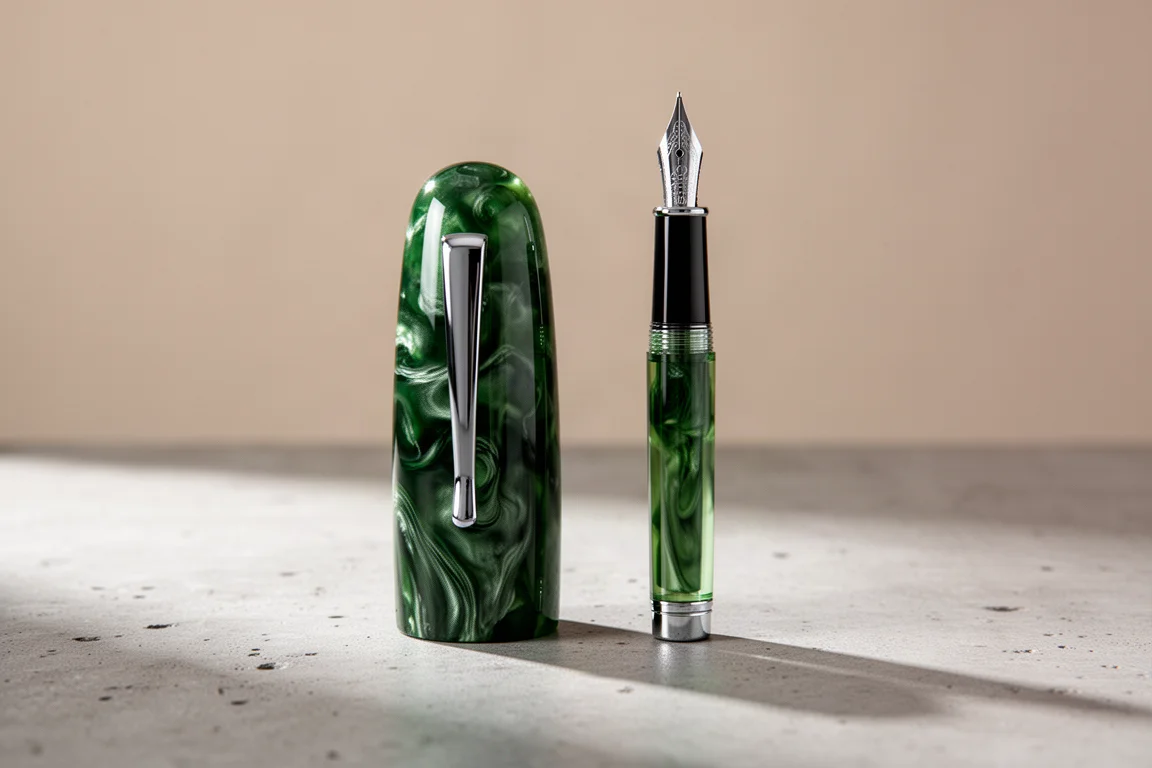
The pen is hand-turned resin, and the Green Malachite finish is genuinely attractive, with plenty of swirling material to study across the barrel and the enormous cap. The Covenant is a streamlined sheathed-body design, internally restructured from earlier versions, with more nib options than before. Nibs are steel and made by Sailor, offered in extra fine, fine, medium, broad, medium fine, and zoom configurations. Retail sits at $177, and the fountain pen runs on a Sailor cartridge converter, so bottle ink works out of the box.
The overall shape reads a bit like a cigar with a band, the clip is nicely springy, and the section tapers down from a fairly skinny barrel. There is a metal ring at the end of the section, wide but not sharp threads, and a piston-knob-style finial at the rear that is purely decorative and does nothing. One genuinely thoughtful touch: the barrel and section use metal threads against each other, and the cap posts acrylic on acrylic, so the thread system should hold up over time rather than wearing out a resin thread against a metal one.
Writing Performance
The steel Sailor medium nib is the standout. Japanese nibs typically run a grade finer than Western equivalents, so this medium writes closer to a Western fine. Sailor nibs have a distinctive feedback that is part of how they are ground, and it is pleasant here, but if you want an ultra-buttery, glassy-smooth nib, this is not that pen.
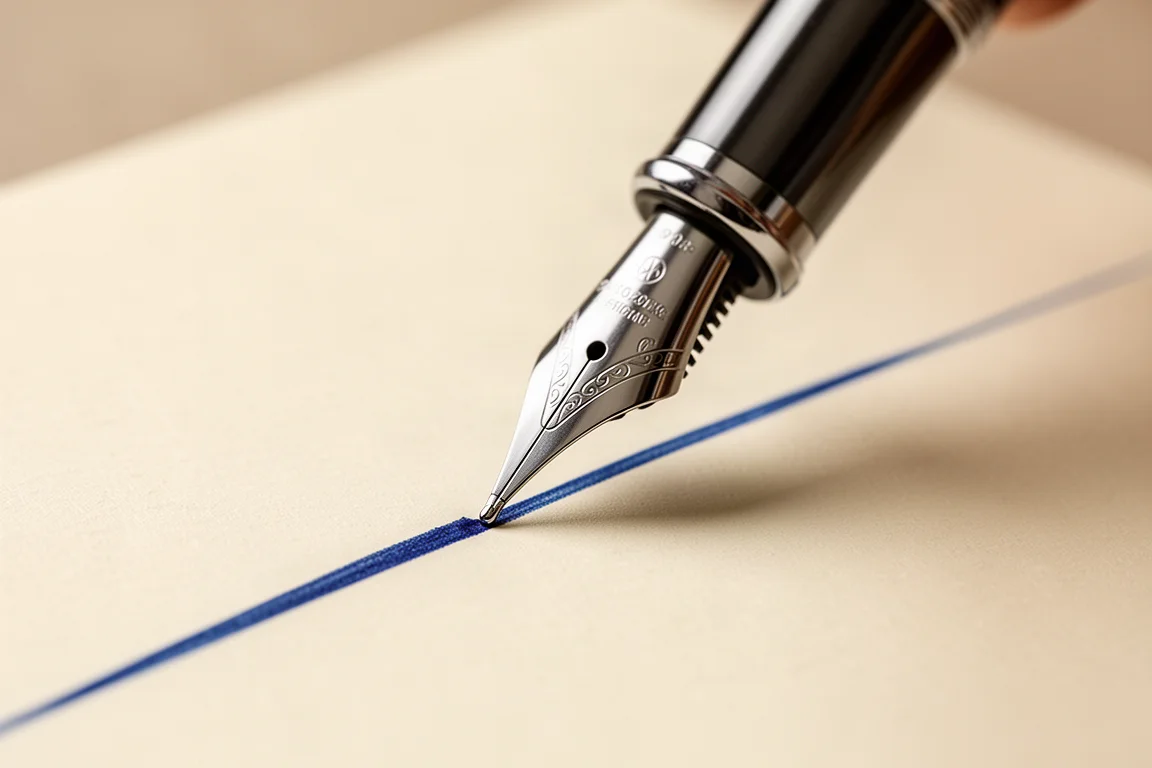
It is a consistent, reliable writer, which is exactly what you want from a pen at this level, and it is a good reminder not to dismiss steel nibs when they come from a company like Sailor. Reverse writing works surprisingly well: flipped upside down, the medium tightens into something like an extra fine without much scratchiness. There is no advertised flex, and while careful pressure can squeeze out some line variation, fans of that effect would be better served by the zoom nib, which changes character based on writing angle.
Things to Consider Before Buying
Both of the Covenant’s weaknesses come from that massive cap. Posted, the cap screws securely into place, which is genuinely nice, but the result is a very long, very back-heavy pen. There is a lot of weight in the cap itself, so holding the pen where the long section naturally puts your fingers produces a noticeable drag. Shifting your grip higher balances things out, but that works best for larger hands.
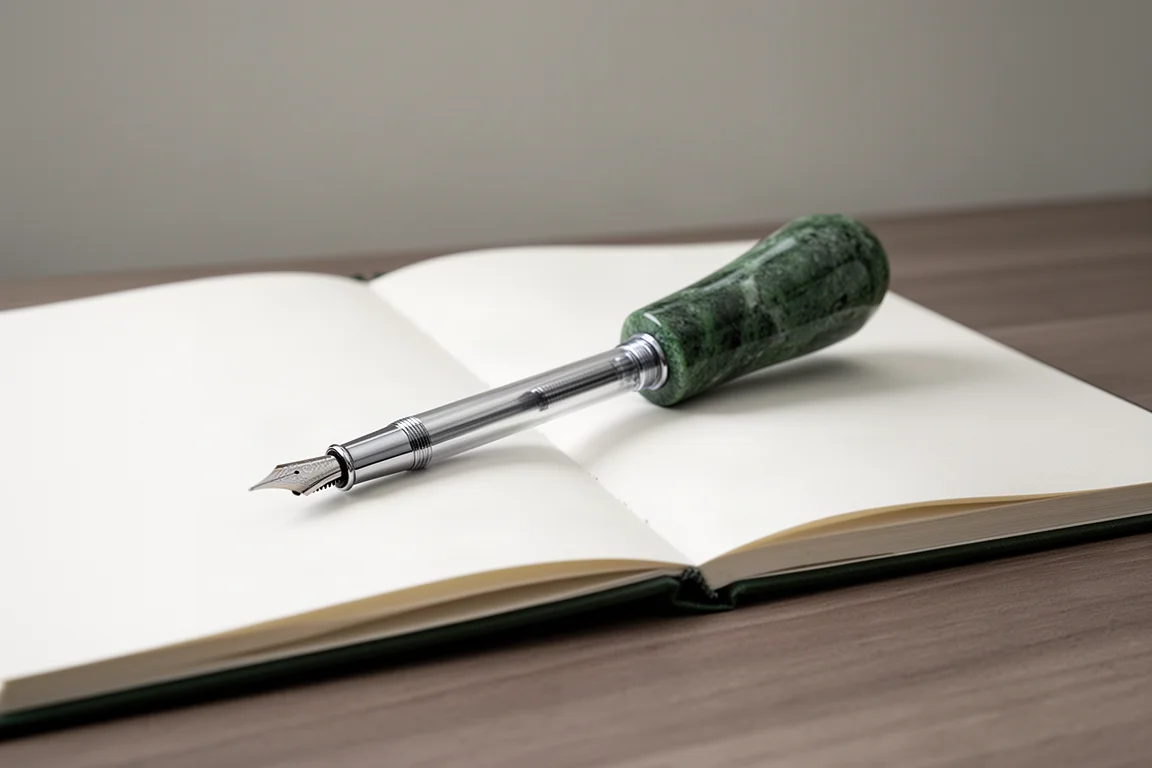
Smaller hands are somewhat stuck with the top-heavy balance or with using the pen unposted. Second, the nib and clip do not align when capped or posted. Nobody requires them to align, but with a screw-in posted cap it feels like a missed opportunity, and it is the kind of detail that bothers some buyers. Finally, the huge cap creates a pronounced step down from the skinny section; it is smoothly rounded and not sharp, but you feel it if you grip higher.
The obvious answer is to use the pen unposted, where all of these issues vanish. The counterargument is fair, though: if you never post it, the point of a cap this enormous gets harder to justify.
Buying Advice
The Covenant makes the most sense if you like the design concept and plan to use it unposted, or if you have larger hands and enjoy a big posted pen. The acrylic is beautiful, the construction is robust, and the Sailor steel nib delivers a genuinely pleasant writing experience, which is what a fountain pen is ultimately for.
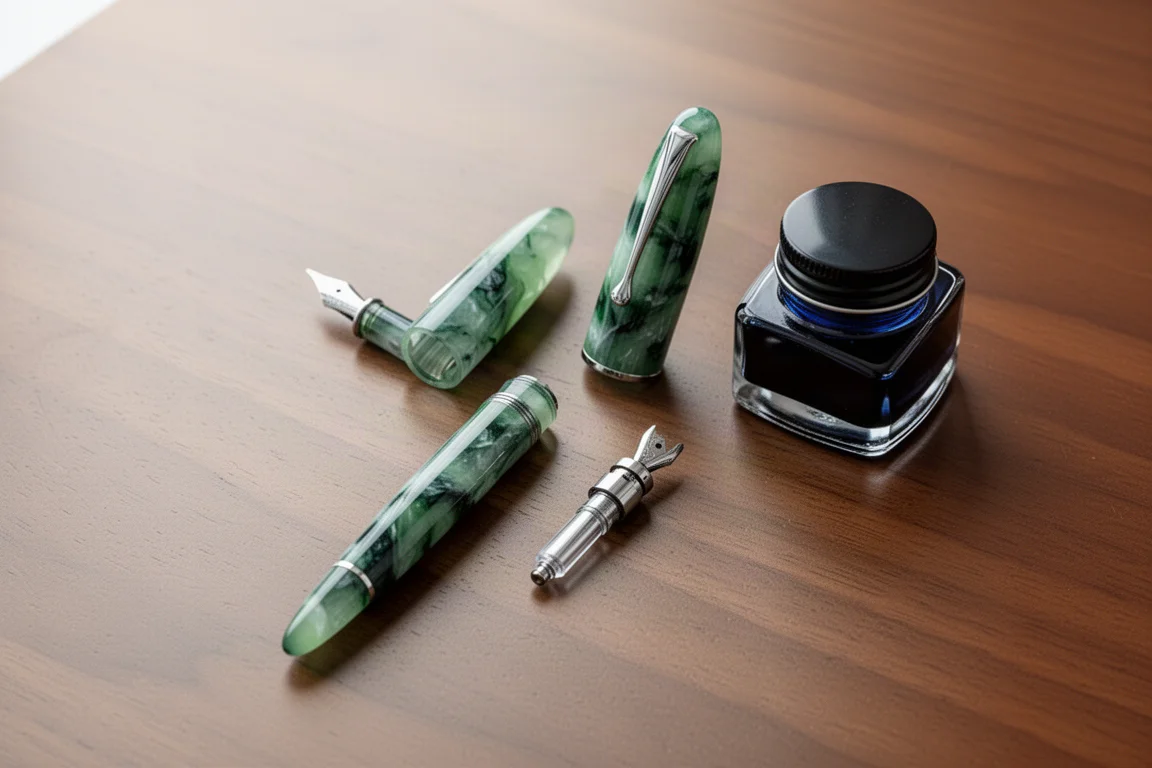
If you prefer balanced posting, nib-to-clip alignment, or a cap you can stow without thinking twice, other options will suit you better. For $177 you are paying mostly for the hand-turned material and the unusual design rather than a gold nib, and whether that trade appeals is a matter of taste.
Conclusion
The Tatcha Covenant Green Malachite is an attractive, well-built pen with an original oversized-cap design and a very good Sailor steel nib. Its compromises, a top-heavy posted balance, no clip and nib alignment, and a large step down at the section, all trace back to that cap, and they disappear entirely when used unposted. If the design speaks to you and you are happy carrying it capped or writing it unposted, it is a rewarding pen; if those details matter to you, test your tolerance first.
Product link
View more details for Tatcha Covenant Green Malachite
This product is mentioned in the review. Check the specifications, options, and compatibility before buying.
View more details for Tatcha Covenant Green MalachiteFurther reading
Related Reviews
Fountain Pens
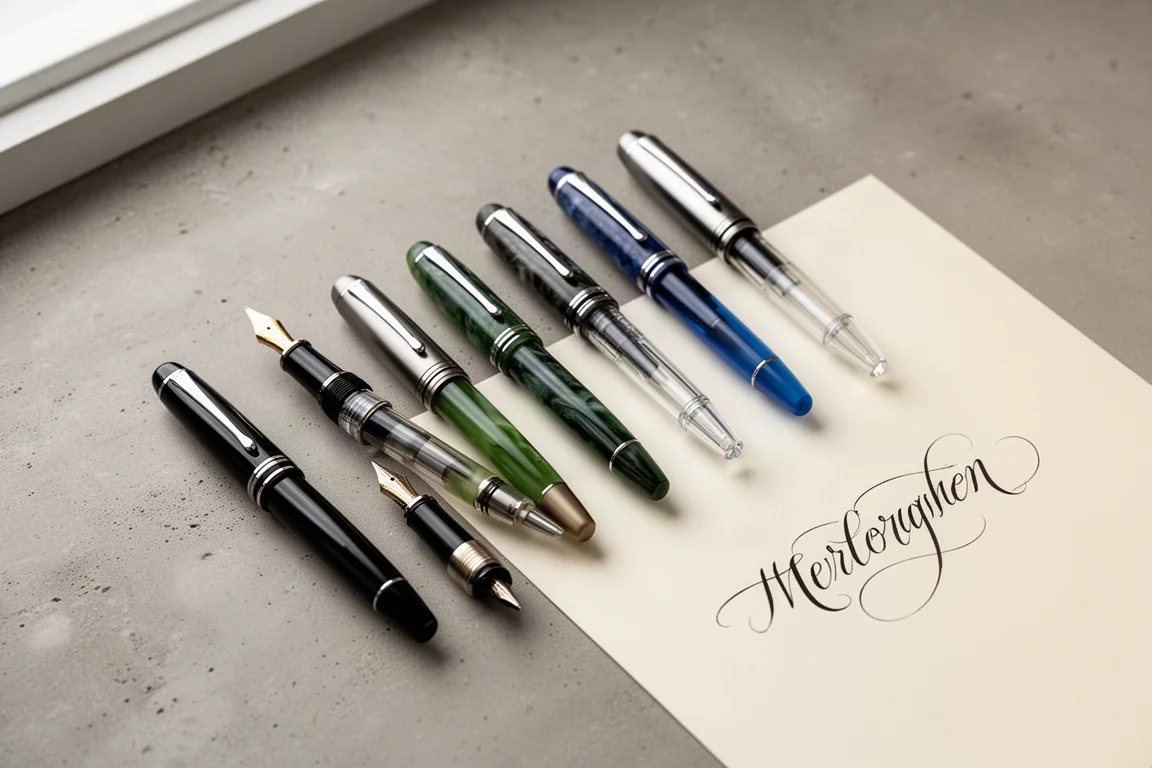
Best Budget Fountain Pens Tested: 9 Pens, One Clear Winner
A hands-on comparison of nine affordable fountain pens for everyday writing, calligraphy, and sketching, with a clear standout for flexible nib fans.
Fountain Pens
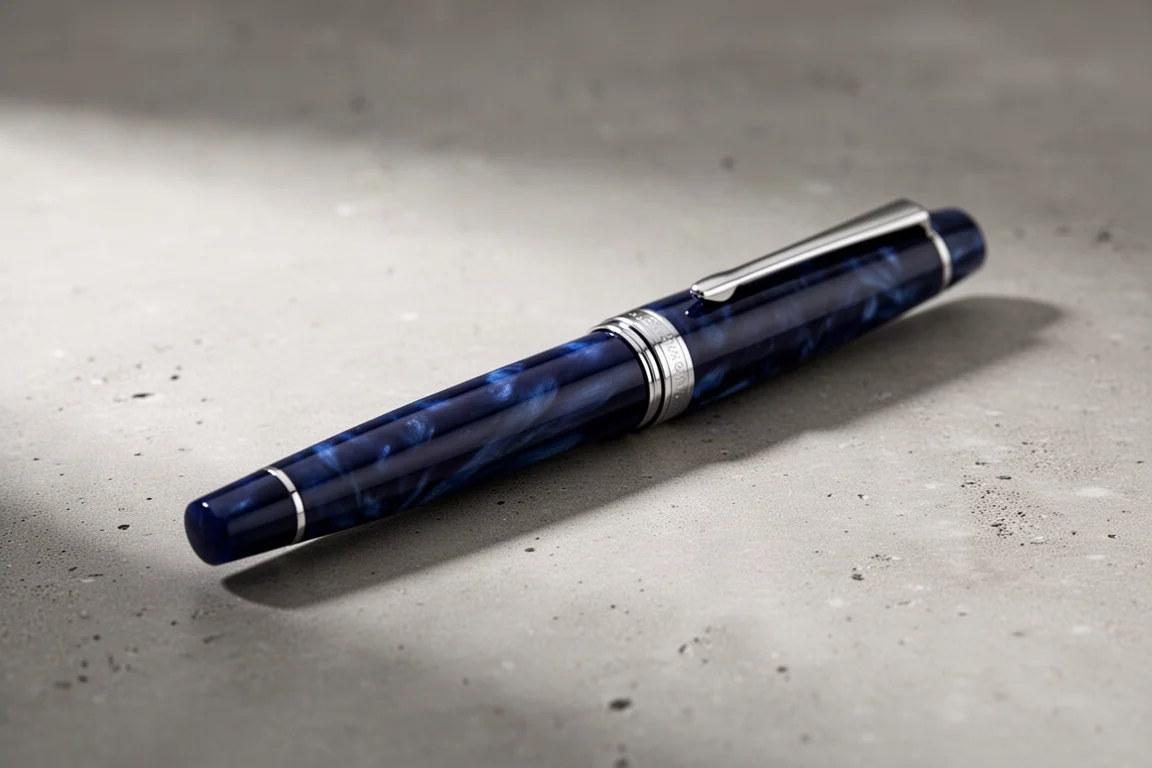
Aurora Optima Review: An Italian Piston Filler That Punches Above Its Price
A 14k gold nib, ebonite feed, and a beautifully deep oraloid body make the Aurora Optima one of the most rewarding piston fillers around.
Fountain Pens
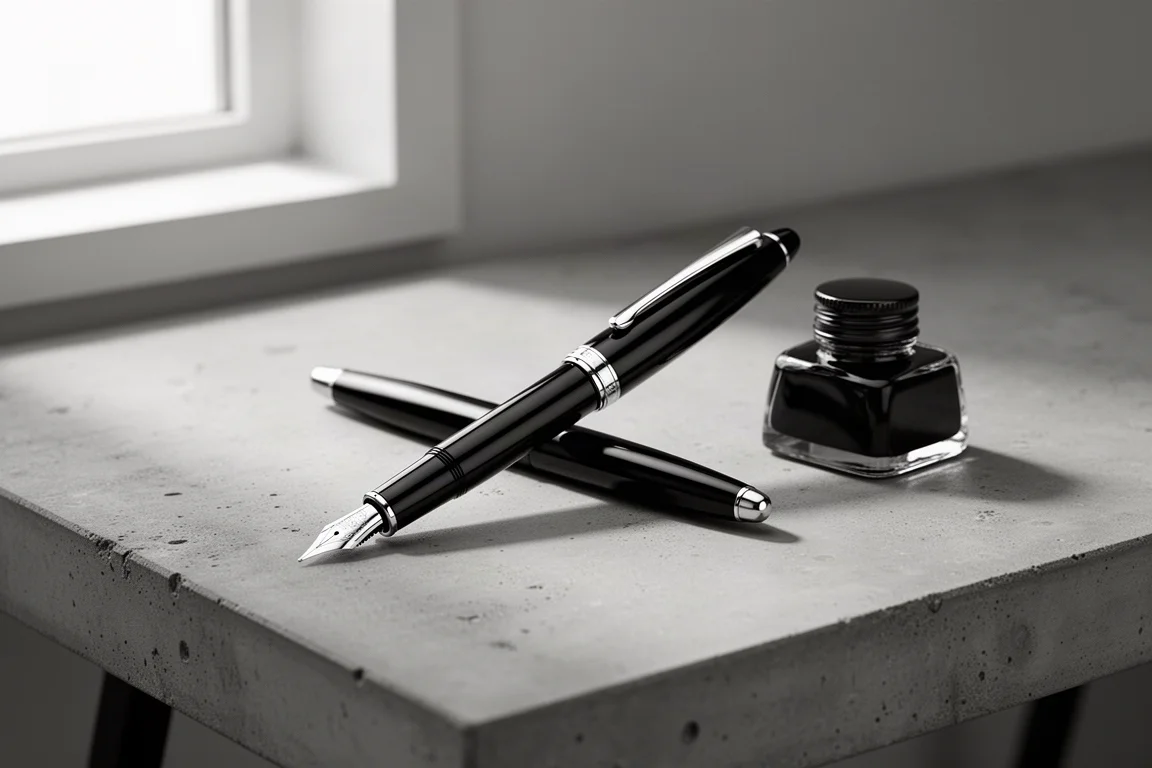
Cross Bailey Light Review: The Entry-Level Fountain Pen Worth Keeping at the Office
A plastic-bodied Cross with a metal clip, snap cap, and famously smooth extra fine steel nib. Around $15, available almost everywhere, and easy to recommend.