Tools
Tasman TN213 Voltage Detector Review: A Feature-Packed Non-Contact Tester for Home Use
An affordable non-contact voltage detector with a small display, dual sensitivity modes, a built-in light, and an IP66 rating that held up in testing.
Introduction
Anyone who works around electricity should carry a non-contact voltage detector. It is one of those tools you hope never to rely on, but you absolutely want it working when you do. This review looks at the Tasman TN213, a non-contact voltage tester that adds a few features you rarely see in this category: a small display, two sensitivity modes, and an IP66 water resistance rating.
One habit worth borrowing from experienced electricians: carry two detectors from different brands. Any single device can fail without warning, and with a safety tool you need redundancy. If a brand issues a recall on a device like this, that trust is gone, which is why some professionals move on to alternatives entirely.
Who This Tool Is For
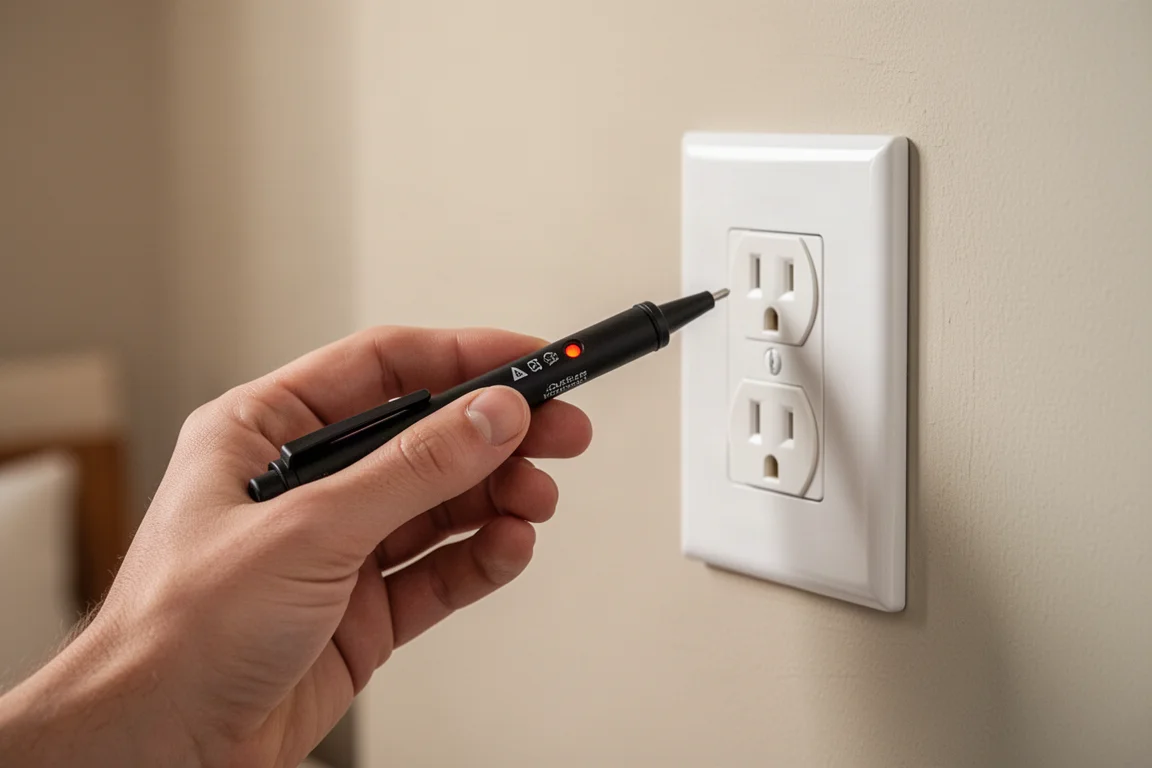
The TN213 is best positioned as an affordable, feature-rich tester for around-the-house DIY work. Checking whether an outlet is live, confirming a circuit is dead before opening a switch plate, or scanning a breaker box for energized wiring are all exactly what this kind of pen is built for.
It also works reasonably well as a backup unit for professionals. Someone doing trade work full time may prefer their established primary brand, but a second detector with an IP66 rating and its own display is not a bad companion tool.
Standout Features
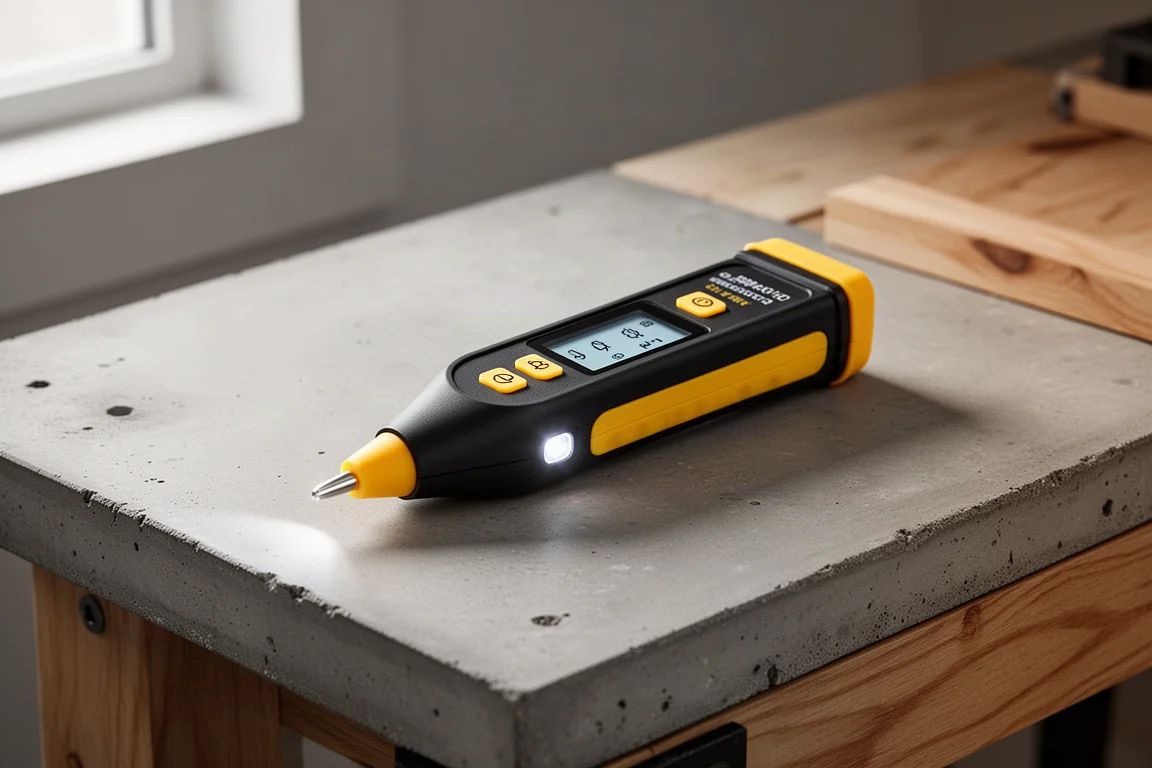
Where most non-contact testers are bare-bones devices with a power button and a light that turns from green to red with beeping, the TN213 adds a small screen that shows useful information as you test. It is genuinely more feedback than most budget voltage testers provide.
There are two sensitivity modes: one covering 12V to 1000V, and a second setting around 70V for narrowing down what you are detecting. That flexibility is handy when you want to filter out ghost readings and focus on genuinely significant voltage.
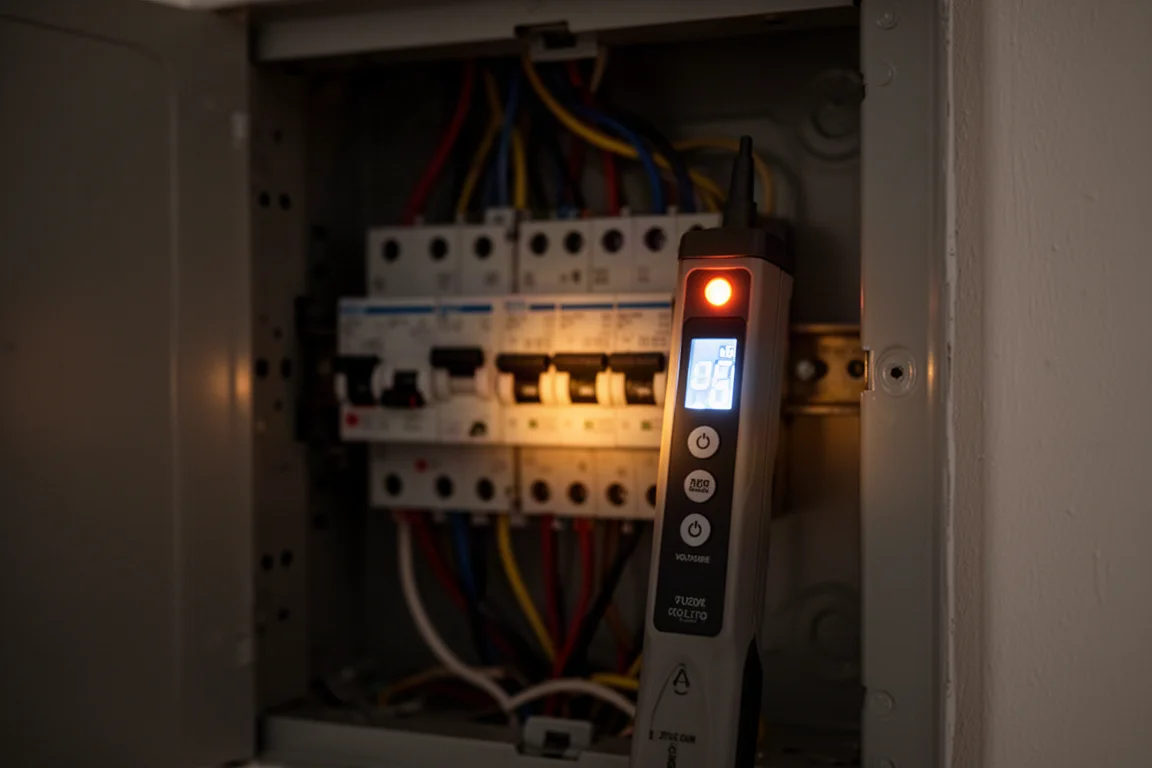
A front-facing light rounds out the feature set. Breaker boxes and junction enclosures are often dim, and being able to see what you are probing without juggling a flashlight is more useful than it might sound.
Real-World Testing Notes
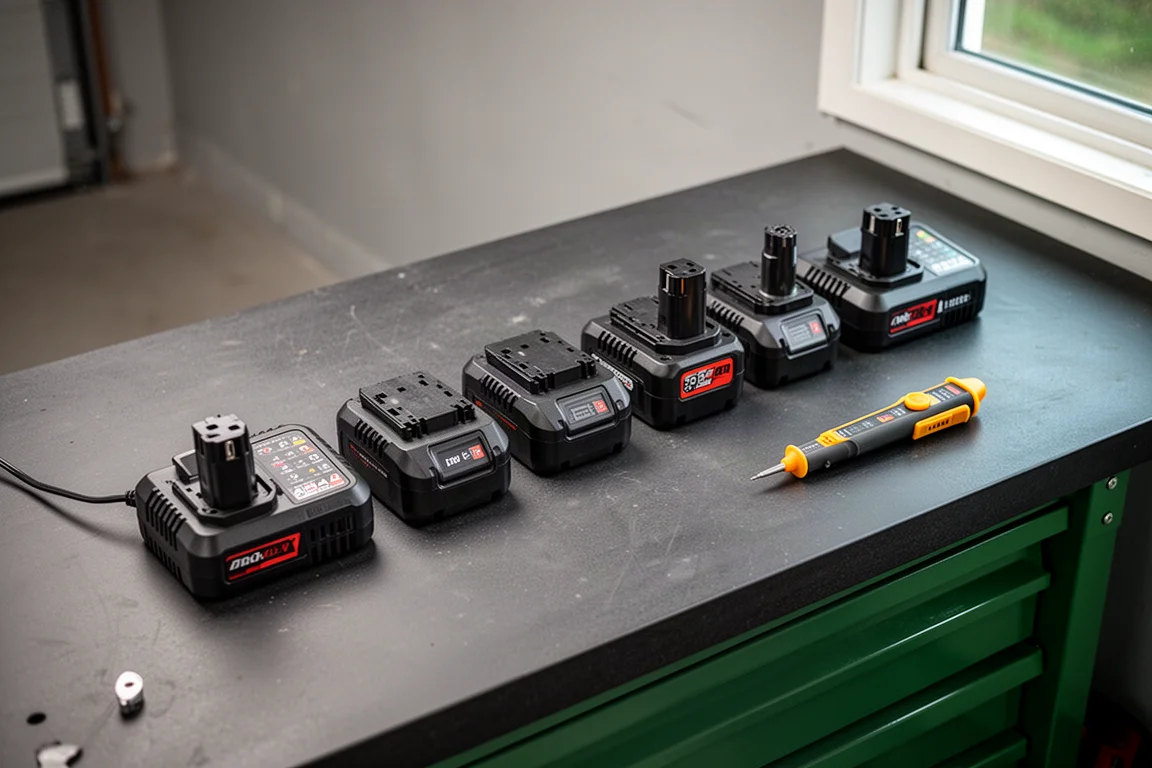
Testing around a garage full of cordless tool chargers produced an interesting result. The dual-voltage chargers triggered a voltage reading on the detector, while other charger models did not. The detected voltage was clearly not dangerous; nothing could be felt by hand. Still, all three detectors on hand flagged it, which shows the TN213 picks up low-level induced voltage just like comparable testers.
The claimed IP66 rating is the headline durability claim. That rating describes protection against high-pressure water jets from any angle, and few testers in this category publish an IP rating at all. To check the claim, the tester was submerged in water as an extreme, informal test. It kept working throughout, which is encouraging, and the battery compartment includes a proper gasket that supports the rating. The unit was still expected to work normally after drying.
Things to Consider Before Buying
This is not positioned as a professional-grade primary safety tool. For daily trade use, established brands with long track records remain the safer choice for a primary detector. The TN213 is better understood as a well-equipped home and DIY tester, or a capable backup unit.
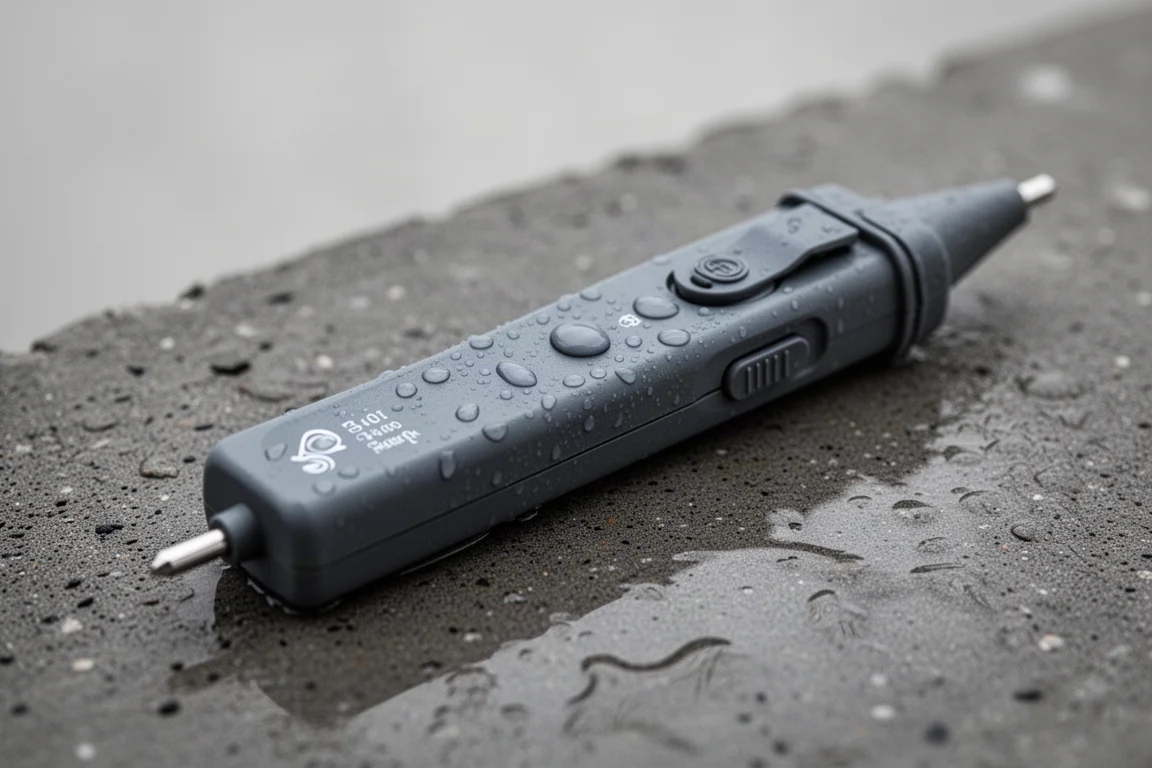
On the plus side, the IP66 rating, the display, the dual sensitivity modes, and the built-in light are all features that typically cost more elsewhere. If you want an affordable tester that does a bit more than the basic pen-style units, the value proposition is clear.
Buying Advice
Buy the Tasman TN213 if you want a low-cost voltage detector for home projects and appreciate the extra feedback from the screen and sensitivity settings. Keep a trusted, well-established brand as your primary tool if you work with electricity professionally, and treat the TN213 as a second line of defense or a household essential.
Conclusion
The Tasman TN213 stands out in the budget voltage detector space by offering a display, two sensitivity ranges, a useful light, and an IP66 rating that survived aggressive water testing. It earns a spot in a DIY toolbox, and it is a sensible backup for anyone who already trusts a more established brand as their primary detector.
Product link
View more details for Tasman TN213 Voltage Detector
This product is mentioned in the review. Check the specifications, options, and compatibility before buying.
View more details for Tasman TN213 Voltage DetectorFurther reading
Related Reviews

Tools
Best Contractor Grade Tape Measures 2026: Eight Models Tested Head to Head
We tested eight contractor grade tape measures from Milwaukee, DeWalt, Crescent Lufkin, Tajima, Stanley, Irwin, Gelan, and Craftsman to find the best value and performance.

Tools
Best Precision Screwdriver Sets 2026: Manual and Electric Options Compared
We compare 19 precision screwdriver sets, from budget manual kits to electric drivers, to find the strongest bits and best value.

Tools
Best Stud Finders 2026: Five Popular Models Put to the Test
We tested five popular stud finders on drywall, firewall, and lath and plaster surfaces to see which ones really find studs and avoid false readings.