Backpacking Tents
Tarptent Stratospire Ultra TNT Review: A Lighter-Priced Dyneema Alternative
A two-person ultralight tent built from Ultra TNT, a new fabric that trades some weight for more strength, better stability, and a lower price than Dyneema.
Introduction
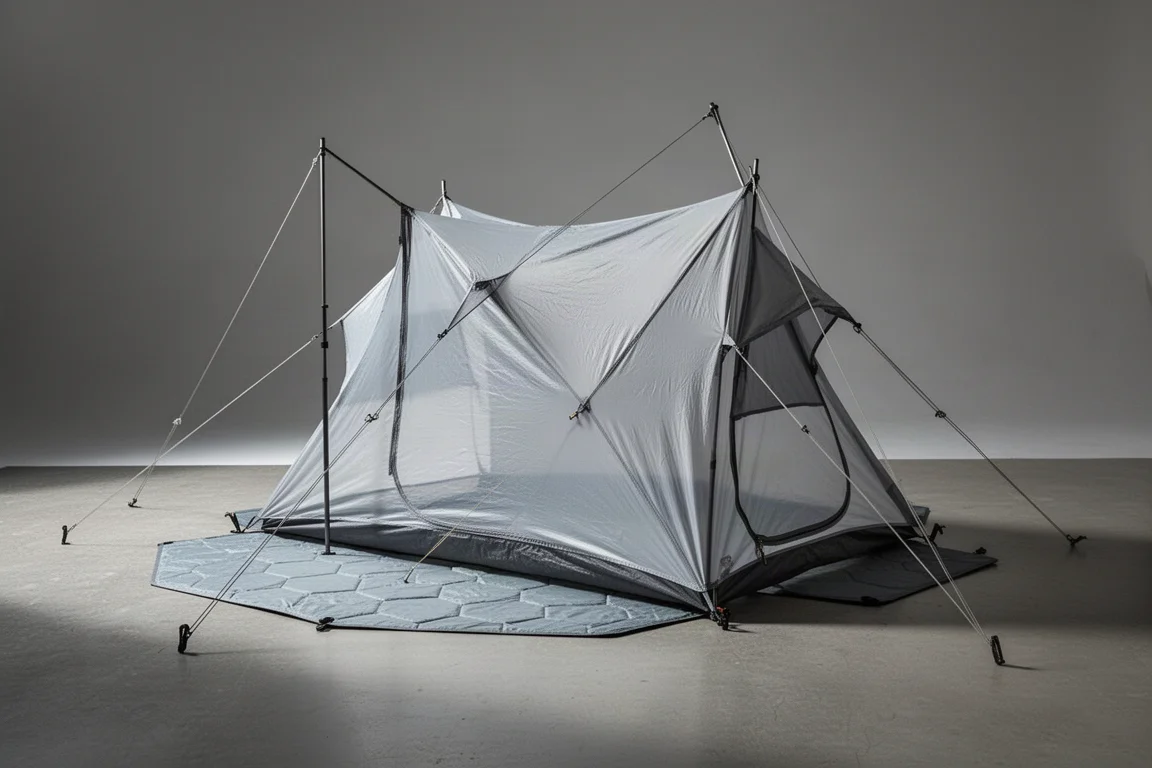
The Tarptent Stratospire Ultra TNT is a two-person, double-wall backpacking tent built from a fabric that has not seen wide use in shelters before: Ultra TNT, short for tent and tarp. The Stratospire silhouette is a familiar one, but the material underneath it is the real story. Ultra TNT is positioned as an alternative to Dyneema, the long-standing ultralight fabric of choice, and it reshapes the trade-offs in ways that matter to anyone who camps beyond the summer months.
This review covers what the Stratospire Ultra TNT does well, where it asks more of the camper, and who should consider it.
Who This Tent Is For
This shelter suits backpackers who want a two-person tent that holds its shape in wind and weather rather than chasing the absolute lowest weight. The 50-inch wide floor fits two wide pads side by side, and the double-wall design uses an inner that can be swapped for a solid inner to make the tent four-season capable.
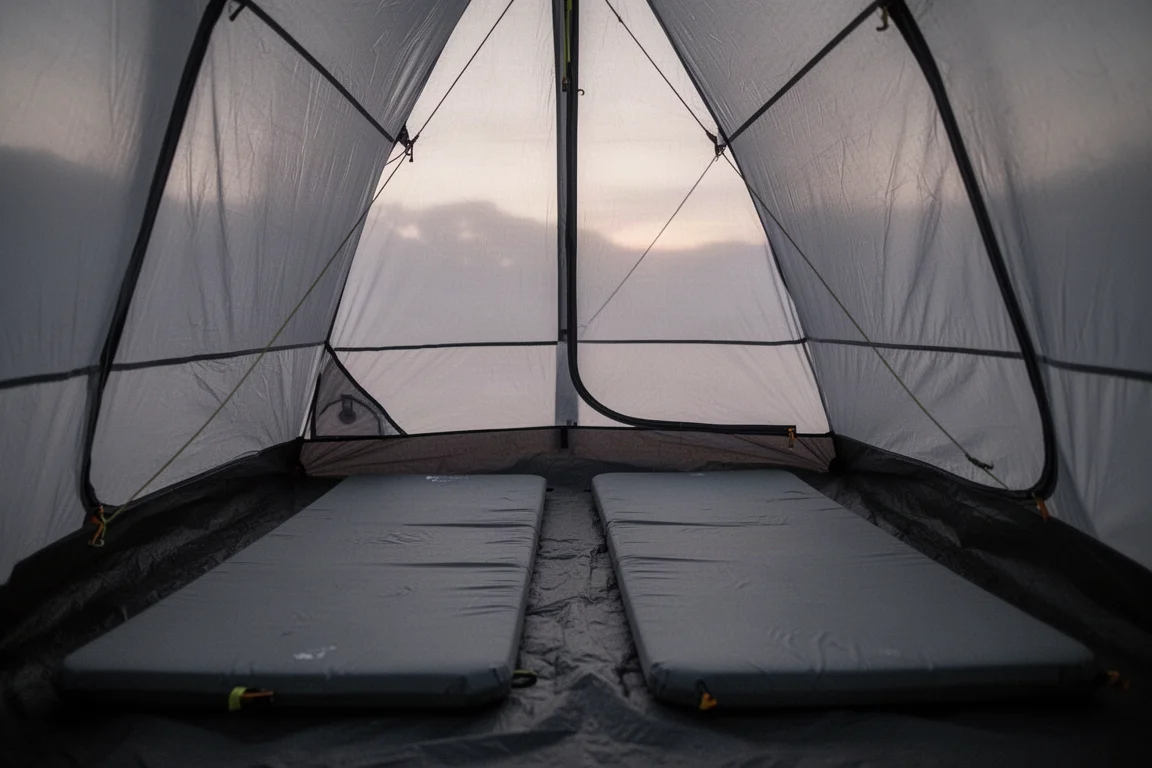
It also makes sense for campers who want Dyneema-class weather performance without Dyneema pricing, and who are willing to spend a little extra time on the pitch, since the hexagonal footprint is less forgiving than a simple rectangle.
Main Strengths
The Stratospire layout has been refined over years of use, and the Ultra TNT version keeps the details that make the design work while changing the fabric underneath it.
Ultra TNT Fabric: Lightness, Strength, and Stability
Ultra TNT comes in at just under one ounce per square yard, which is currently as light as the material is offered. Most ultralight Dyneema tents use a half-ounce-per-square-yard fabric, so Ultra TNT is roughly twice as heavy, but it is also about twice as strong, putting it in similar performance territory to one-ounce-per-square-yard Dyneema.
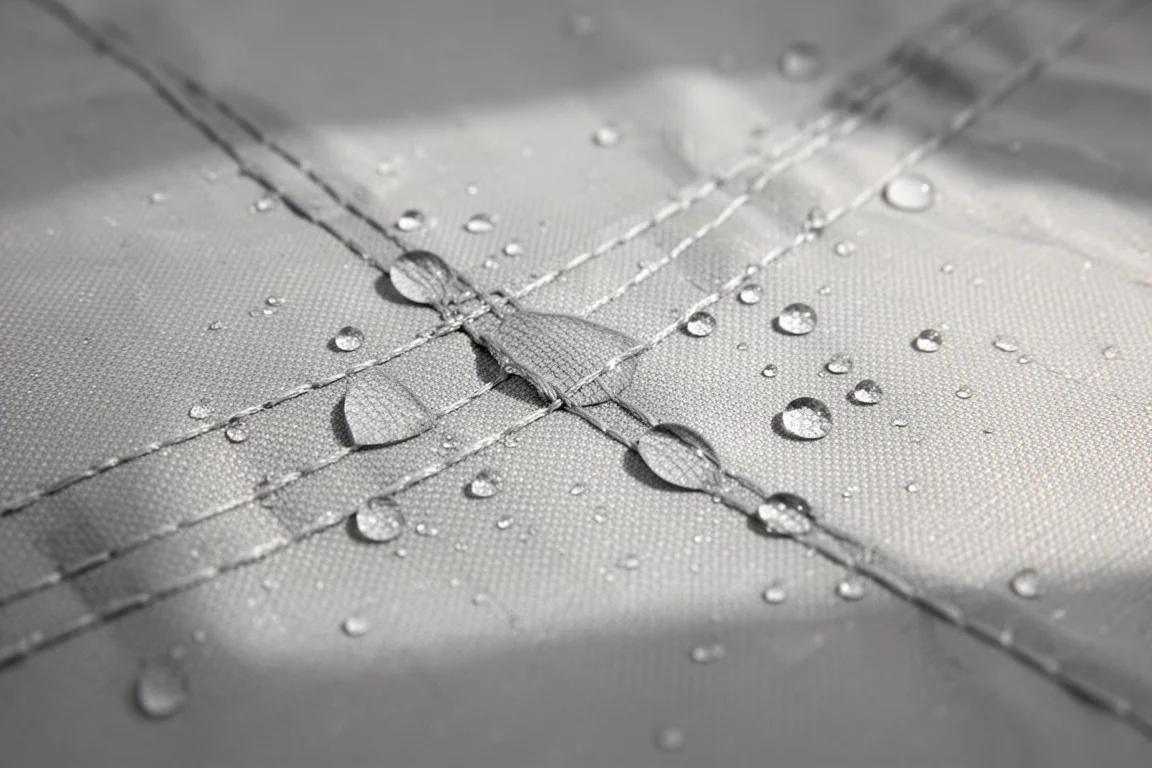
The second advantage is dimensional stability. Dyneema is extremely strong along its fibers but can stretch when pulled at roughly 45 degrees to them. Ultra TNT runs fibers in three directions, so it resists stretching from multiple angles at once, which suits a shelter that is pulled in several directions by wind and guy lines. Cost matters too: this tent is around $200 less than the same model built from Dyneema, at a time when the cheaper Dyneema tents sit near $600.
Headroom, Ventilation, and Pitching
The offset pole design is an early example of a layout that has since become popular. Here the poles sit closer together than on some other offset designs, which keeps the walls from closing in as sharply and delivers more usable side-to-side headroom.
Ventilation is handled by peak vents and corner vents, and the corner vents also add interior room. Because the inner can be switched out, the same tent can be set up for four-season use. The trade-off is pitching: a hexagonal shape needs more attention than a rectangular footprint, and a clean pitch takes practice. The ridge line guy lines help, since they let you tension the shelter properly even when the vestibule ridge is not fully taut.
Guy Lines, Vents, and Door Details
The ridge line guy lines are routed so they stay out of the way when getting in and out of the tent, a small detail that makes a noticeable difference on a wet morning.
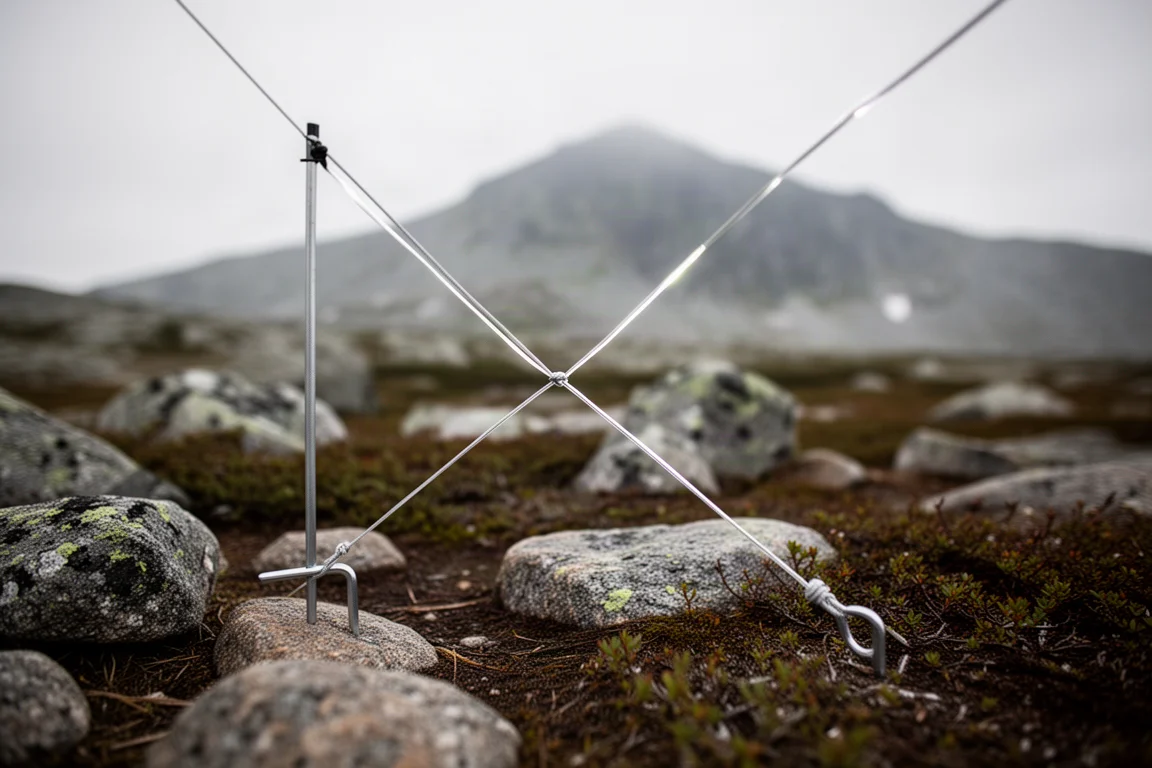
One detail worth watching is the magnetic door tie-backs. The design is not new and works well on other tents, but on the Stratospire the magnets are not strong enough to hold the door under its own tension, and even a light bump can release it.
Things to Consider Before Buying
Pitching is the most obvious adjustment. Expect a few awkward attempts before the hexagonal footprint goes up cleanly and the ridge line sits where it should.
On one trip, water got into the tent during heavy rain. The suspected cause was a seam tape failure in the bathtub floor, though it was difficult to confirm given how much rain the tent endured. Tarptent is aware of the problem and asked for the tent back to assess it, and the issue appears to be specific to that individual tent rather than a design flaw. Even so, it is worth inspecting floor seams on arrival and testing the tent in wet conditions before relying on it.
Material care matters as well. Ultra TNT is not as puncture resistant as Dyneema, so it should never be used as a floor material and the tent should never be rolled with the fly against the ground.
Buying Advice
The decision comes down to priorities. If the lowest possible pack weight is the goal, a half-ounce Dyneema shelter will still come in lighter. If you would rather have more strength and better dimensional stability at a lower price, Ultra TNT is a compelling option, especially for shoulder season and winter trips where weather resistance matters more than grams.
Add the solid inner if you plan to camp in cold or exposed conditions, and plan on practicing the pitch at home before your first trip. Given the reported water ingress, check the floor seams and seam tape carefully, then spend a test night out in rain before committing to a multi-day route.
Conclusion
The Tarptent Stratospire Ultra TNT is not the lightest shelter you can carry, and it asks more of the camper at pitch time. What it offers in return is a stronger, more dimensionally stable fabric at a lower price than Dyneema, wrapped in a proven two-person layout with genuine four-season potential. For backpackers who value weather performance and durability over the last few grams, that combination is worth a serious look.
Product link
View more details for Tarptent Stratospire Ultra TNT
This product is mentioned in the review. Check the specifications, options, and compatibility before buying.
View more details for Tarptent Stratospire Ultra TNTFurther reading
Related Reviews
Backpacking Tents
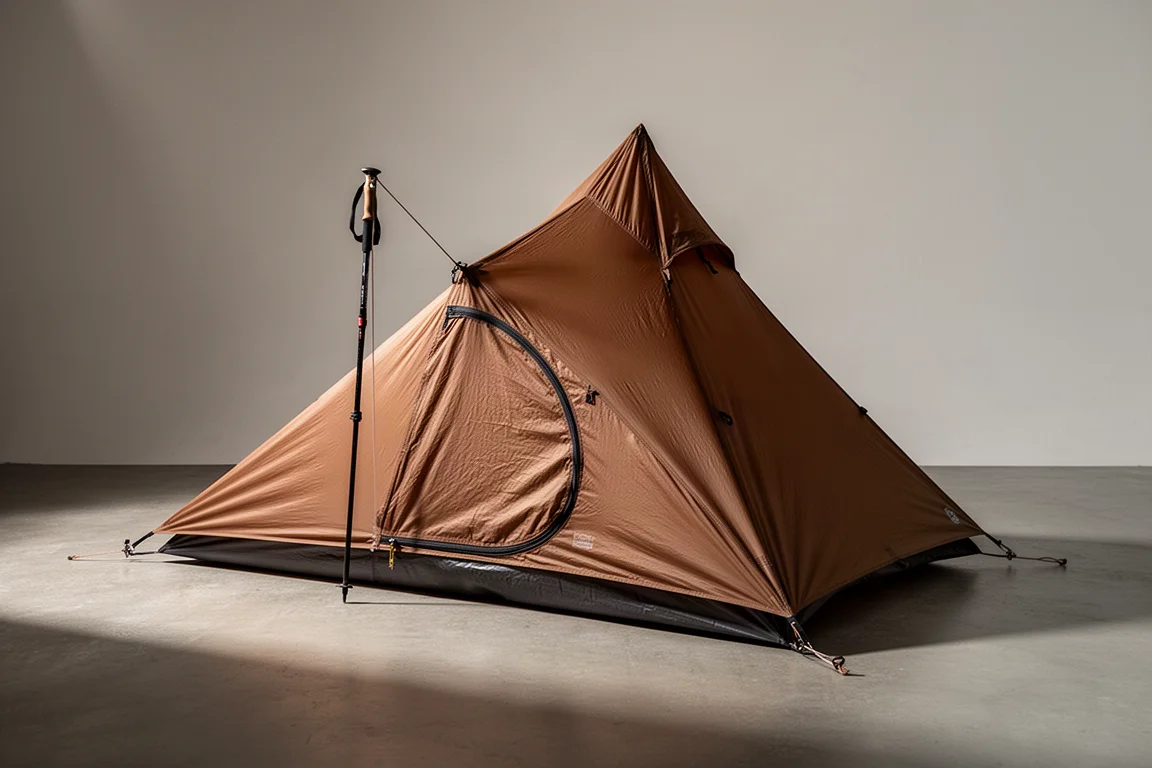
3F UL Lanchan Pro 1 Review: A 1 lb 8 oz Single-Wall Trekking Pole Tent
A practical look at the 3F UL Lanchan Pro 1, a single-wall trekking pole shelter with a 1 lb 8 oz weight, 20D silnylon fabrics, and a roomy 90 x 31 x 49 inch interior.
Backpacking Tents
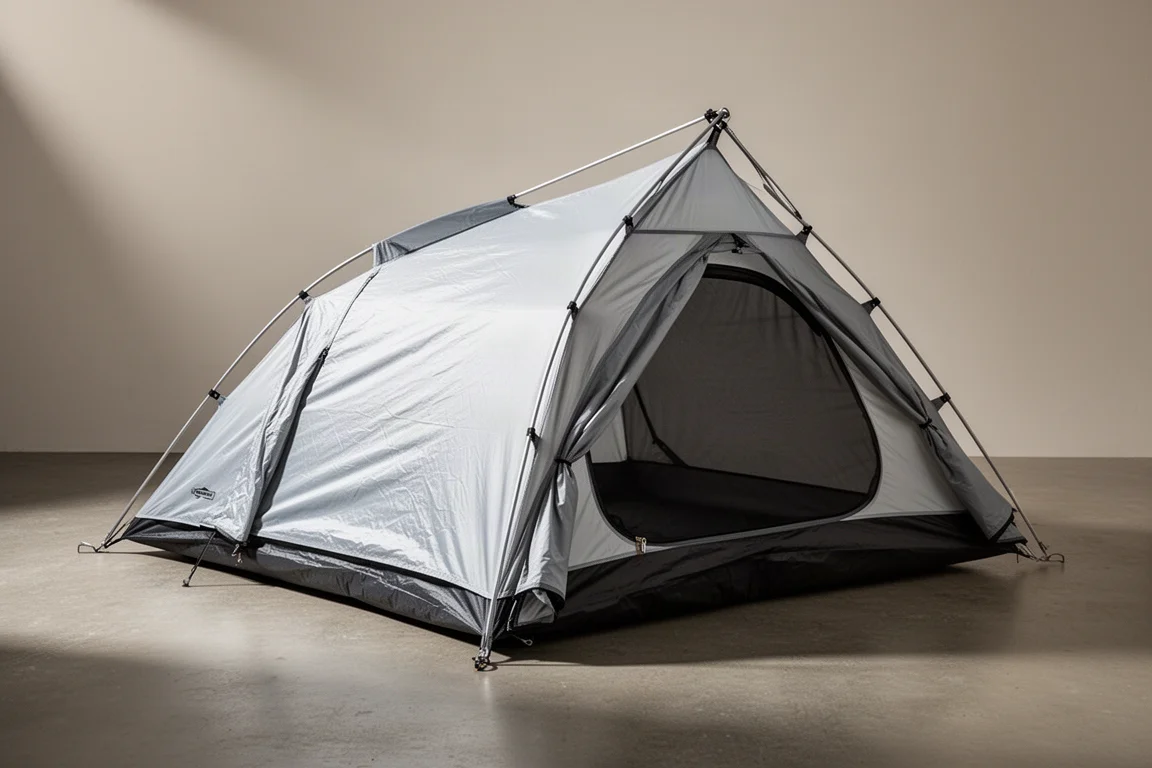
3F UL Taiji 2-Person Tent: A Convertible Backpacking Shelter Worth a Closer Look
A practical look at the 3F UL Taiji two-person tent, covering its materials, true two-person interior, fly-first pitching, and the seasonal inner swap that lets one shelter cover more of the year.
Backpacking Tents
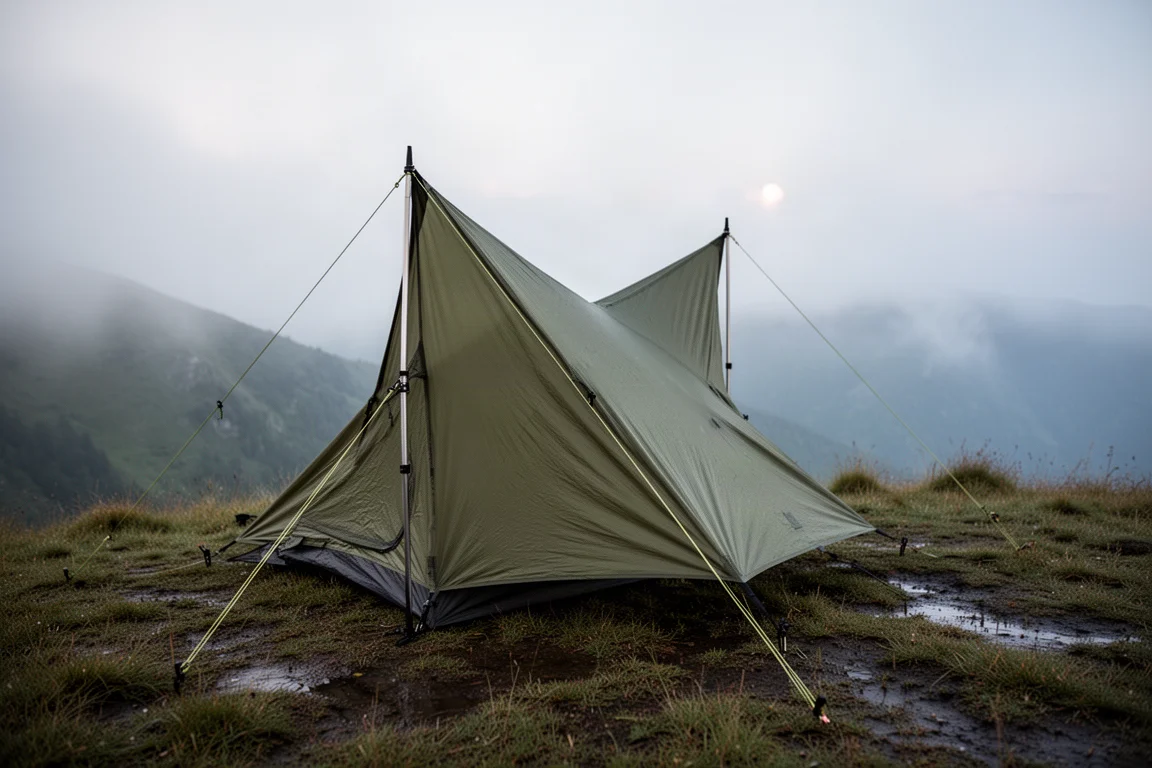
3FUL Lanshan Twoerson Pro Review: A Light Trekking Pole Shelter That Struggled in Rain
A two-person trekking pole shelter with a 2026 redesign, pitched with sticks and put through a night of steady rain. Here is what worked, what did not, and what to check before buying.