Backpacking Tents
Tarptent Stratospire Lithium Review: A Dyneema Two-Person Shelter for Storm-Prone Trips
A practical look at the Tarptent Stratospire Lithium, a two-person Dyneema shelter with a mesh inner, twin vestibules, and a pitch that rewards practice.
Introduction
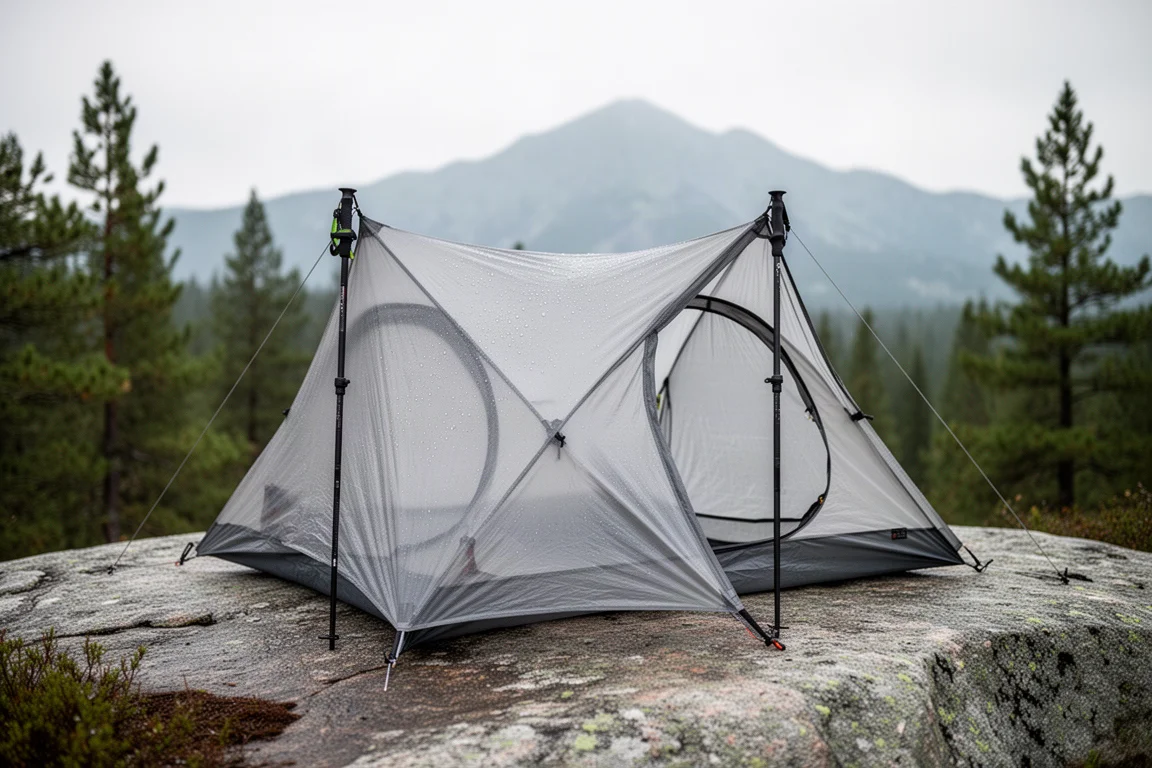
The Tarptent Stratospire Lithium is a two-person, double-wall backpacking shelter built around Dyneema. The inner wall is mesh, the outer fly is Dyneema, and the bathtub floor uses a slightly heavier grade of the same fabric, which means no separate groundsheet is required. It pitches with two trekking poles and is rated for three-season backpacking.
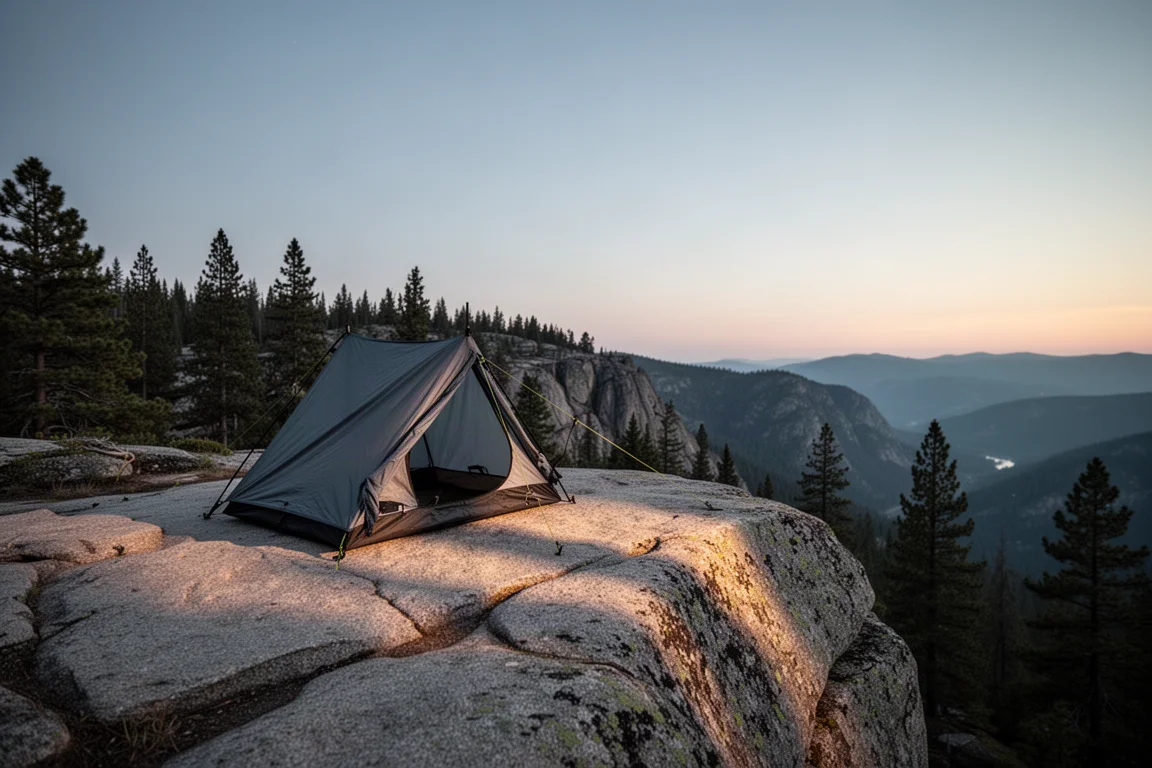
Dyneema is the reason many long-distance hikers keep returning to shelters like this one. The fabric holds its shape in strong wind, does not sag or hold water after rain the way nylon can, and helps keep pack weight down. Tarptent also ships every tent in its lithium series already seam sealed, so there is no seam sealing job waiting after delivery.
Who this product is for
This shelter suits backpackers who cover long days with trekking poles in hand and want a two-person tent that stays stable when the weather turns. Two doors and two vestibules make it workable for two people sharing the space, and the mesh inner is aimed squarely at trips where condensation is a genuine concern.
It is a three-season tent. For colder conditions, a solid inner wall option adds warmth and helps trap body heat, at extra cost. Anyone who does not carry trekking poles can buy Tarptent’s lightweight vertical rods instead and pitch the shelter with those.
The design also appeals to hikers who like the idea of seeing the stars from inside the tent without insect exposure, because the mesh inner can be pitched separately from the fly. In practice that switch is not as quick as it sounds, and the details are covered below.
Main strengths
Storm-Ready Dyneema Construction
The appeal of Dyneema is easiest to understand in bad weather. The fabric does not stretch or sag once it is wet, so the pitch stays taut through a long night of rain, and water runs off rather than soaking in the way nylon can. The bathtub floor uses a heavier Dyneema grade and held up well to dog paws, which says something about how it copes with rough ground and abrasion.
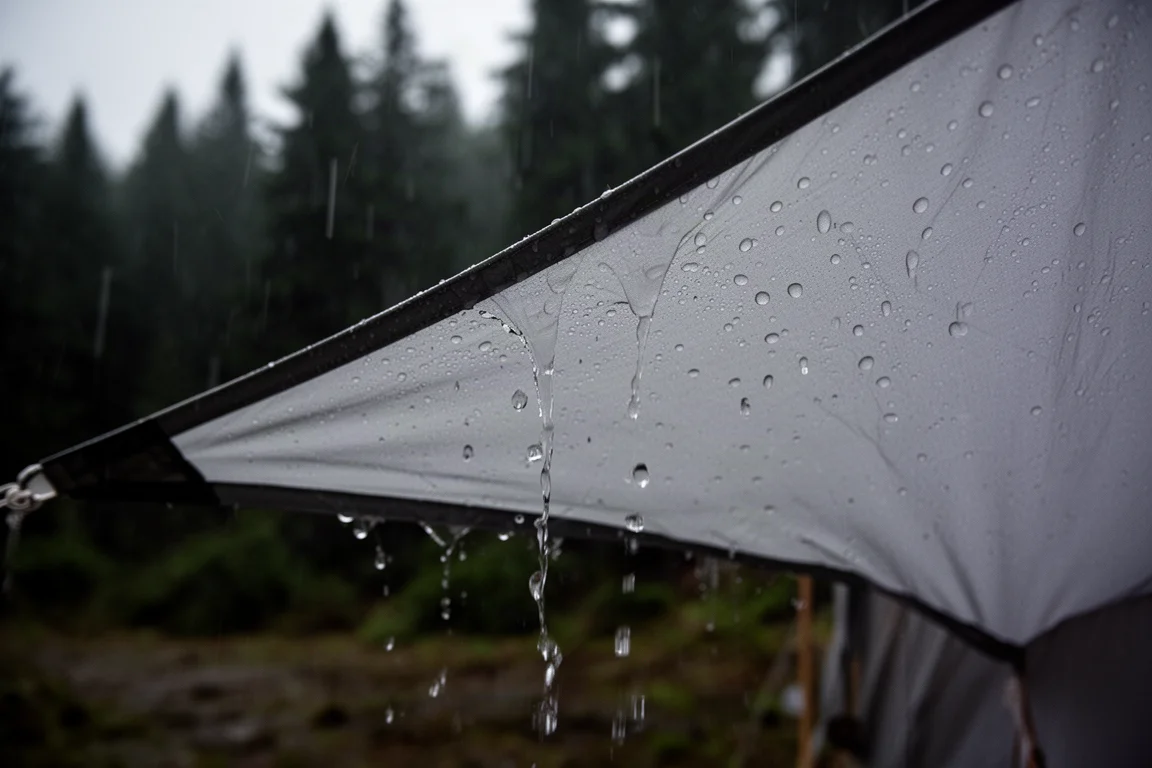
The pitch lock corners, which look like inverted V-shaped struts at the corners of the shelter, are designed to make the pitch more taut. They also pull the walls back slightly, adding head and foot room and more vertical space, so the fabric is less likely to drape across your face while you sleep. The mesh inner is adjustable as well: it can be tightened or loosened to suit the campsite you are on.
Thoughtful Details Inside and Out
A door and vestibule on each side is close to essential on a two-person tent. It means nobody has to climb over anyone else to get in or out, and it leaves a second exit if one side of the shelter ends up blocked or awkward.
The magnetic clasps that pin the doors open are a small detail that makes a real difference at camp, with no bungees, hooks, or fuss when you want a door held back. Inside, the storage pockets are built into the mesh wall rather than attached to the floor, so they stay out of the way and there is no risk of kneeling on a phone or headlamp in the middle of the night.
The trekking pole does not sit in the way when entering or leaving. The mesh doors open only about halfway along the side wall, but the opening is positioned well enough that there is room to get in and out without knocking the shelter down. Condensation management is another strength: moisture collected on the outer wall and ran down the fly, leaving the foot box area of a quilt dry. Tarptent also offers a side car option for dogs or children, which builds extra covered space onto the shelter.
Things to consider before buying
Setup Takes Practice
The instructions suggest the pitch becomes a two-minute job after a few attempts. In practice it is more fussy than that. The sequence that works is to stake the zipper area first, then the stakeout point just to the left of it, the one without a strut, then place the trekking pole, run the guy line out from the pole, repeat on the other side, and finally stake the strut corners. Even with practice, expect to readjust stakes.
Orientation matters more than on many tents. The shelter is not symmetrical, and because the mesh doors only open on part of one wall, it is easier to sleep with your head on the opening side. Otherwise, reaching out to grab something means sitting fully upright to unzip the door. Across weeks of daily use, that extra decision at camp adds up.
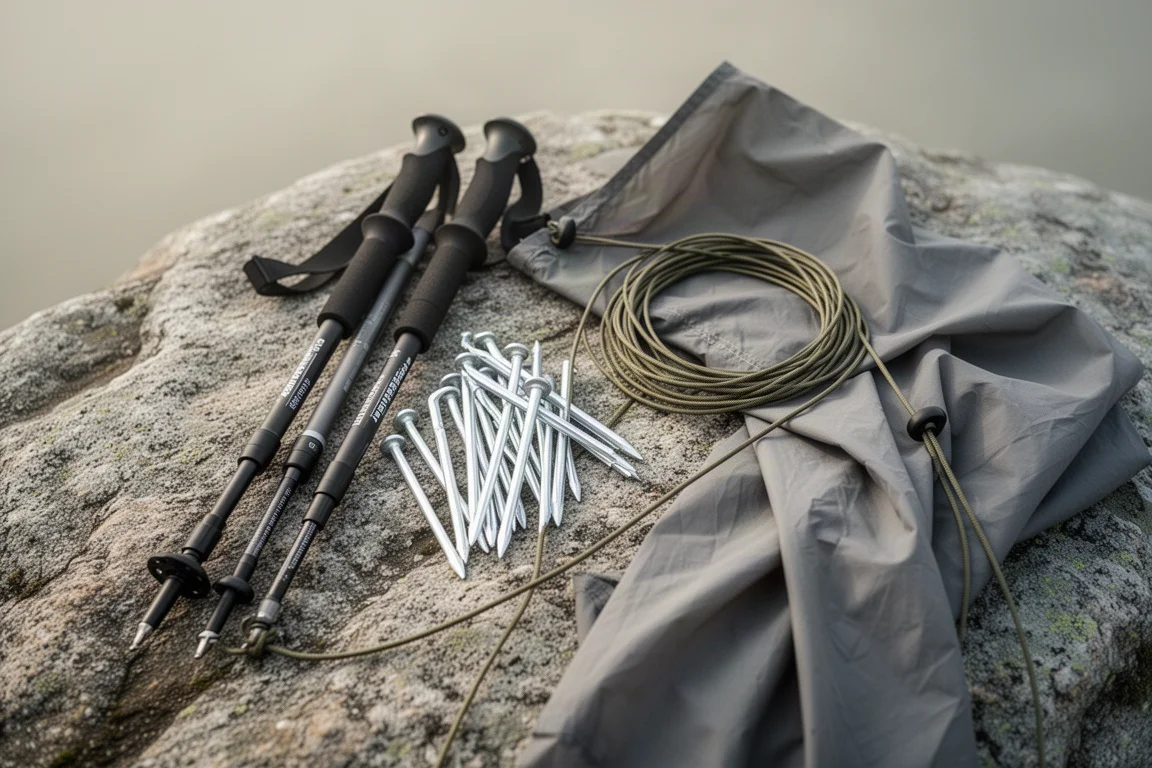
Six aluminium stakes come with the tent, but at least eight are useful if you want to open both vestibule sections. One of the stakeout points is the vestibule itself, so pulling the loop off that stake to roll the door up will collapse the pitch. Guy lines are included so the door can be opened without losing tension.
Packing, Storage, and Staking Quirks
The struts change how the tent packs away. Stuffing it into a sack is possible but requires care, and Tarptent recommends folding or rolling instead to prolong the life of the fabric. The struts can be removed each morning and refitted at night, though that is extra work in camp. For anyone who prefers to store a shelter inside a pack, the rigid struts make that harder to arrange.
Staking on rocky ground is the other weak point. During a night of violent wind on rocky terrain, one strut corner would not accept a stake far enough to hold, and the wind pulled it free. The usual fallback of laying a stake flat and weighing it down with a rock does not work at a strut corner, because the strut blocks the loop where the stake sits. Attaching a short length of cord to each strut side is a practical fix: it gives you a way to tension the corner, or to lay the stake sideways and weigh it down.
Buying Advice
The Stratospire Lithium is a well-made shelter that performs as intended. The mesh inner keeps condensation off the sleeping area, the Dyneema fly and floor handle wind and rain without sagging, and the twin doors and vestibules make it genuinely comfortable for two people. For hikers who spend long days on wet, exposed routes and want a very strong fabric in a two-person tent, the case for it is straightforward.
Where it asks for patience is camp routine. The pitch rewards practice rather than instinct, the head and foot ends need attention, and packing away takes longer than a simple stuff-and-go shelter. The struts add head room and tautness, but they also complicate packing and staking on hard ground.
The practical way to decide is to weigh the benefits against the routine you actually keep. If condensation control, storm stability, and a factory-sealed Dyneema build matter more than a fast, symmetrical pitch, this tent is a strong choice. If you want the simplest possible setup and pack-down at the end of a long day, that extra effort is worth considering carefully before you commit.
Conclusion
The Tarptent Stratospire Lithium delivers on the promise of Dyneema: a taut, stable, lightweight two-person shelter that shrugs off wind and rain and keeps condensation away from the sleeping area. Its strongest features are the fabric itself, the twin doors and vestibules, the magnetic door clasps, and the interior pockets that stay out of the way.
The trade-off is camp craft. Setup is fussier than many double-wall tents, orientation matters, packing takes more care because of the struts, and rocky ground can make staking at the strut corners awkward. For backpackers who value storm performance and dry nights over a two-minute pitch, it is a compelling shelter. For those who want the simplest routine, it is worth weighing that trade-off first.
Product link
View more details for Tarptent Stratospire Lithium
This product is mentioned in the review. Check the specifications, options, and compatibility before buying.
View more details for Tarptent Stratospire LithiumFurther reading
Related Reviews
Backpacking Tents
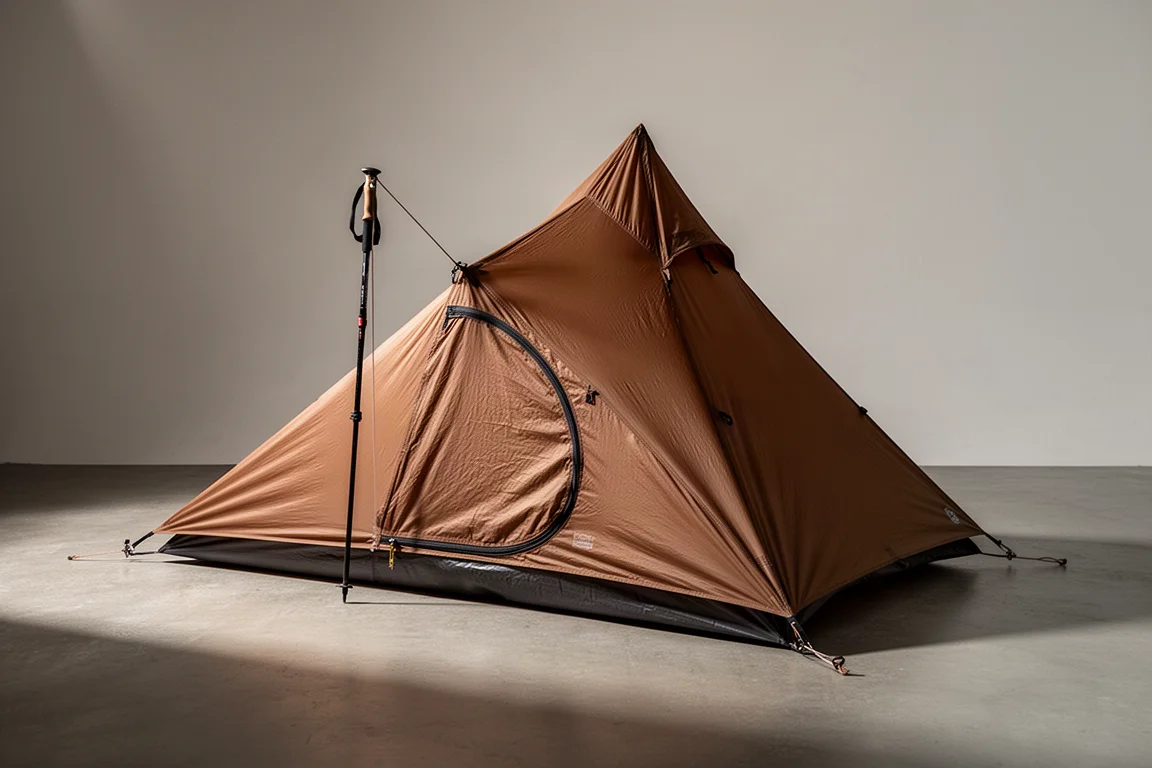
3F UL Lanchan Pro 1 Review: A 1 lb 8 oz Single-Wall Trekking Pole Tent
A practical look at the 3F UL Lanchan Pro 1, a single-wall trekking pole shelter with a 1 lb 8 oz weight, 20D silnylon fabrics, and a roomy 90 x 31 x 49 inch interior.
Backpacking Tents
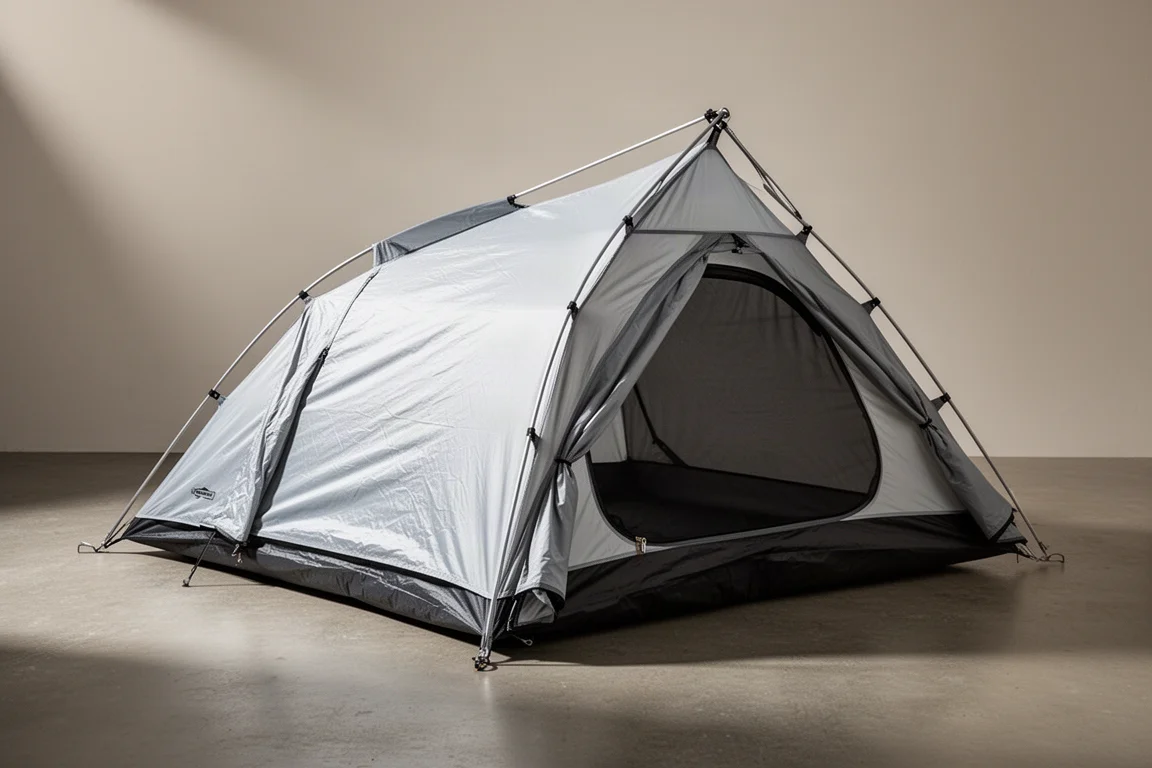
3F UL Taiji 2-Person Tent: A Convertible Backpacking Shelter Worth a Closer Look
A practical look at the 3F UL Taiji two-person tent, covering its materials, true two-person interior, fly-first pitching, and the seasonal inner swap that lets one shelter cover more of the year.
Backpacking Tents
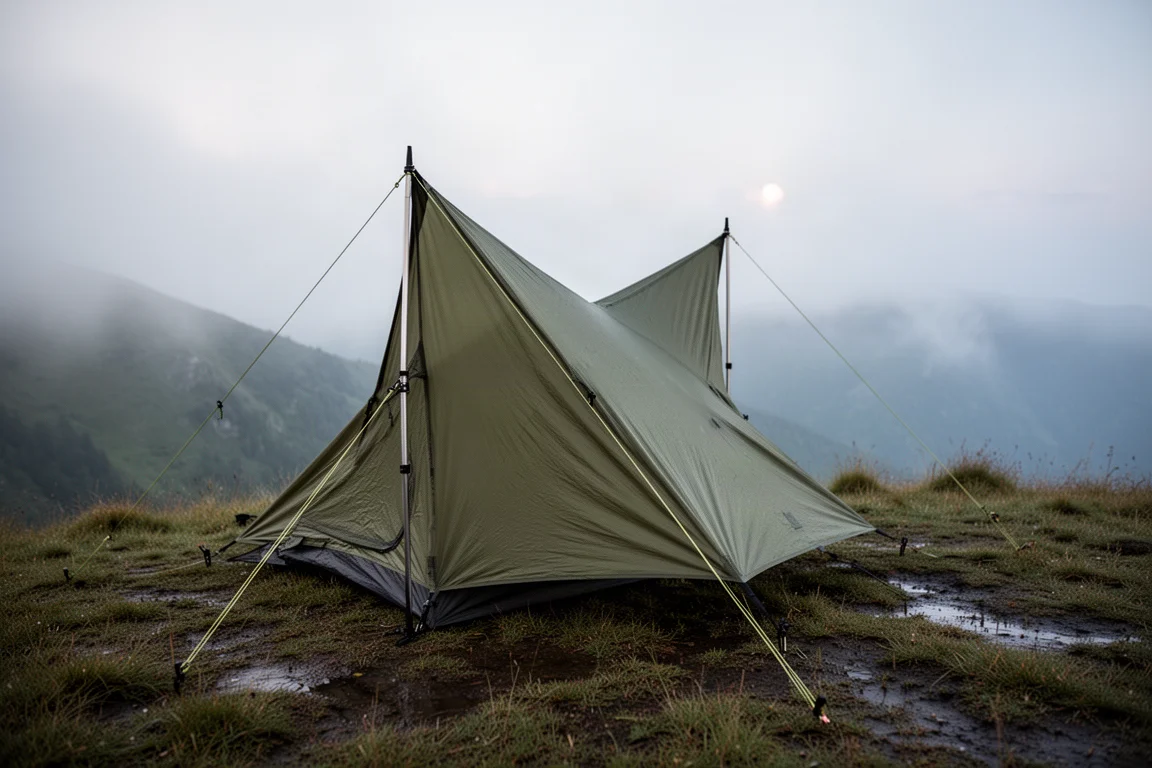
3FUL Lanshan Twoerson Pro Review: A Light Trekking Pole Shelter That Struggled in Rain
A two-person trekking pole shelter with a 2026 redesign, pitched with sticks and put through a night of steady rain. Here is what worked, what did not, and what to check before buying.