Backpacking Tents
Tarptent Scarp 1 Review: A Four-Season One-Person Tent With Room to Spare
The Tarptent Scarp 1 is a four-season one-person shelter that weighs about 1.47 kg, offers unusually generous interior space, and gives you several ways to tune ventilation and stability.
Introduction
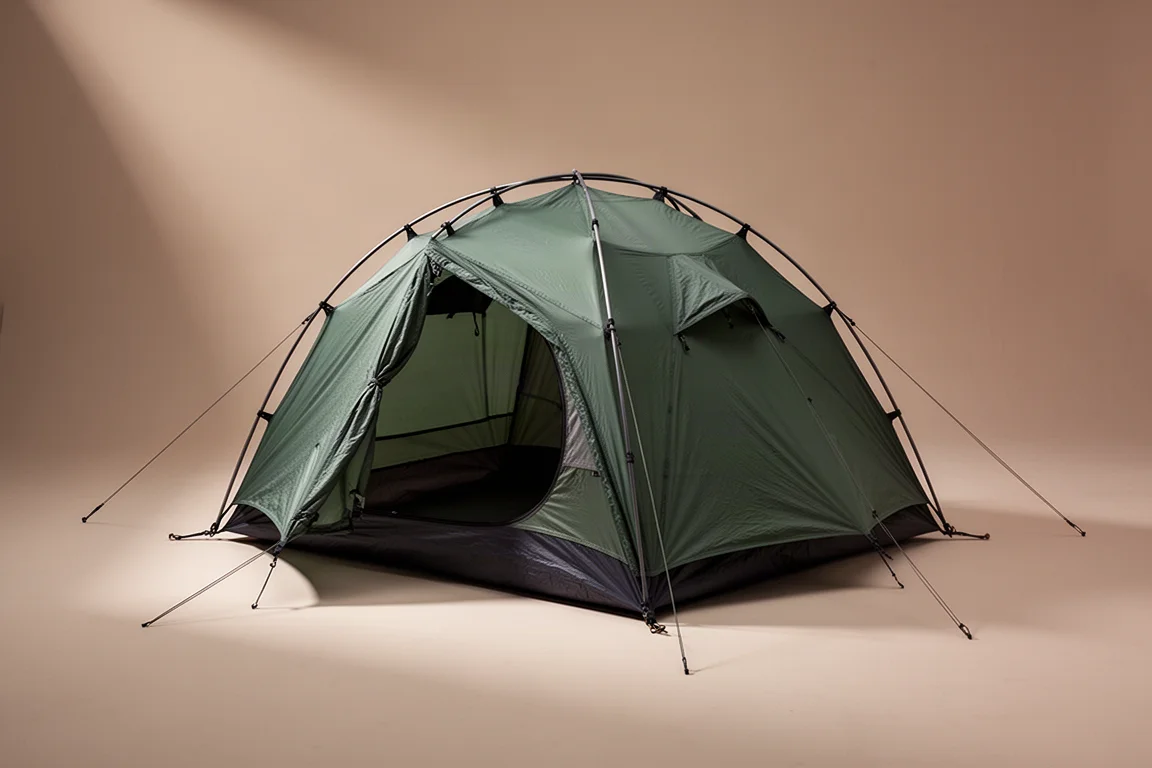
The Tarptent Scarp 1 is a one-person, four-season shelter built around a single hoop pole. It weighs in at 1.47 kg, or about 55 ounces, which is modest for a tent rated for winter conditions, though the packed size is noticeably bulkier than the number might suggest.
The Scarp 1 is designed to be pitched with a main hoop pole and then reinforced with short built-in pole sections at each end. That combination is what gives the tent its stiffness in wind. It also gives you a genuine choice of ventilation settings, which matters a great deal once you start sleeping in cold, damp conditions.
Who the Tarptent Scarp 1 Is For
This is a shelter for backpackers who want one tent that works across the seasons rather than a lightweight summer tent plus a separate winter option. The four-season rating shows in how low the fly comes to the ground and in the availability of a solid inner, which is the version that suits wetter, colder climates and keeps midges and mosquitoes out without relying on a full mesh wall.
It is also a sensible choice if you are tall or simply dislike the cramped feel of a typical one-person tent. Headroom is generous, and the interior is spacious enough that two people can fit when needed, particularly with two sleeping pads and a movable vestibule that can be enlarged or reduced.
The trade-off for that comfort is a tent that packs larger than its weight implies, so it rewards someone who prioritises liveable space over the smallest possible stuff sack.
Main Strengths
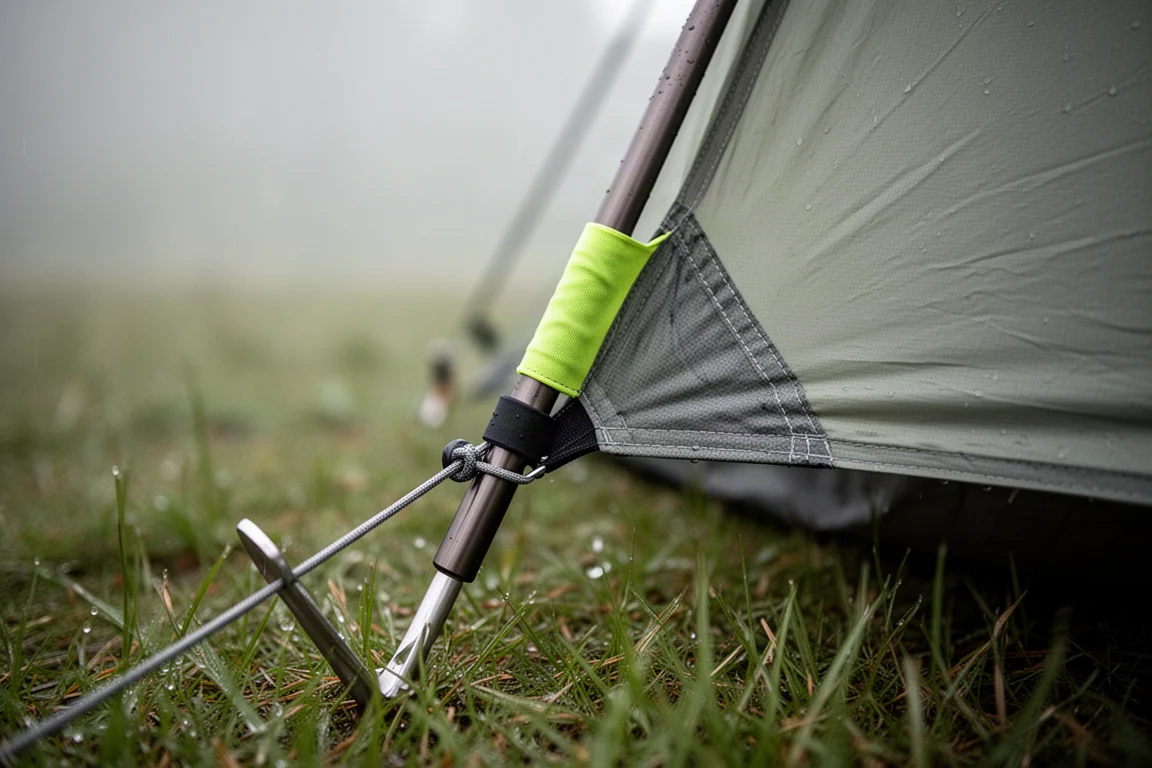
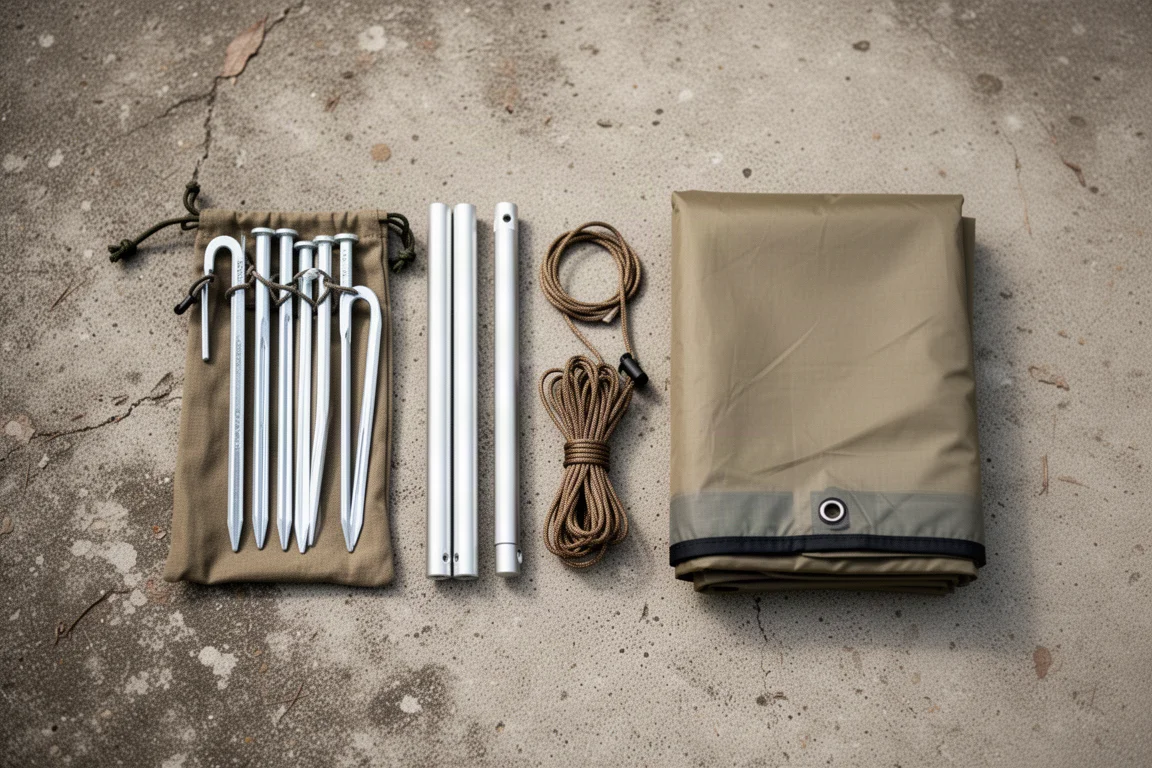
The structure is the first thing to notice. The main hoop is made from 9 mm Easton poles, and the tent ships with six Easton stakes in a small silnylon pouch. The pole sleeve is finished in a bright colour, which makes it easy to thread correctly the first time and hard to get wrong in poor light. Once the pole is through, the end seats into a pocket, and a tensioning tie locks everything down.
Each end of the tent then uses its own built-in pole assembly with five short sections. These are extremely light and are a large part of why the shelter feels so solid once it is up. Tensioners let you fine-tune the pitch after the basic structure is standing.
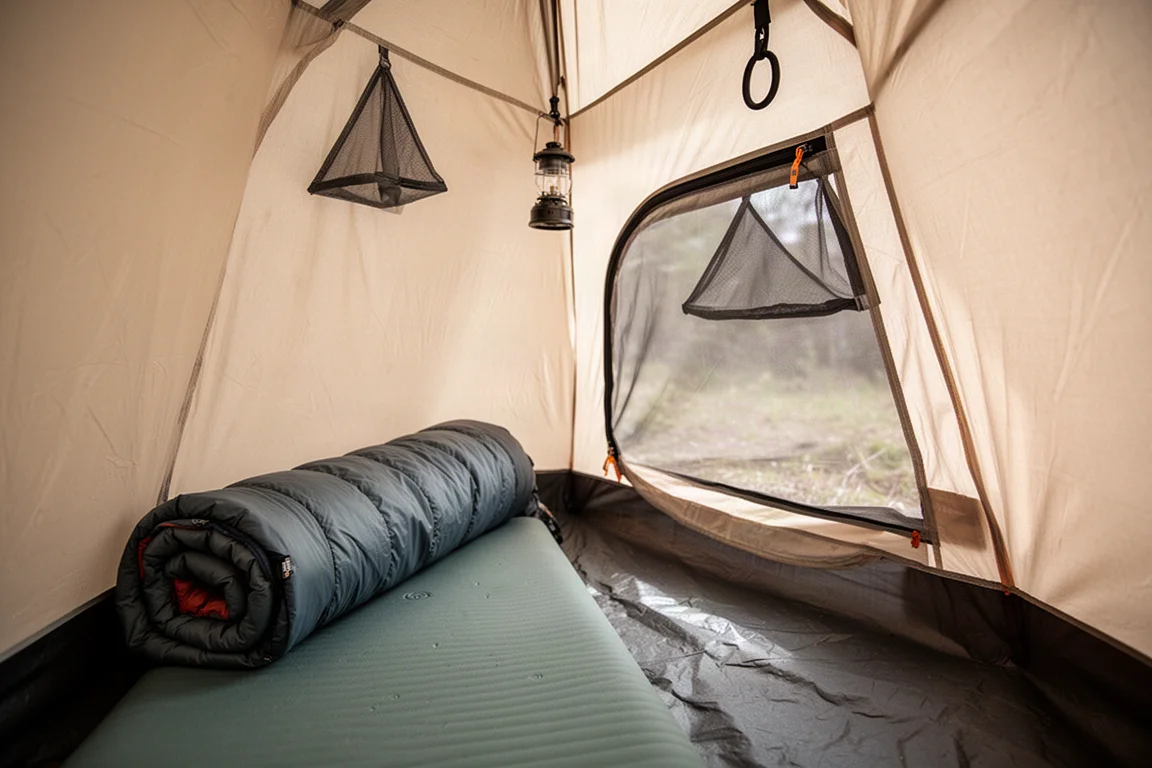
Inside, the tent uses a solid inner as standard in this configuration, with a mesh inner available for warmer trips. The solid inner still leaves mesh panels high up, so you get breathability while keeping insects out. The floor space is genuinely usable: room for a sleeping pad with a comfortable margin at the sides and roughly a foot and a half beyond your feet, plus two doors and two vestibules so gear storage and entry do not have to share the same side.
Ventilation and Interior Space
Ventilation is one of the strongest arguments for this tent. Each side has an opening that can be left closed or pulled wide, with small bungee cords that clip across to hold the panel open. Both sides work the same way, so you can set up cross-flow rather than choosing a single vent.
At the rear, a tie can be slackened to lift the fly, and a bungee cord then clips onto a hook to hold it in place, which produces a substantial amount of airflow. There are also vents at the top on both sides. The doors use two-way zips, so you can open them as much or as little as conditions allow.
Inside, the details are mostly practical. There is a small hook for a lantern and triangular mesh pockets on the walls. The pockets are serviceable but shallow enough that small items can work their way out, so they are worth treating as light-duty storage rather than a place for anything important.
One genuine annoyance is the floor, which is slippery. On anything less than perfectly level ground, a sleeping pad tends to slide, and adding silicone strips is a reasonable fix. The zips themselves run smoothly, though they sometimes ask for two hands.
Things to Consider Before Buying
The seams are not taped, so the tent requires seam sealing. Factory sealing is available for a modest additional cost, roughly thirty dollars, and the result is neat enough that it is difficult to see where the work was done. If you would rather not handle it yourself, ordering the factory service is the simpler route.
Guy lines are not included. Four additional tie-out points are provided, but the lines themselves are not part of the package, which is a reasonable complaint on a tent at this price. There are also secondary tie-out points that need the same treatment.
The tie-out hardware is the weakest part of the design. The closures use small velcro tabs where a bungee and toggle would be quicker and more secure, and one of the internal fittings is essentially two pieces of bungee cord that must be knotted together. Both are the kind of detail an owner can improve, but they are worth knowing about up front.
Finally, the corner pole assemblies limit how small the tent can be compressed. It is a deliberate part of what makes the shelter rigid, and it is easy to live with if you are aware of it before you buy.
Cross Poles and Freestanding Setup
The Scarp 1 can be made considerably more rigid with the optional cross poles, which add roughly 400 grams. For most trips they are unnecessary, but in situations involving snow loading or very strong winds they are a meaningful upgrade.
Fitting them is straightforward. The poles pass through a loop on top of the tent and then under a velcro strap, with the ends seating into eyelets at each corner. Bending the second pole down and securing it with velcro, then repeating on the other side, pulls the whole structure taut. Clips attach the inner to the poles, and the tensioners can be tightened afterwards.
The result is a tent that stands up to wind with almost no movement, and it also becomes fully freestanding, which means you can lift it and reposition it without pulling stakes. A useful side effect is that the fly lifts slightly away from the inner, creating more space between the two layers. That gap improves airflow and helps reduce condensation.
Newer versions of the tent added an extra guy-out point to improve stability in side winds, along with a few other refinements.
Packing, Portability, and Weight
At 1.47 kg, or about 55 ounces, the Scarp 1 is light for what it offers. The fly and the stuff sack are both made from silnylon, so the packed bundle is consistent with the rest of the materials.
The catch is bulk rather than weight. The packed size is substantial for a one-person tent, largely because of the structural pole sections built into the corners. Separating the poles from the tent body helps, since the poles can then be carried alongside a pack rather than inside the same bundle, but the tent will never compress down to the size of a minimalist summer shelter.
Buying Advice
The tent in this configuration costs around $359, and factory seam sealing adds roughly $30. Optional cross poles are a separate purchase and add about 400 grams when fitted.
The decision that matters most is which inner you choose. The solid inner is the better fit for cold, wet, and insect-heavy conditions, while a mesh inner suits warm-weather use and saves weight. If you expect to pitch with a trekking pole, that option gives you noticeably more room inside, which is worth trying before you decide how you feel about the interior.
If wind resistance, ventilation, and interior space rank above a compact pack size, the Scarp 1 makes a convincing case. If you need the smallest possible bundle, the corner pole design is the thing to weigh carefully.
Conclusion
The Tarptent Scarp 1 is a four-season one-person shelter that behaves more like a small two-person tent in daily use. Its Easton pole structure and built-in end poles produce a very stable pitch, the ventilation options are unusually flexible, and the interior has enough room to make long nights comfortable.
The compromises are honest ones: no included guy lines, hardware that could be better, seams that need sealing, a slippery floor, and a packed size that reflects the sturdy frame. Buyers who accept those points in exchange for space and weather resistance will find it a very easy tent to recommend.
For anyone stepping up from a lightweight three-season tent and wanting something they can trust in wind, cold, and damp, the Scarp 1 is a strong place to start.
Product link
View more details for Tarptent Scarp 1
This product is mentioned in the review. Check the specifications, options, and compatibility before buying.
View more details for Tarptent Scarp 1Further reading
Related Reviews
Backpacking Tents
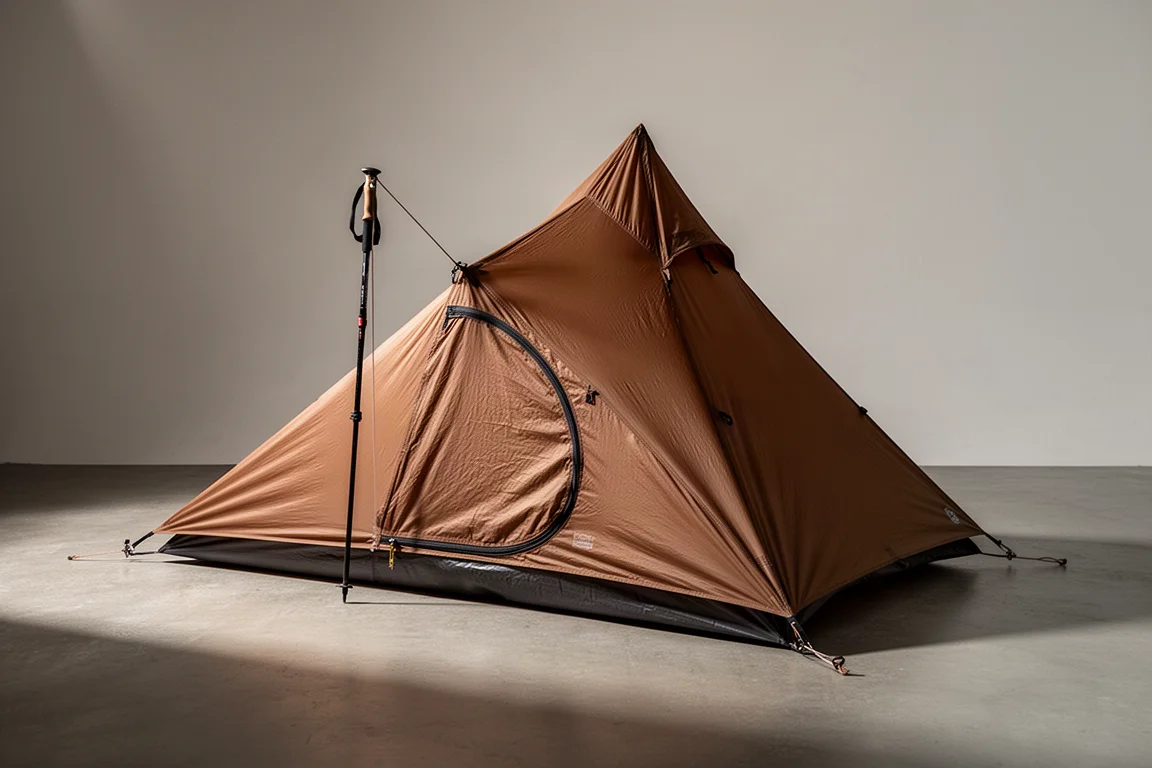
3F UL Lanchan Pro 1 Review: A 1 lb 8 oz Single-Wall Trekking Pole Tent
A practical look at the 3F UL Lanchan Pro 1, a single-wall trekking pole shelter with a 1 lb 8 oz weight, 20D silnylon fabrics, and a roomy 90 x 31 x 49 inch interior.
Backpacking Tents
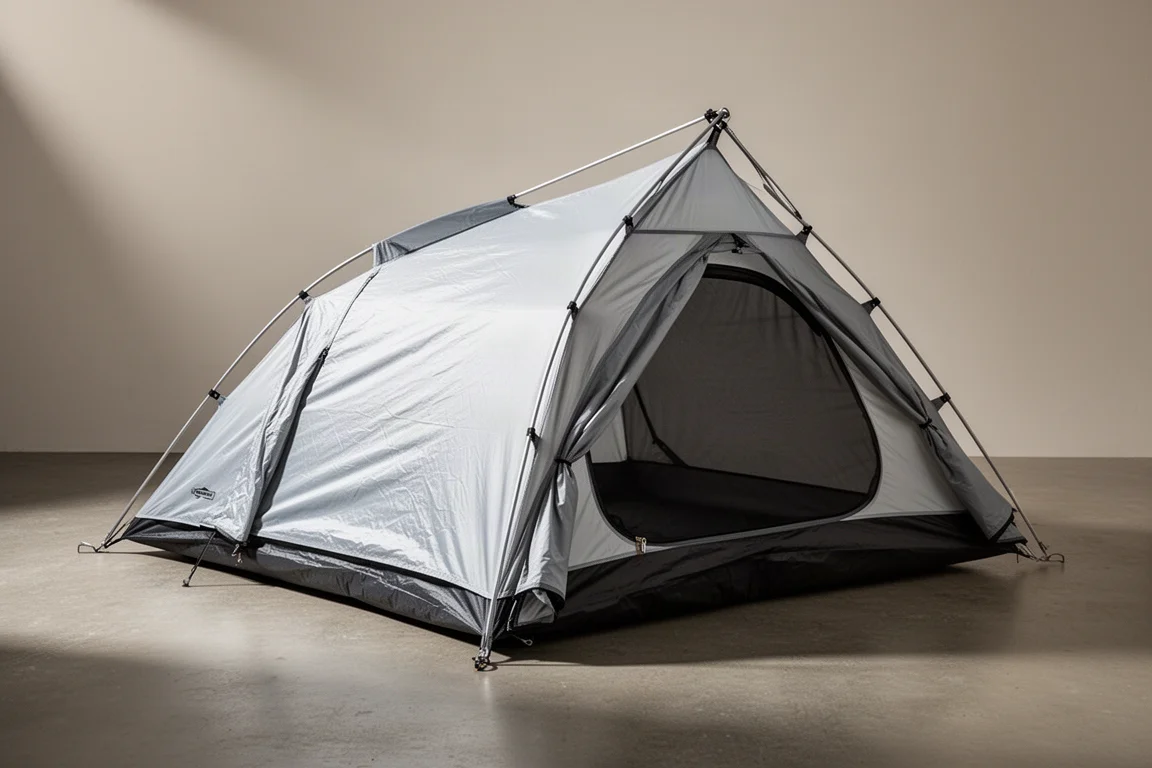
3F UL Taiji 2-Person Tent: A Convertible Backpacking Shelter Worth a Closer Look
A practical look at the 3F UL Taiji two-person tent, covering its materials, true two-person interior, fly-first pitching, and the seasonal inner swap that lets one shelter cover more of the year.
Backpacking Tents
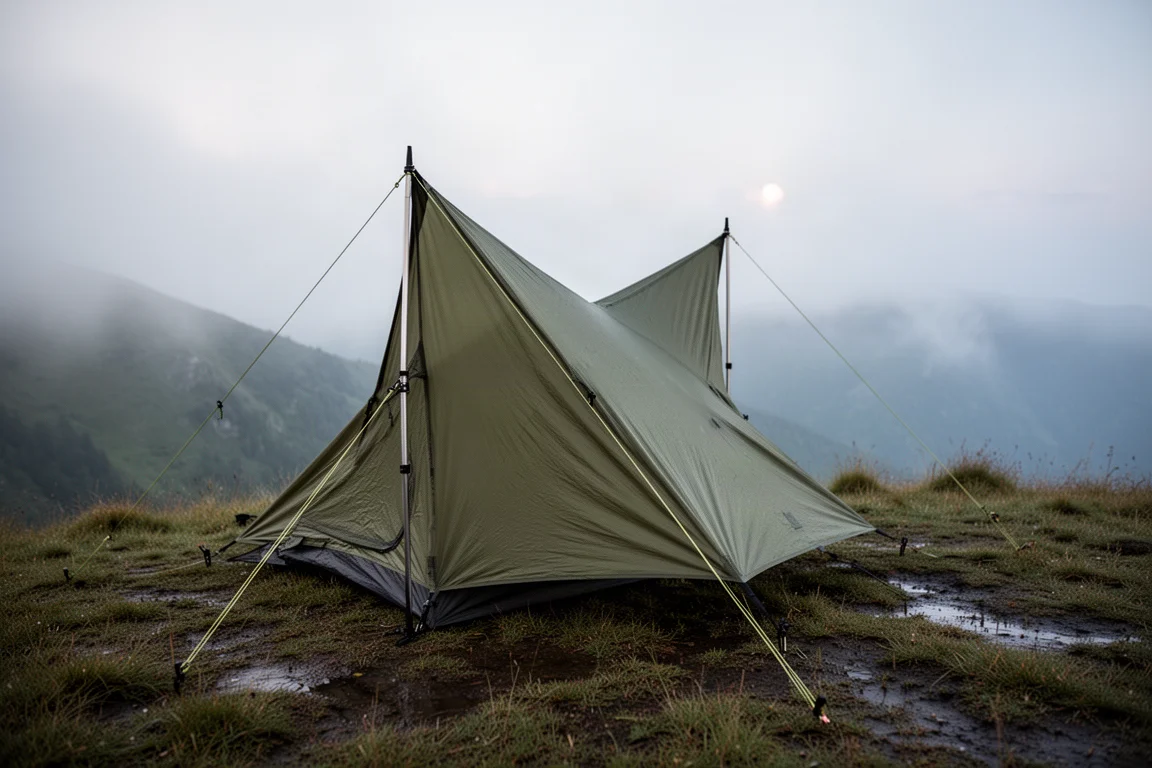
3FUL Lanshan Twoerson Pro Review: A Light Trekking Pole Shelter That Struggled in Rain
A two-person trekking pole shelter with a 2026 redesign, pitched with sticks and put through a night of steady rain. Here is what worked, what did not, and what to check before buying.