Backpacking Tents
Tarptent Rainbow Lithium Review: A Light Semi-Freestanding Tent That Does a Lot
A practical look at the Tarptent Rainbow Lithium, a single-person, single-wall backpacking tent that comes in around 26 ounces and pitches without trekking poles.
Introduction
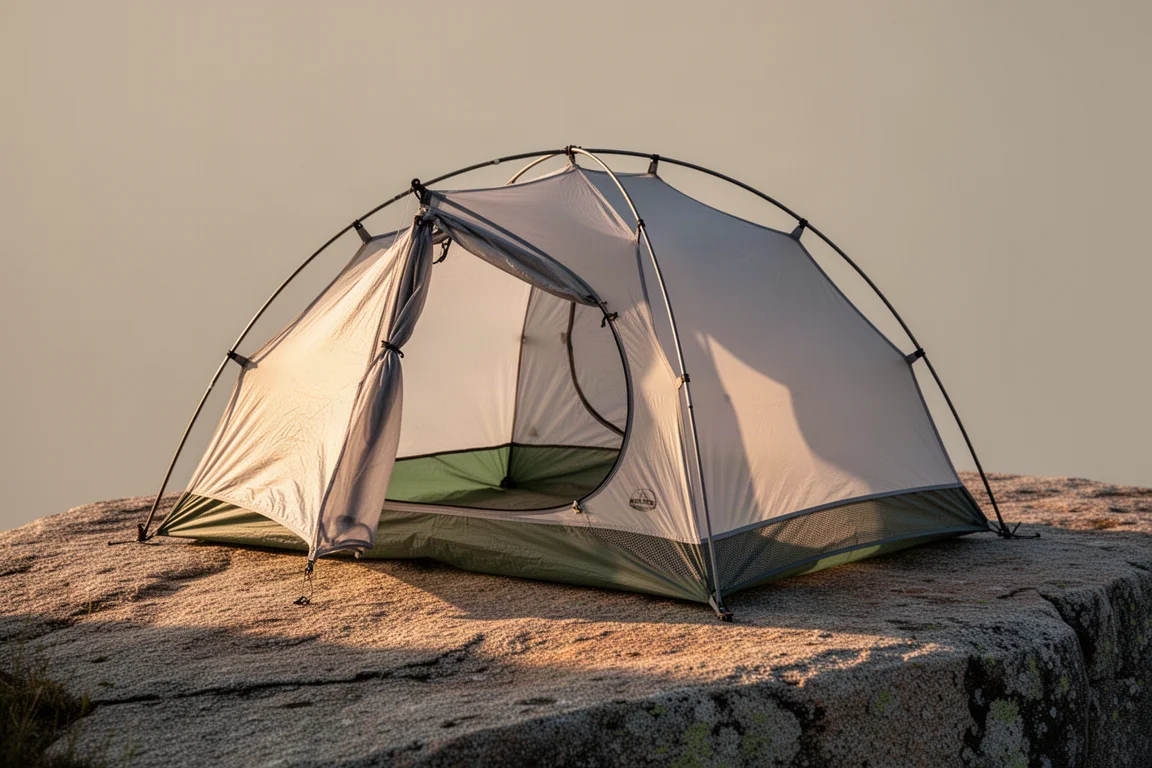
The Tarptent Rainbow Lithium is a single-person, single-wall backpacking tent built around a simple arc pole and a fully rectangular floor. It has been part of the Rainbow range for years, and it still holds up as a light, versatile shelter for backpackers who would rather not depend on trekking poles to get a pitch.
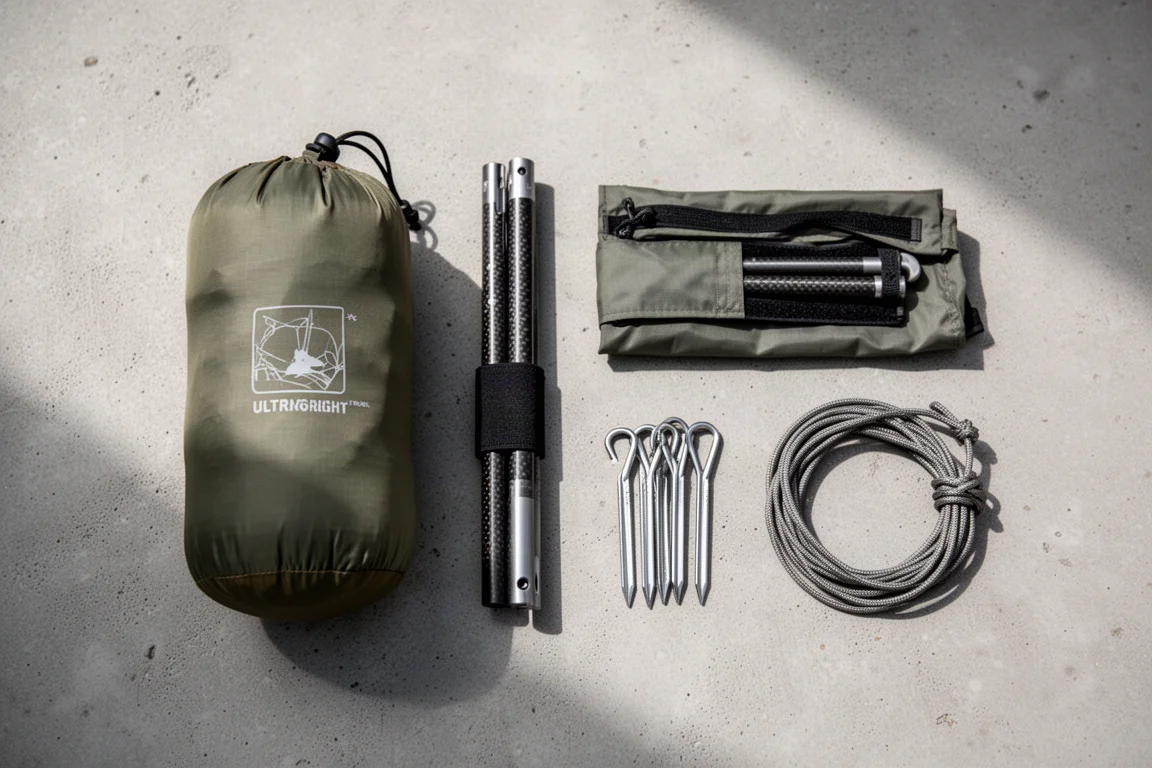
The Lithium build is the premium version of the design, made with Dyneema composite fabric, and it is priced at $699. Tarptent also offers the Rainbow in a standard silpoly version, which costs significantly less and adds only a modest amount of weight. Everything shown for the Lithium, including a carbon fiber main pole and a carbon fiber brow pole, comes in at around 26 ounces, with room for an extra stake or two.
Who This Tent Is For
This tent suits backpackers who want one shelter that works across a wide range of environments and locations rather than a specialist tent for a single kind of trip. Because the structure comes from the carbon fiber poles, trekking poles are not required to stand it up, which makes it a sensible option for anyone who hikes without them or simply wants to keep that choice open.
It is also a good match for anyone who values low weight and small packed bulk. At under two pounds, it saves space in a pack, and it can be pitched on slick rock without needing a huge amount of force at the stakeout points.
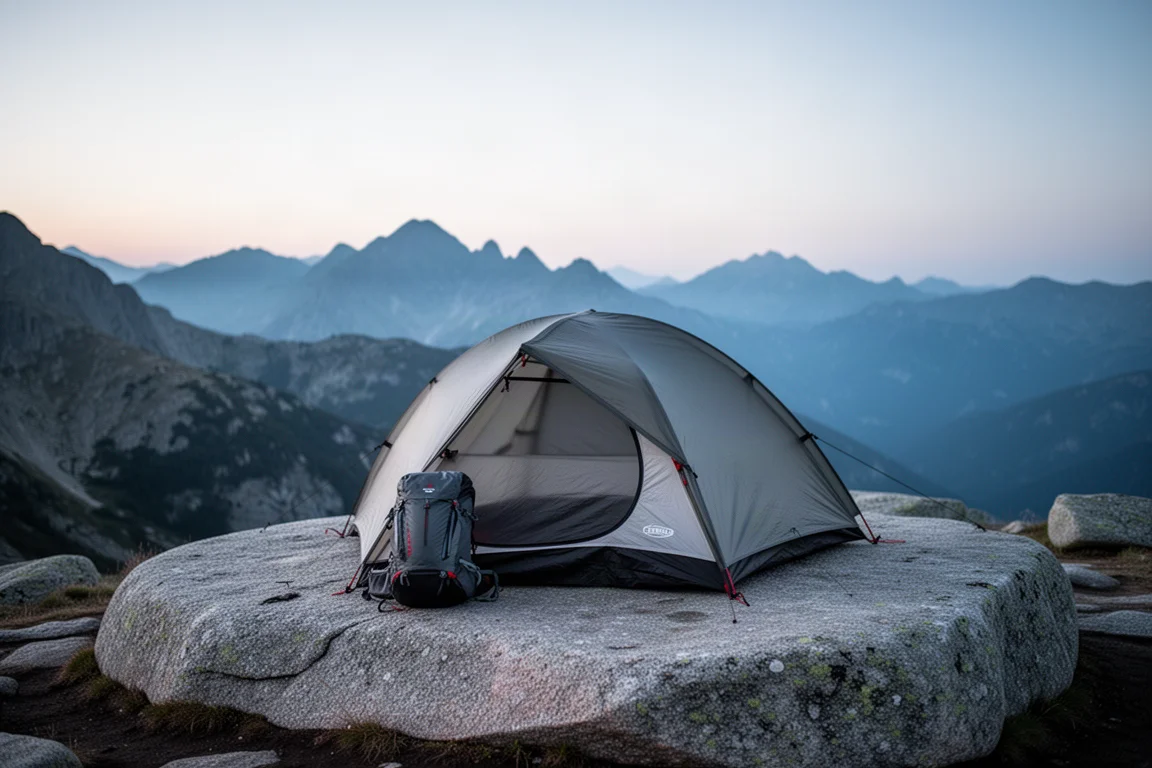
Because the floor is fully rectangular and the end walls sit close to vertical, the usable length holds up well toward both ends, which is not always the case in a tent with a footprint this compact.
Setup and Pitch
Pitching is straightforward. The four corners go out loosely first, with the stakes following the angle of the panel seams. The main pole is assembled and slid through the center sleeve to create the arc, then a second pole goes into a pair of loops to form the brow pole that spreads the tent out. From there the whole shelter is tensioned, and the stakes can be repositioned as needed until the pitch looks clean and tight. The back panel and the door are staked out last.
That sequence is quick to repeat once you have done it a few times, and the tensioning stage gives you enough adjustment to correct a slightly crooked pitch rather than starting over.
Space, Floor Dimensions, and Headroom
The floor measures 88 inches long and 36 inches wide, and it is fully rectangular with no taper at either end. The head and foot walls are fairly vertical, so a good portion of that 88 inches stays usable before the ceiling begins to curve over. Peak height is 42 inches, which is enough to sit up and move around comfortably inside.
A 25 inch wide, 72 inch long sleeping pad fits with room left for a small backpack at the feet, and because the floor is rectangular, you can sleep with your head at either end. There is one door and one vestibule, which is typical for a one-person design.
Weight, Packability, and Pole Design
At around 26 ounces for everything, plus an extra stake or two, the Rainbow Lithium is a notably light semi-freestanding tent. The carbon fiber main pole and carbon fiber brow pole carry the structure, so there is no need to bring trekking poles along just to get the tent standing, and that removes a fair amount of bulk from the pack.
The floor is a 15 denier quad ripstop nylon 66 rather than Dyneema, and it is a smart choice here. It is durable, it keeps the weight down, and it helps the tent pack smaller.
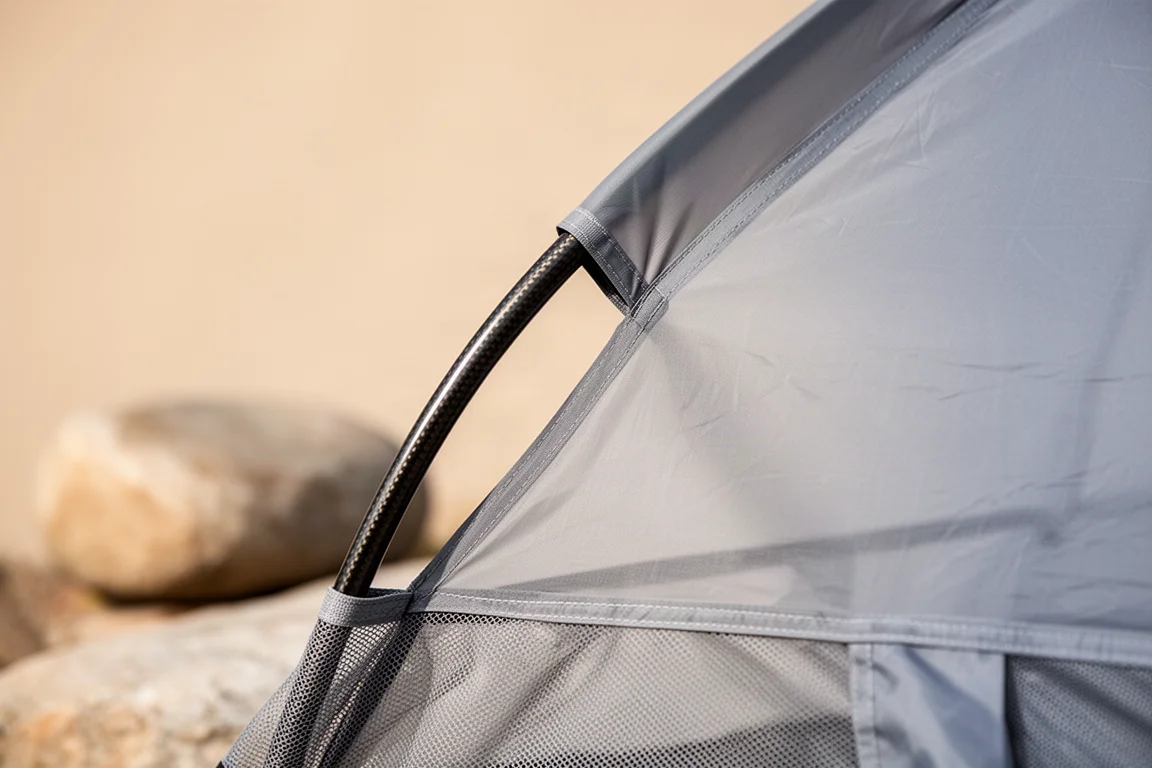
The result is a shelter that packs down small and carries light without giving up a proper, freestanding-style structure at camp.
Ventilation, Condensation, and Interior Details
This is a single-wall tent, so there is no separate rainfly and condensation is something to manage deliberately. The design gives you real tools for it: mesh runs all around the bottom of the tent, there are peak vents, and the shelter can be raised or lowered at the head end, the foot end, and on the non-door side to open up more airflow on warm nights.
At both ends, a piece of grosgrain webbing adjusts the tension on the end mesh, and the elastic loops inside let you open or close that mesh from within the tent. A short elastic holds the panel up on a mitten hook to increase air movement, while a longer elastic closes it down. That longer elastic also pulls the bathtub floor up and tensions it nicely. The same style of adjustment appears on the non-door side.
Inside, there is a single mesh pocket on the wall and no pockets overhead, but clips and loops are in place if you want to add an accessory gear loft. There is also an optional clip-in liner that attaches to the mitten hooks around the tent. It adds weight, but it helps with condensation management in genuinely humid conditions.
The door uses a single zipper in an arc shape, opens easily with one hand, and has two zipper pulls. Magnetic tiebacks make rolling it back quick. One detail worth calling out is the solid panel of fabric near the vestibule, which helps keep dust, sand, and spindrift from blowing in under the door.
Trekking Pole Versatility and Porch Mode
In its standard form, the Rainbow Lithium is semi-freestanding and needs stakes to achieve a tight pitch. Adding a set of trekking poles to the ends of the tent makes it fully freestanding, which opens up campsites where staking is difficult or impossible and reduces how much force the stakeout points have to take.
The same poles unlock porch mode. One or two trekking poles lift the door fabric into a small canopy, giving shade and light rain and wind protection over the opening while you cook or sit and look out. The fabric flap secures with Velcro and rolls back when not in use, so the feature adds almost nothing in weight.
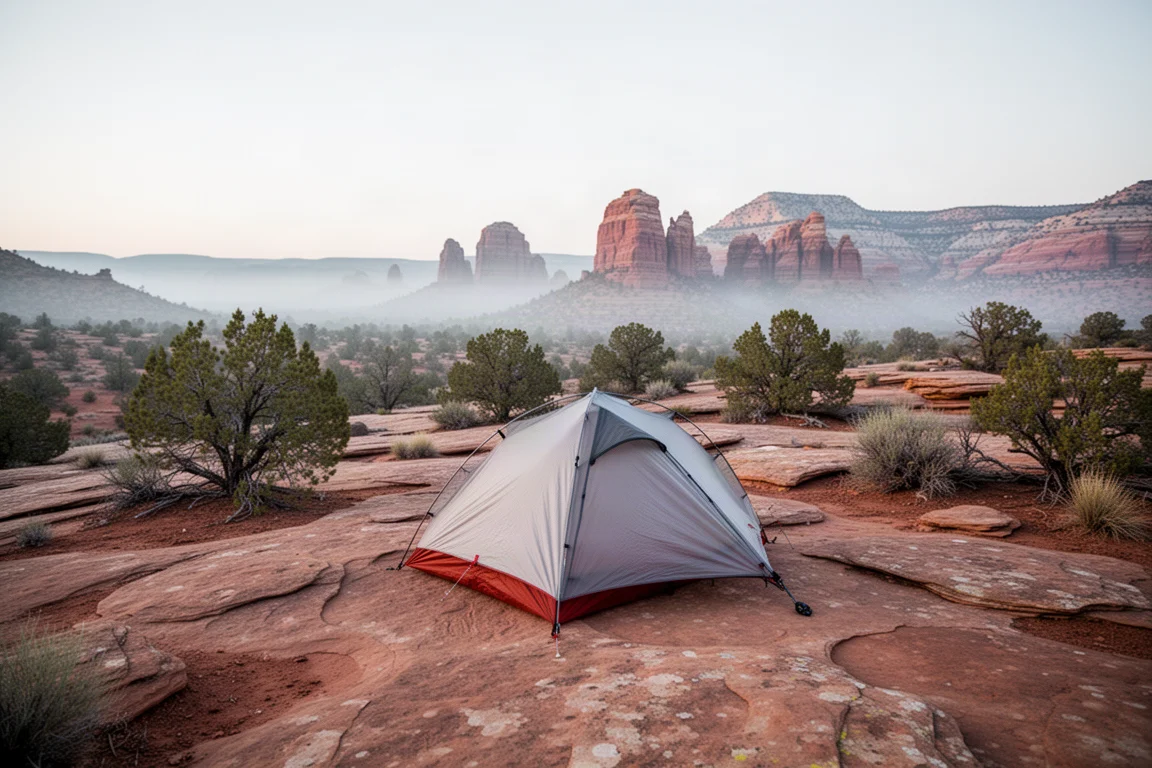
That combination of options is what makes the tent genuinely adaptable, including on slick rock where a conventional staked pitch would be awkward.
Things to Consider Before Buying
The vestibule is the main compromise. It is not large, it is not meant to swallow a big pile of gear, and it rises steeply against the inner mesh wall. A backpack can live there, but it has to sit close to the floor and it gets limited protection from the weather. That is the trade-off for the long, usable interior space at the foot end.
Condensation is the second thing to plan for. As a single-wall tent, it rewards good site selection and active ventilation management, and a big puffy jacket brushing the sidewalls is a real possibility on a damp night. The optional clip-in liner helps, at the cost of some added weight.
Finally, there is one door and one vestibule, so it is worth thinking about which way the door faces when you choose a pitch. And at $699, the Lithium is an investment, with the silpoly version sitting at a significantly lower cost.
Buying Advice
Choose the Lithium if low weight, small packed size, and Dyneema composite fabric are the priorities and the price fits your budget. Choose the silpoly Rainbow if cost matters more than the last few ounces, since it weighs somewhat more but keeps the same overall design and approach to pitching.
If you expect humid conditions, the clip-in liner is a reasonable addition for condensation management, and it is easy to leave behind on dry trips. Trekking poles are optional, but carrying them adds freestanding pitching and porch mode, which is a meaningful upgrade in flexibility for very little cost in weight.
For backpackers who want a single tent that covers most trips rather than a quiver of specialist shelters, the compromises here are predictable and easy to plan around, which is exactly what makes the design worth a close look.
Conclusion
The Tarptent Rainbow Lithium is not a perfect tent, and it does not try to be. It is a well-built, light, semi-freestanding shelter with a rectangular floor, generous usable length, adjustable ventilation, and the option to go fully freestanding with trekking poles. The small vestibule, single-wall condensation, and $699 price are the real considerations. If those trade-offs fit the way you backpack, this is a tent that earns its place in the pack.
Product link
View more details for Tarptent Rainbow Lithium
This product is mentioned in the review. Check the specifications, options, and compatibility before buying.
View more details for Tarptent Rainbow LithiumFurther reading
Related Reviews
Backpacking Tents
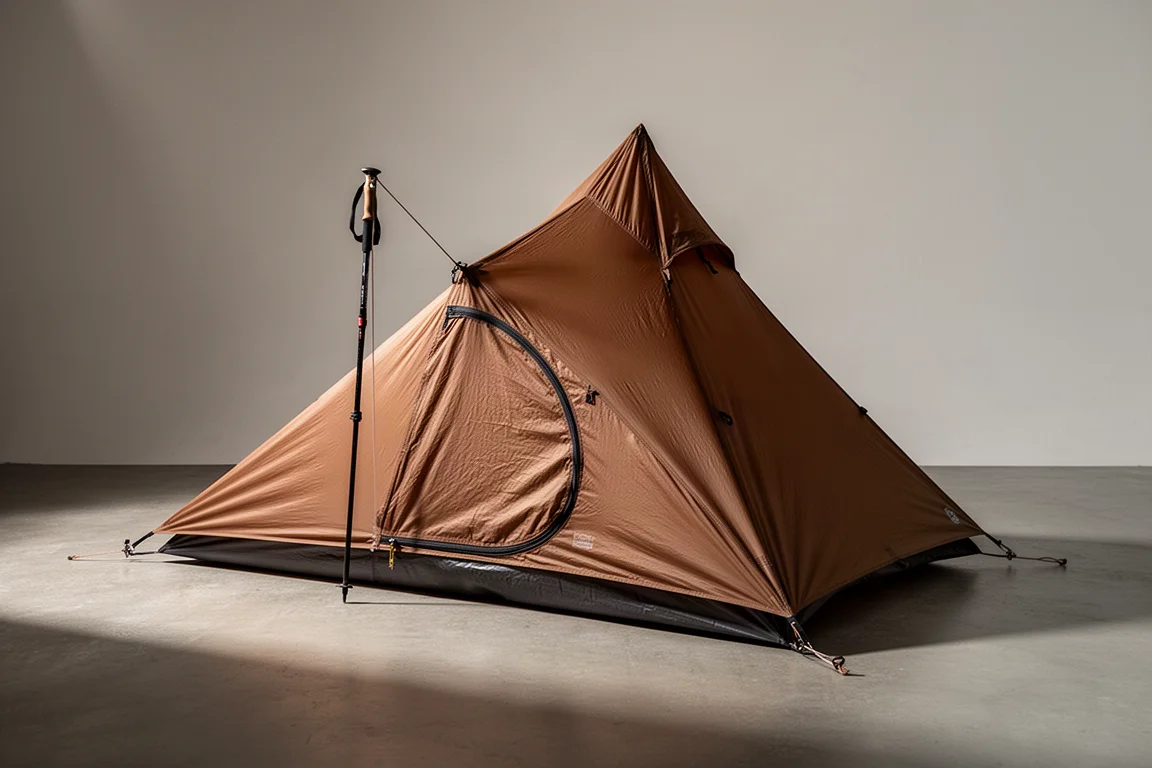
3F UL Lanchan Pro 1 Review: A 1 lb 8 oz Single-Wall Trekking Pole Tent
A practical look at the 3F UL Lanchan Pro 1, a single-wall trekking pole shelter with a 1 lb 8 oz weight, 20D silnylon fabrics, and a roomy 90 x 31 x 49 inch interior.
Backpacking Tents
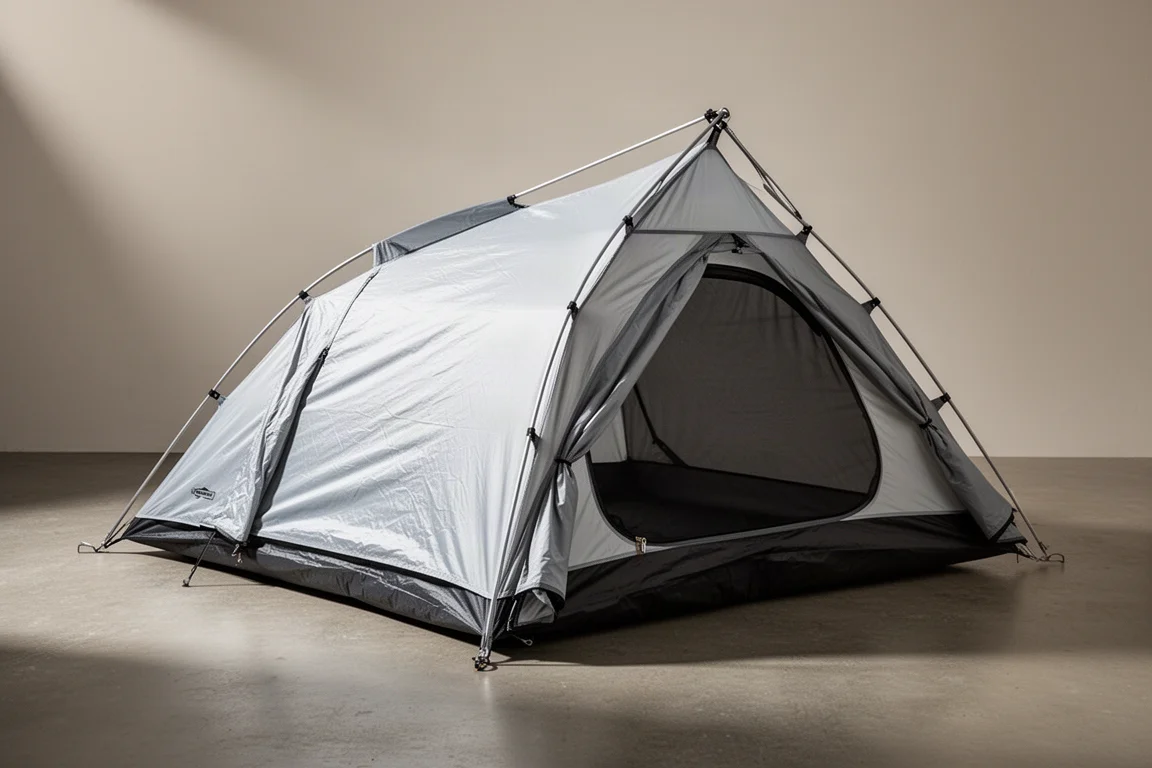
3F UL Taiji 2-Person Tent: A Convertible Backpacking Shelter Worth a Closer Look
A practical look at the 3F UL Taiji two-person tent, covering its materials, true two-person interior, fly-first pitching, and the seasonal inner swap that lets one shelter cover more of the year.
Backpacking Tents
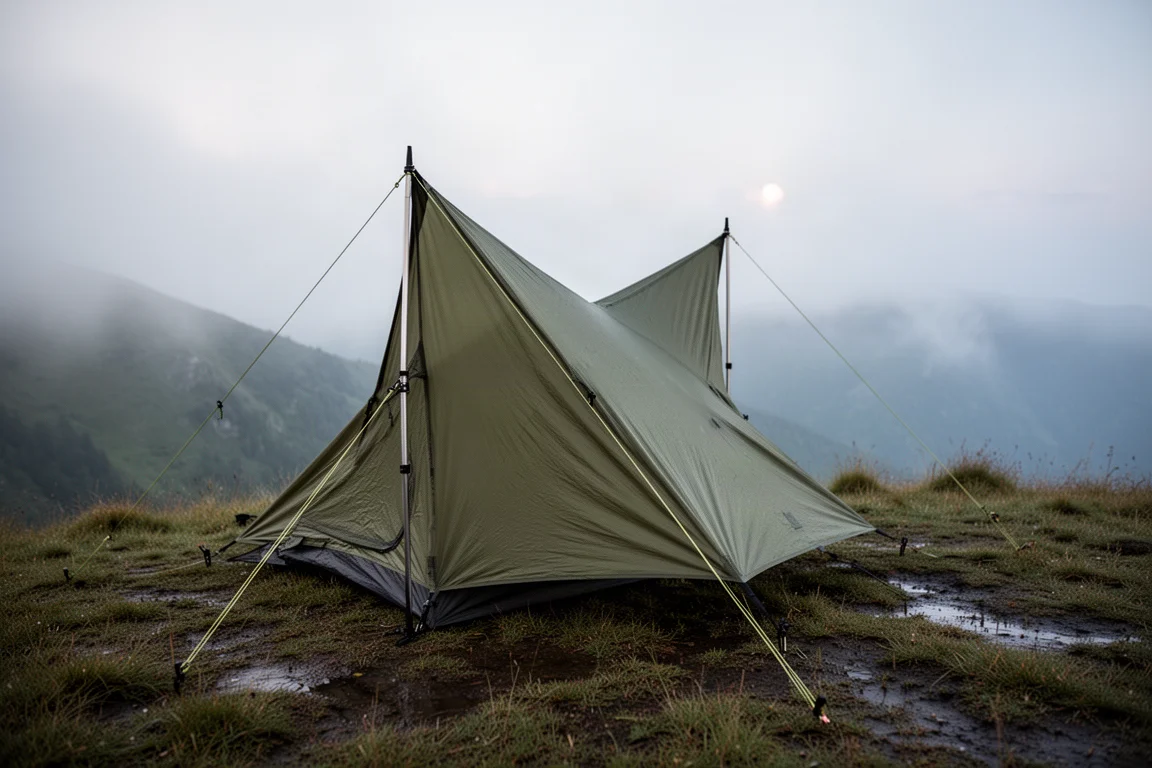
3FUL Lanshan Twoerson Pro Review: A Light Trekking Pole Shelter That Struggled in Rain
A two-person trekking pole shelter with a 2026 redesign, pitched with sticks and put through a night of steady rain. Here is what worked, what did not, and what to check before buying.