Backpacking Tents
Tarptent Dipole Li Review: 27 oz and Room for Two Wide Pads
A close look at the Tarptent Dipole Li, a 27 oz trekking pole tent that fits two 25-inch sleeping pads and puts head room ahead of the lowest possible weight.
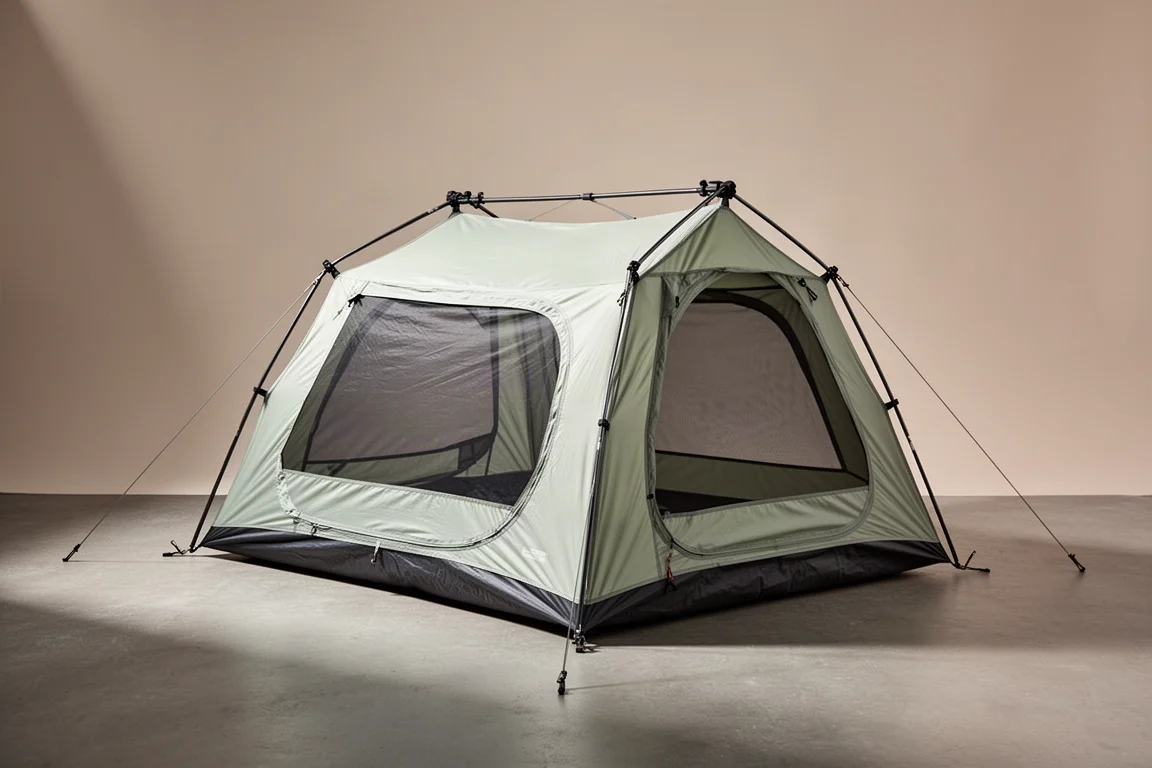
Introduction
A lightweight two-person tent that is genuinely comfortable for two people is a surprisingly difficult thing to find. Every ounce saved tends to come out of the same three places: floor width, head room, and the usable space above your sleeping pad. Get all three right and you have what amounts to a trifecta in ultralight shelter design.
Mainstream freestanding tents rarely drop below two pounds, and the models that do give up head room and floor space to get there. Trekking pole tents take a different route. They lean on poles you are already carrying and on high-performance lightweight fabrics, which is how designs such as the Zpacks Duplex and the Durston X-Mid reach extremely low weights. The Duplex is the lightest of that group at 19 oz, and the Durston X-Mid Pro refines the idea further, but neither is what most backpackers would call a genuinely roomy two-person shelter.
The Tarptent Dipole Li enters that conversation at 27 oz, or 1.8 lb. That is roughly six ounces more than the Durston X-Mid, and it is not the lightest option on the market. What it offers instead is a floor wide enough for two 25-inch sleeping pads, a specification very few tents in this weight class can match.
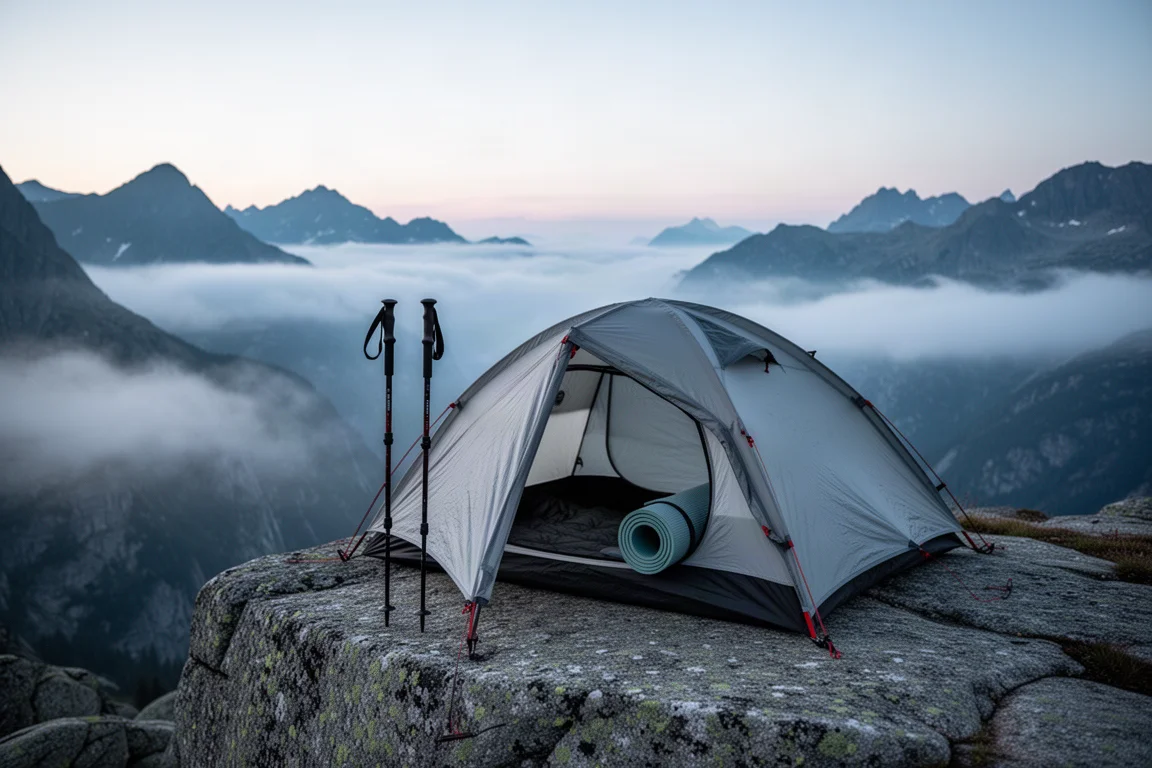
This is an early assessment rather than a long-term field test, so treat it as a close look at the design, the priorities behind it, and the one obvious barrier standing between it and a straightforward recommendation.
Who This Tent Is For
The Dipole Li is aimed at backpackers who share a shelter and care about how well they sleep in it. If you and your partner use wide sleeping pads, the difference between a 20-inch and a 25-inch pad is not cosmetic. On a 20-inch pad you can sleep, but you will spend the night close to the edge, and adding a second person turns that into constant contact. A floor that fits two wide pads changes the experience of a shared tent more than most spec sheet numbers suggest.
It also suits hikers who put head room high on the list. Being able to sit up, pull on a layer, and sort out bedding without bumping into a partner or a sloping wall is a daily quality-of-life issue on longer trips, and it is the area where ultralight shelters most often fall short.
It is less suited to anyone who wants a freestanding tent, who would rather not carry trekking poles, or who is chasing the absolute lowest possible pack weight. It is also a tent for people who are comfortable paying a premium for the combination of space and low weight.
Main Strengths
The case for the Dipole Li rests on three things: floor width, head room, and the way the design handles airflow.
Floor Space That Fits Two Wide Pads
The floor is 50 inches wide at its narrowest point, which is the threshold for two 25-inch pads to sit side by side. Extra room at the head and the feet gives you somewhere to put jackets, a phone charger, or other items you want within reach overnight rather than buried in a vestibule.
This is the clearest point of separation from the Zpacks Duplex and the Durston X-Mid, both of which call for 20-inch pads. Plenty of tents have adopted a 50-inch floor as the baseline for a true two-person shelter, but most of them are either considerably heavier or give up head room to keep the weight down.
Head Room Where It Counts
Head room is the single biggest factor in whether a tent feels cramped, and it is where the Dipole Li is most impressive. The peak measures 50 inches across, and the walls run close to vertical, with the upper sections leaning slightly outward rather than folding inward. Two people can sit up and change layers at the same time without colliding.
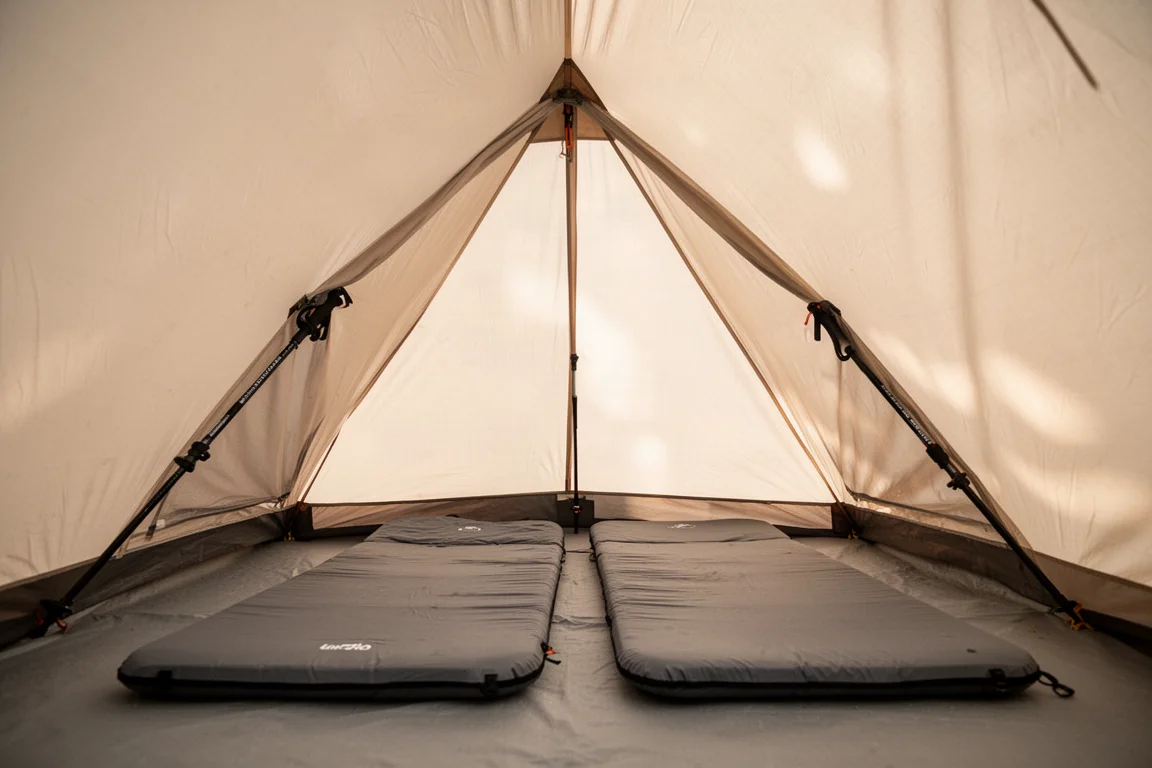
Two small carbon poles at the head and the foot add usable space when you are lying down, lifting the end walls away instead of letting them drape toward your head or your feet. That is a small detail with a large effect on how open the interior feels.
Ventilation and Condensation Control
Condensation is the classic weak point of a single-wall tent. Many single-wall trekking pole shelters bring the wall within inches of your head or feet, which means any meaningful buildup of moisture ends up on your sleeping bag. The end poles on the Dipole Li push the walls a good distance away from both ends of the sleeping area.
Two large windows do the rest of the work. Ventilation is the only reliable way to reduce condensation, and the windows give moist air somewhere to go rather than trapping it against the fabric.
Details That Add Up
The smaller touches are consistent with the overall approach: magnetic door tie-backs, a door that is not blocked by the trekking pole, and a guyline layout that gives you options when the weather turns. None of them are headline features, but they are the kind of details that decide whether a shelter is pleasant to live with.
Things to Consider Before Buying
Two things deserve attention before you commit: how the tent behaves in wind, and the price.
Wind Performance and Guyline Setup
The shape that creates all that interior volume appears to make the Dipole Li more exposed to wind than a lower, more tapered design. In gusts of 30 to 40 mph, one section of the tent collapsed until a guyline was moved from a ridgeline peak to a lower attachment point. After that adjustment, the tent held.
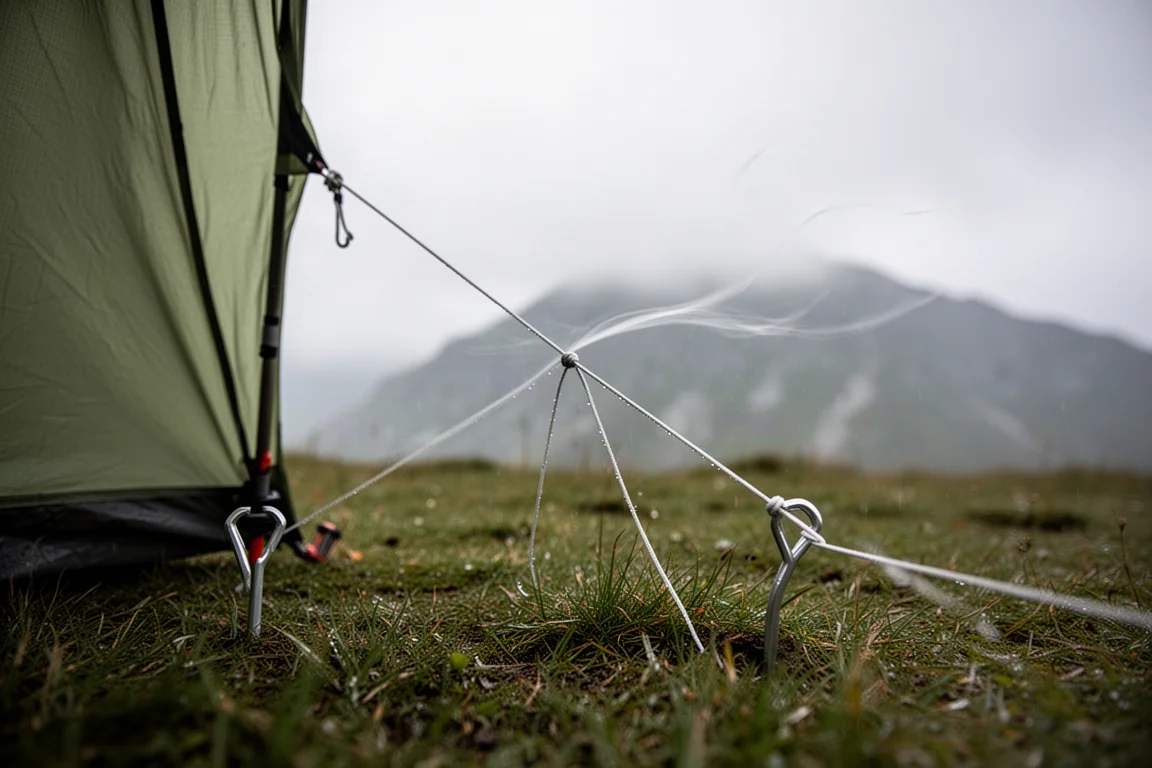
In calm conditions, four stakes at the corners are enough to keep the tent standing, and the vestibules are optional rather than structural. When wind is in the forecast, eight stakes make it substantially more solid. The lesson is straightforward: this is a tent that rewards proper staking and a willingness to adjust guy lines when conditions change.
Price and Value
The Dipole Li costs around $800, which places it at the top of the ultralight shelter market. For that money you get a tent that fits two wide pads, offers head room that is hard to find at this weight, and includes a set of well-considered details.
Whether that is worth it depends entirely on how much you value sleeping comfortably in a shared tent. If you mostly hike solo, or you are happy on a 20-inch pad, the premium is hard to justify. If you regularly share a shelter and you have been frustrated by how cramped ultralight tents feel, the calculation looks different.
Buying Advice
The Dipole Li makes the most sense for backpackers who share a tent, use wide pads, and have decided that head room and floor space matter more than the last few ounces. It is not the lightest trekking pole tent you can buy, and it is not the cheapest, but it is one of very few that combine a 50-inch floor with genuine interior height.
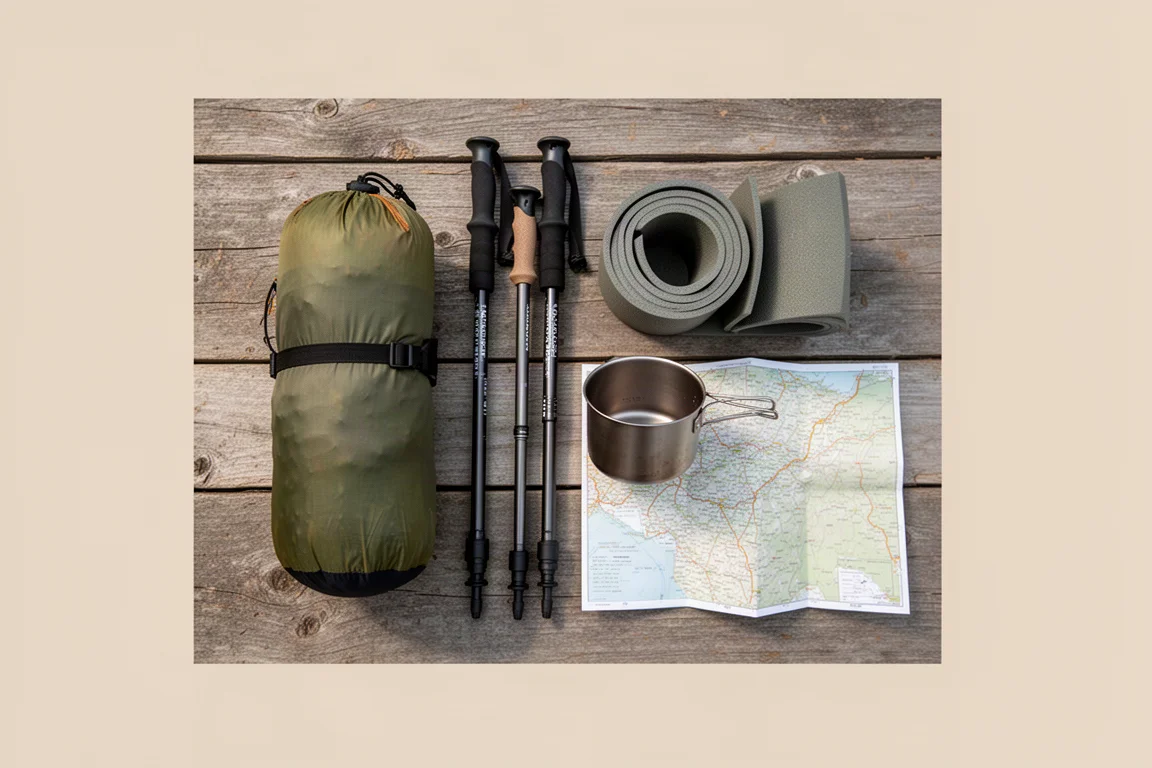
Before buying, think about the conditions you actually camp in. If you pitch in exposed, windy terrain, budget for extra stakes and expect to fine-tune guy lines. If you mostly camp in sheltered spots and calm weather, four stakes will do.
It also helps to compare against the lighter alternatives directly. The Zpacks Duplex and the Durston X-Mid save weight, and the Durston X-Mid Pro refines the design further, but both ask you to sleep on narrower pads. If that trade-off has bothered you before, the Dipole Li is the tent that answers it.
Conclusion
The Tarptent Dipole Li targets a specific gap: a trekking pole tent light enough to carry without thinking about it, roomy enough for two people on wide pads, and tall enough to sit up in comfortably. At 27 oz it gives up a few ounces to the lightest shelters available, and at around $800 it asks for a serious commitment. For the right backpacker, that combination is exactly what has been missing.
Product link
View more details for Tarptent Dipole Li 2-Person Tent
This product is mentioned in the review. Check the specifications, options, and compatibility before buying.
View more details for Tarptent Dipole Li 2-Person TentFurther reading
Related Reviews
Backpacking Tents
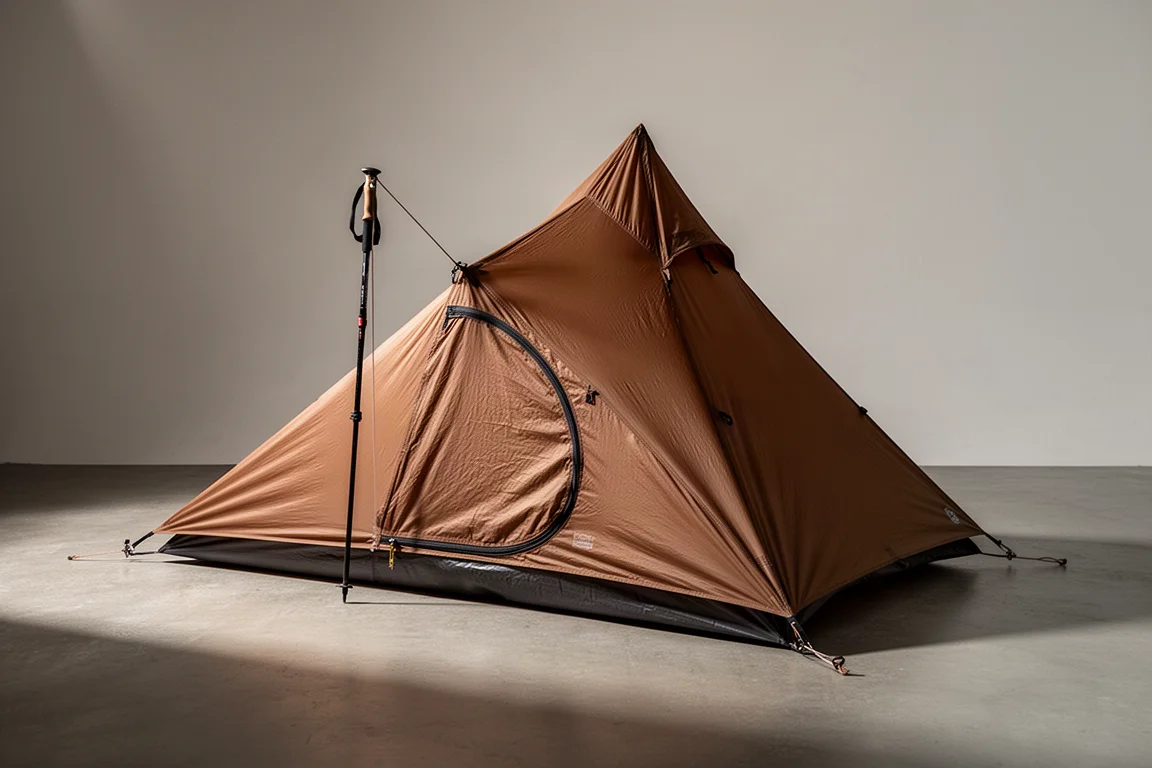
3F UL Lanchan Pro 1 Review: A 1 lb 8 oz Single-Wall Trekking Pole Tent
A practical look at the 3F UL Lanchan Pro 1, a single-wall trekking pole shelter with a 1 lb 8 oz weight, 20D silnylon fabrics, and a roomy 90 x 31 x 49 inch interior.
Backpacking Tents
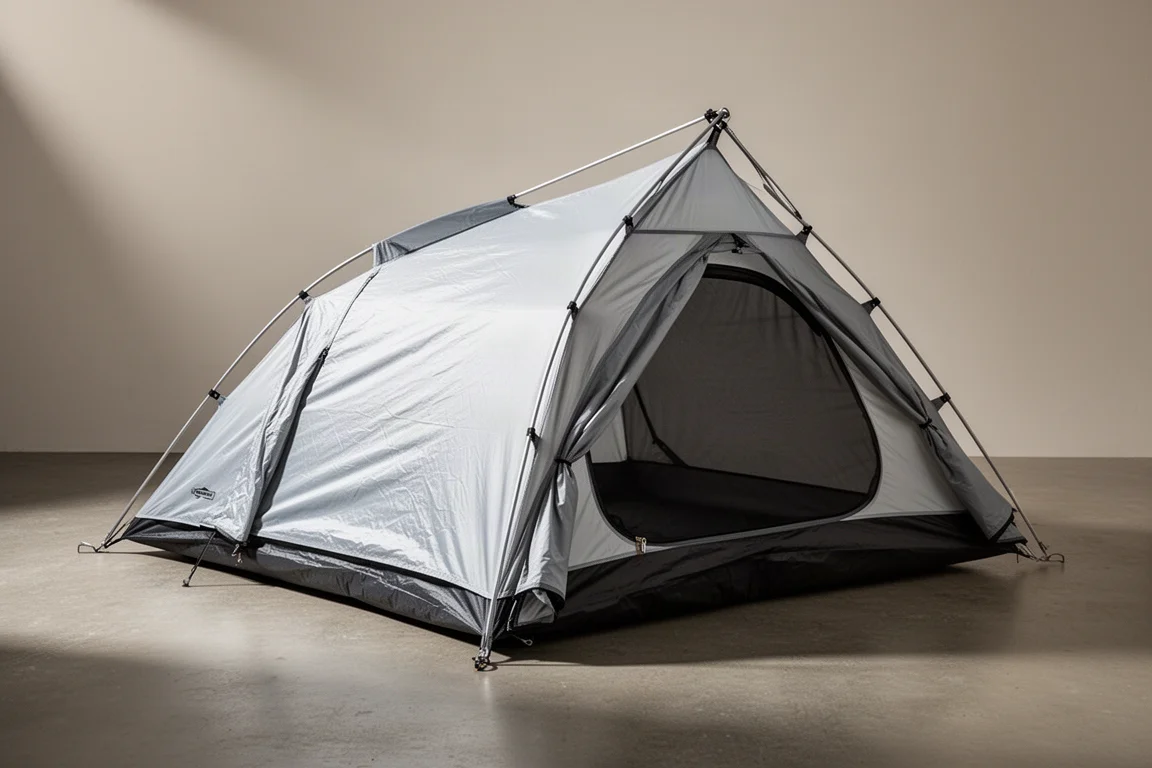
3F UL Taiji 2-Person Tent: A Convertible Backpacking Shelter Worth a Closer Look
A practical look at the 3F UL Taiji two-person tent, covering its materials, true two-person interior, fly-first pitching, and the seasonal inner swap that lets one shelter cover more of the year.
Backpacking Tents
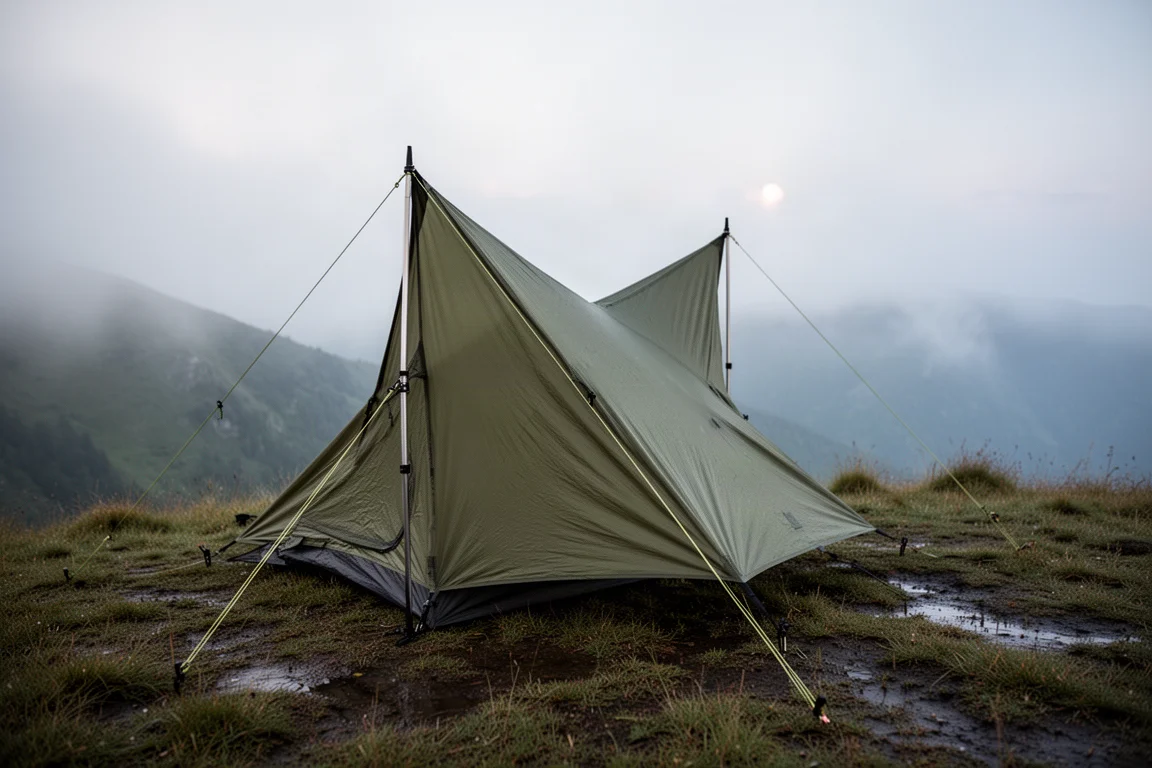
3FUL Lanshan Twoerson Pro Review: A Light Trekking Pole Shelter That Struggled in Rain
A two-person trekking pole shelter with a 2026 redesign, pitched with sticks and put through a night of steady rain. Here is what worked, what did not, and what to check before buying.