Backpacking Tents
TarpTent Dipole 1 Lithium Review: An Ultralight Dyneema Tent With Real Living Space
A single-wall Dyneema trekking pole tent with two doors, two vestibules and a 44-inch adjustable peak height. How it pitches, how it lives, and who should buy it.
Introduction
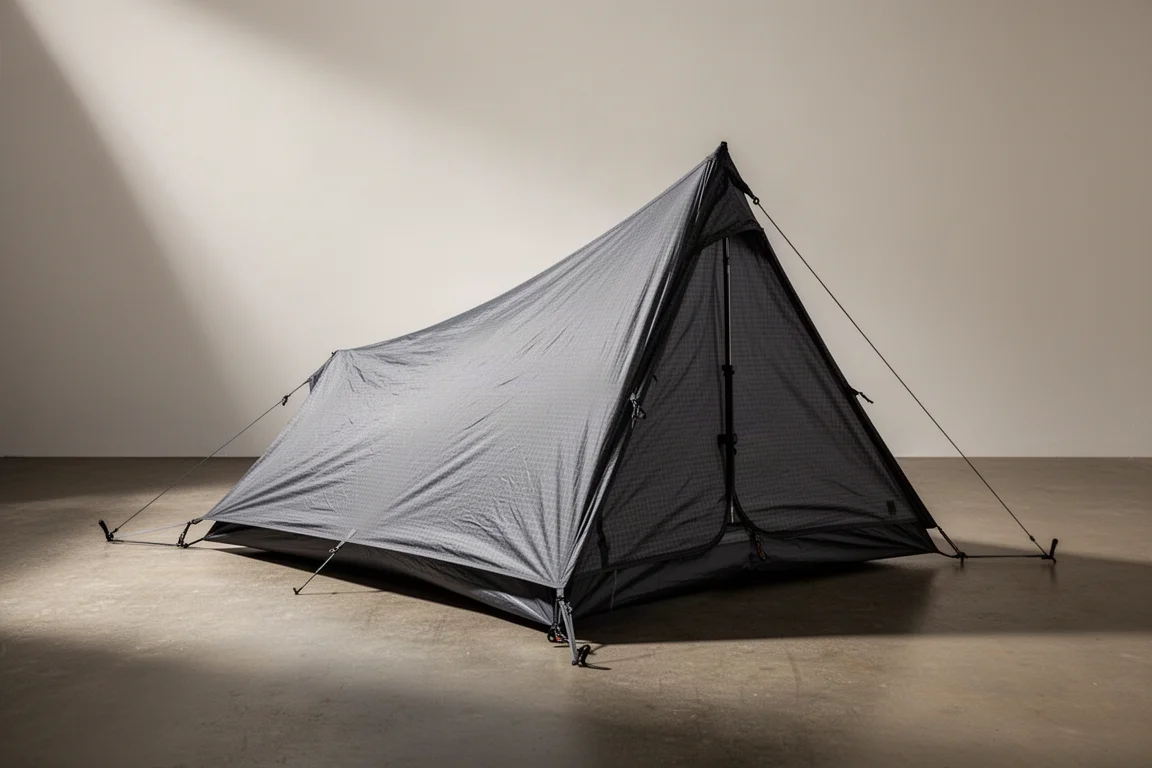
The TarpTent Dipole 1 Lithium is a single-wall trekking pole tent built from Dyneema Composite Fabric, which places it firmly in the ultralight category. The more interesting story is the shape. Instead of a plain A-frame with walls that drop straight to the ground, the Dipole 1 Lithium uses carbon fiber struts at the head and foot ends to lift the ends of the shelter, and that single change makes the interior feel noticeably less confined than many tents in this class.
Four consecutive nights of use were enough to understand the pitch, the wind behaviour and the living space, though they are not an exhaustive long-term verdict.
Who This Tent Is For
This is a shelter for backpackers who watch weight closely and are willing to pay for a Dyneema build. Two doors and two vestibules matter more than they first appear. On a tapered floor with a defined head end and foot end, a single door forces you to pitch around whatever sits beside the tent. With opposed doors, a tight campsite with bushes or a tree on one side stops being a problem, because the shelter can simply be turned the other way.
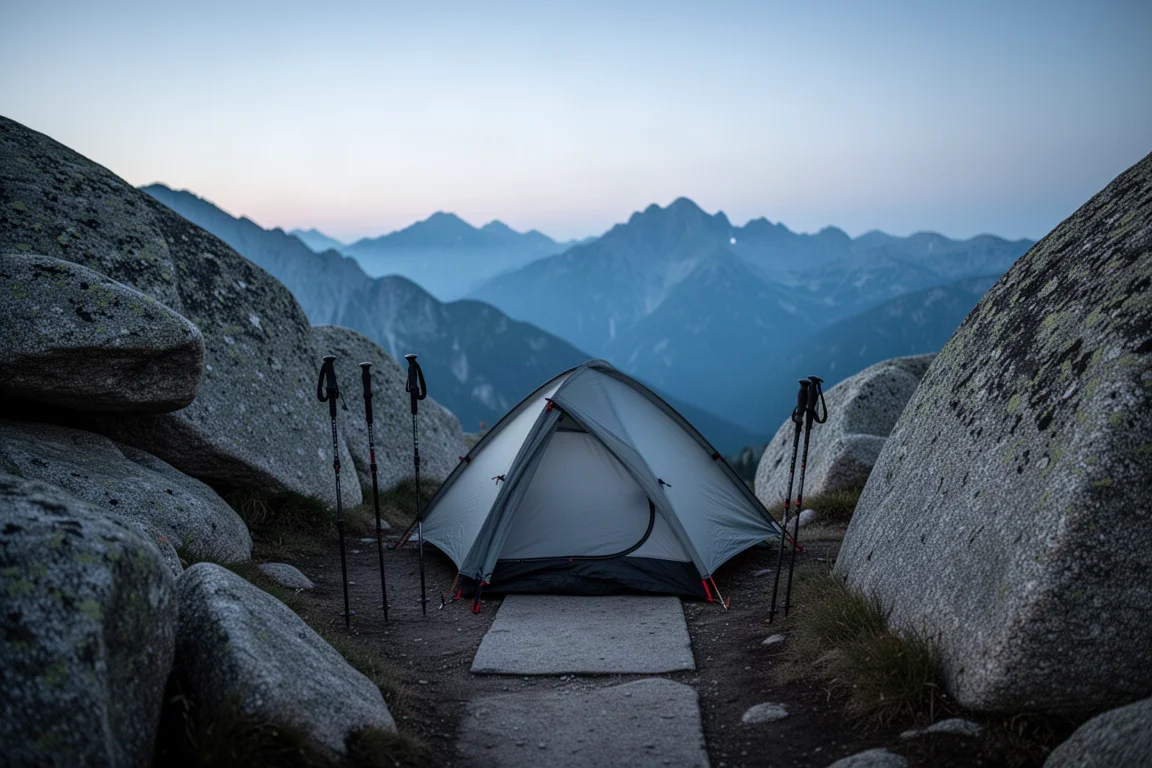
It also suits taller hikers. The floor is 84 inches long, and because the struts raise the ends to 21 inches, a sleeping bag stays clear of the walls at both extremities. A regular wide pad of around 25 inches fits easily, and a 72-inch pad leaves several inches of clearance at the head and foot ends.
Main Strengths: Design and Interior Space
The peak height is 44 inches and it is adjustable, so you can trade a little interior volume for a lower profile when weather is moving in. Sitting up, moving around and getting changed all feel straightforward, and the side-to-side space is generous for a one-person shelter.
The floor is an hourglass shape: 36 inches wide at the head and foot ends, tapering to 28 inches at the centre. That geometry keeps a 25-inch pad comfortable while leaving usable space near the ends for smaller items. The bathtub floor sits at a useful height, which helps keep the interior clean and limits splashback in rain.
Ventilation and Condensation Control
Condensation is the usual weak point of a single-wall tent, and this is where the Dipole 1 Lithium holds up well. Both ends carry large mesh panels, and there are peak vents on each side, so moist air has somewhere to escape rather than collecting on the inner surface. Condensation was not a significant problem across four nights.
The doors do their part too. Each side opens into a large vented opening, and magnetic tie-backs make it quick to fold a panel back and secure it, then repeat on the other side. A watertight number 3 zipper closes the opening. Because the peak height is adjustable, the shelter can be dropped closer to the ground for extra storm coverage while still leaving airflow space beneath the vestibule.
Pitching, Stability and Wind Performance
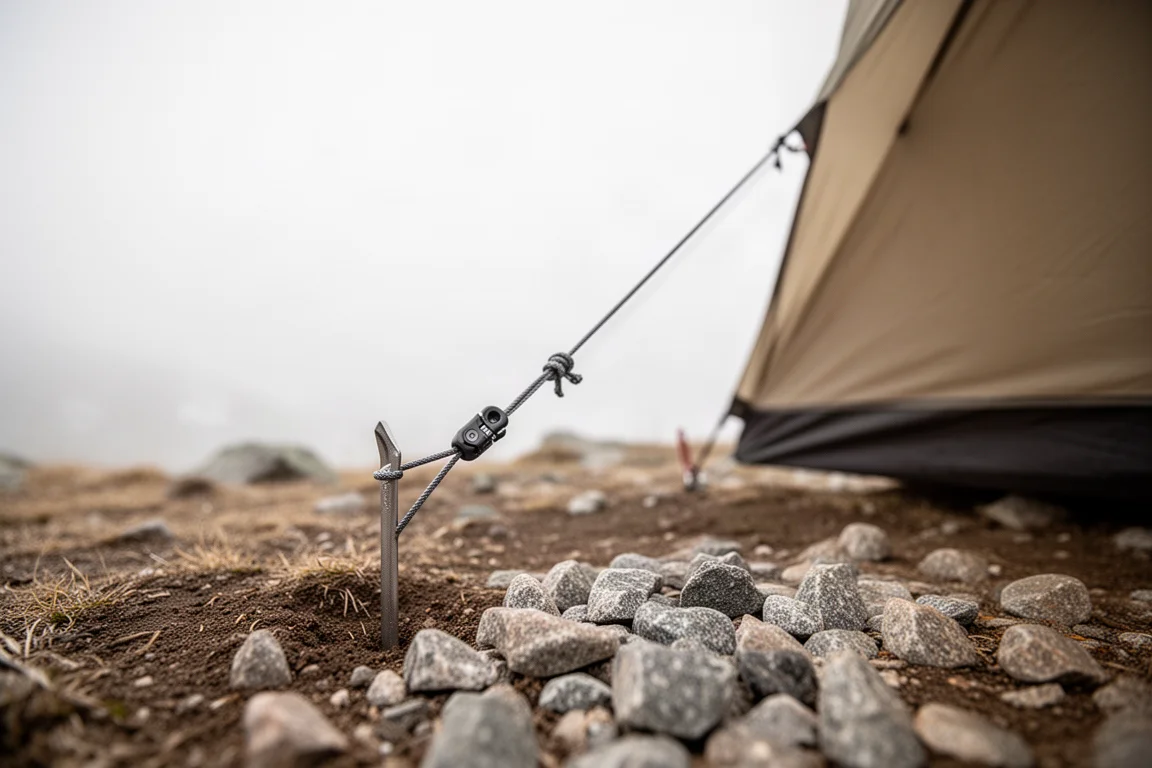
The pitch is easy to get square and taut. Stake the four ends first, fit the struts into each end, insert trekking poles or adjustable tarp poles, then tension everything down. Four stakes will hold the shelter, six is better, and the tightest pitch comes from eight. Line locks at each end let you dial in tension, extra stakeout points on the end walls add tension along the body, and floor tensioners let you shift the floor position to match the pitch.
In gusts of around 20 to 25 mph the tent stayed stable, provided it was oriented so the door side was not taking the wind head-on. Pitching the poles out of the doorway keeps the entry clear without an obvious penalty in stability.
TarpTent lists the shelter at just under 25 ounces with stakes, stuff sacks and apex guylines. That figure does not include trekking poles, which you supply, or any extra stakes beyond those supplied.
Things to Consider Before Buying
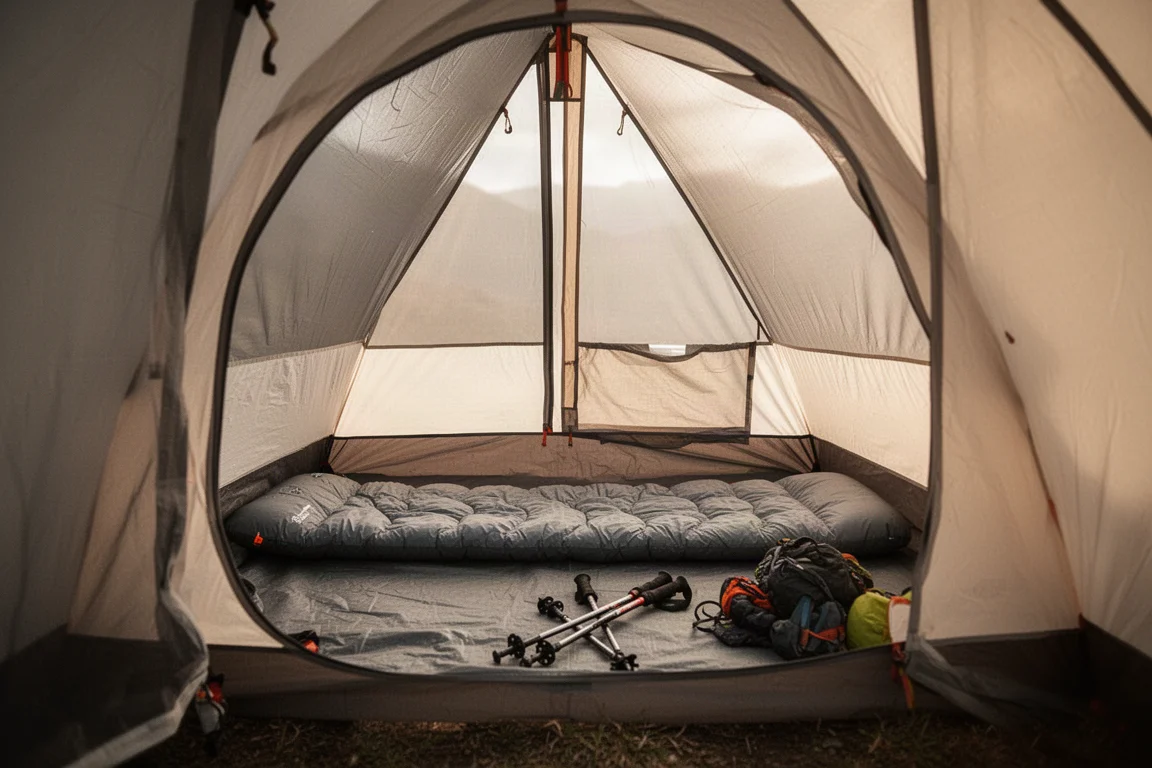
The floor is the main compromise. The taper to 28 inches at the centre is fine for sleeping, but it leaves limited room to bring a full pack and loose gear inside with you. Keeping gear inside the tent keeps it away from insects and damp ground, so backpackers who prefer to stow most of their kit under cover may want more floor area than this design provides.
Pitch requirements are worth planning for as well. The optimal setup uses eight stakes, which adds weight and bulk beyond the listed figure, and the shelter depends on trekking poles or adjustable tarp poles that are carried separately.
Cost and Long-Term Value
Dyneema is expensive, and the cost can be prohibitive for anyone who wants the weight savings without the outlay. The trade-off is straightforward, because the fabric is what makes the low weight and the performance possible. TarpTent also offers the Dipole 1 DW, a version of the same design at a much lower price, around $300.
Buying Advice
If low weight is the priority and the budget allows, the Dipole 1 Lithium is a coherent package: two doors, two vestibules, a 44-inch adjustable peak height, and tapered end walls that shed wind and rain. It is the version to choose when the weight saving matters more than the price difference.

Buyers who like the layout but not the Dyneema cost have a clear alternative in the Dipole 1 DW, which shares the design at a much lower price. Either way, plan for eight stakes to get the pitch this shelter is capable of, and remember that trekking poles are part of the system rather than an optional extra.
Conclusion
The TarpTent Dipole 1 Lithium succeeds because it treats living space as a design problem rather than an afterthought. The carbon fiber struts, the adjustable 44-inch peak and the hourglass floor turn a very light single-wall shelter into somewhere you can sit up, change clothes and sleep without your bag pressed against wet fabric. Two doors and two vestibules add versatility that matters in real campsites.
The compromises are equally clear: a narrow centre floor, a Dyneema price that will rule it out for some budgets, and a pitch that rewards eight stakes. Backpackers who value low weight and interior comfort above all else will find it a strong fit, while those who want the same layout for less should look at the Dipole 1 DW.
Product link
View more details for Tarptent Dipole 1 Lithium
This product is mentioned in the review. Check the specifications, options, and compatibility before buying.
View more details for Tarptent Dipole 1 LithiumFurther reading
Related Reviews
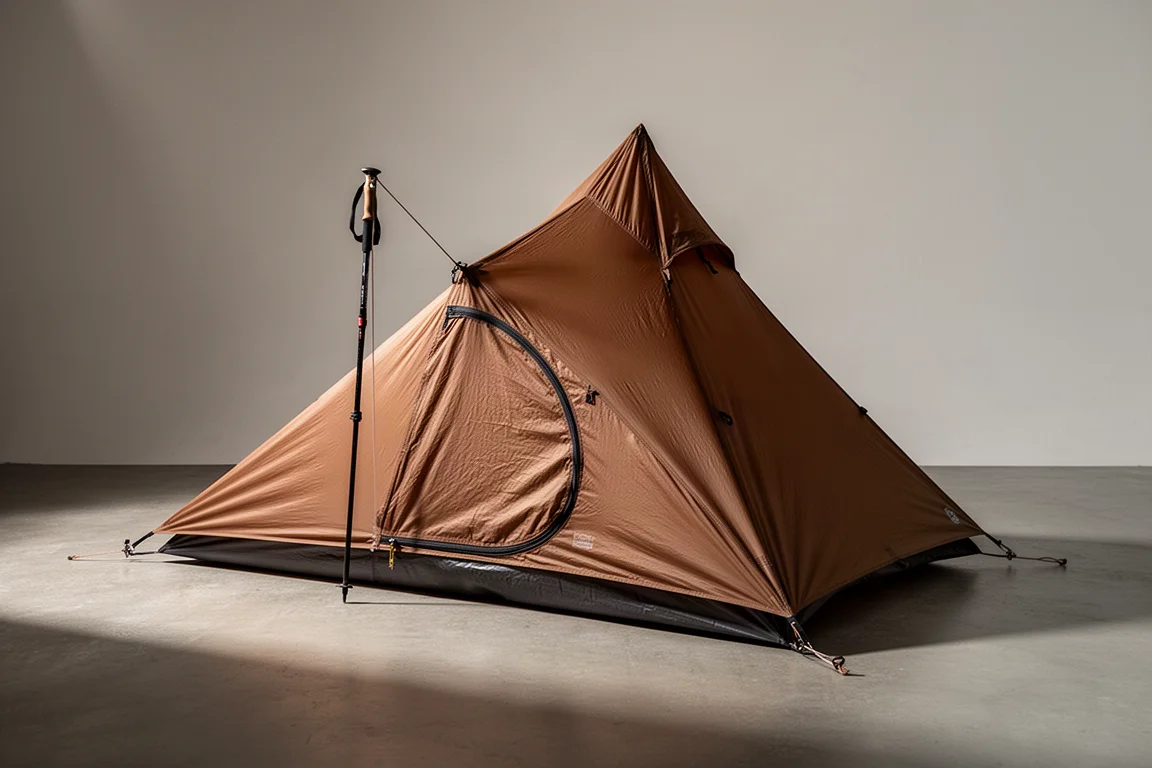
Backpacking Tents
3F UL Lanchan Pro 1 Review: A 1 lb 8 oz Single-Wall Trekking Pole Tent
A practical look at the 3F UL Lanchan Pro 1, a single-wall trekking pole shelter with a 1 lb 8 oz weight, 20D silnylon fabrics, and a roomy 90 x 31 x 49 inch interior.
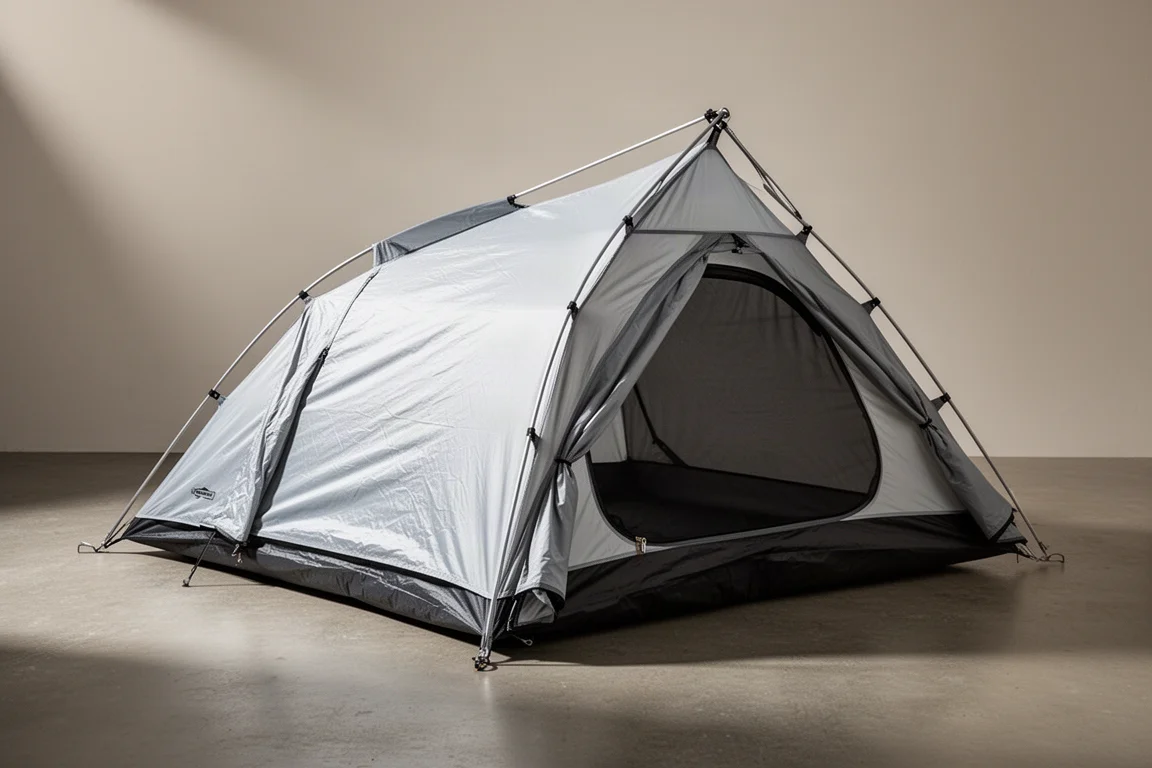
Backpacking Tents
3F UL Taiji 2-Person Tent: A Convertible Backpacking Shelter Worth a Closer Look
A practical look at the 3F UL Taiji two-person tent, covering its materials, true two-person interior, fly-first pitching, and the seasonal inner swap that lets one shelter cover more of the year.
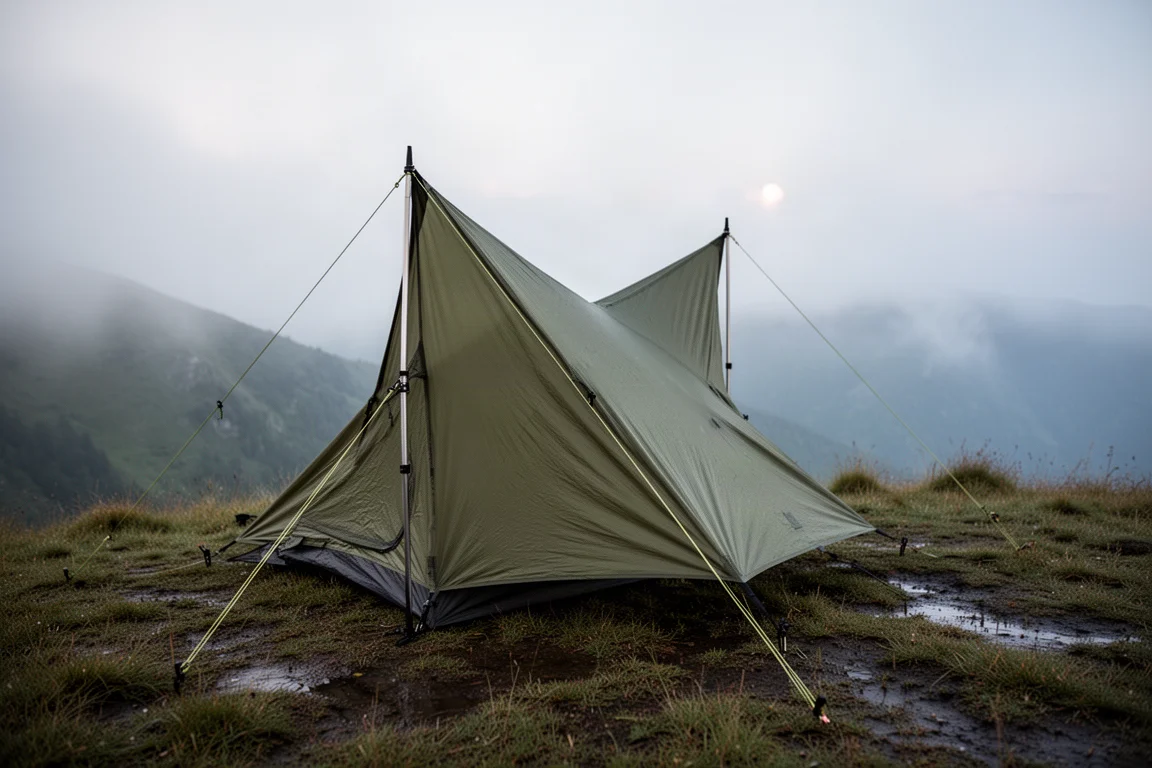
Backpacking Tents
3FUL Lanshan Twoerson Pro Review: A Light Trekking Pole Shelter That Struggled in Rain
A two-person trekking pole shelter with a 2026 redesign, pitched with sticks and put through a night of steady rain. Here is what worked, what did not, and what to check before buying.