Backpacking Tents
Tarptent Dipole 1 DW vs Dipole 1 Lithium: Which Backpacking Tent Fits Your Trip?
A side-by-side look at the double-wall Tarptent Dipole 1 DW and the single-wall Dyneema Dipole 1 Lithium, covering weight, living space, ventilation, and price.
Introduction
The Tarptent Dipole has built a strong reputation as one of the most enjoyable one-person backpacking shelters out there, and the platform now comes in two clearly different builds. The Dipole 1 DW is a double-wall tent with a 20 denier polyester fly and a nylon-floored inner. The Dipole 1 Lithium goes single wall, using Dyneema composite fabric for the body and a Dyneema floor.
Both share the same simple, storm-worthy architecture and an unusually small footprint for the living space they offer, which makes them easy to squeeze into tight campsites. The real differences come down to materials, weight, ventilation strategy, and price: roughly $300 for the DW and $649 for the Lithium.
This guide walks through what the two models share, where they diverge, and which one makes more sense for the backpacking you actually do.
What the Dipole 1 DW and Dipole 1 Lithium Share
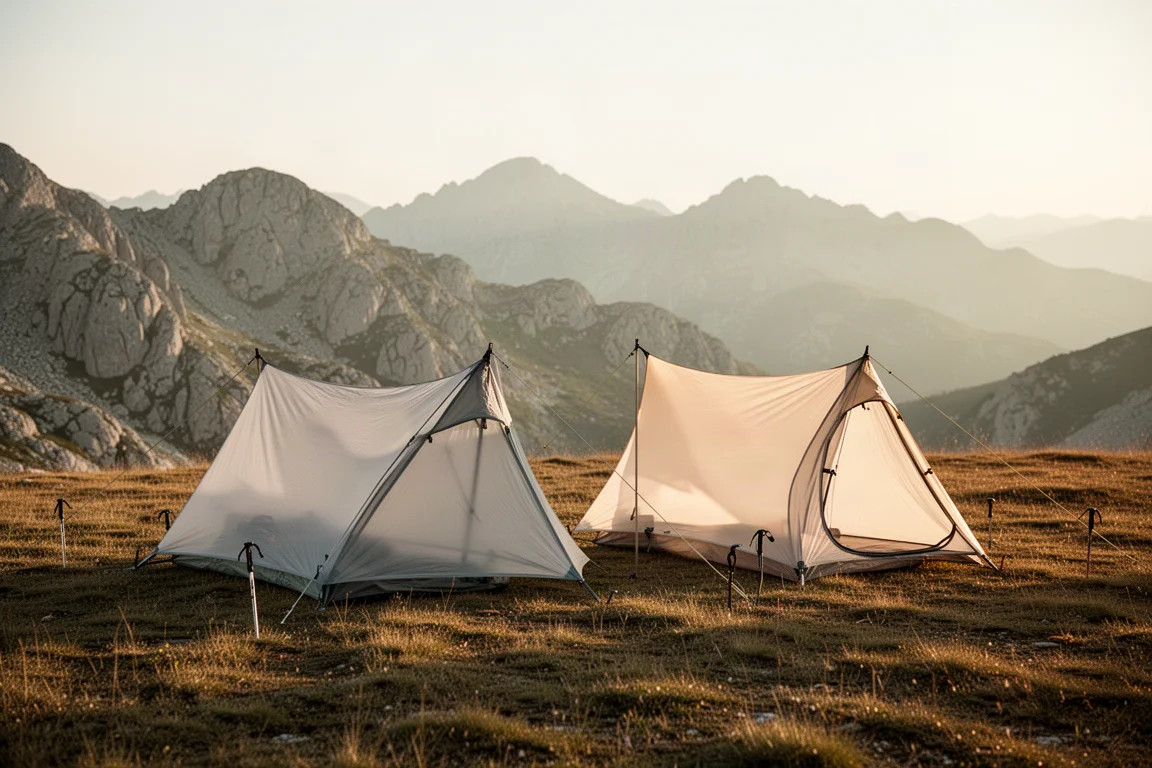
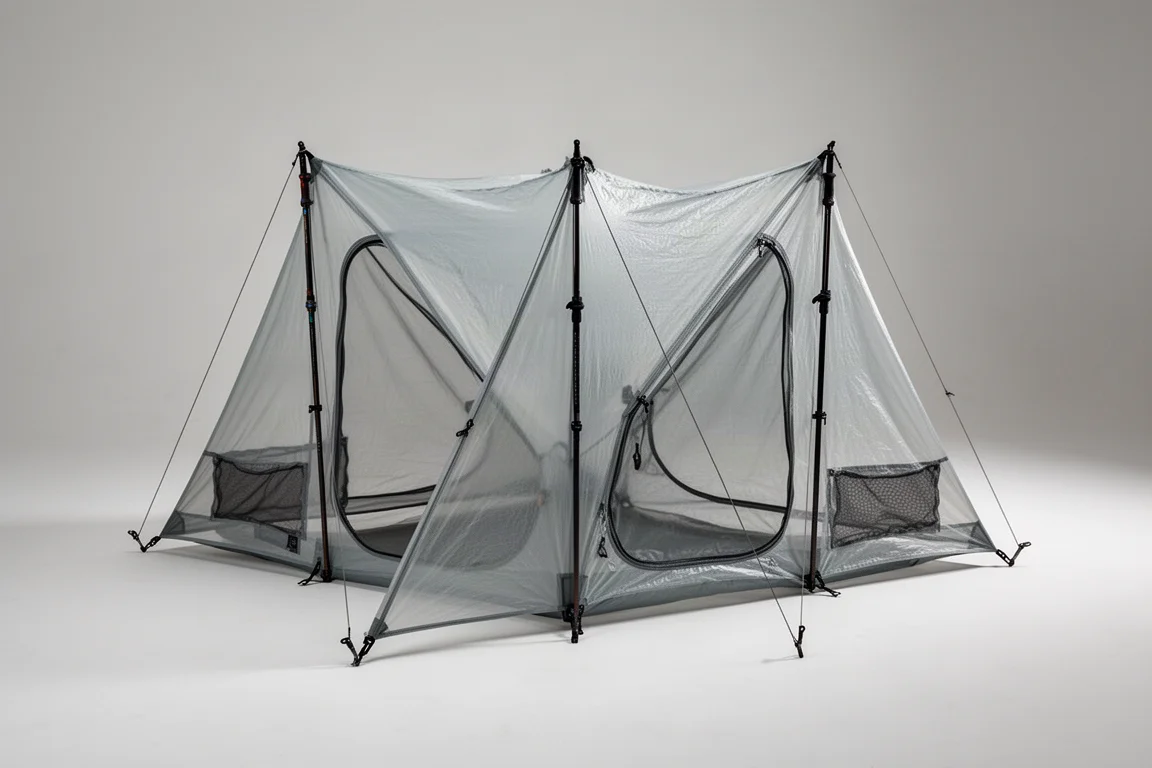
Set the two tents side by side and they look essentially identical. There are minor variations in width, length, shape, and height, but the underlying design is the same shelter.
Both use an 84-inch floor with 36 inches of width at the head and foot ends, tapering into an hourglass shape through the middle, where the floor narrows to around 28 inches. That taper is the signature of the Dipole: it lets the tent pull proper tension from the peak down to the corner stake points, so the shelter pitches strong and stable with as few as four stakes. Six to eight stakes will get the best performance out of it.
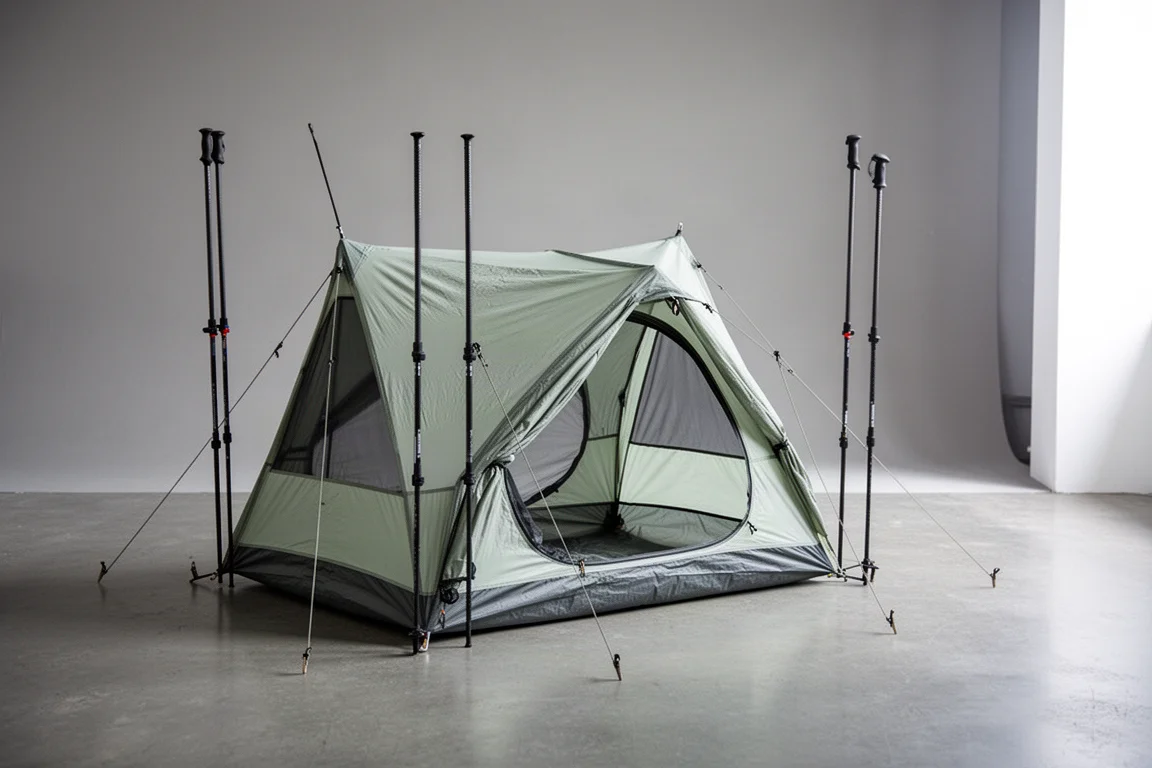
Both models are non-freestanding and need trekking poles or the carbon poles offered by Tarptent to pitch. Both give you two doors and two vestibules, and those vestibules are large enough to hold all of your gear. Both are also notably storm-worthy, partly because the wall panels are narrow rather than broad sails that catch gusty wind and work against the pitch.
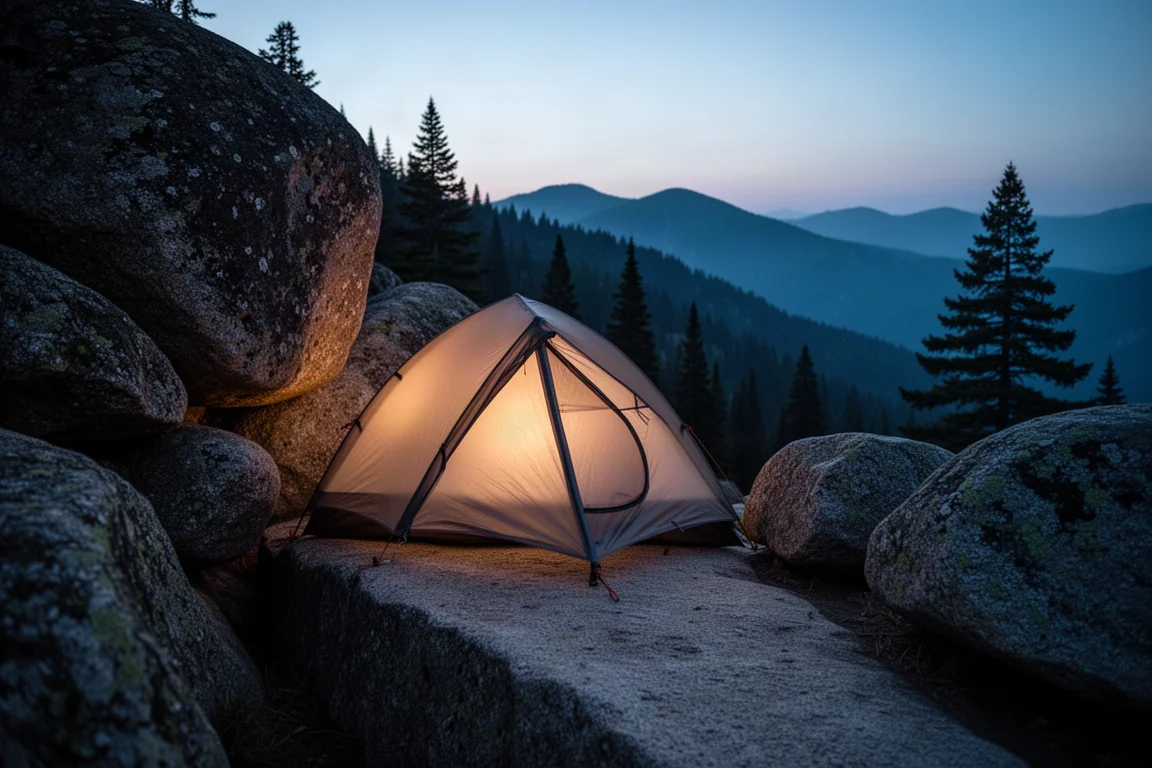
The net result is a tent that feels genuinely roomy for a one-person shelter while staying easy to place in almost any campsite you come across.
Tarptent Dipole 1 DW: Double-Wall Versatility
The DW in the name stands for double wall. The outer is a 20 denier polyester fly, and the inner tent uses a nylon floor. That two-layer construction creates a buffer between the fly and the inner, which reduces how much condensation transfers onto the inner tent and, in turn, onto your gear.
Modularity is a real strength here. You can choose a mesh inner or a solid inner. The solid inner helps hold some body heat in colder temperatures and also helps limit wind-driven sand and dirt drifting into the tent.
Peak height is 43 inches, which is plenty of room to sit up and move around. At the head and foot ends, an 18-inch strut lifts the end of the tent higher off the ground, so you get the space to lie down without the wall pressing against your face, and your gear is less likely to collect condensation.
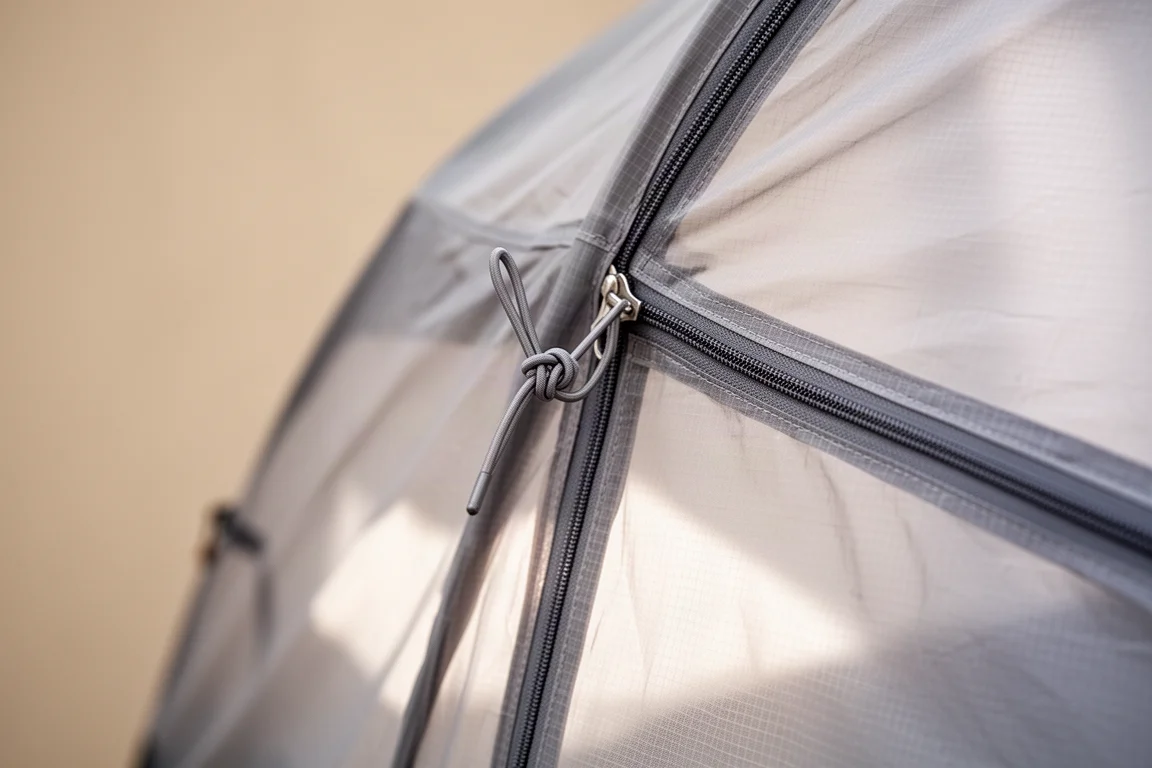
Ventilation is handled with a zippered vent that you can reach from inside the tent without stepping out, held open with a length of elastic shock cord. When a storm rolls in, close it down and rain spray stays outside. The vent on the DW is slightly larger than the one on the Lithium.
Two practical details are worth planning for. The tent does not arrive seam sealed, so you will either need to seal it yourself or pay for a seam sealing service. And the advertised weight of 32.5 ounces does not include the trekking or carbon poles required to pitch it.
Priced at around $300 depending on the inner style and end strut you choose, the DW delivers the same core design as its more expensive sibling for a fraction of the cost.
Tarptent Dipole 1 Lithium: Single-Wall Dyneema
The Lithium takes the same shelter and rebuilds it as a single-wall tent, using Dyneema composite fabric for the outer body and a Dyneema floor inside. The advertised weight is 24.8 ounces, roughly 10 ounces less than the double-wall version, and the price is $649.
Going single wall has a livability upside. With no inner netting pushing in on you, the Lithium offers a touch more living space than the DW. The dimensions stay close to identical, with the same 84-inch floor, 36 inches at the head and foot, and around 28 inches at the center. The end struts are taller at 21 inches versus 18 inches, and peak height comes in at 44 inches.
Ventilation works differently here. Instead of a single adjustable vent, the Lithium uses large mesh panels at the head and foot ends that move a lot of air through the tent. When the weather turns, those panels close off completely so rain does not blow in and soak the interior.
You still get two doors and two vestibules, and the vestibule space is generous enough to keep all of your gear contained and protected. If you are counting ounces on a long route, the Lithium is the version that answers that question directly.
Living Space, Ventilation, and Weather Protection
Both tents are genuinely roomy for a one-person shelter. You have enough floor space at the head and foot ends to stage gear, and the two vestibules mean you are not forced to choose between keeping your pack dry and keeping your boots out of the rain.
The livability difference between them is small but real. The DW gives up a little interior volume to its inner tent walls, while the Lithium’s single-wall construction leaves that space open. The Lithium also gains a few inches of ground clearance at the ends thanks to its taller struts, and its peak sits slightly higher.
On ventilation, the DW’s zippered vent is the larger of the two, while the Lithium relies on broad mesh panels at both ends that can be sealed shut when a storm arrives. Either way, you have meaningful control over airflow, which is what keeps condensation from becoming a serious problem in a small tent.
Where both tents excel is stability in wind. The tapered floor and narrow wall panels leave far less surface for gusts to grab, so the shelter stays planted and quiet when conditions get rough.
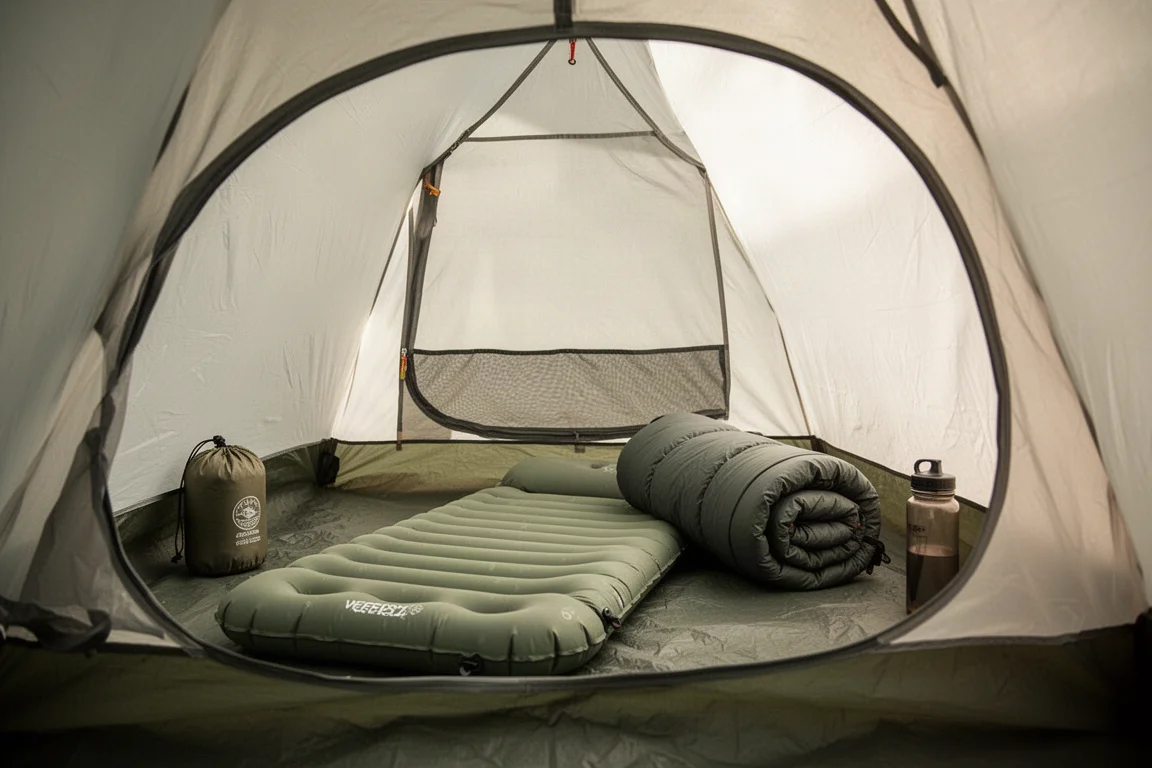
The trade-off in condensation management is where the construction difference shows up most. A double-wall tent keeps the damp fly surface separated from your sleeping area, while a single-wall tent asks you to lean more on venting and campsite selection to keep the interior dry.
Price, Weight, and Value
This is the decision that matters most for most buyers. The DW lands at around $300, while the Lithium is $649, so you are paying more than double for a weight saving of about 10 ounces and a slightly more open interior.
If shaving ounces is not a priority, the DW is the straightforward choice: same design, same footprint, same two-door and two-vestibule layout, same storm-worthy pitch, and a much friendlier price. Add in the modular inner options and it covers more conditions, including cold temperatures and dusty, sandy environments where a solid inner helps.
The Lithium earns its price for backpackers who count grams. Ten ounces is a meaningful difference over a long-distance route, and the Dyneema composite fabric keeps the tent light without giving up the living space that makes the platform appealing in the first place.
Worth noting for both: the DW is not seam sealed out of the box, and both models share the same non-freestanding design, so budget for poles and, if you prefer, a seam sealing service.
Which Dipole Is Right for You
Choose the Dipole 1 DW if you want the Dipole design at a price that fits a normal gear budget, if you value the flexibility of swapping between mesh and solid inners, or if you camp in colder and dustier conditions where that solid inner earns its keep. The double wall also gives you a margin of protection between condensation on the fly and the gear inside.
Choose the Dipole 1 Lithium if weight is the deciding factor. Ten ounces saved matters on a long-distance route, and the single-wall build opens up a little more interior room while keeping the same two doors, two vestibules, and the same tapered, wind-shedding shape.
Either way, plan for a non-freestanding pitch. Trekking poles or the carbon poles from Tarptent are part of the setup, and a seam sealing service is worth considering for the DW.

If you are still on the fence, the honest answer is that the DW covers the widest range of trips for the least money, while the Lithium is the specialist pick for backpackers who already know that every ounce counts against them on the trail.
Conclusion
The Tarptent Dipole 1 DW and Dipole 1 Lithium are the same shelter in two different material philosophies. The DW gives you a double-wall polyester build, modular inner options, and a price around $300. The Lithium gives you a single-wall Dyneema build at 24.8 ounces and $649, with a bit more living space and a substantial weight saving.
Both are small-footprint, storm-worthy, two-door, two-vestibule tents that pitch with a minimum of four stakes and stay stable when the wind picks up. If your budget sets the limit, the DW is the value pick with the same design DNA. If your pack weight sets the limit, the Lithium is the one that justifies the premium.
Further reading
Related Reviews
Backpacking Tents
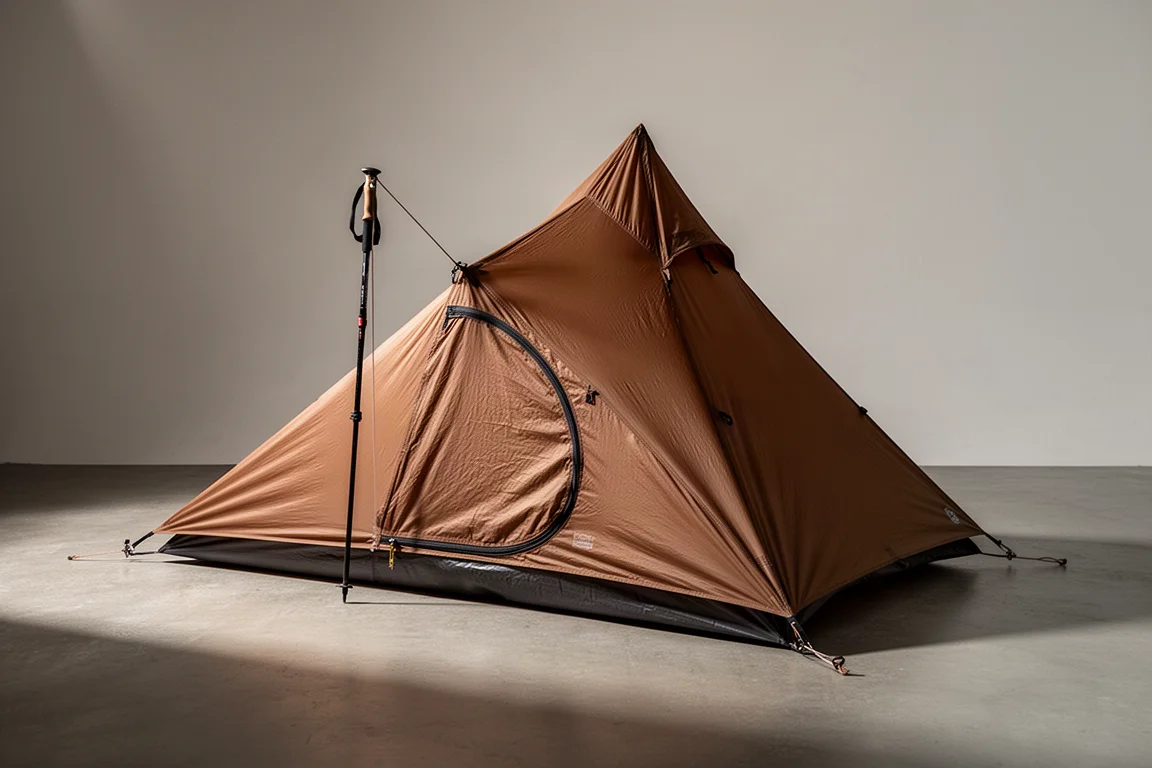
3F UL Lanchan Pro 1 Review: A 1 lb 8 oz Single-Wall Trekking Pole Tent
A practical look at the 3F UL Lanchan Pro 1, a single-wall trekking pole shelter with a 1 lb 8 oz weight, 20D silnylon fabrics, and a roomy 90 x 31 x 49 inch interior.
Backpacking Tents
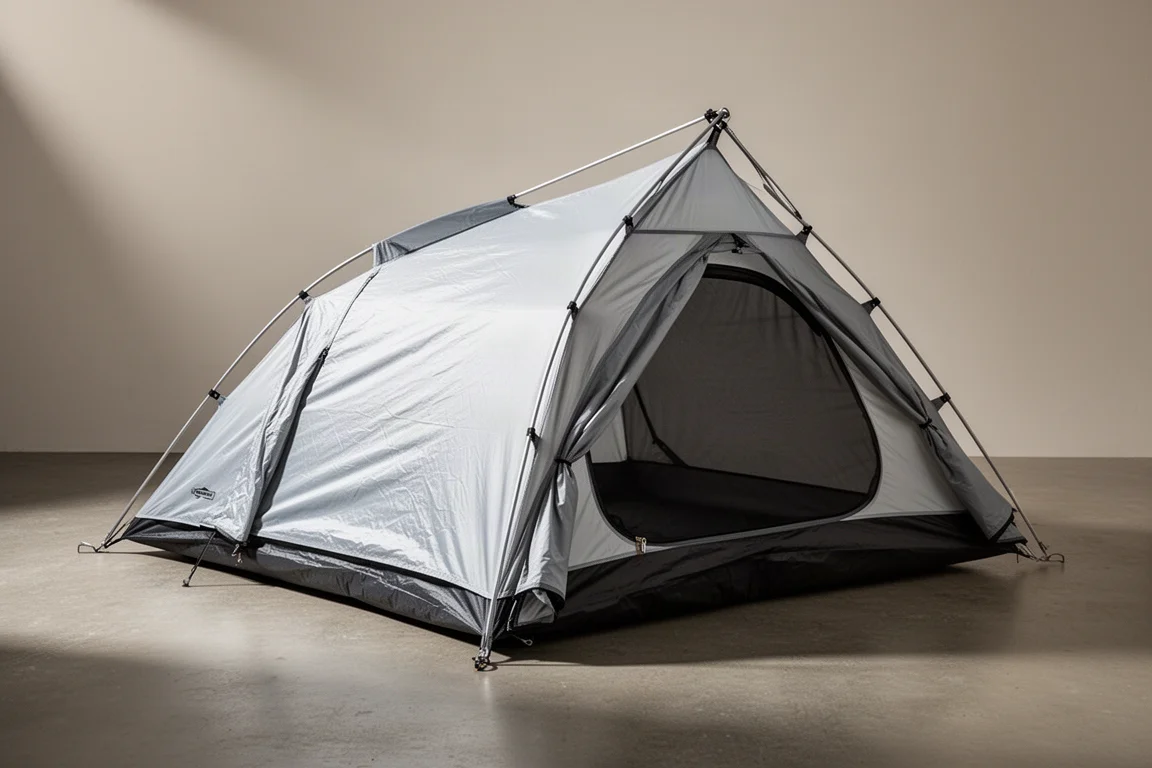
3F UL Taiji 2-Person Tent: A Convertible Backpacking Shelter Worth a Closer Look
A practical look at the 3F UL Taiji two-person tent, covering its materials, true two-person interior, fly-first pitching, and the seasonal inner swap that lets one shelter cover more of the year.
Backpacking Tents
3FUL Lanshan Twoerson Pro Review: A Light Trekking Pole Shelter That Struggled in Rain
A two-person trekking pole shelter with a 2026 redesign, pitched with sticks and put through a night of steady rain. Here is what worked, what did not, and what to check before buying.