Backpacking Tents
Tarptent Dipole 1 DW Review: A Double-Wall Trekking Pole Shelter With Real Living Space
A one-person, double-wall trekking pole shelter with carbon struts at both ends, a 43-inch peak height and a taut four-stake pitch.
Introduction
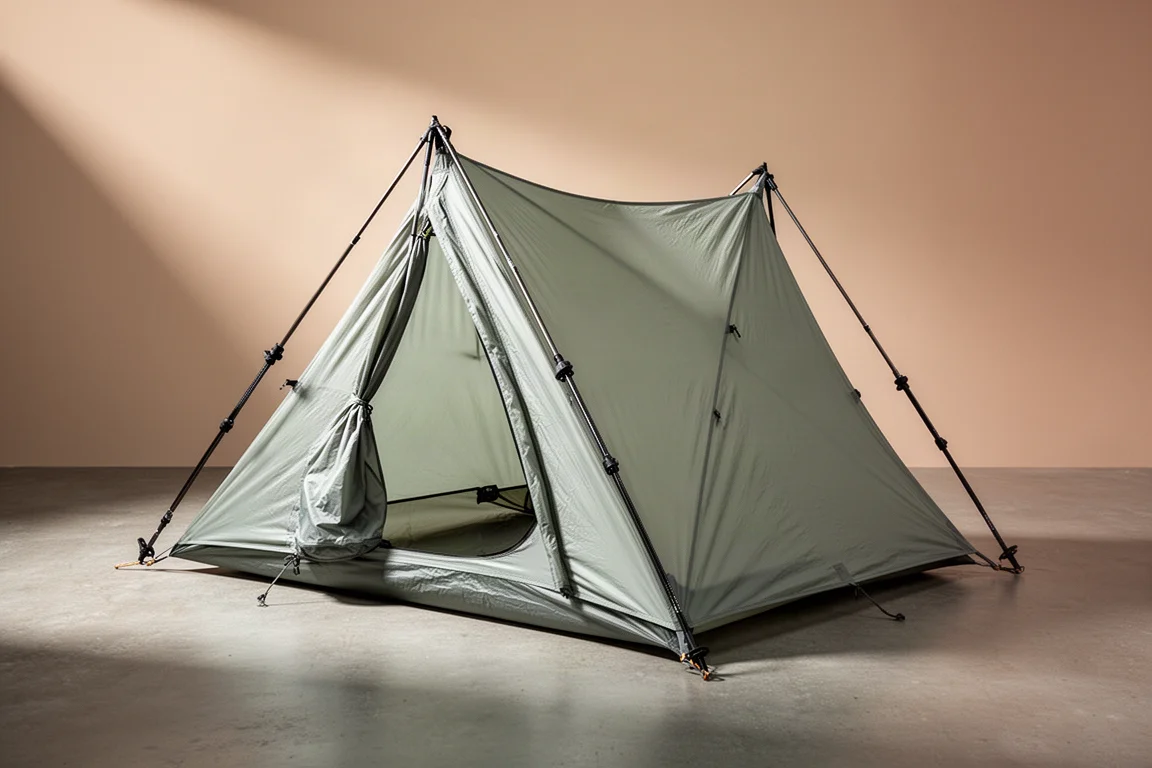
The Tarptent Dipole 1 DW is a one-person, double-wall shelter built around a familiar shape: an A-frame pitched with trekking poles. It follows the single-wall Dipole Li, a Dyneema design offered in one- and two-person sizes, and replaces that construction with a 20 denier polyester fly rated to a 3,000 mm hydrostatic head over a 30 denier nylon floor. The inner body comes in a full mesh version or a solid version, so the shelter can be tuned to the season and the conditions you expect to meet.
What makes this version interesting is less the silhouette than the details around it. Two 18-inch carbon fiber struts stand at the head and foot ends, holding the walls upright and carrying the peak height along the length of the tent instead of letting it fall away toward the ends. The result is a small-footprint shelter that feels noticeably roomier inside than its numbers alone suggest.
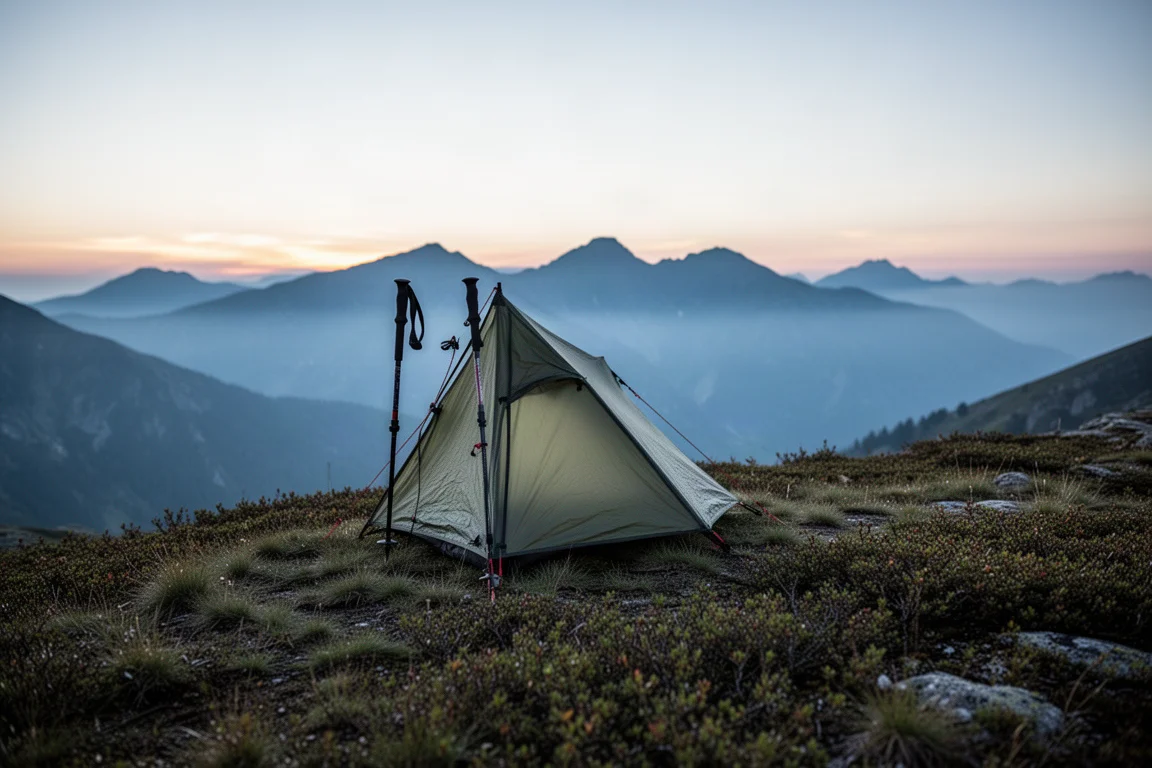
At $289, the Dipole 1 DW sits in a sensible place for a trekking pole shelter that does not ask you to accept a single wall. It takes only four stakes to reach a tight, effective pitch, and it can be pitched fly-first, which matters when camp goes up in the rain.
Who This Tent Is For
This shelter is aimed at solo backpackers who use trekking poles and want the option of a double wall without giving up a compact footprint. The separate inner keeps condensation away from your sleeping bag at both the head and foot ends, which is the main reason to choose it over a single-wall design on damp trips.
Length is another argument in its favour. With 84 inches of interior length, it accommodates a long, wide sleeping pad and a sleeping bag without forcing you to curl up. The 43-inch peak height holds across the tent rather than tapering sharply, so taller users get headroom where they actually sit and change clothes.
It also suits anyone who wants one shelter to cover several styles of trip. The inner can be removed entirely, leaving the fly to be used as a standalone tarp, and the same tent can be pitched with the inner in place when weather or bugs demand more protection.
Main Strengths
The most persuasive qualities show up as soon as the tent is standing:
- Peak height of 43 inches that stays tall through the length of the shelter thanks to the struts at both ends
- 84 inches of interior length, enough for a long and wide sleeping pad
- Double-wall construction that keeps condensation off the sleeping bag
- A tight pitch from just four stakes, with optional extra stakes at the ridgeline for more rigidity and easier door use
- Two doors and two vestibules, with magnetic tie backs that make rolling the doors open quick and simple
- Gear pockets at all four corners
- Fly-first pitching, plus the option to run the fly alone as a tarp
The combination of a short stake list and a small footprint makes this an easy tent to live with at awkward campsites, where a long guy line layout would be a nuisance. The carbon struts are available in a fixed-length version or a folding version, and the fixed-length option costs less.
Living Space and Interior Layout
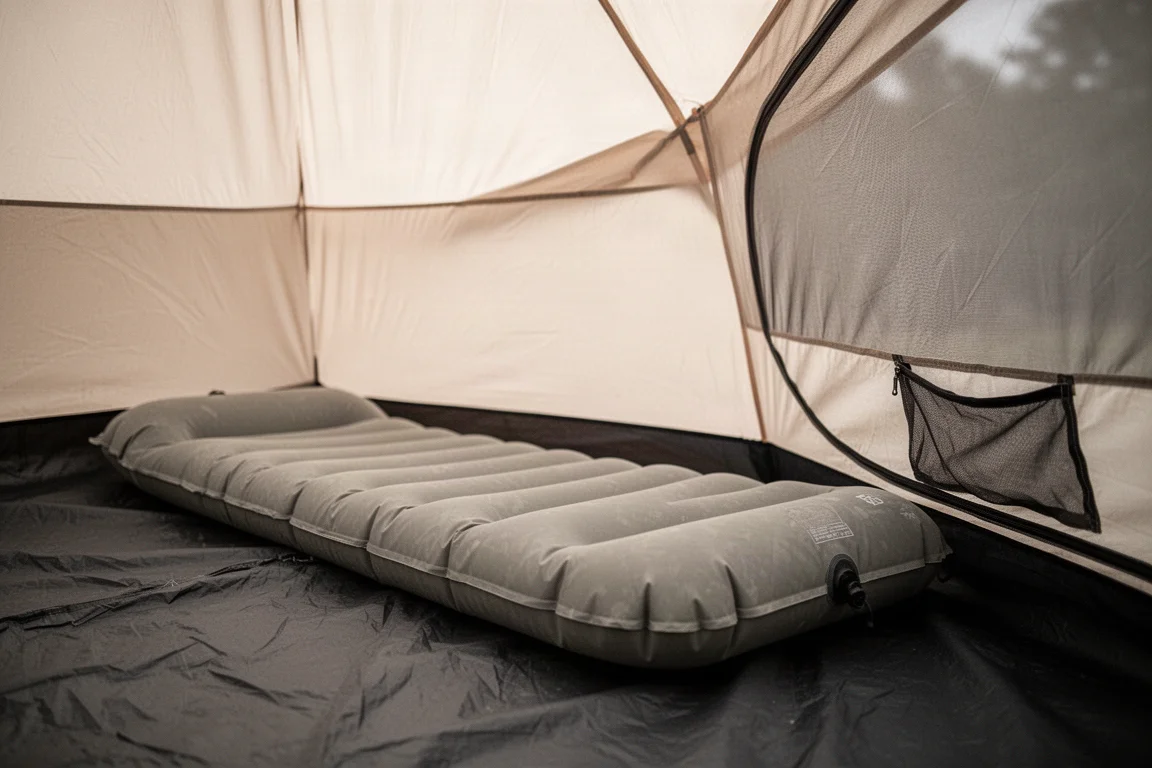
The floor uses a reverse taper: 36 inches wide at the head and foot ends, narrowing to 28 inches at the centre. That centre measurement is the one real compromise. A 25-inch wide pad fits comfortably, and there is a decent amount of room at the foot end, but space beside the pad at the midpoint is limited, so gear tends to end up in the vestibules rather than on the floor.
Headroom is where the design earns its keep. Sitting up on a pad roughly three inches thick still leaves generous clearance between your head and the mesh inner, because the struts lift the end walls rather than letting them slope straight down to the ground. That is not always true of A-frame shelters without end struts, where the mesh can sit close to your face.
Four corner pockets help keep small items off the floor and within reach, and the two vestibules take the bulk of the load that will not fit inside.
Weather Performance and Structure
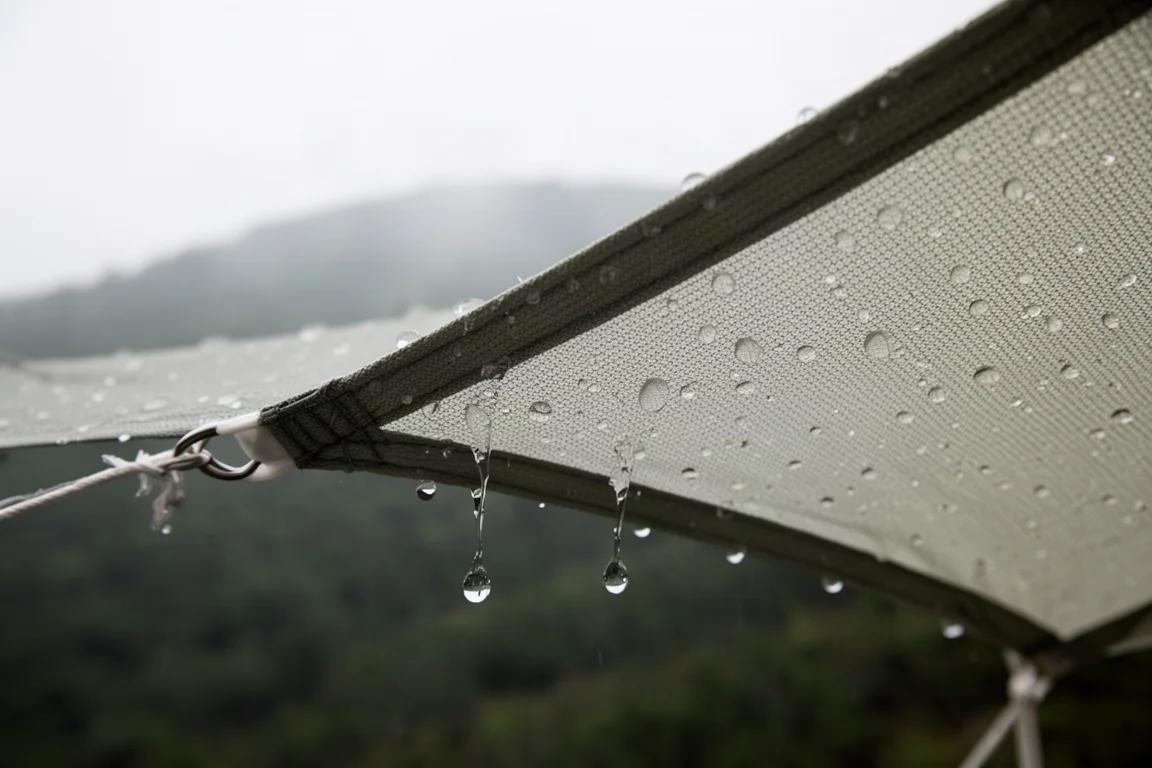
The steep wall angles do a lot of work here. Rain moves off the fly sheet cleanly, and snow is likely to slide rather than build up. The polyester fly holds its shape in wet conditions rather than stretching, which keeps the pitch taut through a night of rain.
Wind is the more nuanced story. The door sides are comparatively flat, so a pitch with a door facing the wind will show noticeable movement. Guy lines running from the apex help steady the structure, and adding a short length of cord to the grosgrain loop at the foot end strut is a practical way to tighten that wall further against stronger gusts. Long-term behaviour in sustained wind will only become clear with more use in exposed conditions.
Modular Setup and Ventilation
The strut ends carry a clever detail: a small panel with a YKK zipper that opens the base of the tent, secured by a shock cord loop that hooks over the carbon fiber strut. Opening it increases airflow through the shelter, which helps manage condensation and keeps things comfortable on warm nights. Closing it again seals out wind-driven rain and sand.
The two doors roll fully back and hold in place with magnetic tie backs, so the entry can be opened wide for ventilation or for easy organisation of gear. Because the inner is removable, the same tent can be run as a fly-only tarp, as a double-wall shelter, or with a mesh or solid inner depending on the season.
That flexibility is the real point of the design. One shelter covers warm, buggy summer nights and colder, damper shoulder-season trips without asking you to buy two tents.
Things to Consider Before Buying
The centre floor width of 28 inches is the detail most likely to matter in daily use. If you like to spread out gear beside your pad inside the tent, the reverse-tapered floor will feel tight, and the vestibules will take on more of that role.
The flat door-side walls mean wind performance depends heavily on how you orient the pitch and how much guy line you are willing to deploy. Riders of exposed ridgelines should plan on adding cord at the strut end for extra support.
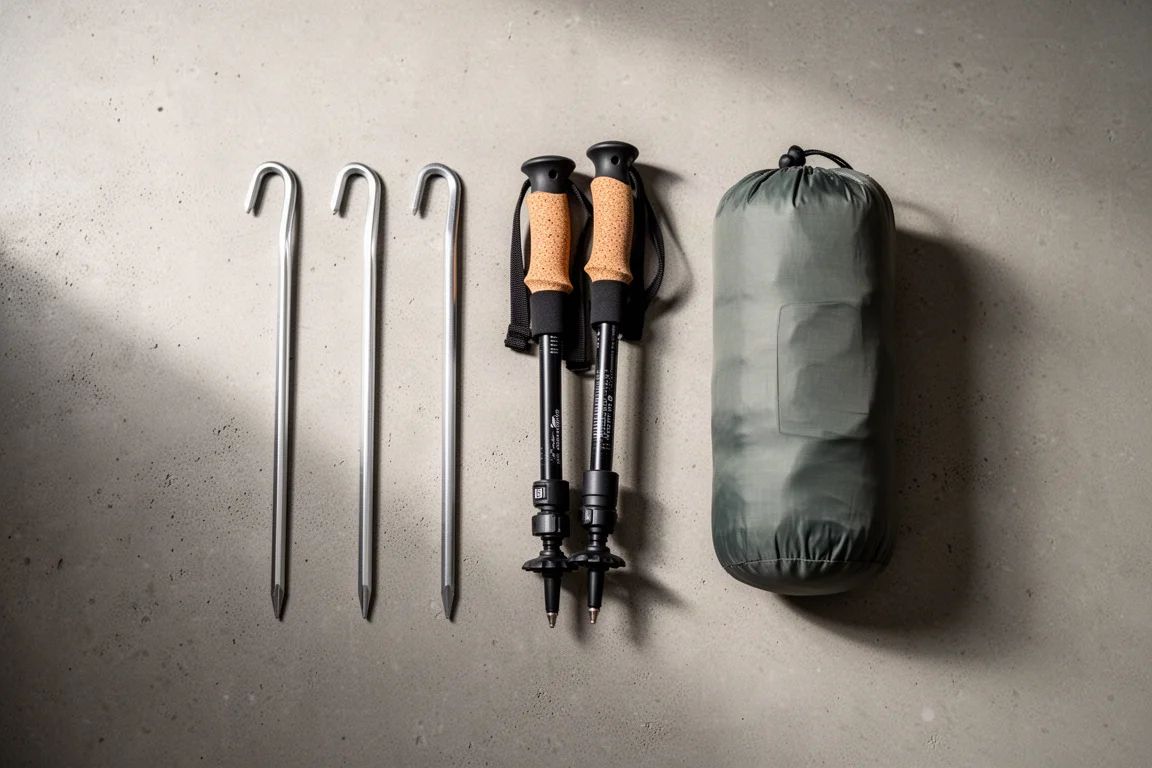
This is also a non-freestanding shelter. It needs trekking poles to pitch properly, so it is not the right choice for anyone who hikes without them. Finally, the struts come in a fixed-length version or a folding version, and the folding option costs more.
Buying Advice
For solo backpackers who already carry trekking poles and want double-wall protection in a compact package, the Dipole 1 DW makes a strong case for itself. The struts transform the interior, the four-stake pitch keeps setup quick, and the removable inner turns one shelter into several configurations. At $289 it represents a fair amount of versatility for the money.
The clearest reason to choose it is condensation control on damp trips. If you regularly wake up with a wet sleeping bag in a single-wall shelter, the separate inner is the feature you are paying for. If instead you prioritise maximum interior floor space for gear, look carefully at that 28-inch centre width before committing.
Conclusion
The Tarptent Dipole 1 DW takes a traditional A-frame layout and improves the parts that usually cause frustration. The carbon struts at the head and foot ends keep the peak height tall through the whole shelter, the double wall keeps condensation off your bag, and a four-stake pitch keeps camp setup short. The reverse-tapered floor and the flat door-side walls are the trade-offs to weigh, but for a solo backpacker who wants a compact, modular, double-wall shelter, it is an easy tent to recommend trying.
Product link
View more details for Tarptent Dipole 1 DW
This product is mentioned in the review. Check the specifications, options, and compatibility before buying.
View more details for Tarptent Dipole 1 DWFurther reading
Related Reviews
Backpacking Tents
3F UL Lanchan Pro 1 Review: A 1 lb 8 oz Single-Wall Trekking Pole Tent
A practical look at the 3F UL Lanchan Pro 1, a single-wall trekking pole shelter with a 1 lb 8 oz weight, 20D silnylon fabrics, and a roomy 90 x 31 x 49 inch interior.
Backpacking Tents
3F UL Taiji 2-Person Tent: A Convertible Backpacking Shelter Worth a Closer Look
A practical look at the 3F UL Taiji two-person tent, covering its materials, true two-person interior, fly-first pitching, and the seasonal inner swap that lets one shelter cover more of the year.
Backpacking Tents
3FUL Lanshan Twoerson Pro Review: A Light Trekking Pole Shelter That Struggled in Rain
A two-person trekking pole shelter with a 2026 redesign, pitched with sticks and put through a night of steady rain. Here is what worked, what did not, and what to check before buying.