Bike Tires
Tannus Performance 28mm 700c Solid Tire Review: Puncture-Proof, But Is It Right for You?
A solid rubber tire that removes punctures from the equation, with real trade-offs in ride comfort, installation, and longevity worth understanding first.
Introduction
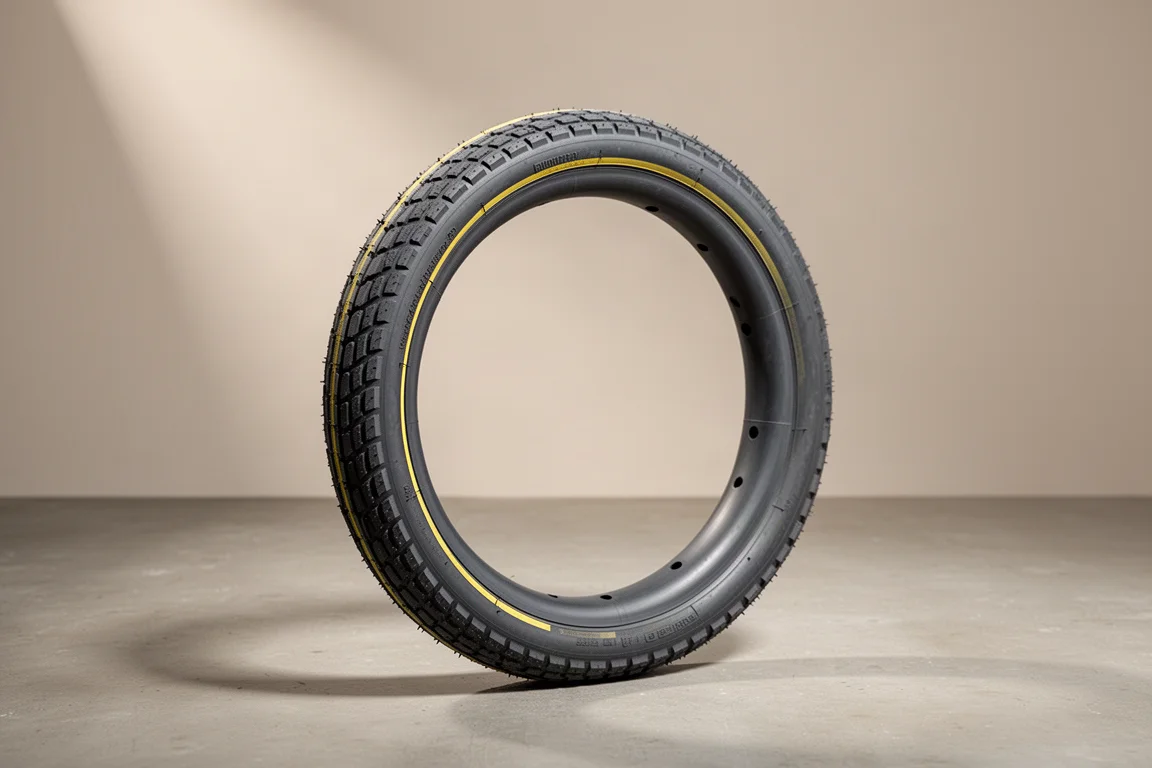
Few bike upgrades promise as much peace of mind as a tire that cannot be punctured at all. The Tannus Performance 28mm 700c is a completely solid tire, made from a single piece of rubber with no inner tube and no air inside it, produced by a Spanish company that positions itself around puncture protection. It is offered as a no-maintenance, long-lasting, eco-friendly option that is also suitable for e-bikes, where heavier bikes and higher loads make flats more likely.
That promise comes with clear conditions. Published installation guidance recommends a pre-ride break-in period of at least 60 miles, regular inspection for excessive wear and damage, and a visit to an authorized retailer if the center tread wears out or the tire is damaged. Market availability is narrow as well: these tires have generally been sold only through the official brand shop rather than through major online retailers, at a cost of roughly the same as a good performance tire.
This guide looks at where the Tannus Performance makes sense, what it does well, and the trade-offs to weigh before committing.
Who These Solid Tires Are For
The clearest use case is short-distance urban riding where stopping to fix a flat is genuinely inconvenient. Riders who commute late at night, finish work between 10 p.m. and 3 a.m., or travel through a city alone after dark get the most obvious benefit. A half-hour city commute is well within the range where a solid tire feels manageable, and it removes the prospect of repairing a puncture at the roadside in the middle of the night.

E-Bike and heavy-load riders
Because e-bikes are heavier and put more stress through the tires, they are a natural fit for a solid construction. The same applies to riders carrying loads or running wide tires on bikes where a flat means a long walk home.
Riders who do not care about performance
This is a practical tire rather than a fast one. Riders who simply want to get around town, keep mileage short, and avoid maintenance altogether are the audience that benefits most. Those chasing speed, sharp handling, or long hill routes should look elsewhere.
Main Strengths
No punctures, no maintenance
The headline benefit holds up. There is no air to lose, no tube to patch, and no pump required before a ride. Glass, thorns, and debris that would normally end a ride on a pneumatic tire become irrelevant, and pinch flats simply cannot happen because there is no tube to pinch.
Better compounds than earlier versions
Ride quality has reportedly improved over the past few years as the rubber compounds have developed. The Performance model is available in a softer or harder version, and lighter riders may find the softer option more comfortable than the standard choice.
A mounting system that is genuinely thought through
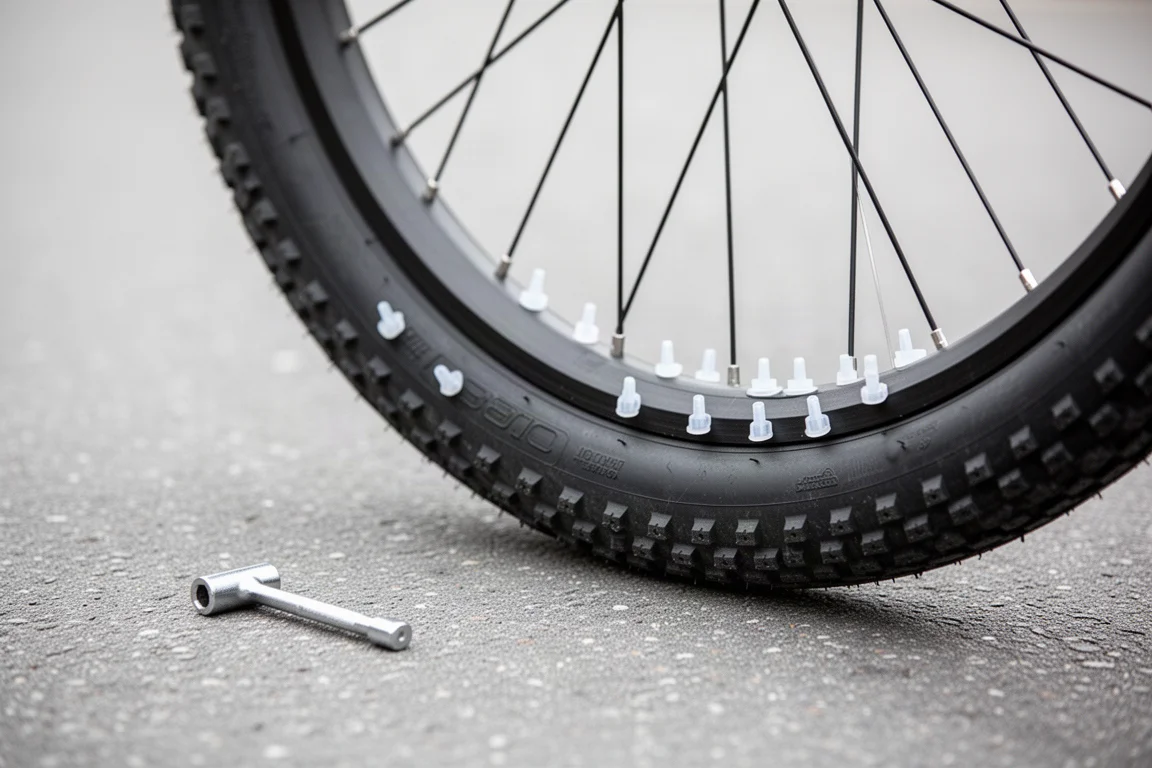
Each tire arrives cable-tied as a complete loop, together with a small tool, an installation manual, and four bags of colored inserts in different widths. The inserts slot into the tire and match it to the rim. You can measure internal rim width with vernier calipers and choose an insert 3.5mm wider than that measurement, or simply test-fit inserts with pliers until one sits snug. The inserts are semi-circular, so they can only go in one way, and once seated the wheel runs true and round. It is fiddly work, but it is not guesswork.
What the First Ride Feels Like
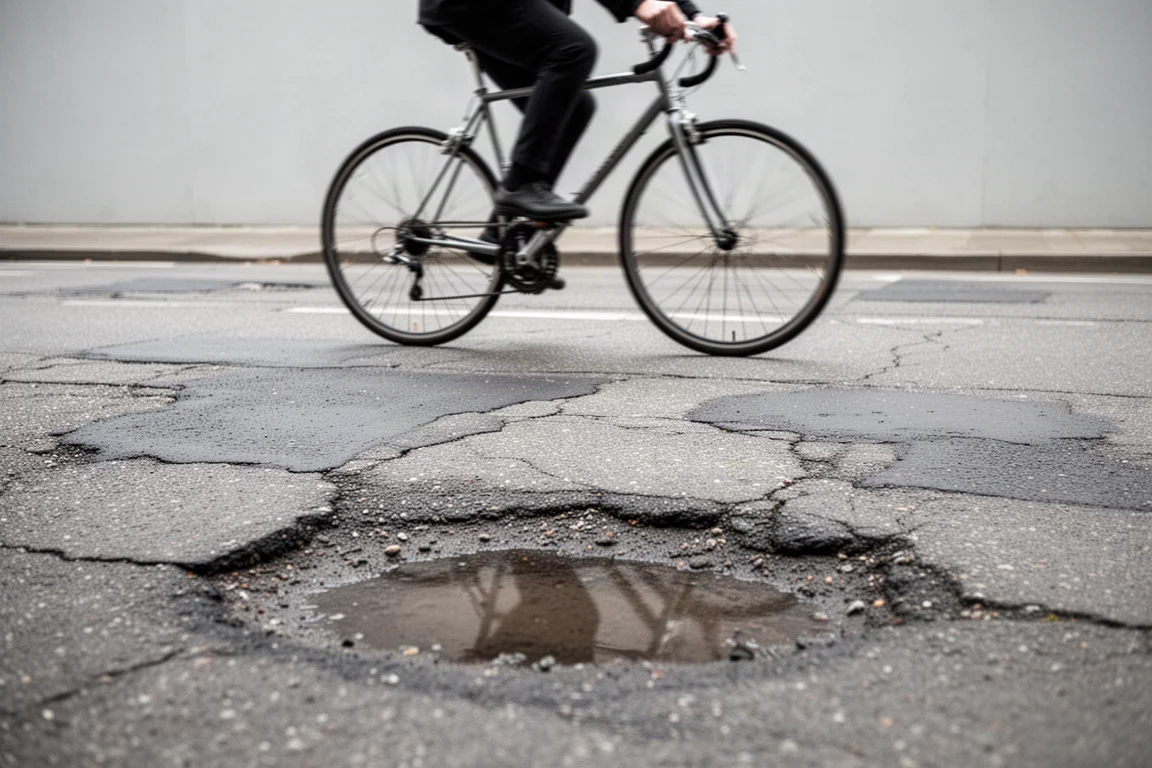
On smooth tarmac the tire works well. Grip is acceptable, corners feel normal enough that it is easy to forget what you are riding, and there is no anxiety about debris on the road. Push onto anything other than a clean surface, though, and the character changes. Rough pavement produces rattling, and the overall sensation is closer to running a very high tire pressure than to a comfortable pneumatic setup. Hitting potholes and dropping off curbs is not a pleasant experience.
For a 30-minute commute on typical city streets, that trade-off is manageable. For longer rides or poor road surfaces, it becomes the defining feature of the ride.
Things to Consider Before Buying
Installation is a two-person job
Getting a solid tire onto a rim is hard work. Stretching the tire with a foot or with extra assistance helps, and no tire levers are required, but the process is tight from the very start. In practice it took two experienced mechanics to mount a single tire. Buyers who take a pair to a shop may well be turned away, which makes this a genuine consideration rather than a minor inconvenience.
Rim compatibility is limited
The inserts are not made wide enough for every wheel. Wide carbon rims may simply be too wide for the available insert sizes, which means some riders will need to switch to a narrower wheelset to use these tires at all. Removing rim tape can free up a little extra space, but the underlying limitation remains.
Longevity and flat spots
Long-term durability is difficult to assess from a first ride, but one pattern is worth knowing. Repeated hard braking that locks the rear wheel can scrub flat spots into the tread. Once that happens the wheel no longer runs perfectly true, and the ride becomes noticeably bumpier than it was when new. Riders who brake hard in traffic should expect to be careful.
Width affects comfort
The 28mm version is the widest the range offers and therefore the most comfortable. Narrower options in the 19mm to 20mm region are likely to feel considerably harsher.
Buying Advice
Price is roughly in line with a solid performance tire, around 60 per tire plus postage, and availability has been limited to the official brand shop, with stock frequently unavailable through larger retailers. That narrow supply chain matters if you need a replacement or a different insert width later.
The honest summary is that this tire does exactly what it claims. It is puncture-proof, maintenance-free, and well designed at the mounting interface. It is also stiff on imperfect roads, awkward to fit without help, and sensitive to hard braking over time. If your riding is short, urban, and flat, and a flat tire at 1 a.m. is the thing you most want to avoid, the trade-offs are easy to accept. If you are used to high-quality pneumatic tires and ride longer or faster, the compromise in ride quality will be hard to ignore.
Conclusion
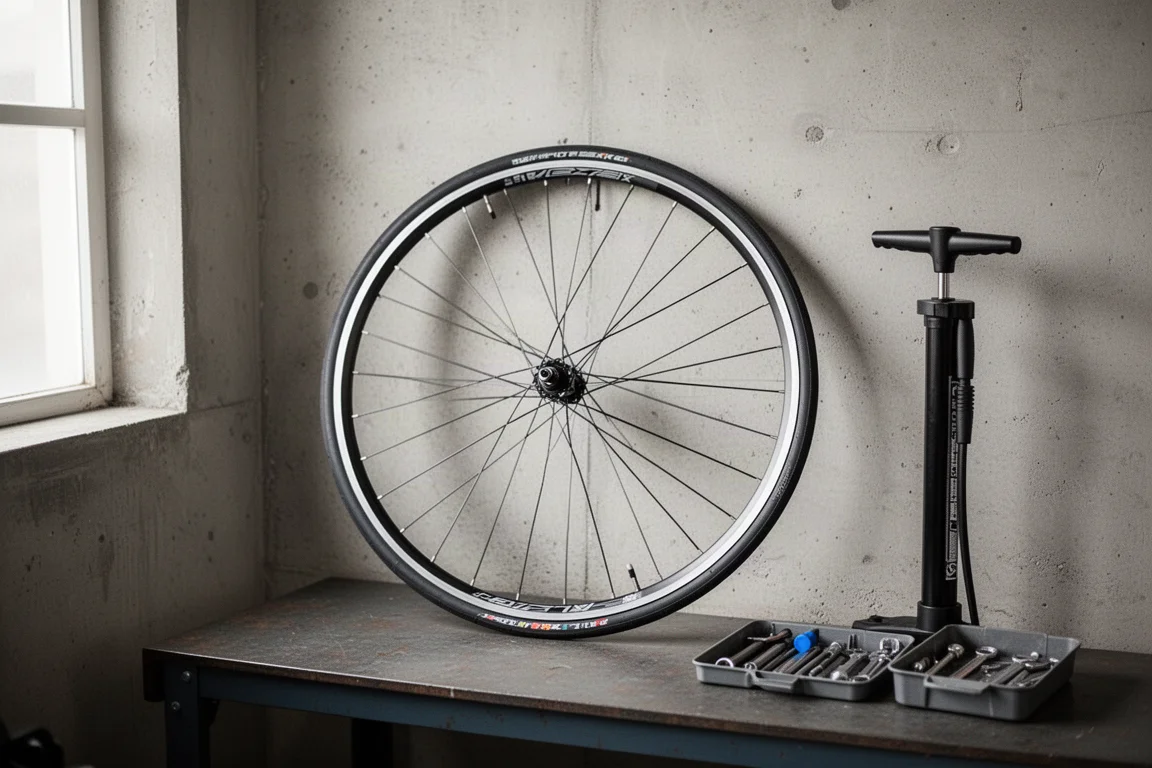
The Tannus Performance 28mm 700c is a niche product that solves a specific problem extremely well. It removes punctures from the equation entirely and asks for almost no upkeep in return. It also asks you to accept a firmer ride, a difficult installation, and a limited choice of compatible rims.
Buy it if your priority is arriving without a flat on short city journeys. Skip it if ride feel, speed, or long distances matter more to you than puncture immunity.
Product link
View more details for Tannus Performance 28mm 700c Solid Tire
This product is mentioned in the review. Check the specifications, options, and compatibility before buying.
View more details for Tannus Performance 28mm 700c Solid TireFurther reading
Related Reviews
Bike Tires
Pirelli P Zero Race 40mm Review: A Wide Performance Road Tire Tested
A wide performance road tire compared with its 28 mm sibling: more comfort, grip and puncture protection, at a measurable speed cost.
Bike Tires
Pirelli PZero Race SLR Tire Review: Ultimate Pro-Level Speed
Pirelli's all-new PZero Race SLR tires introduce a revolutionary design that sheds weight, slashes rolling resistance, and optimizes aerodynamics. Discover how these pro-level tires bring race-winning speed to your road bike.
Bike Tires
Tannus Performance Solid Tire Review: Puncture-Proof Commuting Without the Fuss
A fully solid 700c x 28mm bicycle tire that removes punctures and maintenance entirely, with a firm ride best suited to short city commutes.