Bike Tires
Pirelli P Zero Race 40mm Review: A Wide Performance Road Tire Tested
A wide performance road tire compared with its 28 mm sibling: more comfort, grip and puncture protection, at a measurable speed cost.
Introduction
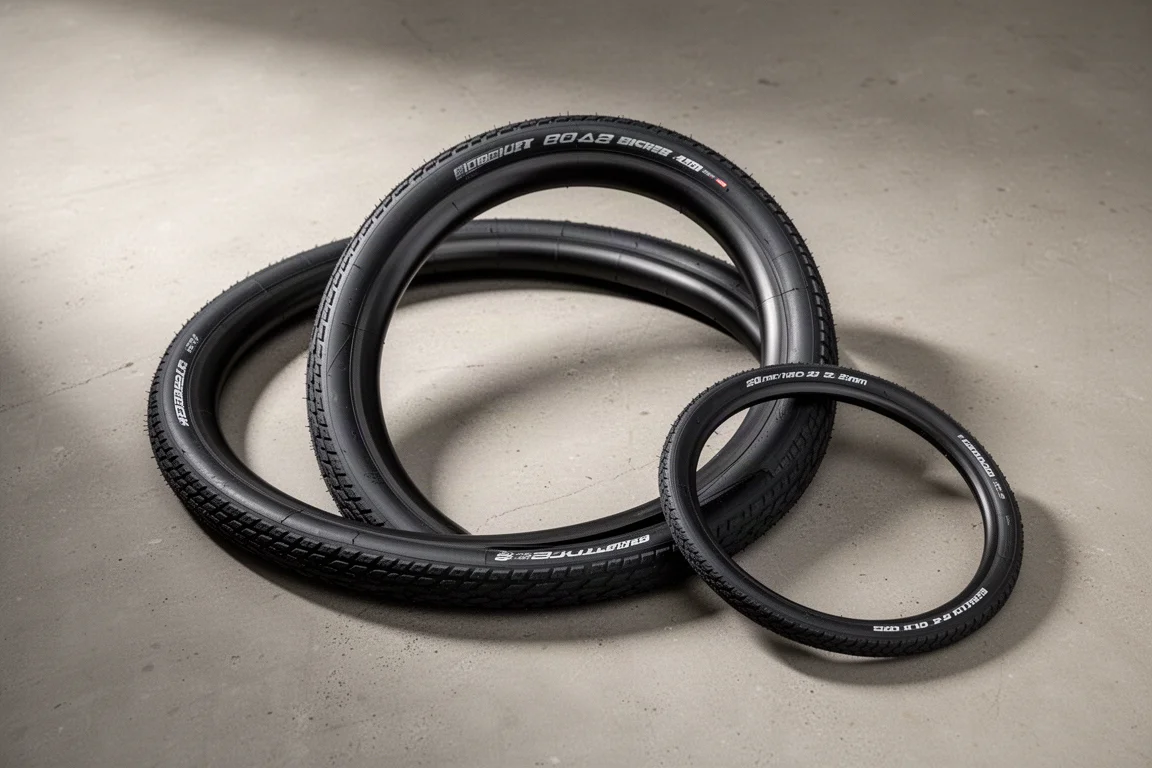
Road tire widths have been climbing for years. Racing moved from 23 mm to 25 mm, then to 28 mm, and the question now is where that progression stops. Pirelli’s P Zero Race range runs from 26 mm to 32 mm, with a 35 mm option and, at the very top, a 40 mm version. A performance road tire at that width is unusual. Wide tires are normal in gravel and all-road riding, but a race-bred road tire at 40 mm is rare.
What makes the 40 mm P Zero Race interesting is that it is not a separate, heavier-duty design. It shares its construction and compound with the top-end P Zero Race tires used in professional racing, including the SpeedCore liner, and it comes out of the same factory. The proposition is straightforward: pro-level speed in a much larger volume.
This review covers what that combination delivers in practice, how the 40 mm version compares with the 28 mm version of the same tire, and who should consider it.
Who this product is for
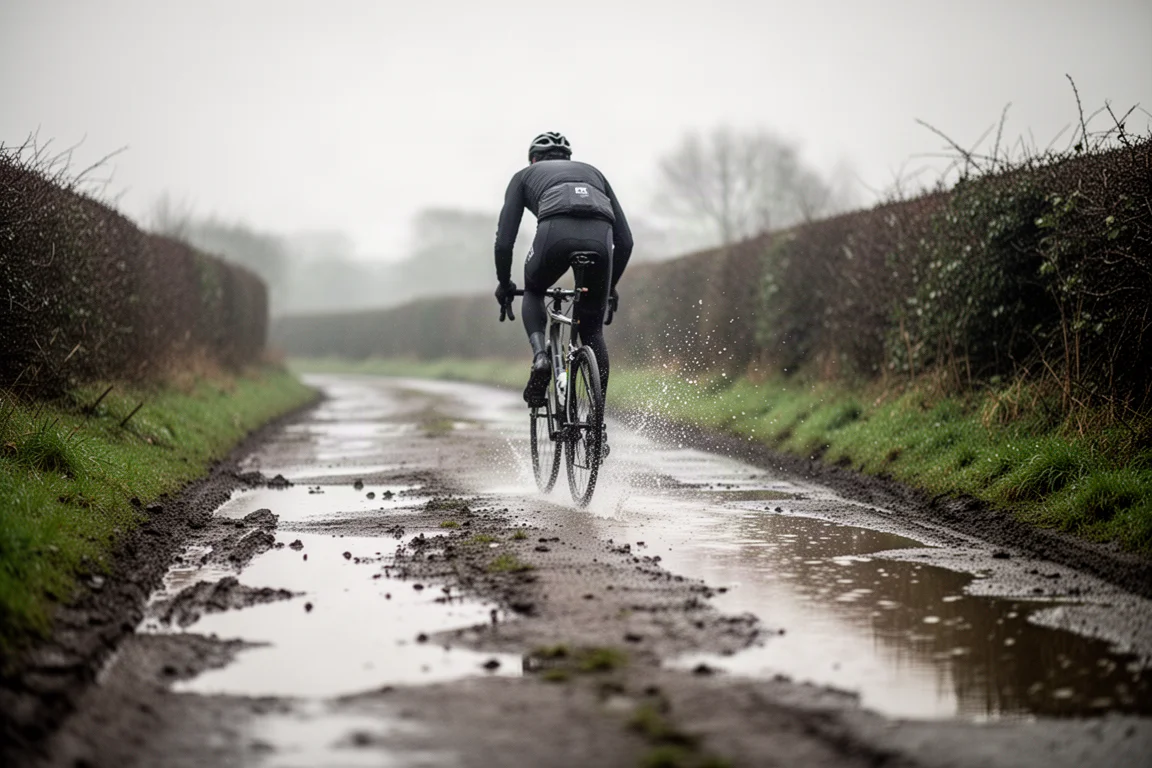
Wide performance tires suit riders who value comfort, grip and confidence over the last few watts of speed. On broken tarmac, gritty back lanes and wet surfaces, the larger contact patch smooths out the road in a way narrower tires cannot. Riders on gravel and all-road bikes are the most natural audience, because those frames generally have the clearance a 40 mm tire needs.
For road riders the calculation is more nuanced. If outright speed and a responsive feel matter most, the narrower versions of the same tire remain the quicker option, and they fit the bike you already own.
Main strengths
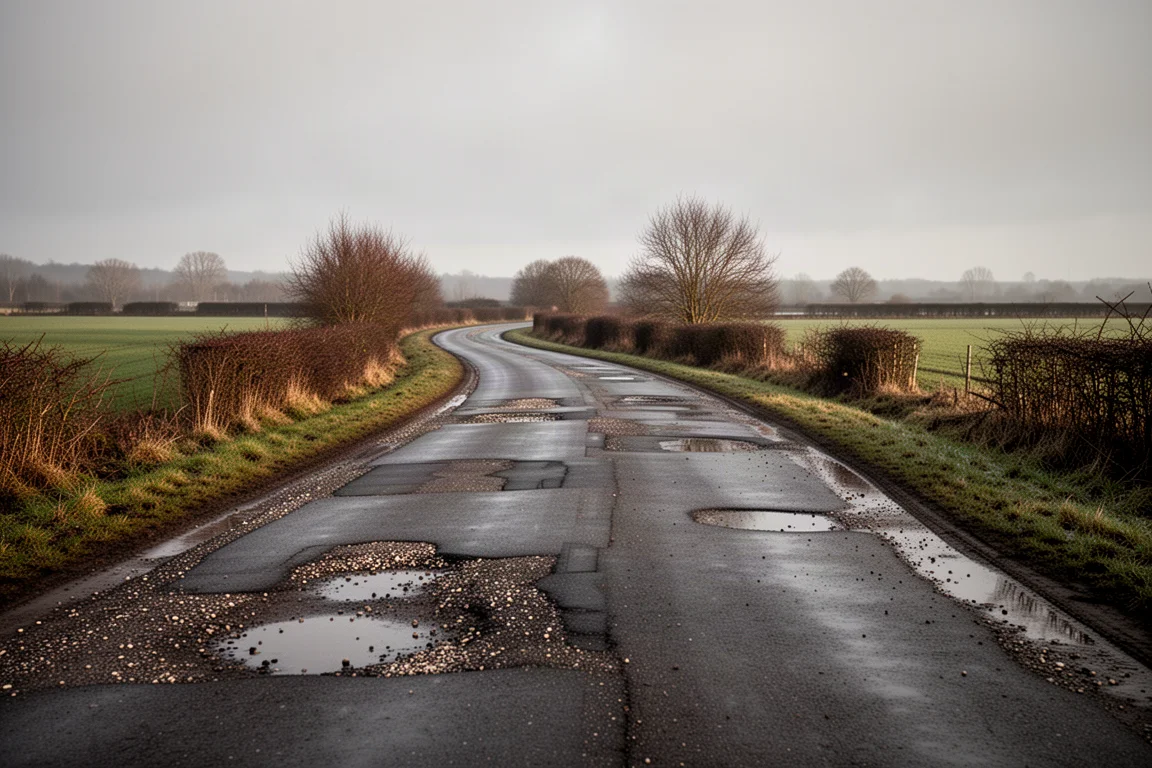
Comfort is the headline. On rough tarmac, potholed lanes and grit-covered surfaces, the 40 mm tire flattens out the road surface, and the change is obvious within the first few hundred metres. The sensation is closer to riding a freshly resurfaced road than the patchy surface actually under the wheels.
Grip is the second strength. Lab testing indicates that the wider tire offers significantly more wet-weather grip than the 28 mm version, thanks to its larger contact patch.
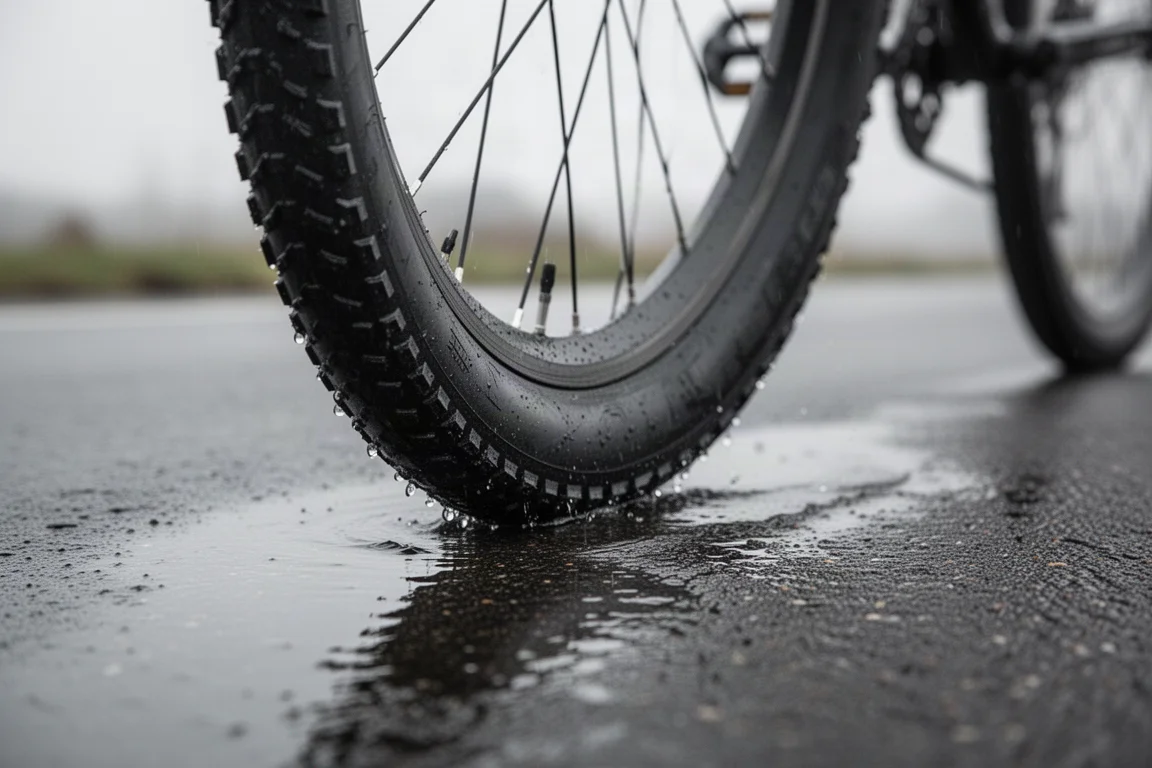
Puncture protection also measures better in the lab, which is counterintuitive given that both tires share the same construction. The explanation is that the rider’s force is spread over a much larger contact area, so less pressure is available to push sharp objects through the tire casing.
The third strength is cornering confidence. On the rougher half of a mixed surface loop, the wider tire feels more settled and more predictable, and it holds a line through messy corners with less drama.
Real-world performance: what the road test showed
A 7.5 km loop mixing fast flowing roads with mucky back lanes provided the comparison, ridden on wet, slippery tarmac with plenty of potholes. On the 40 mm tires, average power was 334 watts and the lap took 17 minutes 7 seconds. On the 28 mm version, average power was 331 watts and the lap was 18 seconds quicker.
That lines up with the lab data, which points to rolling resistance as the area where the wide tire gives most away. The difference is put at roughly 5 watts, and on a long climb that matters more than the extra mass. The 40 mm tire weighs 455 g against 295 g for the 28 mm, yet that weight penalty alone would account for only a couple of seconds over a long alpine climb.
The practical reading is that the speed gap is real but modest, and it is concentrated in climbing and acceleration rather than everywhere. On the smoother, faster parts of the loop, the 40 mm tires still felt quick.
Things to consider before buying
Weight is the most visible trade-off. At 455 g per tire against 295 g for the 28 mm, the difference is noticeable when you lift the bike, though it counts for very little once you are moving.
Speed is the second consideration. If your riding revolves around racing, timed efforts or fast group rides on good tarmac, the 28 mm version is measurably quicker and gives up little in comfort.
Availability is the third. The 40 mm version has been in high demand and hard to find, so stock can be patchy and you may need to wait for a restock.
Fit and clearance: what your bike needs
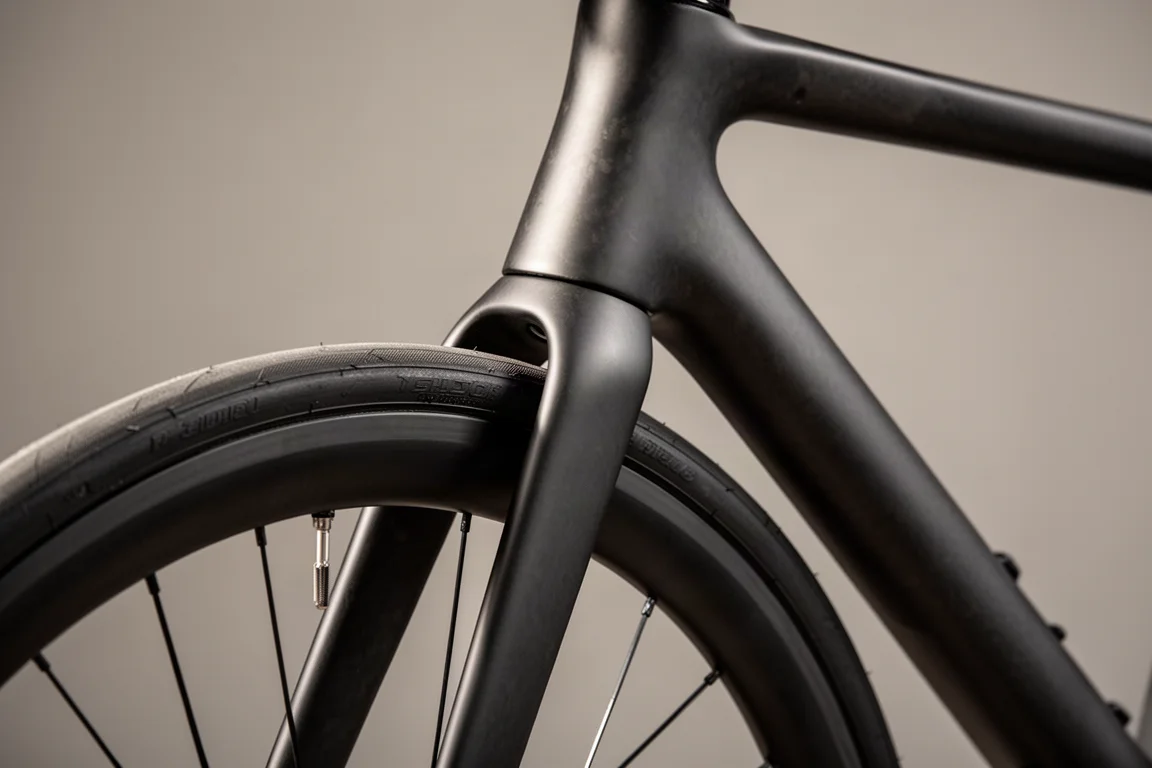
Clearance is the decisive factor. A 40 mm tire needs generous room in the frame and fork. Gravel and all-road bikes generally have it. Most road bikes do not, and no road bike currently on the market is designed around a tire this wide. A bike rated for 35 mm maximum clearance can physically take a 40 mm tire, but it is a tight squeeze rather than a designed fit, and it leaves very little room for mud or debris to pass through.
None of this is necessarily permanent. Road frames were built around 23 mm and 25 mm tires a decade ago, and none of them would have accepted a 28 mm tire at the time. Whether 40 mm becomes normal on the road depends on frames changing first.
Buying advice
The P Zero Race in 40 mm makes most sense for riders who already own a bike that can take it and who ride surfaces where comfort, grip and puncture resistance are worth more than a small speed penalty. On rough, wet or debris-strewn roads it is a quick, very comfortable tire, and the measured cost over a 7.5 km loop was 18 seconds against the 28 mm version, a smaller gap than the width suggests.
If your priority is racing or chasing personal bests on smooth tarmac, the narrower versions of the same tire are the faster choice and will fit the bike you already have. The 40 mm option is best treated as a specialist tire for the right frame and the right roads, rather than a universal upgrade.
Conclusion
The 40 mm P Zero Race delivers what a wide performance tire should: exceptional comfort, strong wet grip and better puncture protection than its narrower stablemate, all wrapped in the construction and compound of a pro-level race tire. It is slower, by roughly 18 seconds over a 7.5 km loop, and that gap is likely enough to keep this width out of professional racing for now.
For riders with the clearance and the right roads, though, it is a compelling option. Buy it if comfort and grip lead your priorities and your frame can accommodate it. Choose the 28 mm version if speed comes first.
Product link
View more details for Pirelli P Zero Race 40 mm
This product is mentioned in the review. Check the specifications, options, and compatibility before buying.
View more details for Pirelli P Zero Race 40 mmFurther reading
Related Reviews
Bike Tires
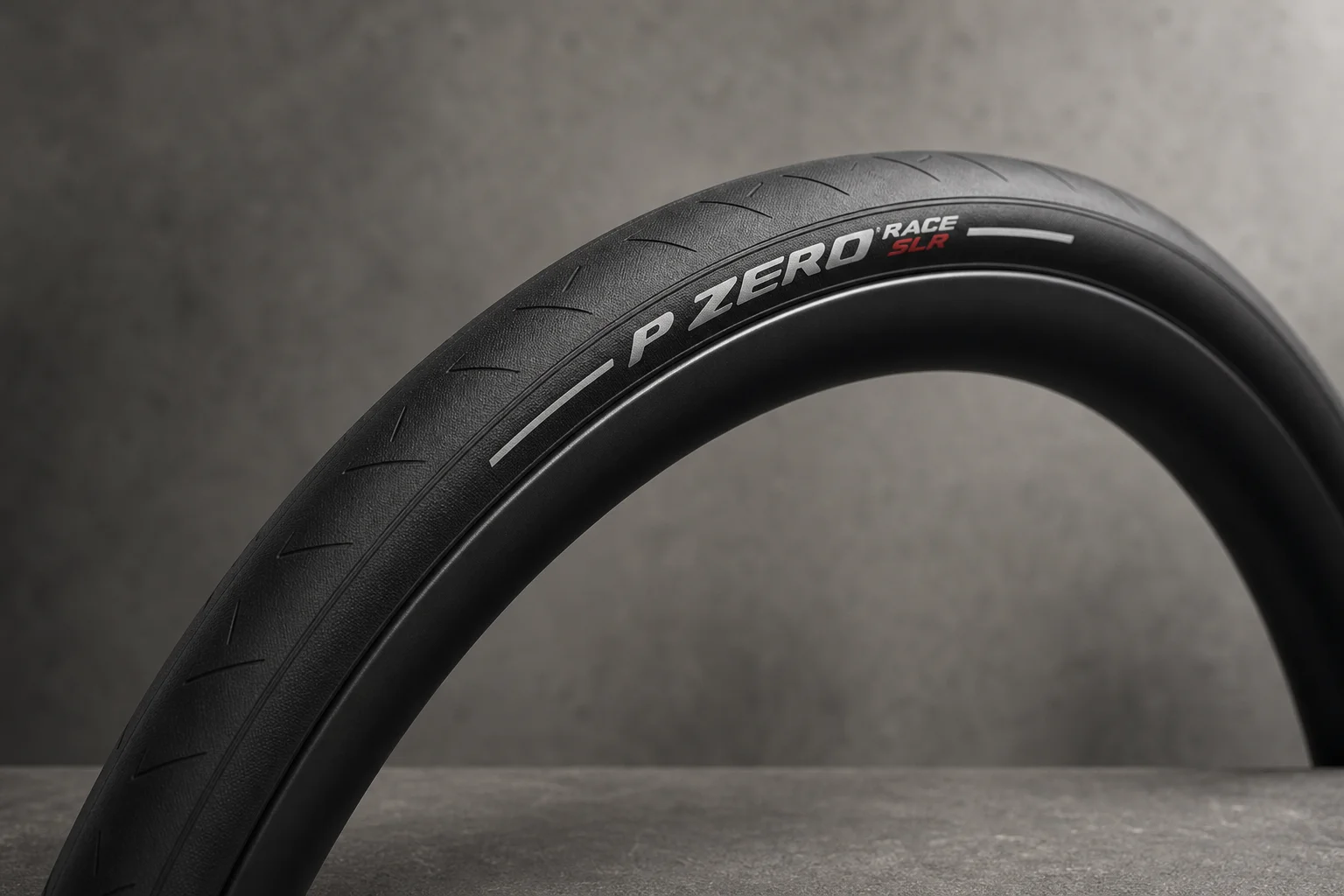
Pirelli PZero Race SLR Tire Review: Ultimate Pro-Level Speed
Pirelli's all-new PZero Race SLR tires introduce a revolutionary design that sheds weight, slashes rolling resistance, and optimizes aerodynamics. Discover how these pro-level tires bring race-winning speed to your road bike.
Bike Tires
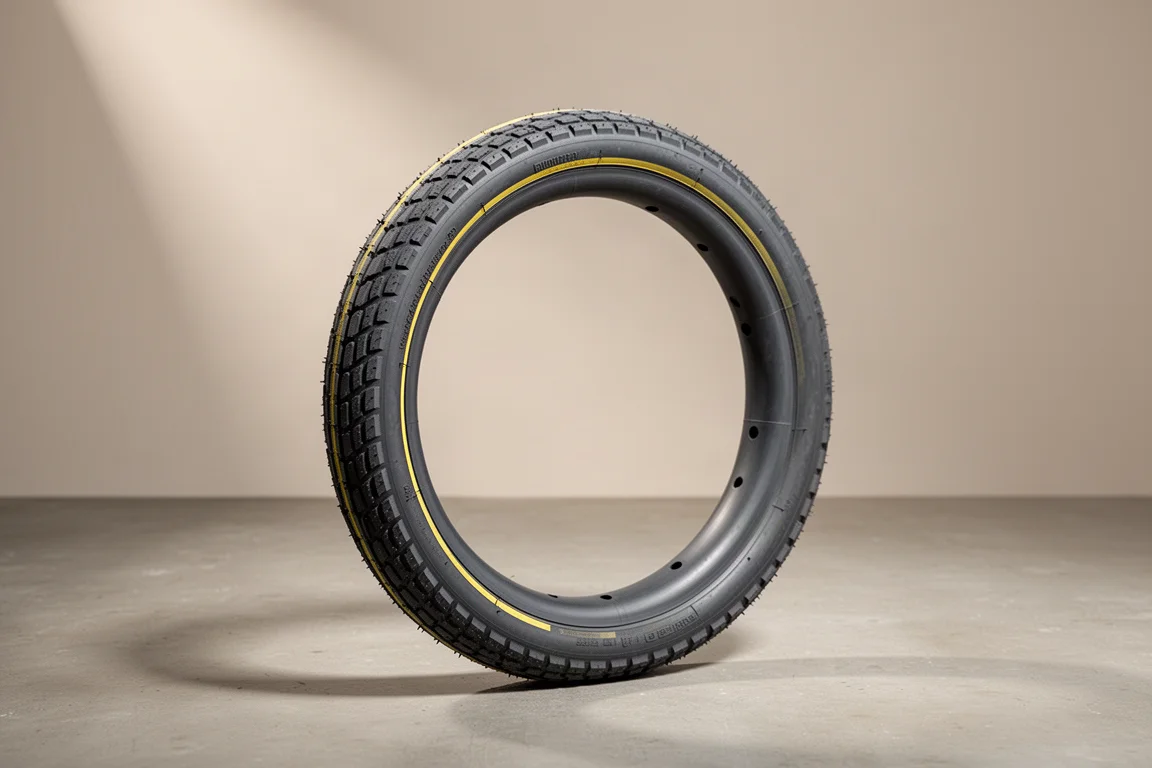
Tannus Performance 28mm 700c Solid Tire Review: Puncture-Proof, But Is It Right for You?
A solid rubber tire that removes punctures from the equation, with real trade-offs in ride comfort, installation, and longevity worth understanding first.
Bike Tires
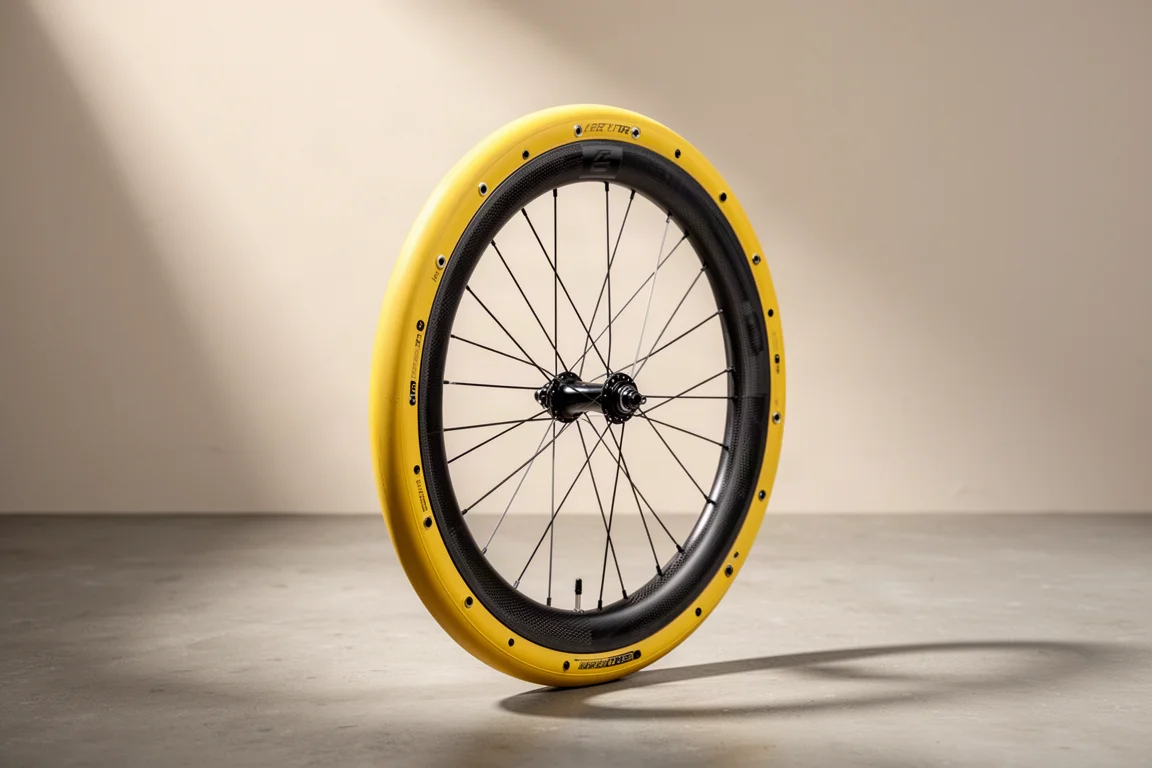
Tannus Performance Solid Tire Review: Puncture-Proof Commuting Without the Fuss
A fully solid 700c x 28mm bicycle tire that removes punctures and maintenance entirely, with a firm ride best suited to short city commutes.