Tools
Swench Model 10000 Review: The 2,000 ft-lb Manual Impact Wrench That Still Earns Its Keep
A hand-powered impact wrench with a claimed 2,000 ft-lb of torque, tested to 1,915 ft-lb on a dyno. Here is what makes this industrial legend work, and who it actually suits.
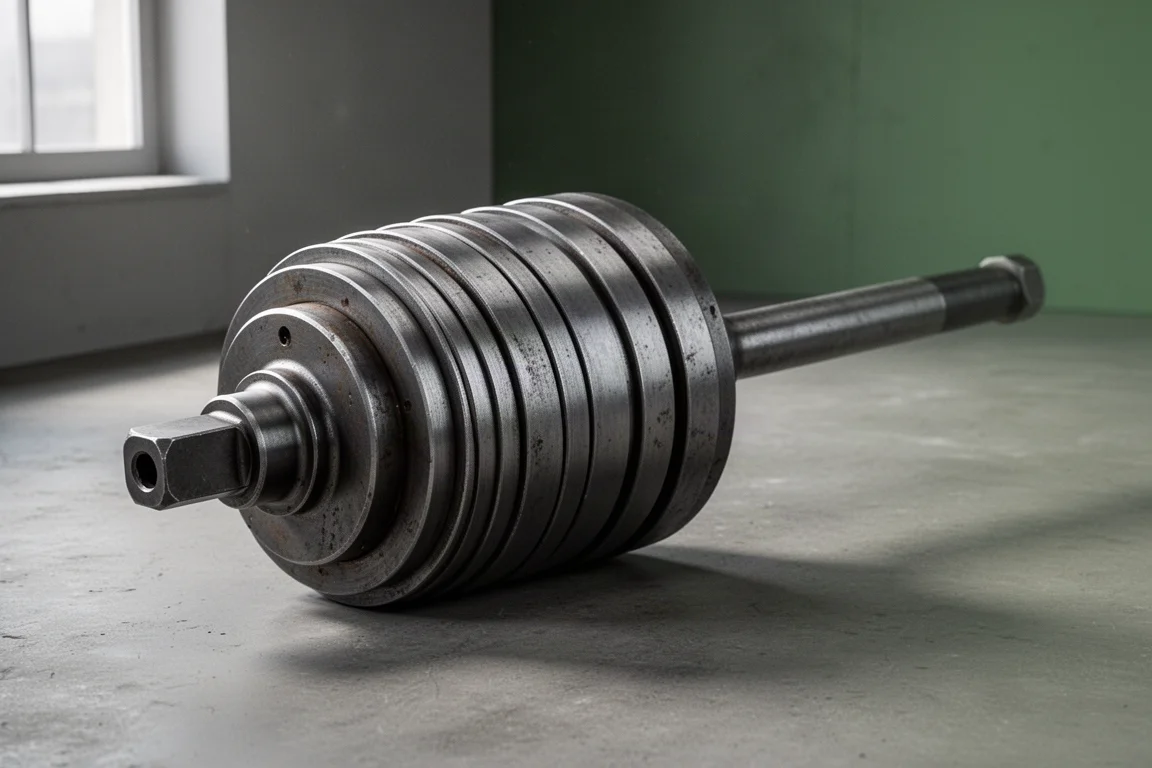
Introduction
Some tools survive because they are charming. Others survive because nothing else does the job. The Swench Model 10000 firmly belongs to the second group. It is a manual impact wrench, powered entirely by your arms, that still sells to industrial accounts today for around $2,800 as a kit. Snap-on even offers its own version made by Swench at $2,845 for the bare tool, with the same size, specs, and design. We spent time with one to find out why a hand tool in the era of cordless everything still commands that kind of money.
What the Swench Model 10000 Is
This is not a wrench, and it is not a torque multiplier. It is an impact wrench you operate by hand, the original all-in-one cordless impact wrench if you like. Historically, it lived on bridges, in large buildings, and in the hands of ironworkers who needed a large bolt or nut to budge when ordinary leverage tools would not. The design predates both electric and pneumatic power tools of this class, yet it is still bought and sold because it is genuinely powerful.
Swench rates the Model 10000 at 2,000 ft-lb, roughly a ton of torque. It weighs around 23 to 25 lb as a complete setup, and it requires impact sockets rather than standard sockets. By power relative to weight, it remains competitive even with common 1-inch drive impact wrenches.
How We Tested It
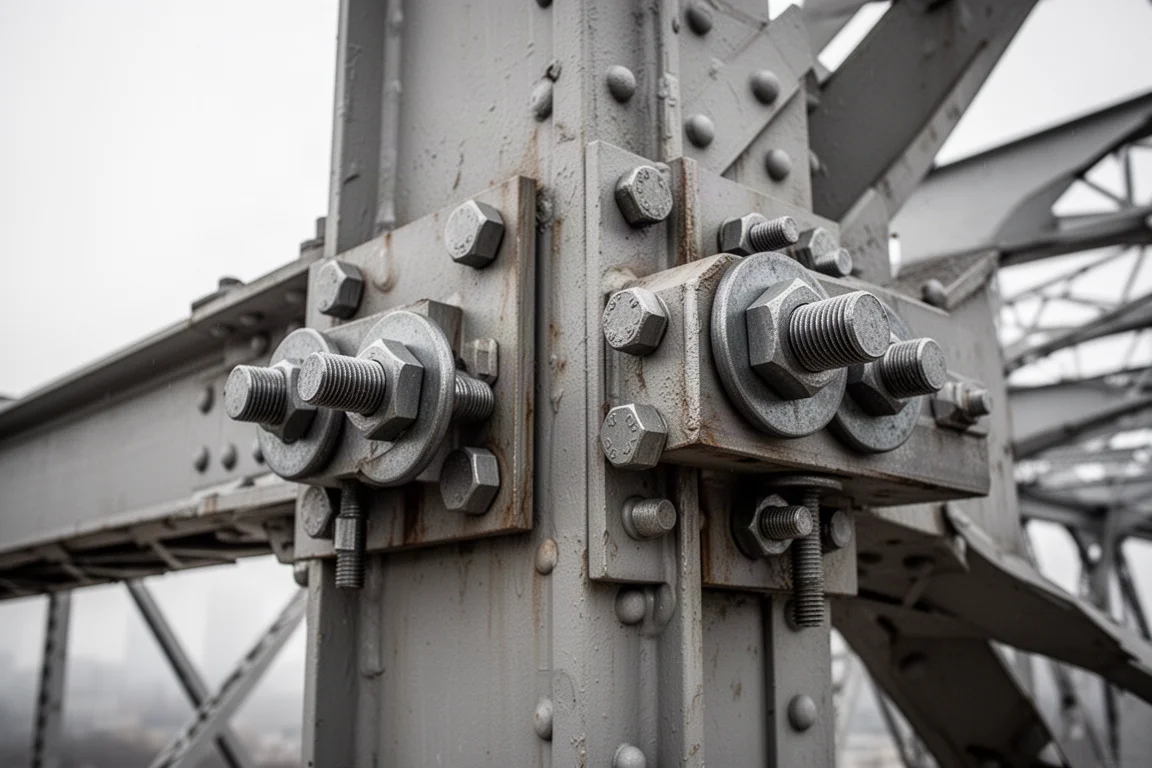
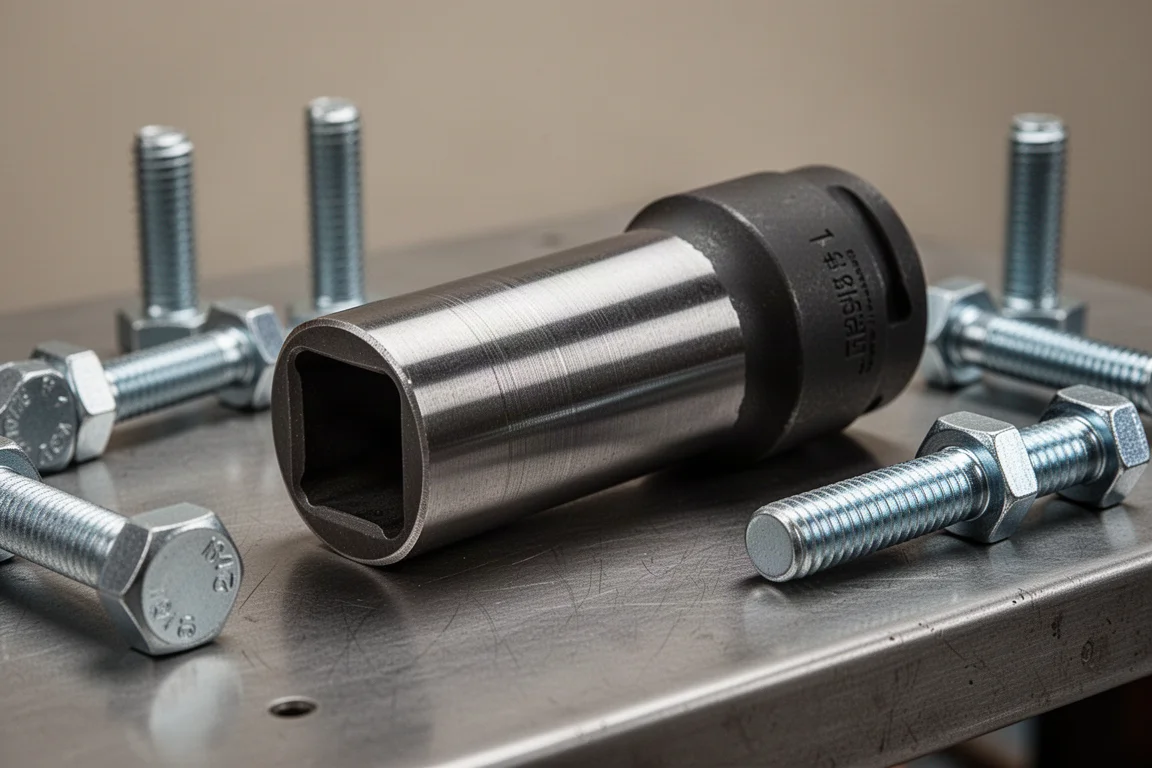
The tool ships with what has to be the largest diameter 1-inch impact extension we have ever seen, and that size is not cosmetic. Impact extensions lose torque in translation down their length, and the bigger the hammer blow, the more diameter you need to keep the hit potent at the socket. That tells you something about the magnitude of the blows this tool delivers.
Before any testing, there was a catch. The adjustment marks on the spring tension window, settings 1 through 4, did nothing at first, because a small stationary roll pin was missing from the base of the handle. A replacement M6 bolt, threaded in by hand to keep the assembly stationary and let the spring compress, restored full function. Curiously, an old-school American tool using metric M6 threads is a surprise, but it worked. With that fixed, the adjustment now takes serious grunt: setting 2 is noticeably louder and harder to swing, setting 3 is the one the manual warns to use only if absolutely necessary, and setting 4 is where spring compression nearly lifts you off the ground.
Inside the Mechanism
Opening the tool reveals a massive ratcheting mechanism with three separate independent oversized sprung pawls that each latch into the teeth of the ratchet gear. All three paws strike essentially precisely in time, which cannot be easy to manufacture and assemble. Sealing is handled by leather gaskets, a gasket material more at home on a 19th-century power hammer, clamped by a C-shaped bolted ring that tensions against the head diameter.
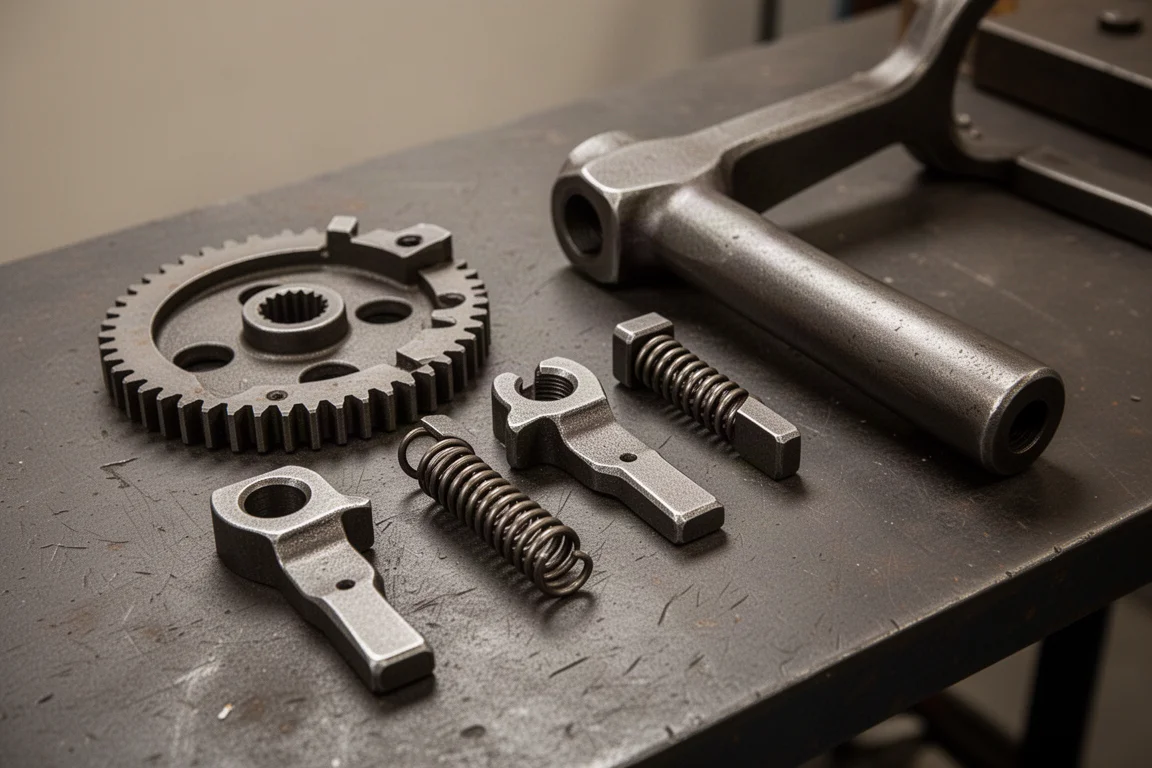
The way it works is unlike any air or cordless impact wrench. The handle does not apply torque to the bolt directly; it winds up a very large spring, building potential energy. When spring tension overcomes its release point, the latches cam out along ramps on the back of the hammer wheel, and the pinned lever arm is driven forward like a pile driver, ramming the pawls back into the gear teeth. The whole head becomes a fast-moving hammer, a radial hammer in effect. At a low spring setting, the strike happens in less than a fiftieth of an eyelink’s worth of time, with the mechanism calculated to move at around 100 mph.
Performance: Breaking Things Loose
On the dyno, we worked our way up through the settings. At setting 2, enough ratchet slamming got into the 700s, and faster swing pacing pushed into the 900s. Setting 3, the warn-only-if-necessary level, was already headed toward 1,200 ft-lb, beyond what cordless high-torque wrenches generally manage, and past the point where bolt stretch starts to eat into measured data. At maximum spring tension, worked past setting 4, each hit added only 3 to 4 ft-lb, and eventually we called it at 1,915 ft-lb. A stronger operator could plausibly reach the full 2,000.
A single blow here imparts around 200 ft-lb of dynamic torque. For comparison, other impacts might hit 30 to 50 times before reaching that level per blow. That is why the tool is so effective at its real job: busting free a stuck, often rusted fastener from zero, rather than winding torque up gradually the way a trigger-pulled cordless does.
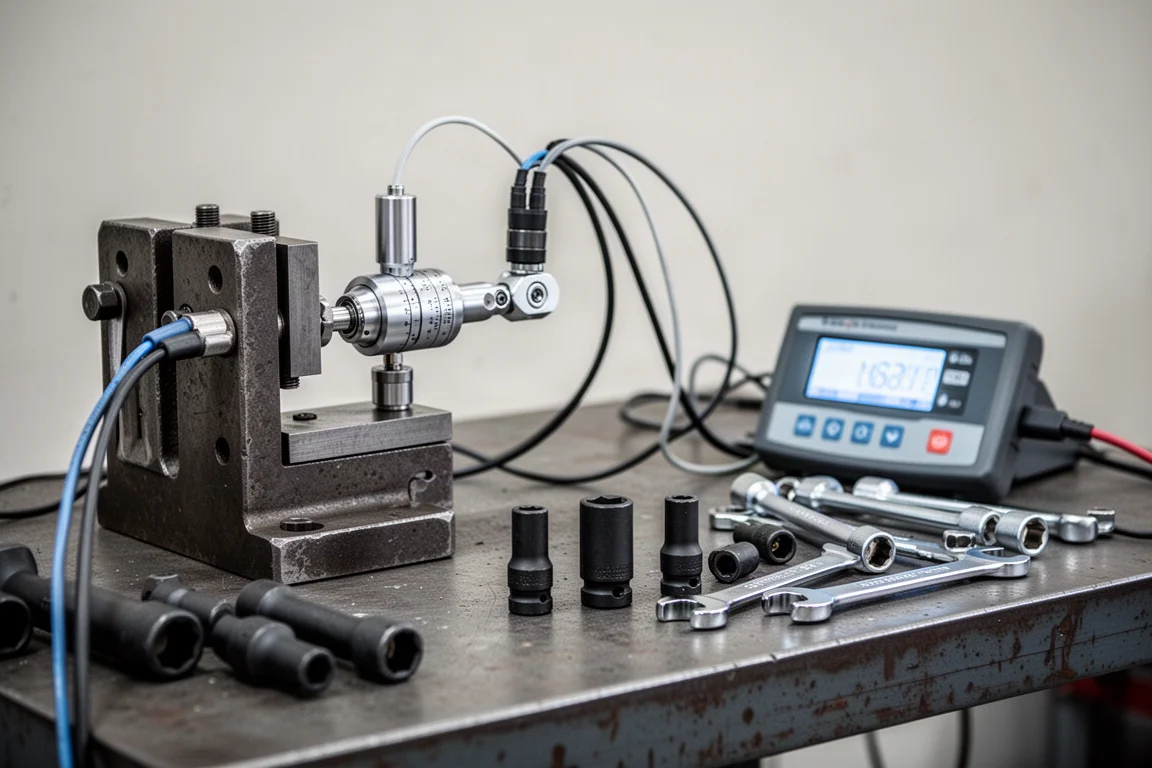
The trade-off is pace. You will not reach a thousand hits per minute like a cordless, and probably not even a hundred, because resetting the high spring tension takes real effort and over 100 lb of force at the end of the handle. Ear protection is genuinely recommended at the higher settings. But for breakaway work, few things are better, and only one tool we have tested, a 1-inch air impact running 150 PSI, heavier than this and fed by a massive, budget-consuming air system, reached a similar figure.
Why a Hand Tool Hits This Hard
The key is impulse force versus gradually applied torque. Slowly pushing a hammer down to drive a nail can take over 1,000 lb of force depending on the wood. Swing the same hammer, and a smaller force applied suddenly transfers the same kinetic energy in an instant. This tool does the same: your arm winds the spring through the lever, and the energy is released over 2 to 5 milliseconds into the drive assembly. A breaker bar, more than a foot longer, is only good for around 600 ft-lb by comparison. Big hits make bolts break better, and that is the whole point.
Buying Advice
This is a specialist tool sold mainly to industrial accounts, so you will not find many listings with an add to cart button. At roughly $2,800 as a kit, or $2,845 for the Snap-on-branded bare tool, it makes sense for ironworkers, bridge maintenance crews, and heavy industrial maintenance shops that regularly face seized large fasteners without air or power available. If you occasionally fight stubborn bolts, a cordless high-torque wrench or a torque multiplier is the more practical purchase.
Conclusion
The Swench Model 10000 earns its price and its century of relevance the hard way: measured at 1,915 ft-lb on our dyno with nothing but hand power and a wound spring. It is loud, slow, and heavy, and utterly effective at the one job it was built for. If that job is yours, there is very little else like it.
Product link
View more details for Swench Model 10000
This product is mentioned in the review. Check the specifications, options, and compatibility before buying.
View more details for Swench Model 10000Further reading
Related Reviews

Tools
Best Contractor Grade Tape Measures 2026: Eight Models Tested Head to Head
We tested eight contractor grade tape measures from Milwaukee, DeWalt, Crescent Lufkin, Tajima, Stanley, Irwin, Gelan, and Craftsman to find the best value and performance.

Tools
Best Precision Screwdriver Sets 2026: Manual and Electric Options Compared
We compare 19 precision screwdriver sets, from budget manual kits to electric drivers, to find the strongest bits and best value.

Tools
Best Stud Finders 2026: Five Popular Models Put to the Test
We tested five popular stud finders on drywall, firewall, and lath and plaster surfaces to see which ones really find studs and avoid false readings.