Running Headphones
Suunto Wing Review: Bone Conduction Headphones With a Clever Charging Twist
Suunto's first-ever headphones offer bone conduction sound, LED lights, head gesture controls, and a power bank charging cradle. Here is how they performed over several weeks of testing.
Introduction
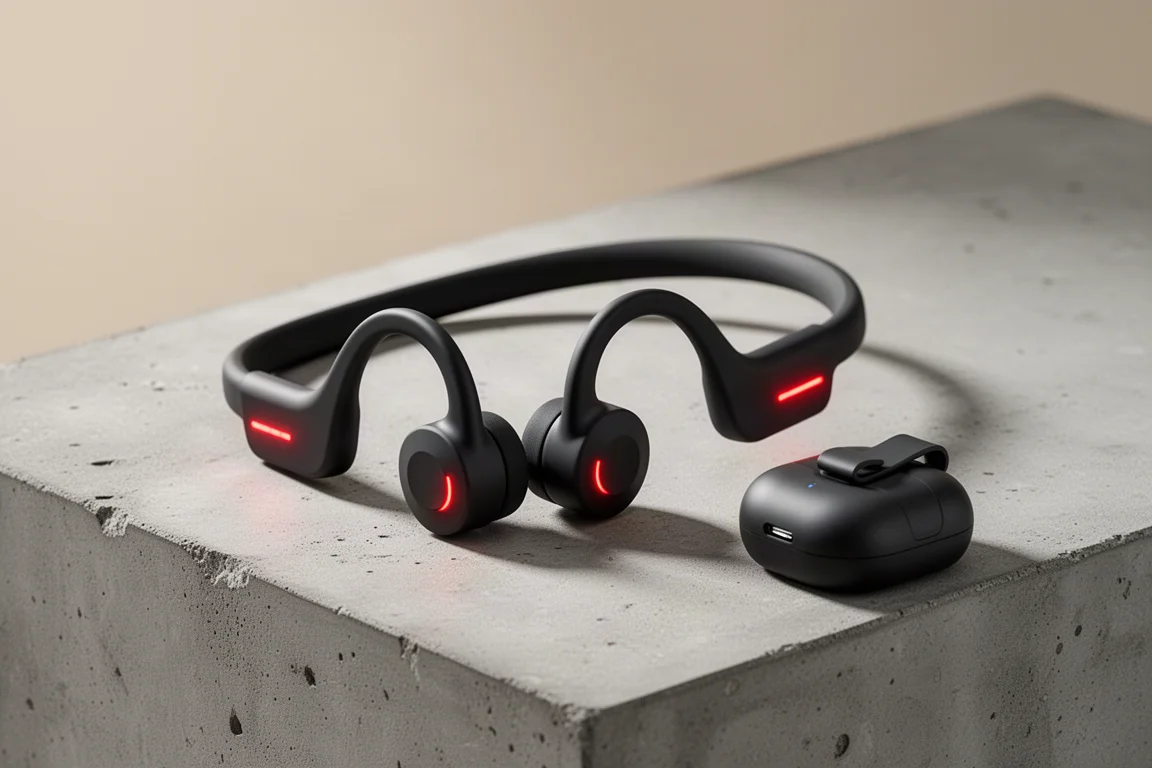
The Suunto Wing marks Suunto’s first entry into headphones, and the company has taken a familiar route: bone conduction. Priced at £169 in the UK and $199 in the US, the Wing arrives with two sound modes, customizable LED lights for low-light visibility, head gesture controls, multipoint connectivity, up to 10 hours of battery life, and a standout accessory: a charging cradle that doubles as a power bank.
After several weeks of testing, the picture is mixed but interesting. The Wing is well made and comfortable, the power bank is genuinely useful, and some of the newer ideas are not quite polished yet. Here is how it all comes together.
Who the Suunto Wing Is For
The Suunto Wing suits runners and outdoor athletes who want open-ear awareness while training. Bone conduction keeps your ears free, so you can hear traffic, trail sounds, and people around you while still listening to podcasts, audiobooks, or music.
It is especially appealing for long-distance athletes. If you run ultramarathons or spend full days outside, the ability to top the headphones up mid-activity sets the Wing apart from most of its rivals. If you only do short workouts near home, that advantage matters less.

Design, Fit and Controls
The Wing follows the classic bone conduction formula: a lightweight neckband with transducers resting in front of your ears. The fit is secure and comfortable, and both testers wore them with hats, glasses, and sunglasses without issues. After a few minutes, they mostly disappear on your head.
One caveat: the band is the longer style at the back, so it is not as slim or light as the Shokz Open Run and Open Run Pro, and lying back with them on (say, during a strength workout) pushes on the back of the band. For most running use, though, it is not a problem.
The physical controls are well placed and easy to find on the move, very similar to what other bone conduction brands offer. Having a real button you can trust mid-run is a genuine plus.
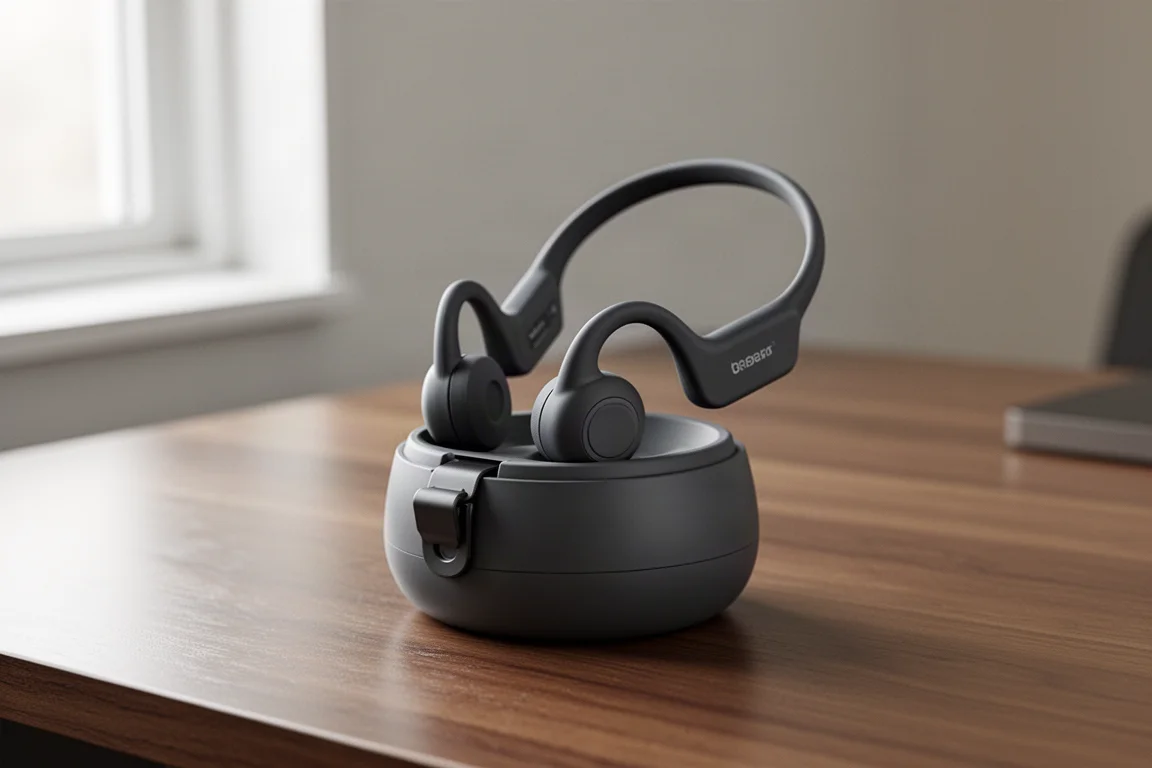
The charging approach is the most novel part of the design. Instead of a proprietary cable, the Wing drops into a small cradle that doubles as a power bank, complete with a clip to hold the headphones in place. It is a smart solution for long events: charge on the go, stash it in a backpack, and extend battery life without carrying a separate cable.
Sound Quality
Sound is solid for bone conduction, but not class-leading. Suunto offers two modes: a normal mode and an outdoor mode. The outdoor mode is noticeably louder, which makes it the obvious choice near traffic, though it introduces a slight tickle sensation at higher volumes. The two modes sound broadly similar otherwise.
Compared with other bone conduction headphones, the Wing sits in the same territory as the Shokz Open Run range: you lose bass and some power, and things can get a bit mushy at maximum volume. It does not transform the category, but it does not fall behind either.
For voice content such as podcasts and audiobooks, the Wing has just enough power, though busy roads will still make quiet recordings hard to hear. That is true of all bone conduction headphones, and the Wing handles the use case about as well as anything in the category.
Extra Features: Lights, Gestures and Multipoint
Suunto has added a few features to make the Wing feel purpose-built for outdoor training, with mixed results.
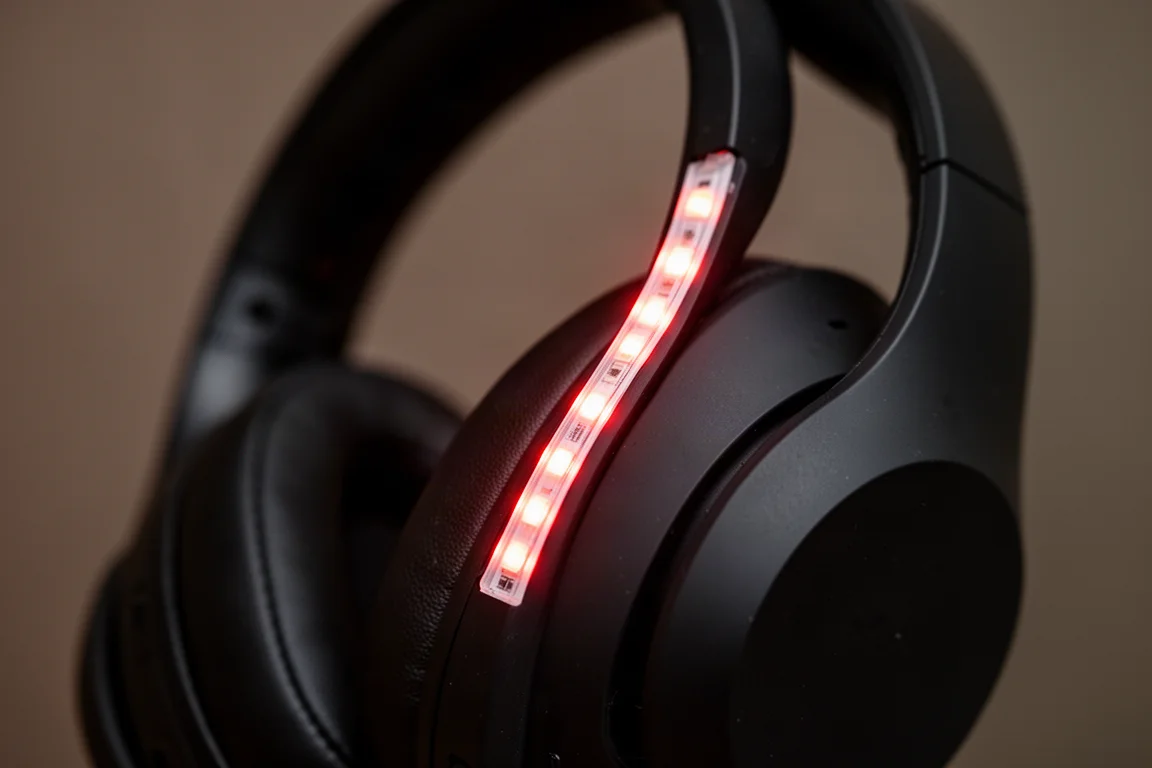
The customizable LED lights sit along the arms of the headphones and can glow constantly or pulse. The idea is good and execution is smooth, but they are not especially bright, and as a visibility aid they add less than reflective clothing does. On a night run, they did not feel like they added much.
Head gesture controls let you nod to skip tracks or handle calls without touching the buttons. In practice, they were hit and miss. After a long stretch without use, they often failed to register, and at faster running paces natural head movement triggered unintended track skips. Both testers ended up switching the feature off because the physical buttons simply work better.
Multipoint connectivity, by contrast, worked flawlessly, pairing with phones, laptops, and sports watches with seamless switching. It is a reliable tick.
Battery Life and Charging on the Go
Suunto claims up to 10 hours of battery life at 60% volume, dropping to around 8 hours with gesture controls on and around 4 hours with the LED lights running. Real-world results depend heavily on volume: listening near maximum yielded roughly an hour of running per 20-25% of battery, which is in line with what most bone conduction headphones deliver.

The power bank cradle is what makes the battery story work. Suunto suggests roughly 30 hours of total use with the cradle, slightly less at higher volumes. Compared with competitors that rely on a proprietary charging cable, being able to clip the headphones into a portable charger mid-adventure is a genuinely useful feature that other brands have not matched.
Buying Advice
The Suunto Wing is well made, comfortable, and packed with ideas, but at £169/$199 it is priced above rivals like the Shokz Open Run, which cost less and match it on sound quality, battery life, and fit. The power bank is the one feature that could justify the higher price, and it is a great one if you regularly run very long events or multi-day adventures.
If the power bank appeals to you, the Wing is easy to recommend. If not, cheaper alternatives deliver equivalent core performance. The LED lights and gesture controls are interesting but not yet polished enough to be deciding factors.
Conclusion
As a first attempt at headphones, the Suunto Wing is a strong start. The design, fit, controls, and multipoint connectivity all work well, and the charging cradle with power bank is the standout feature that the rest of the market should pay attention to. Sound quality is good rather than exceptional, and the newer features need refinement. If Suunto had priced the Wing below its main competitors, it would be an easy pick. As it stands, buy it for the power bank and long-event use, or look elsewhere if you mainly want the best value in bone conduction.
Product link
View more details for Suunto Wing
This product is mentioned in the review. Check the specifications, options, and compatibility before buying.
View more details for Suunto WingFurther reading
Related Reviews
Running Headphones
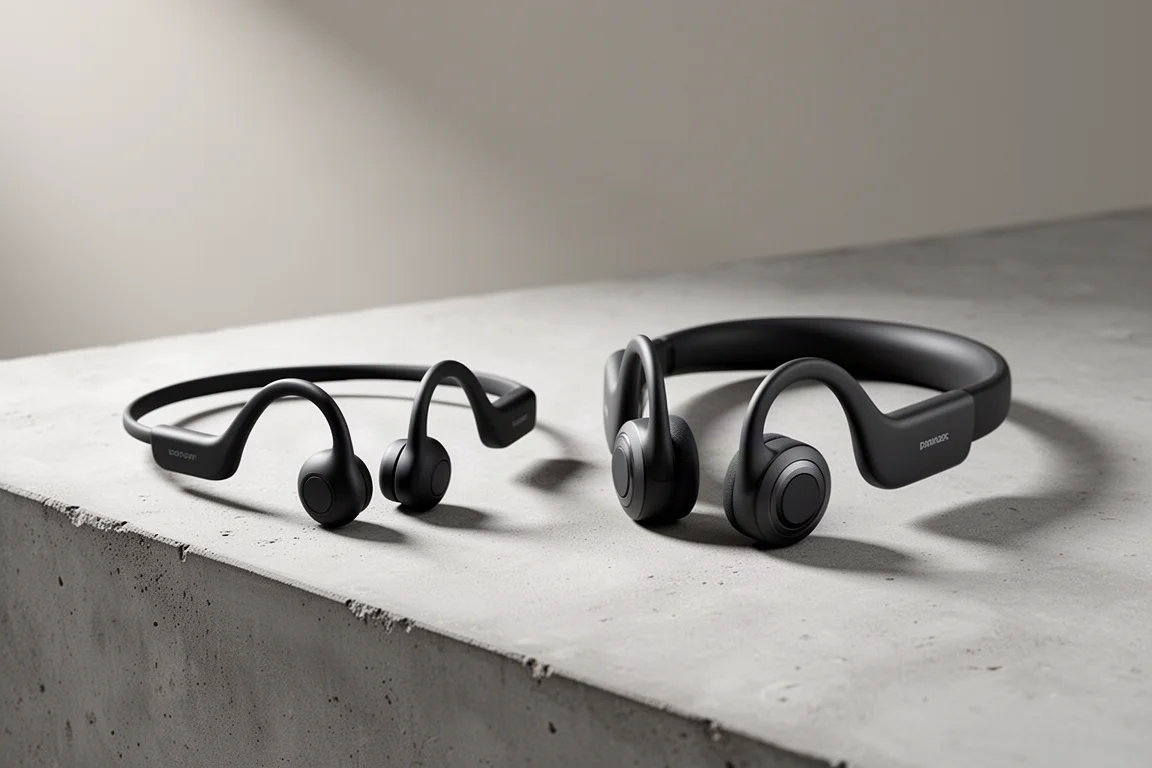
Beats Powerbeats Pro 2 Long-Term Review: Still a Top Pick for Runners
After a year of running, battery cycles, and multi-device pairing, here is how the Powerbeats Pro 2 holds up as a sports earbud.
Running Headphones
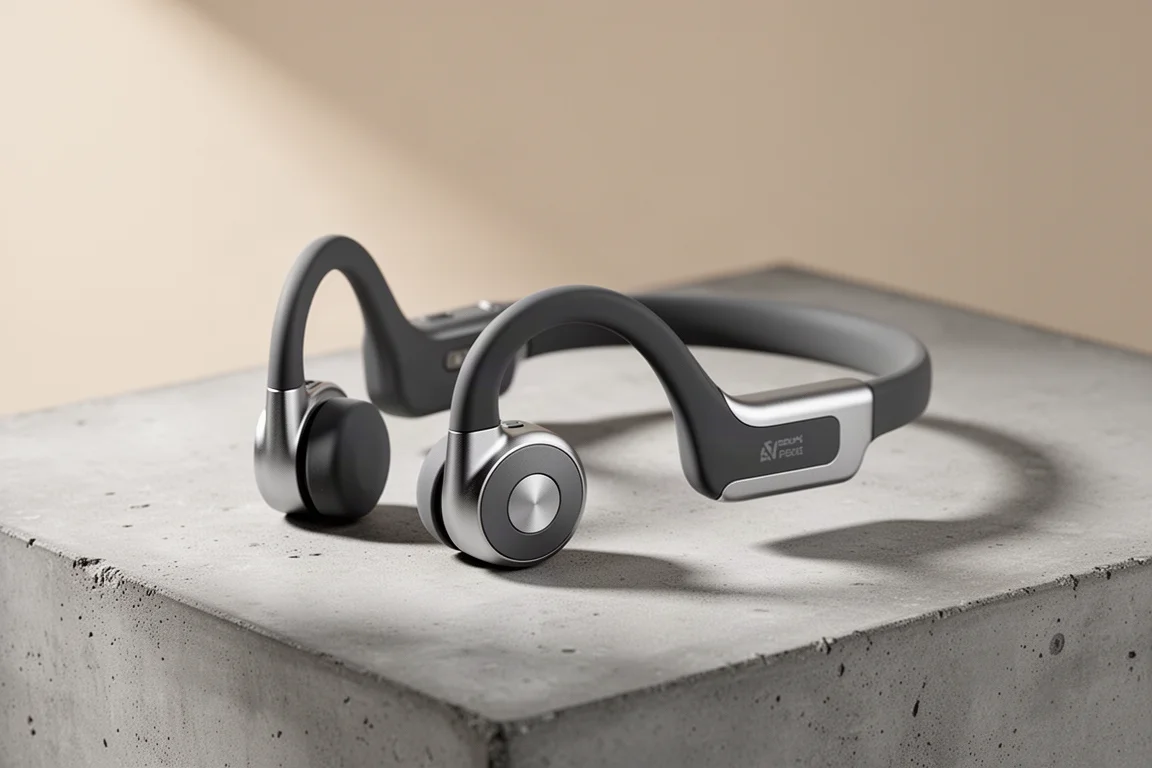
H2O Audio Tri Run vs Shokz OpenRun Pro 2: Which Bone Conduction Headphones Make More Sense?
A value-focused bone conduction option goes up against the best-sounding pair we have tested. Here is how the trade-offs stack up for running and cycling.
Running Headphones
IO Breezy Bone Conduction Headphones Review: Affordable Open-Ear Running Audio
The IO Audio Breezy (IO iT Geo 1) packs Bluetooth 5.3, an IPX6 rating and a 36g frame into open-ear sports headphones that cost about half the price of the leading rivals.