Running Headphones
Suunto Wing 2 vs Shokz OpenRun Pro 2: Which Open-Ear Headphones Suit Runners Best?
Two strong open-ear options for runners compared: Suunto's improved Wing 2 bone conduction headset and Shokz's OpenRun Pro 2, with clear trade-offs on sound, features, and value.
Introduction
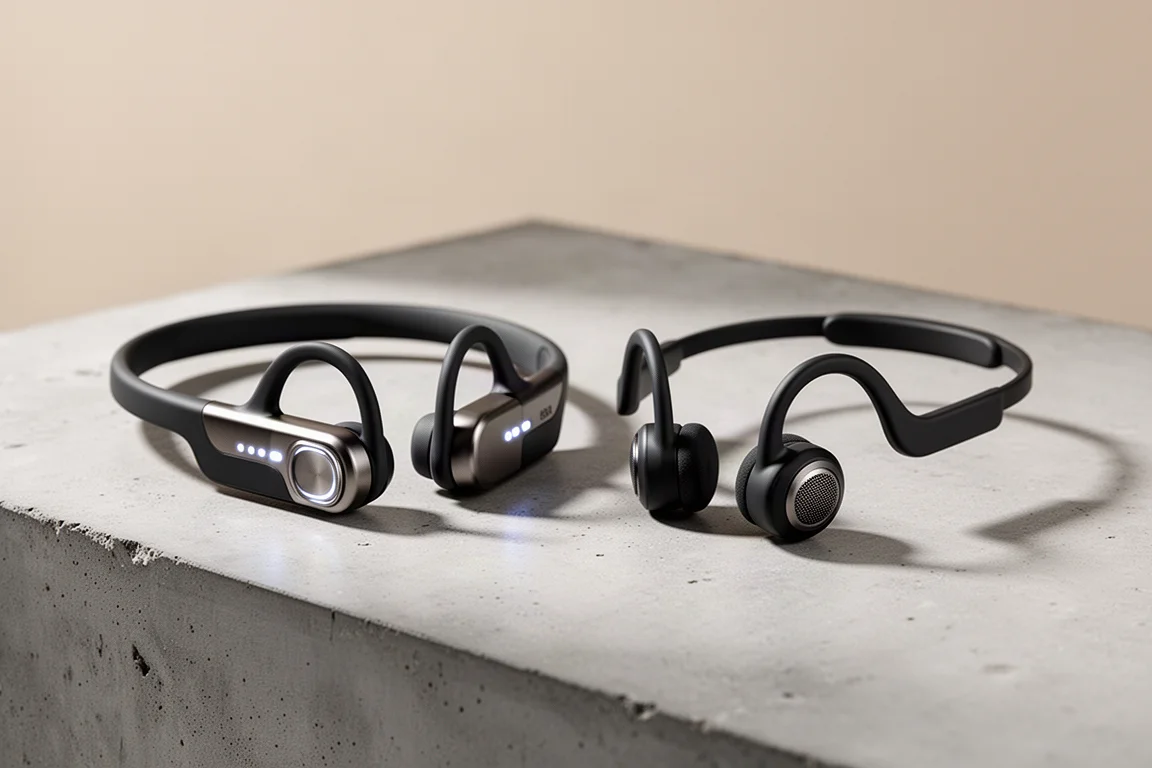
Open-ear headphones have become the default choice for many runners who want music without losing awareness of traffic and their surroundings. Two names now stand out in this space: Suunto, which entered the headphone market with the original Wing and has returned with an improved and more competitively priced Wing 2, and Shokz, whose OpenRun Pro 2 is widely regarded as the sound benchmark in this form factor.
This comparison looks at how the Suunto Wing 2 has changed from its predecessor, where it sits against the competition, and which of the two makes more sense depending on what you value on your runs.
Evaluation Criteria
For runners, the practical measures are consistent: fit stability at pace, weather protection, sound quality in outdoor conditions, battery life, and extras that genuinely help rather than complicate. Price matters too, because open-ear designs vary widely in value for money. These are the criteria used to weigh both products here.
Suunto Wing 2: What Has Changed
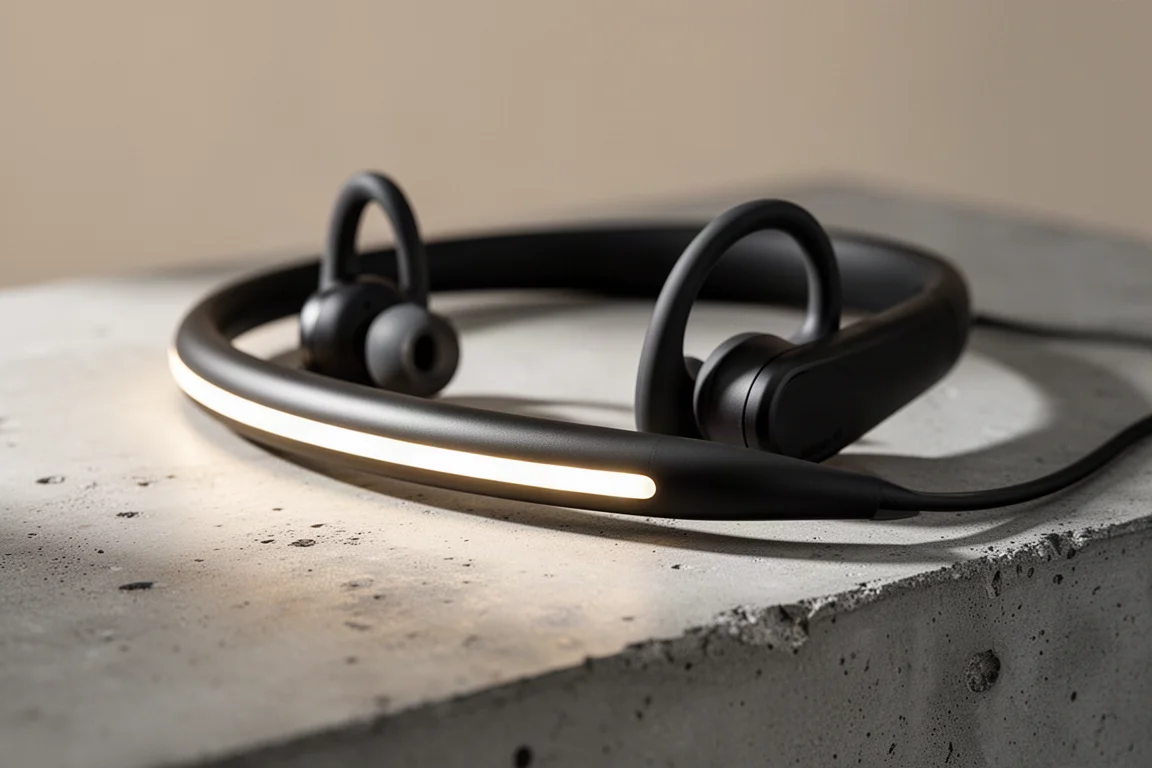
The Wing 2 keeps the neckband-style open-ear bone conduction design of the original Wing, and that is largely a good thing. The fit is very good: the headphones sit securely, do not bounce at running pace, and are easy to forget you are wearing. Physical controls sit in the same places as before, with a volume rocker on the underside of one side and a multifunction button on the other, all easy to use mid-run.
The materials are titanium and silicon, keeping things light, comfortable, and durable, with a weight just slightly higher than the first Wing. Suunto has also moved to an IP66 water-resistance rating, which improves protection specifically for running in heavy rain.

Two sets of LED light strips return, activated from the headphones themselves or from the Suunto app, with new modes added. The lights can now match your running cadence, and there is a mode that activates the lights automatically when you stop at traffic lights while running or brake while cycling. It is a clever development, though the lights could honestly be bigger and brighter to make these features more useful in practice.
Sound is bone conduction once again, with two sound modes: a balanced normal mode for everyday and indoor listening, and an outdoor mode that raises volume at some cost to balance. An anti-wind noise mode cancels out wind in blustery conditions up to 30 km/h and does a very effective job even in stronger wind. Sound quality is good and relatively balanced, but clarity and bass reproduction are not best in class, and there is some sound leakage, which is typical of bone conduction. On pure sound, the Wing 2 sits just below the very best open-ear headphones.
Extra features include dual device pairing, customizable controls, head gesture controls, and assessment features such as a neck mobility test and a jump test for fatigue. The head gestures felt a little too sensitive in use, and the assessment features were unreliable, occasionally booting out of the app. These are extras some runners may find useful, but they are not reasons to buy.
Battery life is up to 12 hours, an improvement over the 10 hours of the original Wing, with more reserve from the included power bank and a quicker fast charge mode for forgotten top-ups. Charging works via USB-C as well as the power bank, which doubles as a charger for other USB-C devices. Real-world battery drop for an hour of running was slightly better than before, and overall the battery experience has been solid.
Shokz OpenRun Pro 2: The Sound Benchmark
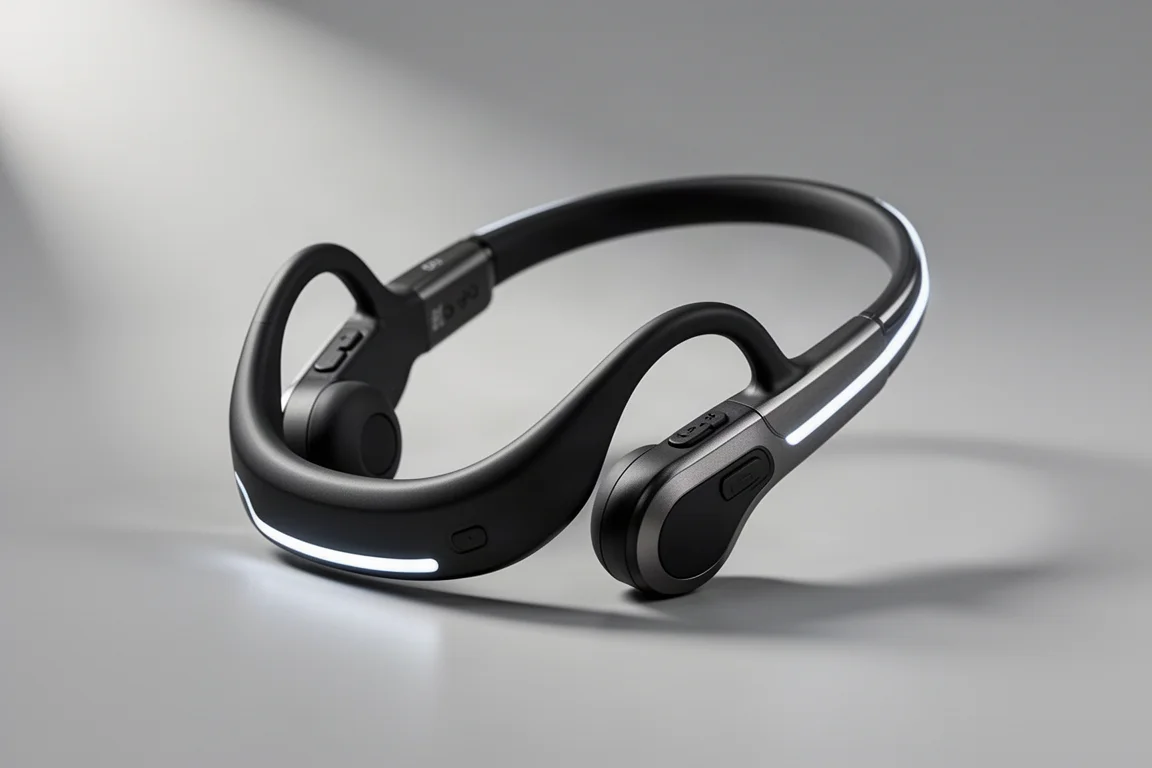
If you look at the best-sounding open-ear headphones in this neckband-style form factor, the Shokz OpenRun Pro 2 is the pick. It uses a mix of bone and air conduction technology, which gives it more versatile sound than pure bone conduction headphones like the Wing 2.

That mixed approach is the key difference. It lets the OpenRun Pro 2 deliver a fuller, clearer sound profile than what pure bone conduction can manage, and it holds that advantage across everyday listening and outdoor running alike. If sound quality is your top priority in this design, it remains the strongest option on all fronts.
The trade-off is straightforward: the OpenRun Pro 2 costs more than the Wing 2, which has seen a price drop from the original Wing. You are paying for the superior sound rather than for extra features.
Buying Advice: Which One Should You Pick?
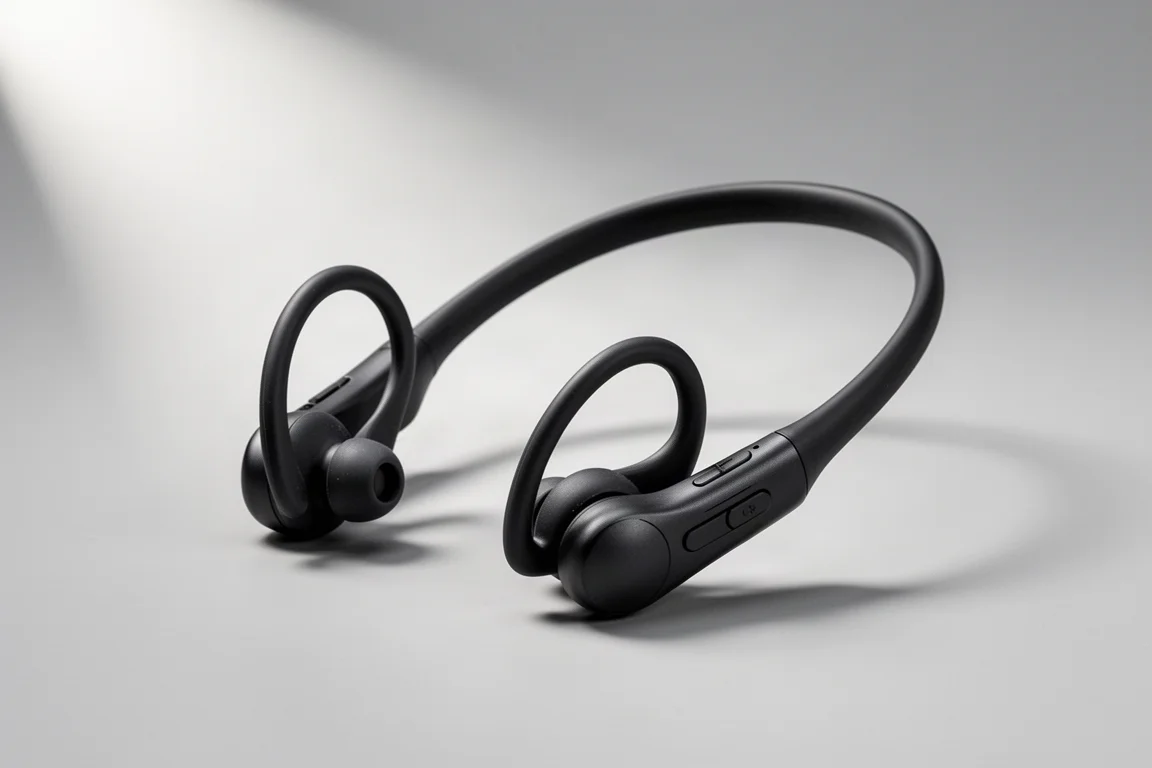
The Wing 2 is now much easier to recommend than the first Wing. The price has dropped to £149 in the UK or $179 in the US, the battery has improved, the IP66 rating makes it better suited to running in rain, and features like the anti-wind mode and dual device pairing work well in daily running. If you want a cheaper alternative to the top pick with a similar neckband design, good battery life, and some nice extras, the Wing 2 fits that brief well.

If you want the best sound available in this design and do not mind paying more for it, the Shokz OpenRun Pro 2 remains the stronger choice. Its combination of bone and air conduction simply produces more versatile sound than pure bone conduction headphones can offer.
Conclusion
Both headphones are a good fit for runners. The Shokz OpenRun Pro 2 is the best in this design on all fronts, particularly sound. The Suunto Wing 2 sits just below it, now at a more competitive price with solid battery life, reliable fit, weather-ready protection, and a handful of inventive extras. Choose based on whether premium sound or better value matters more for your running.
Further reading
Related Reviews
Running Headphones
Beats Powerbeats Pro 2 Long-Term Review: Still a Top Pick for Runners
After a year of running, battery cycles, and multi-device pairing, here is how the Powerbeats Pro 2 holds up as a sports earbud.
Running Headphones
H2O Audio Tri Run vs Shokz OpenRun Pro 2: Which Bone Conduction Headphones Make More Sense?
A value-focused bone conduction option goes up against the best-sounding pair we have tested. Here is how the trade-offs stack up for running and cycling.
Running Headphones
IO Breezy Bone Conduction Headphones Review: Affordable Open-Ear Running Audio
The IO Audio Breezy (IO iT Geo 1) packs Bluetooth 5.3, an IPX6 rating and a 36g frame into open-ear sports headphones that cost about half the price of the leading rivals.