Running Headphones
Suunto Spark vs Shokz OpenFit: Which Open-Ear Earbuds Are Better for Running?
Suunto's first open-ear earbuds take on Shokz's established OpenFit line. We compare fit, sound, battery life, and running features to see which deserves your money.
Introduction
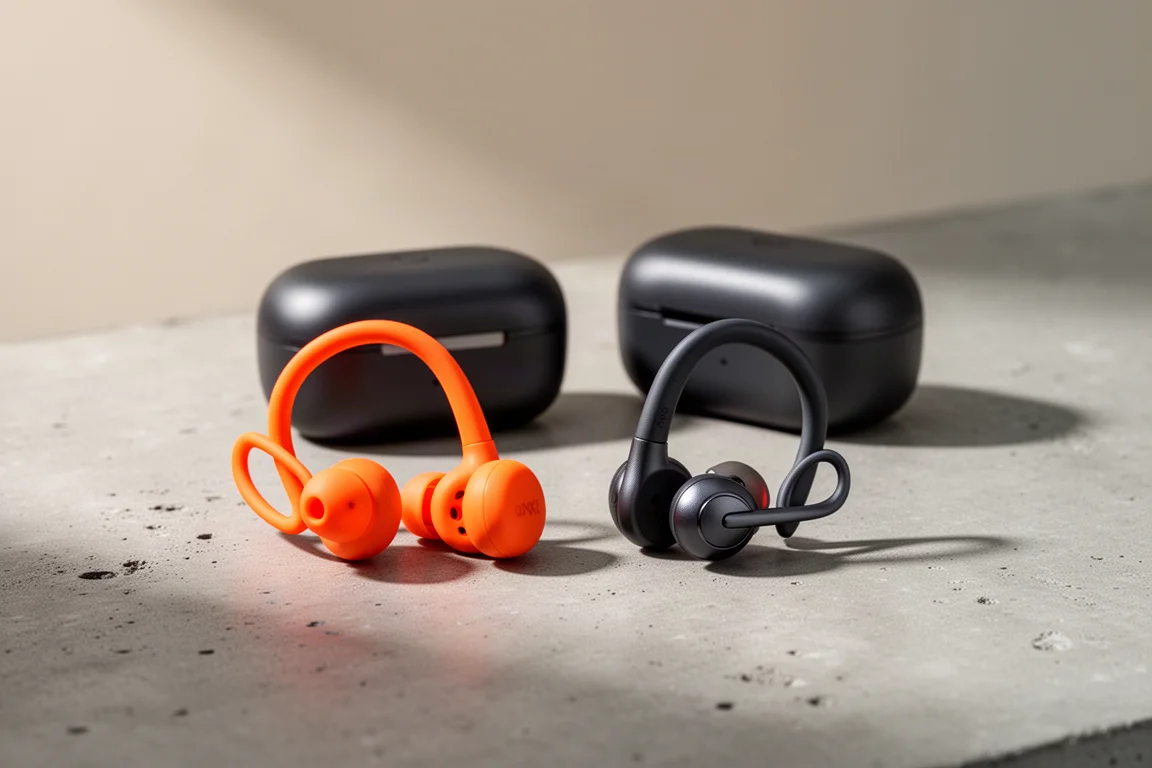
Open-ear earbuds have become the default choice for many runners who want music without losing awareness of traffic, other runners, and everything happening around them. Shokz has long been the dominant name in this space, but Suunto has now entered the market with the Spark, its first truly wireless open-ear earbuds, and it is a serious attempt rather than a cautious one.
The Spark combines an ear hook design, air conduction audio, and a set of running-focused extras, while the Shokz OpenFit line remains the benchmark many buyers compare everything against. Here is how the two stack up for running.
Suunto Spark: Fit and Design
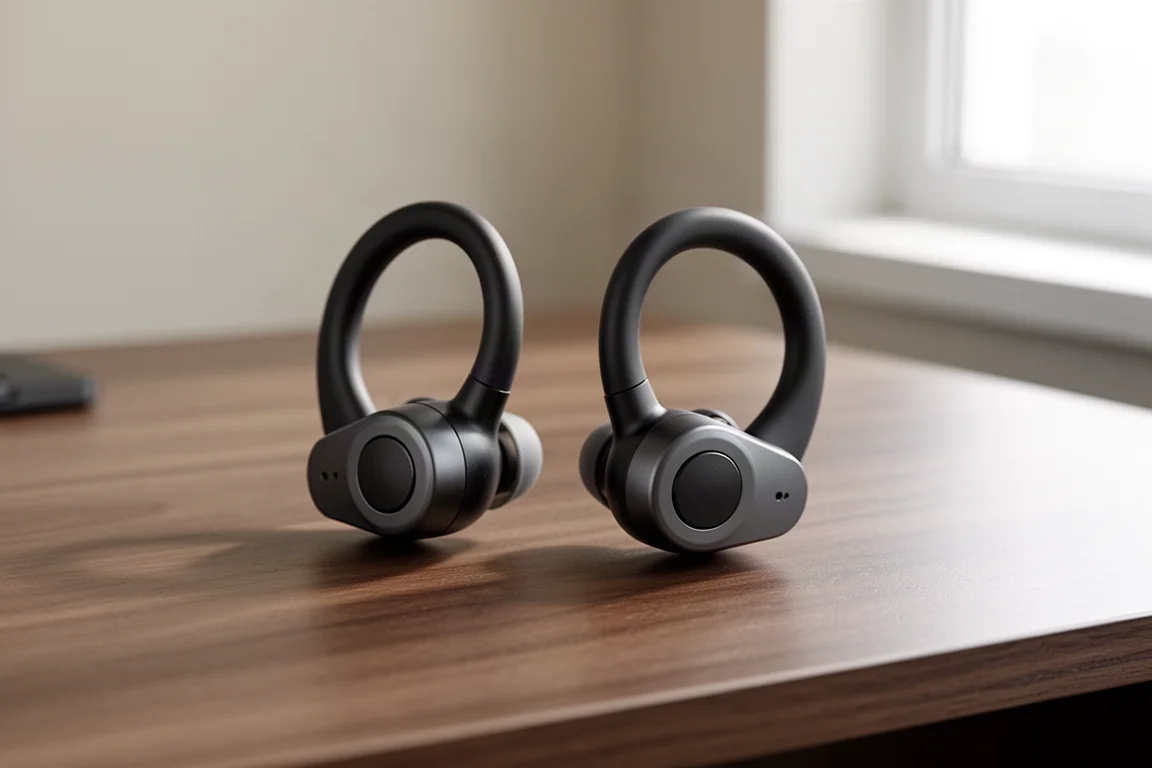
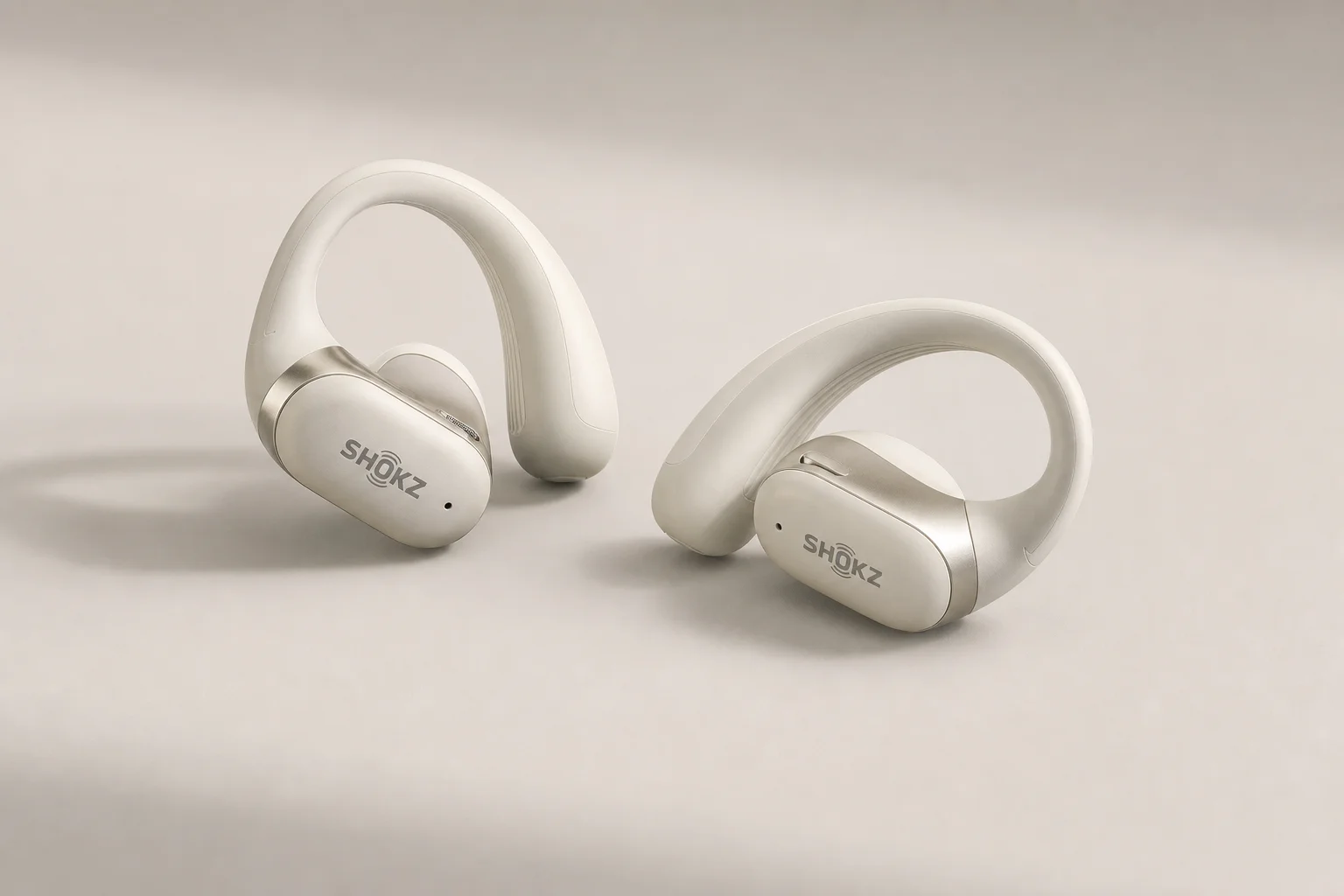
The Suunto Spark uses an ear hook style familiar from other truly wireless open-ear buds, but the execution is where it earns its praise. The buds are small and lightweight with a very flexible hook, and the weight distribution is close to ideal. Once in place, they sit so unobtrusively that you largely stop noticing them, and they stayed secure throughout testing without any fiddling or readjustment.
They also play nicely with other gear. If you run wearing glasses, sunglasses, or a running cap, there is no awkward fight for space on your ear. The bright orange finish is a nice touch too, standing out in a market that almost exclusively offers black, white, and grey.
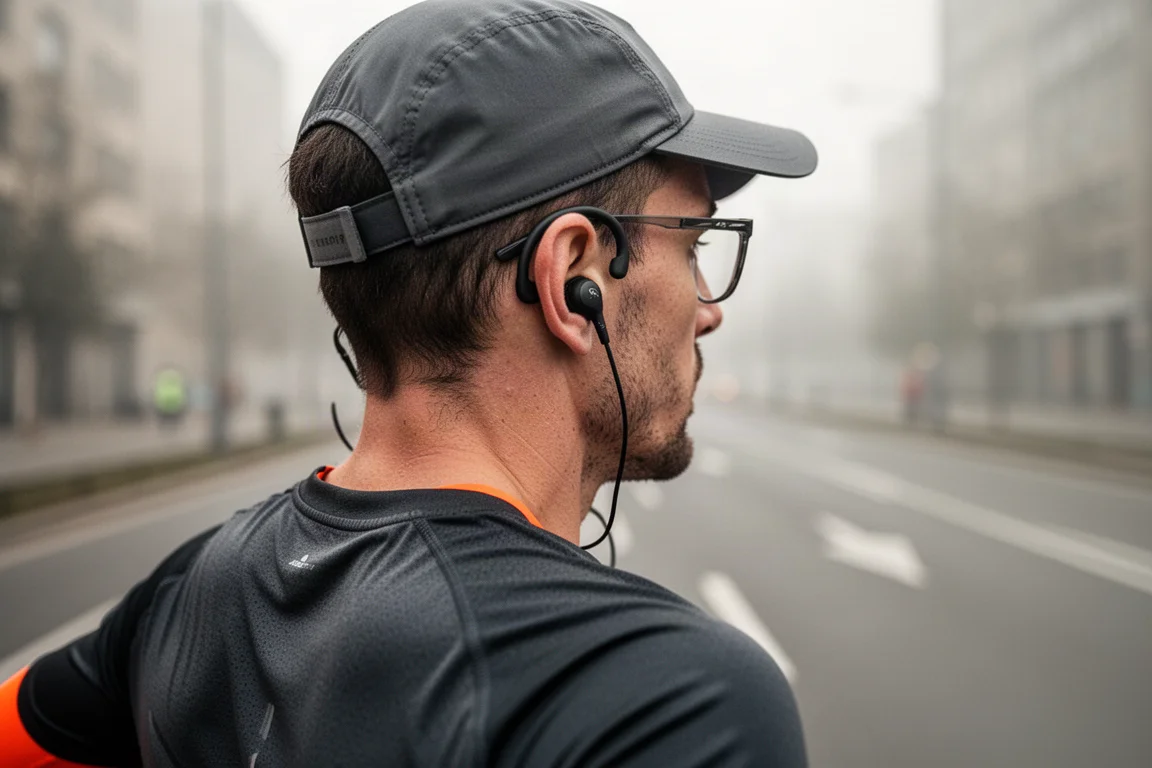
Spec-wise, the Spark carries an IP55 rating, so it handles sweat and rain without concern, and it comes with a charging case that holds an additional 29 hours of battery. The buds support touch controls, head movement controls, and dual microphones for hands-free calls.
Sound Quality: Suunto’s Air Conduction Shift
This is the most interesting part of the Spark. Suunto has moved away from the bone conduction used in its previous headphones and adopted air conduction, essentially placing small speakers close in front of the ear. That change opens the door to more sound customization, and Suunto has taken full advantage of it.
You get four EQ modes in the Suunto app plus a custom EQ option, and an additional spatial audio mode for a more immersive listen. The combination of a balanced EQ mode with spatial audio delivers the best experience: plenty of power, real depth, and clear, bright audio where instruments and vocals stay distinct even at maximum volume during hard runs. There is a decent amount of bass as well, which has historically been a weak spot for open designs.
Compared with the Shokz OpenFit line, the Spark holds its own on sound and, at the UK price point, arguably over-delivers. The main caveat applies to all open-ear headphones: on a busy road or a noisy train, they will not drown out the world the way in-ear buds with passive or active noise cancellation can. Wind and traffic noise cut through less than you might expect, but the classic open-ear volume ceiling is still there.
Controls: Touch Versus Buttons
Neither product nails controls perfectly. The Spark’s touch panels are quite sensitive, though the large surface area for taps and holds means they work better than most running earbuds manage. The single tap control is disabled by default, which is smart, because you would otherwise trigger it every time you adjust the buds.
Head movement controls are included as well. They work fine when you are stationary, such as on an indoor bike or walking, but while running they are easy to trigger accidentally just by glancing over your shoulder for traffic. Most runners will switch them off almost immediately.
If you prefer physical buttons, that is one area where Shokz earbuds have traditionally been more reliable. Two-tap and multi-tap gestures on the Spark work, but doing them mid-run is a bit finicky.
Battery Life and Charging
The Spark offers up to 7 hours per charge with the buds taking under an hour to fully recharge. The USB-C case adds 29 hours on top, for a combined total of 36 hours. The case is not the smallest you will find, but it is smooth and fairly flat, so it pockets easily or disappears into a running belt.
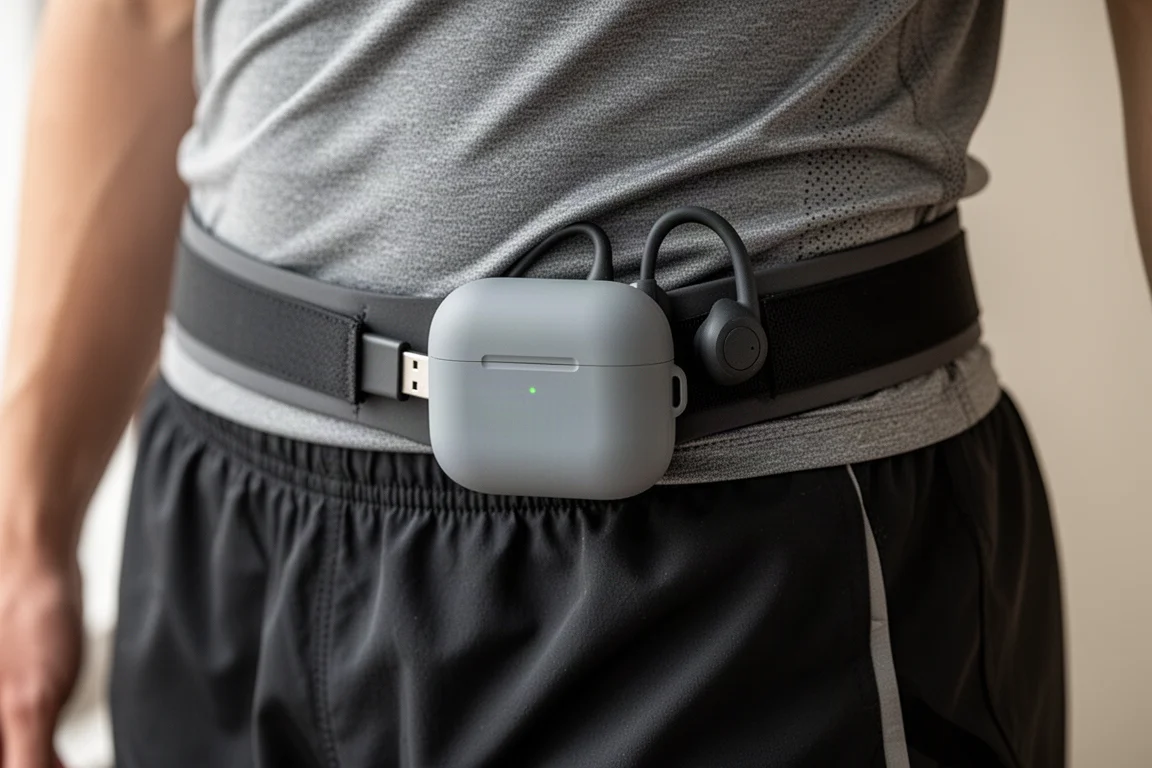
One thing to note: battery drain depends heavily on volume and the EQ mode you choose. Using spatial audio noticeably shortens runtime, while a simpler EQ mode gets you closer to that 7-hour figure. The good news is that because of the air conduction design, you no longer need to run at maximum volume to get a satisfying sound, which helps battery life in practice.
Running Features and Extras
Suunto has loaded the Spark with features beyond audio. A run tracking mode captures advanced metrics like cadence, vertical oscillation, and ground contact time to give insight into your form. In testing, the numbers did not exactly match those from a dedicated watch and chest strap, but the broad story they told was roughly in line. The presentation in the Suunto app could be more glanceable, though.

The metronome mode is probably the more universally useful extra. It plays an audible tick to help you hold a target cadence, and you can layer your music over it. There is also a Find My Earbuds mode for locating individual buds, dual device connection, and the neck fatigue alert and neck mobility assessment features carried over from Suunto’s earlier headphones.
It is worth being honest: none of these extras are reasons to buy. Fit and sound matter far more, and the Spark delivers on both. One small disappointment is the absence of the LED safety lights found on Suunto’s Wing headphones, likely due to the smaller bud design.
Which Should You Buy?
Price is where the picture gets regional. In the UK at £129, the Spark is very good value and competes with the lower-end Shokz OpenFit models. In the US at $179, the calculus shifts, since Shokz OpenFit 2 earbuds can often be found discounted to similar or lower prices while offering equivalent performance.

For pure running use, the Suunto Spark is hard to beat. The fit is among the best of any open-ear bud, the sound quality is excellent for the category, and the battery and case combination is practical. If you want noticeably better sound and do not mind paying substantially more, the Shokz OpenFit Pro and the Bose Ultra Open Earbuds sit a step above, though the Bose takes a clip-on approach that does not hook over the top of the ear at all.
There is also a case for a dual-headphone strategy: a cheaper open-ear pair such as the JLab Epic Open Sport for runs, and a proper pair of in-ear buds with noise cancellation for travel and everyday listening. But if open-ear buds will be your main headphones, the Spark is a very strong option, especially for UK buyers.
Conclusion
The Suunto Spark proves a first attempt at open-ear earbuds can land almost immediately at the top of the category. It fits superbly, sounds better than most open-ear rivals, charges fast, and packs thoughtful running extras into a pocketable case. Shokz remains a safe and familiar choice, particularly in the US where sale pricing can swing the value equation, but for runners who want the best overall open-ear package right now, the Spark makes a compelling case.
Further reading
Related Reviews
Running Headphones
Beats Powerbeats Pro 2 Long-Term Review: Still a Top Pick for Runners
After a year of running, battery cycles, and multi-device pairing, here is how the Powerbeats Pro 2 holds up as a sports earbud.
Running Headphones
H2O Audio Tri Run vs Shokz OpenRun Pro 2: Which Bone Conduction Headphones Make More Sense?
A value-focused bone conduction option goes up against the best-sounding pair we have tested. Here is how the trade-offs stack up for running and cycling.
Running Headphones
IO Breezy Bone Conduction Headphones Review: Affordable Open-Ear Running Audio
The IO Audio Breezy (IO iT Geo 1) packs Bluetooth 5.3, an IPX6 rating and a 36g frame into open-ear sports headphones that cost about half the price of the leading rivals.