Running Headphones
Suunto Sonic Review: A Lighter, More Affordable Bone Conduction Option for Runners
Suunto's follow-up to the Wing trims features and price to deliver a comfortable, competitive open-ear headphone, though battery life needs a closer look.
Introduction
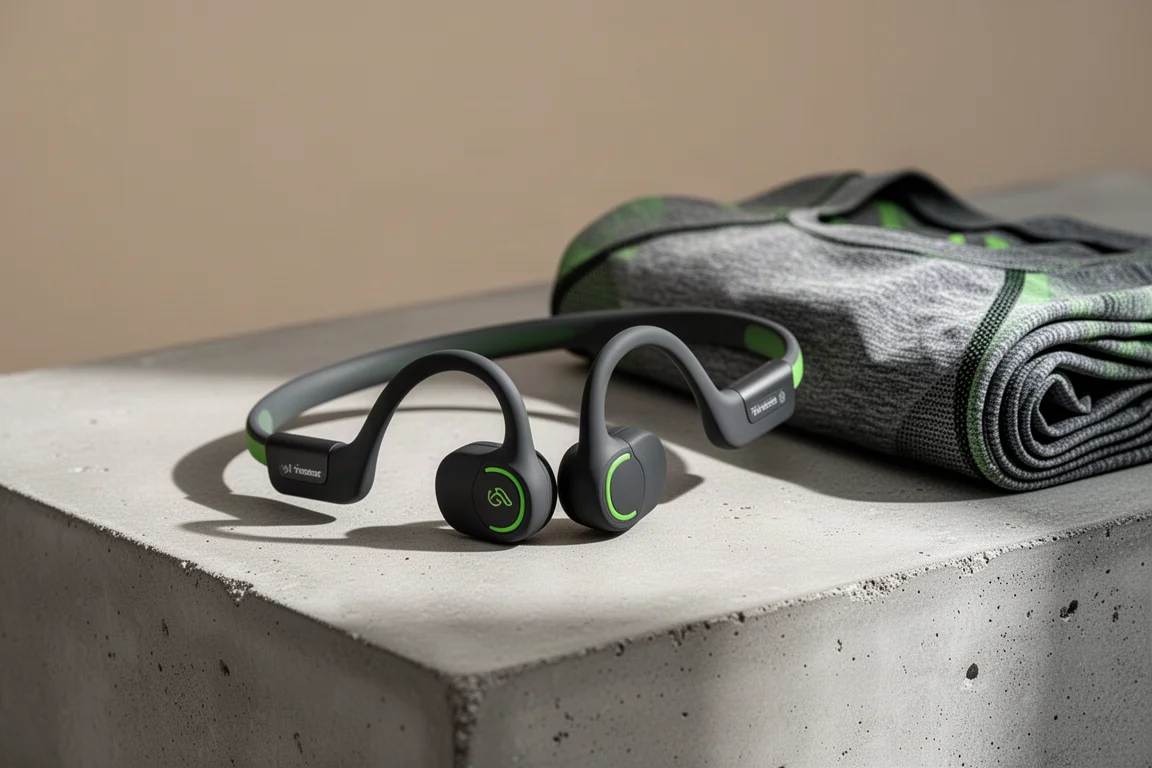
The Suunto Sonic is the follow-up to the Suunto Wing, and it takes a clear direction: strip things back, slim down the design, and come in at a price that competes properly with the rest of the bone conduction market. Where the Wing felt overpriced for what it delivered, the Sonic lists for £129 in the UK or $149 in the US, and has already been seen for around £85 on Suunto’s own website.
After long-term testing over two to three months of regular running, including marathon training blocks with long runs in the mix, the Sonic comes across as a genuinely better proposition than the Wing. It is lighter, more comfortable, better sounding, and more in keeping with the competition. The one significant question mark is battery life at high volumes, which we will get into below.
Who the Suunto Sonic Is For
The Sonic is built for runners who want to stay aware of their surroundings while still getting audio on the move. Like all bone conduction headphones, it sits outside the ear and transmits vibration toward the cheekbones, trading maximum sound quality for situational awareness. If you run on open roads, in shared spaces, or anywhere you want to hear traffic and people around you, that balance is the point.
It is also a strong candidate if you like the idea of Shokz’s open-ear range but do not want to pay Shokz prices. The Sonic is pitched directly against the Shokz OpenRun, and for most everyday running needs it holds its own. Runners who already own and enjoy a Suunto product will find the design language familiar and easy to live with.

Design and Fit
The neckband wraparound design is very close to what Shokz offers, and that is largely a good thing. The fit against the ears, the shape of the band, and the way it sits on the head all feel familiar and comfortable. The build uses titanium in the band with silicone over the contact points, so nothing hard presses against the sides of your head. Weight is slightly lighter than the pricier Suunto Wing and similar to the Shokz OpenRun, and no fit issues came up across months of testing.
Controls are physical and well thought out. The multifunction button on the left side is the right size and easy to find mid-run: one click pauses, a couple of clicks skips a track. On the underside of the arms you get a volume rocker and the power and pairing button. Everything is intuitive, and the left button supports more functions if you want to learn them.
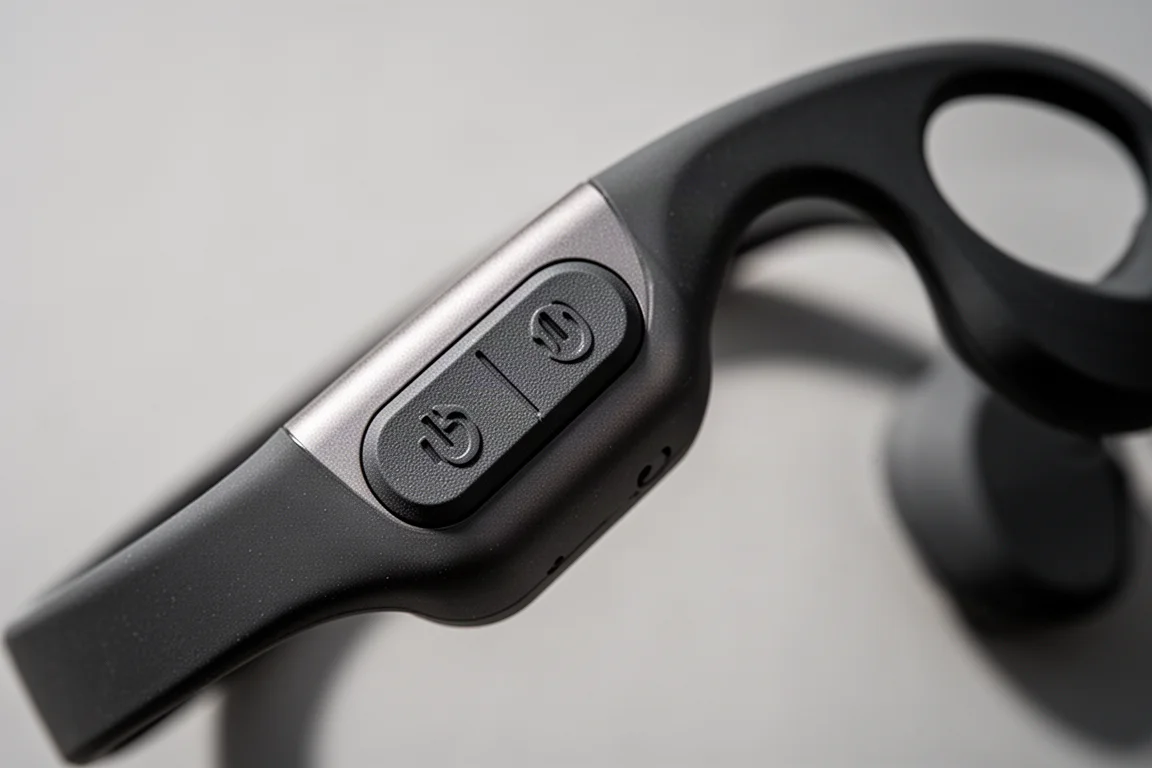
There are two downgrades versus the Suunto Wing worth knowing about. The Sonic carries an IP55 rating for dust and sweat resistance, but you cannot rinse it under a tap like the Wing. More disappointingly, the Wing’s portable charging case is gone. The Sonic uses a proprietary charging cable, similar to many Shokz headphones, so you will need to keep that cable around.
Sound Quality
Suunto has fitted a new transducer in the Sonic, aimed at boosting bass and reducing sound leakage compared with the Wing. The company also provides two sound modes through the companion app: a normal mode for everyday indoor use, and an outdoor mode that raises the overall loudness and adds a little more bass presence. Outdoors, the outdoor mode is the one to use, as it delivers a clear step up in volume.
In practice, the Sonic sounds noticeably better and more balanced than the Suunto Wing, and sits close to the Shokz OpenRun. Podcasts and audiobooks are easy to listen to even on busier roads, which was not always true of older bone conduction sets. It does not match the clarity and finesse of the more expensive Shokz OpenRun Pro, OpenRun Pro 2, or Bose Ultra Open, but it is not far off, sitting just below that tier.

Two caveats apply. Sound leakage still exists; the improvement over the Wing is small, and these remain headphones that others nearby may hear. And at louder volumes you get the familiar bone conduction tickle, a slight tingling vibration at the ear. It is a bit more noticeable here than on recent Shokz models and can be mildly annoying for the first few minutes of a run, but it settles and never became uncomfortable.
Connectivity
Multipoint pairing is supported, letting the Sonic connect to two Bluetooth devices at once, enabled through the Suunto app. Across testing with iPhone, Android phones, a Garmin watch, and an Apple Watch, connectivity was consistently solid with no issues reported.
Battery Life and Charging
Suunto claims up to 10 hours of battery life at 60% volume, and the maths checks out at that level: an hour of running at moderate volume consumed roughly 10%. The catch is that most runners, particularly outdoors, listen far louder than that. At full volume, real-world battery life drops to around six to seven hours.
There was also a more concerning incident: on a three-hour long run, a fully charged pair ran out at around two and a half hours, well short of expectations, even though low-battery notifications had appeared on previous runs despite charging. This may come down to consistently listening at maximum volume, but it is a bigger drop than comparable Shokz headphones show under the same conditions. For runs under about an hour and a half, it is not a problem; for very long runs, it is a real consideration.
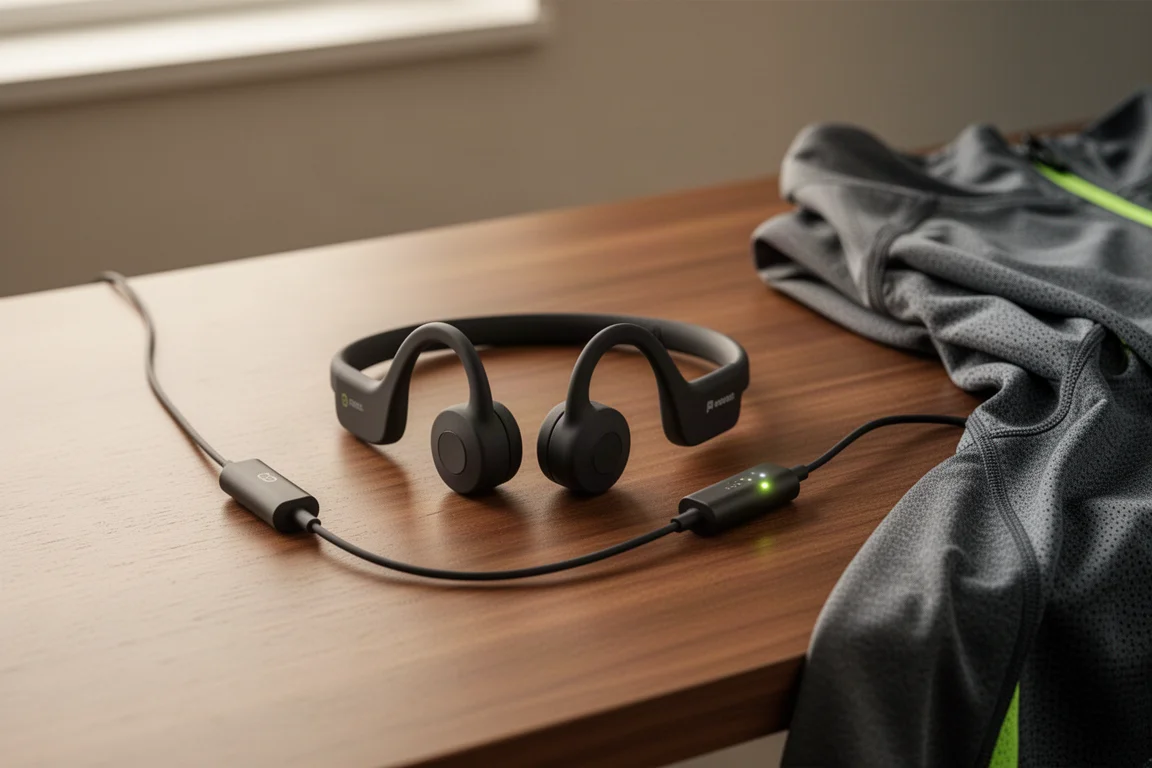
The saving grace is fast charging. If you forget to charge before heading out, a short session with the proprietary cable gives you enough power for a few hours of running, which takes some of the sting out of the shorter real-world figure.
Buying Advice
The Sonic is a better option for runners than the Suunto Wing, which got the price wrong and under-delivered on sound. The Sonic strips back the extras and in return gives you a lighter, more comfortable headphone with sound that finally keeps pace with the competition.
Against the Shokz OpenRun, it is very similar in design, comfort, controls, and overall experience, and there is little you would genuinely miss by choosing it. Against the pricier OpenRun Pro, OpenRun Pro 2, and Bose Ultra Open, the Sonic sits just below in sound quality. Those premium sets still win on clarity, versatility, and, notably, on battery life at high volume and high-volume comfort.
The deciding factor is price. At the £85 level it has recently been available at, and especially below £100, the Sonic is well worth picking up as an alternative if Shokz pricing does not appeal. If you regularly run longer than an hour and a half at high volume, battery life is the reason to hesitate, and the Shokz OpenRun may be the safer pick.
Conclusion
The Suunto Sonic does almost everything right for a mid-priced bone conduction running headphone: comfortable familiar design, easy physical controls, improved and more balanced sound, solid multipoint connectivity, and useful fast charging. Its weaknesses are a loss of the Wing’s portable charger, reduced durability, and battery life that falls well short of the headline figure at loud volumes. If you can find it at a discount and your runs stay under about two hours, it is one of the more compelling Shokz alternatives currently available.
Product link
View more details for Suunto Sonic
This product is mentioned in the review. Check the specifications, options, and compatibility before buying.
View more details for Suunto SonicFurther reading
Related Reviews
Running Headphones
Beats Powerbeats Pro 2 Long-Term Review: Still a Top Pick for Runners
After a year of running, battery cycles, and multi-device pairing, here is how the Powerbeats Pro 2 holds up as a sports earbud.
Running Headphones
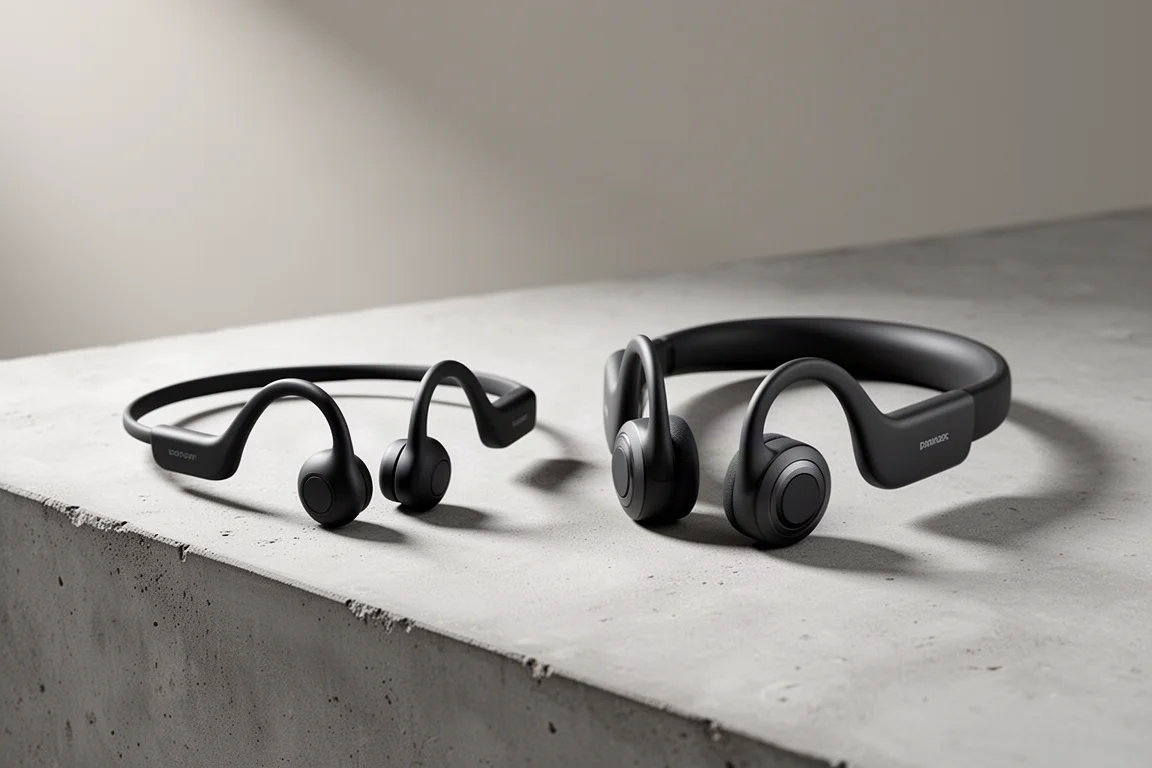
H2O Audio Tri Run vs Shokz OpenRun Pro 2: Which Bone Conduction Headphones Make More Sense?
A value-focused bone conduction option goes up against the best-sounding pair we have tested. Here is how the trade-offs stack up for running and cycling.
Running Headphones
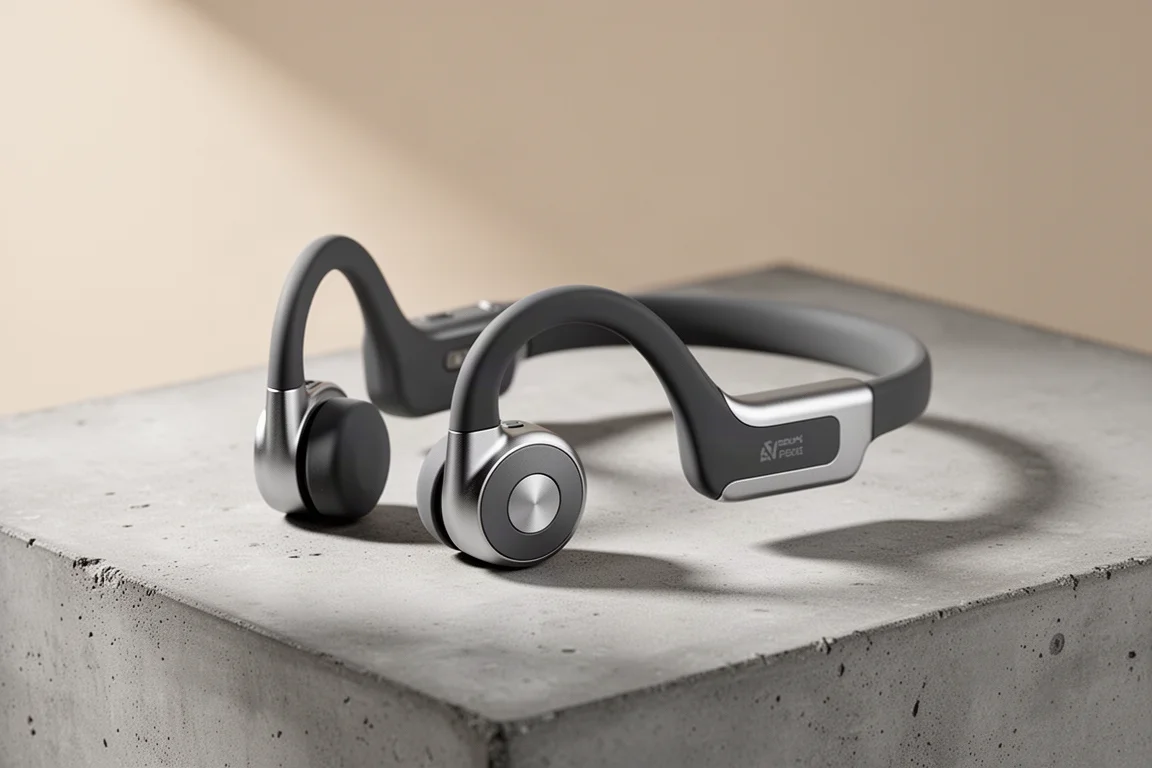
IO Breezy Bone Conduction Headphones Review: Affordable Open-Ear Running Audio
The IO Audio Breezy (IO iT Geo 1) packs Bluetooth 5.3, an IPX6 rating and a 36g frame into open-ear sports headphones that cost about half the price of the leading rivals.