Running Watches
Suunto Run Review: A $249 Running Watch with Multiband GPS
Suunto's running-focused watch takes most of the Suunto Race formula, drops it to $249, and adds music playback, track mode, and dual-frequency GPS.
Introduction
The Suunto Run is a running-focused watch that takes almost everything from Suunto’s more expensive Race series, drops the price to $249, and adds features that have not appeared on Suunto’s higher-end watches yet. Over recent weeks of testing across trail runs, road runs, track sessions, outdoor cycling, outdoor swimming, and indoor rides, it has proven to be a compelling package for the money, with a few trade-offs worth understanding before you buy.
Who This Watch Is For
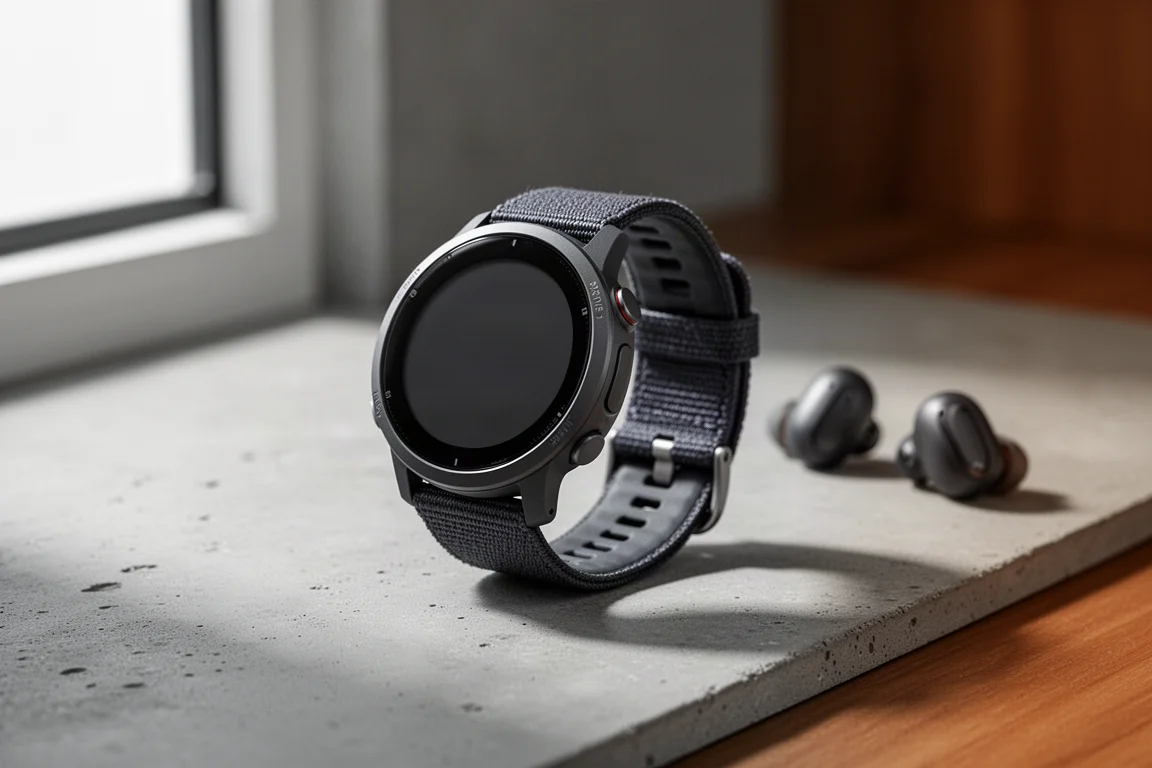
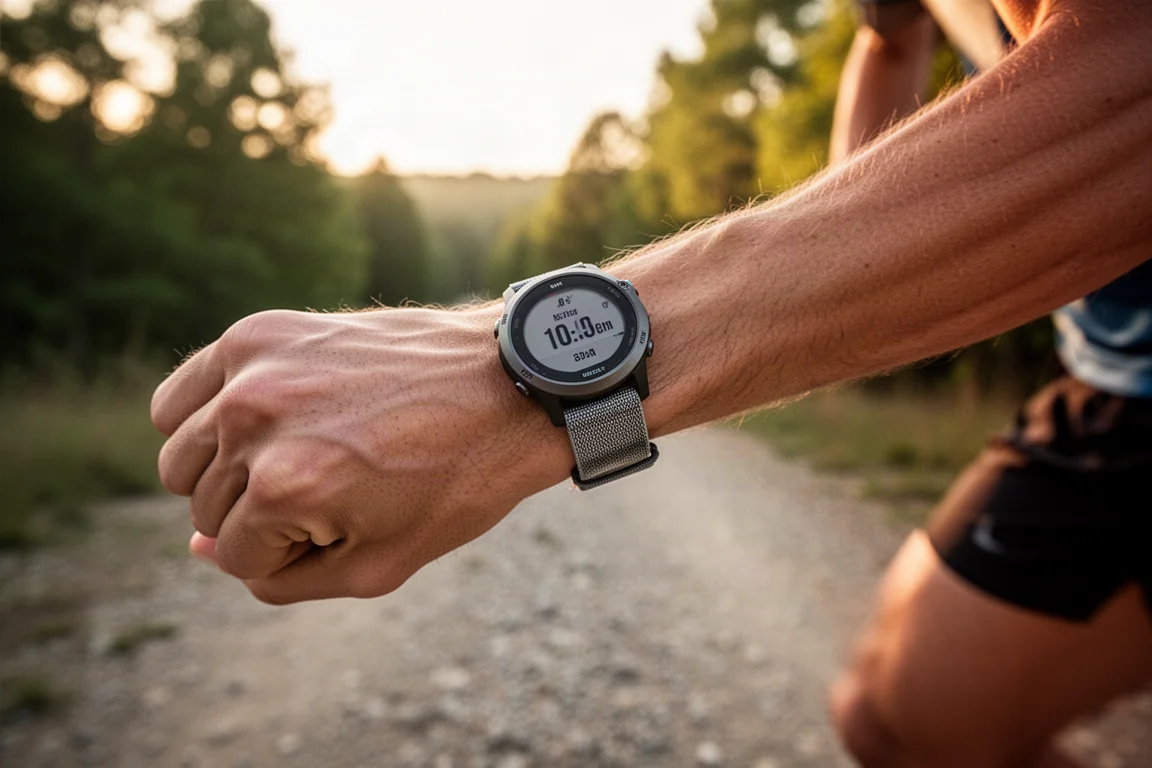
Right out of the box, two things stand out. First, the watch comes with two differently sized fabric straps, and the large one comfortably fits bigger wrists. Second, it is genuinely light: just 36 grams all-in with the fabric strap, and it uses standard 22 mm watch straps, so you can swap them out for anything you prefer.
There is also a version sold in mainland China that adds Alipay support, but that model is not available outside mainland China. Otherwise, the hardware story is mostly positive, with one clear exception covered in the next section.
Main Strengths
Music Playback and Voice Feedback
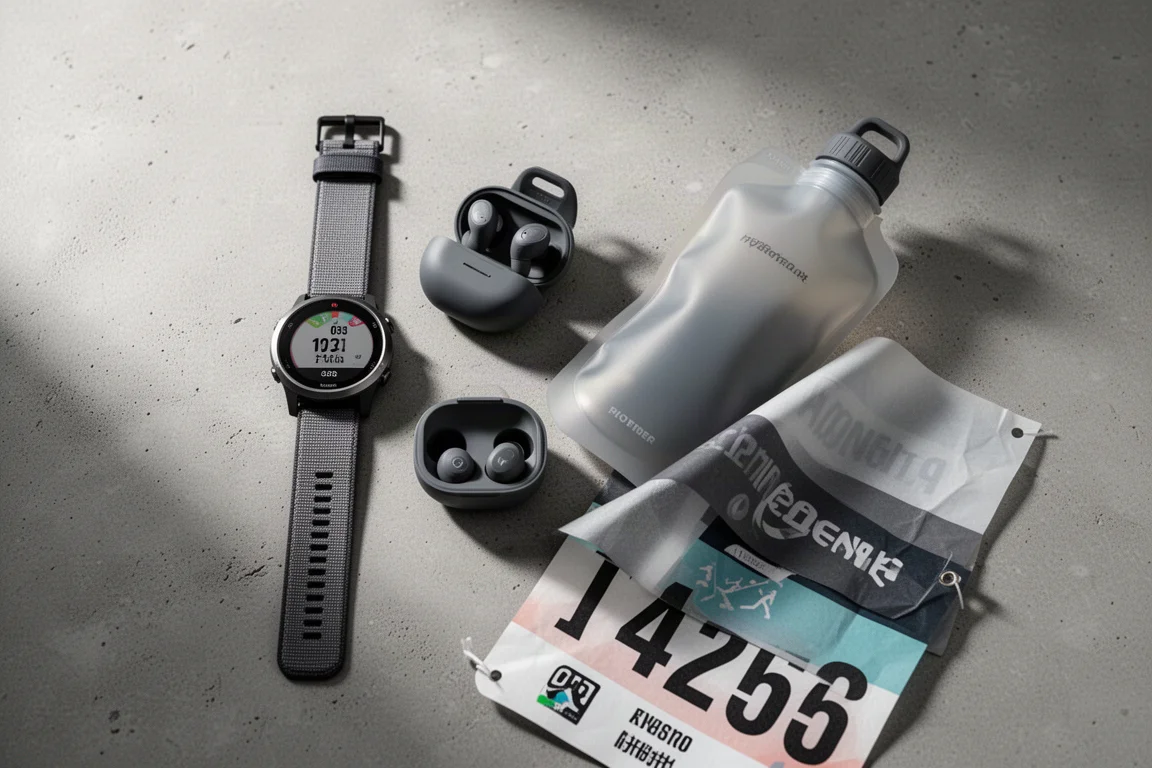
The headline new feature is music playback directly from the watch. It carries 4 GB of internal storage for MP3 files, and once paired with wireless headphones such as AirPods Pro, you can run phone-free. There is no streaming support, so no Spotify, Amazon Music, or YouTube Music, and loading MP3 files onto the watch is slow. Playlist creation happens in the Suunto app, though the watch ignores folder structure, so albums can end up as one big pile of songs. It also delivers voice feedback straight from the watch to your headphones, without needing the app at all, so you can hear lap splits even without loading any music.
Dual-Frequency GPS at $249
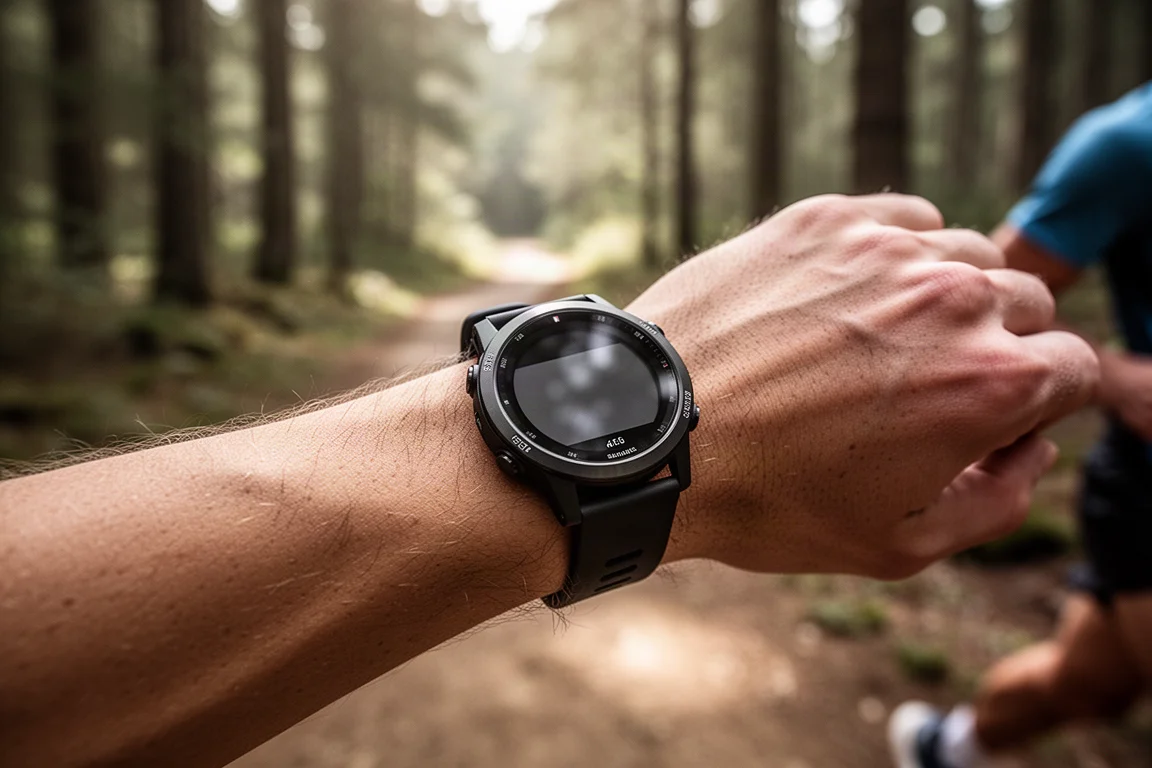
For a $249 GPS watch, having multiband, dual-frequency GPS is a genuinely big deal and remains unusual at this price point. In testing, it paid off: trail routes along cliff edges and under overhangs tracked cleanly, and mountain rides handled fast descents and tight switchbacks without issue. Elevation accuracy is equally solid thanks to the barometric altimeter and compass, matching other barometric watches across multiple mountain routes.
Running Track Mode and Marathon Tools
The new running track mode learns the 400-meter oval after a couple of calibration laps, then snaps distance and pacing to that track for future visits. After choosing your lane, intervals started and ended precisely at the 0 and 200-meter lines in testing, with distances spot-on. The oval geometry itself is slightly offset in how it renders, similar to what occasionally happens with Garmin, though the measured results remain excellent.
A new marathon sport profile estimates your finish time throughout the race and simplifies the funky math that tends to happen in the final stretch. Hydration and nutrition alerts are configurable in the Suunto app with custom reminder intervals, and a new metronome offers audible and vibration alerts for cadence pacing.
Recovery, Widgets, and the New Platform
A consolidated recovery widget combines HRV, sleep, and training stress balance into a single score that fluctuates through the day, and a 3-minute post-workout recovery period is logged automatically. There is also a breathing widget with preset and custom timers. Under the hood, this watch runs an entirely different operating system from the Race series, with only the GPS chipset carried over, which explains the subtly tweaked UI. Popular Suunto app features have been pulled into native functionality, including Ghostrunner mode, Challenge Mate, and duration, distance, calorie, and ascent training goals within each sport mode. Structured workouts built yourself work well and sync to the watch, and completed workouts sync outbound to Training Peaks and other platforms.

The user interface offers eight watch faces and up to six pinned widgets, with a well-designed dashboard that shows anything scheduled for today plus recent and full sport profile lists. Tapping the upper button instantly loads your last-used sport profile and its settings.
Things to Consider Before Buying
The new magnetic charger is the worst part of the package: the magnets are weak, alignment is fiddly, and the connection jiggles loose easily. The optical heart rate sensor is serviceable rather than excellent. Steady-state trail running looked spot-on against a chest strap, but track intervals showed occasional offsets and dropouts, indoor steady-state rides had minor spikes, and hard outdoor descents with sprints caused readings to fall apart. For mostly steady efforts it is mostly fine; for hard interval work, a chest strap remains the better answer.
Open water swim tracking is the other weak spot: better than some flagship alternatives but not as accurate as a reference track, which may disappoint frequent open water swimmers.
The bigger structural trade-off is the Suunto Plus app store: it is not available on this watch, and Suunto has not committed to bringing it to this platform. That means no Training Peaks workout sync inbound, so coached workouts will not load onto the watch. If you are new to Suunto, this likely will not matter much; if you are coming from other Suunto watches, it might. Navigation works via breadcrumb-style route following with off-course alerts, including routes pulled from Strava, but there are no offline maps. Those remain a feature of the Race series, which costs about $100 more.
A few small interface gripes: the control panel oddly sticks at the top of the widget list, six pinned widgets feels restrictive, and training volume resets every Monday morning rather than using a 7-day trailing load as most competitors do.
Buying Advice
At $249, the Suunto Run is a really good deal, largely because you get the full Suunto ecosystem behind it: route planning and navigation features in the Suunto app, structured workout creation, outbound syncing to many platforms, recovery and training load metrics, a full set of sport profiles, and dual-frequency GPS that is genuinely rare at this price. For runners who do not need offline maps or Suunto Plus apps, it is one of the strongest value propositions in its class.
Conclusion
The Suunto Run proves you no longer need to spend flagship money for accurate land-based GPS tracking and a deep feature set. With music playback, track mode, marathon tools, and recovery metrics packed into a 36-gram watch, the weak charger and average optical heart rate sensor are trade-offs most runners can live with. If your training is mostly steady-state running and you want serious GPS accuracy on a budget, this watch deserves a close look.
Product link
View more details for Suunto Run
This product is mentioned in the review. Check the specifications, options, and compatibility before buying.
View more details for Suunto RunFurther reading
Related Reviews
Running Watches
Coros Pace 3 Running Watch Review: Why Software Matters More Than Specs
The Coros Pace 3 prioritizes runner-focused design and intelligent software over expensive hardware. Here's why it outperforms watches that cost twice as much.
Running Watches
GPS Running Watch Accuracy Test: Seven Watches Compared Across Urban, Trail, and Race Conditions
We tested seven popular running watches from major brands in three different environments to find out which delivers the most accurate GPS tracking for distance and pace.
Running Watches
Garmin Forerunner 70 Review: Garmin's Cheapest Forerunner Is More Capable Than You'd Expect
The new entry-level Forerunner 70 brings an AMOLED screen, a fresh interface, and real training analysis for £219/$249, with a few trade-offs to weigh before buying.