Running Watches
Suunto Run 2 Review: A Big Upgrade Priced Into Tougher Competition
Brighter AMOLED, offline maps, better heart rate accuracy and slicker software make the Suunto Run 2 a strong package, but the price jump changes the picture.
Introduction
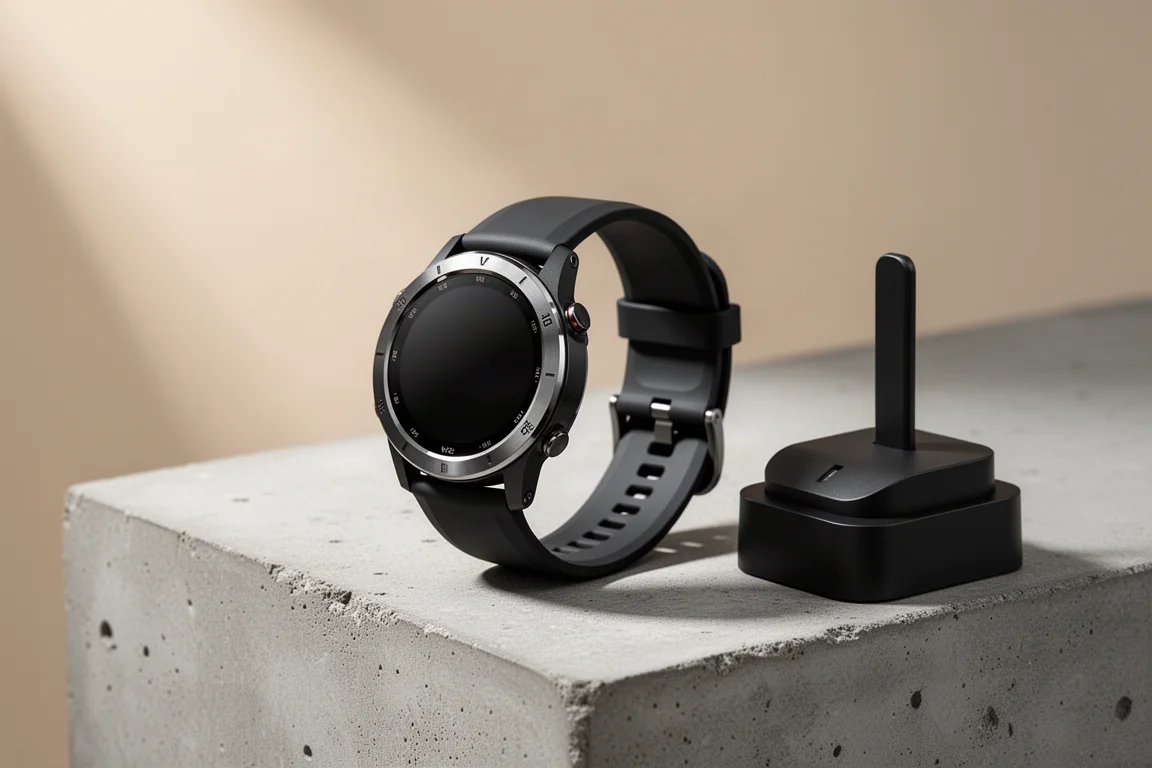
The Suunto Run 2 is the follow-up to Suunto’s most affordable AMOLED running watch, and it arrives with meaningful upgrades across hardware, software and pricing. After weeks of daily testing, the essentials look genuinely good: accurate dual-band GPS, the most reliable optical heart rate performance we have seen from Suunto, offline maps and a bright new display, all in a lightweight design.
The complication is the price. The Run 2 starts at £265 in the UK or $349 in the US, a considerable jump from the original Run. That moves it into direct competition with the Coros Pace 4 and Garmin Forerunner 170, two watches that were not previously in its weight class. There are two storage versions, with a larger 64 GB model at £299 or $399.
This review looks at what has changed, what works, what does not, and whether the Run 2 still earns a place on your shortlist.
What’s New Compared to the Suunto Run
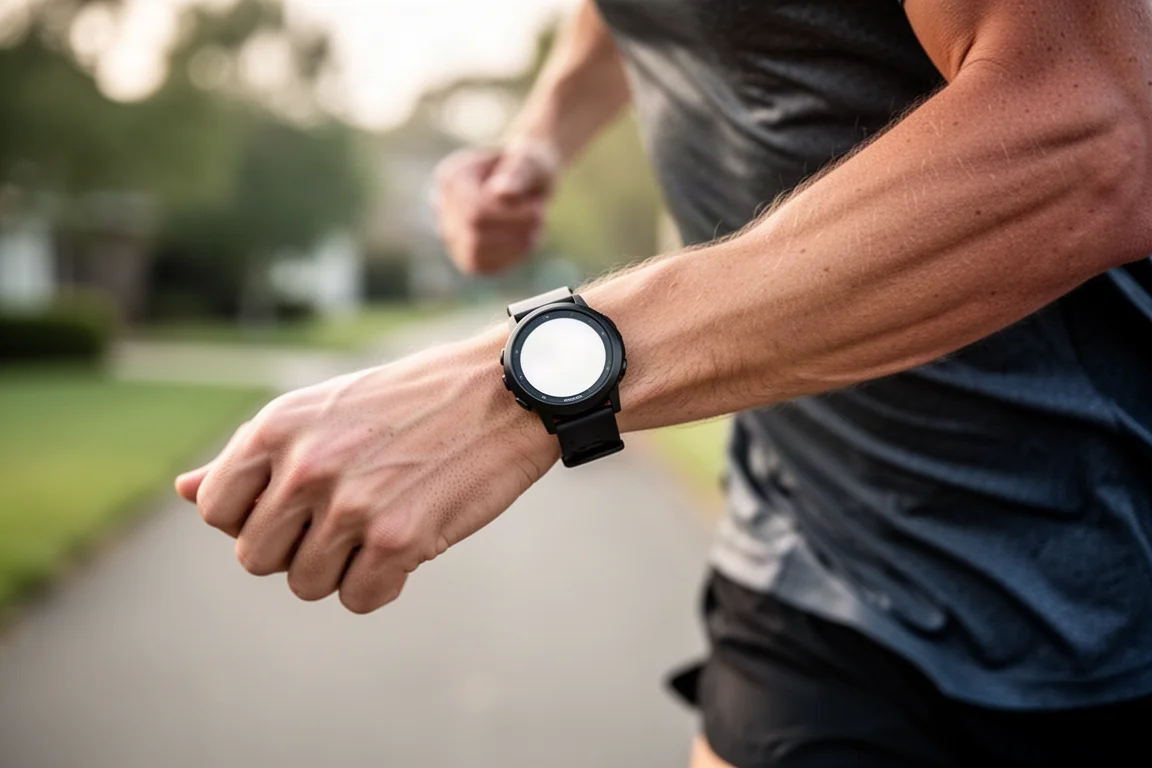
The headline changes are a brighter AMOLED touchscreen, a new 12-channel optical heart rate sensor, an updated dual-band GPS setup, offline color maps, dedicated race modes including marathon distance, a ghost runner mode, and battery life of up to 10 days in smartwatch use or 24 hours in the most accurate GPS mode. There is also a new storage option, with 32 GB and 64 GB variants.
None of these changes would matter much if the core experience had not improved, but the Run 2 feels like a genuine step forward rather than a refresh by numbers. The software is noticeably faster, the tracking is more accurate, and the mapping support finally arrives on Suunto’s affordable line. The trade-off for all of it is the higher price, which is the single biggest thing that has changed.
Design and Display
Suunto continues to make watches that look and feel more substantial than their price suggests. The Run 2 pairs a stainless steel bezel with Gorilla Glass and a plastic back casing, a combination common at this level. It is tough enough, good looking, and at 35 g it sits comfortably close to the wrist with a low-profile heart rate sensor. Wearability is excellent, among the best for a smaller running watch.
The brighter AMOLED screen is a clear improvement over the original Run, and it holds up well against rivals, reading easily in most light conditions. The touchscreen and buttons are responsive, and a scrolling crown is genuinely useful when your fingers are sweaty or sticky with gel. The silicone strap is comfortable, though the clip can be a little unreliable.
GPS and Heart Rate Accuracy
Accuracy is where the Run 2 quietly earns its keep. Dual-band GPS performance was consistently strong across regular semi-urban routes, tree-covered river paths and even an underpass, holding up against much more expensive watches. On Chamonix trails it stayed on par with premium hardware for most of the run, with only one brief section where the track wandered wide.
Heart rate tracking is the bigger story. Historically Suunto optical sensors have been inconsistent, but across two weeks of daily running the Run 2 was essentially faultless, matching a chest strap on steady runs, interval sessions and hard efforts. There were occasional small deviations on steep trail shifts, but averages came in close, and nothing suggested a reason to distrust the sensor. For most runners, this is the best optical heart rate performance Suunto has shipped, and it is reliable enough to leave the chest strap at home most of the time.

Maps, Battery Life and Software
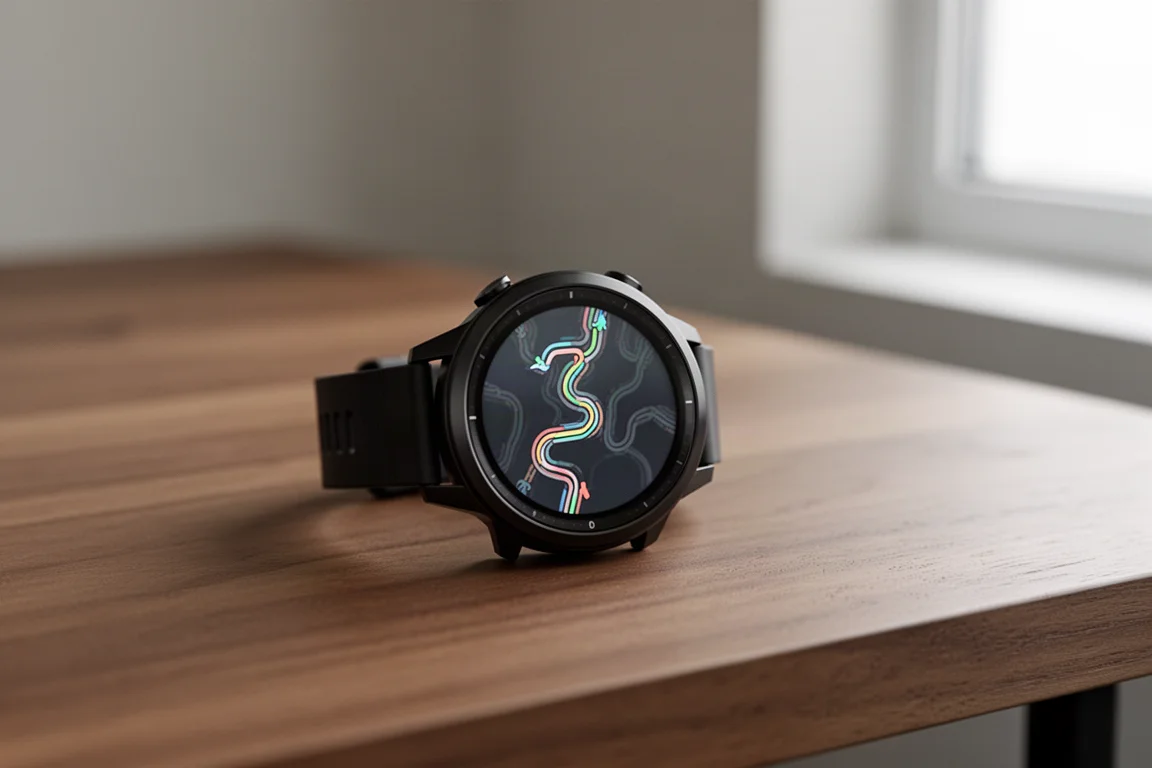
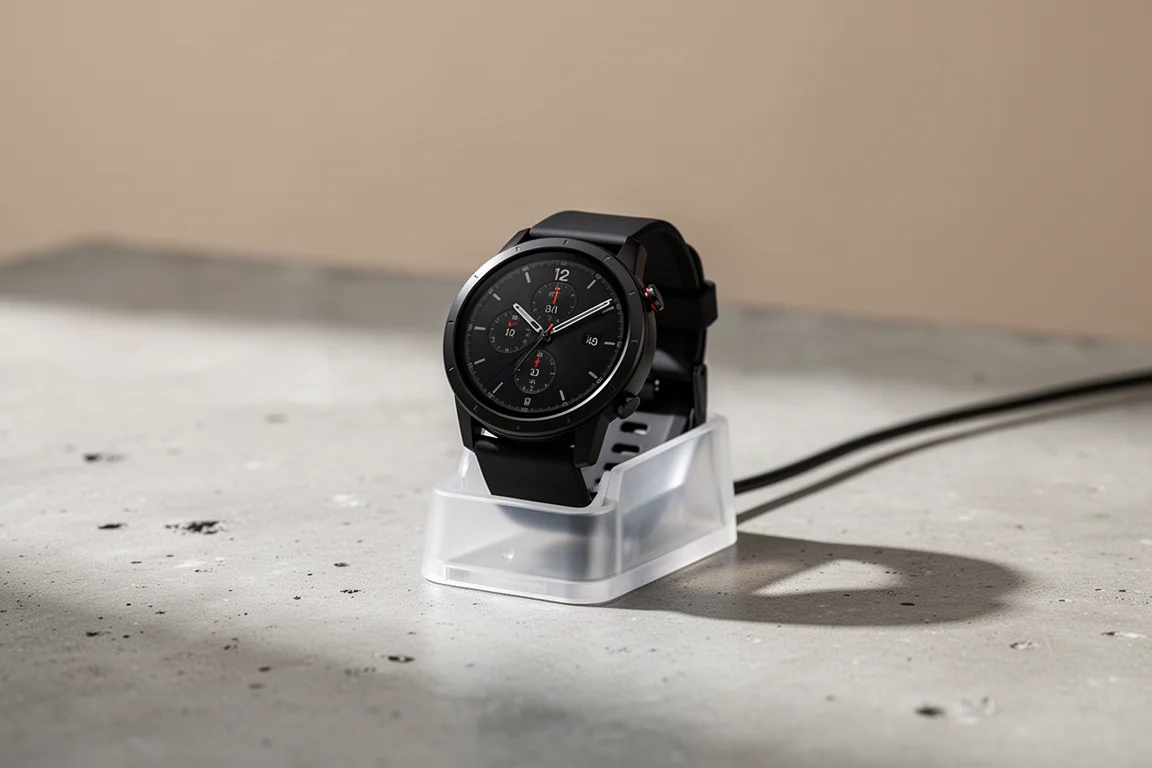
Offline maps are a major addition. They are clear and detailed, easy to follow on routes, and helpful for getting back to your start point or reversing a route on the fly. They are not routable maps in the Garmin sense, so you will not get on-the-fly route creation or guidance home, but they cover what most runners need, and syncing them over Wi-Fi via the charger is straightforward.
Battery life is good but nuanced. Suunto claims up to 10 days in smartwatch use and 24 hours in the most accurate GPS mode, which comfortably outlasts smaller Garmin options. In real testing with the always-on screen and daily GPS, five to six days was typical, and a 90-minute run could burn as little as 5%. Overnight drain is very low. Still, the Coros Pace 4 remains the stronger choice if battery life is your priority.
The software is the biggest improvement, and the biggest remaining weakness. Menus and the companion app feel much snappier than before, a real step forward for the Suunto ecosystem. But training analysis leans on TrainingPeaks-derived metrics and acronyms like NGP and TSS that are harder to parse than Garmin or Coros equivalents. Customization is limited on the watch itself, step counts run low, sleep tracking can miss sleep onset, and there is no NFC payment. Minor pre-release bugs, including inconsistent charging to 100% and an unreliable always-on display, should hopefully be addressed with updates.
Things to Consider Before Buying
The price is the central consideration. A 20 to 30 pound or dollar increase would have been easy to accept for these upgrades; the actual jump puts the Run 2 up against watches that cost considerably less while offering a lot of the same features.
The Coros Pace 4 is around 20 pounds cheaper, includes offline maps, offers excellent battery life and a user experience many find more intuitive. The Garmin Forerunner 170 and its music variant, priced near the 64 GB Run 2, deliver a slicker smartwatch experience, contactless payments, richer health tools and more approachable training analysis, though they lack maps. And within Suunto’s own lineup, the original Run is now available at under £200 and the Race S can often be found in sales for less with maps included.
If you do not need offline maps or the improved heart rate sensor, the original Run remains strong value. If battery life or lower price matter most, the Pace 4 is hard to beat. If you want the most rounded training and smartwatch experience, the Garmin is the safer pick.
Buying Advice
The Suunto Run 2 is a very good running watch with excellent GPS and heart rate accuracy, a bright display, offline maps and genuinely strong battery life in a compact, comfortable design. It is a big update on the original Run and enjoyable to use every day.
Our recommendation depends on your priorities. Choose the Run 2 if you specifically want offline maps with Suunto’s accurate dual-band GPS in a lightweight package, or if you prefer Suunto’s hardware feel and want the best optical heart rate sensor the brand has offered. Consider the Coros Pace 4 for better value and longer battery life, the Garmin Forerunner 170 or 170 Music for a more polished all-round smartwatch experience, or the original Suunto Run to save money if maps are not essential.
Conclusion
The Suunto Run 2 is a cracking little watch that delivers on accuracy, design, mapping and battery life, and it is the strongest hardware Suunto has produced at this level. The disappointment is the price. It is not unfair pricing, but it removes the outstanding-value argument that made the original Run so easy to recommend, and it leaves better-value alternatives sitting one step away. As a watch, the Run 2 earns a strong verdict. As a purchase decision, weigh it carefully against the Pace 4 and the Forerunner 170 first, or wait for the sales it will surely see.
Product link
View more details for Suunto Run 2
This product is mentioned in the review. Check the specifications, options, and compatibility before buying.
View more details for Suunto Run 2Further reading
Related Reviews
Running Watches
Coros Pace 3 Running Watch Review: Why Software Matters More Than Specs
The Coros Pace 3 prioritizes runner-focused design and intelligent software over expensive hardware. Here's why it outperforms watches that cost twice as much.
Running Watches
GPS Running Watch Accuracy Test: Seven Watches Compared Across Urban, Trail, and Race Conditions
We tested seven popular running watches from major brands in three different environments to find out which delivers the most accurate GPS tracking for distance and pace.
Running Watches
Garmin Forerunner 70 Review: Garmin's Cheapest Forerunner Is More Capable Than You'd Expect
The new entry-level Forerunner 70 brings an AMOLED screen, a fresh interface, and real training analysis for £219/$249, with a few trade-offs to weigh before buying.