Running Watches
Suunto Race Review: A Premium AMOLED Sports Watch That Undercuts the Competition
A big, bright AMOLED display, dual-band GPS, offline maps and strong battery life at a price well below the Garmin and Polar rivals it targets, with a few caveats worth knowing.
Introduction
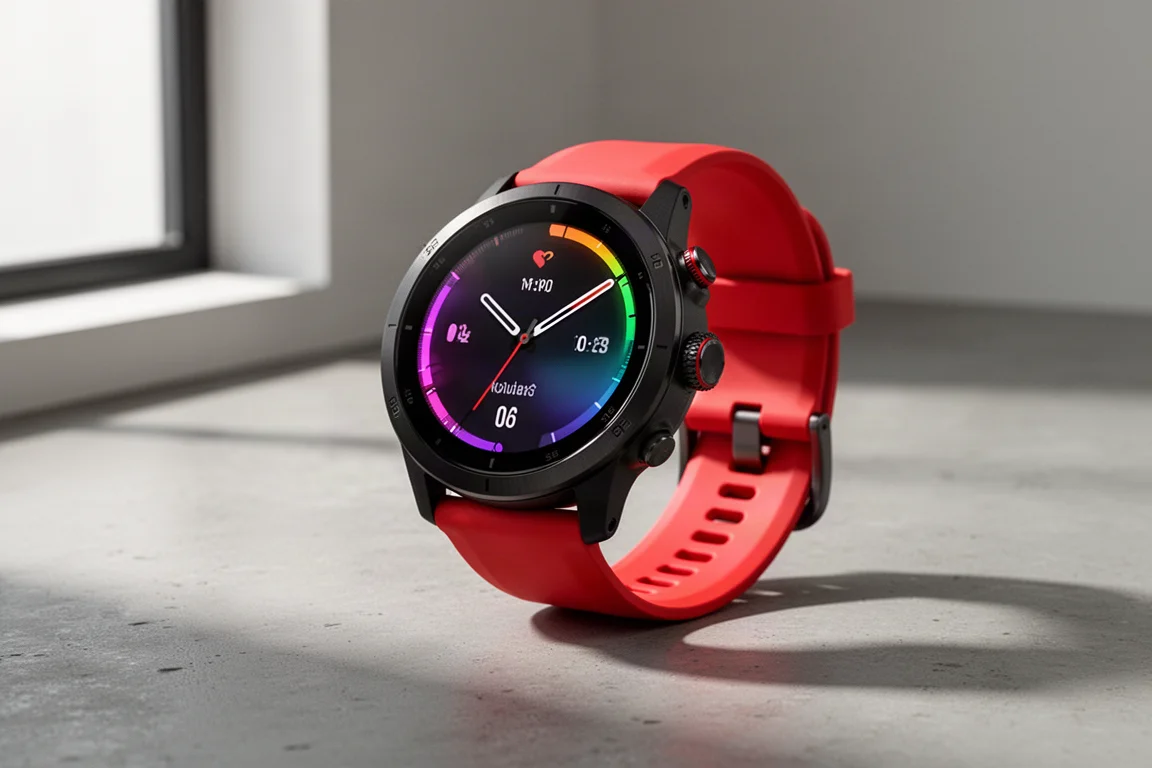
The Suunto Race arrives at £389 in the UK and $449 in the US, and that pricing strategy tells you a lot about what Suunto is trying to do here. Rather than matching Garmin and Polar feature for feature, it has picked the essentials that matter most to runners and multisport athletes, then undercut the competition on price. You get a large AMOLED touchscreen, dual-band GPS, free offline maps and genuinely strong battery life, wrapped in a build quality that is rare at this level.
This is arguably the best Suunto watch in a long time, and possibly the most convincing value proposition in the premium AMOLED sports watch bracket. It is not flawless, though, and a few weaknesses are worth weighing up before you buy.
Who This Product Is For
The Race suits runners and multisport athletes who want the headline features of a premium watch, dual-band GPS accuracy, clear offline mapping, long battery life and a quality AMOLED display, without paying Garmin or Polar flagship prices. If you train seriously but are happy to pair a chest strap for heart rate and skip smartwatch extras like offline music and contactless payments, this is a very easy watch to recommend.
It is less well suited to anyone who wants a full smartwatch experience, detailed training analysis, or reliable optical heart rate out of the box. If those things matter most, the Garmin Forerunner 965 or Polar Vantage V3 remain better rounded, though both cost more.
Main Strengths
Design and Display
Suunto has long had a knack for watch design, and the Race continues that run. It has a distinctive look with a chunky engraved bezel that gives the screen extra protection, and it does not simply mimic the Garmin Forerunner 965 or Polar Vantage V3 it is aimed against. Both stainless steel and titanium bezel options are available, with the titanium version tested here feeling light while adding a premium edge.
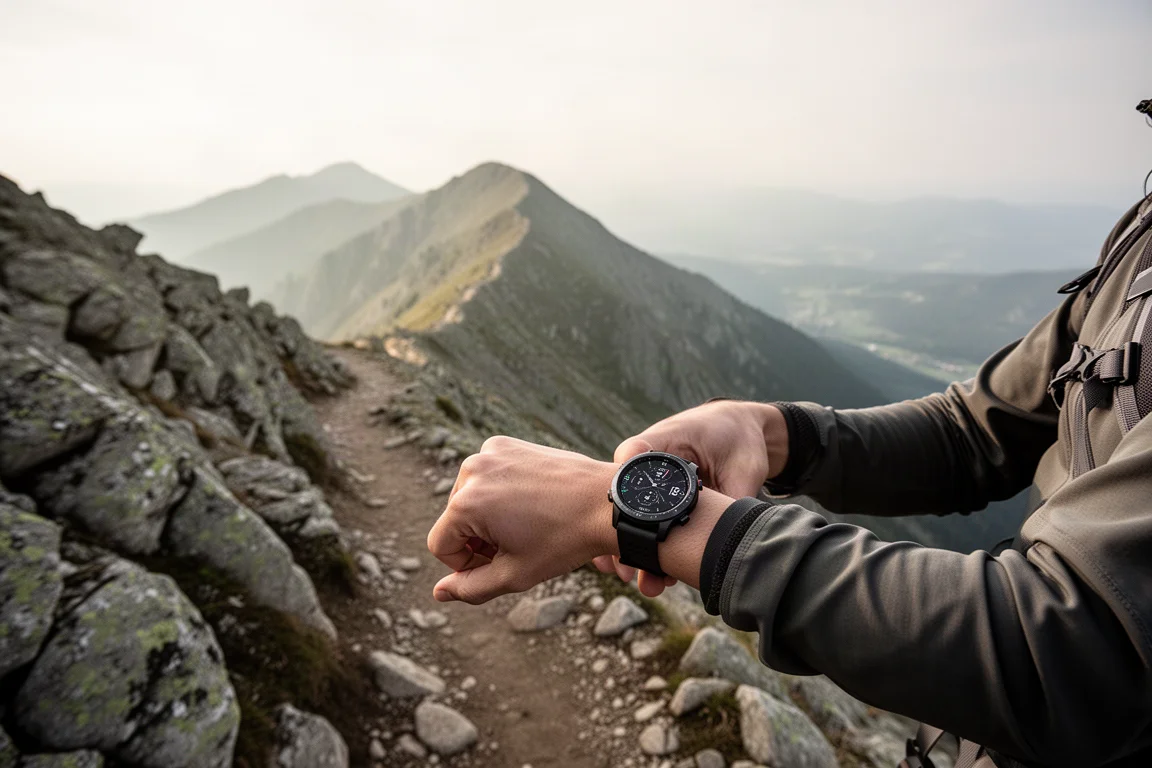
The big AMOLED touchscreen is the hero feature. It is bright, punchy and notably sharper when cranked up than the Polar Vantage V3, and it elevates everything from daily watch faces to map navigation. The sapphire crystal display adds genuine peace of mind against scratches, something even more expensive Garmin watches do not always include. Alongside the touchscreen you get three buttons, two flatter ones flanking a rotating digital crown for navigating the software.
GPS Accuracy and Mapping
The dual-band GPS has been outstanding. Across testing alongside the Garmin Forerunner 965 and Polar Vantage V3, the Race tracked closest to Garmin’s multiband mode, which is widely regarded as the reference point, with clean traces and very few stray paths through buildings or rivers. In all conditions it held its own at the top of the category.
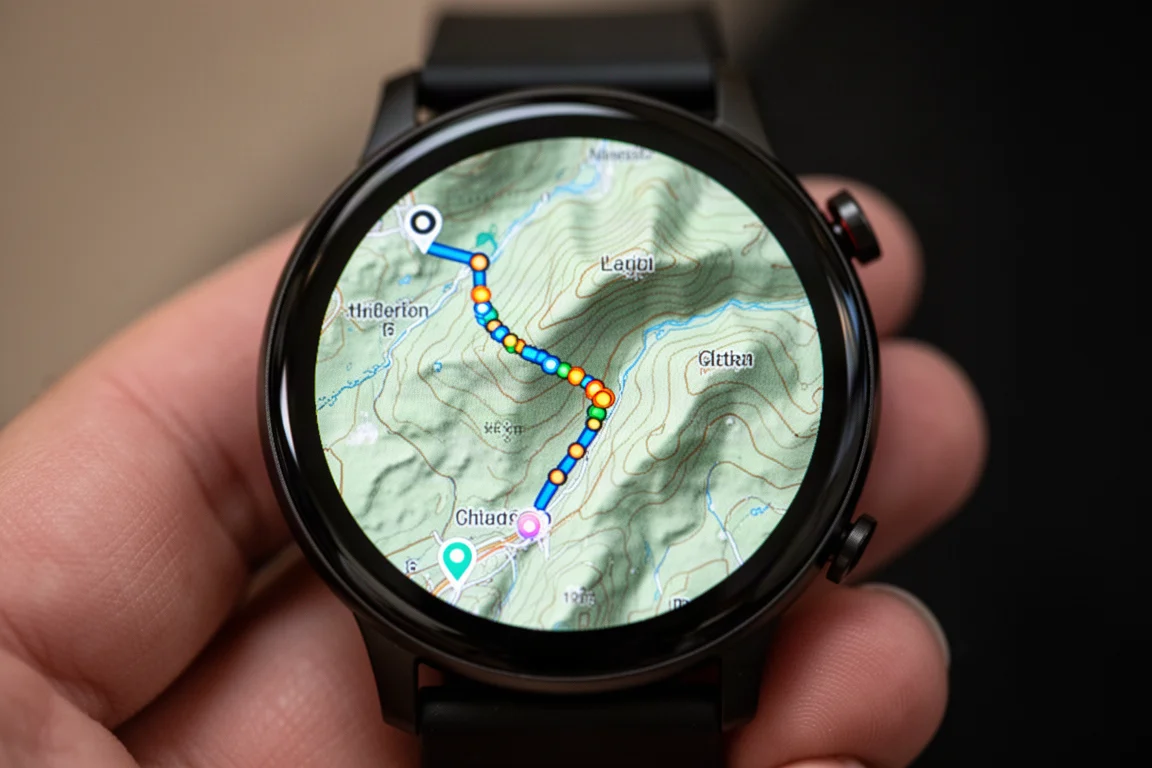
Offline maps are free and synced to the watch over Wi-Fi through the Suunto companion phone app. Downloads take a while, so it is worth doing before you travel rather than relying on hotel Wi-Fi. Once loaded, maps are clear and easy to read, and a bright blue arrow showing your next direction makes following routes genuinely simple, even on overlapping trail sections where a watch screen often leaves you guessing.
Battery Life
Suunto quotes up to 12 days of everyday smartwatch use, dropping with the always-on screen enabled, and up to 26 days in a basic watch mode. In the highest accuracy dual-frequency GPS mode, expect around 40 hours, stretching to a maximum of 120 hours if you trade accuracy for endurance.
Real-world testing matched those claims well. A one-hour run in max accuracy mode burned an average of just 3 percent, in line with the Garmin Forerunner 965 and Polar Vantage V3 in their equivalent modes. Daily use drained around 4 to 5 percent without training, and overnight with all tracking including blood oxygen enabled it averaged just 2 percent. For a single long activity with multiband GPS on, the Race comfortably outlasts any other AMOLED sports watch.
Training and Everyday Software
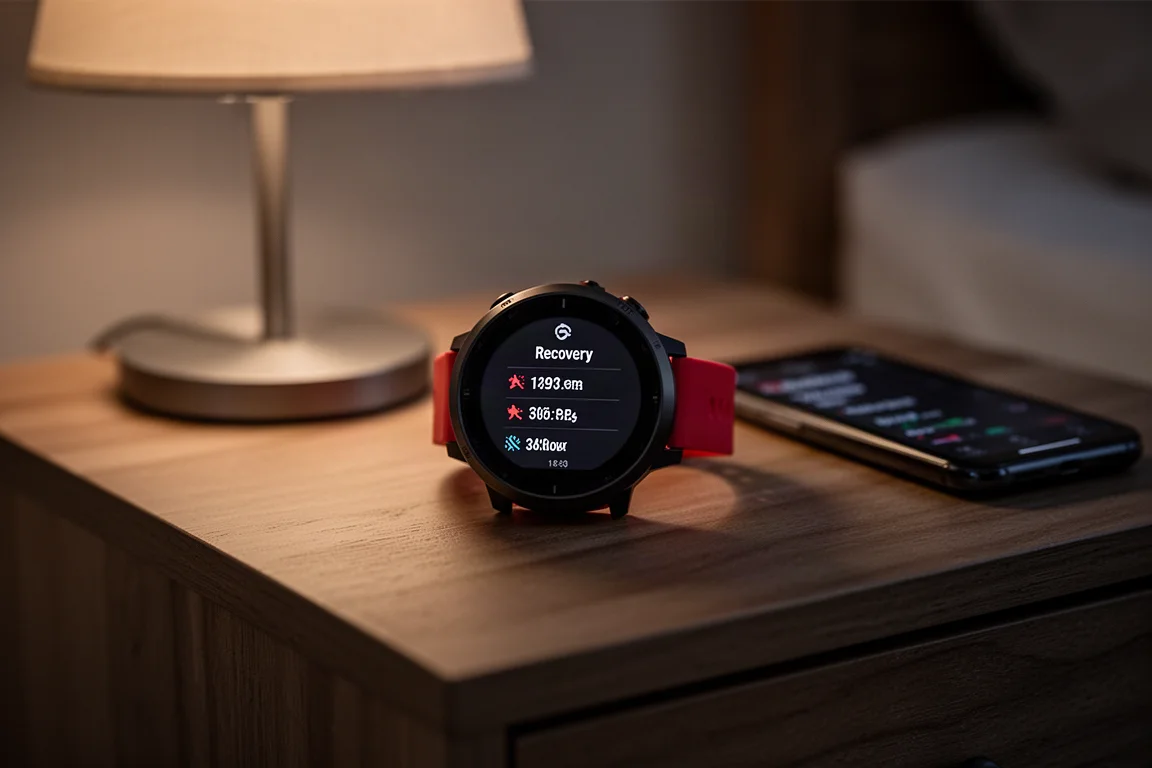
The software has been rethought around the touchscreen, and it is a clear step forward from previous Suunto watches. New additions include HRV-based recovery insights, which after two weeks of sleep data help indicate when you should prioritise recovery, and Suunto Coach, which looks at training load to guide your training decisions. You also get music playback controls for your phone, on-watch notifications, and access to the SuuntoPlus store with fairly extensive third-party app support.
Things to Consider Before Buying
The most significant weakness is the optical heart rate sensor. In testing it was frequently inaccurate during workouts, lagging on steady runs and then surging, drifting during intervals, and occasionally reading noticeably too high even at rest. It performed poorly against chest straps and rival optical sensors. The practical fix is simple: pair a chest strap, and at this price you can afford a good one and still spend less than on a Garmin flagship.
Software is another mixed area. Raise-to-wake and touchscreen responses are slightly laggier than the Garmin Forerunner 965 and Polar Vantage V3, menus can be confusing about whether an action needs a button press or a swipe, and some small things feel messy: you cannot customize existing sport modes, structured workouts only work as guides, and pairing sensors is fiddly because the watch does not name them. There is also no female health tracking, no offline music storage, and no contactless payments. Sleep tracking and the HRV recovery presentation feel underdeveloped compared with Garmin’s approach.
One tester also experienced a workout stopping mid-activity, including once during a 10k race, though this did not recur and does not appear widespread. Finally, the protruding digital crown can catch the skin, the thick silicone strap and hook fastening are awkward, and while the strap is technically swappable, removing it required real effort.

Buying Advice
At its price, the Suunto Race is genuinely hard to beat. It undercuts the Garmin Forerunner 965 and Polar Vantage V3 by a wide margin while matching or beating them on build quality, GPS accuracy and battery life, and it clearly beats the Polar Vantage V3 overall while costing less. Against the similarly priced Garmin Forerunner 265, the Race adds sapphire crystal protection and offline maps, though the 265 has slicker software, better training analysis and more smartwatch features.
If software polish, advanced navigation tools and heart rate accuracy are your priorities, the Garmin and Polar flagships are still worth the premium. But if you want a hardy, long-lasting watch with accurate multiband GPS, a great AMOLED screen and free offline maps, the Race is the cheapest way to get all of that, and if the price drops further, it moves into outright bargain territory.
Conclusion
The Suunto Race is a cracking watch that gets the important things right: a beautiful bright screen, excellent dual-band GPS, clear offline mapping, standout battery life and premium materials including sapphire crystal, all at a price that makes the more expensive competition genuinely hard to justify. Its weaknesses, mostly the optical heart rate sensor and some software rough edges, are real but workable, and none of them undermine its core strength as a pure sports tracker. For runners who value build quality, accuracy and battery life per pound or dollar spent, this is one of the top options on the market.
Product link
View more details for Suunto Race
This product is mentioned in the review. Check the specifications, options, and compatibility before buying.
View more details for Suunto RaceFurther reading
Related Reviews
Running Watches
Coros Pace 3 Running Watch Review: Why Software Matters More Than Specs
The Coros Pace 3 prioritizes runner-focused design and intelligent software over expensive hardware. Here's why it outperforms watches that cost twice as much.
Running Watches
GPS Running Watch Accuracy Test: Seven Watches Compared Across Urban, Trail, and Race Conditions
We tested seven popular running watches from major brands in three different environments to find out which delivers the most accurate GPS tracking for distance and pace.
Running Watches
Garmin Forerunner 70 Review: Garmin's Cheapest Forerunner Is More Capable Than You'd Expect
The new entry-level Forerunner 70 brings an AMOLED screen, a fresh interface, and real training analysis for £219/$249, with a few trade-offs to weigh before buying.