Sports Watches
Suunto Race 2 Review: Big Hardware Fixes Where It Counts
A brighter, larger display, a redesigned heart rate sensor, doubled storage, and longer dual-frequency GPS battery life. Here is how the Suunto Race 2 holds up in real training.
Introduction
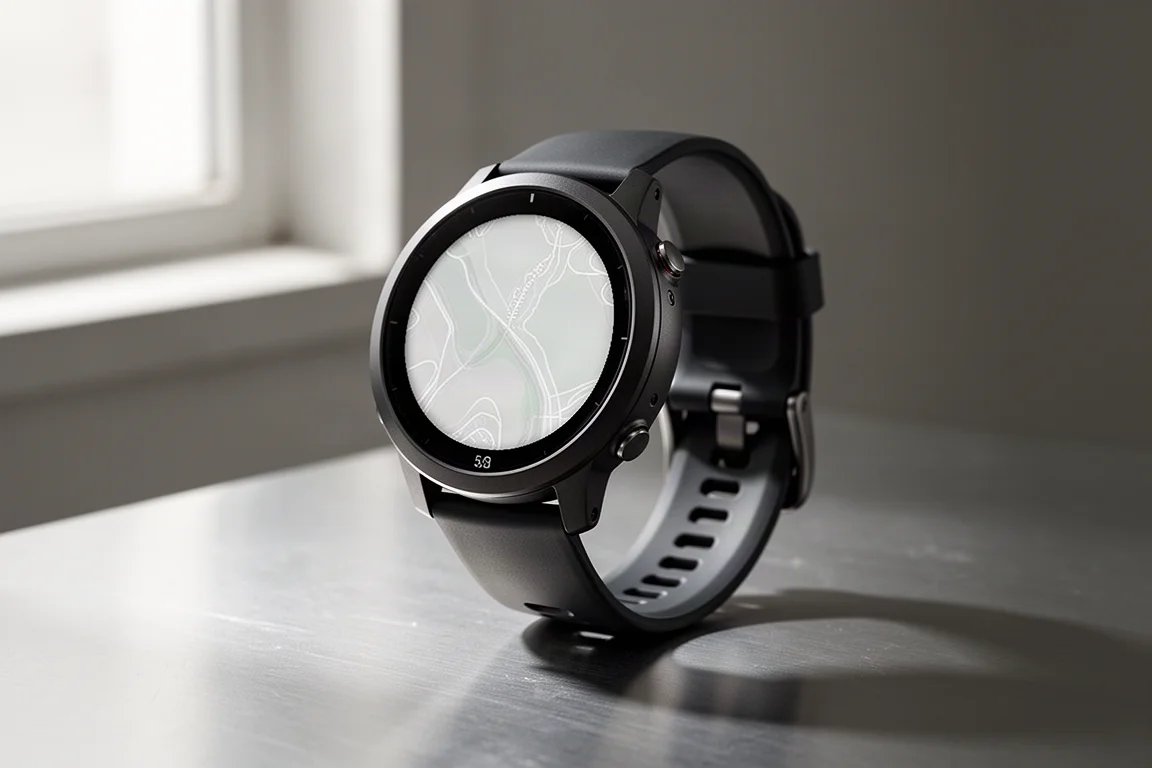
The Suunto Race 2 arrives with a list of hardware changes aimed almost entirely at complaints owners of the original had: a weak optical heart rate sensor, an annoying charger, and a display that, while good, could be better. Having used the watch across cycling, swimming, running, and trail running, the short version is that most of those fixes land, and battery life actually improved along the way.
This review covers the hardware changes, the new software features, accuracy results from real training, and who this watch makes sense for.
Hardware: Display, Heart Rate Sensor, and Charging
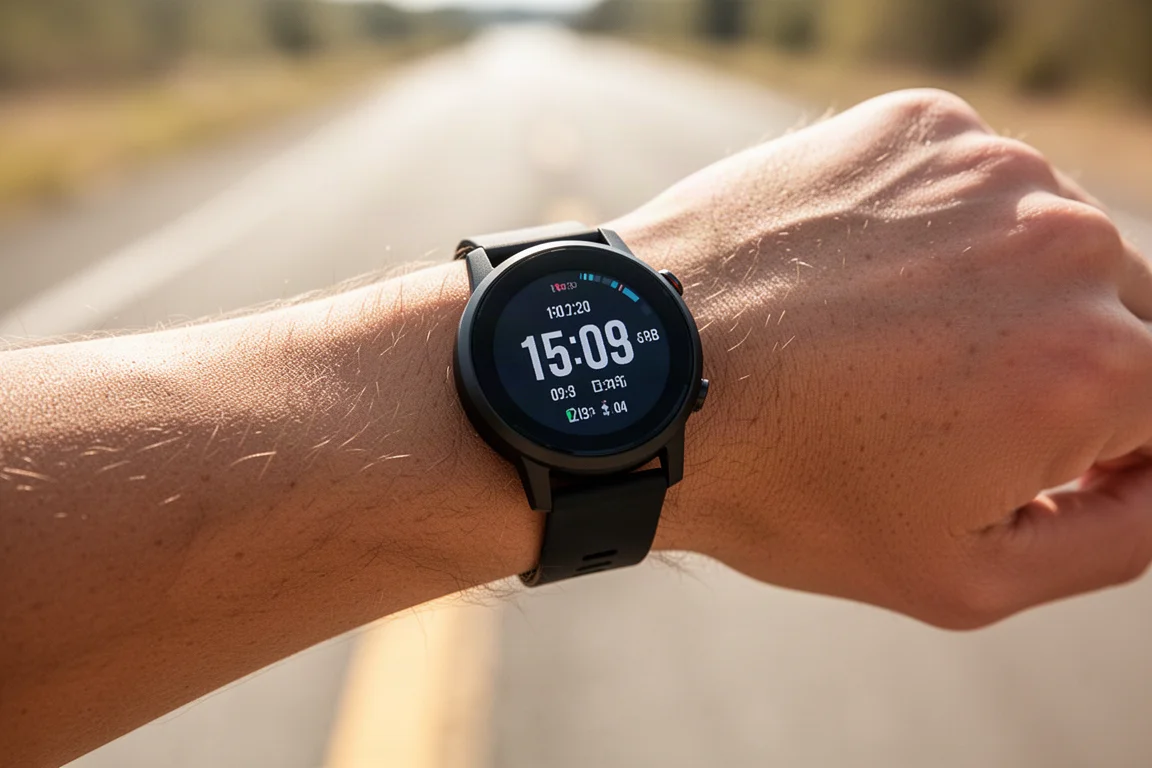
The display grows from 1.43 inches to 1.5 inches while the case stays at 49 mm, and peak brightness rises to 2,000 nits. As with most watches, that is peak brightness rather than a constant figure, but the screen remains easy to read in direct sun. That said, the original Race was already very readable outdoors, so the improvement is incremental rather than transformative. Sapphire glass covers the display on every model, which is a nice touch at this price.
The biggest change sits on the back of the watch: a new optical heart rate sensor. Suunto surveyed existing Race owners and the top complaint, by a wide margin, was heart rate sensor performance. The new sensor goes a long way toward fixing that, and the accuracy section below has the details.
The charging pins have also moved from the sensor area to the side of the case, and there are now four contact dots instead of two. That brings a new charger that finally does not frustrate, plus some future proofing: two of those dots carry data connections that Suunto says could eventually enable faster wired transfer of maps or music than Wi-Fi allows. That capability is not active today, but it signals where the platform is heading.
Internals: Processor, Storage, and Battery Life
Under the hood, Suunto has doubled down almost everywhere. The new processor is said to be roughly twice as fast as before, storage doubles to 32 GB on the base edition (the Titanium Edition was already at 32 GB), and RAM has increased substantially. Those resources serve offline maps today, and possibly on-watch music down the line.
Battery life has not suffered from the upgraded hardware. The claim goes from 50 to 55 hours in dual-frequency GPS mode, which is the highest-accuracy configuration, without navigation and with the gesture-based display behavior. In testing, the watch delivered a bit over 50 hours in that exact configuration with a power meter pedal paired, which matches the claim closely. Suunto has stuck with the Sony GPS chipset, which it says has been continuously optimized for dual-frequency use, and that shows in dual-frequency endurance figures that beat competitors in this size category.

On the fit-and-finish side, the case is slightly thinner at 12.5 mm versus 13.2 mm, and weight drops from 83 to 76 grams on the standard edition and from 69 to 65 grams on the Titanium Edition. Bands remain standard 22 mm, so swapping them is easy. The stock band is the one hardware gripe: the small fastener loop is awkward to pop closed on the wrist, though any standard 22 mm replacement solves that.
Software: Multi-Sensor Pairing and Navigation Updates
The headline software change is multi-sensor pairing. For the better part of a decade, one of the biggest complaints about Suunto devices was the inability to save multiple sensors of the same type. Now the watch can store several power meters or other sensors of the same type, with battery status visible for each. Sensor naming is still missing, but the core limitation is gone.
Climbing guidance, similar in concept to a Climb Pro-style feature, now lets you zoom into waypoints on a course rather than viewing only the full elevation profile. Garmin does not offer that zoom level, and it is genuinely useful if you place waypoints on your routes.
Navigation quality-of-life updates include downloading map areas over Wi-Fi without the charging cable. Since Suunto’s maps are split into small regions, grabbing an area over Wi-Fi from the watch itself is quick and convenient. A passcode option has also arrived, which is rolling out across the industry ahead of upcoming EU data protection requirements. It is optional, like on other devices.
Pricing and Positioning
Here comes the less cheerful part: the base edition now costs $499, and the Titanium Edition is $100 more at $599. That puts the Race 2 in a tougher spot against competitors like Polar and COROS in the non-Garmin space. Against Garmin, it is well positioned versus the Instinct series at the same price, given the Race 2 includes full mapping and the superior display, though the Instinct has its own feature set that appeals to a different kind of buyer.
Both the original Suunto Race and the Race S remain on sale. The Race S is treated as its own product line, while the original Race is the direct predecessor and will reportedly stay available until Suunto runs out of inventory, likely around the end of the year, at a lower price. It receives virtually all the same software updates, just not the hardware changes, which makes it worth considering if budget is the priority.
GPS Accuracy: Strong Overall, With Small Quirks
On the bike, GPS performance was one of the best results from Suunto to date, with clean tracks at a high level and only occasional small quirks, such as slightly clipping a corner here and there. On repetitive loop runs, the Race 2 was the one unit that showed small drifts on the outside edges of repeated laps.

In New York City, one of the hardest GPS environments there is, results were good at a high level, including along the water under bridge structures. Compared side by side with other units, however, it occasionally cut corners and missed turns slightly more than the competition, and in Times Square it missed the mark a bit more than other watches on hand. These are not bad performances, just not the strongest Suunto has produced.
Swim Tracking and Heart Rate Accuracy
In open water, the Race 2 clearly outperformed a Garmin Forerunner 970 on the same buoy-to-buoy route, continuing a pattern seen since that watch launched. Against reference tracks recorded the night before by other watches, the Race 2 was very good but not quite as spot-on as the best units in the comparison.
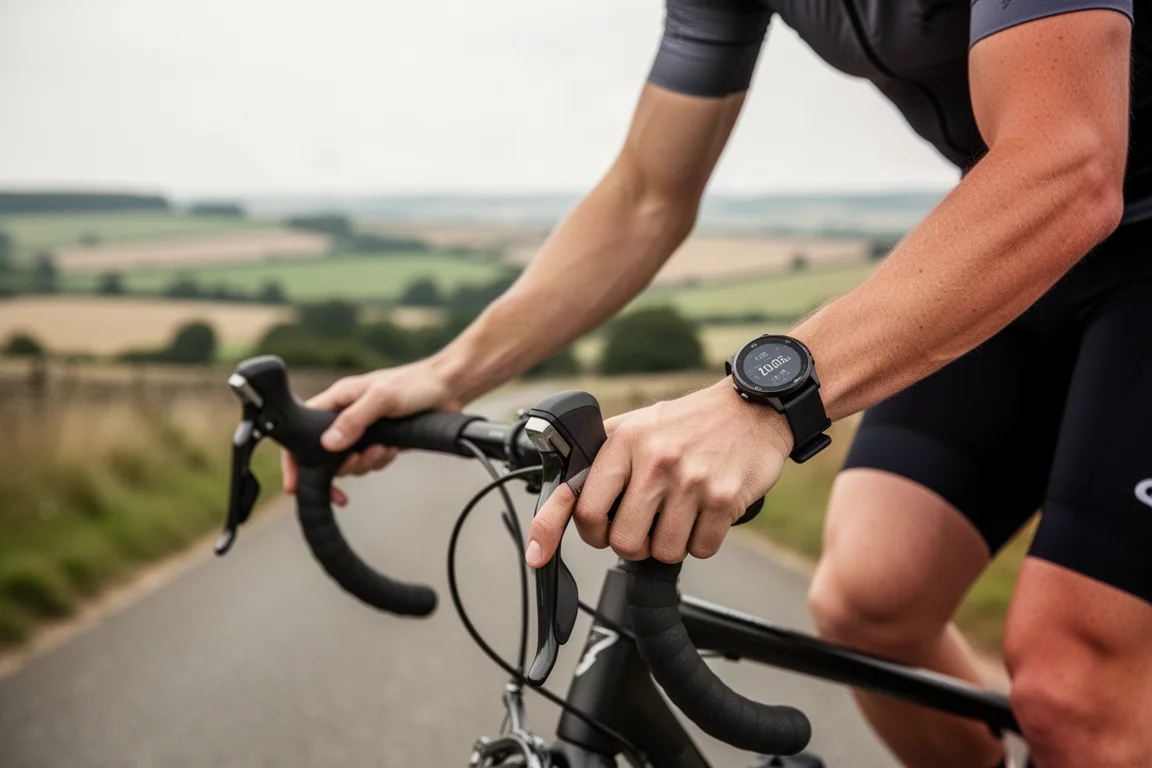
On the wrist heart rate side, interval runs showed mostly solid performance with only brief bobbles, one early warm-up wobble, and one missed interval start that a competing watch shared. Cycling heart rate was notably better than expected and among Suunto’s best results to date. Overall, heart rate accuracy is vastly improved compared to the past, and GPS accuracy remains quite good.
Buying Advice
The Suunto Race 2 is easy to recommend for runners, trail runners, cyclists, and triathletes who want full mapping, long dual-frequency GPS battery life, and now a dependable optical heart rate sensor, without stepping up to the most expensive multisport watches. The price increase to $499 means it is no longer the outright bargain the original Race was, so if you can find the outgoing Race at a discount while stock lasts, it remains a strong value with nearly identical software.
If you want the best heart rate sensor, the larger screen, and the future-proofed internals, the Race 2 is the one to get. If budget rules, the Race S and the original Race still deliver most of the experience.
Conclusion
The Suunto Race 2 fixes the right problems: heart rate performance, the charger, storage, and display size, all while extending battery life. GPS accuracy remains strong overall with minor quirks in dense environments, and the software roadmap points toward a more capable watch down the line. At $499, it is a competitive, well-rounded multisport watch for serious training across running, cycling, and swimming.
Product link
View more details for Suunto Race 2
This product is mentioned in the review. Check the specifications, options, and compatibility before buying.
View more details for Suunto Race 2Further reading
Related Reviews
Sports Watches
Garmin Sports Watch Guide: Finding the Right Model for Your Fitness Level
A comprehensive overview of Garmin's sports watch lineup, from casual fitness trackers to advanced multisport devices, helping you choose the right model for your needs and budget.
Sports Watches
Coros Pace Pro Review: A Complete Overhaul That Finally Feels Premium
Coros rebuilt the Pace Pro from the ground up with an AMOLED display, onboard maps, and a new heart rate sensor. Here is how it all holds up in real use.
Sports Watches
Polar Vantage M3 Review: The Sweet Spot in Polar's New Watch Lineup
A closer look at the Polar Vantage M3, which brings an AMOLED display, dual-frequency GPS, offline maps and the same software platform as Polar's flagship watches at a friendlier price.