GPS Watches
Suunto 9 Peak Pro Review: A Light, Long-Lasting GPS Watch After 12 Months
A compact multisport GPS watch with exceptional battery life, accurate breadcrumb navigation, and a deliberately simple interface. Here is where it shines and where it falls short.
Introduction
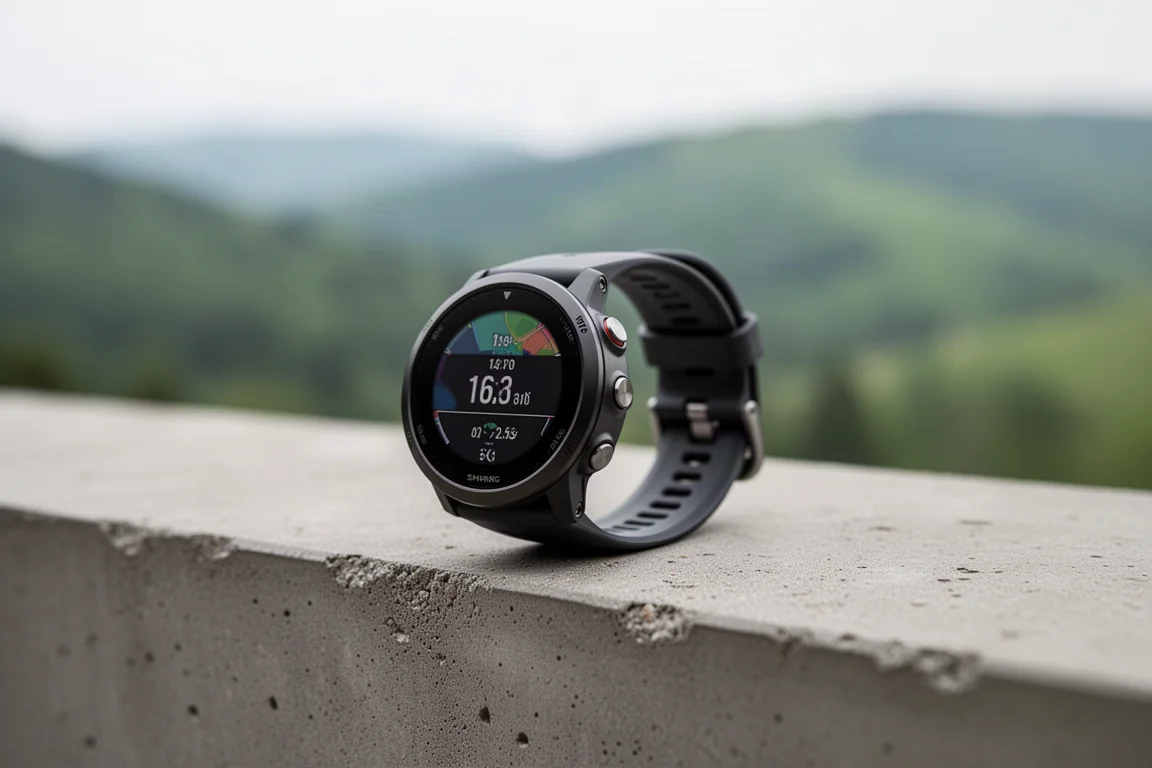
The Suunto 9 Peak Pro is a compact multisport GPS watch aimed at runners, cyclists and hikers who want dependable tracking without a complicated interface. Twelve months of running, cycling and hiking with it paint a consistent picture: this is a small, light, long-lasting watch that keeps things refreshingly simple.
At around £315 direct from Suunto, and sometimes less if you shop around, it sits in a competitive corner of the market. What follows is a practical look at where it earns its place on your wrist and where a more expensive watch may still be the better answer.
Who the Suunto 9 Peak Pro Is For
The case measures 43.3 mm across, making it one of the smaller multisport watches on the market, and it weighs roughly 63 g. On smaller wrists it sits neatly and looks tidy rather than oversized, and the low weight means it largely disappears during long efforts.
That combination points to a specific kind of buyer. If you want a training watch that covers running, cycling and hiking well, stays out of the way, and does not demand a manual to operate, this is a natural fit. Riders and hikers who mostly want distance, elevation, heart rate and pace recorded reliably will find everything they need here.

It is equally well suited to anyone moving up from a basic fitness tracker. The feature set is broad enough for structured training, yet the watch never feels like a computer strapped to your arm.
Main Strengths
Battery Life That Outlasts the Competition
Battery life is the headline strength. In full GPS mode the watch is rated for up to 40 hours, and in standard watch mode it can run for up to 21 days. For anyone used to charging a GPS watch every few days, that changes how you use it.
Real-world numbers back this up. A 10 km run started with roughly 95 percent charge and finished at 84 percent, so about 10 percent of the battery covered a full 10 km session with GPS active. Multi-day hiking trips and long ride days are comfortably within reach.
Simple, Clicky Button Control
The control scheme is deliberately minimal: three physical buttons, each with a crisp, satisfying click. Pressing and holding the middle button always returns you to where you started, which makes recovery from a wrong turn in the menus almost instant.
That simplicity matters more than it sounds. Many GPS watches combine several buttons with swipe navigation, and it is easy to get lost several screens deep. Here, the touchscreen handles browsing and the buttons handle the essentials.
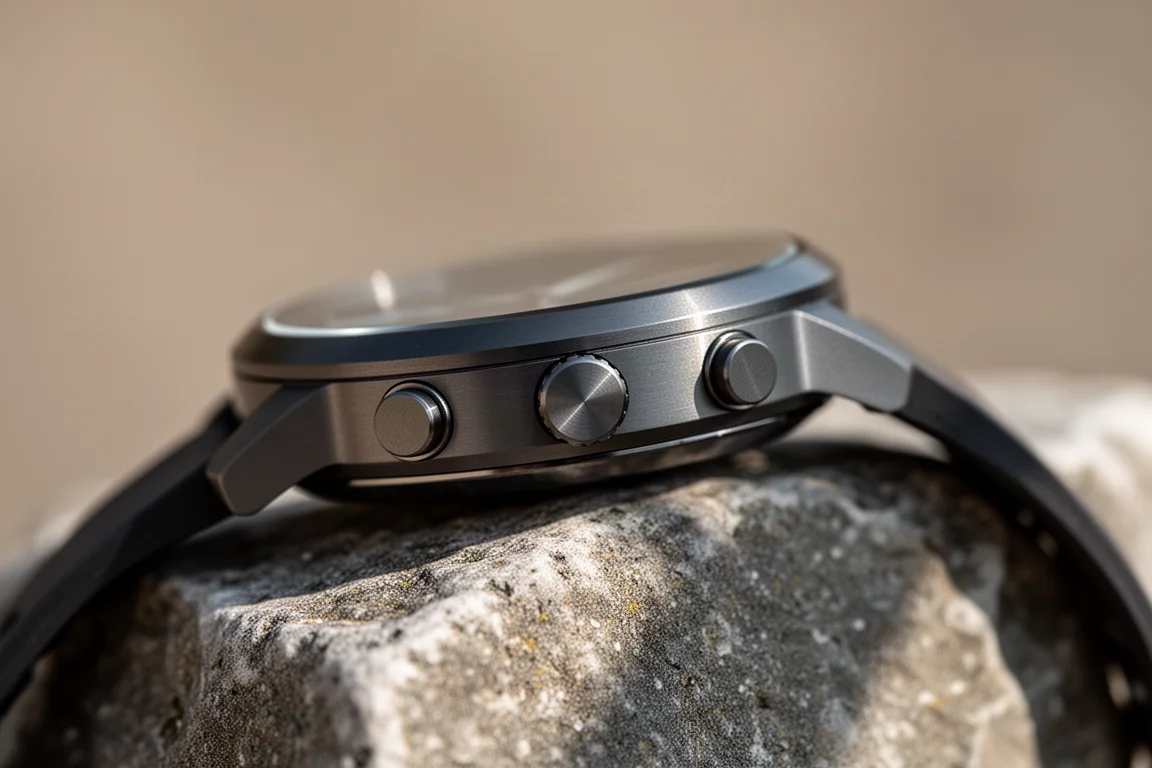
Starting an activity is a single press of the top button, the bottom button opens the main menu, and holding the middle button reaches the settings. After a short familiarisation period, the whole system feels intuitive.
Accurate GPS Tracking and Breadcrumb Navigation
Satellite lock is quick and reliable, and the watch follows a breadcrumb trail accurately when you are navigating a planned route. On a hike covering 6.34 miles with around 3,185 ft of elevation gain, the track held up well.
The trade-off is that there are no full topographic maps on the screen. A breadcrumb line tells you whether you are on course, but it does not show the terrain around you the way pricier mapping watches do. For most trail use that is enough; for complex off-trail navigation, it is a genuine limitation.
Training Data Straight Out of the Box
The post-activity summaries are unusually complete without any customisation. A 10 km run reported average pace just under 8 minutes per mile, running cadence, power, a step count of around 8,800, and a heart rate graph with an average of 158 bpm.
Alongside that you get calories burned, recovery time, ascent and descent, and per-mile laps, so you can review pacing consistency after the session. A 21.6 mile ride recorded heart rate, intensity zones, calories, recovery time and elevation data as well; leaving auto-pause off pulled the recorded average speed below the true moving average, which is worth remembering when you review ride files.
One quirk: heart rate zones are not configured by default, so an early hard effort was classified as maximal until the zones were set up. It is a five-minute fix, not a flaw.
Things to Consider Before Buying
Screen and Size
The compact case is the watch’s defining trait, and for some buyers it will be the sticking point. A 43.3 mm body means a smaller display than larger multisport watches, and anyone with bigger wrists or a preference for glancing at several data fields mid-run may find it cramped.
Mapping Limitations
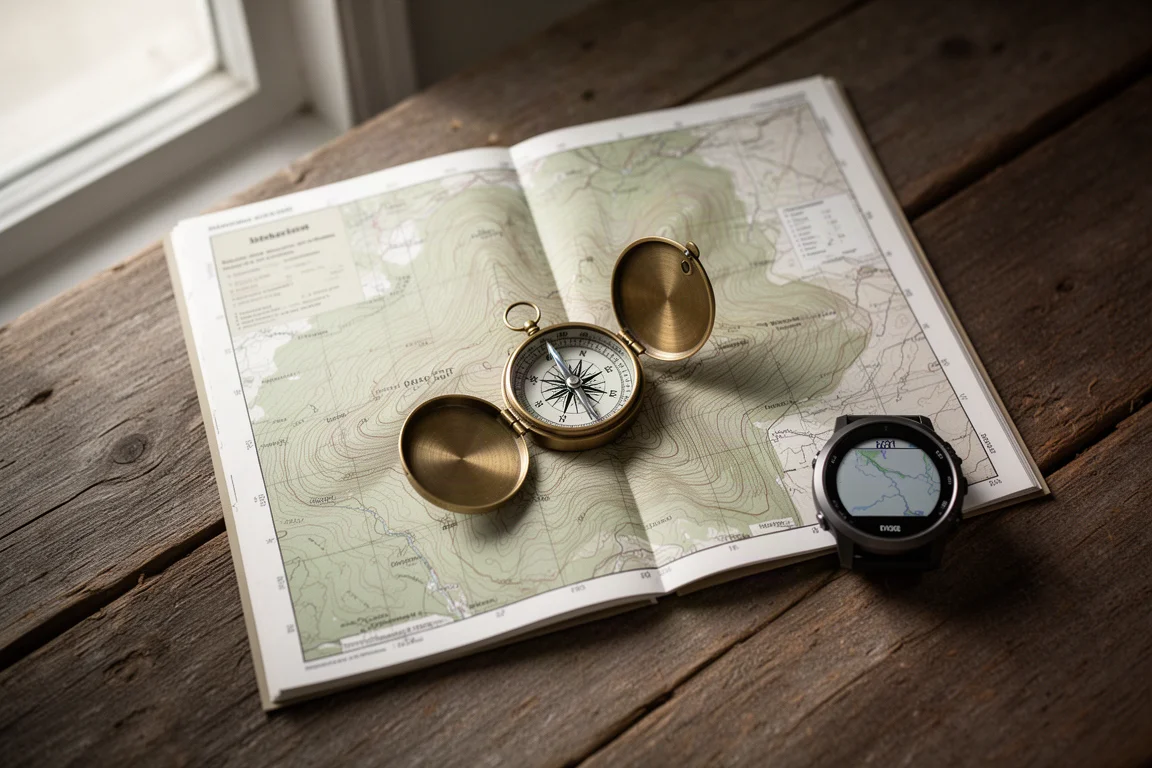
Navigation relies on breadcrumbs rather than full maps, so if turn-by-turn guidance through unfamiliar mountain terrain is essential, a watch with proper mapping will serve you better. The Suunto handles the basics accurately, but it does not attempt to replace a mapping device.
Data Depth
Athletes who enjoy deep post-session analysis may find the platform lighter than they expect. The stats are solid and the summaries are genuinely useful, but the most data-hungry users tend to want more fields, more charts and more configurability than this watch offers.
Buying Advice
For the money, the Suunto 9 Peak Pro is easy to recommend. Satellite performance is strong, battery life is exceptional, and Bluetooth and Wi-Fi connectivity keep everything synced, including automatic uploads to Strava.
At around £300, it delivers the essentials of a serious training watch without the price tag or complexity of a flagship model. If your priorities are reliable tracking, long battery life and a simple interface, the value here is hard to beat.
Buy it with confidence if you want a light, understated watch for running, riding and hiking. Look elsewhere only if full topographic mapping or maximum data depth is non-negotiable for you.
Conclusion
The Suunto 9 Peak Pro succeeds by doing the fundamentals exceptionally well. It locks onto GPS quickly, records accurate and useful training data, lasts for weeks between charges, and stays simple enough to operate without thinking.
Its limitations are real but specific: a small screen, breadcrumb navigation instead of full maps, and a feature set that stops short of the most analysis-heavy platforms. For runners, cyclists and hikers who value battery life and clarity over everything else, it remains a compelling choice at its price.
Product link
View more details for Suunto 9 Peak Pro
This product is mentioned in the review. Check the specifications, options, and compatibility before buying.
View more details for Suunto 9 Peak ProFurther reading
Related Reviews
GPS Watches
Garmin Fenix 6S Pro Review: A Compact Multi-Sport GPS Watch
A long-term look at the 42mm Garmin Fenix 6S Pro, covering mapping, training metrics, battery life, and what to weigh before buying.
GPS Watches
Garmin Instinct 2 Solar Review: Weeks of Battery for Runners, Riders, and Hikers
A practical look at the Garmin Instinct 2 Solar, covering solar charging, multi-week battery life, training metrics, and GPS performance across running, cycling, and hiking.

Backpacking Gear
Building a 10 lb Base Weight: An Ultralight Backpacking Gear List
A practical walkthrough of the ultralight pieces behind a 10 lb base weight, from a 765 g pack and a roomy one-person tent to a full camp chair and a dependable water filter.