Snowboard Bindings
Supermatic vs Jones Mercury Phase: Two Quick-Entry Snowboard Bindings Compared
Two step-in binding systems that skip the straps, with different trade-offs in entry ease and on-snow feel.
Introduction
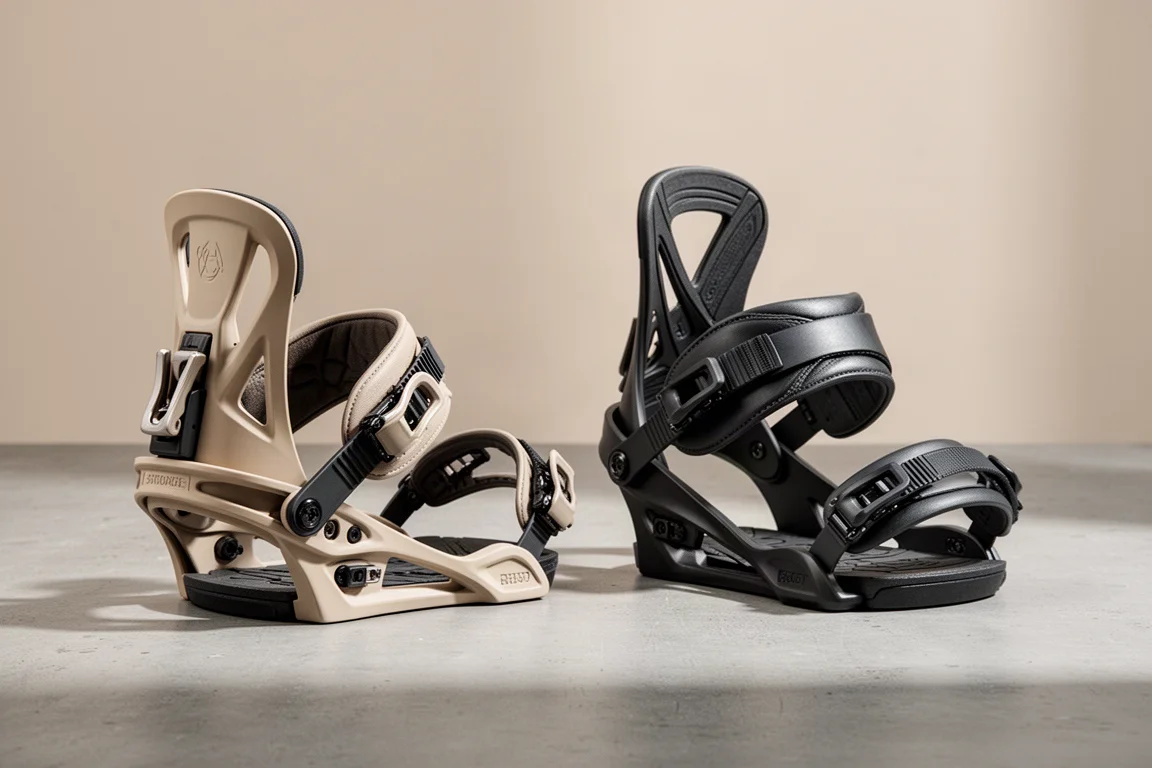
Quick-entry bindings have matured to the point where two systems stand out: the Supermatic and the Phase tech found on bindings like the Jones Mercury. Both promise to skip the fiddly strap routine, but they take noticeably different approaches, and choosing between them comes down to what you value more: effortless entry or a lighter, more traditional on-snow feel.
If you have been shopping for a step-in system, you have almost certainly looked at both of these. Other quick-entry options exist, but this comparison focuses on the two covered here.

How Entry and Exit Works
The Supermatic uses a small rear lever that opens up the highback and creates a wide, easy entry angle. Push your heel down and it locks into a steel locking mechanism, and a shiny skid plate on top helps your foot slide in smoothly. There is a knack to it, and it is easier on flat slopes, but with practice it becomes very natural. Exiting is just as simple: press the lever, it lifts your heel, and you pull up and out.
The Phase system uses a similar folded-down highback, but the entry angle is a little steeper, which is noticeable when you are balancing on one foot on icy or skiddy snow. Push your heel down and a small spring-loaded lever pulls the highback flush against the back of your boot, then you crank down the ankle strap to lock in. Getting out is dead easy: undo the strap, lift your heel, step out.
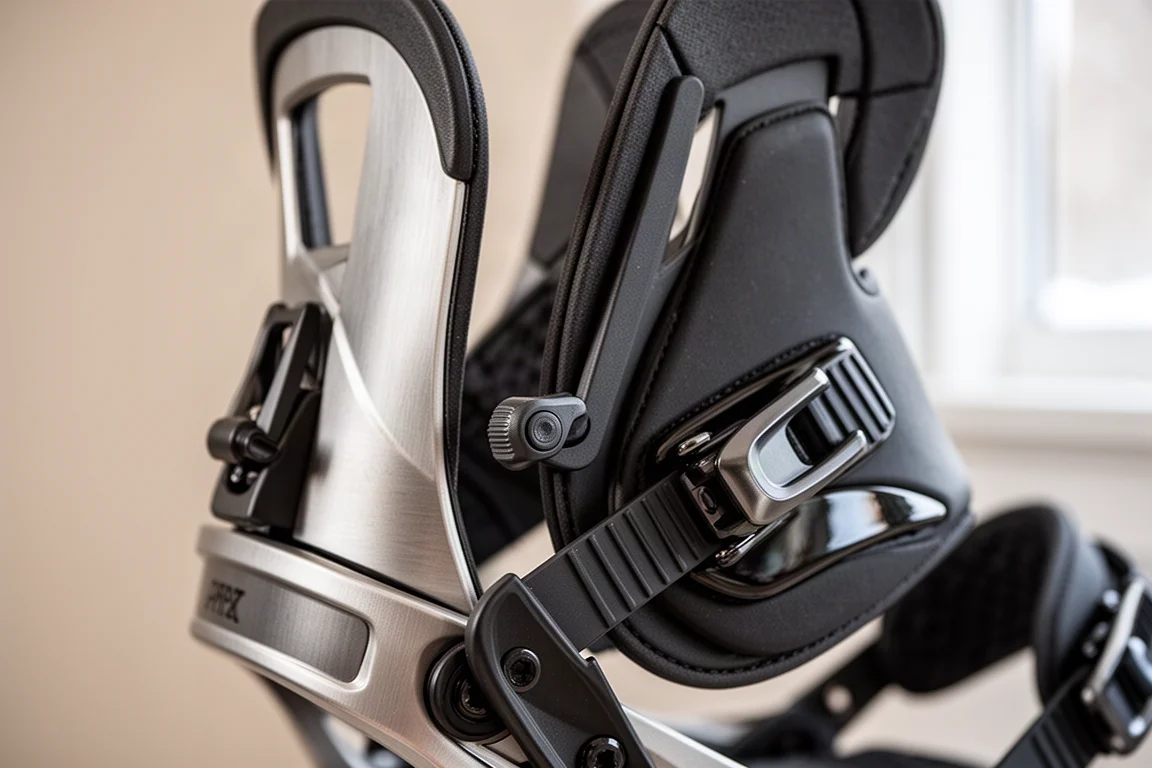
One practical note on chair lifts: with both bindings, the highback compresses into the top of the ankle strap when pressure comes over the top, and you can undo the ankle straps to lower the highback further for traveling or storage.
On-Snow Feel: The Trade-Off
The Supermatics work well, but they are not the most performance-oriented binding available. They are a little heavier and bulkier than a normal binding, though in practice this drawback is minor and not something you really notice once they are strapped in. They are not the pick for the biggest park kickers, competitive slalom racing, or an ultimate heli-boarding setup, but for everyday riding they perform like a regular two-strap binding while giving you fully automatic entry.

The Phase, by contrast, is the closest thing to a normal two-strap binding in this category. With around twenty days ridden, mostly in hard icy conditions, there is essentially no difference to report: same weight, feel, and ride quality as a standard binding, plus the faster entry system. If the Supermatics make you slightly aware there is a difference, the Phase makes you forget it entirely.
Who Each Binding Is For
If your main priority is automatic, step-in entry with no straps to crank at all, the Supermatic is the choice. It is particularly appealing for instructors, frequent skaters across flat sections, and anyone who finds themselves strapping in for short hops they would not bother with in a two-strap setup. As long as you are not chasing maximum performance, the extra weight and bulk will not hold you back.

If you want to prioritize performance, light weight, and board feel while still getting a quicker entry than a normal two-strap binding, the Phase tech, such as on the Jones Mercury, is the better fit. You accept a slightly steeper entry angle in exchange for an on-snow feel that is indistinguishable from a regular binding.
Overall Buying Advice
The two-strap binding is far from dead; it still offers the most choice and works great. But quick-entry options are growing fast, and both of these are worth serious consideration. If you are lucky enough to ride both scenarios, the pattern is clear: the Supermatic for teaching, filming, and convenience-heavy days, the Phase when you want the lighter, more performance-focused option from time to time.
Conclusion
Both bindings deliver on the promise of skipping the straps. The Supermatic wins on pure entry convenience with a fully automatic system, while the Phase delivers a true normal-binding feel with a faster entry. Decide which matters more to you and you will have your answer.
Further reading
Related Reviews

Snowboard Bindings
2024 Union Ultra Snowboard Bindings Review: A Cushy, Freestyle-Focused Favorite
Two seasons on the 2024 Union Ultra: a lightweight, tweakable freestyle binding with standout comfort, a damp molecular bushing, and thoughtful hardware fixes.

Snowboard Bindings
32 Team Phase Binding Review: A Fast Entry Binding Built for Freestyle Laps
The first binding from 32 uses the Phase chassis for quick step-in entry with a softer, freestyle-leaning flex. Here's how it performed on the snow.

Snowboard Bindings
Arbor Cypress Snowboard Binding Review: A Laid-Back Cruiser That Can Charge
A closer look at the Arbor Cypress binding's adjustability, strap feel, and that oddly tall highback before you decide to buy.